Pennsylvania Gardeners’ Guide To Planting, Growing, And Caring For Cascade Hydrangeas
Staring at that bare corner of your patio or a dull retaining wall and feeling like your Pennsylvania garden is missing its “wow” factor? You aren’t alone.
We’ve all spent those unpredictable spring days second-guessing our landscape, waiting for the perfect plant to bridge the gap between “half-asleep” and “neighborhood showstopper.”
If you want a look that stops people in their tracks, it’s time to stop thinking in circles and start thinking in cascades.
These unique hydrangeas don’t just sit there – they spill, drape, and tumble, creating a literal waterfall of blooms over walls, slopes, and containers.
But in PA, getting that perfect, graceful flow isn’t just about planting and hoping; it’s about mastering our wild spring weather. Ready to turn your landscape into the talk of the town?
Here is how to make your garden cascade into something extraordinary.
1. What Makes Cascade Hydrangeas Different In Pennsylvania Gardens
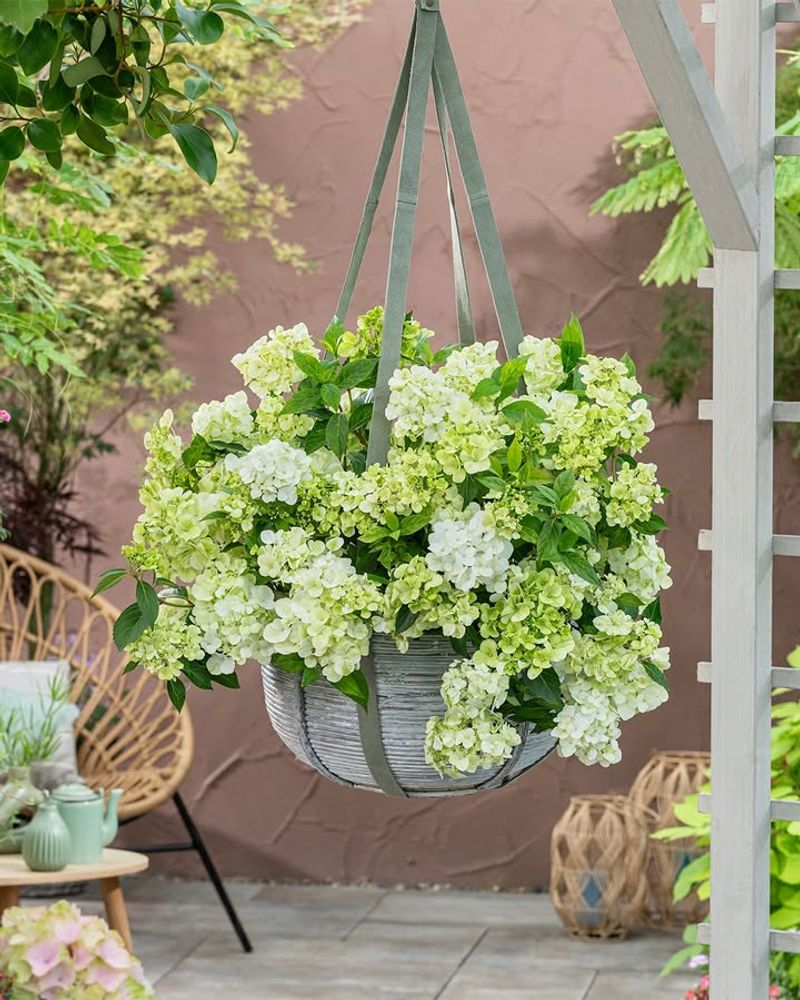
Most hydrangeas build a rounded shape over time, but cascade types lean into a horizontal, arching habit. Stems reach outward and droop, creating a layered look that stands out even when the plant is not in flower.
That structure makes them especially useful where you want movement along an edge.
In Pennsylvania, the Fairytrail series is one of the easiest “cascade hydrangea” groups to find, including Fairytrail Bride and Fairytrail Green.
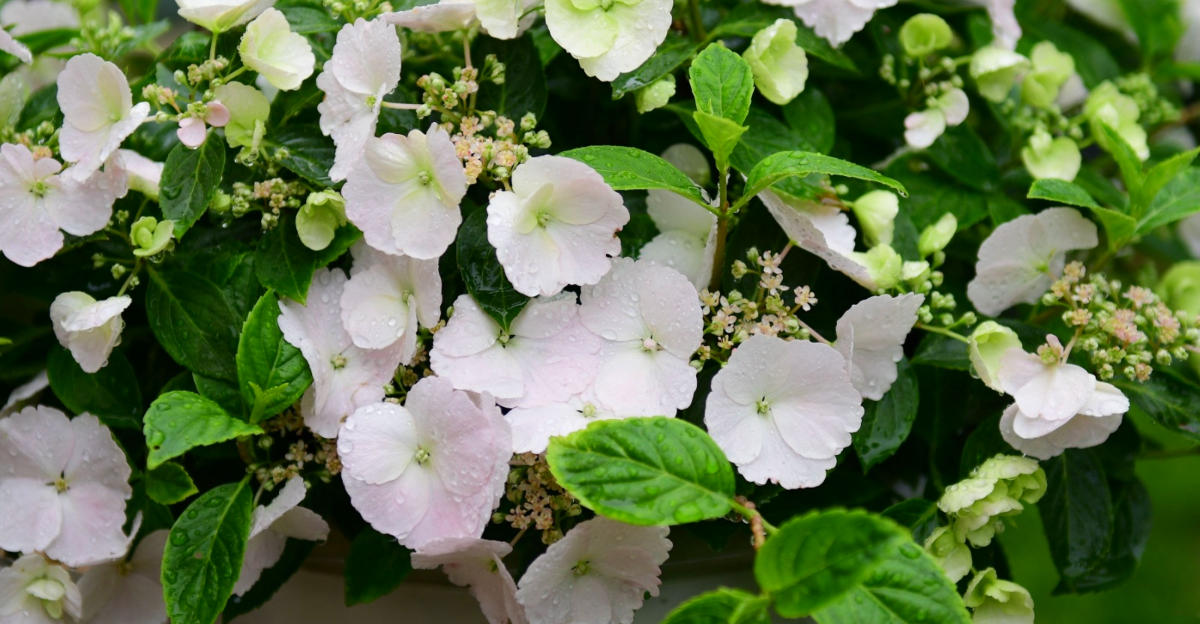
Fairytrail Bride is marketed with lacecap style flowers and a spring bloom season, while Fairytrail Green is described with green toned mophead flowers, also in the spring window.
The overall effect is flowers appearing along the length of trailing stems rather than only at the tips.
Sizing is one of the reasons placement matters. Many listings put these plants around four feet in height and roughly four to five feet wide at maturity, so they can take up real space even though they look airy.
That footprint fits raised planters and slope edges well, but it can overwhelm a narrow foundation bed if it is squeezed in too tightly.
Hardiness is less scary than it first sounds for most of Pennsylvania. The state spans roughly USDA zones 5a to 7b, and Fairytrail Bride and Fairytrail Green are both listed as hardy into zone 5.
The bigger risk in colder pockets is often not the plant’s survival, but spring bud damage during surprise freezes.
A sheltered spot and a little winter root protection can help improve consistency
2. Choosing Part Sun And Morning Shade For Better Blooms
Garden center hydrangeas look tough in their pots, but a Pennsylvania summer bed tells the truth fast. Hot afternoon sun can scorch leaves and push a plant into constant wilt mode, even when you are watering.
Light balance is usually the difference between a shrub that looks fresh at dinner time and one that looks tired by lunch.
A common sweet spot is bright light with protection from the harshest late day sun, especially in exposed yards. Many listings for these cascade types suggest part sun to part shade, with several hours of light each day.
In cooler Pennsylvania sites, they can often handle more sun than the same plant would in a hotter region, as long as moisture stays steady.
One Pennsylvania specific twist is frost behavior. In frost prone spots, direct early morning sun can warm frozen buds quickly after a cold night, which sometimes increases damage.
Some growers suggest morning shade can help buds stay cooler and thaw more slowly on risky spring mornings.
That does not mean deep shade is the goal, but it does explain why a slightly protected exposure can be helpful in the northern tier and higher elevations.
Deep shade usually reduces flowering and can make growth stretchier and less graceful. On the other end, full blazing sun paired with dry soil tends to shorten the “good looking hours” in midsummer.
Aim for bright light, decent airflow, and a spot where you can keep soil moisture consistent without turning the root zone soggy.
3. Picking The Right Spot For A Trailing Cascading Habit
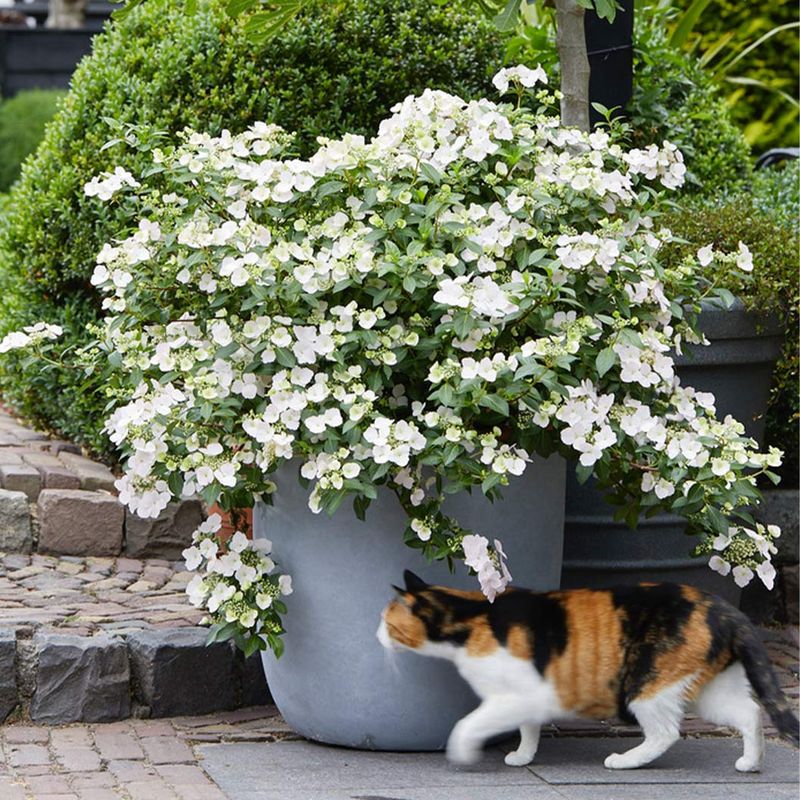
Cascade hydrangeas look their best when their stems can drape freely. A flat bed can work, but the most impressive look happens when the plant has a drop to spill over.
Raised planters, stone walls, terraced beds, and sturdy containers let the habit read the way it was intended.
Hillside plantings can be a strong match in Pennsylvania because the grade gives stems room to hang without resting on wet soil. Keeping stems off constantly damp ground can also help with airflow around the plant.
In borders, leaving open space in front matters more than many people expect, since the plant spreads outward before it drops.
Avoid low spots where water pools after spring rain. Many Pennsylvania soils hold moisture longer in spring, and these plants tend to do better with consistent moisture plus drainage rather than a cycle of soggy roots followed by drying.
Even lifting the planting area a little can help.
Wind matters too, especially for containers on open patios. Long arching stems can rub and tangle in persistent wind, and pots dry out faster than ground beds.
A site with a simple wind break, like a fence or hedge, can reduce stress and watering pressure.
4. Soil Setup For Moist Well Drained Conditions In Pennsylvania
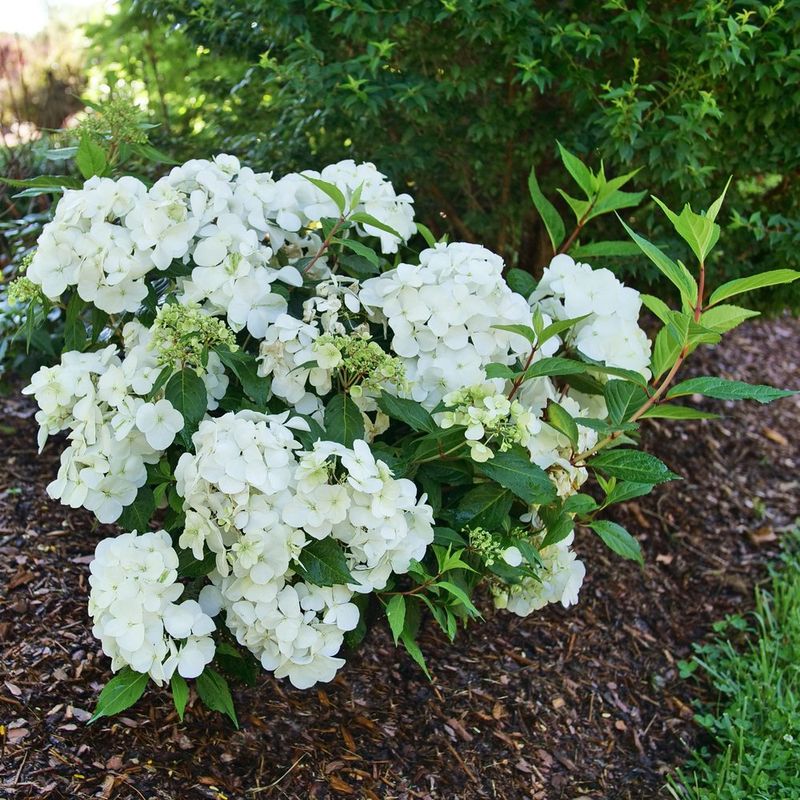
A lot of Pennsylvania gardeners deal with heavier soil, and hydrangeas notice fast. When water lingers around roots, growth slows and the plant can look dull even with plenty of rain.
Good soil setup is less about fancy amendments and more about improving structure and drainage.
A quick squeeze test helps you judge what you have. Sticky soil that holds a tight ball tends to drain slowly, while gritty soil crumbles and drains faster.
Mixing in compost can improve both water holding and drainage over time, but the goal is a soil that stays evenly moist without staying saturated.
Raising the planting area a few inches can be a practical fix in very heavy soil, especially in wet springs. That approach helps excess water move away from the crown without forcing you to build a full raised bed.
Mulch on top also helps reduce crusting and compaction from hard rains.
Soil pH is often discussed with hydrangeas, but it is easy to overthink with these cascade types.
For Fairytrail Bride, white flowers are described as not being impacted by soil chemistry, so the focus belongs on moisture and drainage rather than chasing a specific pH for color.
A basic soil test can still be useful for knowing what you are working with, and a common kit option is a paid test that covers pH and nutrients.
5. Planting Depth And Spacing For Full Growth Without Crowding
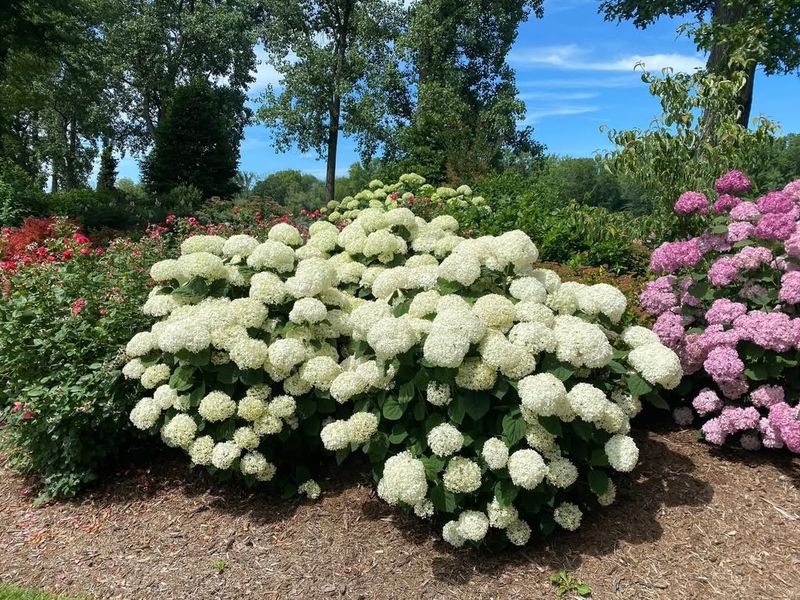
Planting depth is one of the easiest details to get wrong with hydrangeas. Setting the crown too low can keep the base wet and slow establishment.
Aim for the top of the root ball level with the surrounding soil, or slightly high if the site drains slowly.
A wide hole helps more than a deep hole. Dig two to three times wider than the root ball, loosen the sides, and keep the depth close to the container depth so the plant does not settle too far.
Backfill, firm gently, and water well to settle soil around roots.
Spacing is a big deal with cascade forms because the whole point is that outward sweep. Many listings put these plants in the four foot wide range, with some closer to four to five feet wide, so give them room to drape without smothering neighbors.
Crowding reduces airflow and makes the plant look messy instead of intentional.
Spring planting is popular in Pennsylvania, but it is not the only good window. Early fall planting can also work well because soil stays warm while air cools, which supports rooting with less heat stress.
The best choice depends on whether you can water reliably during the first season.
6. Watering Habits That Support Healthy Roots
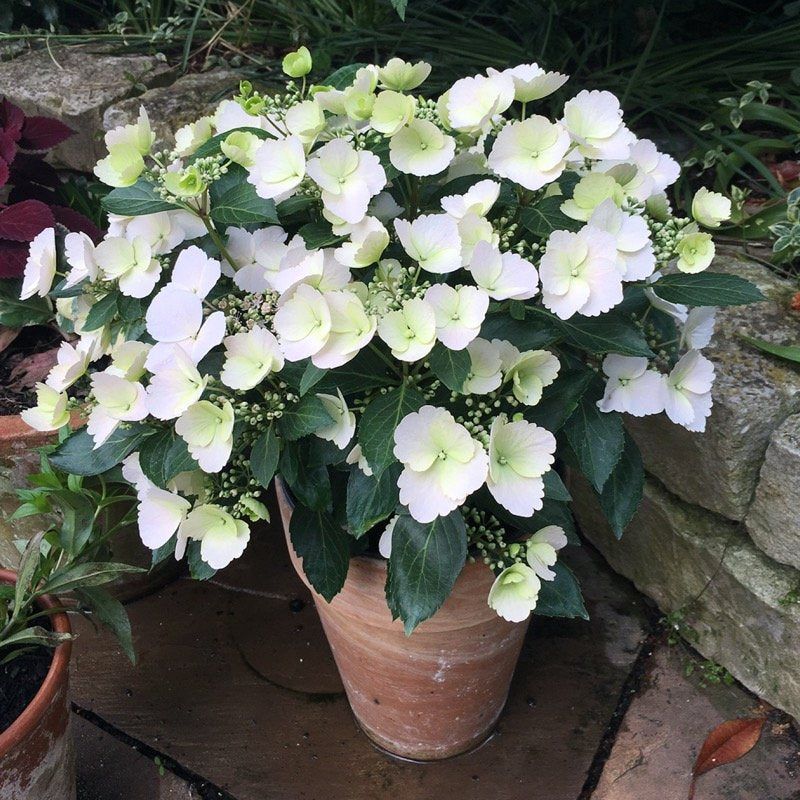
Hydrangeas like steady moisture, and the first season is the time to pay attention. A young plant is building roots, so long dry spells can slow establishment.
Consistent watering supports better growth and better stress tolerance later.
Deep watering a couple times a week during dry stretches is often more helpful than quick daily sprinkles. Deep soaking encourages roots to explore downward instead of hovering near the surface.
How often you water depends on sun, wind, soil type, and rain, so checking soil is more reliable than following a rigid schedule.
Aim to moisten the root zone, then let the top inch or two dry slightly before watering again. Morning wilt plus dry soil a few inches down often points to underwatering.
Yellowing lower leaves combined with constantly wet soil can point to drainage trouble or overwatering.
Mulch helps in Pennsylvania summer heat. A two to three inch layer of shredded bark or similar mulch can hold moisture, reduce weeds, and moderate temperature swings.
Keep mulch a few inches away from the stems so the crown is not kept constantly wet.
7. Container Care For Patios And Spill Over Planting
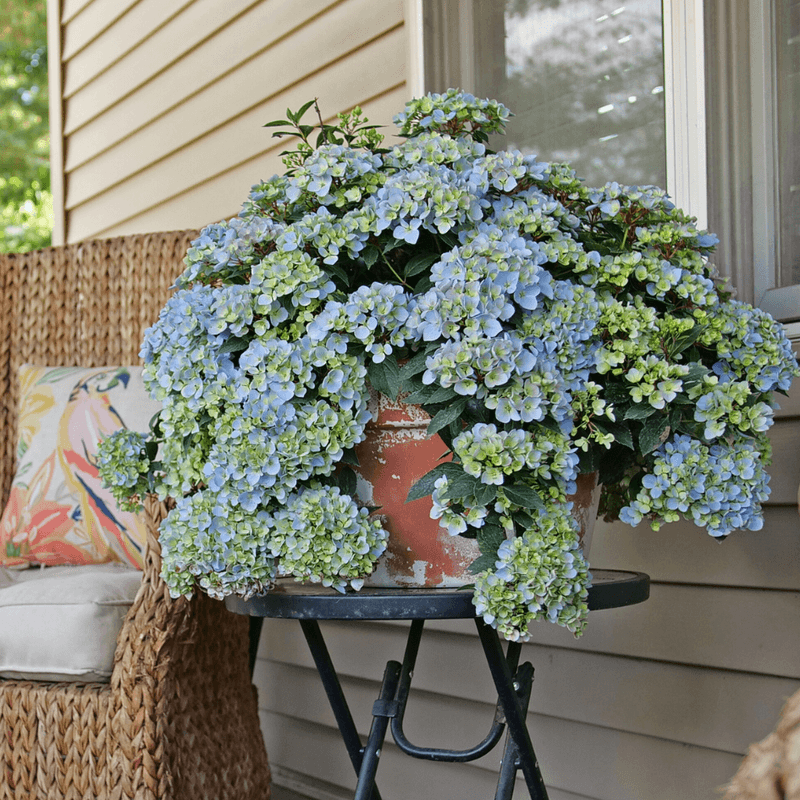
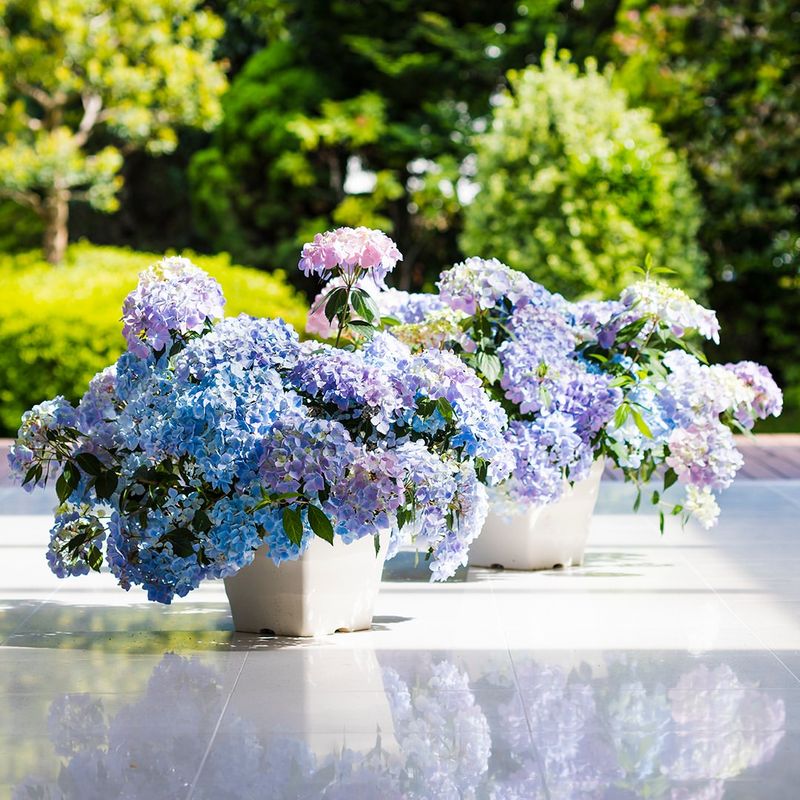
Cascade hydrangeas can look spectacular in a big pot, especially where stems can spill over stone, ceramic, or wood planters. Containers also let you place the plant exactly where the habit looks best.
The tradeoff is watering, since pots dry faster than garden beds.
A larger container is usually the better choice. Many sellers recommend substantial pot sizes, and an eighteen to twenty four inch diameter range is a practical starting point for long term container growth.
Drainage holes are essential, and a high quality potting mix helps water move through evenly.
Container watering frequency can jump in Pennsylvania summer, especially on sunny decks. During hot stretches, daily checks can prevent stress.
Use the finger test a couple inches down, then water thoroughly until it runs out the bottom when needed.
Wind makes everything harder. Open patios dry containers faster and can whip long stems around, so a slightly sheltered placement can reduce both breakage and watering workload.
For feeding, a slow release fertilizer in spring is a common container approach, but avoid overdoing it since soft growth can flop.
Winter is the biggest container challenge. Roots in pots experience colder conditions than roots in the ground, so a protected spot or extra insulation around the pot can improve survival and spring performance.
8. Protecting Early Flowers From Late Pennsylvania Frost
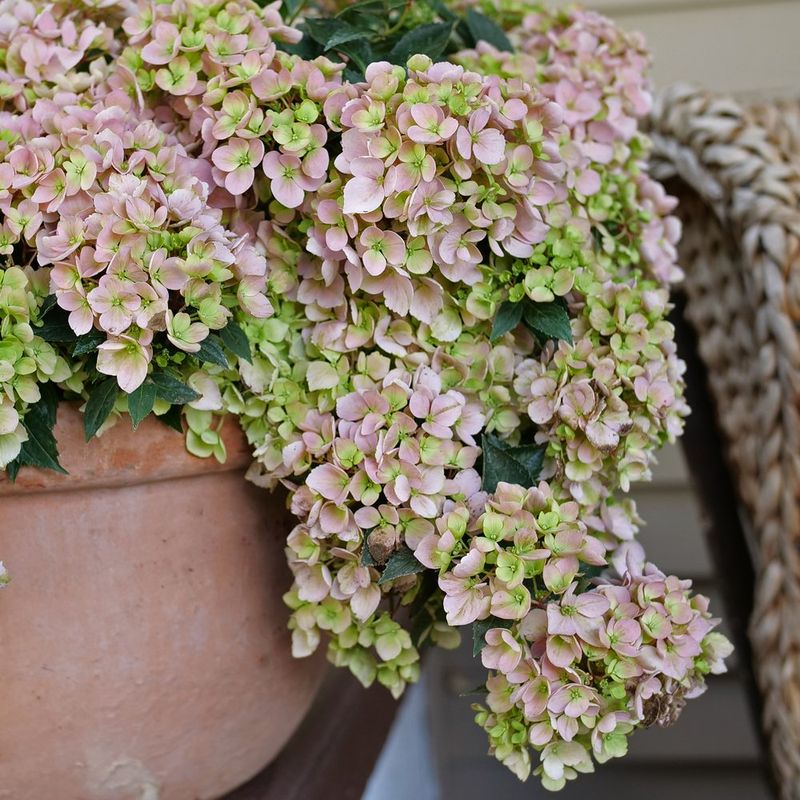
Pennsylvania springs can feel settled, then flip back into freezing temperatures with no apology. That pattern matters more for cascade hydrangeas because many of them bloom on old wood and set buds in the prior season.
When a freeze damages those buds, replacement blooms that same season may be limited.
Watching the forecast from late March through mid May is a habit that pays off. When freezing nights are predicted and buds are swelling, a breathable frost cloth can provide a small temperature buffer.
Drape it loosely and secure the edges so it does not press buds and leaves.
Plastic can cause issues when it touches foliage and traps moisture, so a breathable fabric is the safer cover choice. Remove coverings during the day once temperatures rise so light and airflow return.
A plant that stays covered too long can heat up or stay damp.
For containers, moving the pot is often the simplest protection. A garage, shed, or covered porch can shield buds during the coldest nights, then the plant can go back outside the next day.
Even sliding a pot against a house wall can reduce exposure compared to an open deck.
9. Pruning Basics And Dead Wood Cleanup Without Losing Blooms
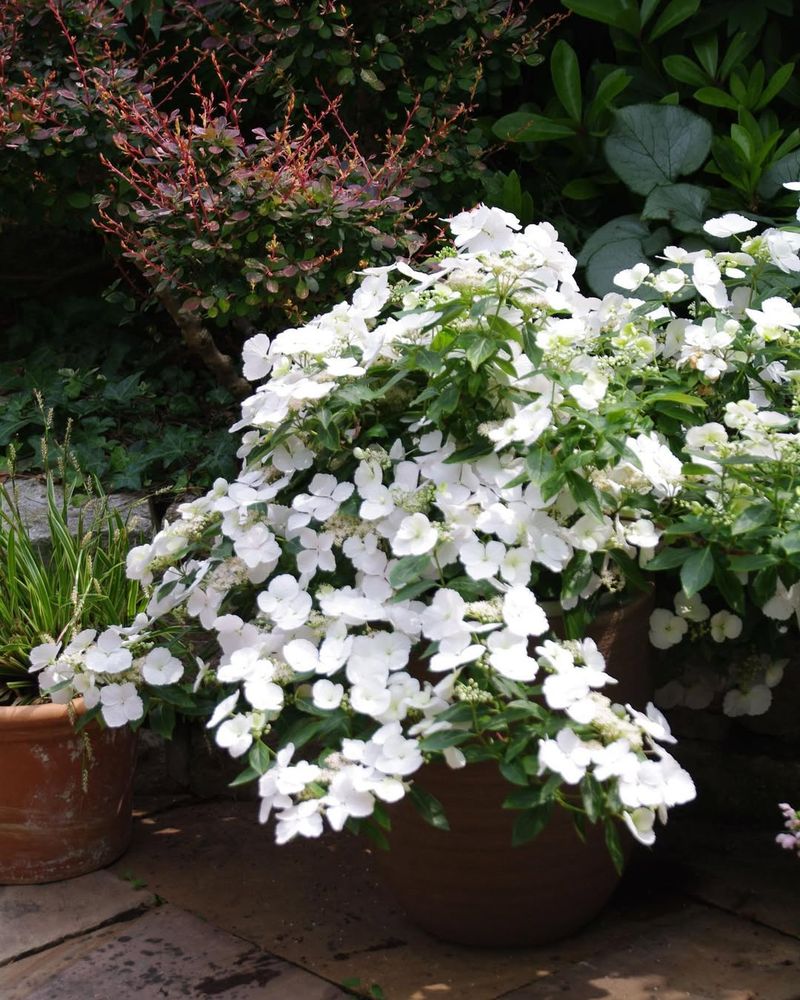
Pruning is the spot where many hydrangea blooms disappear by accident.
Fairytrail cascade hydrangeas are listed as blooming on old wood, so major pruning in fall or early spring can remove the buds that were already formed for the coming bloom season.
The safest approach is cleanup, not reshaping. In late winter or early spring, remove only wood that is clearly not viable, plus any stems that are broken or badly damaged.
When you are unsure, wait until leaves begin to show so living stems declare themselves.
After flowering, light trimming becomes much safer if the plant needs tidying. Keeping cuts minimal helps preserve the framework that supports that cascading habit.
If you want a smaller plant long term, it usually works better to control size through smarter siting and spacing than through heavy pruning.
Use sharp bypass pruners for clean cuts. Wiping tools between plants is a good habit, and it becomes more important when a plant shows obvious spotting or stem issues.
Once cleanup is finished, leave healthy stems in place so the plant can set buds for the next season.