Pennsylvania Gardeners Should Plant These Native Trees In Early Spring
Have you ever wondered which trees naturally belong in a Pennsylvania yard? Early spring is one of the best times to plant them.
The soil is starting to warm, rain is usually steady, and young trees have plenty of time to establish roots before summer heat arrives. Choosing native species makes this process even easier.
Native trees are already adapted to Pennsylvania’s soil, weather, and seasonal changes. They know how to handle cold winters, humid summers, and everything in between.
Because they are part of the local ecosystem, they also support birds, pollinators, and other wildlife that rely on them for food and shelter.
Planting native trees in early spring gives them a comfortable start while conditions are still mild. As they grow, they bring shade, color, and structure to your landscape.
Over time, these trees turn an ordinary yard into a space that feels vibrant, balanced, and closely connected to the natural beauty of Pennsylvania.
1. Red Maple (Acer Rubrum)
Few trees put on a show quite like the Red Maple in early spring. Before most trees even think about waking up, the Red Maple bursts into clusters of tiny red flowers that light up the bare branches.
It is one of the first signs that winter is finally over in Pennsylvania, and gardeners absolutely love it for that reason.
Red Maples grow at a moderate to fast pace, adding about two to three feet of height each year. They can reach 40 to 70 feet tall at full maturity, making them excellent shade trees for larger yards.
They adapt well to many soil types, including wet, clay-heavy soils that are common across parts of Pennsylvania.
Planting in early spring gives the roots a chance to establish before summer heat sets in. Choose a spot with full sun to partial shade for the best results.
Water regularly during the first growing season to help the tree settle in.
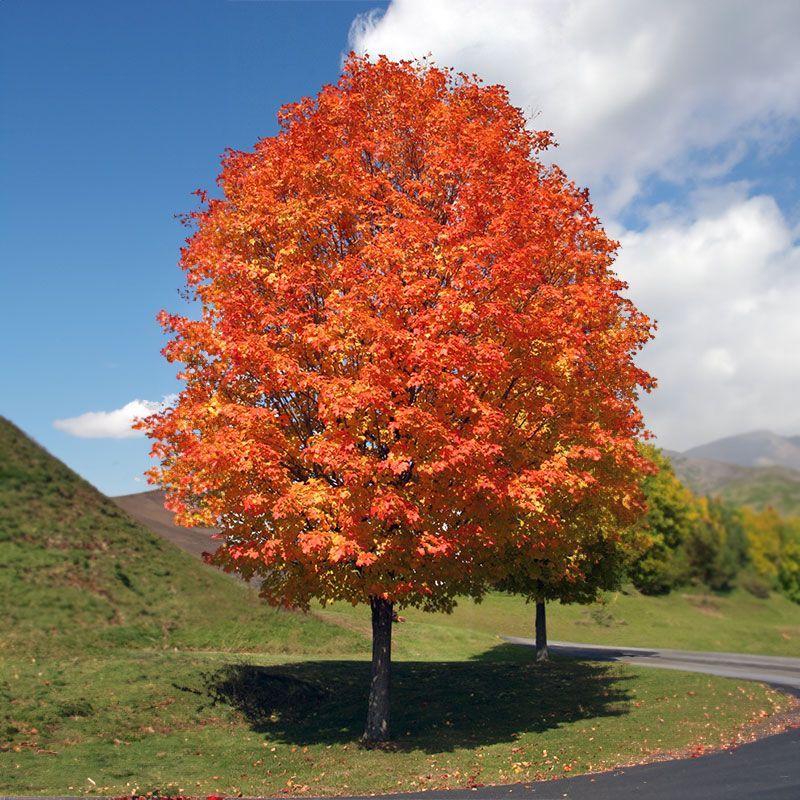
Come fall, the Red Maple earns its name all over again. The leaves turn a brilliant, fiery red that makes any Pennsylvania yard look stunning.
Pollinators like bees and butterflies are drawn to the early spring flowers, giving your garden an ecological boost right from the start.
This tree is also low-maintenance once established, which makes it a favorite among both beginner and experienced gardeners.
If you want a tree that delivers color in spring, shade in summer, and a spectacular display in fall, the Red Maple is a top pick for any Pennsylvania garden.
2. Eastern Redbud (Cercis Canadensis)
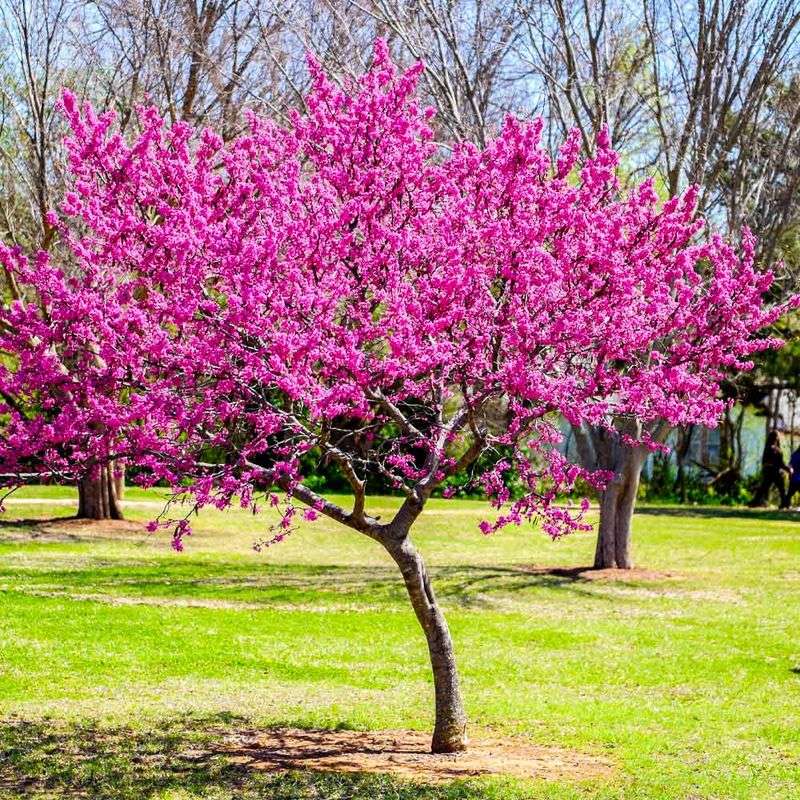
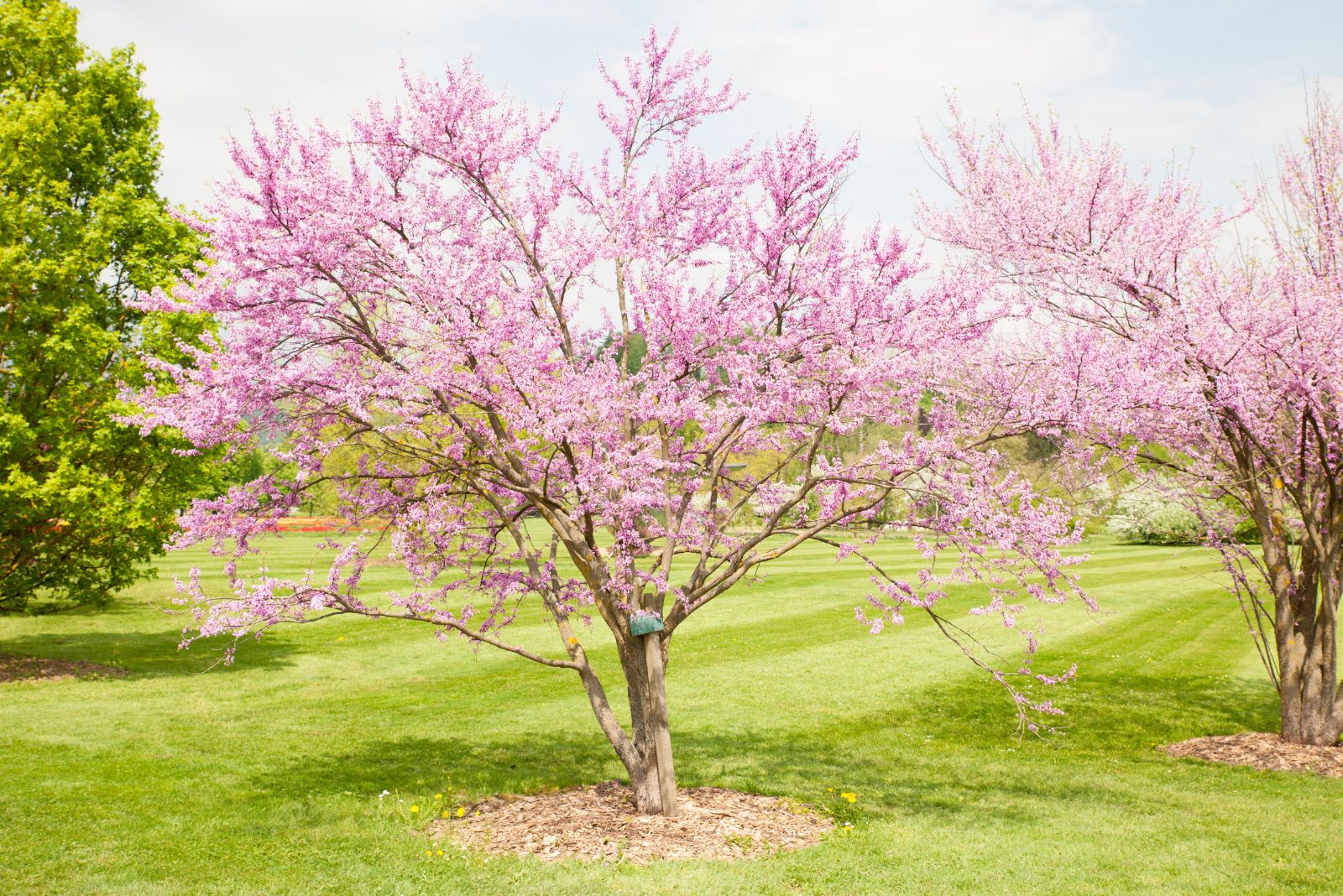
Walk past an Eastern Redbud in early spring and you will stop in your tracks. Before a single leaf appears, the branches explode with bright pink to purple flowers that seem almost too beautiful to be real.
This small but spectacular native tree is one of Pennsylvania’s most beloved early spring bloomers, and for very good reason.
Eastern Redbuds typically grow one to two feet per year and reach a mature height of about 20 to 30 feet. Their manageable size makes them a perfect fit for smaller Pennsylvania yards, garden borders, or even as a focal point near a patio or walkway.
They thrive in full sun to partial shade, which gives gardeners plenty of flexibility when choosing a planting spot.
Early spring is the ideal time to get this tree in the ground. The soil is moist from winter, and cooler temperatures help the roots establish without stress. Well-drained soil is best, though Eastern Redbuds are fairly forgiving once they settle in.
Beyond the flowers, this tree keeps giving throughout the season. The heart-shaped leaves that follow the blooms are charming and unique, turning yellow in fall for a lovely seasonal transition.
Bees and butterflies flock to the flowers, making this tree a pollinator powerhouse for Pennsylvania gardens.
Did you know the Eastern Redbud is actually a member of the legume family? It can even improve soil health over time.
If you want a tree that combines showstopping spring beauty with real ecological value, the Eastern Redbud belongs in your Pennsylvania yard.
3. White Oak (Quercus Alba)
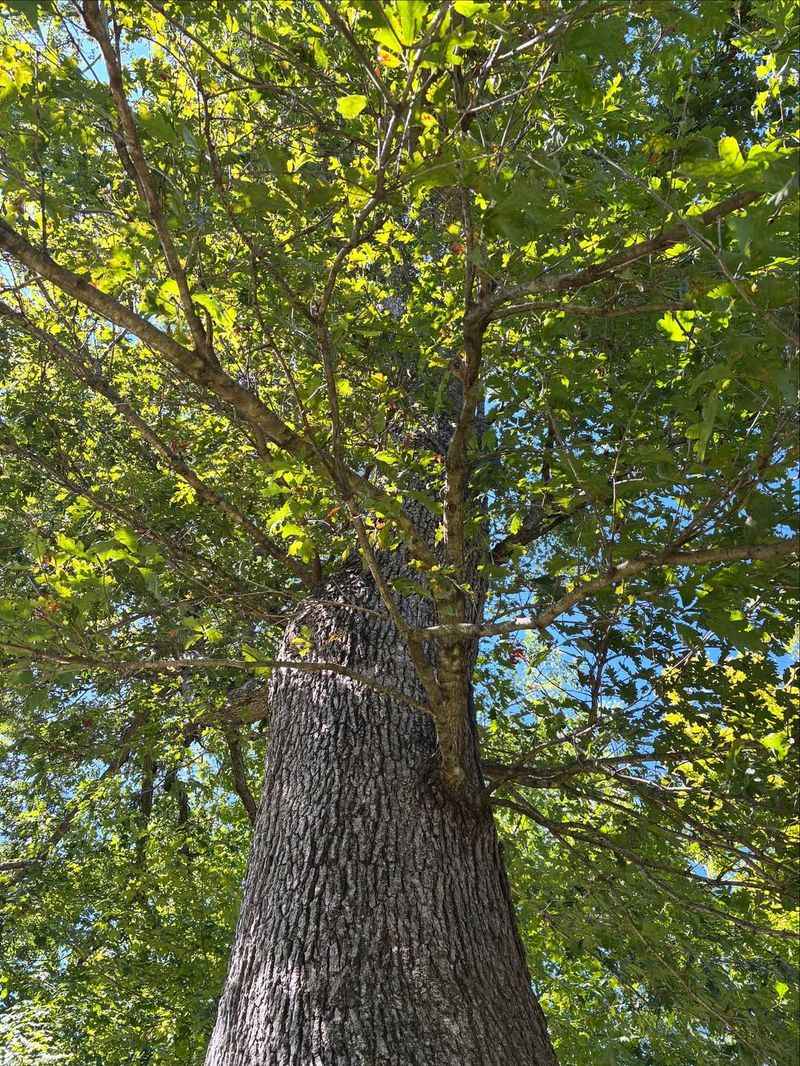
Planting a White Oak is like making a gift to the future. This majestic native tree grows slowly but lives for hundreds of years, and a single mature White Oak can support more wildlife than almost any other tree in Pennsylvania. If you are thinking long-term, this is the tree to plant.
White Oaks grow about one foot per year, which may sound slow, but the payoff is enormous. Over time, they can reach 80 to 100 feet tall with a broad, spreading canopy that provides deep, cool shade on hot Pennsylvania summer days.
Their roots run wide and deep, making them incredibly stable and drought-tolerant once established.
Early spring planting sets White Oaks up for success. The cool, moist conditions help young trees develop strong root systems before summer.
Plant in full sun with well-drained soil, and give the tree plenty of space to spread as it matures over the years.
Every fall, White Oaks produce acorns that are a critical food source for deer, squirrels, turkeys, and dozens of bird species found across Pennsylvania.
The leaves also turn rich shades of red and brown, adding warm color to the autumn landscape before the leaves linger on the branches well into winter.
Supporting over 500 species of caterpillars alone, the White Oak is a true ecological powerhouse. Choosing this tree means investing in Pennsylvania’s native ecosystem in a meaningful way.
It is a living legacy that will shade and shelter generations of both people and wildlife long after planting day.
4. Flowering Dogwood (Cornus Florida)
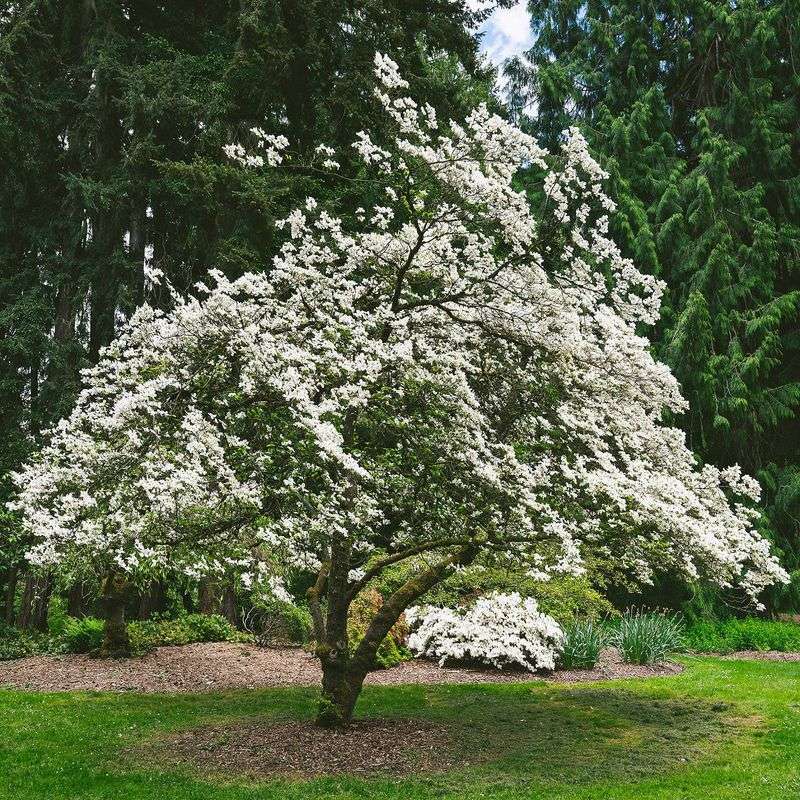
There is something almost magical about a Flowering Dogwood in full bloom. The large white or pink flower-like bracts surround the true tiny flowers in the center, creating a display that looks like nature’s own decoration.
In Pennsylvania, this small understory tree has been charming gardeners for generations, and it fits beautifully into almost any yard.
Flowering Dogwoods grow slowly, adding about one foot per year, and typically reach 15 to 25 feet at maturity. That compact size makes them easy to fit into spots where larger trees simply would not work.
They thrive in partial shade, which is great news for Pennsylvania gardeners who have areas under taller trees that feel bare and underused.
Getting one in the ground during early spring gives it the best possible start. The mild temperatures and spring rains reduce stress on the young tree and encourage healthy root development.
Well-drained, slightly acidic soil is ideal, and a layer of mulch around the base helps retain moisture during the warmer months ahead.
Once summer arrives, clusters of bright red berries replace the blooms. Birds absolutely love these berries, so expect your yard to become a busy little wildlife hub.
The leaves also turn a deep red-purple in fall, adding another layer of seasonal interest to your Pennsylvania garden.
Pollinators visit the flowers eagerly in spring, making this tree a great ecological addition. Whether you plant it near a patio, along a garden path, or beneath taller trees, the Flowering Dogwood adds layered beauty and wildlife value to any Pennsylvania outdoor space.
5. American Beech (Fagus Grandifolia)
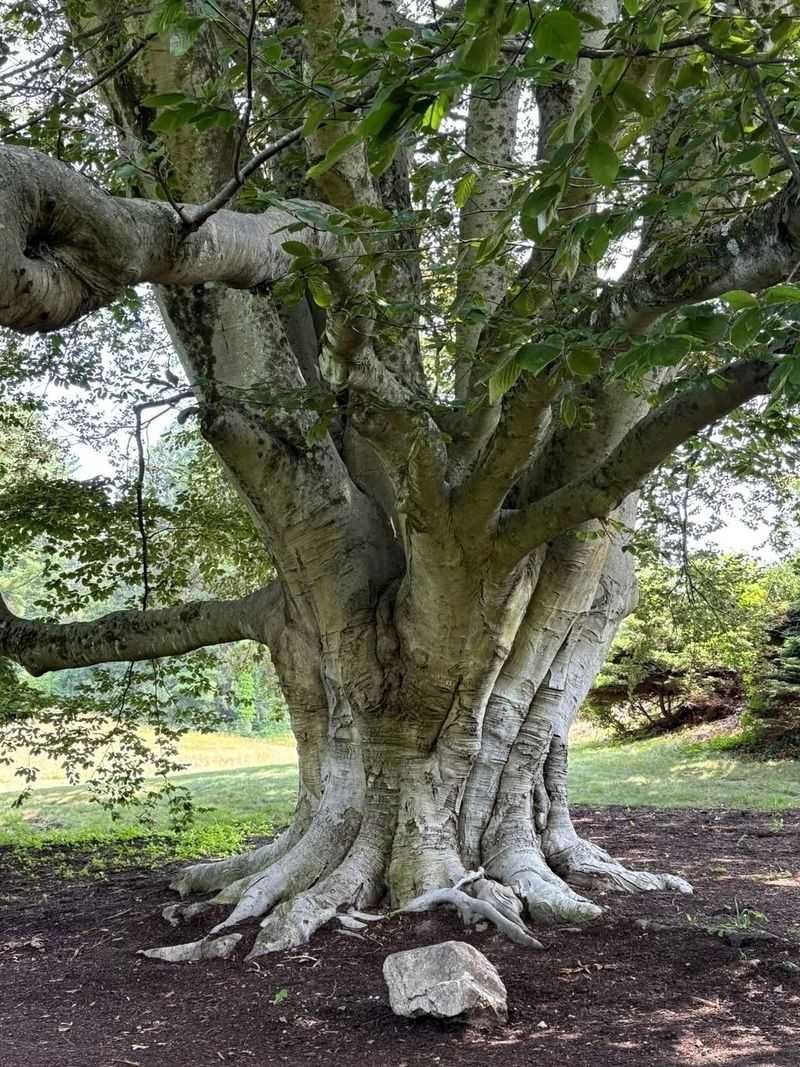
Run your hand along the bark of an American Beech and you will immediately understand why this tree is so memorable.
The smooth, silver-gray bark looks almost like polished stone and stands out beautifully in any Pennsylvania landscape, even in the middle of winter when everything else looks bare and brown.
American Beeches grow at a slow to moderate pace, gaining one to two feet per year. They eventually reach 60 to 80 feet tall, forming a broad, rounded canopy that provides generous shade.
These trees are built for Pennsylvania’s climate, thriving in the rich, well-drained soils found across much of the state, particularly in woodland settings.
Early spring is an excellent window for planting. Cooler soil temperatures and regular rainfall help the roots take hold without too much stress.
Choose a location with partial to full shade for best results, as American Beeches naturally grow as part of Pennsylvania’s forest understory alongside other hardwoods.
When fall rolls around, the leaves turn a warm golden-yellow that glows in the afternoon sunlight.
What makes this tree even more interesting is that the dried leaves often stay on the branches through winter, a trait called marcescence, which adds texture and visual interest to the cold-season garden.
Wildlife benefit greatly from American Beeches too. Beechnuts are a high-energy food source for bears, deer, turkeys, and many bird species native to Pennsylvania.
Planting this tree means creating a long-lasting food source and shelter for local wildlife for decades to come. It is a quiet, steady giant that rewards patience with timeless beauty.
6. Black Cherry (Prunus Serotina)
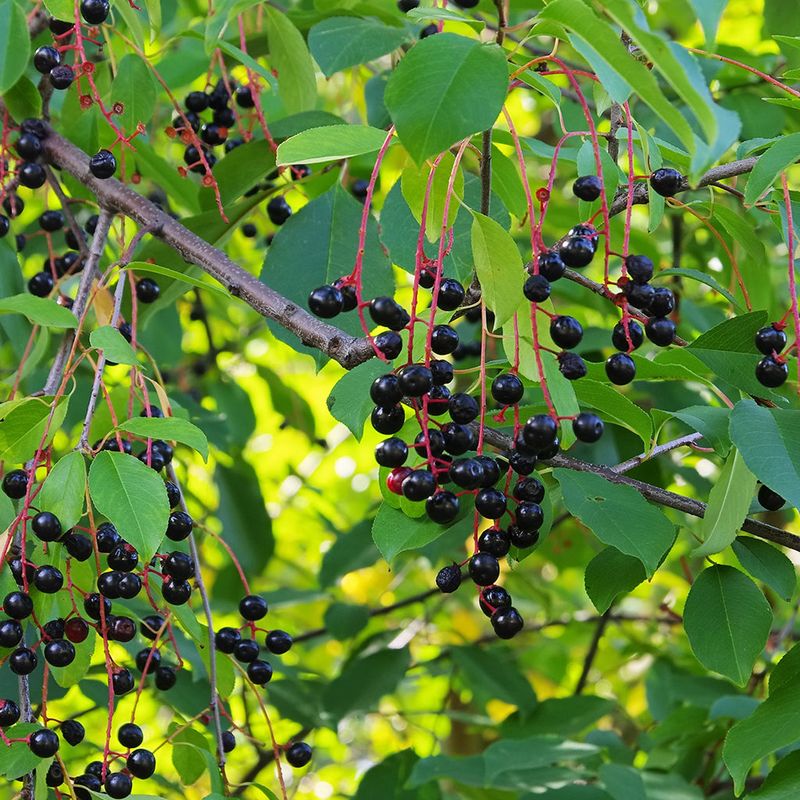
Bold, fast-growing, and packed with wildlife value, the Black Cherry is one of Pennsylvania’s most productive native trees.
Every spring, long drooping clusters of small white flowers appear along the branches, filling the air with a light, sweet fragrance. It is a striking sight, and it signals the start of a very busy season for birds and insects alike.
Black Cherry trees grow at a moderate pace of two to three feet per year and can eventually reach 60 to 80 feet tall. That vigorous growth rate means you will not be waiting long to enjoy a substantial, shade-providing tree in your Pennsylvania yard.
They adapt well to a range of soil conditions, from sandy to loamy, making them easy to establish in many different garden settings.
Planting in early spring takes full advantage of Pennsylvania’s mild temperatures and natural rainfall. Give the tree a spot with full sun and well-drained soil, and it will reward you with rapid, healthy growth.
Mulching around the base during the first season helps keep moisture in and weeds out while the roots get established.
By late summer, the tree produces small dark purple cherries that wildlife cannot resist. Songbirds, foxes, raccoons, and many other Pennsylvania animals feast on the fruit, making this tree a genuine hub of backyard wildlife activity.
The cherries are technically edible for people too, though they are quite tart on their own. The bark also has a distinctive scaly, dark appearance that adds year-round visual interest.
For gardeners who want fast growth, beautiful blooms, and real ecological impact, the Black Cherry is a standout native choice for any Pennsylvania landscape.