Pennsylvania Gardening Experts Never Start These 7 Seeds In February
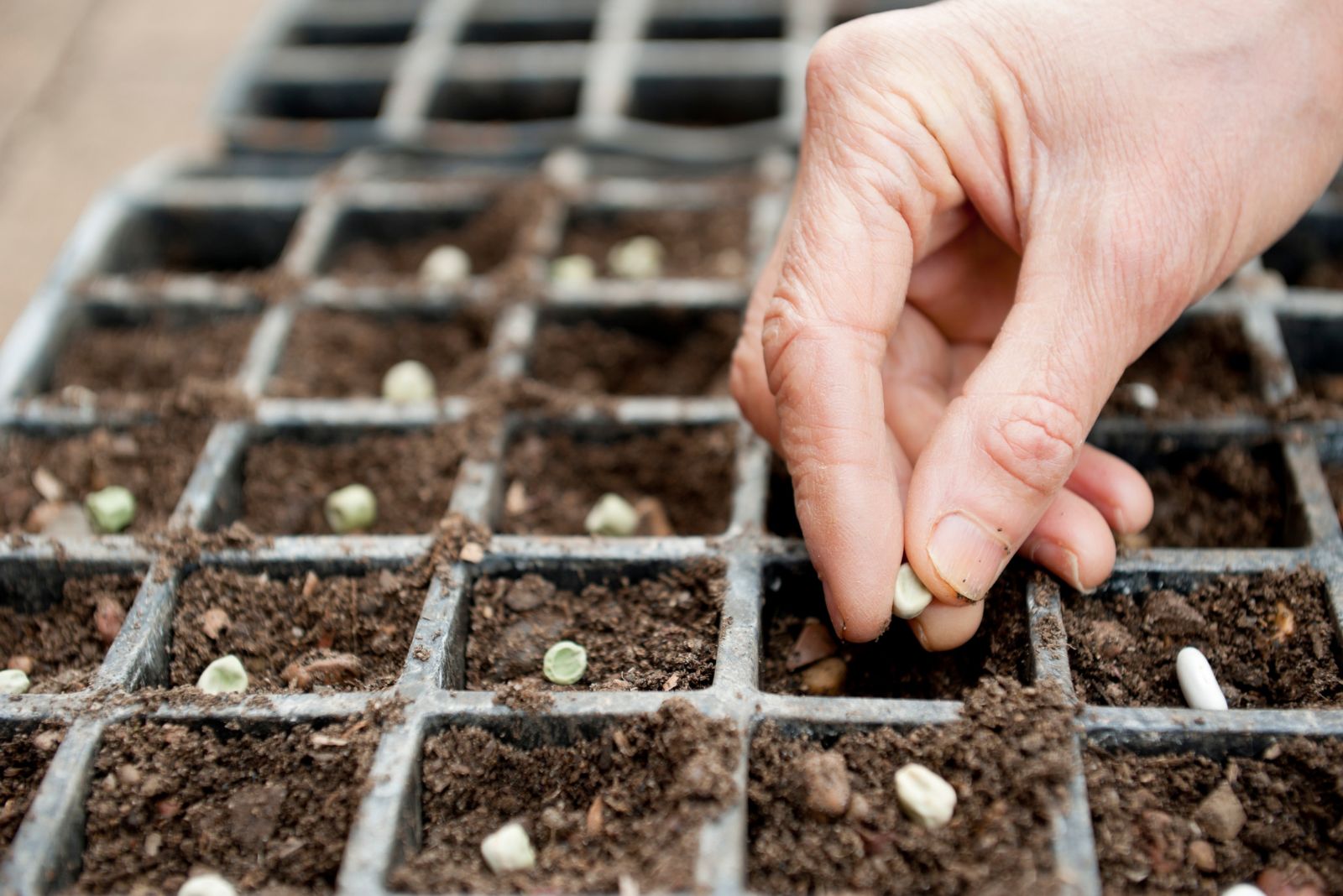
Starting seeds indoors can be exciting, especially when you’re itching for spring in Pennsylvania, but February isn’t the right time for everything.
While some plants benefit from an early start, others end up leggy, stressed, or simply stall out by the time it’s warm enough to move them outside.
Local gardening experts know that timing is everything, and jumping the gun can cost you time, space, and strong seedlings. Some veggies and flowers just don’t appreciate being cooped up for too long or don’t transplant well after weeks inside.
Others grow so quickly that starting them in February just leads to overgrown chaos before the weather catches up. If you’ve got seed packets in hand and the itch to plant, it pays to know which ones to save for later.
With the right timing, your garden will be healthier, easier to manage, and ready to shine when spring truly arrives.
1. Tomatoes Started Too Early
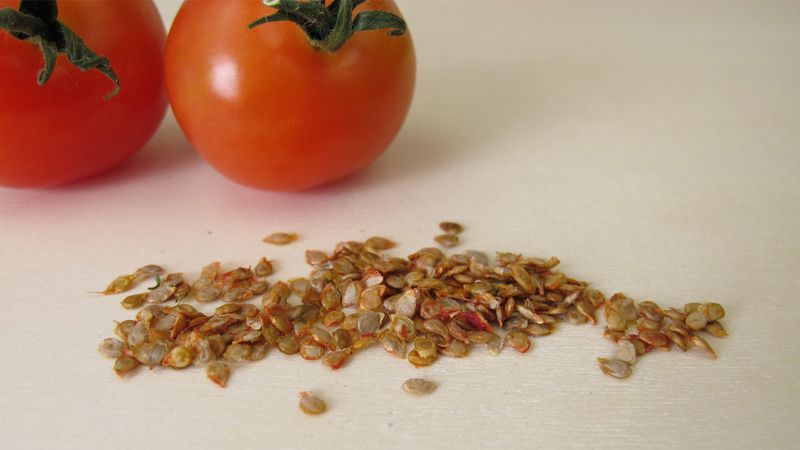
Starting tomato seeds in February sounds tempting for Pennsylvania gardeners eager for fresh summer produce, but it’s actually several weeks too early for our growing zone.
Most of Pennsylvania falls into zones 5b through 6b, where the last frost typically occurs between late April and mid-May.
Tomato seedlings need only six to eight weeks from seed to transplant size, which means February starts will give you plants that are far too mature by planting time.
When tomato seedlings sit indoors too long, they become leggy and weak as they stretch toward light sources. These overgrown plants develop thin stems that struggle to support themselves once moved outside.
They also become root-bound in their containers, which stunts their growth potential for the entire season ahead.
Pennsylvania’s variable spring weather makes early starts even riskier because you can’t predict exactly when it will be safe to transplant. A warm March might trick you into thinking it’s planting time, only to have April bring damaging frosts.
Tomatoes are extremely sensitive to cold temperatures and even a light frost can set them back significantly or damage them beyond recovery.
Expert gardeners across Pennsylvania recommend starting tomato seeds indoors around mid-March to early April instead. This timing produces stocky, healthy transplants that are ready to go outside right when conditions become favorable.
Your plants will catch up quickly to any earlier starts and actually outperform them because they haven’t suffered from being held indoors too long in cramped conditions.
2. Cucumbers and Summer Squash
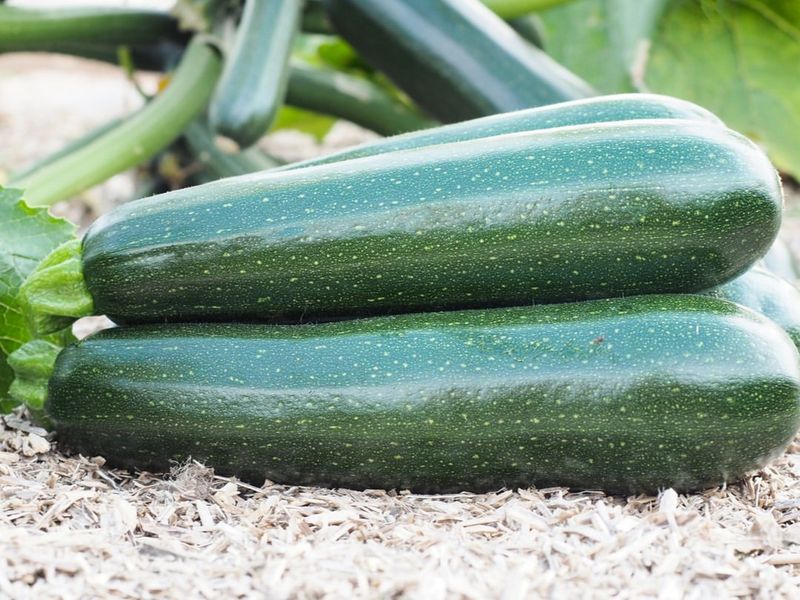
Cucumbers and summer squash like zucchini are incredibly fast growers that Pennsylvania gardeners should never start in February.
These vigorous plants can go from seed to transplant size in just three to four weeks, making them among the quickest vegetables you’ll grow.
Starting them too early creates massive, unwieldy plants that suffer tremendously when you try to move them outside.
Both cucumbers and squash develop extensive root systems very quickly and hate having their roots disturbed during transplanting. When started in February, they’ll outgrow any reasonable container size long before Pennsylvania’s soil warms up enough for them.
These plants need soil temperatures of at least 60 degrees Fahrenheit to thrive, which doesn’t happen until late May in most Pennsylvania locations.
The large leaves on mature cucumber and squash plants transpire heavily, meaning they lose lots of water through their foliage.
Keeping oversized seedlings properly watered indoors becomes a daily challenge, and any stress from inconsistent watering weakens the plants.
They also become more susceptible to indoor pests like aphids and spider mites when kept inside for extended periods.
Many Pennsylvania gardening experts actually prefer direct seeding these crops right into the garden rather than starting them indoors at all. If you do want a head start, wait until late April or early May to start seeds indoors.
Better yet, consider direct sowing after your last frost date, as these seeds germinate so quickly outdoors that transplants offer minimal advantage while creating extra work and risk.
3. Beans Of Any Variety
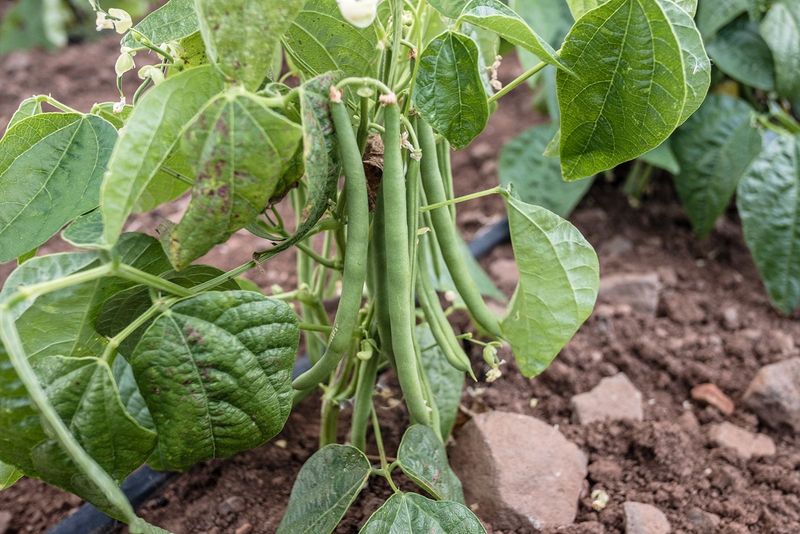
Green beans, snap beans, and pole beans all share one critical characteristic that makes February starting completely unnecessary in Pennsylvania.
These seeds germinate and grow so rapidly in warm soil that starting them indoors provides zero benefit while creating multiple problems.
Beans are among the easiest vegetables to grow from direct seeding, making indoor starts a waste of time and resources.
Bean plants develop a taproot system that absolutely hates being disturbed or confined. When you start beans in containers, even biodegradable ones, the roots quickly become cramped and tangled.
Transplanting stressed bean seedlings often results in stunted plants that never perform as well as their direct-seeded counterparts throughout the entire growing season.
Pennsylvania’s soil needs to warm to at least 60 degrees before bean seeds will germinate properly, which doesn’t happen until late May in most areas. Starting beans indoors in February means keeping them in pots for three months, which is far too long.
The plants will become leggy, root-bound, and stressed well before you can safely move them outside.
Experienced gardeners throughout Pennsylvania simply wait until the soil is warm and then plant bean seeds directly where they want them to grow. The seeds will sprout within a week in warm soil and quickly catch up to any transplants.
Direct seeding also allows you to plant succession crops every two weeks for continuous harvests, which is much easier than managing multiple batches of indoor seedlings taking up valuable space.
4. Sunflowers For Summer Gardens
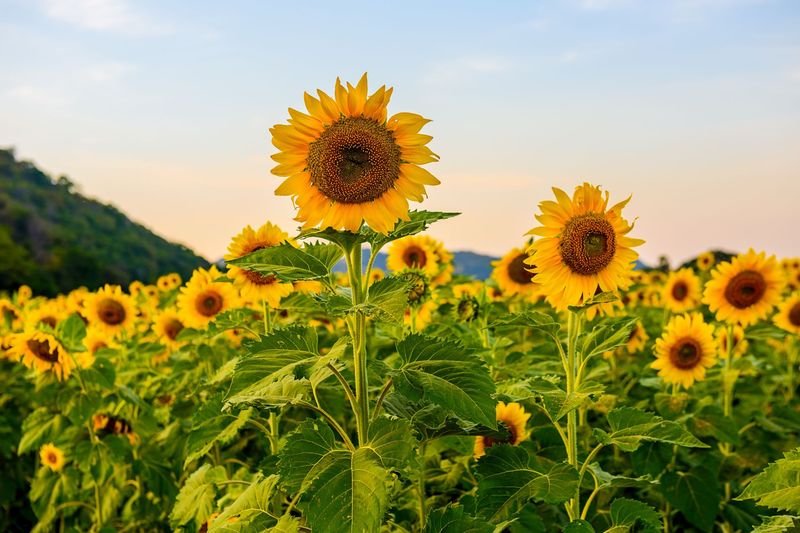
Sunflowers might seem like good candidates for early indoor starting, but Pennsylvania gardeners who try this in February quickly discover why it’s a mistake.
These cheerful giants grow with astonishing speed once they germinate, and their root systems expand even faster than their impressive above-ground growth.
A sunflower seedling can outgrow a standard pot in just two weeks, leaving you with a management nightmare.
Most sunflower varieties develop long taproots that need deep, unrestricted soil to grow properly. Container-grown sunflowers quickly become root-bound, and this early stress can limit their eventual height and flower size significantly.
Even if you use deeper pots, keeping rapidly growing sunflowers adequately watered indoors becomes a constant chore that few gardeners can maintain successfully.
Sunflowers are remarkably cold-hardy once established and can tolerate light frosts that would damage more tender plants. However, they still need soil temperatures around 50 degrees to germinate well, which arrives in Pennsylvania by mid to late April.
Starting them in February means managing large, awkward plants indoors for eight to ten weeks before transplant time arrives.
The best approach for Pennsylvania sunflower growers is direct seeding after the last frost date, typically in mid to late May. Seeds planted directly in the garden germinate quickly and establish strong root systems without transplant shock.
If you want earlier blooms, start seeds indoors no more than two to three weeks before your last frost date, which puts you in late April at the earliest for most Pennsylvania regions.
5. Melons Including Watermelon
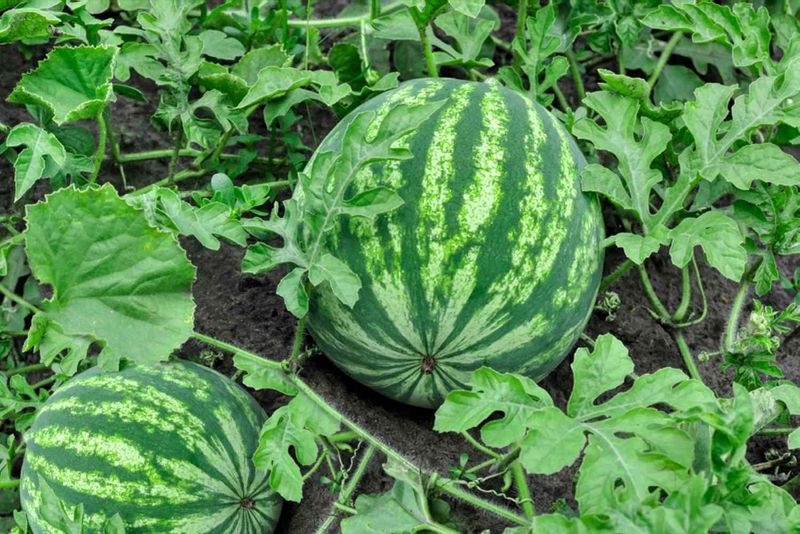
Watermelons, cantaloupes, and honeydew melons are warm-season crops that Pennsylvania gardeners often start too early in their excitement for summer sweetness.
February is far too early for these heat-loving plants, which need both warm air and warm soil to thrive.
Starting melons this early creates plants that languish indoors, becoming stressed and susceptible to problems that follow them throughout the season.
Melons grow quickly once they germinate, developing vining growth that becomes impossible to manage indoors within a few weeks.
Their large leaves require significant light to stay healthy, and even under grow lights, February-started melons often become pale and weak.
The plants also develop extensive root systems that resent being confined in containers for extended periods.
Pennsylvania’s climate means melon transplants can’t go outside safely until late May or early June when both air and soil temperatures remain consistently warm.
Melons need nighttime temperatures above 50 degrees and soil temperatures above 65 degrees to grow properly.
Cold soil can actually cause the roots to rot, making early planting attempts counterproductive even if air temperatures seem acceptable.
Gardening experts across Pennsylvania recommend starting melon seeds indoors only three to four weeks before your planned transplant date, which puts seed starting in late April or early May.
Some experienced growers prefer direct seeding melons in early June, as these seeds germinate rapidly in warm soil and the plants catch up quickly.
The shorter indoor period produces healthier transplants that establish better and produce more abundant harvests than stressed, overgrown seedlings from February starts.
6. Zinnia And Marigold Flowers
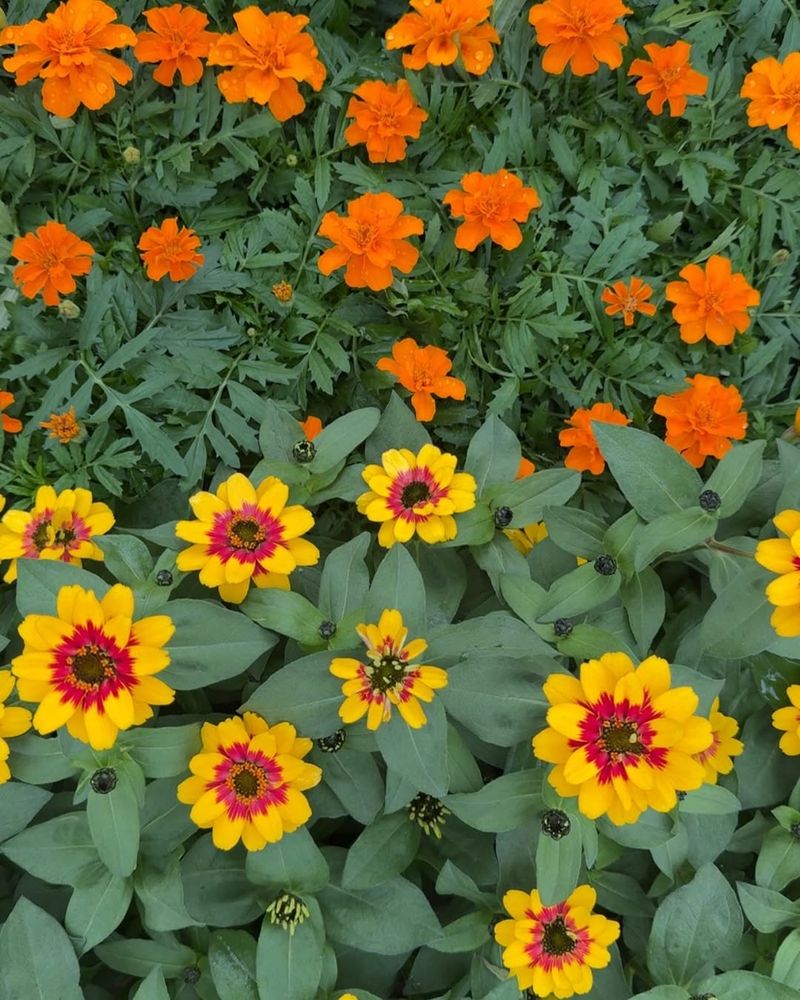
Zinnias and marigolds are beloved annual flowers in Pennsylvania gardens, valued for their bright colors and easy care requirements. However, starting these seeds in February is a common mistake that even experienced gardeners sometimes make.
Both flowers grow remarkably fast from seed, and February starts will give you flowering plants long before they can go outside, which wastes their blooming energy and weakens the plants.
These warm-season annuals cannot tolerate any frost and need consistently warm weather to thrive in Pennsylvania gardens.
Even a brief cold snap can damage or destroy these tender plants, so they can’t be transplanted outside until all danger of frost has passed in mid to late May.
Starting seeds in February means keeping these fast-growing flowers indoors for twelve to fourteen weeks, which is far too long.
Zinnias and marigolds started too early often begin flowering while still in their small pots indoors. This premature blooming depletes the plant’s energy reserves and results in smaller, less vigorous plants once they finally get transplanted outside.
The flowers also become leggy and weak when kept indoors too long, even with supplemental lighting, because they’re adapted to thrive in full outdoor sun.
Pennsylvania gardeners should wait until late March or early April to start zinnia and marigold seeds indoors. This timing produces sturdy, compact seedlings ready to transplant right when outdoor conditions become suitable.
Both flowers are also excellent candidates for direct seeding in late May, as they germinate quickly in warm soil and bloom within weeks of planting.
7. Basil And Heat-Loving Herbs
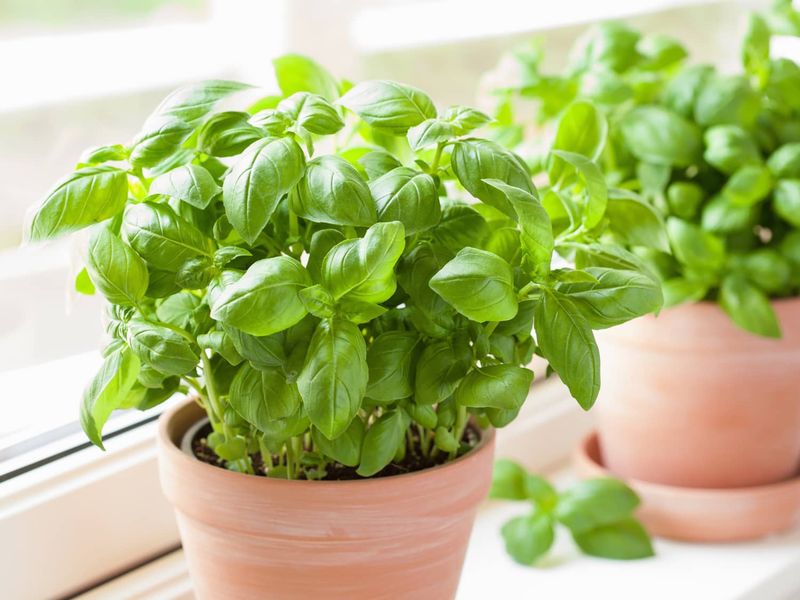
Basil is Pennsylvania’s most popular herb for home gardens, but starting seeds in February is several weeks too early for this tropical plant.
Unlike hardy herbs such as parsley or oregano, basil is extremely sensitive to cold temperatures and requires consistently warm conditions both indoors and out.
February-started basil seedlings will struggle with the cool indoor temperatures common in Pennsylvania homes during late winter, leading to slow growth and potential problems.
Basil needs temperatures above 70 degrees during the day and no lower than 60 degrees at night to grow properly. Most Pennsylvania homes run cooler than this in February, especially near windows where seedlings are often placed for light.
Cool temperatures cause basil to grow very slowly and make it susceptible to fungal problems like damping off, which can wipe out entire trays of seedlings overnight.
Even if you successfully grow basil seedlings through February and March, you’ll face the challenge of keeping them healthy indoors until late May when Pennsylvania’s outdoor temperatures are finally suitable.
Basil cannot go outside until nighttime temperatures stay consistently above 50 degrees, and even brief exposure to cold can cause leaf damage and stress.
Transplanting stressed basil often results in plants that struggle all season and produce fewer flavorful leaves.
The ideal time to start basil seeds indoors in Pennsylvania is mid to late April, giving you six-week-old transplants ready for the garden in late May or early June.
This timing produces robust plants that transition smoothly to outdoor growing and quickly become productive.
Many Pennsylvania herb gardeners also successfully direct seed basil in early June when soil is warm, achieving excellent results without any indoor growing period.