Pennsylvania Gardens Start Strong When Seedlings Are Hardened Off The Right Way
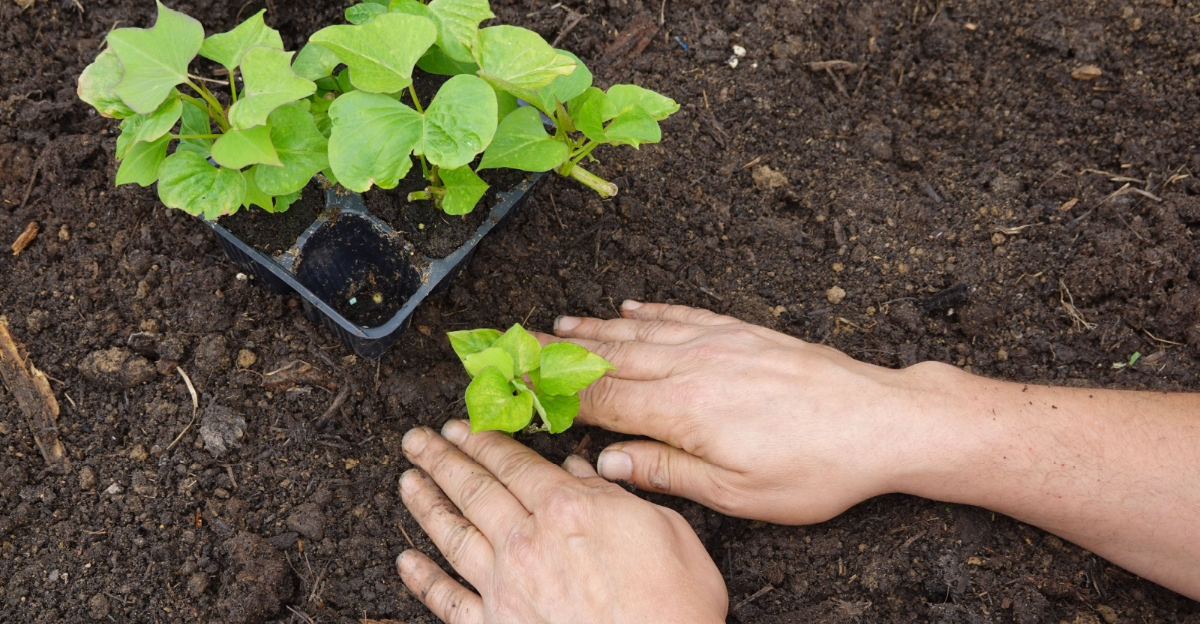
Have you ever nurtured a tray of perfect green seedlings only to watch them wilt and bleach the moment they hit your Pennsylvania garden?
It is a heartbreaking sight, but the reason is simple: your cozy indoor environment is nothing like a true Keystone State spring.
Without a gradual introduction, the sudden shift from steady indoor air to gusty winds and erratic temperatures can trigger a fatal case of transplant shock. Hardening off is the essential bridge between your windowsill and the garden soil.
This process slowly toughens stems and leaves, building the resilience young plants need to survive those lingering April cold snaps.
Taking these few extra days to prepare your starts transforms fragile seedlings into rugged, thriving plants ready to flourish.
It is the most effective way to ensure your early-season efforts result in a productive harvest.
1. Why Hardening Off Matters Before Planting
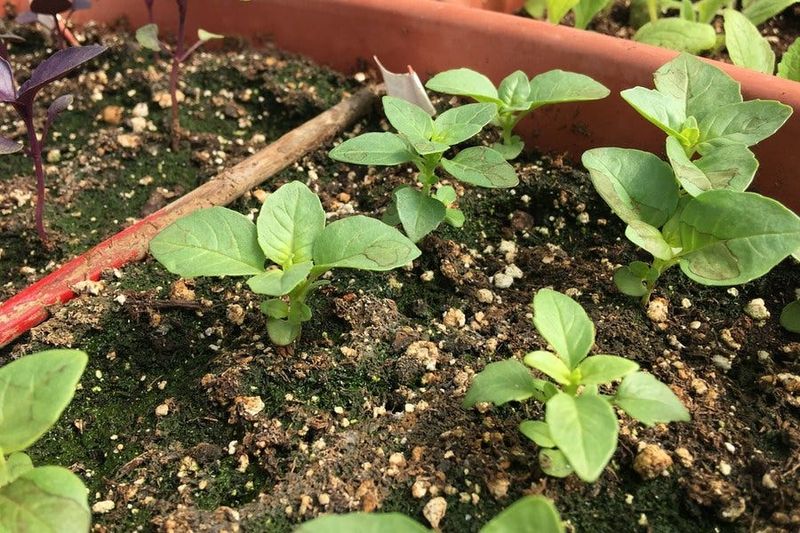
Seedlings raised indoors or under grow lights have experienced consistent light, stable temperatures, and minimal air movement, making the transition outdoors challenging.
Outdoors, the sun is far brighter, the soil is cooler, and even a light breeze can stress delicate seedlings.
Hardening off gradually exposes plants to these conditions, allowing them to strengthen their stems, develop tougher leaves, and adapt root systems to variable soil moisture.
Think of it like conditioning for athletes: gradual exposure prepares the plant for the “race” of outdoor life.
Pennsylvania springs are especially unpredictable, with sudden cold snaps, heavy rain, or warm sunny days all possible within a single week.
Seedlings that have been gradually acclimated handle these swings much better than those transplanted straight from a warm basement or greenhouse.
Research from university extension programs consistently shows that properly hardened seedlings establish faster, grow more vigorously, and produce higher yields compared to unacclimated plants.
Investing a little time in this process reduces losses and improves overall garden performance, ensuring that the plants you nurtured indoors continue to thrive once they hit Pennsylvania soil.
Hardening off is one of the simplest yet most effective steps you can take to protect your seedlings during their first critical weeks outdoors.
2. Signs Your Seedlings Are Ready For Hardening Off
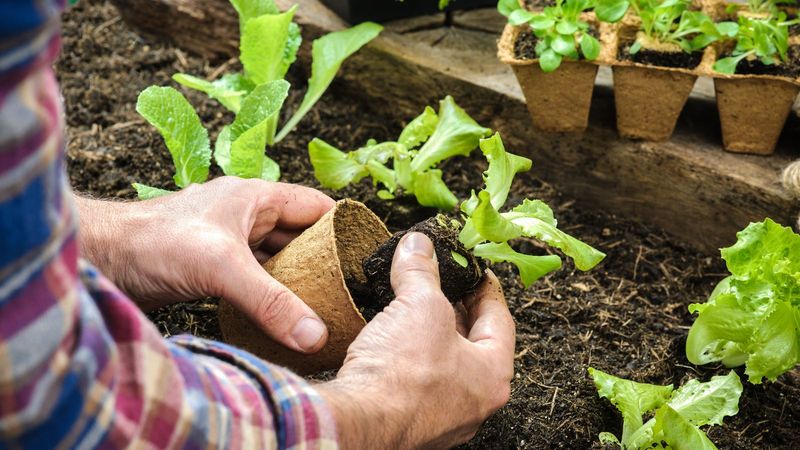
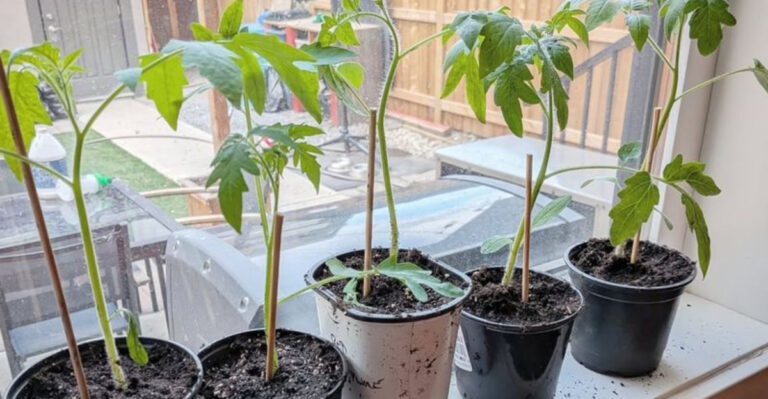
Not every seedling is ready for outdoor exposure at the same time, and rushing them can cause more harm than waiting a few extra days. The clearest sign is the presence of two to four true leaves, which emerge after the initial cotyledons.
These leaves indicate that the plant has developed the ability to handle mild environmental stress. Stem thickness also matters – seedlings with thin, spindly stems are vulnerable to wind and can easily topple or bend.
Look for upright growth with compact spacing between leaves, as leggy seedlings may need more indoor light before outdoor exposure.
Root development is another indicator of readiness; roots starting to peek from the drainage holes suggest a strong, established system.
Tomatoes, peppers, brassicas, and other common Pennsylvania garden crops each have slightly different cues, but the general principle holds: firm stems, multiple true leaves, and well-developed roots are green-light signals.
By observing these characteristics, gardeners can plan a gradual acclimation process that reduces stress, minimizes transplant shock, and ensures that seedlings are physiologically prepared for the wide swings in temperature, light, and wind that characterize Pennsylvania’s early spring weather.
Proper assessment of readiness helps prevent setbacks that could cost weeks in the growing season.
3. Timing Matters: When To Start Hardening Off In Pennsylvania
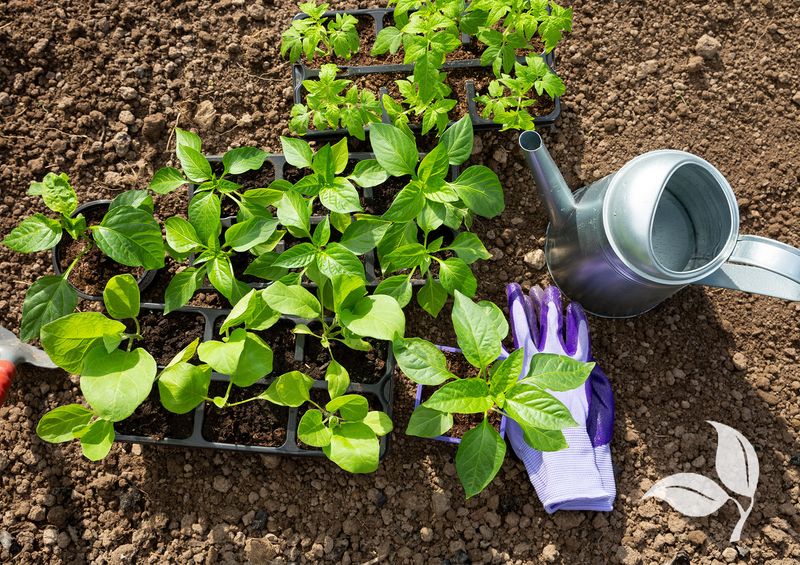
Pennsylvania’s climate varies considerably, from mild southern counties to colder northern regions and higher elevations, so timing hardening off is not uniform across the state.
Warm-season crops like tomatoes and peppers should begin the process about two weeks before the last expected frost, giving them enough time to adjust without exposure to damaging cold.
In most regions, this puts the window from late April to mid-May, though northern and higher-elevation gardeners often delay slightly.
Cool-season crops such as broccoli, cabbage, kale, and spinach can be hardened off earlier, as they tolerate light frosts.
Monitoring nighttime lows is crucial; starting too early when temperatures regularly drop below 40°F can stress tender seedlings. A 10-day forecast check helps avoid sudden cold snaps and ensures seedlings are exposed during moderate, stable conditions.
Pennsylvania extension programs recommend adjusting hardening-off schedules based on local frost data, microclimates, and recent weather trends.
When timed correctly, seedlings establish faster, develop stronger stems, and transition into productive garden growth more efficiently.
Patience and careful planning in this phase prevent setbacks from cold stress, ensuring seedlings maintain their vigor and achieve a successful early-season start.
4. Step By Step Hardening Off Process
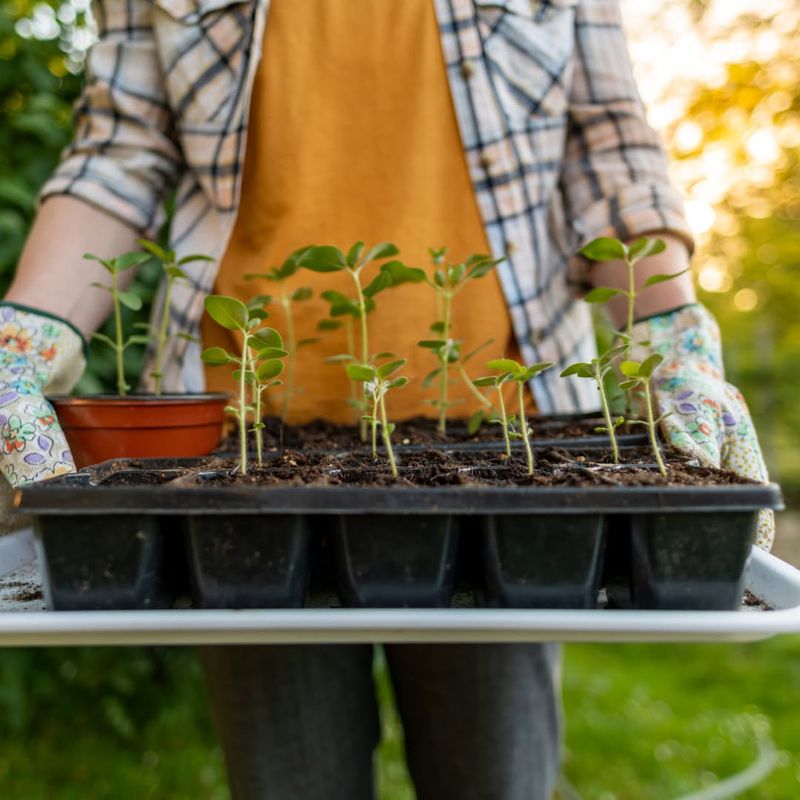
A gradual introduction is essential. Start by placing seedlings outside in a sheltered, shaded spot for one to two hours during the warmest part of the day.
Ideal locations include north sides of fences or under trees that provide dappled sunlight. Protection from wind is as important as sun exposure at this stage.
Increase outdoor exposure incrementally, adding one to two hours per day, and move plants progressively into brighter locations.
By the end of the first week, seedlings should handle three to four hours of direct morning sun without signs of stress.
Monitor for wilting, leaf curl, or bleaching – these indicate the transition is too rapid. During the second week, seedlings can spend most of the day outdoors, including the afternoon sun.
Overnight stays are safe once nighttime temperatures remain above 50°F for warm-season crops. Keep containers movable to respond to sudden cold snaps, which are common in Pennsylvania during April and May.
By the end of 10–14 days, seedlings are sturdy enough for permanent transplanting into garden beds or raised beds, equipped to thrive in full sun, wind, and outdoor soil conditions.
5. Protecting Seedlings From Frost And Harsh Conditions
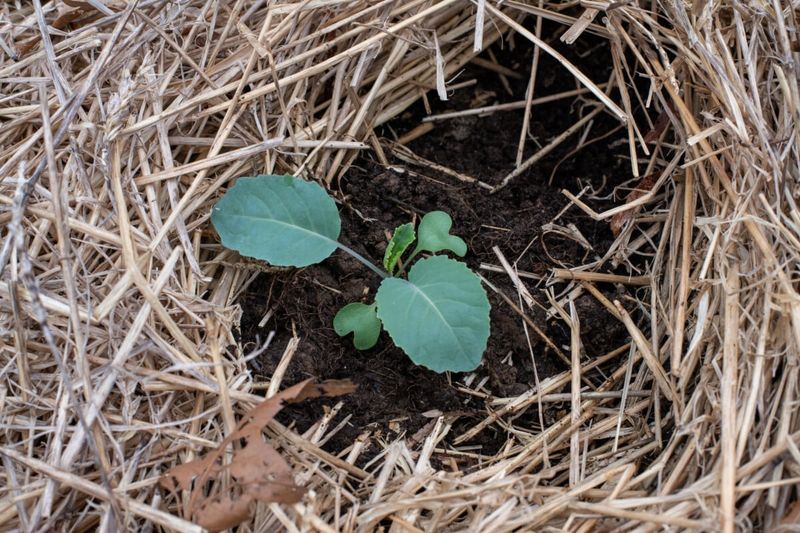
Even hardened seedlings remain vulnerable to frost and strong wind. Pennsylvania’s spring can produce unexpected cold snaps that damage foliage, stunt growth, and slow root establishment.
Temperatures below 32°F can form ice crystals inside plant cells, which harms tissues. Frost cloths or floating row covers protect seedlings while allowing some air movement to prevent overheating.
Containers can be temporarily moved indoors or into unheated garages, sheds, or cold frames during freezing nights. Wind is another hazard: exposed seedlings lose moisture faster than roots can supply it, leading to windburn.
Temporary windbreaks – made from burlap, wooden frames, or rows of pots – can reduce exposure while seedlings adapt. Gardeners who anticipate frost and wind instead of reacting to it experience fewer setbacks, ensuring seedlings remain healthy and ready for full-season growth.
Additional protective strategies include lightly watering seedlings before a frost, which helps buffer against sudden temperature drops, and rotating trays periodically so all plants receive consistent airflow.
Monitoring microclimates in your yard – like areas near walls or paved surfaces that retain heat – can also help you place seedlings where they are least exposed to extreme conditions.
6. Avoiding Transplant Shock After Hardening Off
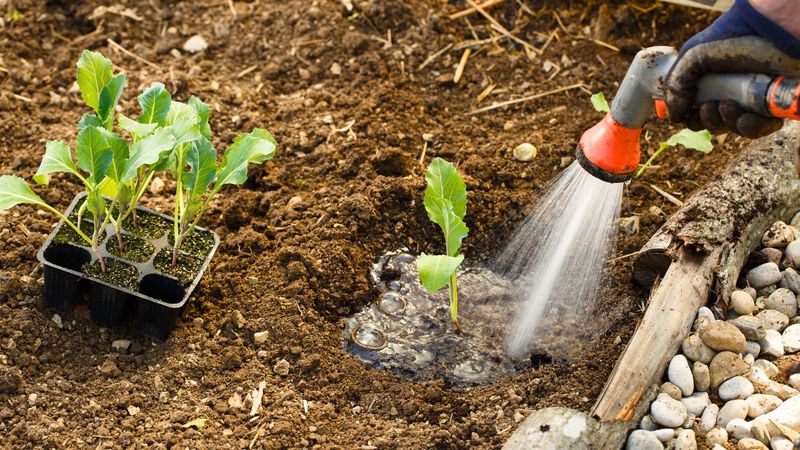
Even fully hardened seedlings face stress at the moment of transplanting. Moving seedlings from trays to garden beds disrupts roots and limits water uptake temporarily.
Transplant during cloudy afternoons or late in the day to reduce sun stress. Water seedlings thoroughly one hour before planting, keeping the root ball intact.
Plant gently, firm the soil around the base, and water deeply at the stem. Avoid overhead watering that could splash soil onto leaves or encourage fungal growth.
A thin mulch layer retains soil moisture and stabilizes temperature fluctuations common in early Pennsylvania spring.
Avoid heavy fertilization immediately; a light, diluted liquid feed a week after transplanting supports root recovery without overwhelming tender roots.
Most seedlings show new growth within 7–10 days, demonstrating that careful handling and gradual preparation pay off.
Additional tips include spacing seedlings adequately to reduce competition for sunlight and airflow, and gradually shading newly transplanted plants for a few days if direct sun is strong.
This helps prevent wilting and gives roots time to expand into the surrounding soil, leading to sturdier plants and more consistent growth throughout the season.
7. Common Mistakes And How To Prevent Them
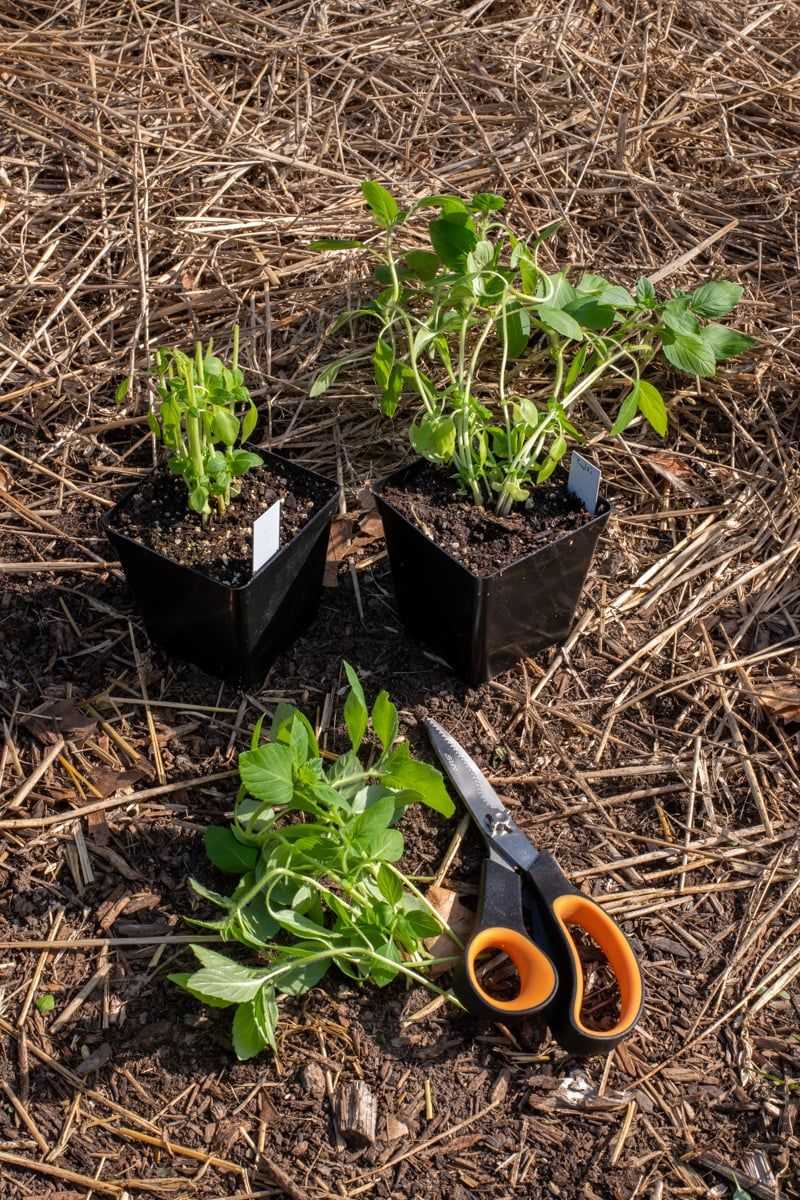
Pennsylvania gardeners often rush the hardening-off process, tempted by early warm spells in April. Skipping incremental exposure or doubling time outside can bleach leaves, stress seedlings, or make them vulnerable to wind damage.
Failing to monitor soil moisture is another frequent issue; outdoor air dries container soil faster than indoor conditions, so checking morning and afternoon is important.
Sudden full sun exposure on seedlings accustomed to indoor light leads to leaf burn, so start in partial shade and add sun gradually.
Even store-bought seedlings benefit from hardening off – they require adjustment from greenhouse conditions to local Pennsylvania microclimates.
Careful planning, incremental exposure, and attentive monitoring reduce stress, prevent transplant shock, and give seedlings the strongest start for a productive season.
Other common mistakes include transplanting in poorly drained soil or ignoring sudden weather changes, both of which can slow establishment.
Taking notes on your process each year – how long seedlings spend outside, weather conditions, and watering habits – can help improve outcomes for future seasons and reduce trial-and-error frustrations.