Pennsylvania Homeowners Can Get Stunning Coneflowers Next Spring With One Simple Task Done Now

Coneflowers are among the most beautiful and resilient plants that Pennsylvania homeowners can grow to brighten up their spring gardens with colorful blooms.
Many gardeners make a common mistake in the fall that prevents these hardy perennials from reaching their full potential when warmer weather returns.
The simple task you need to do right now involves resisting the urge to trim back your coneflowers before winter truly arrives.
By leaving the seed heads standing through the cold months, you give your plants the natural advantage they need for spectacular spring growth.
Why Coneflowers Benefit From Winter Exposure
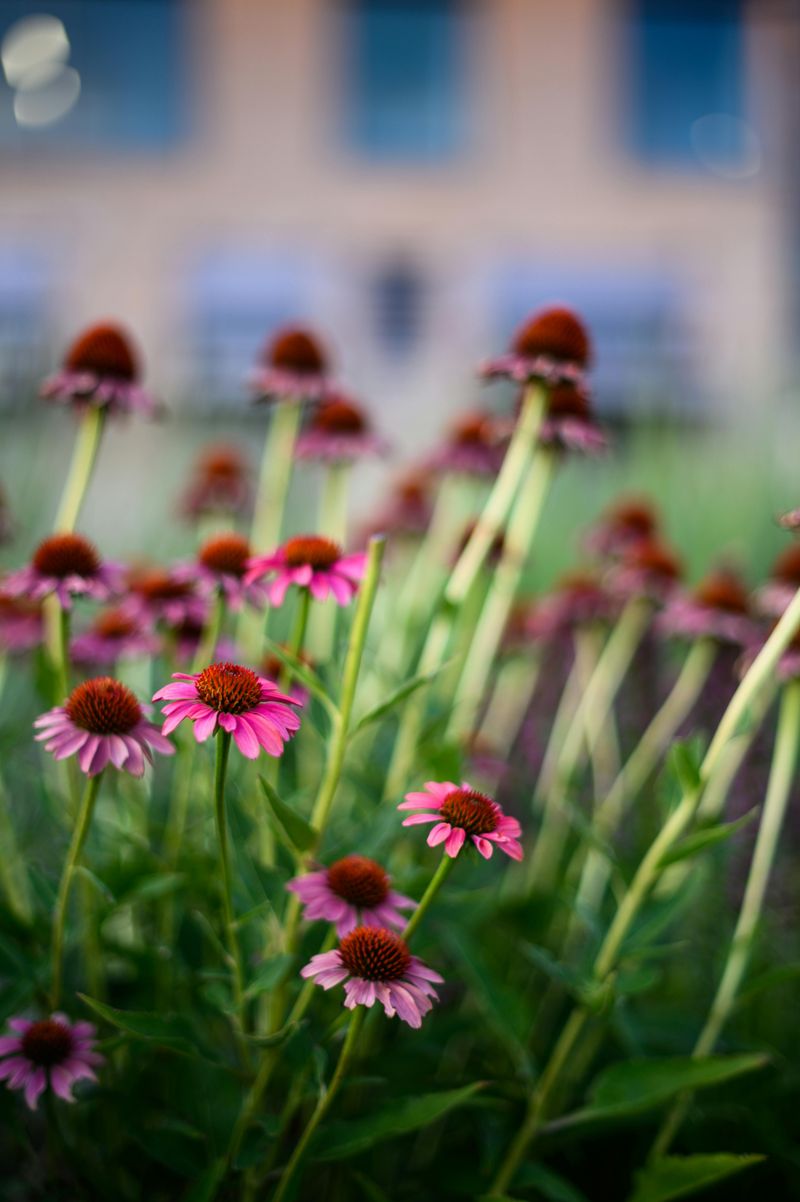
Coneflowers have evolved over thousands of years to thrive in climates with cold winters, making Pennsylvania an ideal location for these hardy perennials.
Allowing them to experience natural winter conditions strengthens their root systems and prepares them for vigorous spring growth patterns that result in healthier plants.
When seed heads remain on the stems through freezing temperatures, the plant channels energy downward to fortify its underground structure rather than wasting resources.
Pennsylvania winters provide the perfect temperature range that coneflowers need to complete their natural lifecycle and enter proper dormancy before spring awakening.
The alternating freeze and thaw cycles common in this region actually benefit the plant by encouraging stronger cellular development within the root zone.
Exposure to cold also triggers important hormonal changes that signal the plant to prepare for its spectacular blooming phase when daylight increases again.
Gardeners who shelter their coneflowers too much or cut them back prematurely often notice weaker plants with fewer blooms the following season.
Nature designed these flowers to withstand harsh conditions, so trust the process and let winter work its magic on your garden beauties.
The Role Of Cold Stratification In Spring Blooms
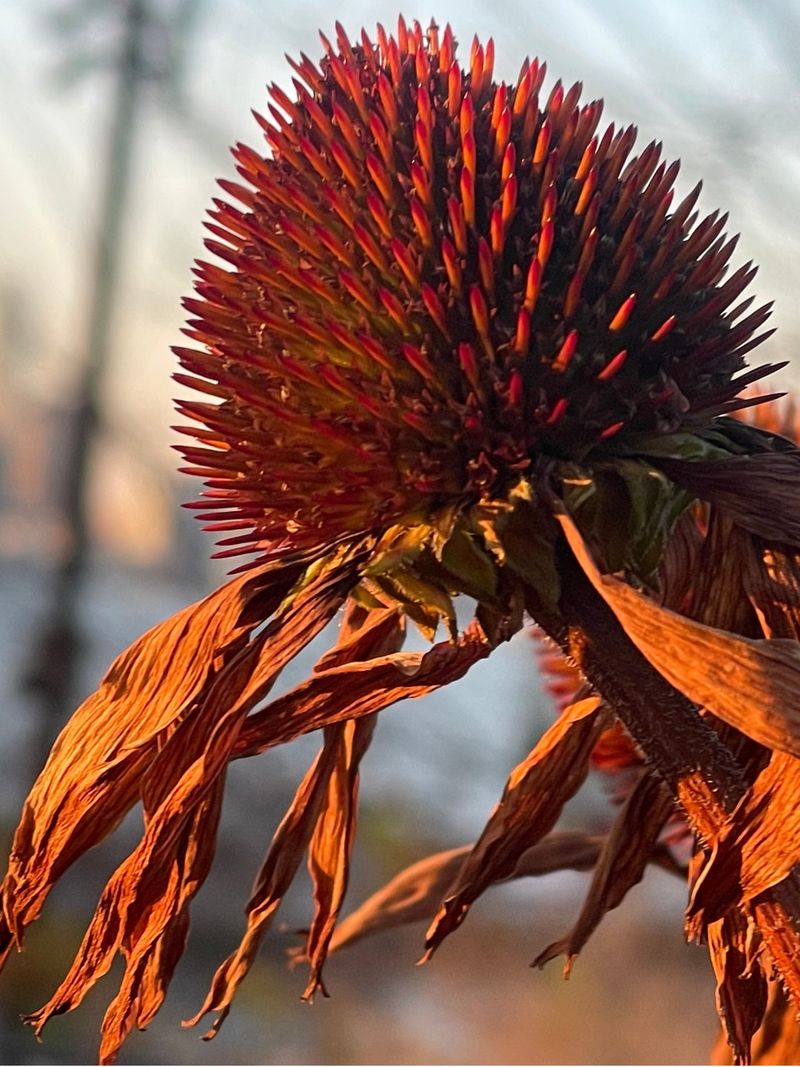
Cold stratification sounds complicated, but it simply means that seeds need exposure to winter temperatures before they can successfully germinate in springtime conditions.
Seeds sitting in those dried flower heads on your coneflowers are undergoing this essential process right now if you left them standing tall.
Without experiencing several weeks of cold moisture and freezing conditions, many seeds will remain dormant or produce weak seedlings that struggle to establish themselves.
Pennsylvania typically provides between 90 and 120 days of cold weather, which is precisely the duration coneflower seeds require for optimal stratification success.
The moisture from snow and winter rain penetrates the seed coats while freezing temperatures break down germination inhibitors that keep seeds from sprouting too early.
This natural timing mechanism ensures that new plants only emerge when conditions are favorable for survival and growth in your specific climate zone.
Gardeners who collect seeds and store them indoors must artificially recreate this cold period by refrigerating them for several months before planting attempts.
By leaving seed heads outdoors through winter, you allow nature to handle the entire stratification process without any extra work on your part.
When To Stop Cutting Back In Fall
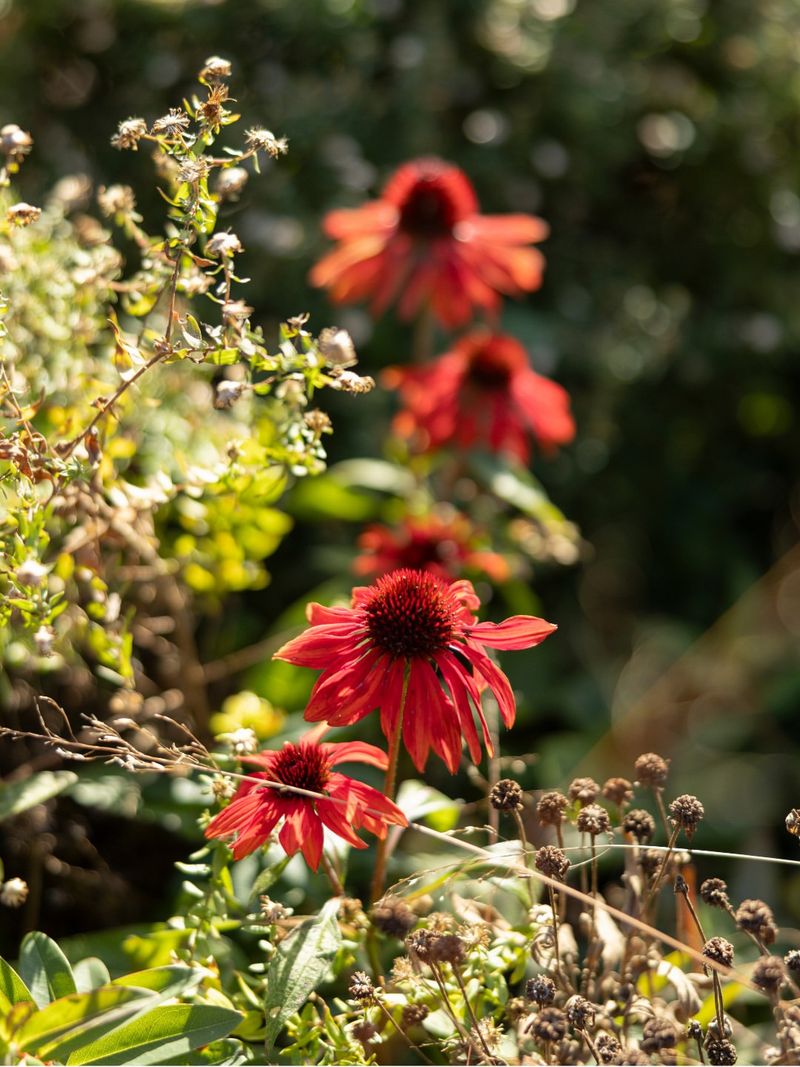
Timing is everything when it comes to fall garden maintenance, and knowing when to put away your pruning shears can make all the difference.
Most Pennsylvania gardeners should stop cutting back coneflowers by mid-September, allowing the plants to naturally transition into their dormant phase without human interference.
Early autumn is when seed heads are forming and beginning to dry out, which means the plant is shifting its focus from flowering.
If you typically clean up your garden beds in October or November, resist the temptation to tidy up those coneflower stalks this year.
The dried stems and seed heads may look messy to some people, but they serve critical functions for both plant health and wildlife support.
Cutting back too late in the season removes the protective structure that shields the crown of the plant from extreme temperature fluctuations and ice damage.
Some gardeners worry that leaving deceased plant material will invite pests or disease, but healthy coneflowers rarely experience these problems from standing through winter.
The key is to observe your plants in late summer and make the conscious decision to leave them alone once blooming has finished completely.
How Leaving Seed Heads Supports Plant Health

Seed heads are not just decorative leftovers from summer blooms; they play an active role in protecting and nourishing the plant throughout winter months.
The hollow stems act as insulation for the crown, which is the point where roots meet stems and where new growth will emerge.
This natural barrier helps moderate soil temperature around the roots, preventing the damaging effects of rapid freezing and thawing that Pennsylvania weather often brings.
As seed heads gradually decompose over the winter, they release nutrients back into the soil directly around the base of the parent plant.
This slow-release fertilization provides a gentle boost of organic matter that improves soil structure and feeds beneficial microorganisms living in the root zone.
The process creates a healthier growing environment without requiring you to purchase or apply any commercial fertilizers or soil amendments in spring.
Standing stems also provide structural support that prevents heavy snow from compacting directly onto the plant crown and potentially smothering emerging growth points.
By leaving everything intact, you create a self-supporting system that works with natural processes rather than against them for optimal plant vitality.
Natural Reseeding And Fuller Growth
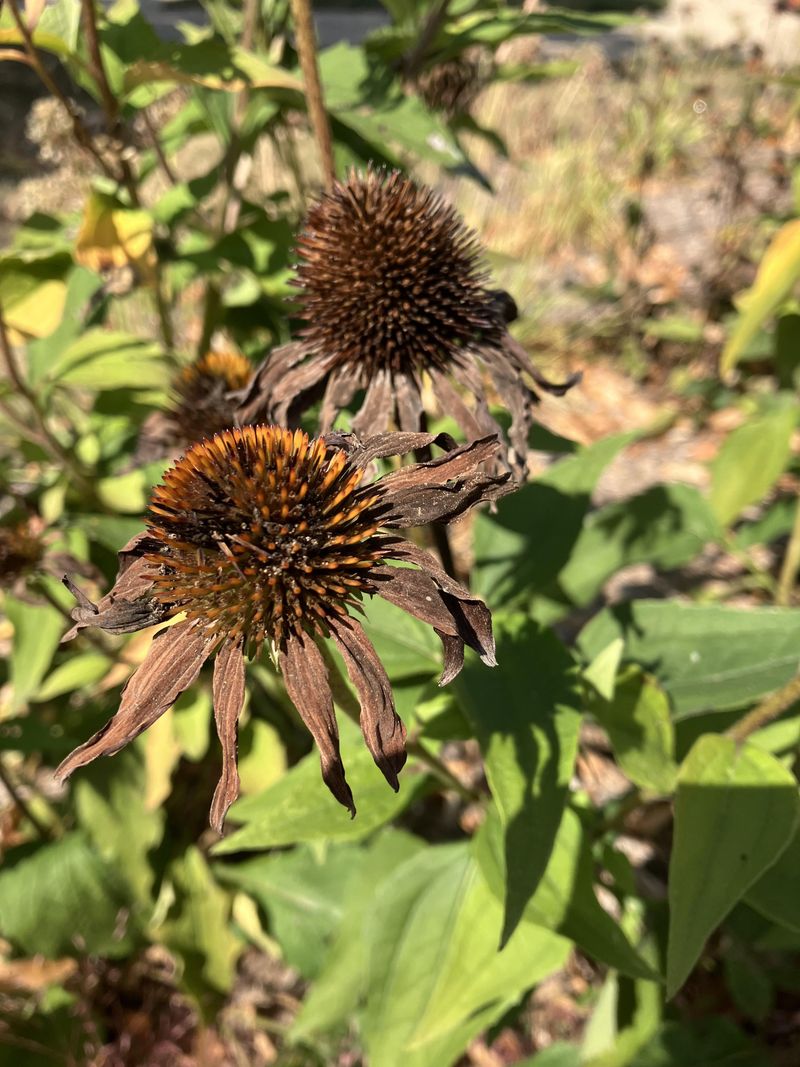
One of the most rewarding aspects of leaving coneflower seed heads standing is watching your Pennsylvania garden naturally expand and fill in over time.
Seeds that complete cold stratification outdoors will drop to the ground in late winter or early spring and germinate exactly when conditions are right.
These volunteer seedlings often grow more vigorously than transplants because they are perfectly adapted to your specific garden microclimate and soil conditions.
Within two to three years, a single coneflower plant can produce a small colony of offspring that creates a stunning visual impact.
The varying ages of plants in a naturally reseeded patch means you get extended bloom times as younger plants flower slightly later than established ones.
This succession of blooms keeps your garden colorful for a longer period without requiring you to plant additional specimens or spend money on new stock.
Natural reseeding also helps fill in gaps where older plants may eventually decline, ensuring continuous coverage in your perennial beds without bare spots appearing.
The process creates a dynamic, ever-changing garden that feels wild and abundant rather than rigidly planned, giving your landscape an authentic cottage garden charm.
Benefits For Birds And Local Wildlife
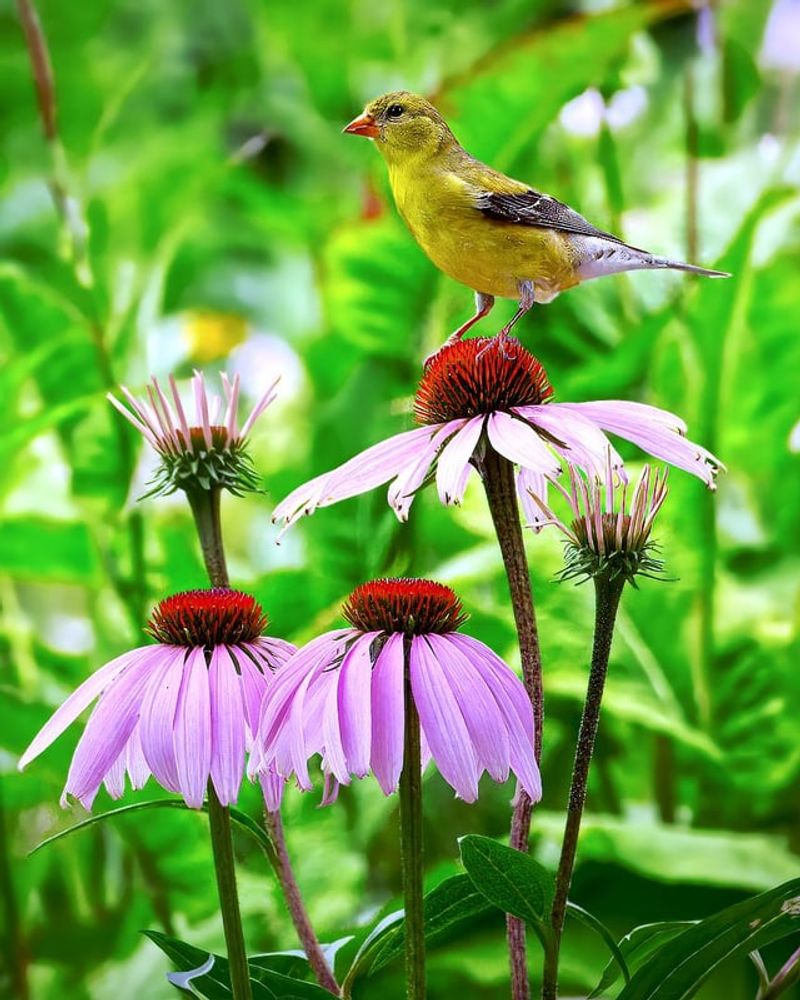
Standing coneflower seed heads transform your garden into a valuable feeding station for birds during the Pennsylvania coldest months when natural food sources become scarce.
Goldfinches, chickadees, and sparrows are particularly fond of coneflower seeds and will visit your garden repeatedly throughout winter if you provide this reliable food.
Watching these cheerful visitors adds life and movement to an otherwise dormant landscape, making your outdoor space enjoyable even when you cannot garden.
The sturdy stems also provide perching spots where birds can rest while scanning for predators or surveying the area for additional food sources nearby.
Small beneficial insects often overwinter in the hollow stems, and these insects become important food sources for birds in early spring when they need protein.
By supporting this interconnected food web, you contribute to the health of your local ecosystem in ways that extend far beyond simple decoration.
Native bees and other pollinators also benefit from the shelter that standing plant material provides during their dormant periods throughout the colder months.
Creating a wildlife-friendly garden requires minimal effort when you simply choose to leave nature alone and let plants complete their full lifecycle naturally.
Common Fall Cleanup Mistakes To Avoid
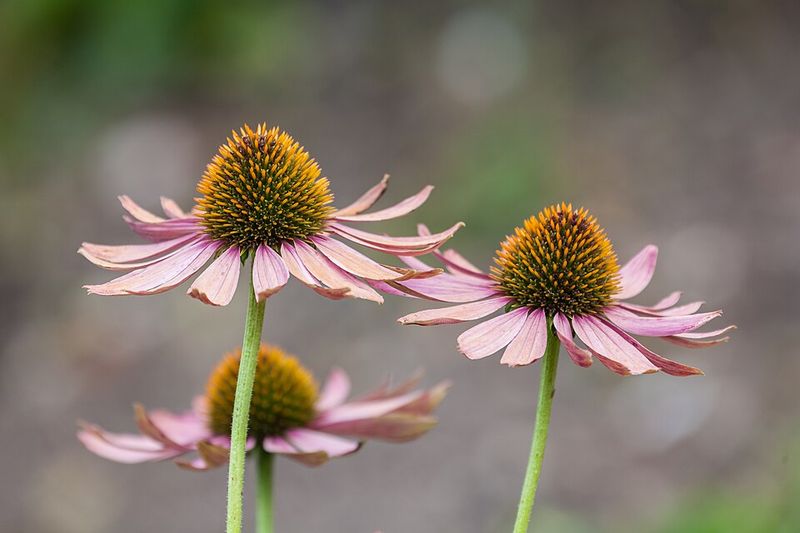
Many well-intentioned Pennsylvania gardeners make the mistake of cutting everything down to ground level in autumn, believing this creates a neater appearance and healthier garden.
This approach actually removes valuable wildlife habitat and eliminates the natural protection that plants provide for their own root systems during winter stress.
Overzealous cleanup also means you miss out on the architectural beauty that dried seed heads and frost-covered stems bring to the winter landscape.
Another common error is applying thick layers of mulch directly over the crown of coneflowers after cutting them back in fall preparation.
This combination of practices can trap moisture against the plant base and create conditions favorable for crown rot and fungal infections that damage plants.
Coneflowers prefer good air circulation around their crowns and actually tolerate winter cold better when not buried under excessive organic material or debris.
Some gardeners also make the mistake of fertilizing coneflowers in late fall, which encourages tender new growth that will be damaged by freezing temperatures.
The best practice is to stop all fertilization by late summer and allow plants to naturally harden off before winter arrives in full force.
What To Do In Late Winter Instead
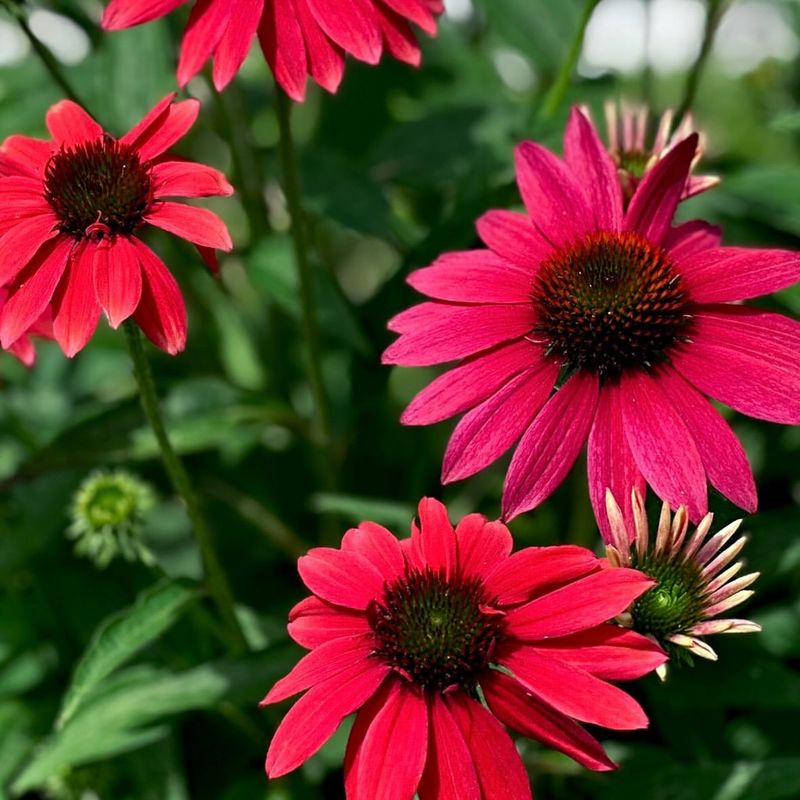
Late winter, typically February or early March in Pennsylvania, is the ideal time to finally address those standing coneflower stems you left throughout winter.
By this point, seeds have dropped and birds have harvested what they needed, so the seed heads have served their full purpose.
New growth will soon emerge from the crown, and removing old stems now prevents them from interfering with fresh shoots trying to reach sunlight.
Use clean, sharp pruning shears to cut stems down to about three inches above ground level rather than cutting flush with the soil.
This leaves a small marker showing where plants are located, which helps you avoid accidentally digging into them while working in your beds.
The short stub will quickly be hidden by new foliage as the plant grows vigorously in the warming weather ahead of spring.
Late winter is also the perfect time to divide overcrowded coneflower clumps if needed, as the plants are still dormant but about to begin active growth.
You can add a light layer of compost around the base of plants at this time, but avoid piling it directly against stems.
This timing allows you to tidy up just before the growing season begins while still giving plants all the winter benefits they needed.
What To Expect When Growth Returns In Spring
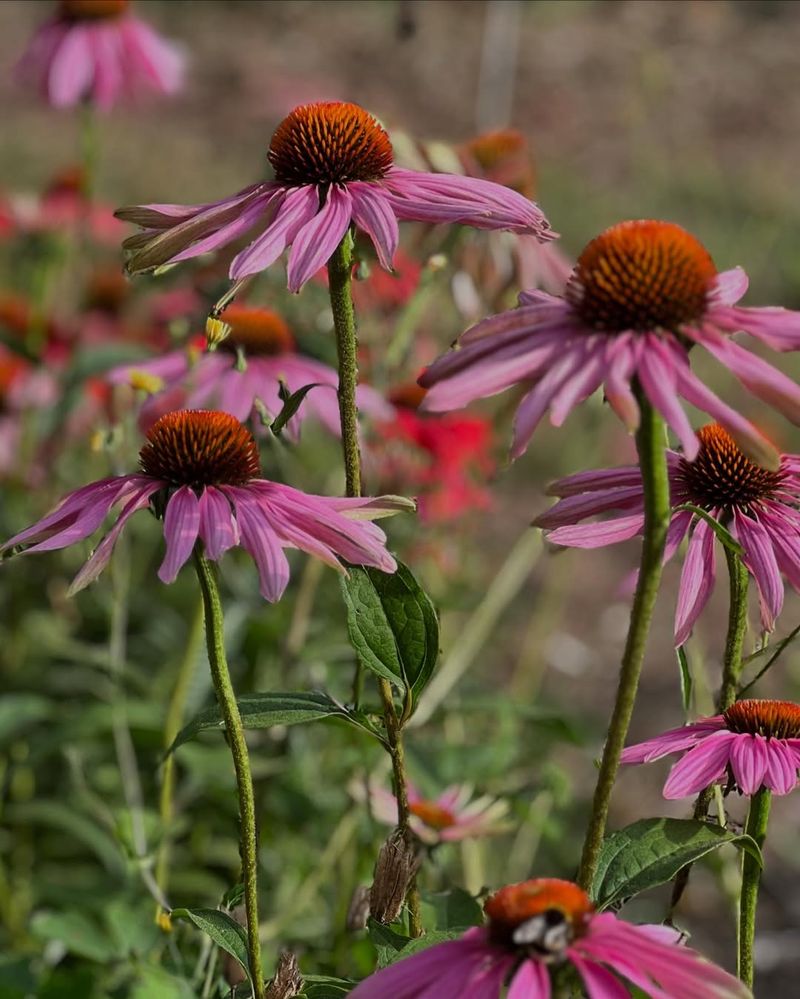
Spring growth on coneflowers that wintered with their seed heads intact tends to be noticeably more robust than plants that were cut back.
You will likely observe thicker stems, larger leaves, and more numerous flower buds forming as the season progresses toward summer blooming time.
The enhanced root system that developed during winter dormancy provides the foundation for this impressive above-ground growth that makes your patience worthwhile.
New seedlings from natural reseeding will also begin appearing around the base of parent plants and throughout nearby areas where seeds scattered.
These baby plants start small but grow surprisingly quickly once temperatures warm and daylight increases, though they typically will not bloom until their second year.
Marking their locations with small stakes helps you avoid accidentally weeding them out while you work in your Pennsylvania garden beds during spring maintenance.
By mid to late spring, your coneflowers should be well-established and growing vigorously, with flower buds visible on mature plants by early summer.
The spectacular display that follows will reward your decision to skip fall cleanup and trust in the natural processes that have sustained these plants.