7 Pennsylvania Indoor Plants That Need Repotting In March
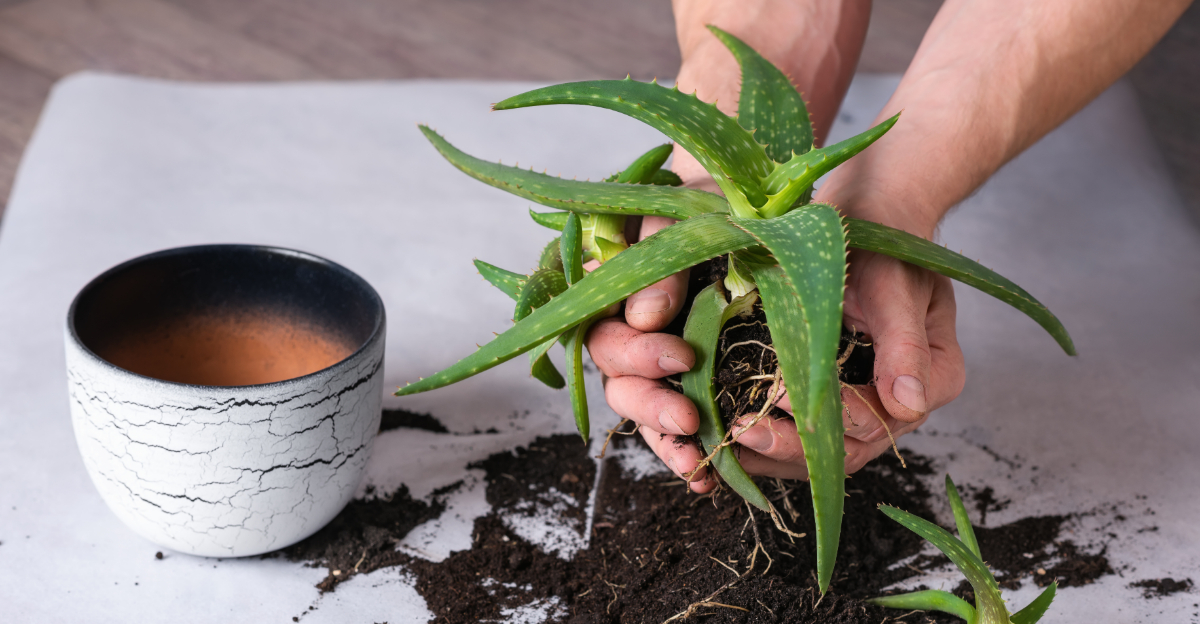
As the first signs of spring begin to peek through the windows, many of us feel the urge to refresh our indoor spaces.
For those of us with houseplants, March is the perfect time to give our green companions a little extra attention.
Repotting can breathe new life into your plants, ensuring they continue to thrive as they enter a new growing season.
Whether you’ve got a few potted plants or a whole indoor jungle, understanding when it’s time to repot is key.
Some plants will start to show signs they’ve outgrown their pots, and March offers the perfect window to give them a fresh start.
Ready to ensure your indoor garden flourishes? Let’s take a look at which plants need a bit more space to grow strong and healthy this spring.
1. Peace Lily Ready For A Roomier Pot This Spring
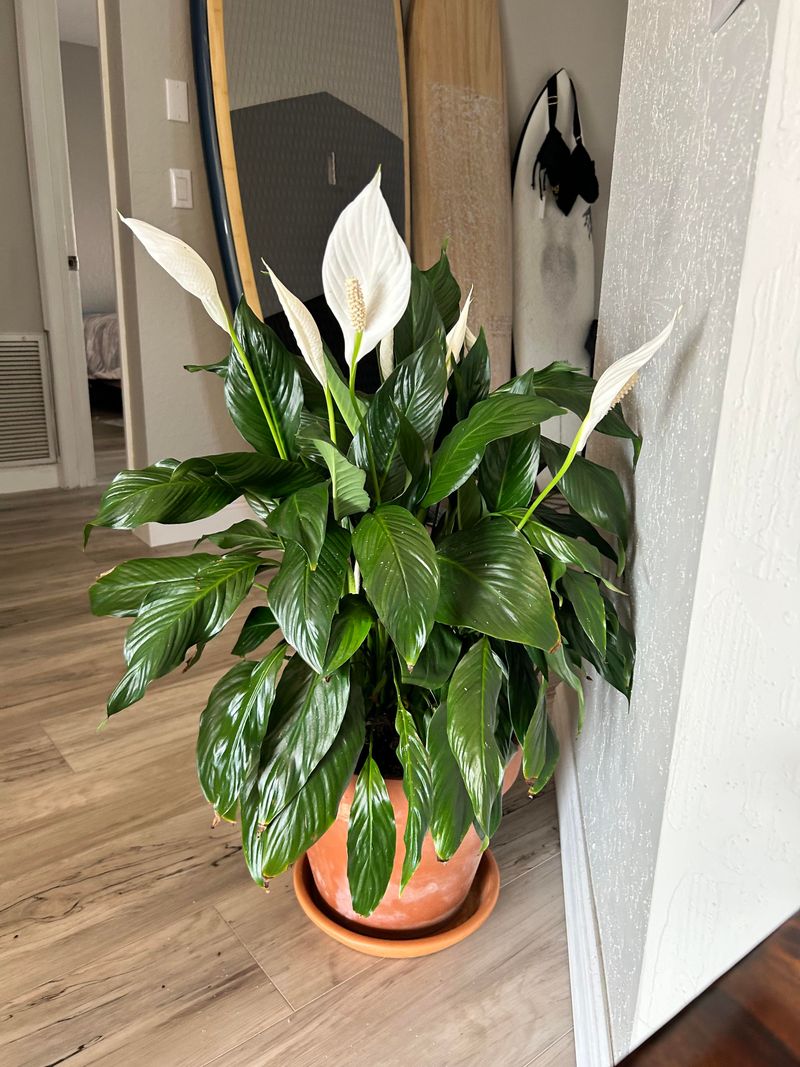
Few houseplants are as forgiving and rewarding as the peace lily. Known for its elegant white blooms and deep green glossy leaves, this popular plant is a staple in many Pennsylvania homes.
But when spring arrives and you notice the leaves drooping quickly after watering, or roots poking out of the drainage holes, your peace lily is telling you something important: it needs more room to grow.
Repotting your peace lily in March is ideal because the plant is just waking up from its slower winter period. Grab a new pot that is about two inches wider than its current one.
Make sure the pot has good drainage holes, because peace lilies are sensitive to sitting in soggy soil. A well-draining indoor potting mix works perfectly for this plant.
When you remove the plant from its old pot, gently loosen the roots with your fingers. If the roots look tightly packed or circling the bottom, carefully untangle them before placing the plant in its new home.
Add fresh soil around the sides, pressing it down lightly to remove air pockets.
Water your peace lily thoroughly right after repotting, then keep it away from direct sunlight for about a week. This gives it time to settle into its new environment without extra stress.
Peace lilies love bright, indirect light and consistent moisture, which Pennsylvania homes with east-facing windows provide nicely. With a little care and a bigger pot, your peace lily will reward you with lush growth and beautiful white blooms all spring and summer long.
2. Pothos Signaling It’s Time For A Bigger Home
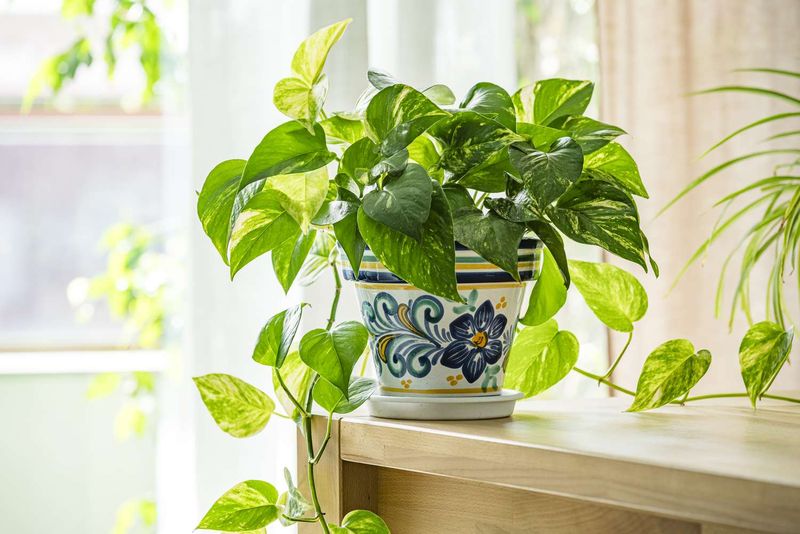
The overachievers of the houseplant world, Pothos plants grow fast, trail beautifully, and can handle a little neglect without complaint. But even the most easygoing pothos will eventually outgrow its pot, and March is the best time to catch it before it gets too cramped.
If you spot roots sneaking out of the drainage holes or the soil drying out faster than usual, your pothos is waving a flag for more space.
One of the great things about repotting a pothos in Pennsylvania in early spring is that the plant is already gearing up for its most active growing period. Choose a pot that is two to three inches larger in diameter than the current one.
Too big of a jump in pot size can cause water to sit in the soil too long, which can lead to root issues.
Use a standard indoor potting mix that drains well. Gently remove the plant, shake off some of the old soil, and inspect the roots.
Trim away any that look mushy or brown before settling the plant into its new pot. Fill in around the roots with fresh soil and give it a good drink of water.
After repotting, place your pothos in a spot with bright, indirect light. A north or east-facing window in your Pennsylvania home works beautifully for this plant.
Within a couple of weeks, you should notice new leaf growth pushing out, a clear sign your pothos is happy and ready to thrive through the warmer months ahead.
3. Spider Plant With Crowded Roots Demands Fresh Soil
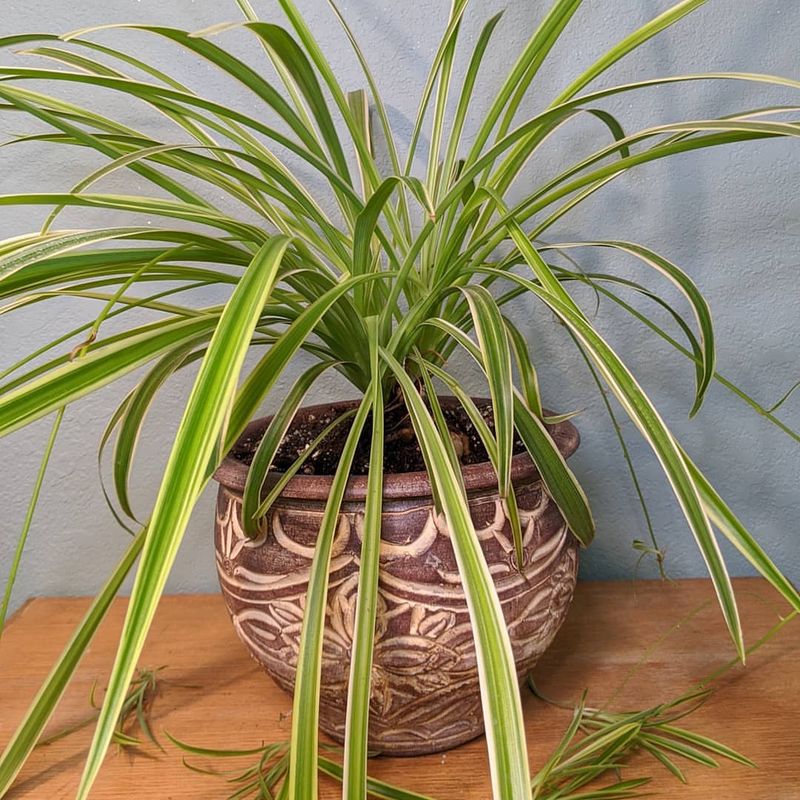
With a quirky charm that makes them hard to resist, spider plants have arching striped leaves and dangling baby plantlets that give them a fun, lively look, brightening up any room. In Pennsylvania homes, spider plants are beloved for being low-maintenance and nearly impossible to neglect into poor health.
But come March, even these tough little plants can hit a wall when their roots run out of room.
You will know it is time to repot your spider plant when you see the roots bulging out from the bottom of the pot or even pushing up through the soil surface. The plant may also start to look a bit stressed, with yellowing tips or slower growth than usual.
Early spring is the ideal window for repotting because the plant is about to enter its most vigorous growing phase.
Pick a pot that is about two inches larger than the current one. Spider plants prefer a light, well-draining potting mix.
When you remove the plant, you might find a thick mass of fleshy white roots. Trim away any dead or damaged roots and gently loosen the root ball before placing it in the new pot.
Add fresh soil around the sides and water well.
Keep your freshly repotted spider plant in a spot with bright, indirect light. Pennsylvania homes with south or west-facing windows are great locations for these plants.
Within a few weeks, you should see new shoots and perhaps even more baby plantlets forming, proof that your spider plant is thriving in its roomier new home.
4. Snake Plant Begging For Airier Soil And More Space
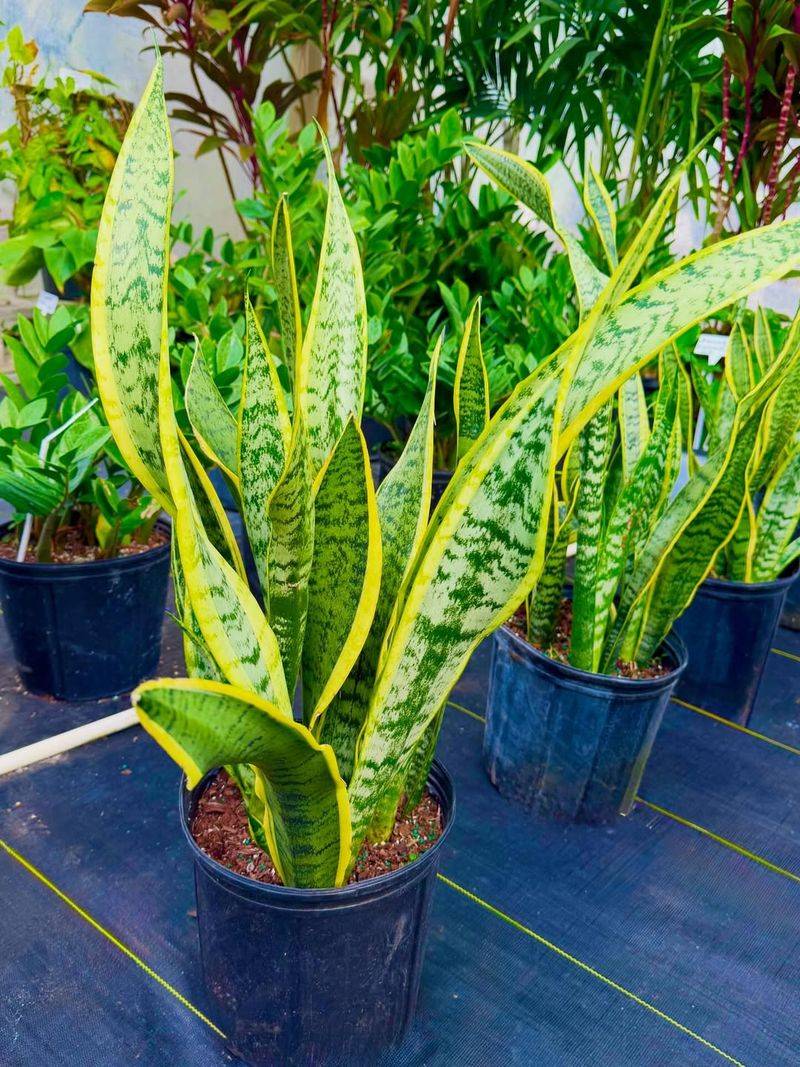
Snake plants have built a well-earned reputation for being practically indestructible. They tolerate low light, forget-me-not watering schedules, and drafty Pennsylvania winters without breaking a sweat.
But every three to five years, even the toughest snake plant needs a fresh start. March is the right moment to check in on yours and see if it is ready for a bigger, airier home.
Watch for a few telltale signs that your snake plant has outgrown its pot. If the soil is pulling away from the sides of the container, or if the plant looks top-heavy and keeps tipping over, those are strong hints that the roots have taken over.
You might also notice that new pups, the baby offshoots growing from the base, are forming very slowly or not at all.
When repotting, choose a pot that is only one to two inches wider than the current one. Snake plants actually prefer a snug fit, so going too large can cause soil to stay wet for too long.
Use a well-draining cactus or succulent mix, or add perlite to a regular potting mix for better airflow around the roots. Gently remove the plant, inspect the roots, and trim away any that look soft or discolored.
After repotting, hold off on watering for about a week to let the roots settle. Place your snake plant in a bright spot with indirect light, which Pennsylvania homes tend to have plenty of in March as the days get noticeably longer.
A little patience now will reward you with a stronger, fuller plant by summer.
5. ZZ Plant Showing Growth Spurt Signals A Spring Repot
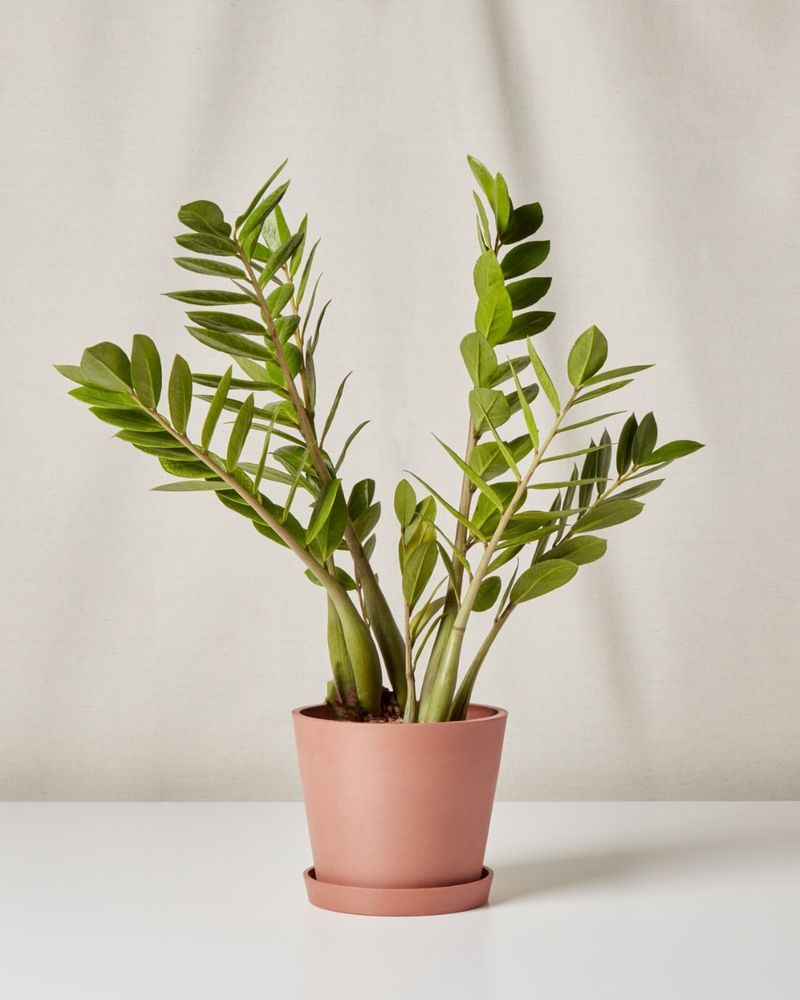
If there were an award for the most low-drama houseplant, the ZZ plant would probably win every year. Its waxy, deep green leaves and sturdy stems make it look polished and put-together with almost zero effort from its owner.
ZZ plants grow slowly in general, so when you start noticing real growth spurts, that is actually exciting news. It also means your plant may be running out of room underground.
March is a smart time to repot your ZZ plant in Pennsylvania because the slightly warmer days and increased light give the plant a natural boost of energy. Signs that it is time include roots creeping out of the drainage holes, the plant appearing top-heavy, or the soil drying out unusually fast between waterings.
ZZ plants store water in their thick rhizomes, so they are forgiving during the repotting process.
Choose a pot two inches wider than the current one and make sure it has drainage holes. ZZ plants are very sensitive to overwatering, so a well-draining potting mix is a must.
You can use a standard houseplant mix with added perlite for extra drainage. When you remove the plant, handle the rhizomes gently since they can be a bit fragile when disturbed.
After settling your ZZ plant into its new pot, water it lightly and place it in a spot with indirect light. Avoid direct sun, which can scorch those beautiful waxy leaves.
In Pennsylvania homes, a spot near a north or east-facing window works well. With fresh soil and a bit more room, your ZZ plant will continue its slow but steady and impressive growth all season long.
6. Fiddle Leaf Fig Needing More Root Room As Days Lengthen
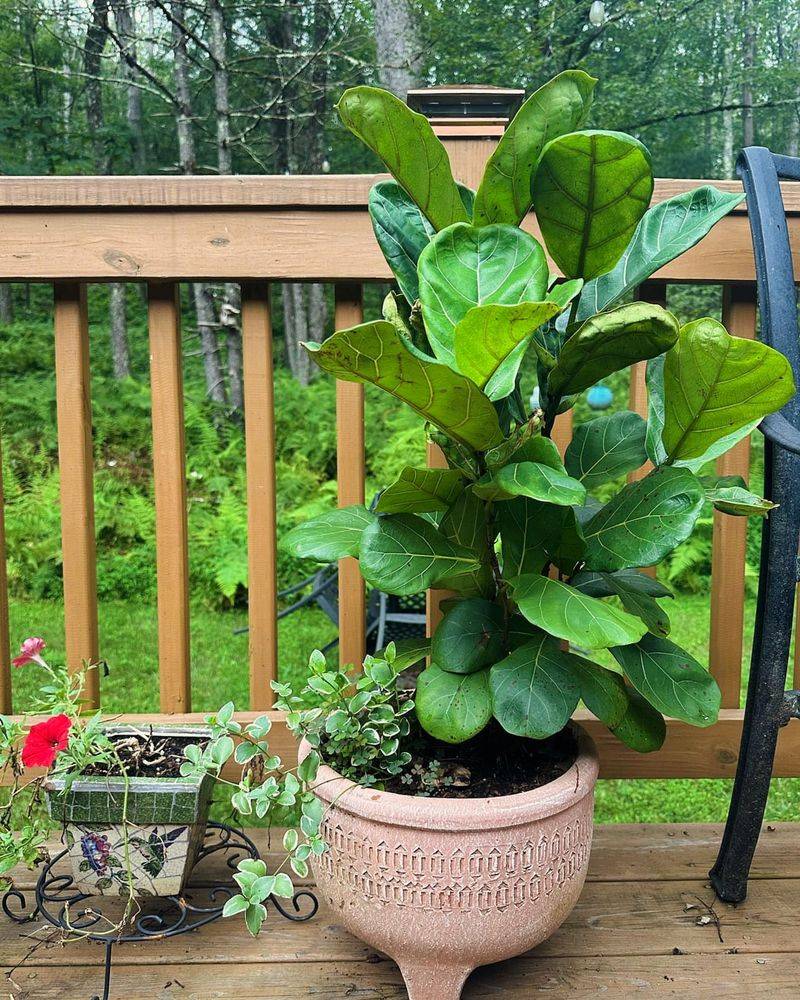
The darlings of the indoor plant world, fiddle leaf figs have quickly won hearts, and honestly, it’s easy to see why. Those large, violin-shaped leaves are dramatic, beautiful, and make any room feel instantly more stylish.
But fiddle leaf figs are also known for being a little particular about their environment. If yours has been in the same pot for more than a year or two, March is the perfect time to give it a much-needed upgrade before the growing season kicks into full gear.
As the days in Pennsylvania get noticeably longer in March, fiddle leaf figs respond by pushing out new leaves. If the roots are cramped, that new growth can stall or the leaves may come in smaller than expected.
Look for roots circling the bottom of the pot, soil that dries out within a day or two of watering, or a plant that seems to wobble in its pot despite being watered regularly.
Choose a pot that is two to three inches larger in diameter and has good drainage. Fiddle leaf figs prefer a well-draining potting mix rich in organic matter.
Carefully remove the plant from its old pot, loosen the outer roots gently, and position it in the new container. Fill in with fresh soil and pack it lightly around the base of the plant.
After repotting, keep your fiddle leaf fig away from drafts and direct sunlight for about a week. These plants love consistency, so try not to move them around too much after repotting.
A bright, steady spot near a large east-facing window in your Pennsylvania home is ideal for helping this stunning plant settle in and flourish.
7. Aloe Vera Craving A Larger Pot To Spread Out
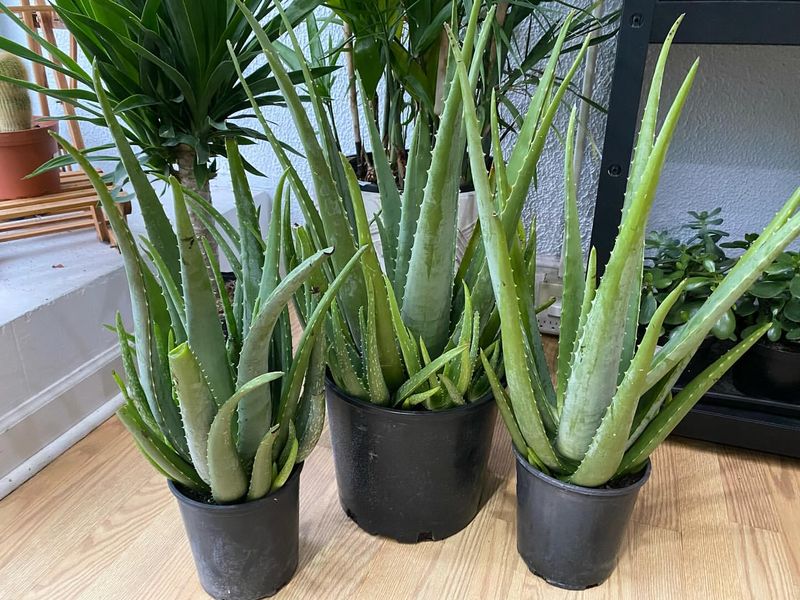
One of those plants that earns its place in any home, Aloe vera is valued not just for its good looks but for its practical uses too. A dab of fresh aloe gel on a minor burn or irritated skin is a time-tested remedy that many Pennsylvania households rely on.
But to keep your aloe plant healthy and productive, it needs enough space to grow, and March is the ideal month to make that happen.
Aloe plants tend to produce offsets, also called pups, around their base as they mature. When these pups crowd the pot along with the main plant, the whole situation gets cramped pretty quickly.
You might also notice the plant tipping over easily, leaves looking a bit limp, or the pot feeling rock-solid from roots filling every inch of space. All of these are signs that it is time to repot.
For aloe vera, use a cactus or succulent potting mix that drains very quickly. Aloe roots are prone to rotting if they sit in wet soil, so good drainage is non-negotiable.
Choose a terracotta pot about two inches wider than the current one, since terracotta helps wick away excess moisture. When repotting, separate the pups from the main plant and pot them individually if you want to grow more aloe plants.
After repotting, wait about a week before watering to let any disturbed roots heal. Place your aloe in the sunniest spot available, like a south-facing windowsill in your Pennsylvania home.
Aloe thrives on bright light and minimal watering, making it one of the easiest plants to care for once it has settled into its new, roomier pot.