Pennsylvania Lawns Are Absorbing More CO₂ Than Expected This Year
Pennsylvania lawns are quietly pulling in more CO₂ this year than anyone guessed, giving the landscape a surprising boost of natural air cleaning.
You can almost sense it in the way the grass holds its color longer and grows with a little extra confidence.
The shift feels subtle at first, but it hints at something bigger happening in those everyday patches of green.
Extra absorption turns each lawn into a small but steady helper for the air around your home.
1. Increased Rainfall Patterns
Extra rain showers have given Pennsylvania lawns exactly what they needed to grow stronger and thicker throughout the year.
When grass receives more water, it develops deeper roots that reach further into the soil below.
These robust root systems allow plants to absorb nutrients more efficiently and produce more leaves for photosynthesis.
More leaves mean more surface area for capturing carbon dioxide from the surrounding air.
Pennsylvania homeowners noticed their grass stayed greener longer without needing as much artificial watering from sprinklers.
The consistent moisture levels created perfect growing conditions that kept lawns actively absorbing CO₂ throughout extended growing seasons.
Weather patterns shifted just enough to provide regular hydration without causing flooding or waterlogged soil problems.
This balance between wet and dry periods kept grass in its prime carbon-absorbing state for months.
Healthy, well-watered grass can capture significantly more greenhouse gases than stressed, drought-affected lawns.
The rainfall boost transformed ordinary yards into tiny carbon-capturing powerhouses across the state.
2. Native Grass Species Revival
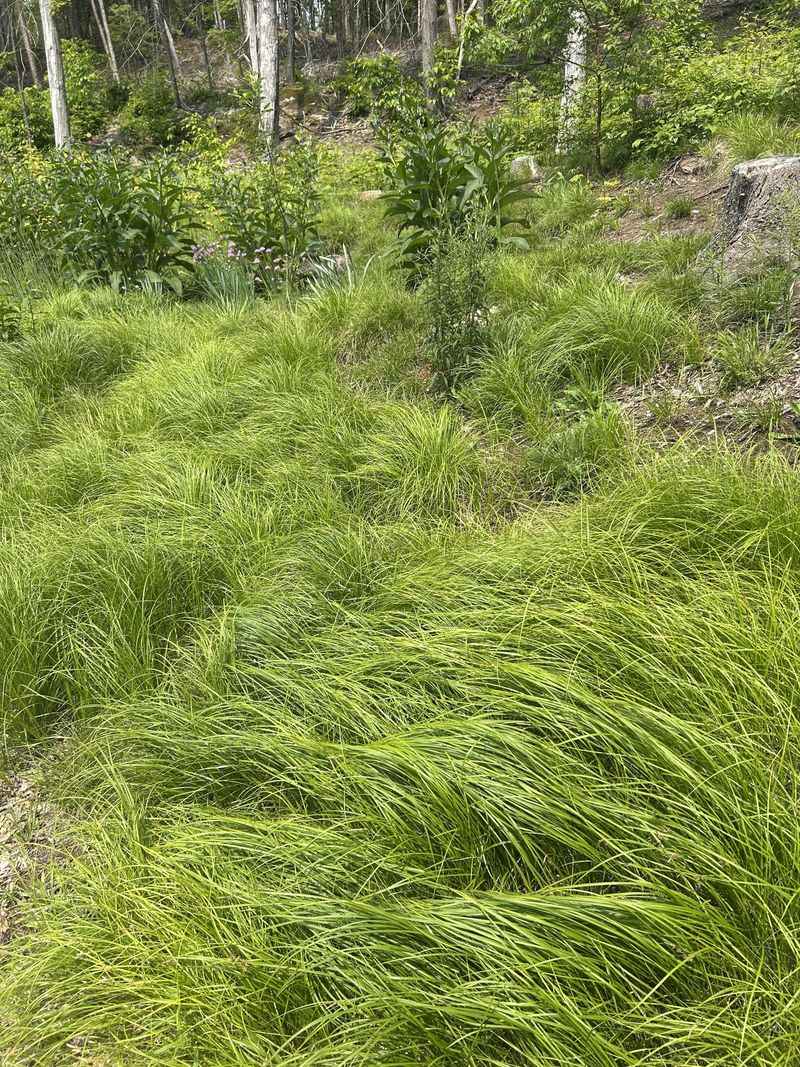
Homeowners across Pennsylvania started planting native grass varieties that naturally thrive in local soil and climate conditions.
These indigenous species evolved over thousands of years to perfectly match the state’s weather patterns and seasonal changes.
Unlike imported grass types, native varieties require less maintenance and naturally resist local pests and diseases better.
Their deep root systems, sometimes reaching several feet underground, create extensive networks that store carbon in soil.
Pennsylvania gardeners discovered that native grasses stay green longer and bounce back faster after stressful weather events.
These hardy plants continue photosynthesizing and absorbing CO₂ even during periods when non-native grasses go dormant.
The revival movement gained momentum as neighbors shared seeds and advice about establishing native lawn sections.
Many residents converted portions of their yards to meadow-like areas featuring tall native grasses and wildflowers.
This shift created mini ecosystems that support pollinators while simultaneously pulling more carbon from the atmosphere.
Native grass revival represents a return to natural landscaping that benefits both homeowners and the environment.
3. Reduced Chemical Fertilizer Use
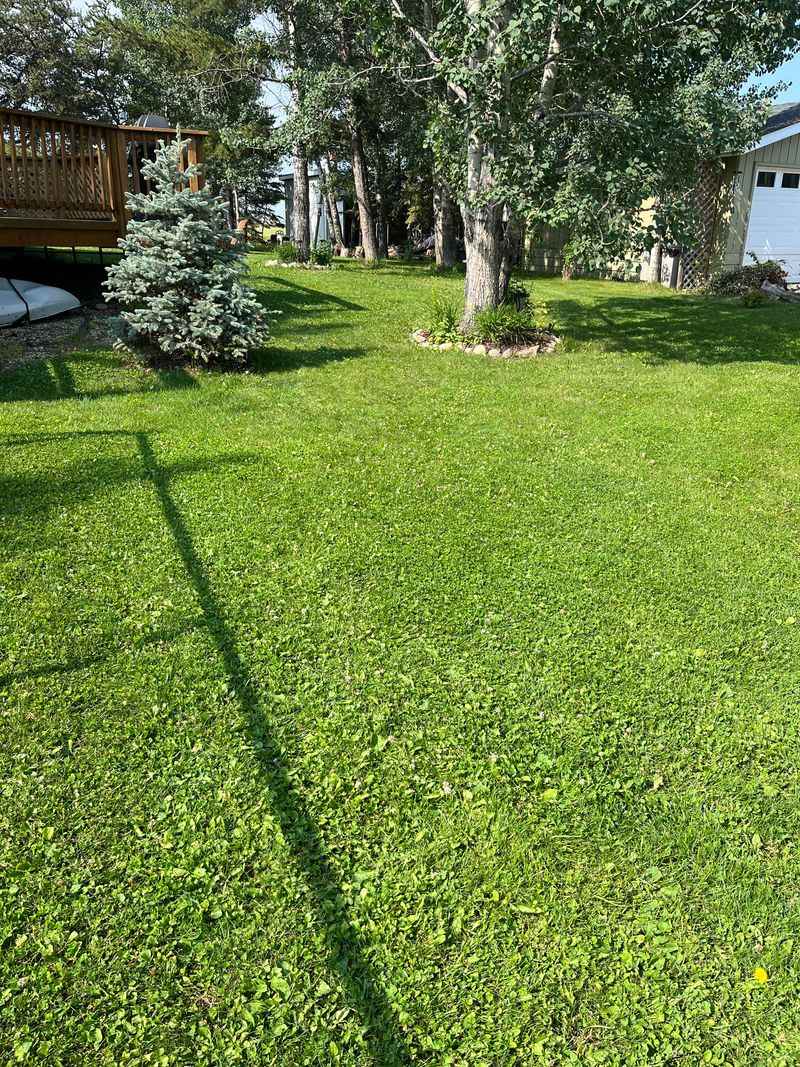
Many Pennsylvania residents switched from synthetic fertilizers to organic alternatives that support healthier soil microbe populations.
Chemical fertilizers can actually harm beneficial bacteria and fungi that help grass roots absorb nutrients more effectively.
When homeowners reduced chemical applications, soil ecosystems began recovering and supporting stronger, more resilient grass growth.
Organic matter like compost feeds both plants and soil organisms, creating a living network beneath lawns.
This underground community helps grass capture and store more carbon in both plant tissue and soil.
Pennsylvania yards treated with natural amendments showed improved soil structure that holds moisture and nutrients better.
Healthier soil means grass doesn’t need as much water or intervention to maintain vigorous growth patterns.
The microbes breaking down organic matter also contribute to carbon sequestration by converting plant material into stable compounds.
Reduced chemical use allowed earthworms and other beneficial creatures to flourish, further aerating and enriching the soil.
This natural approach created a positive cycle where healthier soil supports healthier grass that absorbs more CO₂.
4. Longer Growing Seasons
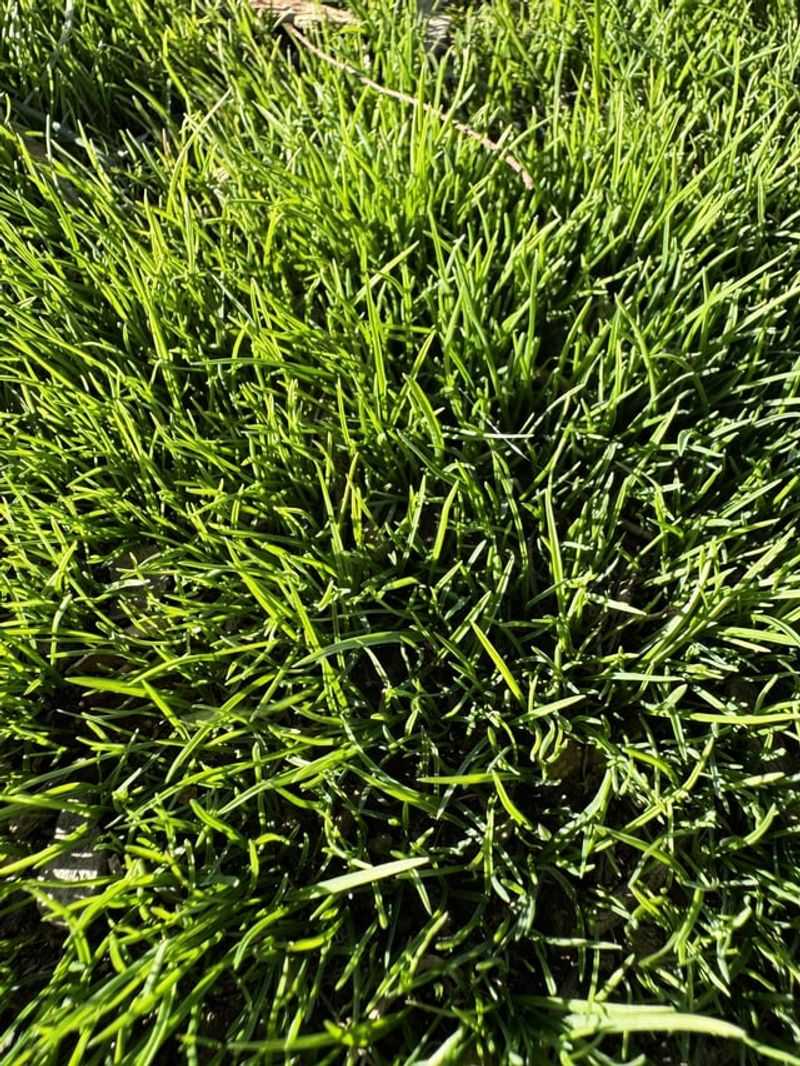
Warmer temperatures extended the time grass actively grows and photosynthesizes across Pennsylvania this year compared to previous decades.
Spring arrived earlier, allowing grass to green up weeks before it traditionally would in the state.
Fall lasted longer too, with grass remaining active well into November in many Pennsylvania neighborhoods.
These extra weeks of growth translated directly into additional carbon dioxide absorption from the surrounding atmosphere.
Grass only captures CO₂ when actively growing, so longer seasons mean more total carbon pulled from the air.
Pennsylvania homeowners enjoyed beautiful green lawns for extended periods without needing to overseed or fertilize excessively.
The mild shoulder seasons provided ideal temperatures that kept grass in peak photosynthesis mode longer.
Scientists measured significantly higher carbon absorption rates in areas where growing seasons expanded by three or more weeks.
This climate shift, while concerning overall, created an unexpected benefit for lawn carbon sequestration in the state.
Extended growing periods allowed grass to build up more biomass and root structure that stores carbon underground.
5. Improved Soil Aeration Practices
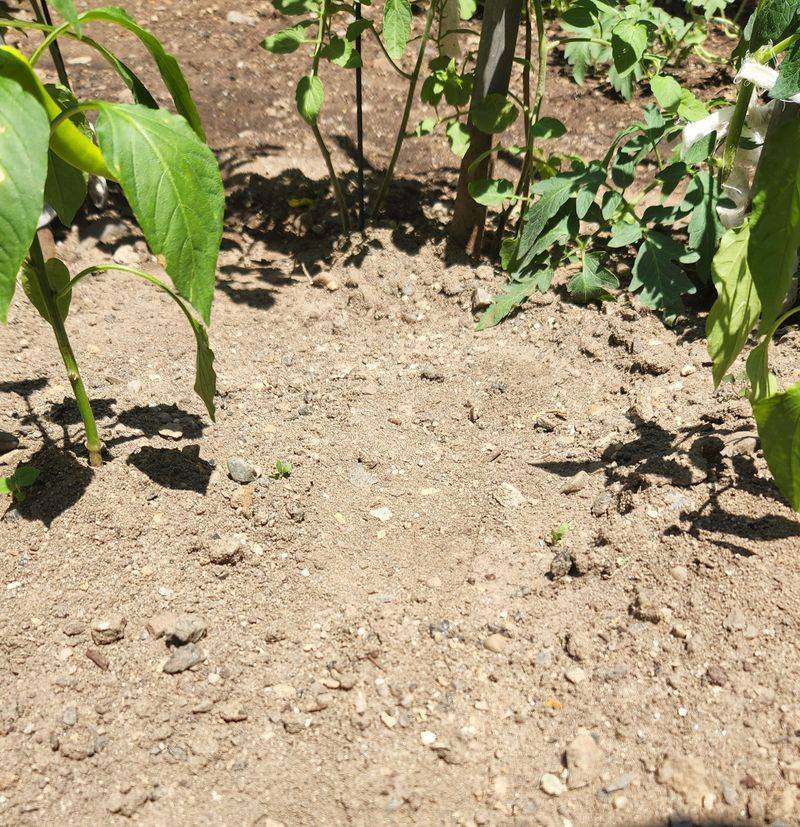
Homeowners learned that compacted soil prevents grass roots from spreading and accessing oxygen, water, and nutrients they need.
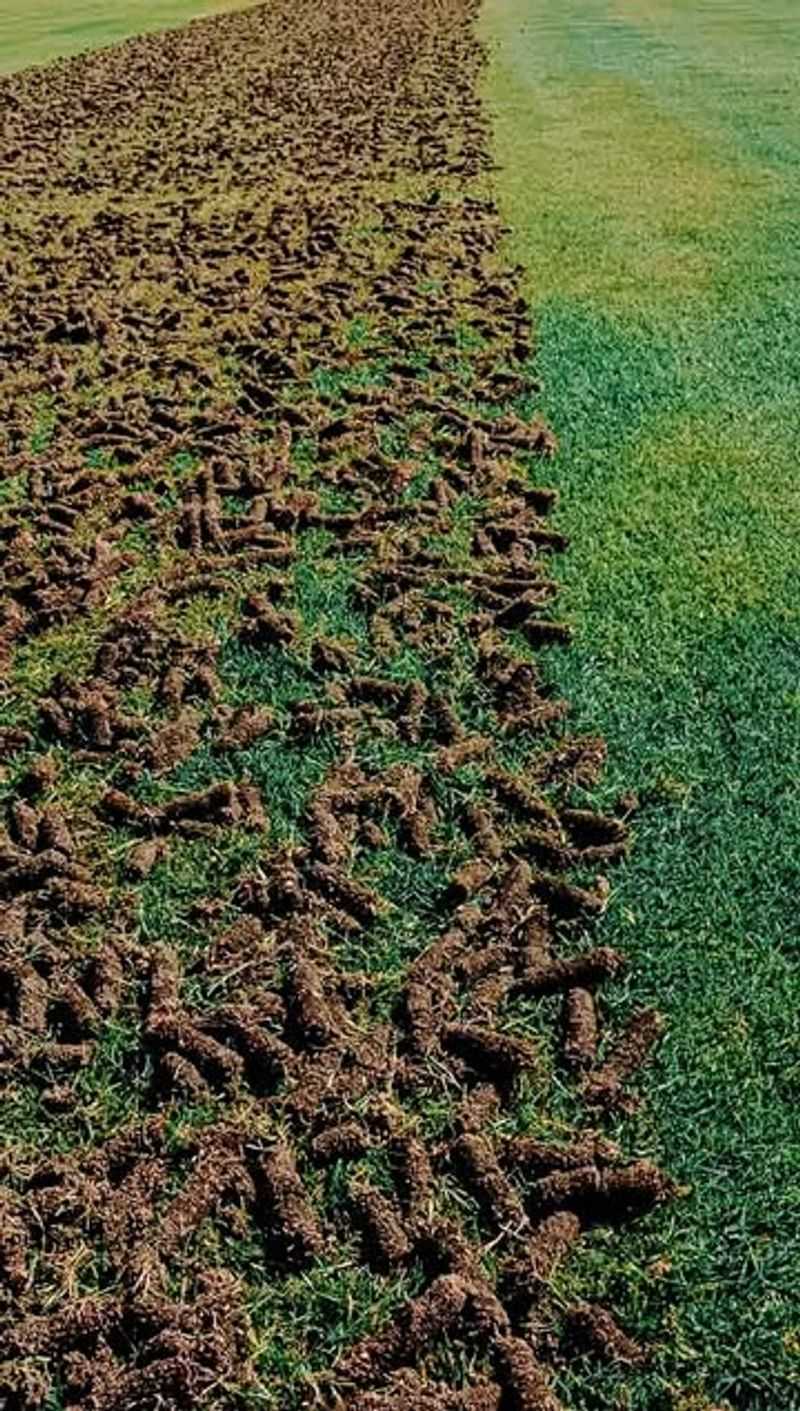
Aeration involves creating small holes throughout lawns that allow air, water, and nutrients to penetrate deeper underground.
Pennsylvania residents embraced this practice more widely, either renting equipment or hiring professionals to aerate their yards.
Better aeration encouraged grass to develop more extensive root systems that reach further into the earth.
These deeper roots not only anchor plants better but also store significant amounts of carbon in soil.
When roots can breathe and expand freely, grass grows more vigorously and produces more leaf surface area.
More leaves mean more photosynthesis, which directly increases the amount of CO₂ grass can remove from the air.
Pennsylvania lawns that received regular aeration showed dramatic improvements in thickness, color, and overall health.
The practice also helps beneficial microorganisms thrive, creating a living soil ecosystem that supports carbon storage.
Simple aeration transformed struggling lawns into thriving carbon sinks across neighborhoods throughout the state.
6. Clover and Grass Mixtures
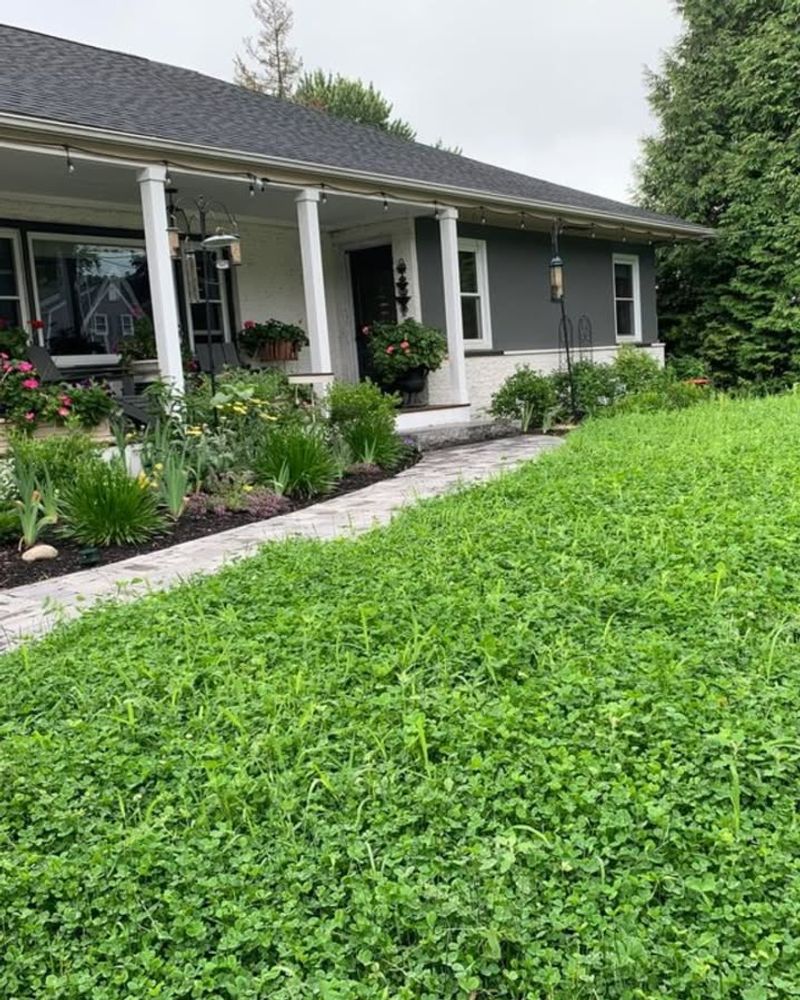
Traditional lawns contained only grass, but Pennsylvania homeowners started intentionally adding clover to create healthier mixed yards.
Clover belongs to the legume family, which means it naturally pulls nitrogen from the air and deposits it into soil.
This nitrogen enriches the earth, feeding neighboring grass plants and helping them grow thicker and more vibrant.
Stronger grass absorbs more carbon dioxide while the clover itself also contributes to CO₂ capture through photosynthesis.
Pennsylvania residents discovered that clover stays green during dry spells when grass turns brown and goes dormant.
This means carbon absorption continues even during stressful weather conditions that would normally slow grass growth.
Clover flowers also attract bees and butterflies, supporting pollinator populations while the lawn captures greenhouse gases.
The combination creates a self-fertilizing system that reduces the need for chemical inputs and constant maintenance.
Mixed lawns proved more resilient to pests, diseases, and weather extremes than single-species grass lawns.
This diversity approach transformed Pennsylvania yards into more productive carbon-absorbing landscapes with less effort and expense.
7. Grasscycling Instead of Bagging
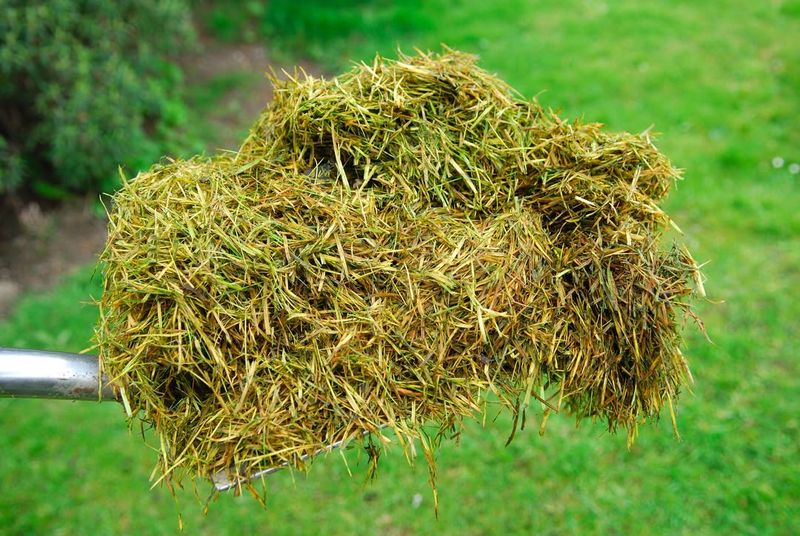
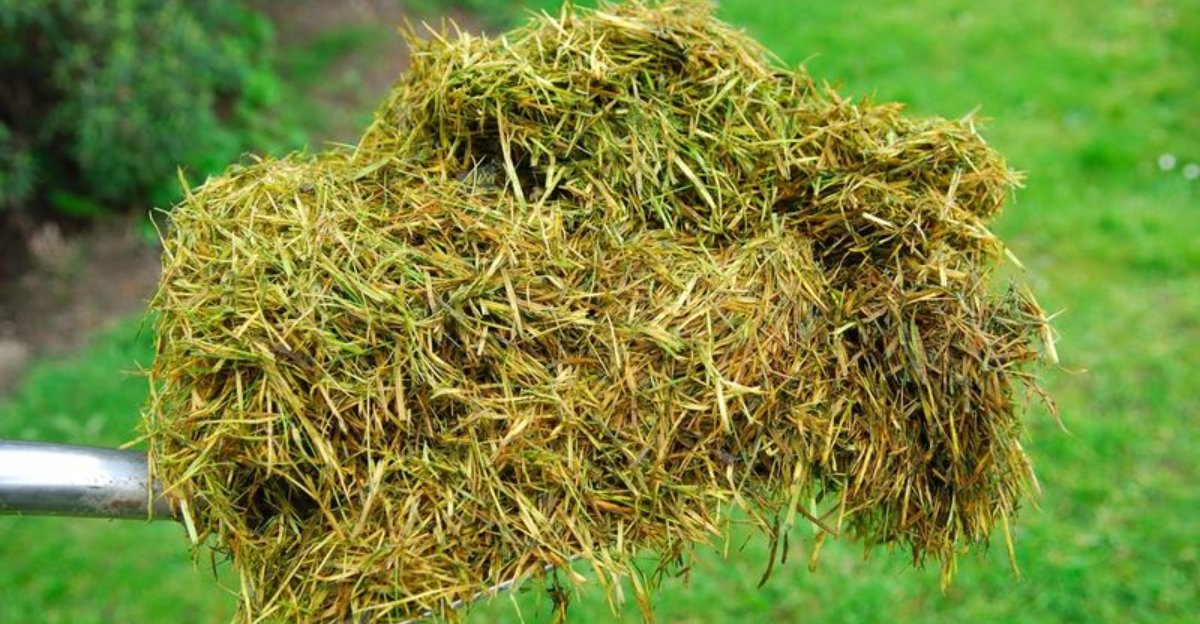
Pennsylvania homeowners stopped bagging grass clippings and started leaving them on lawns to decompose naturally after mowing.
This practice, called grasscycling, returns valuable nutrients directly back into the soil where grass roots can reabsorb them.
Clippings contain nitrogen, phosphorus, and potassium that would otherwise go to landfills instead of feeding lawns.
When grass receives these recycled nutrients, it grows healthier and denser, increasing its capacity to absorb CO₂.
The decomposing clippings also feed soil microorganisms that help build better soil structure and carbon storage capacity.
Pennsylvania residents found that grasscycling reduced their need for fertilizers by up to thirty percent throughout the season.
Less fertilizer use means lower costs and reduced environmental impact from manufacturing and transporting chemical products.
The thin layer of clippings acts as natural mulch that helps soil retain moisture during dry periods.
Better moisture retention keeps grass actively growing and photosynthesizing even when rainfall decreases temporarily.
This simple change in mowing habits created a positive feedback loop that enhanced carbon absorption across the state.
8. Strategic Mowing Heights
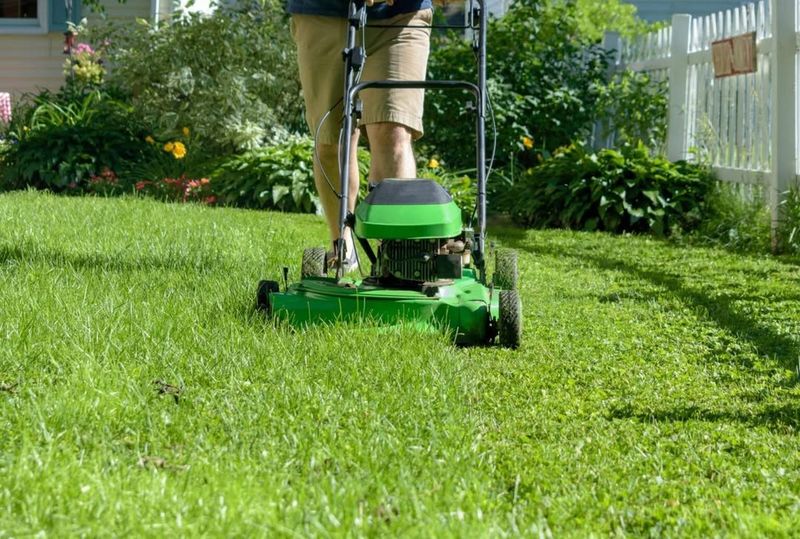
Cutting grass too short stresses plants and forces them to focus energy on survival rather than growth and photosynthesis.
Pennsylvania homeowners learned to raise their mower blades to leave grass at least three inches tall after cutting.
Taller grass develops deeper root systems that access water and nutrients from further underground than short grass.
These extensive roots store more carbon in soil while the taller blades provide more surface area for photosynthesis.
Longer grass blades also shade the soil, preventing moisture evaporation and keeping roots cooler during hot Pennsylvania summers.
This moisture retention allows grass to continue growing vigorously even during periods of reduced rainfall or heat stress.
Taller lawns naturally crowd out weeds by blocking sunlight from reaching weed seeds trying to germinate.
Fewer weeds mean more grass, which translates directly to increased carbon dioxide absorption across the lawn surface.
Pennsylvania residents noticed their lawns looked fuller and required less frequent watering when maintained at proper heights.
This simple adjustment to mowing practices significantly boosted the carbon-capturing potential of ordinary suburban yards throughout the state.
9. Reduced Lawn Traffic and Compaction
Heavy foot traffic and vehicles crossing lawns compress soil particles together, squeezing out air pockets that roots need.
Pennsylvania families became more conscious about creating designated pathways and protecting grass from unnecessary trampling and weight.
When soil stays loose and uncompacted, grass roots spread freely and grow deeper into the earth below.
These healthy root systems absorb more nutrients and support more vigorous top growth that captures additional CO₂.
Homeowners installed stepping stones, mulch paths, or gravel walkways to direct traffic away from vulnerable grass areas.
Children’s play equipment got relocated to mulched zones, preserving lawn areas for optimal grass growth and carbon absorption.
Pennsylvania residents noticed dramatic improvements in grass health where compaction decreased, with thicker and greener growth.
Less compacted soil also drains better after rain, preventing waterlogged conditions that stress grass and slow growth.
Protected lawns maintained active photosynthesis throughout the season without bare spots or thin areas that reduce CO₂ capture.
Simple awareness about foot traffic patterns helped maximize the carbon-absorbing potential of Pennsylvania lawns statewide.
10. Increased Earthworm Populations
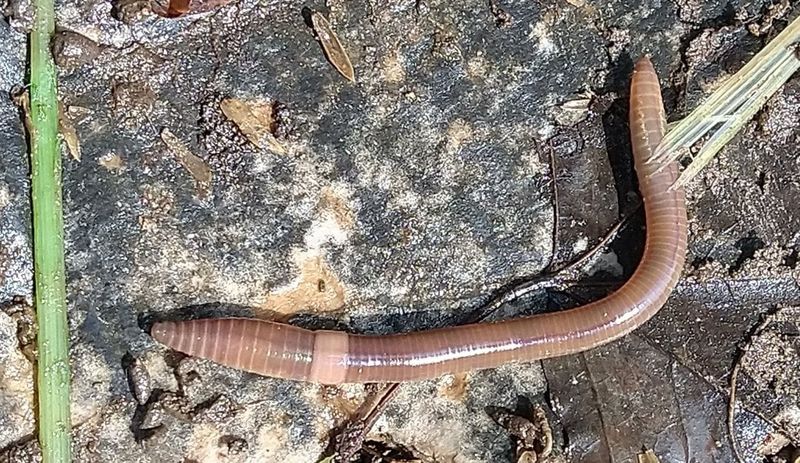
Earthworms tunnel through soil, creating channels that allow air, water, and nutrients to reach grass roots more easily.
Pennsylvania lawns experienced population booms of these beneficial creatures as chemical pesticide use declined across neighborhoods.
Worms consume organic matter and produce nutrient-rich castings that fertilize grass naturally without any chemical inputs needed.
Their constant tunneling activity naturally aerates soil, eliminating the need for mechanical aeration as frequently as before.
Better aerated soil supports healthier grass that grows more vigorously and absorbs significantly more carbon dioxide from air.
Pennsylvania homeowners noticed more worm castings on lawn surfaces, indicating thriving underground ecosystems supporting their grass.
These industrious creatures work continuously, processing soil and improving its structure day and night throughout the season.
Healthier soil structure created by earthworms holds more carbon in stable forms that remain underground for years.
The presence of abundant earthworms indicates balanced soil ecosystems where grass can reach its full carbon-capturing potential.
Protecting and encouraging earthworm populations became an unexpected key to maximizing CO₂ absorption in Pennsylvania yards statewide.