Pennsylvania Pollinators Love These 9 Long-Blooming Flowers
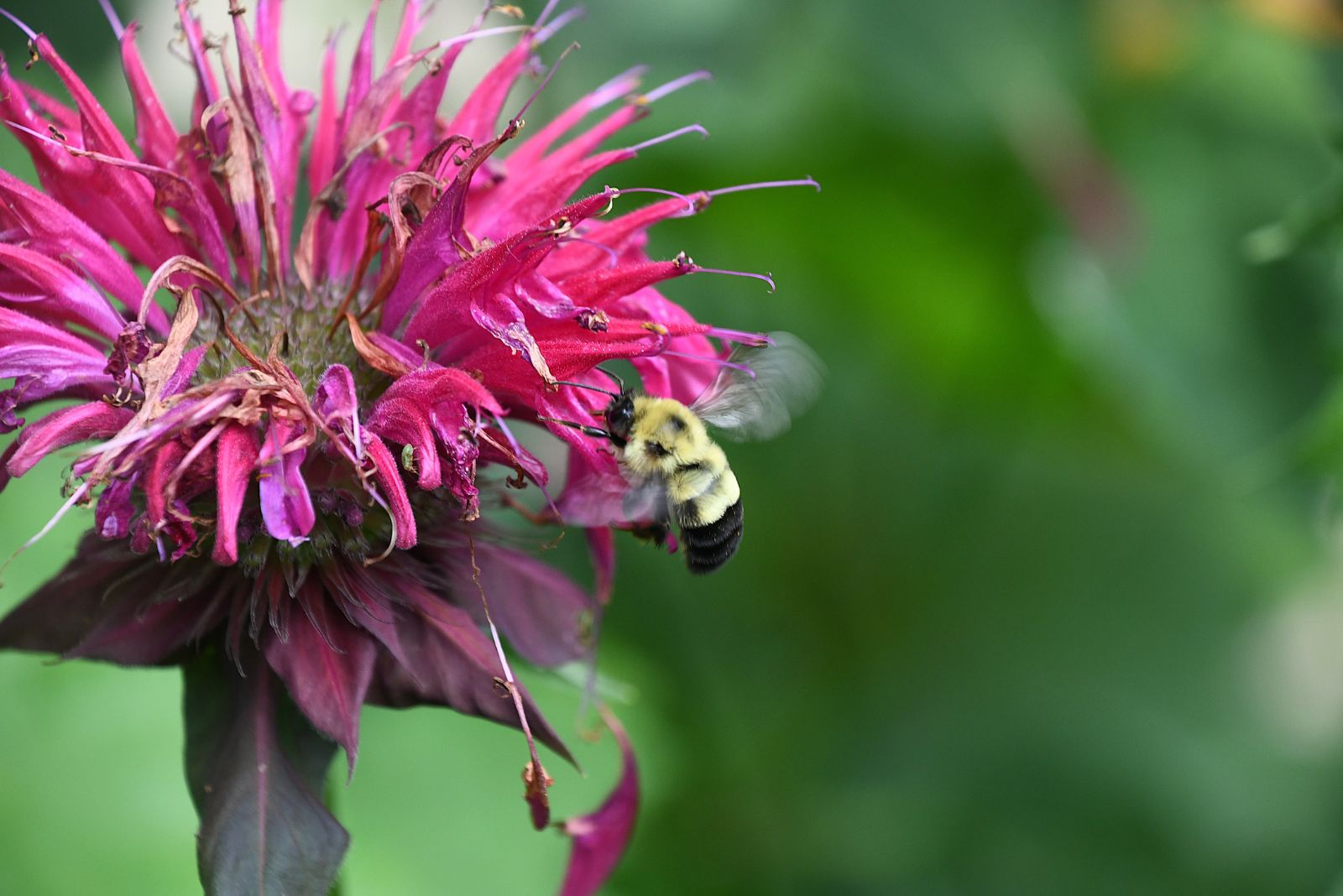
A garden full of color and movement is always exciting, but adding flowers that attract pollinators brings an entirely new level of life. In Pennsylvania, bees, butterflies, and hummingbirds play a crucial role in keeping gardens healthy and vibrant.
Choosing long-blooming flowers ensures that these helpful visitors have food and shelter throughout the season.
Some flowers in Pennsylvania thrive for months, providing nectar, pollen, and safe spaces for pollinators to rest.
Plants like coneflowers, bee balm, and black-eyed Susans not only brighten gardens with bold colors but also support the ecosystem by encouraging pollination.
Long-blooming flowers help maintain garden health, increase fruit and vegetable production, and bring constant movement and energy to your outdoor spaces.
By planting varieties that bloom for an extended period, Pennsylvania gardeners can enjoy a lively, pollinator-friendly garden. These flowers create a thriving environment where both plants and pollinators flourish together all season long.
1. Purple Coneflower (Echinacea Purpurea)
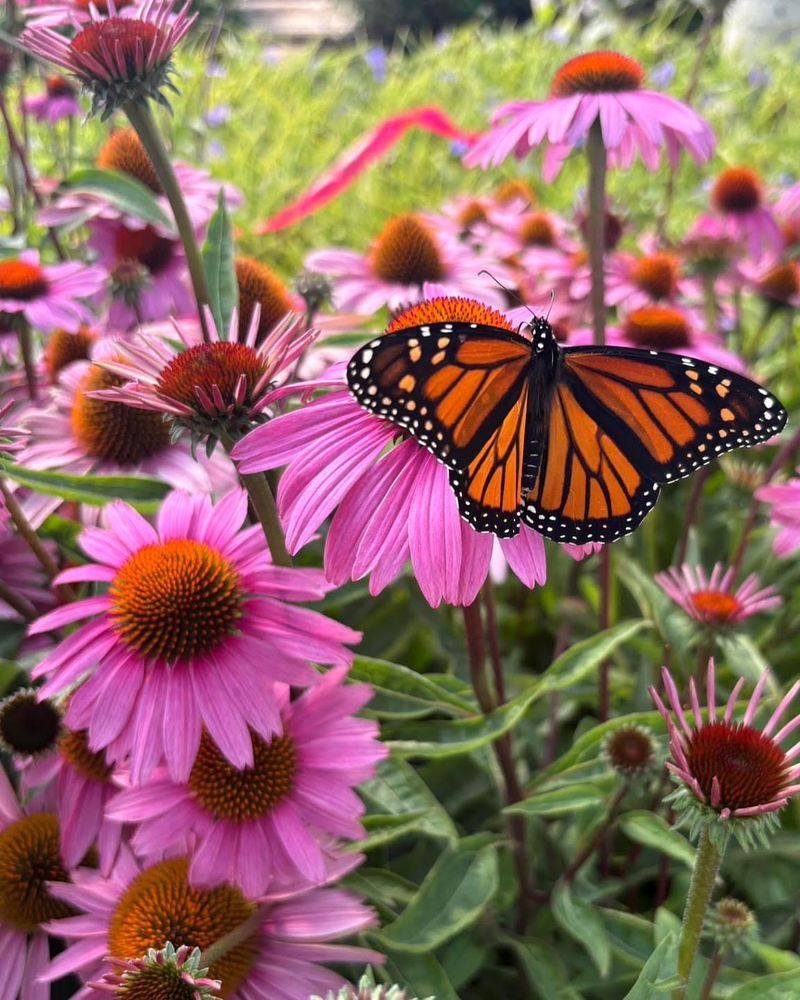
Few flowers earn their spot in a Pennsylvania garden quite like Purple Coneflower. With its bold, rosy-purple petals and spiky orange center, it stands out in any flower bed from early summer straight through late summer.
Bees absolutely swarm these blooms, and butterflies can’t seem to stay away either.
Echinacea purpurea is a native perennial, which means it naturally belongs here in Pennsylvania. It comes back year after year without much fuss. Plant it in full sun and well-drained soil, and it will reward you with weeks of nonstop color.
One of the best things about this flower is how little work it takes. You don’t need to water it constantly or fuss over fertilizer.
It handles summer heat well and even tolerates dry spells. Leave the seed heads standing in fall and winter, because goldfinches love snacking on them.
It grows between two and four feet tall, making it a great mid-border plant. If you want a flower that works hard for pollinators while looking stunning, Purple Coneflower should be at the top of your Pennsylvania garden list.
2. Black-Eyed Susan (Rudbeckia Hirta / R. Fulgida)
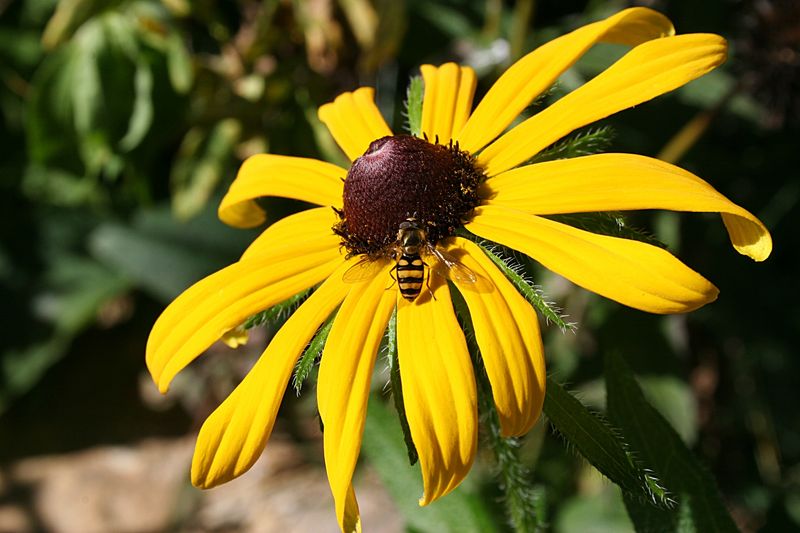
Walk through almost any Pennsylvania meadow or roadside in mid-summer and you’ll spot the cheerful yellow faces of Black-Eyed Susan nodding in the breeze.
That bold golden-yellow bloom with a dark brown center is one of the most recognized wildflowers in the entire region. It’s also one of the most generous nectar sources around.
Rudbeckia hirta and R. fulgida are both native to Pennsylvania, and they bloom from mid-summer well into fall.
That long season makes them especially valuable for pollinators who need steady food sources as summer winds down. Bees, butterflies, and even beetles visit these flowers regularly.
Growing Black-Eyed Susan is almost foolproof. It thrives in full sun but tolerates partial shade.
It handles poor soil, drought, and heat without complaint. You can plant it in garden beds, along fences, or mixed into wildflower patches.
It self-seeds freely, so once you plant it, you’ll likely have it coming back on its own every year. Deadheading spent blooms encourages more flowers, but leaving seed heads in fall feeds birds through the colder months.
For an easy, adaptable, and pollinator-friendly plant in Pennsylvania, Black-Eyed Susan is hard to beat.
3. Bee Balm (Monarda Didyma / M. Fistulosa)
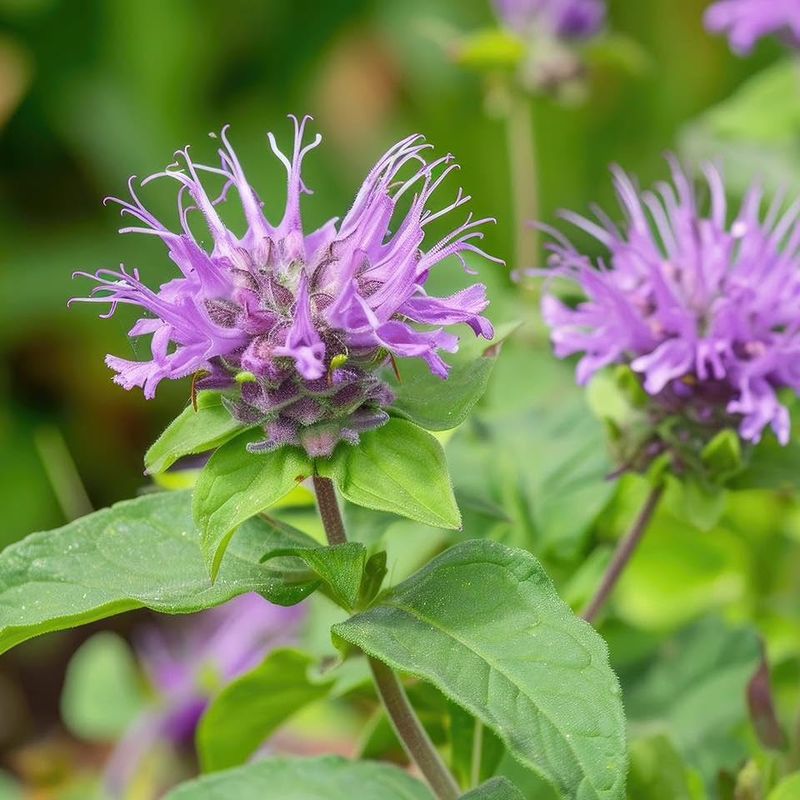
If you want hummingbirds darting through your Pennsylvania garden, plant Bee Balm and watch the magic happen. This native perennial produces wild, shaggy-looking blooms in shades of red, pink, purple, and white.
The tubular flowers are perfectly shaped for hummingbirds to sip nectar, and bees and butterflies love it just as much.
Monarda didyma and M. fistulosa both grow well across Pennsylvania. They bloom from mid-summer into late summer, filling a crucial time when some other flowers start to fade. The plants grow two to four feet tall and spread over time, creating dense, colorful clumps.
Bee Balm thrives in full sun but handles light shade better than most flowering perennials. It prefers moist, well-drained soil and good air circulation.
That last part matters because Bee Balm can develop powdery mildew in humid conditions. Spacing plants properly and choosing mildew-resistant varieties like ‘Jacob Cline’ or ‘Marshall’s Delight’ helps a lot.
The leaves smell wonderfully minty when crushed, adding a sensory bonus to your garden. Divide clumps every few years to keep plants vigorous and blooming well.
For sheer pollinator excitement and bold summer color in Pennsylvania, Bee Balm delivers every single time.
4. Coreopsis (Tickseed)
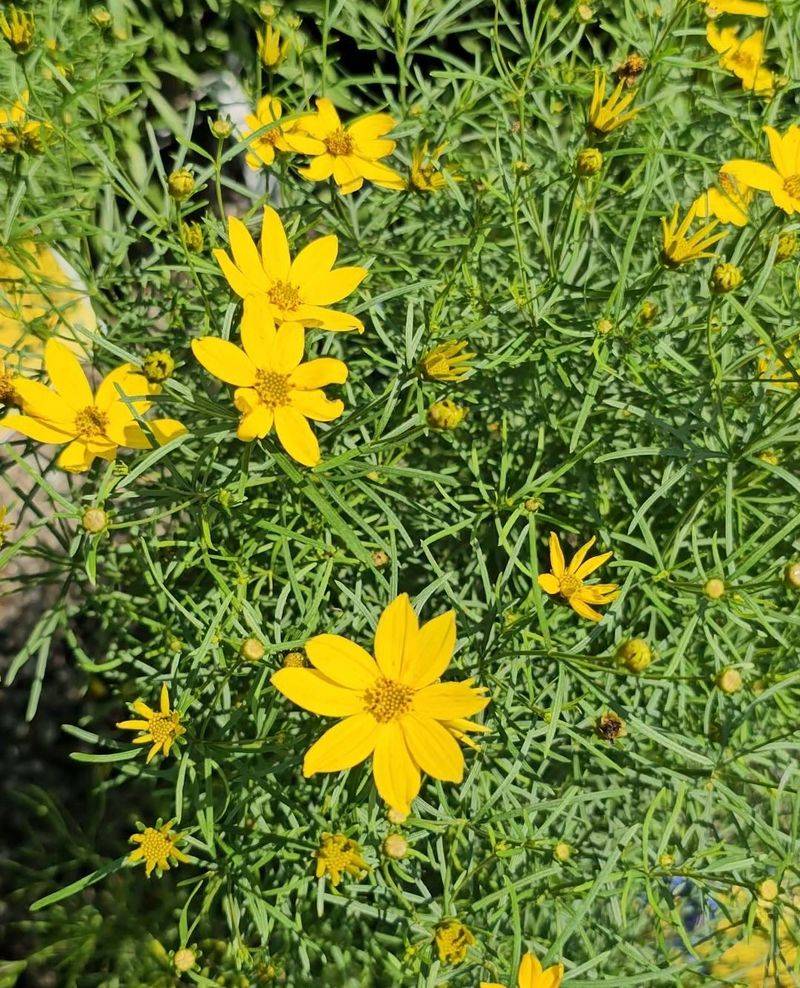
Sunny, cheerful, and almost impossible to neglect into failure, Coreopsis is a gardener’s dream. Sometimes called Tickseed, this bright yellow flowering plant starts blooming in late spring and keeps going well into summer.
Some varieties even push out fresh blooms into early fall with a little deadheading along the way.
Pennsylvania summers can get hot and dry, but Coreopsis handles that with ease. Once established, it is remarkably drought tolerant.
It asks for full sun and well-drained soil, and in return it gives you weeks of golden-yellow flowers that bees and butterflies simply cannot resist.
There are both native and non-native varieties available, so look for species like Coreopsis lanceolata or Coreopsis verticillata if you want to support local Pennsylvania ecosystems.
These plants stay fairly compact, usually reaching one to two feet tall, which makes them great for front borders, container gardens, or mixed pollinator beds.
They rarely need fertilizer, and they don’t demand much watering once their roots settle in. Cutting back spent flowers encourages a fresh flush of blooms.
Few plants offer such a long, colorful season with so little effort, making Coreopsis a smart and rewarding choice for any Pennsylvania pollinator garden.
5. Salvia (Hardy Perennial Types)
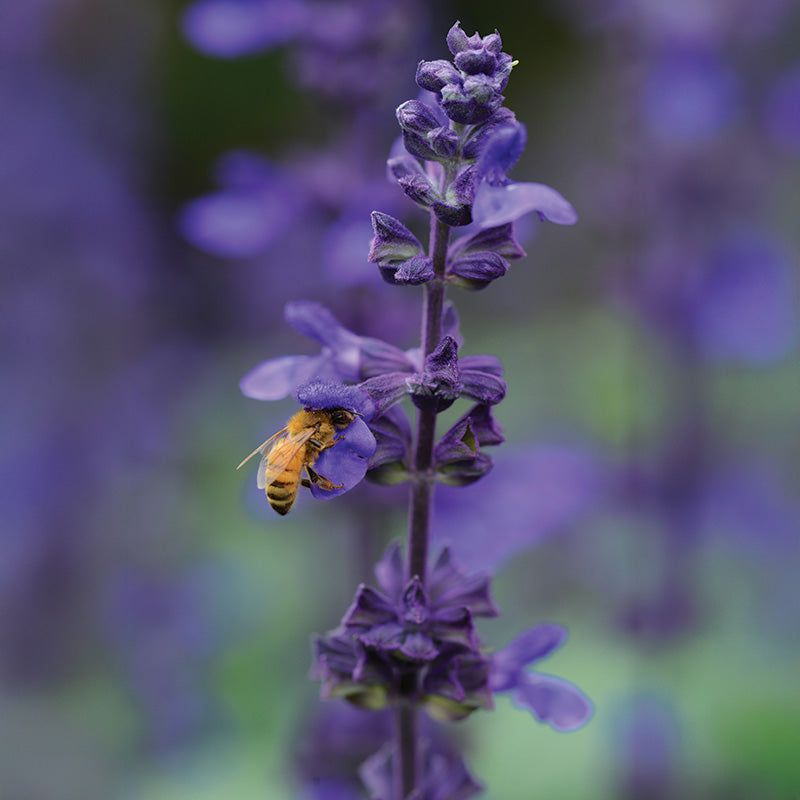
There is something almost electric about a row of deep blue or purple Salvia spikes rising above a garden bed on a bright Pennsylvania summer day. Hardy perennial salvias are not just beautiful, they are powerhouse pollinator plants.
Bees hover around them constantly, and butterflies flock to the rich nectar packed inside each tiny tubular bloom.
Unlike annual salvias, perennial types like Salvia nemorosa and Salvia x sylvestris come back every year in Pennsylvania.
They bloom in late spring and early summer, and with regular deadheading, they often rebloom through late summer or even into fall. That extended season makes them especially useful for keeping pollinators fed.
Once established, perennial salvias are wonderfully drought tolerant. They thrive in full sun and well-drained soil, and they actually prefer not to be overwatered.
Rich, wet soil can weaken them over time. Popular varieties like ‘May Night’ and ‘Caradonna’ are reliable performers across Pennsylvania.
They grow one to two feet tall and work beautifully as edging plants or mixed into perennial borders. Dividing clumps every few years keeps them blooming vigorously.
For a low-fuss, high-reward flower that pollinators genuinely love, few plants match the consistent performance of hardy perennial Salvia.
6. Blanketflower (Gaillardia)
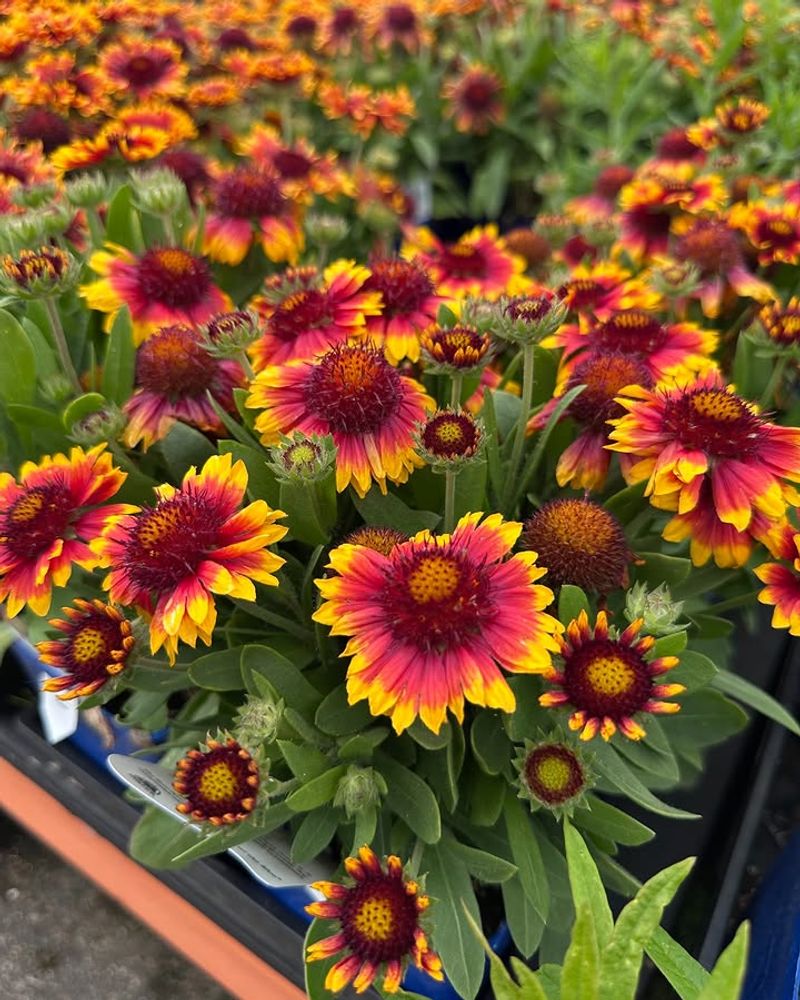
Blanketflower looks like someone painted a sunset onto every single bloom. The bold red, orange, and yellow petals radiate outward from a rich burgundy center, creating one of the most eye-catching flowers you can grow in a Pennsylvania garden.
And it blooms from early summer all the way into fall, giving pollinators a long and reliable food source.
Gaillardia is tough in a way that surprises a lot of first-time gardeners. It tolerates heat, drought, and even poor sandy soil without much complaint.
Full sun is a must, but beyond that, this plant is remarkably self-sufficient. Bees and butterflies visit the blooms regularly throughout the entire season.
Deadheading spent flowers keeps Blanketflower producing fresh blooms at a steady pace. Without deadheading, it will still bloom, but the show slows down noticeably.
Plants typically grow one to two feet tall and spread into attractive mounds. In Pennsylvania, winter hardiness can vary by variety, so look for Gaillardia x grandiflora types labeled for zones 5 or 6 to ensure they return each year.
Planting in well-drained soil is especially important for winter survival. With its continuous color and minimal care needs, Blanketflower earns a permanent spot in any serious Pennsylvania pollinator garden.
7. Aster (New England Or New York Aster)
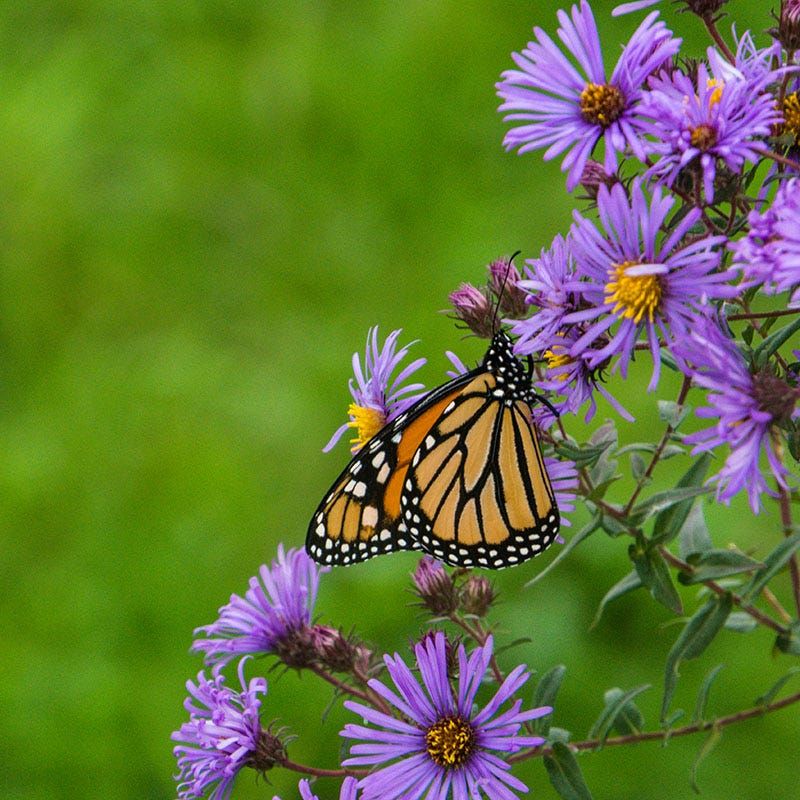
When most flowers have wrapped up for the year, Asters step in and steal the show. New England Aster and New York Aster are both native to Pennsylvania, and they bloom from late summer straight through fall.
For pollinators like monarch butterflies preparing for their long migration south, these late-season blooms are absolutely vital.
The flowers come in shades of purple, lavender, pink, and white, with bright yellow centers that practically glow in autumn light.
They grow three to six feet tall depending on the variety, creating bold, bushy plants covered in hundreds of small blooms. Bees and butterflies swarm them from morning to evening on warm fall days.
Growing Asters in Pennsylvania is straightforward. They prefer full sun to light shade and moist, well-drained soil.
Pinching plants back in late spring and early summer encourages bushier growth and more blooms later on. Without pinching, taller varieties can get floppy and may need staking.
Dividing clumps every two to three years keeps plants healthy and productive. Popular native varieties like ‘Purple Dome’ and ‘Alma Potschke’ are compact and well-suited to garden beds.
Planting Asters ensures your Pennsylvania garden stays alive with pollinator activity well into the heart of autumn.
8. Goldenrod (Solidago Spp.)
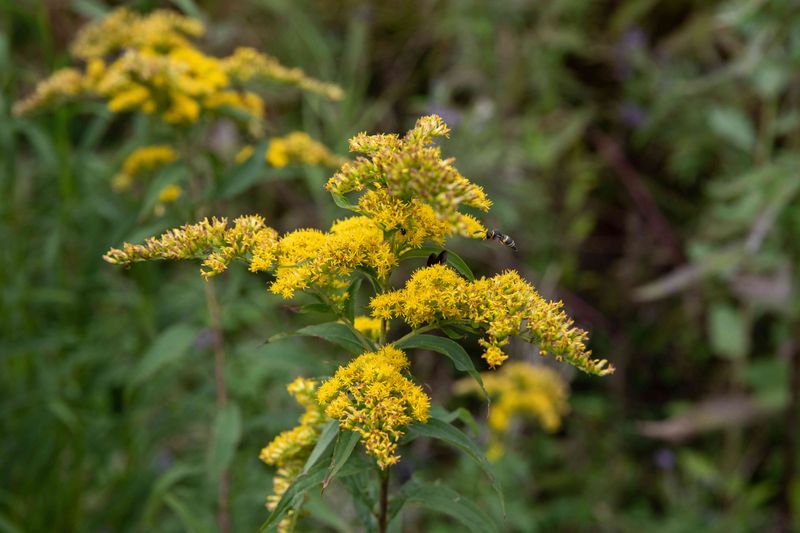
Goldenrod has been unfairly blamed for hay fever for decades, but here is the truth: it is not the culprit. Ragweed, which blooms at the same time, causes those late-summer sneezes.
Goldenrod’s pollen is heavy and sticky, carried by insects rather than the wind. It is actually one of the most important native plants in Pennsylvania for late-season pollinators.
Solidago species bloom from late summer into fall, offering a massive burst of golden-yellow color right when other flowers are fading.
Bees, especially native bumblebees, depend heavily on Goldenrod as they stock up food stores before cold weather arrives. Butterflies and beetles visit constantly too.
Goldenrod is one of the toughest plants you can grow in Pennsylvania. It handles drought, poor soil, and neglect without missing a beat.
It spreads by both seed and underground runners, so give it space or plant it in a contained area if you prefer a tidier garden. Varieties like Solidago rugosa ‘Fireworks’ and Solidago sphacelata ‘Golden Fleece’ are well-behaved and beautiful.
Full sun brings out the best blooms, but it tolerates partial shade too. Welcoming Goldenrod into your Pennsylvania garden means giving pollinators a genuine lifeline when they need it most.
9. Phlox (Garden Or Native Types)
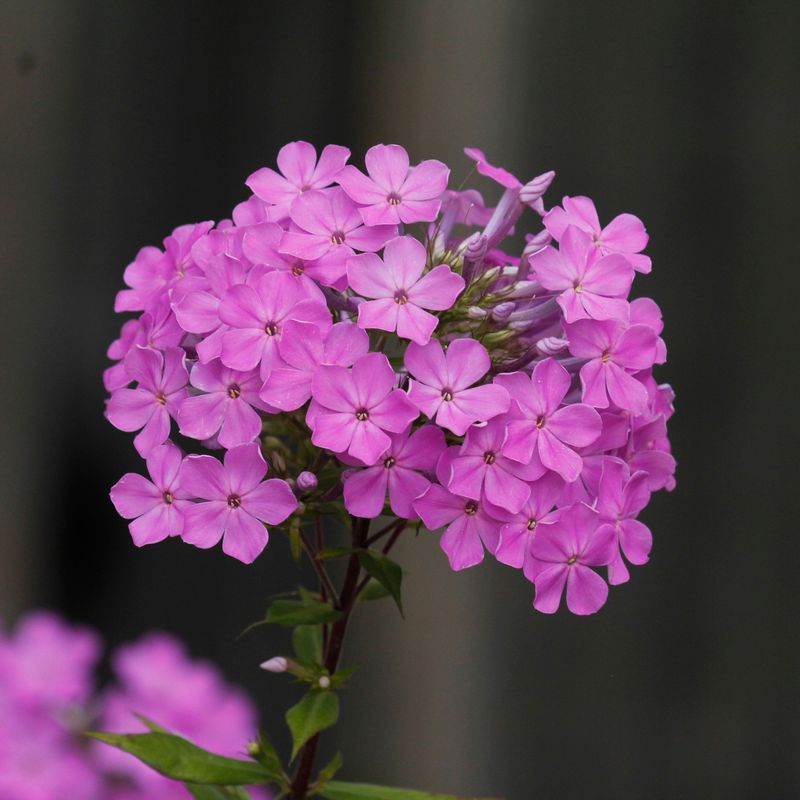
Sweet, fragrant, and dressed in clusters of pink, purple, white, or red blooms, Garden Phlox brings both beauty and scent to a Pennsylvania summer garden.
Tall Garden Phlox (Phlox paniculata) blooms from mid-summer into late summer, while native Creeping Phlox (Phlox subulata) bursts into color in spring. Together, they extend the pollinator season at both ends.
Butterflies are particularly drawn to Phlox, attracted by both the nectar and the sweet fragrance. Bees visit regularly too.
The large flower heads provide an easy landing spot, making it accessible for a wide range of pollinator species across Pennsylvania.
Good airflow is the secret to growing healthy Phlox in Pennsylvania. Without it, powdery mildew can become a problem, especially during humid summers.
Space plants at least 18 to 24 inches apart and avoid overhead watering. Mildew-resistant varieties like ‘David’ and ‘Robert Poore’ perform especially well here.
Plant in full sun to light shade with moist, fertile, well-drained soil for the best results. Deadheading the main flower cluster encourages side shoots to bloom, extending the season even further.
With proper care and good variety selection, Phlox rewards Pennsylvania gardeners with weeks of gorgeous, fragrant, pollinator-friendly color.