7 Pennsylvania Winter Garden Plants That Deer Typically Avoid
If you garden in Pennsylvania, you already know winter can be tough, and deer can make it even tougher.
When food is scarce and landscapes are bare, hungry deer often wander into yards looking for an easy meal.
Suddenly, plants you hoped would survive the cold months are nibbled down to stems.
The good news is that not every plant is fair game.
Some winter garden favorites have qualities deer tend to avoid, giving gardeners a better chance at keeping their landscapes intact.
Choosing the right plants can save you frustration, time, and money during the coldest part of the year.
Strong scents, bitter tastes, and tough textures are often enough to send deer looking elsewhere.
While no plant is completely deer-proof, smart choices can greatly reduce damage when winter pressure is high.
Knowing what to plant means you can enjoy a more peaceful garden without constantly worrying about surprise visitors.
With a little planning, your winter garden can stay attractive and resilient even when deer are nearby.
1. Boxwood Shrubs
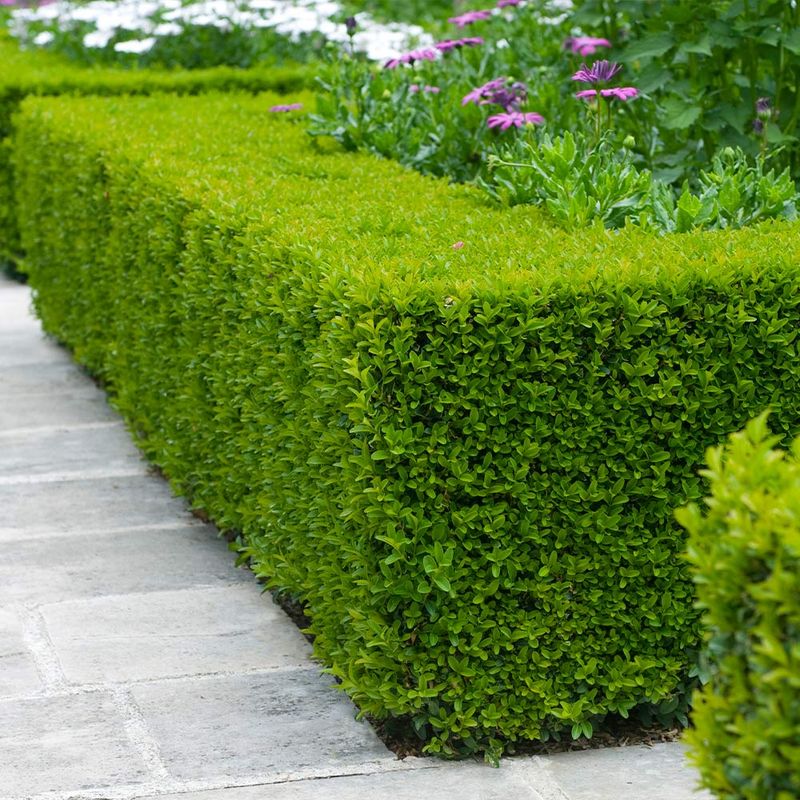
Boxwood has been a garden favorite for centuries, and Pennsylvania gardeners particularly appreciate its reliability during winter months.
The dense evergreen foliage stays vibrant green even under snow, providing structure and visual interest when most other plants look bare.
Deer find boxwood’s bitter taste and strong aromatic oils extremely unpleasant, making these shrubs an excellent choice for areas with heavy deer traffic.
Pennsylvania’s climate suits boxwood perfectly, as most varieties handle cold temperatures without trouble.
These versatile shrubs work well as foundation plantings, hedges, or accent pieces in mixed borders.
Their slow growth means less maintenance, and they hold their shape beautifully through winter storms and ice.
Many Pennsylvania homeowners use boxwood to frame entryways or create formal garden designs that look polished year-round.
Established boxwood requires minimal care once planted in the right location.
Choose a spot with good drainage and protection from harsh winter winds, though these tough plants tolerate various conditions.
The compact root system makes them suitable for container gardening too, allowing you to place them strategically near vulnerable plants that need extra protection from deer.
Winter watering becomes important during dry spells, especially for younger plants still developing their root systems.
Several boxwood varieties thrive in Pennsylvania, including American boxwood and Korean boxwood, which handles extreme cold particularly well.
The evergreen leaves provide shelter for small birds during winter, adding ecological value beyond deer resistance.
Their year-round presence creates a backbone for your garden design, ensuring your landscape maintains structure and beauty even when snow blankets the ground and other plants have retreated until spring.
2. Hellebores
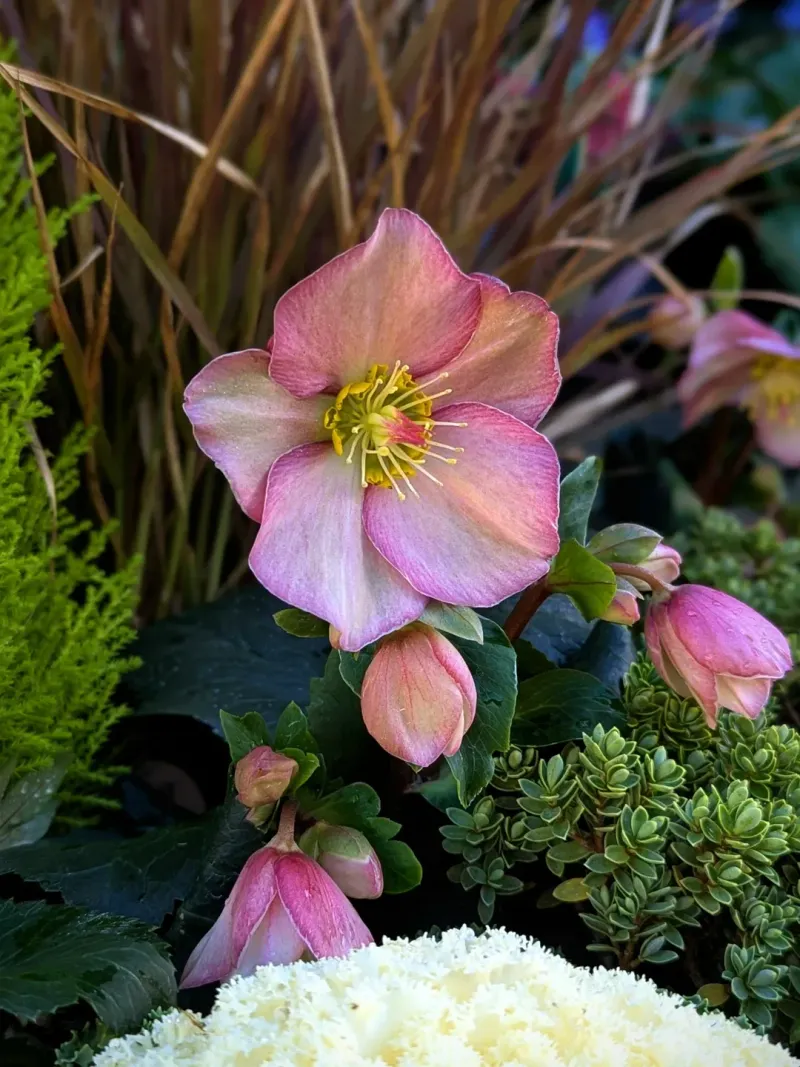
Few sights surprise and delight quite like hellebores blooming through snow in a Pennsylvania winter garden.
These remarkable perennials earn their nickname “Christmas Rose” by producing flowers during the coldest months when color seems impossible.
Deer consistently avoid hellebores because all parts of the plant contain toxic compounds that cause discomfort if consumed, making them one of the most reliable deer-proof options available.
Gardeners across Pennsylvania treasure hellebores for their toughness and beauty combined.
The leathery, evergreen foliage remains attractive throughout winter, while nodding flowers in shades of white, pink, purple, or green appear from late winter through early spring.
Once established, these plants become incredibly low-maintenance, spreading slowly to form attractive clumps that improve with age.
They handle Pennsylvania’s variable winter weather remarkably well, bouncing back from heavy snow and ice without damage.
Planting hellebores in partially shaded areas with rich, well-draining soil yields the best results.
They particularly excel under deciduous trees where they receive winter sun but summer shade.
Pennsylvania’s woodland gardens provide ideal conditions, and hellebores naturalize beautifully in these settings.
The plants self-seed moderately, gradually expanding your collection without becoming invasive or overwhelming other plantings.
Different hellebore species offer varied bloom times and colors, allowing creative combinations in your garden.
Helleborus niger blooms earliest, sometimes pushing through snow in December or January across Pennsylvania.
Oriental hybrids provide the widest color range and largest flowers.
Their long-lasting blooms persist for weeks, providing nectar for early pollinators when few other food sources exist.
These plants truly shine when other garden areas look dormant and lifeless.
3. Winterberry Holly
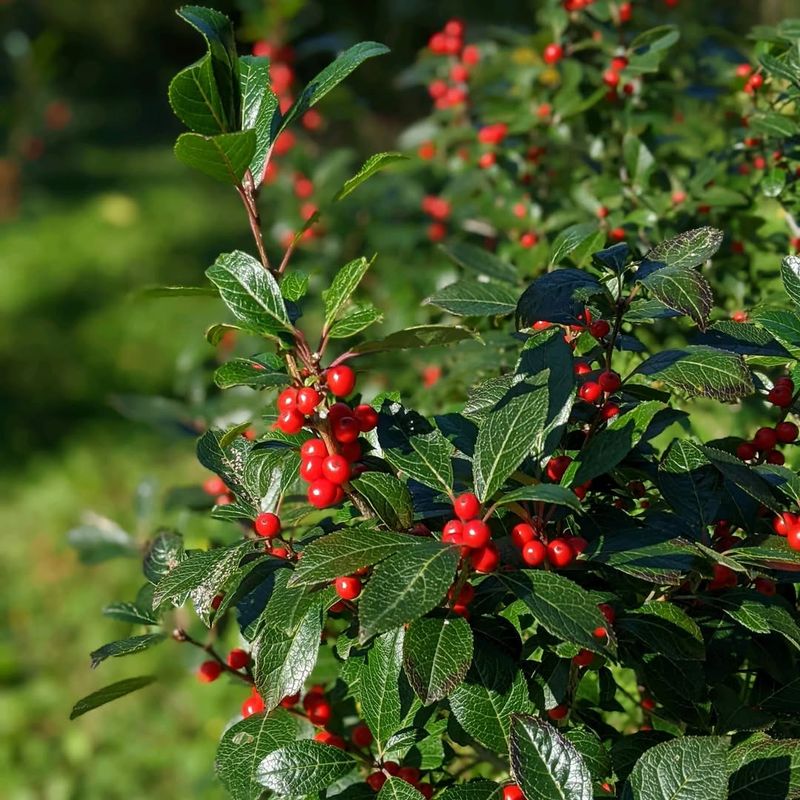
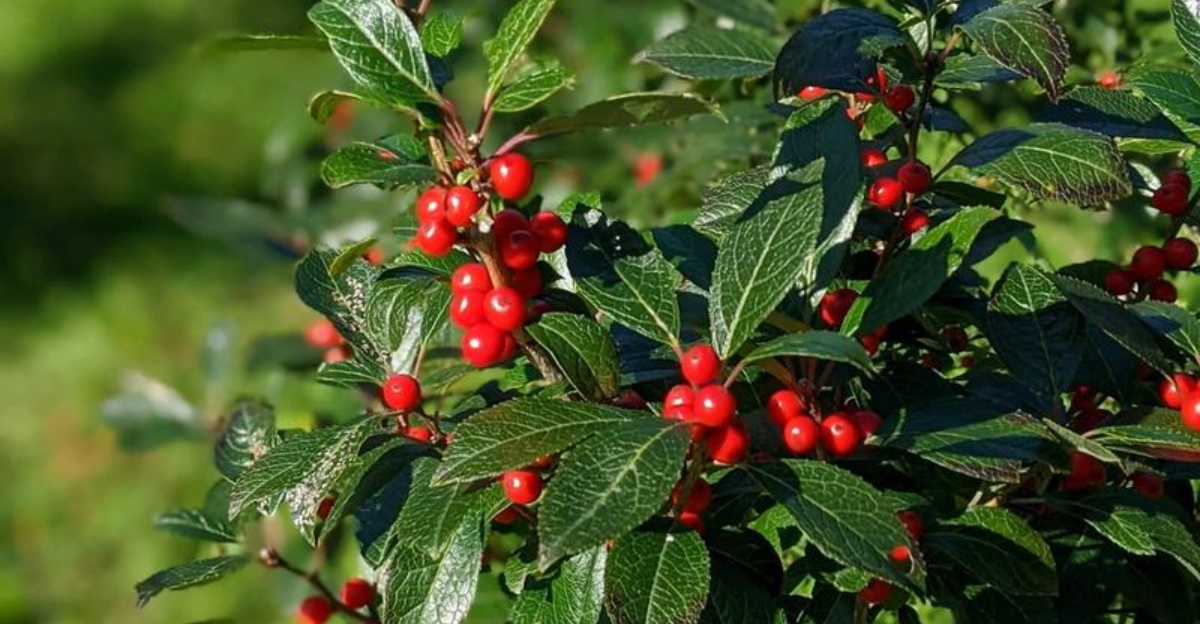
Bright red berries glowing against snow-covered Pennsylvania landscapes make winterberry holly unforgettable.
This deciduous holly loses its leaves in fall, but the spectacular berry display that follows provides stunning winter interest that lasts for months.
Deer rarely bother winterberry because the berries taste bitter to them, though birds absolutely love these nutritious treats once the fruits sweeten after several freeze-thaw cycles.
Native to eastern North America, winterberry thrives naturally in Pennsylvania’s climate and soil conditions.
The shrubs adapt to various moisture levels, from average garden soil to consistently wet areas where many other plants struggle.
This flexibility makes winterberry valuable for challenging spots in your landscape.
Female plants produce the showy berries, but you’ll need at least one male plant nearby for pollination and berry production to occur successfully.
Pennsylvania gardeners often plant winterberry in groupings for maximum visual impact during winter months.
The bare branches laden with berries create dramatic focal points visible from indoors, brightening dreary winter days.
These shrubs work beautifully in naturalized areas, rain gardens, or as specimens in mixed borders.
Their moderate size, typically reaching four to eight feet tall, fits well in most residential landscapes without overwhelming smaller properties.
Selecting winterberry varieties suited to your specific Pennsylvania location ensures success.
Cultivars like ‘Winter Red’ and ‘Red Sprite’ offer particularly heavy berry production and compact growth habits.
The berries persist well into winter across Pennsylvania, providing food for robins, cedar waxwings, and other birds.
Beyond deer resistance, winterberry offers year-round interest with small white flowers in spring and attractive foliage through summer before the spectacular berry show begins in fall and continues through winter.
4. Juniper
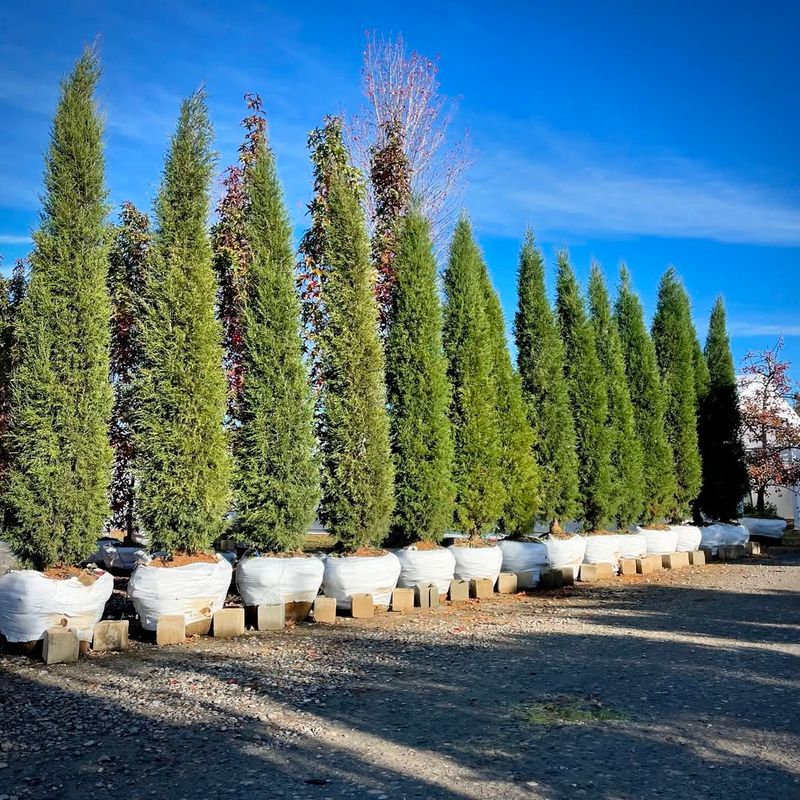
Rugged and reliable, juniper stands as one of Pennsylvania’s most versatile evergreen options for deer-resistant winter gardens.
The aromatic foliage contains oils that deer find offensive, causing them to pass by junipers even when food becomes scarce during harsh winters.
This natural protection makes juniper invaluable for Pennsylvania properties where deer pressure remains high throughout the year.
Countless juniper varieties suit different landscape needs, from low-spreading groundcovers to upright specimens reaching fifteen feet tall.
Blue-tinted varieties like ‘Blue Star’ and ‘Blue Rug’ add striking color contrast against snow and dormant plants.
Pennsylvania’s climate accommodates most juniper species beautifully, as these tough plants handle cold, wind, and ice without suffering damage.
Their drought tolerance once established makes them practical choices for areas that dry out during winter when watering becomes difficult or impossible.
Groundcover junipers work exceptionally well on slopes where erosion concerns exist and where deer browsing might otherwise strip vegetation completely.
The dense, spreading growth smothers weeds while providing year-round greenery.
Upright varieties create excellent privacy screens or windbreaks, protecting more delicate plants from harsh Pennsylvania winter winds.
Junipers require minimal pruning or care, making them ideal for low-maintenance landscapes.
Proper site selection ensures juniper success in Pennsylvania gardens.
These plants demand excellent drainage and full sun for optimal growth and health.
Avoid planting in heavy clay soil or low spots where water collects, as root rot becomes problematic in these conditions.
Once established, junipers tolerate neglect remarkably well, continuing to look attractive through the toughest Pennsylvania winters.
Their evergreen presence provides habitat and shelter for birds and beneficial insects throughout the cold months when protective cover becomes especially important for wildlife survival.
5. Ornamental Grasses
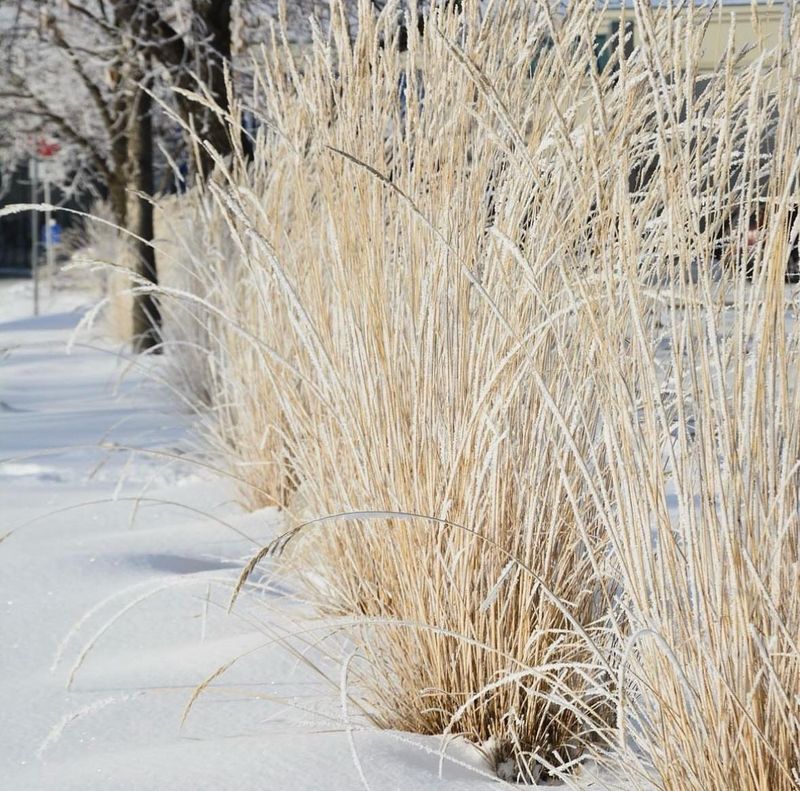
Movement and texture define ornamental grasses in Pennsylvania winter gardens, as their dried foliage and seed heads dance in cold breezes.
Deer generally ignore ornamental grasses because the tough, fibrous leaves offer little nutritional value and prove difficult to digest.
This makes grasses reliable additions to Pennsylvania landscapes where deer populations remain problematic throughout winter months.
Many ornamental grass varieties provide outstanding winter interest after their growing season ends.
Rather than cutting them back in fall, Pennsylvania gardeners often leave the foliage standing through winter for dramatic effect.
Golden, bronze, and tan colors glow beautifully against snow, while feathery plumes catch frost and ice, creating sparkling displays on sunny mornings.
Grasses also provide important wildlife habitat, with seed heads feeding birds and hollow stems sheltering beneficial insects until spring arrives.
Switchgrass, little bluestem, and feather reed grass all perform exceptionally well across Pennsylvania.
These native or adapted species handle cold temperatures, ice storms, and variable winter conditions without collapsing or looking messy.
Their upright forms add vertical interest to winter landscapes that might otherwise appear flat and monotonous.
Grasses work beautifully as specimens, in mass plantings, or mixed with shrubs and perennials for multi-season interest.
Pennsylvania’s climate supports both cool-season and warm-season grasses, expanding your design options considerably.
Cool-season types like blue oat grass begin growing early and provide interest before other plants awaken.
Warm-season varieties like maiden grass reach impressive heights and create bold statements in the landscape.
Most ornamental grasses require minimal maintenance beyond an annual spring cutting before new growth emerges.
Their drought tolerance, low fertilizer needs, and deer resistance make them exceptionally practical choices for sustainable Pennsylvania gardens that look beautiful year-round.
6. Daffodils
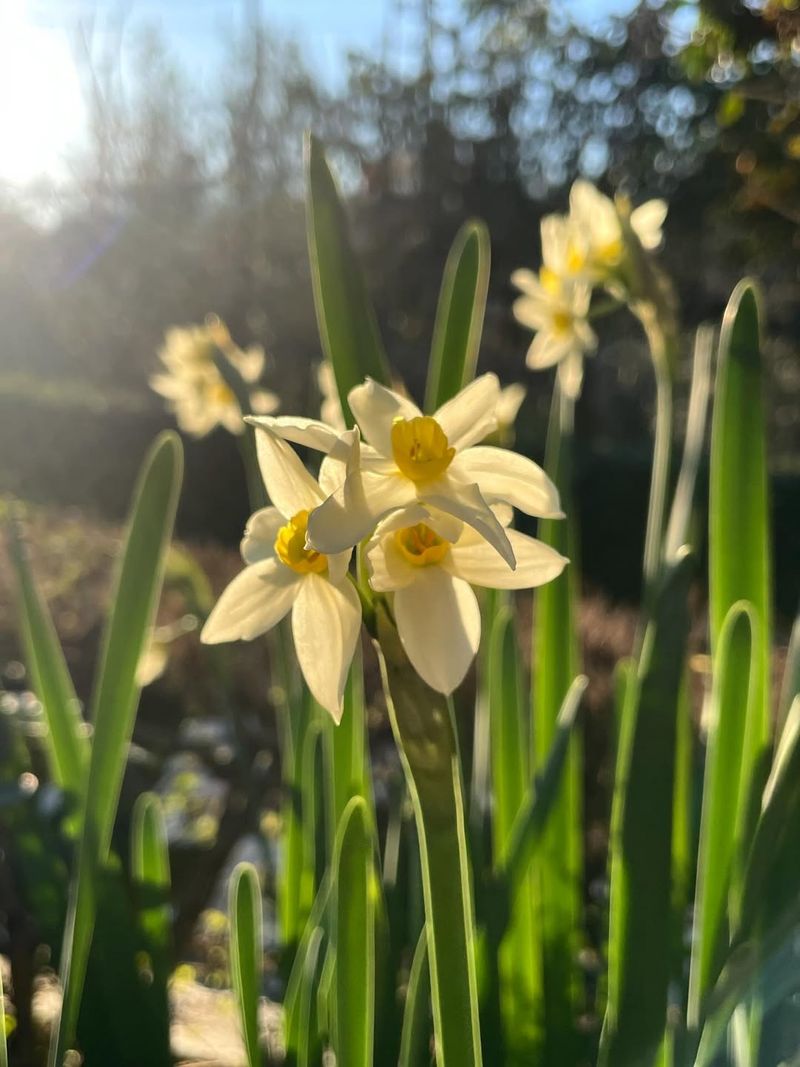
Hope arrives when daffodil shoots push through frozen Pennsylvania ground in late winter, promising spring’s eventual return.
These cheerful bulbs contain toxic alkaloids throughout their tissues, making them completely unpalatable to deer who quickly learn to avoid them entirely.
This natural protection allows daffodils to naturalize and spread freely in Pennsylvania gardens without the constant browsing pressure that affects tulips and other deer-favorite bulbs.
Planting daffodils in fall provides Pennsylvania gardeners with reliable spring color that requires virtually no maintenance.
The bulbs multiply over years, creating increasingly impressive displays that brighten late winter and early spring landscapes.
Hundreds of varieties offer different bloom times, heights, and color combinations beyond traditional yellow.
Mixing early, mid-season, and late varieties extends the flowering period for weeks of continuous color as winter transitions to spring across Pennsylvania.
Daffodils adapt to various garden situations, from formal beds to naturalized woodland settings.
Planting them in drifts under deciduous trees provides ample spring sun before leaves emerge.
The bulbs go dormant after flowering, allowing shade-loving perennials to fill the space during summer months.
This layering approach maximizes garden interest throughout the seasons while maintaining deer resistance year-round.
Beyond their beauty and deer resistance, daffodils prove remarkably tough and long-lived in Pennsylvania gardens.
Once established, they return faithfully each year with minimal care.
The foliage must remain intact after flowering to replenish the bulbs for next year’s blooms, but this requirement poses no real burden.
Combining daffodils with other deer-resistant plants creates a cohesive landscape design that remains attractive and intact despite heavy deer populations.
Their early blooms also provide crucial nectar for emerging pollinators when few other food sources exist in late winter Pennsylvania gardens.
7. Pieris
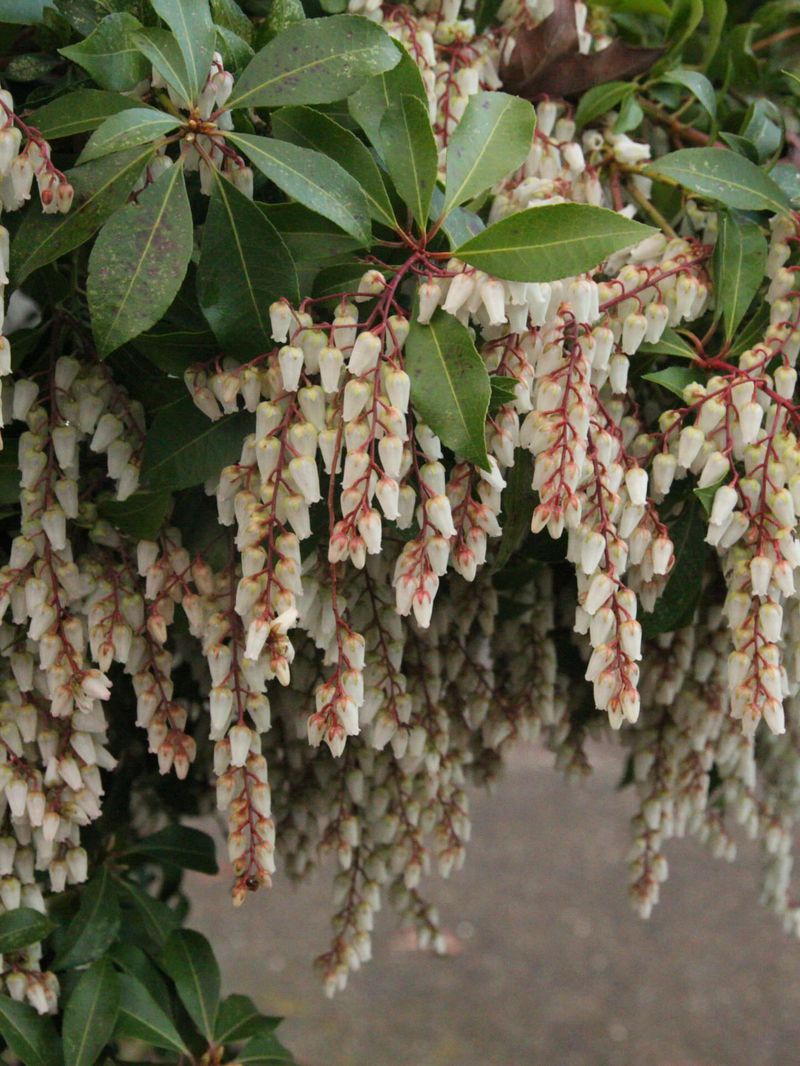
Elegant and refined, Pieris japonica brings sophistication to Pennsylvania winter gardens while remaining completely deer-proof.
The entire plant contains grayanotoxins that deer instinctively avoid, ensuring your investment remains intact through winter when hungry wildlife desperately searches for food.
This reliable resistance makes Pieris especially valuable for Pennsylvania properties experiencing intense deer pressure during harsh winter months.
Pieris offers multi-season interest that Pennsylvania gardeners particularly appreciate.
The glossy evergreen foliage provides year-round structure and color, while new spring growth emerges in brilliant shades of red, pink, or bronze.
Drooping clusters of white, pink, or red bell-shaped flowers form in fall and persist through winter, opening in early spring before most other shrubs bloom.
This extended ornamental value makes Pieris work harder than single-season plants, justifying its place in smaller Pennsylvania gardens where space remains limited.
These acid-loving shrubs thrive in Pennsylvania’s naturally acidic soils, especially when planted alongside rhododendrons, azaleas, and other ericaceous plants.
Pieris prefers partial shade and consistent moisture, making it ideal for woodland gardens or foundation plantings on the north or east sides of buildings.
The moderate growth rate and compact habit suit residential landscapes perfectly, typically reaching four to six feet tall at maturity without requiring constant pruning or maintenance.
Several Pieris varieties offer different characteristics for Pennsylvania gardens.
‘Mountain Fire’ features brilliant red new growth, while ‘Cavatine’ remains compact and fits smaller spaces beautifully.
All varieties provide the same excellent deer resistance and winter interest.
Established plants handle Pennsylvania winters without protection, though young plants benefit from mulching their first year.
The combination of evergreen foliage, early flowers, and complete deer resistance makes Pieris an outstanding choice for Pennsylvania gardens seeking year-round beauty and practical wildlife management.