9 Pennsylvania Yard Bushes Birds Choose For Nesting

Birds in Pennsylvania do not choose nesting spots on a whim.
When the time comes to raise their young, they look for bushes that offer safety, cover, and a little peace and quiet.
A yard with the right shrubs can feel like prime real estate, drawing birds back year after year.
Dense branches and thick leaves give birds protection from predators and harsh weather.
These bushes act like natural walls, blocking wind and keeping nests tucked out of sight.
Many also provide berries or attract insects, turning a single plant into both shelter and a food source.
In a state with changing seasons, these features matter more than most people realize.
Planting nesting friendly bushes is like laying a strong foundation.
Once birds find a space that works, they remember it.
Their presence brings color, sound, and life to the yard, turning ordinary mornings into something special.
Thoughtful plant choices support local bird populations and create a healthier landscape overall.
With the right bushes in place, Pennsylvania yards become more than just green space.
They become safe havens where birds can settle in, raise their young, and keep nature close to home.
1. Eastern Red Cedar
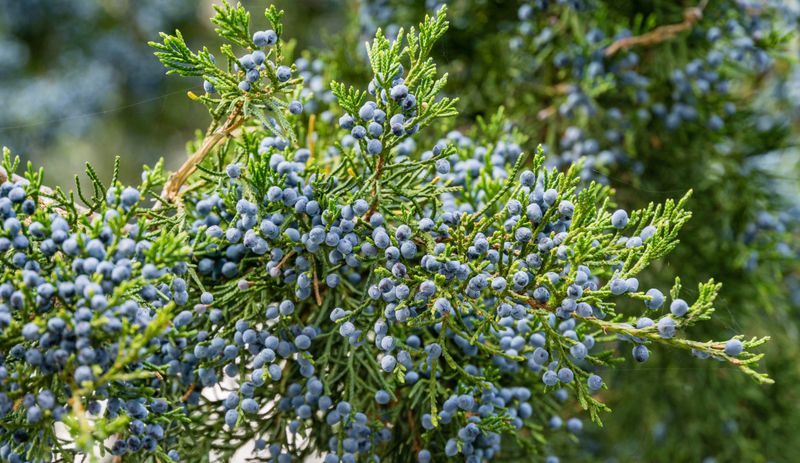
Songbirds absolutely adore the protection offered by eastern red cedar’s dense, needle-like foliage.
This native Pennsylvania shrub provides exceptional cover throughout the year, making it a top choice for species like juncos, waxwings, and sparrows.
The tight branching pattern creates secure pockets where birds can tuck their nests away from prying eyes and hungry predators.
Cedar’s aromatic wood naturally repels many insects, which benefits nesting birds by reducing parasites near their young.
The blue-green foliage develops a bronze tint during Pennsylvania winters, adding visual interest to your landscape.
Small blue berries appear on female plants, offering nutritious food sources that keep birds returning season after season.
This adaptable shrub thrives in Pennsylvania’s varied climate zones, tolerating both drought and cold temperatures with remarkable resilience.
Eastern red cedar grows relatively quickly, establishing useful nesting habitat within just a few years of planting.
The pyramidal shape provides windbreaks that shelter not only nests but also feeding areas beneath the branches.
Many Pennsylvania homeowners plant cedar in rows to create natural privacy screens that double as bird sanctuaries.
The evergreen nature ensures continuous protection, particularly valuable during unpredictable spring weather when newly hatched chicks are most vulnerable to temperature swings and storms.
2. American Holly
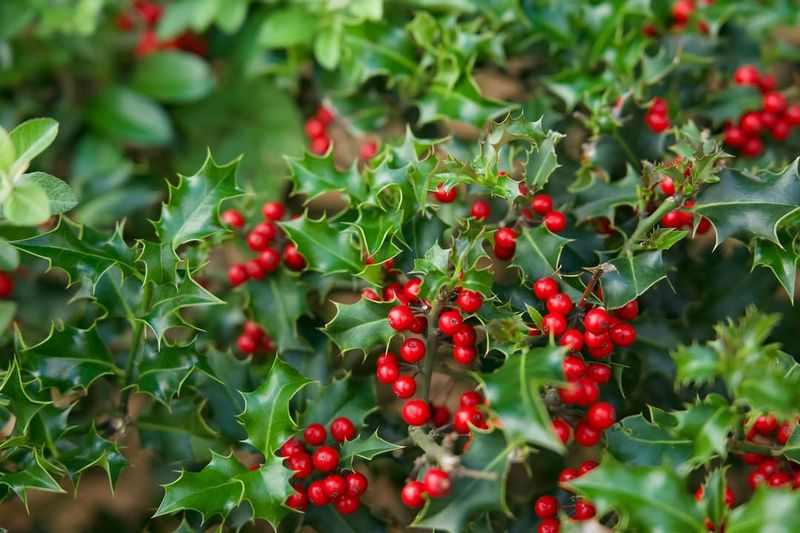
Dense evergreen foliage makes American holly a favorite among Pennsylvania birds seeking secure nesting spots.
The thick, spiny leaves create natural barriers that protect nests from predators and harsh weather conditions.
Cardinals, mockingbirds, and robins frequently choose this shrub because its year-round coverage offers privacy during the critical nesting season.
Holly bushes grow well across Pennsylvania, adapting to various soil types and light conditions.
The glossy green leaves remain attractive throughout all seasons, providing consistent shelter even during early spring when many birds begin building nests.
Female holly plants produce bright red berries that attract additional wildlife, creating a bustling ecosystem right in your backyard.
Planting holly near windows or patios lets you observe nesting activities without disturbing the birds.
These bushes can reach heights of 15 to 30 feet when mature, though regular pruning keeps them at manageable sizes for smaller yards.
The branching structure creates multiple levels where different bird species can establish territories.
Pennsylvania gardeners appreciate holly’s low maintenance requirements and resistance to common pests.
The combination of protective foliage, food sources, and sturdy branches makes this native plant an excellent investment for anyone wanting to support local bird populations while enhancing their landscape’s beauty.
3. Viburnum
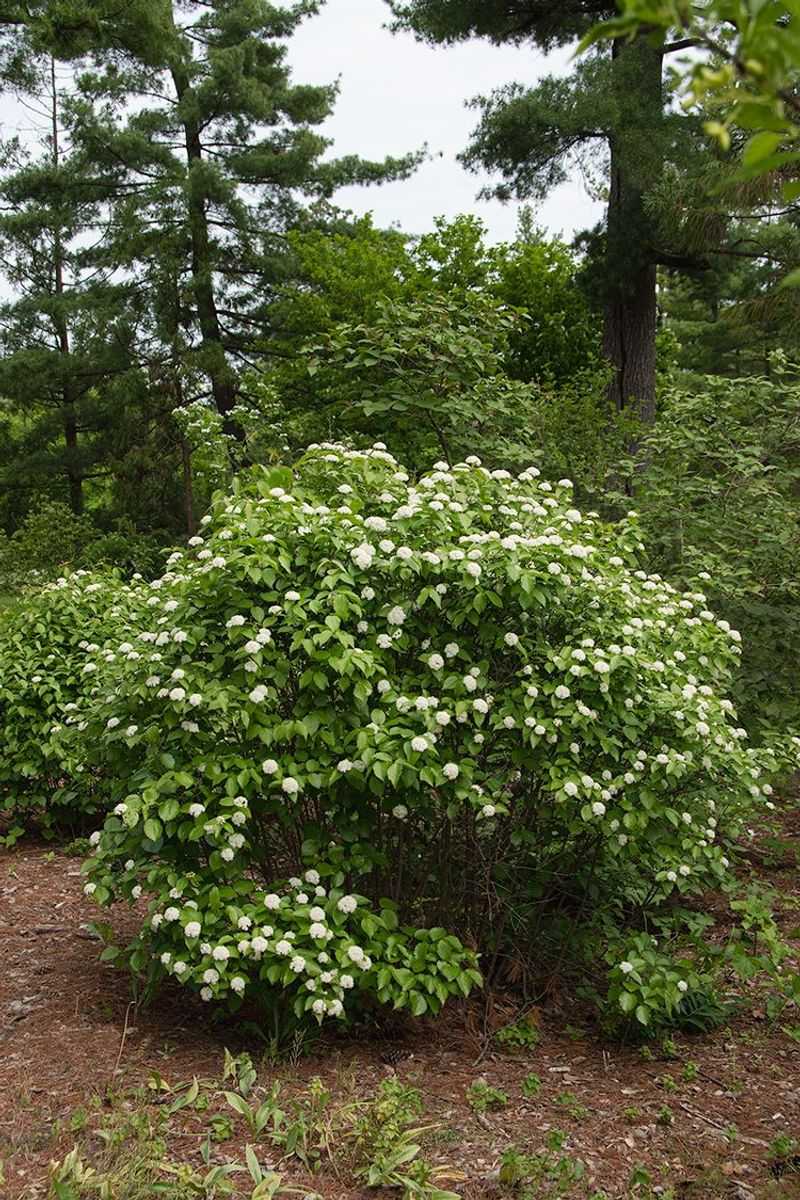
Few shrubs match viburnum’s appeal to Pennsylvania’s nesting bird population.
The multi-stemmed growth habit creates numerous horizontal branches at various heights, giving birds plenty of options for nest placement.
Catbirds, thrushes, and warblers particularly favor viburnum because the dense leaf coverage conceals their nests while still allowing easy access.
Spring brings clusters of fragrant white flowers that attract insects, providing convenient protein sources for parent birds feeding hungry chicks.
Later in the season, viburnums produce berries in shades of red, blue, or black depending on the variety.
These fruits ripen at different times, ensuring food availability throughout summer and fall migration periods.
Pennsylvania landscapes benefit from viburnum’s adaptability to partial shade and various soil conditions.
The shrubs typically reach 6 to 12 feet in height, fitting perfectly into foundation plantings or mixed borders.
Their rounded form softens harsh architectural lines while creating welcoming spaces for wildlife.
Gardeners appreciate that viburnums require minimal pruning and resist most diseases common in Pennsylvania.
The combination of flowers, berries, and protective structure makes these shrubs incredibly valuable for supporting complete bird life cycles.
Watching parent birds shuttle back and forth with food becomes a daily entertainment when you plant viburnum near outdoor living spaces.
4. Spicebush
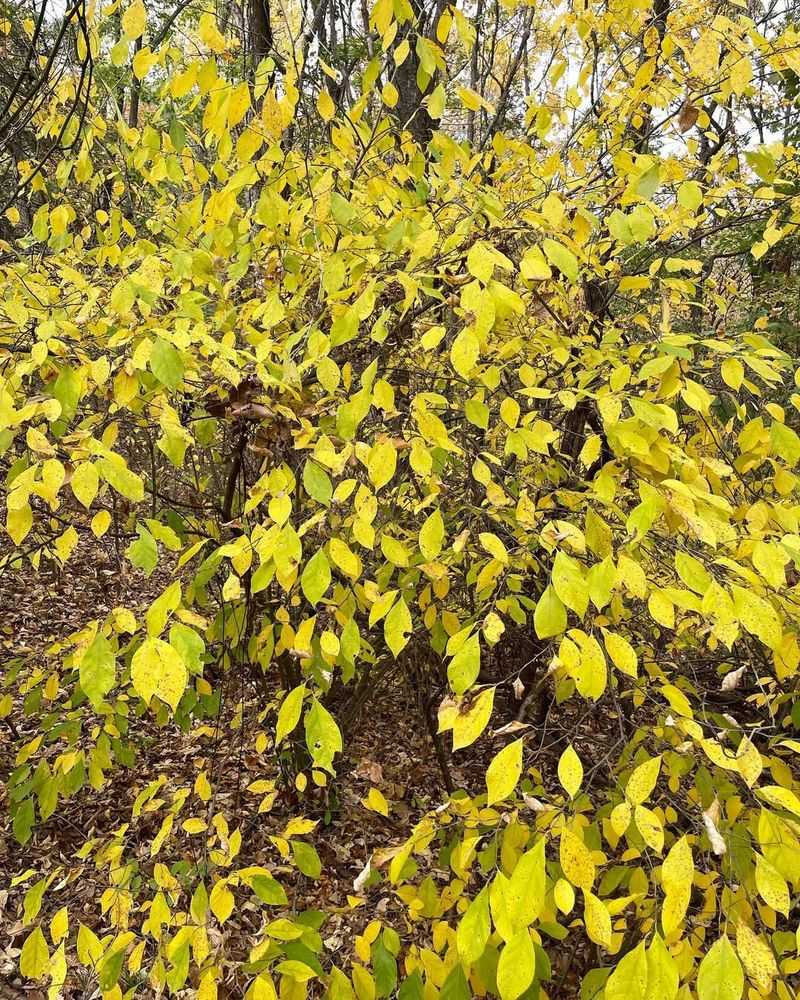
Native spicebush holds special importance for Pennsylvania bird populations, particularly species that have nested in the region for centuries.
Wood thrushes, veeries, and other woodland birds recognize this shrub instinctively, having evolved alongside it in eastern forests.
The aromatic leaves release a pleasant fragrance when brushed, though birds seem unbothered by the scent.
Early spring brings tiny yellow flowers before most other plants leaf out, providing crucial nectar for emerging insects that birds need for feeding nestlings.
Spicebush grows naturally in Pennsylvania’s moist woodlands but adapts well to cultivated gardens with adequate moisture.
The open branching allows birds to navigate easily while still offering enough cover for nest concealment.
Female plants produce bright red berries in late summer, creating important fuel for birds preparing for fall migration.
These lipid-rich fruits help birds build fat reserves necessary for long journeys southward.
The shrub’s moderate size, typically 6 to 12 feet tall, fits naturally into layered landscape designs.
Pennsylvania gardeners interested in supporting native ecosystems find spicebush essential for their plantings.
The shrub hosts swallowtail butterfly caterpillars, adding another dimension to backyard wildlife watching.
Planting spicebush near shaded areas mimics natural forest edges where many Pennsylvania birds prefer establishing territories and raising their families.
5. Elderberry
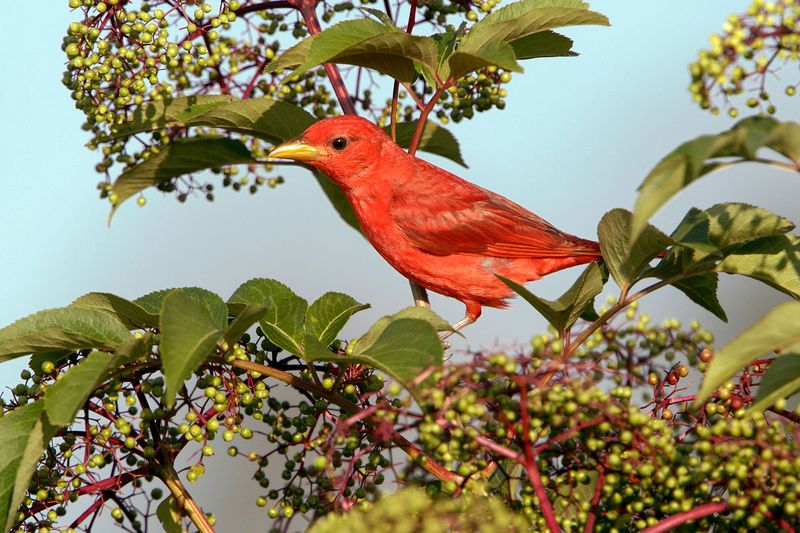
Elderberry bushes create bustling bird activity centers in Pennsylvania yards from spring through fall.
The fast-growing shrubs quickly establish thick growth that appeals to species like goldfinches, waxwings, and grosbeaks.
Large, flat-topped flower clusters bloom in early summer, attracting swarms of insects that become easy meals for parent birds feeding nestlings.
By late summer, clusters of dark purple berries weigh down the branches, drawing birds from across the neighborhood.
Pennsylvania’s native elderberry produces abundant fruit that multiple bird species can harvest simultaneously without conflict.
The berries ripen gradually, providing extended feeding opportunities during the critical period when young birds are learning to forage independently.
These shrubs tolerate Pennsylvania’s clay soils and adapt to both sunny and partially shaded locations.
Elderberry grows vigorously, sometimes adding several feet of height in a single season.
The compound leaves create dappled shade underneath, and the multiple stems form secure frameworks for nest construction.
Homeowners appreciate elderberry’s dual purpose as both wildlife habitat and potential harvest for human use in jams and syrups.
The shrubs sucker freely, forming colonies that create even more nesting opportunities over time.
Regular pruning maintains manageable sizes while encouraging dense branching that birds prefer for tucking away their nests safely from predators.
6. Arrowwood Viburnum
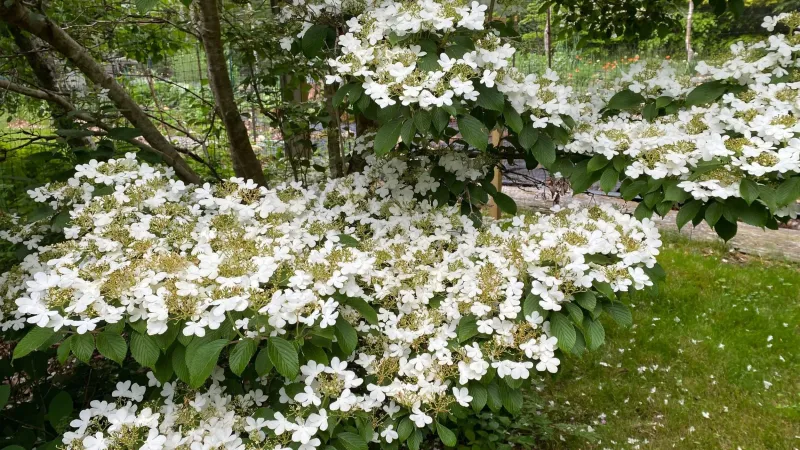
Arrowwood viburnum earns its place as a Pennsylvania nesting favorite through sheer reliability and bird appeal.
The rounded, textured leaves create excellent cover throughout the growing season, and the shrub’s naturally dense habit requires little pruning to maintain nest-friendly structure.
Robins, catbirds, and cardinals regularly choose arrowwood for raising their broods.
Creamy white flower clusters appear in late spring, timing perfectly with peak insect emergence when nestlings need protein-rich diets.
Pennsylvania’s variable spring weather rarely damages these hardy blooms.
Blue-black berries follow the flowers, ripening in late summer when migrating birds need high-energy food sources.
This native shrub adapts remarkably well to Pennsylvania’s diverse growing conditions, from wet bottomlands to drier upland sites.
Arrowwood typically reaches 6 to 10 feet in height and width, creating substantial screening without overwhelming smaller properties.
The multi-stemmed form provides numerous crotches and forks where birds can wedge their nests securely.
Fall brings brilliant red and purple foliage colors that enhance Pennsylvania landscapes while birds are busy preparing for winter or migration.
The bare winter branches reveal intricate branching patterns that help you spot old nests and plan for next season.
Arrowwood’s combination of beauty, toughness, and wildlife value makes it indispensable for Pennsylvania gardeners committed to supporting local bird populations.
7. Buttonbush
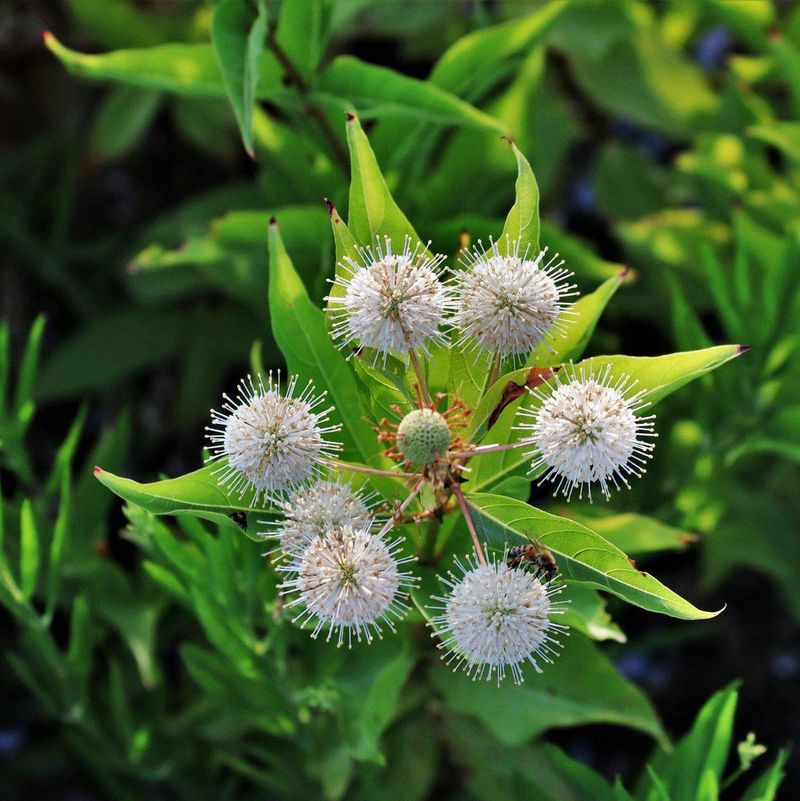
Buttonbush thrives in Pennsylvania’s wetter areas, making it perfect for property owners with low spots or rain gardens.
The unique spherical flower clusters look like white pincushions and attract numerous pollinators that become food for nesting birds.
Red-winged blackbirds, common yellowthroats, and other wetland species particularly favor buttonbush for nest sites.
Glossy green leaves remain attractive throughout summer, and the shrub’s tolerance for standing water sets it apart from most landscape plants.
Pennsylvania yards with drainage challenges can transform problem areas into productive bird habitat by planting buttonbush.
The woody stems provide sturdy anchors for nests, even when bases are submerged during spring rains.
This native shrub grows 6 to 12 feet tall and spreads to similar widths, creating substantial cover along water edges.
The branching structure offers multiple nesting levels, allowing different species to establish territories within the same plant.
Buttonbush flowers bloom throughout summer, providing continuous nectar sources and insect activity.
Fall brings interesting seed heads that persist into winter, offering food for resident birds during Pennsylvania’s colder months.
The shrub’s ability to stabilize wet soils prevents erosion while creating essential habitat.
Planting buttonbush near ponds, streams, or drainage swales combines practical landscape solutions with exceptional wildlife benefits, turning challenging sites into thriving ecosystems that support Pennsylvania’s diverse bird communities.
8. Bayberry
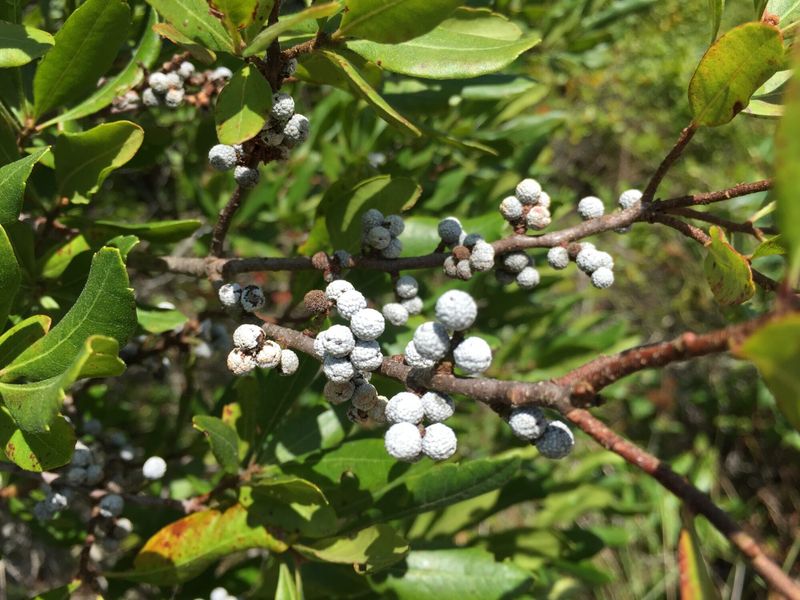
Bayberry’s waxy gray berries give this shrub special importance for Pennsylvania’s overwintering and migrating birds.
While many species nest in bayberry during spring and summer, the persistent berries provide critical nutrition during fall and winter when other food sources disappear.
Tree swallows, yellow-rumped warblers, and bluebirds all utilize bayberry extensively.
The aromatic, semi-evergreen foliage remains attractive year-round in Pennsylvania’s milder regions, offering consistent cover for nesting activities.
Bayberry tolerates poor soils and salt spray, making it useful for challenging sites where other shrubs struggle.
The upright, irregular growth habit creates interesting visual texture while forming secure nest sites.
Pennsylvania gardeners value bayberry’s low maintenance requirements and resistance to deer browsing.
The shrubs typically grow 5 to 10 feet tall, fitting easily into mixed borders or foundation plantings.
Dense branching near the ground provides nesting opportunities for species that prefer lower elevations.
Colonial settlers made candles from bayberry wax, though modern gardeners primarily appreciate the shrub’s wildlife benefits.
Female plants produce the valuable berries, so planting both male and female specimens ensures good fruit production.
The berries’ high fat content makes them especially valuable for birds building energy reserves, whether preparing for migration or enduring Pennsylvania winters.
Bayberry’s year-round functionality makes it an excellent choice for supporting bird populations through complete annual cycles.
9. Winterberry Holly
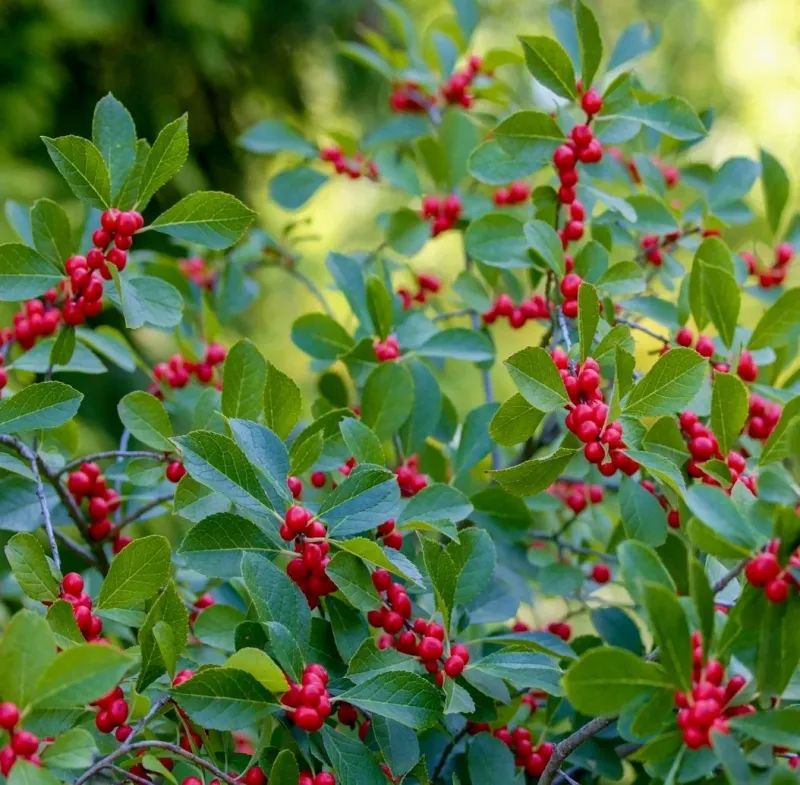
Winterberry holly loses its leaves each fall, but this deciduous habit actually benefits nesting birds during the growing season.
The fresh green foliage creates dense summer cover that many Pennsylvania species prefer over evergreen alternatives.
Catbirds, thrashers, and towhees frequently build nests in winterberry’s tangled branches.
Come autumn, the leaves drop to reveal spectacular displays of bright red berries that persist well into winter.
These fruits provide emergency food supplies for birds during Pennsylvania’s harshest weather, though they typically remain untouched until other food sources are exhausted.
The berries’ late availability makes them particularly valuable for survival during extended cold snaps.
Winterberry adapts to Pennsylvania’s wet soils and tolerates seasonal flooding that would stress many other shrubs.
The plants grow 6 to 10 feet tall, forming rounded shapes that fit naturally into informal landscapes.
Multiple stems create excellent structural support for nests, and the moderate height keeps them accessible for birds while deterring many ground predators.
Pennsylvania homeowners appreciate winterberry’s stunning winter display when the berry-laden branches provide color against snow.
Planting male and female hollies together ensures heavy fruit production.
The combination of summer nesting habitat and winter food sources makes winterberry exceptionally valuable for year-round bird support, creating landscapes that function as true sanctuaries for Pennsylvania’s feathered residents throughout all seasons.