Pennsylvanians Are Quietly Removing These Front Yard Plants In 2026
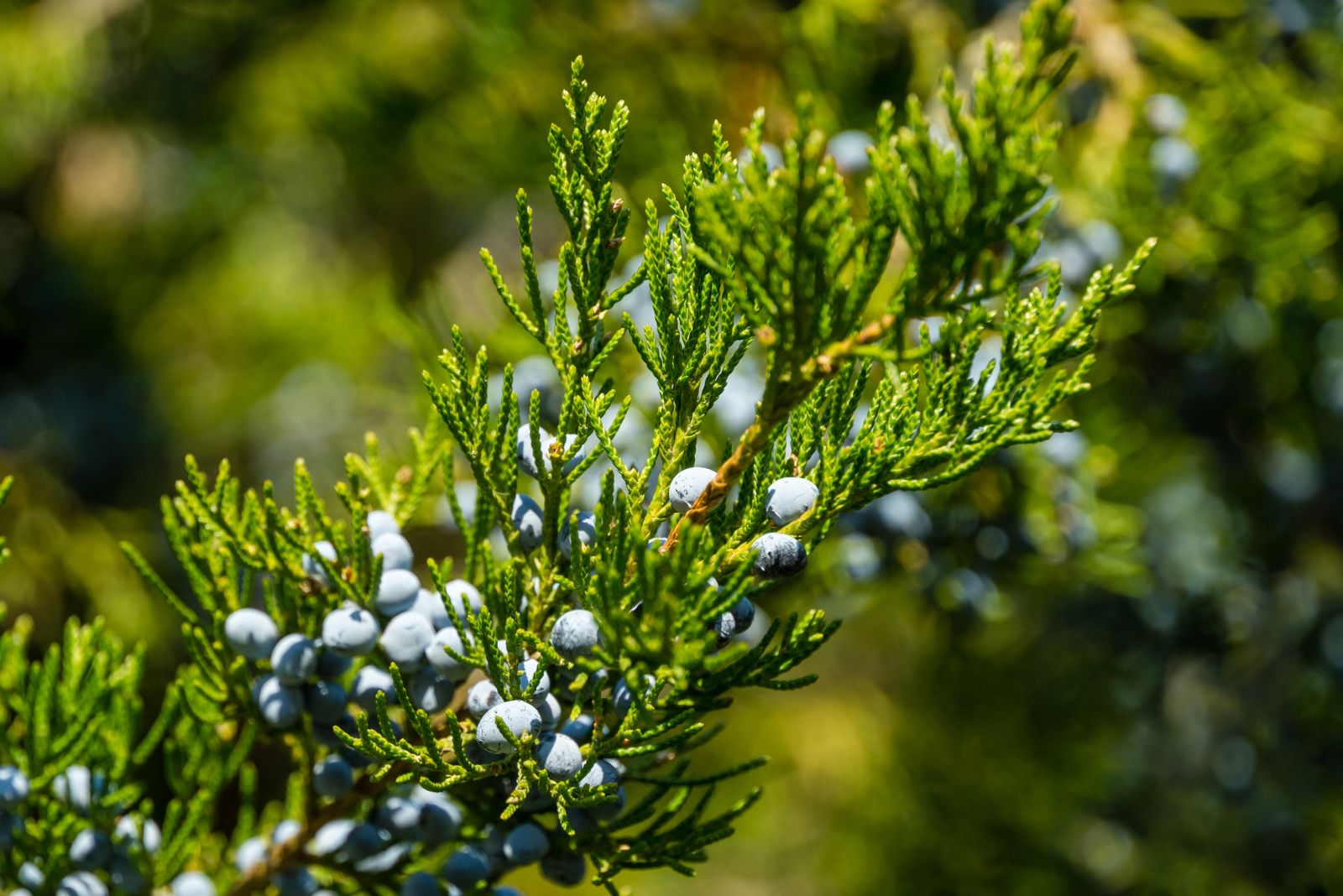
If you’re walking through neighborhoods in Pennsylvania this year, you might notice something strange happening in front yards – certain plants are disappearing. While some gardens are still full of the usual favorites, others are quietly making a shift.
What used to be common fixtures in front yards is now being swapped out for newer, more practical options. The reasons?
Well, they vary, but more and more Pennsylvanians are discovering that these once-popular plants don’t always hold up to modern gardening needs.
Whether it’s due to maintenance struggles, water usage concerns, or just a shift in aesthetic preferences, these plants are slowly being phased out. As the gardening world adapts to climate change, new, more sustainable choices are taking their place.
This change isn’t drastic, but it’s certainly noticeable, and it’s shaping the way we look at landscaping in Pennsylvania. If you’re curious about what’s being removed and why, you’re not alone!
1. Boxwood
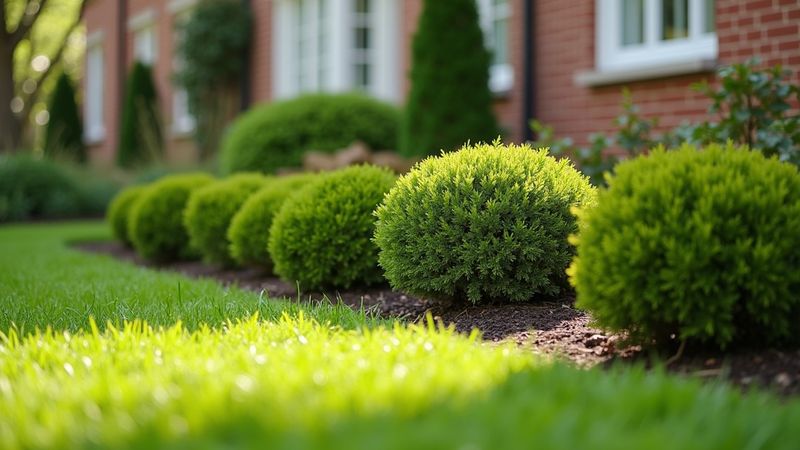
Walk down almost any older neighborhood in Pennsylvania and you will spot them lining front porches and foundation beds like little green soldiers. Boxwoods were once the go-to choice for a neat, classic look.
But in 2026, more and more PA homeowners are pulling them out, and for very good reason.
Boxwood blight has become a serious problem across the state. This fungal disease spreads fast and turns once-beautiful shrubs into brown, leafless sticks almost overnight.
Once blight shows up in your yard, it is incredibly hard to stop. Spores can live in the soil for years, making replanting boxwoods in the same spot a risky gamble.
Scale insects are another headache. These tiny pests attach themselves to stems and slowly drain the life from your plants.
By the time most homeowners notice the damage, it is already severe. Treating scale requires repeated chemical applications, which adds up in both cost and effort.
Beyond disease and pests, boxwoods just demand a lot of upkeep. Regular trimming, watering schedules, and seasonal treatments make them one of the more labor-intensive shrubs in the Pennsylvania landscape.
Many gardeners are finding that the effort simply does not match the reward anymore.
Smart replacements include native alternatives like inkberry holly or American arborvitae. These plants are naturally adapted to Pennsylvania’s climate, resist local pests, and need far less maintenance.
Making the switch is not just easier on your schedule. It is better for the whole neighborhood ecosystem too.
2. Japanese Barberry
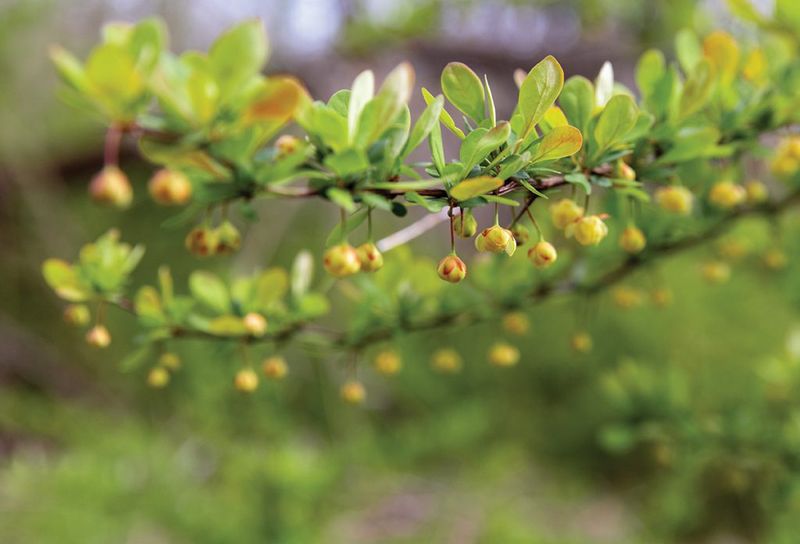
Few plants have caused as much trouble in Pennsylvania yards as Japanese barberry. It looks harmless enough with its colorful foliage and compact shape, but underneath that pretty exterior is one of the most aggressive invasive shrubs in the region.
Pennsylvania has officially listed it as an invasive species, and for very solid reasons.
Barberry spreads at an alarming rate. Birds eat the berries and drop seeds far and wide, allowing the plant to escape cultivated yards and take over natural areas like forests, meadows, and stream banks.
Once it establishes itself in the wild, it crowds out native plants that local wildlife depends on for food and shelter. The ecological damage it causes is real and well-documented.
There is also a surprising health concern linked to barberry. Research has shown that its dense, thorny thickets create ideal humid conditions for deer ticks, which are known carriers of Lyme disease.
Pennsylvania already has one of the highest rates of Lyme disease in the country, so removing barberry from your yard could actually help protect your family.
The PA Invasive Replace-ive Program, which launched in 2025, specifically targets Japanese barberry as one of its high-priority removal species.
The program has already helped hundreds of Pennsylvania residents swap out invasive plants for native alternatives.
Great replacements include native spicebush or Virginia sweetspire. Both offer beautiful fall color, support local pollinators, and grow well throughout Pennsylvania without spreading where they are not wanted.
3. Eastern Redcedar
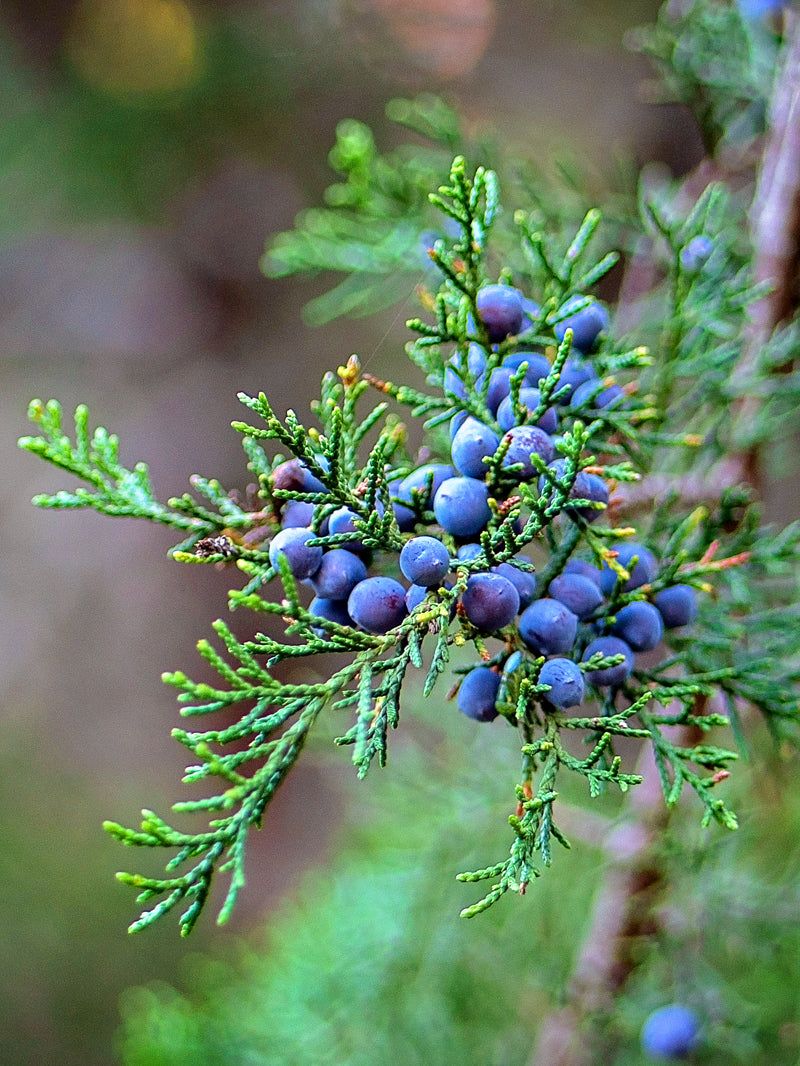
Eastern redcedar is technically a native tree, which makes its growing removal from Pennsylvania front yards a little surprising at first glance. But context matters a lot here.
Being native does not automatically mean it belongs in every landscape, especially in tight residential spaces where its size and disease issues create real problems.
Cedar-apple rust is one of the biggest complaints. This fungal disease requires two hosts to complete its life cycle, and redcedar is one of them.
When it infects the tree, it produces bright orange, jelly-like galls that look alarming and can spread the disease to nearby apple and crabapple trees.
For homeowners with fruit trees or ornamental apples in the yard, having a redcedar close by is a constant source of frustration.
Twig blight is another issue that plagues redcedars in Pennsylvania landscapes. Caused by a fungal pathogen, twig blight turns branch tips brown and creates an untidy, patchy appearance.
In small front yards, a stressed or diseased tree stands out and drags down the entire look of the property.
Redcedars also grow much larger than many homeowners expect. What starts as a manageable shrub can quickly become a towering tree that blocks windows, shades out other plants, and drops piles of sharp needles on walkways.
Pennsylvania gardeners replacing redcedars often choose native options like serviceberry or native arborvitae. These trees offer wildlife value, manageable size, and far fewer disease headaches throughout the growing season.
4. Common Lilac
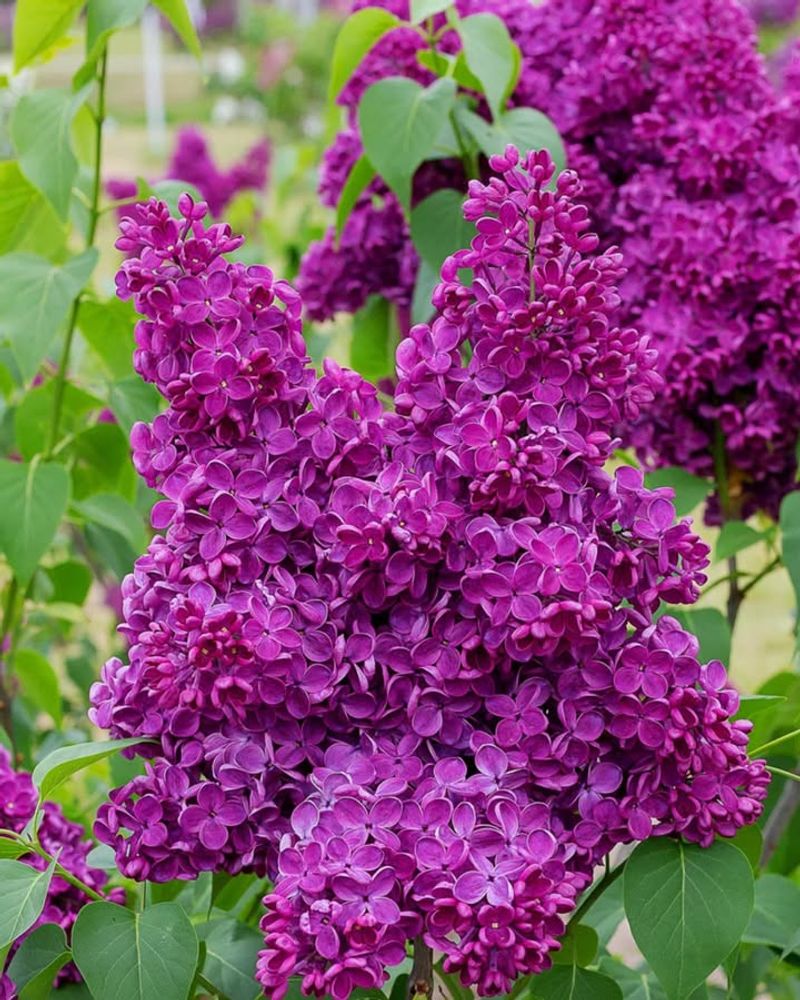
Ask almost any Pennsylvania gardener about lilacs and you will see their eyes light up. The scent alone is enough to trigger a wave of childhood memories.
For generations, common lilacs were a staple of front yards across the state, blooming every spring with purple clusters that stopped neighbors in their tracks. So why are so many people removing them now?
The honest answer is that common lilacs have not aged well in Pennsylvania’s changing climate. Summers are getting hotter and more humid, and older lilac varieties simply struggle under those conditions.
Heat stress causes them to look tired and scraggly by midsummer, leaving an unattractive, leggy shrub taking up prime yard space for ten months of the year just to bloom for two weeks in spring.
Powdery mildew is the other major culprit. This fungal disease coats lilac leaves with a white, dusty film that spreads rapidly in warm, humid conditions.
While it rarely destroys the plant outright, it makes the shrub look unhealthy and unkempt through the entire growing season. Treating it repeatedly gets old fast.
Pennsylvania homeowners are increasingly choosing longer-blooming, lower-maintenance alternatives that offer more seasonal value.
Native options like buttonbush or smooth hydrangea bloom for extended periods, handle Pennsylvania summers with ease, and support native pollinators far better than old-fashioned lilacs.
If you truly love fragrance in your yard, consider newer disease-resistant lilac cultivars like Bloomerang. They rebloom in fall and handle humidity much better than the classic varieties most people grew up with.
5. Leyland Cypress
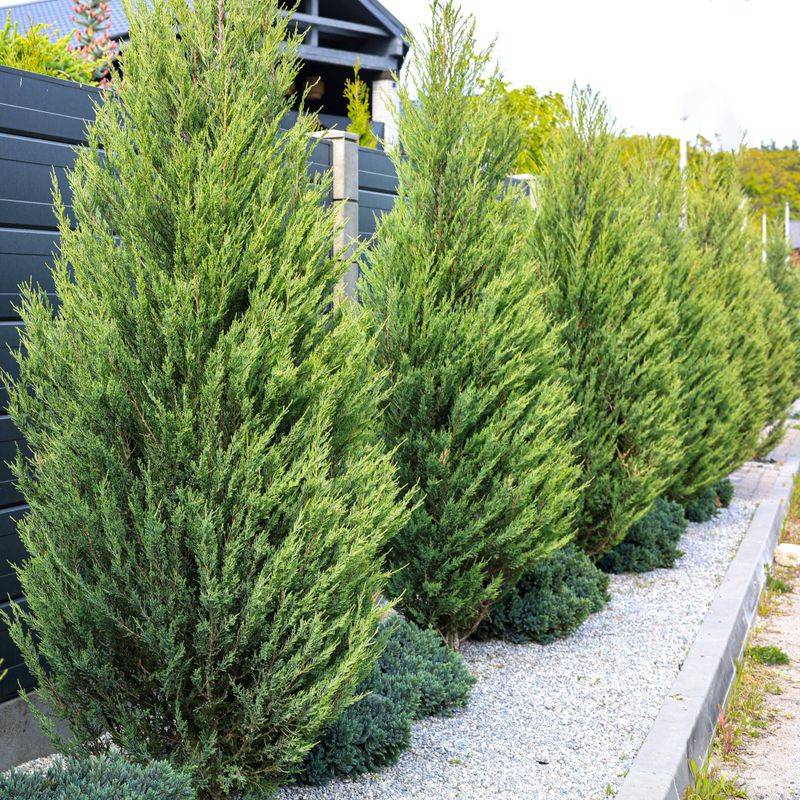
Back in the 1990s and early 2000s, Leyland cypress was the hottest privacy screen option in Pennsylvania neighborhoods. It grew fast, stayed green year-round, and provided a thick visual barrier between properties in just a few seasons.
Homeowners loved it. Nurseries could not keep it in stock. Then reality set in.
Pennsylvania winters have not been kind to Leyland cypress. The tree is not fully cold-hardy in many parts of the state, and harsh winters cause significant dieback that leaves brown, dry sections scattered throughout what was once a lush green hedge.
Once those dry patches appear, there is no recovering them. The only fix is removal and replacement.
Storm damage is another serious concern. Leyland cypress grows so fast that its wood tends to be weak and brittle.
Heavy snow loads, ice storms, and strong winds routinely split branches or topple entire trees. In a front yard close to a home or driveway, a falling Leyland cypress is more than just an eyesore. It is a genuine safety hazard.
Cedar-apple rust and other fungal diseases also target Leyland cypress, especially in the humid conditions that Pennsylvania summers regularly produce. Once disease takes hold, it spreads quickly through a row of tightly planted trees.
Healthier native evergreen alternatives are available and performing much better across Pennsylvania.
Green Giant arborvitae, which is technically a hybrid but widely recommended by PA extension services, offers similar privacy screening with far better cold hardiness and disease resistance throughout the region.
6. Hostas
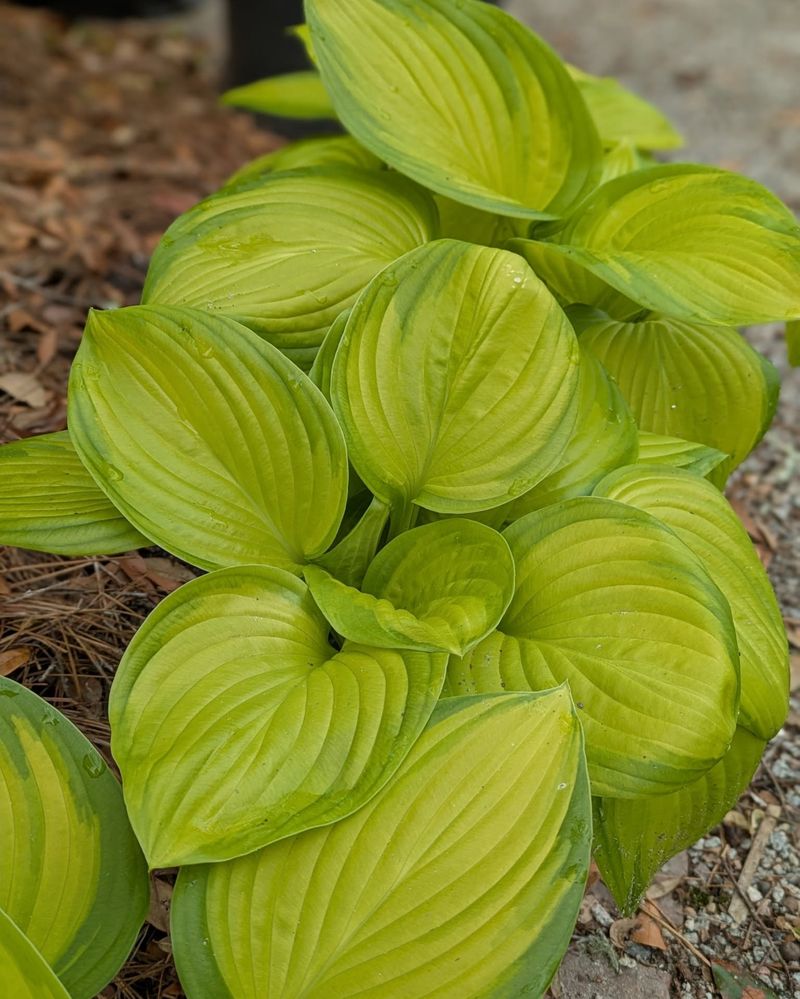
Hostas are one of the most popular perennials sold at Pennsylvania garden centers every spring, and honestly, that popularity is a big part of the problem.
People buy them without fully understanding where they actually thrive, and front yards across the state end up full of struggling, damaged plants that look worse every season.
The core issue is simple: hostas are shade plants. They evolved under forest canopies where light is filtered and temperatures stay cooler.
Plant them in a sunny Pennsylvania front yard and they will scorch. The leaf edges turn brown and crispy by July, and no amount of watering fixes the damage once it starts. Many homeowners spend years fighting this battle before finally giving up.
Deer are another constant problem. In suburban and rural areas throughout Pennsylvania, deer treat hostas like an all-you-can-eat buffet.
They will strip a mature plant overnight, leaving nothing but sad, chewed stems poking out of the ground. Slugs cause similar damage, chewing ragged holes through leaves and leaving a slimy trail behind.
Protecting hostas from both requires ongoing effort that many gardeners no longer want to invest.
Removing hostas from sunny front beds and replacing them with tough, sun-tolerant natives is a growing trend across Pennsylvania in 2026.
Native alternatives like black-eyed Susans, coneflowers, or native sedges handle full sun beautifully, attract pollinators, and come back stronger every year without the constant battle against pests and heat stress.
Hostas still have a place in deeply shaded spots. Just not in the sunny front yard.
7. Hybrid Tea Roses
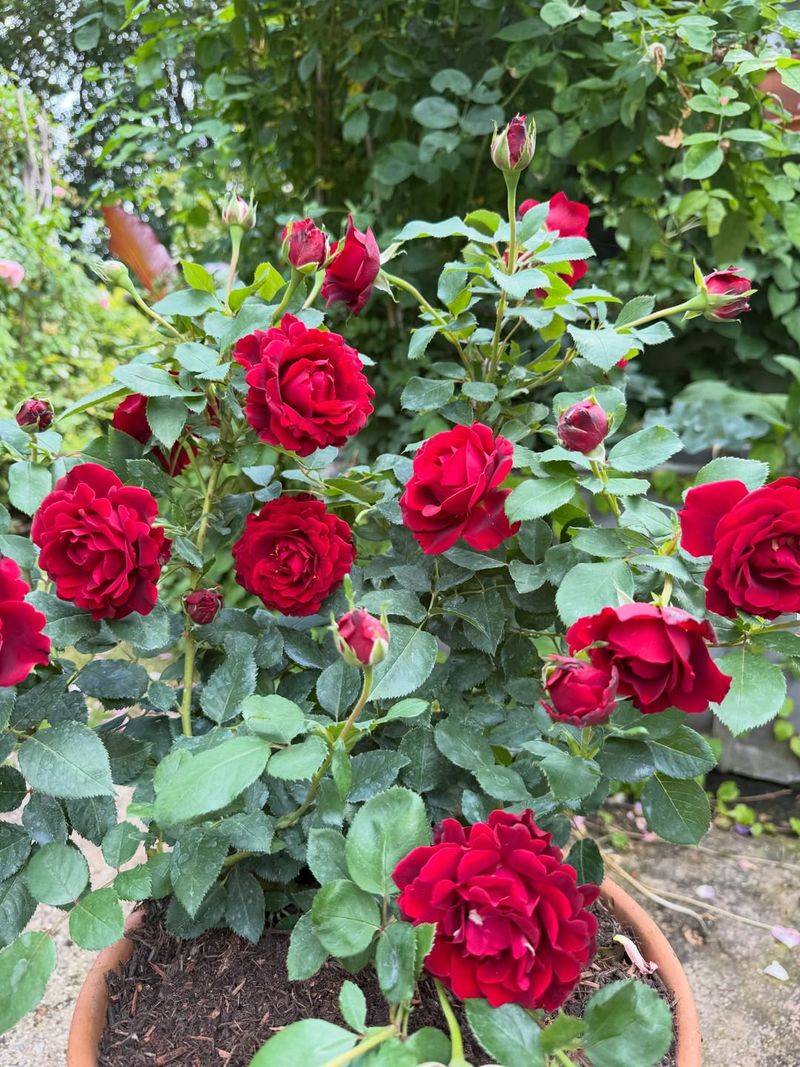
There is something undeniably romantic about a front yard full of hybrid tea roses in full bloom. The long-stemmed flowers, the rich fragrance, the classic look that feels straight out of a storybook.
But ask any Pennsylvania gardener who has spent years trying to keep hybrid teas healthy, and you will get a very different story.
Hybrid tea roses are notoriously demanding. They require regular pruning, careful fertilizing, and most importantly, frequent spraying to keep fungal diseases under control.
Black spot is the most common offender, spreading across leaves in dark circular patches before causing them to drop entirely. A severely infected plant can lose most of its foliage by midsummer.
Powdery mildew follows close behind, coating new growth with a white film that weakens the plant over time.
Pennsylvania’s humid summers create near-perfect conditions for both of these diseases. Gardeners who want to keep hybrid teas looking presentable often find themselves spraying fungicides every seven to ten days throughout the growing season.
That is a significant time and money commitment that fewer homeowners are willing to make in 2026.
The good news is that excellent alternatives exist. Disease-resistant shrub roses like the Knock Out series or native alternatives like Pennsylvania’s own pasture rose require almost no spraying and bloom reliably all season long.
Groundcovers like creeping phlox or native wild ginger also make attractive, low-effort replacements for front yard beds throughout the state.
Making the switch means spending less time fighting disease and more time actually enjoying your yard.