Pennsylvanians Can Grow Way More Food In Less Space With These Vegetables
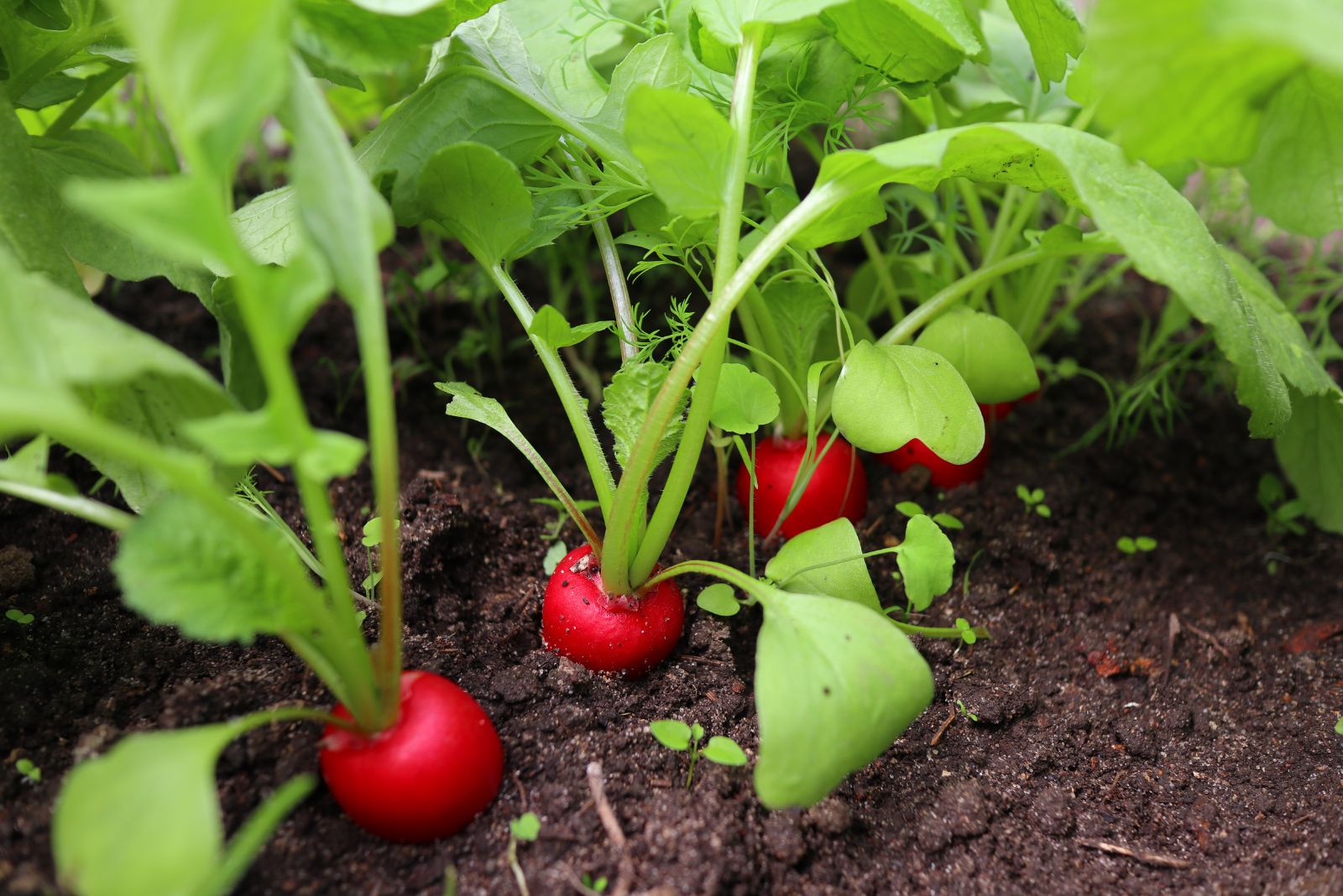
Growing your own food in Pennsylvania doesn’t have to mean sprawling gardens or acres of land. In fact, with the right plants, you can turn a small backyard or even a balcony into a productive food source.
If you’re short on space but still want to grow more of your own vegetables, you don’t need to worry. There are plenty of crops that thrive in smaller spaces, and many are perfect for the Pennsylvania climate.
With just a few containers or raised beds, you can grow a surprising variety of vegetables that offer great yields without taking up too much room.
From compact tomato varieties to leafy greens and herbs, these space-saving plants can help you maximize your garden’s potential.
Not only will you have fresh, homegrown food, but you’ll also enjoy the satisfaction of knowing you’re making the most of every inch of your space.
1. Tomatoes (Especially Compact Varieties)
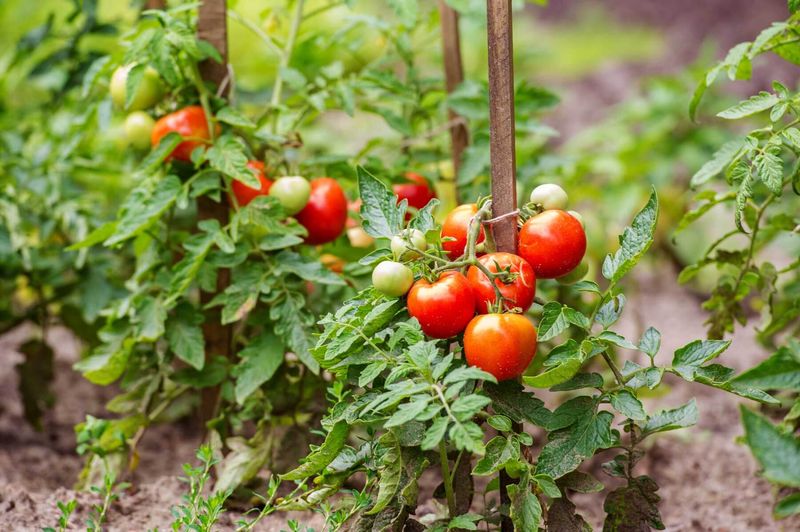
Picture biting into a sweet, sun-warmed tomato that you grew yourself, right on your own porch in Pennsylvania. That is 100% possible, even if you only have one or two containers to work with.
Compact tomato varieties like ‘Tiny Tim’ and ‘Patio Princess’ were made for exactly this kind of situation.
These small but mighty plants stay short and bushy, which means they do not need a lot of ground space. You can grow them in pots, raised beds, or even window boxes.
They still produce a huge amount of fruit for their size, which makes them one of the smartest choices for any small-space gardener in Pennsylvania.
The key to getting a big harvest is making sure your plants get at least six to eight hours of direct sunlight each day.
Tomatoes love warmth, and Pennsylvania summers give them plenty of it. Water consistently and feed with a balanced fertilizer every couple of weeks.
One fun trick is to place your containers near a south-facing wall or fence. The wall absorbs heat during the day and releases it at night, which tomatoes absolutely love.
You can also stack several pots vertically using a simple tiered stand to grow even more plants in a tight space.
Do not underestimate these little plants. A single compact tomato plant can produce dozens of fruits over the course of the growing season.
For Pennsylvania gardeners looking to maximize every square inch, compact tomatoes are a no-brainer.
2. Lettuce (Especially Leaf Varieties)
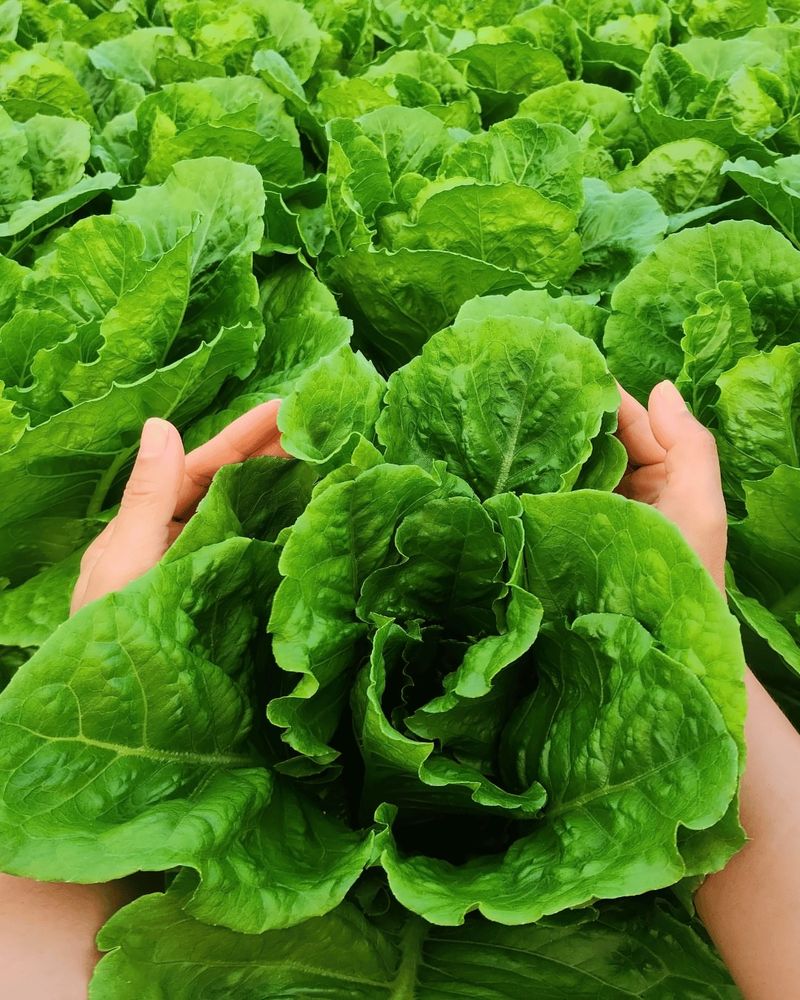
Leaf lettuce might just be the most rewarding vegetable you can grow in a small Pennsylvania garden.
Unlike head lettuce, which takes up more room and needs more time, leaf varieties grow fast, stay compact, and give you multiple harvests from the same plant. Cut a few outer leaves, and the plant just keeps going.
Varieties like ‘Black Seeded Simpson,’ ‘Red Sails,’ and ‘Oak Leaf’ are all fantastic for small spaces. You can tuck them into raised beds, containers, or even vertical wall planters.
Because lettuce has shallow roots, it does not need deep soil, which makes it a perfect fit for spots where other vegetables might struggle.
Pennsylvania’s spring and fall seasons are ideal for lettuce. It actually prefers cooler temperatures, which means you can start planting as early as March and keep growing well into November.
During hot summer months, try planting lettuce in a spot that gets some afternoon shade to keep it from bolting too quickly.
Succession planting is a game-changer with lettuce. Every two to three weeks, sow a new small batch of seeds. That way, you always have fresh leaves ready to harvest instead of a big crop all at once.
Fun fact: lettuce is one of the oldest cultivated vegetables in human history, dating back to ancient Egypt.
Today, Pennsylvania gardeners can enjoy this ancient crop in modern containers right on their back patio. Few vegetables offer this much convenience and productivity in such a small footprint.
3. Radishes
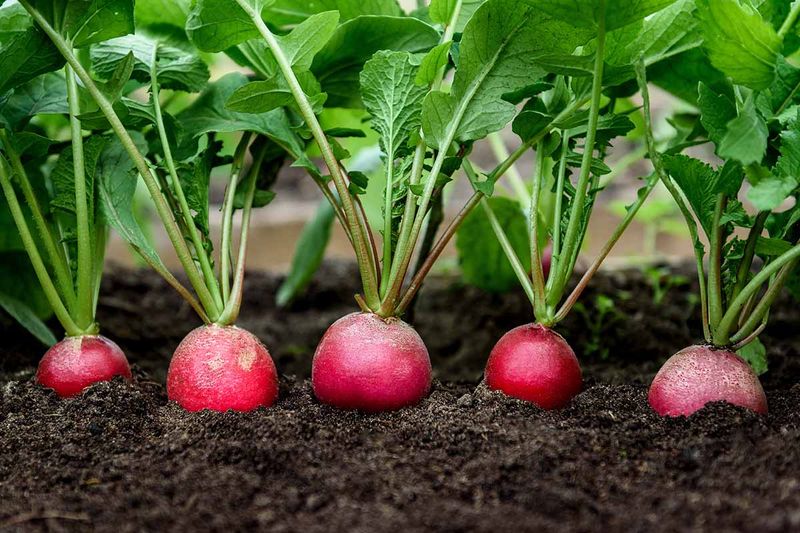
Radishes are the sprinters of the vegetable world. Most varieties go from seed to harvest in just three to four weeks, which means you can squeeze multiple full crops into a single Pennsylvania growing season.
Not many vegetables can say that. Their small size is another huge advantage. Radishes grow mostly underground and only need a few inches of space between plants.
You can tuck them into almost any corner of your garden, or grow them in a shallow container on your balcony or deck. They are also a great choice for filling in empty spots between slower-growing vegetables like tomatoes or peppers.
In Pennsylvania, you can start planting radishes as soon as the ground thaws in early spring, usually around late March or early April.
They actually prefer cooler weather, so spring and fall are their sweet spots. Summer heat can make them taste sharp and woody, so timing matters.
Try planting a short row every week or two throughout the spring. By the time the first batch is ready, the next one is already on its way.
This approach keeps a steady supply of fresh radishes coming to your table without needing a big garden to do it.
Beyond the classic red globe types, there are also longer French breakfast radishes and colorful watermelon radishes worth trying. Each variety brings something a little different to the table.
For Pennsylvania gardeners who want fast results and minimal space, radishes deliver every single time.
4. Beans (Bush Varieties)
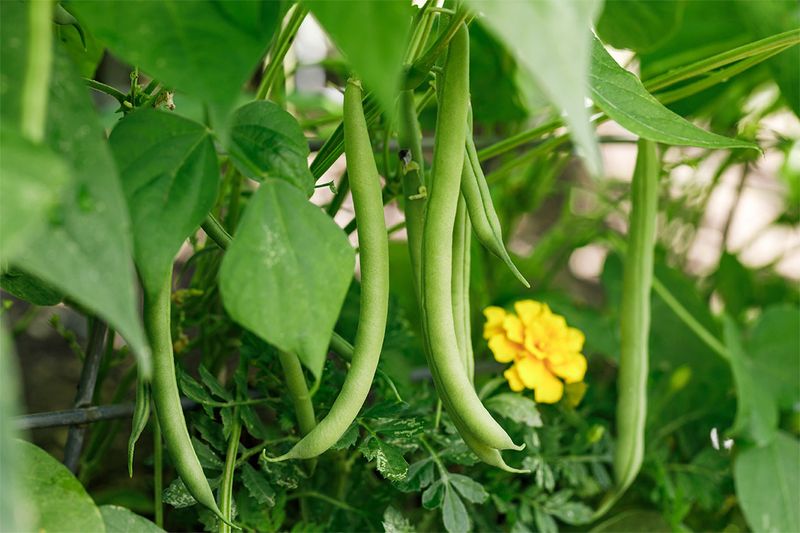
Some gardeners avoid beans because they picture tall, sprawling vines taking over the yard. Bush beans completely flip that idea on its head.
These low-growing plants stay compact, usually reaching only about one to two feet tall, and they do not need any trellising or support at all.
Varieties like ‘Provider,’ ‘Contender,’ and ‘Bush Blue Lake’ are popular picks for Pennsylvania gardeners working with limited space.
They are incredibly productive for their size, often producing heavy yields within about 50 to 60 days of planting. That is a lot of food from a very small footprint.
Bush beans grow well in garden beds, raised beds, and even large containers. They prefer full sun and well-drained soil, both of which are easy to manage in a small Pennsylvania garden.
Plant seeds directly in the ground after the last frost, which typically falls between late April and mid-May depending on where in the state you are.
One of the best things about bush beans is how easy they are to care for. They are not heavy feeders, so you do not need to fertilize constantly.
Keep the soil moist and watch them take off. Harvest the pods when they are firm and before the seeds inside start to bulge for the best flavor.
You can also plant a second round of bush beans in midsummer for a fall harvest. Pennsylvania’s long growing season makes this totally possible.
Double the crops, same small space. It is one of the smartest moves a small-space gardener can make.
5. Spinach
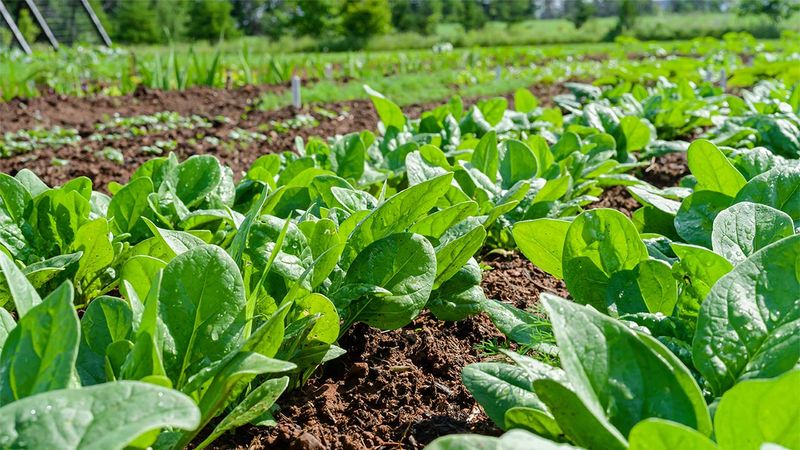
Cool, crisp, and incredibly nutritious, spinach is one of those vegetables that feels almost too easy to grow. Pennsylvania’s mild spring and fall temperatures are practically tailor-made for this leafy green.
It grows fast, takes up very little space, and keeps giving you harvests as long as you keep picking the outer leaves.
Spinach works beautifully in containers, window boxes, and small raised beds. Because it has shallow roots, it does not need deep soil at all.
A container that is just six to eight inches deep is enough for a healthy crop. You can line up several containers on a sunny windowsill or porch railing and have a steady supply of fresh greens within arm’s reach.
In Pennsylvania, you can start spinach seeds outdoors as early as late February or early March, even if there is still a chill in the air.
Spinach can handle light frost, which makes it one of the first vegetables you can get in the ground each year. Plant again in late summer for a strong fall harvest before the hard freezes arrive.
Varieties like ‘Bloomsdale Long Standing’ and ‘Tyee’ are reliable performers that resist bolting longer than other types.
Bolting happens when spinach sends up a flower stalk in hot weather, which makes the leaves taste bitter. Choosing bolt-resistant varieties gives you a longer, more productive harvest window.
For anyone in Pennsylvania trying to grow more food in less space, spinach is one of the most efficient choices available. It is fast, generous, and takes up almost no room at all.
6. Peas (Dwarf Varieties)
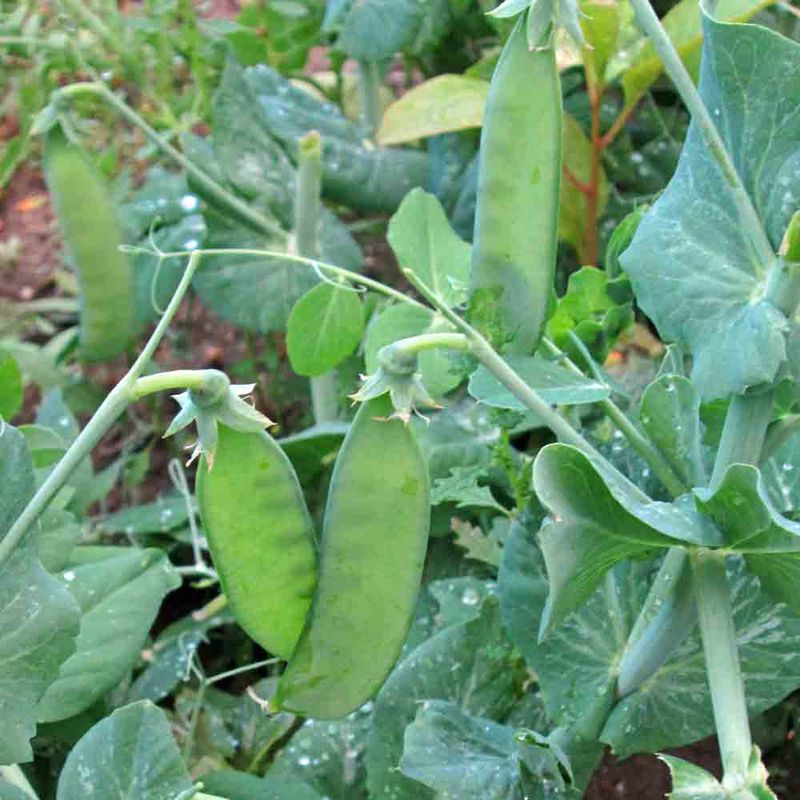
There is something almost magical about watching pea plants climb and flower in the cool Pennsylvania spring air. Dwarf varieties like ‘Tom Thumb’ and ‘Little Marvel’ bring all that charm without needing much space at all.
They grow upright and compact, usually reaching just one to two feet tall, and they are surprisingly heavy producers for their small size.
Because dwarf peas grow vertically rather than spreading out sideways, they are a smart pick for tight spots.
You can plant them in a narrow raised bed along a fence, in a deep container near a small trellis, or even in a window box. A short bamboo stake or a piece of simple mesh netting is all the support they really need.
Pennsylvania’s cool spring weather is exactly what peas crave. Get them in the ground as early as late March or early April for the best results.
Peas stop producing once summer heat kicks in, so planting early is the key to getting a full harvest. You can also plant again in late summer for a smaller fall crop.
Fresh peas taste completely different from anything you find in a can or a freezer bag. Sweet, crisp, and bright green, they are one of those vegetables that almost everyone loves eating straight from the garden.
Kids especially enjoy picking and snacking on them right off the plant.
Did you know that Gregor Mendel, the father of modern genetics, famously used pea plants in his groundbreaking experiments?
Pennsylvania gardeners today can grow the same humble plant that helped change science forever, right in a small container on their back porch.
7. Swiss Chard
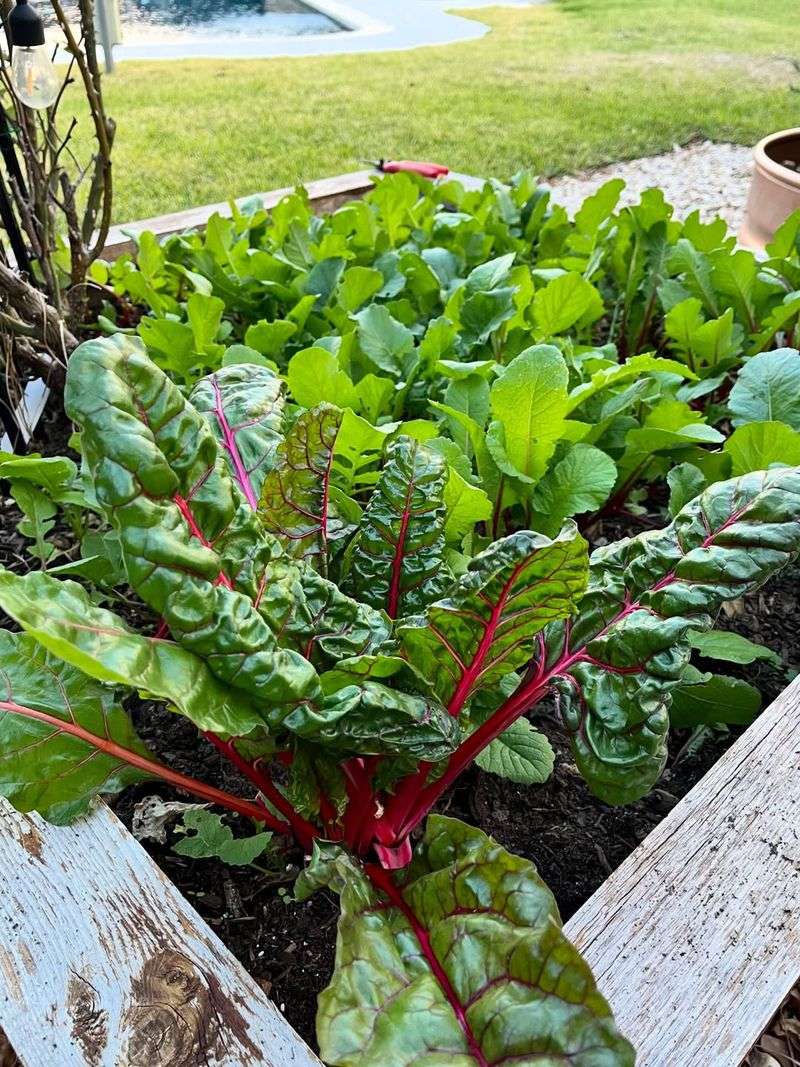
Walk through any Pennsylvania farmers market in summer and you will almost certainly spot Swiss chard with its bold, jewel-toned stems in red, yellow, orange, and pink.
It is one of the most visually striking vegetables you can grow, and it is just as impressive in terms of productivity. A single plant can feed a household for months.
Swiss chard is a cut-and-come-again vegetable, meaning you harvest the outer leaves and the plant keeps pushing out new growth from the center.
This makes it one of the most space-efficient crops available for small Pennsylvania gardens. You get a continuous supply of fresh greens from just a handful of plants.
It grows well in containers, raised beds, and small in-ground plots. Swiss chard is not fussy about soil as long as it drains well, and it tolerates both full sun and partial shade.
That flexibility makes it a strong choice for gardens that do not get perfect sunlight all day long.
Varieties like ‘Bright Lights’ and ‘Rainbow Chard’ are popular picks because they offer a mix of colorful stems in one seed packet. ‘Fordhook Giant’ is another solid choice if you prefer bigger, more robust leaves.
All of them perform well across Pennsylvania’s growing season, from late spring through early fall.
Swiss chard is packed with vitamins A, C, and K, along with magnesium and iron. It is one of the most nutritious greens you can add to your plate.
Saute it with garlic, toss it into soups, or use the large leaves as a wrap. For small-space gardeners in Pennsylvania, Swiss chard is a true all-star worth every square inch it takes up.