Peony Care Jobs Ohio Gardeners Should Tackle In Spring For Explosive Blooms
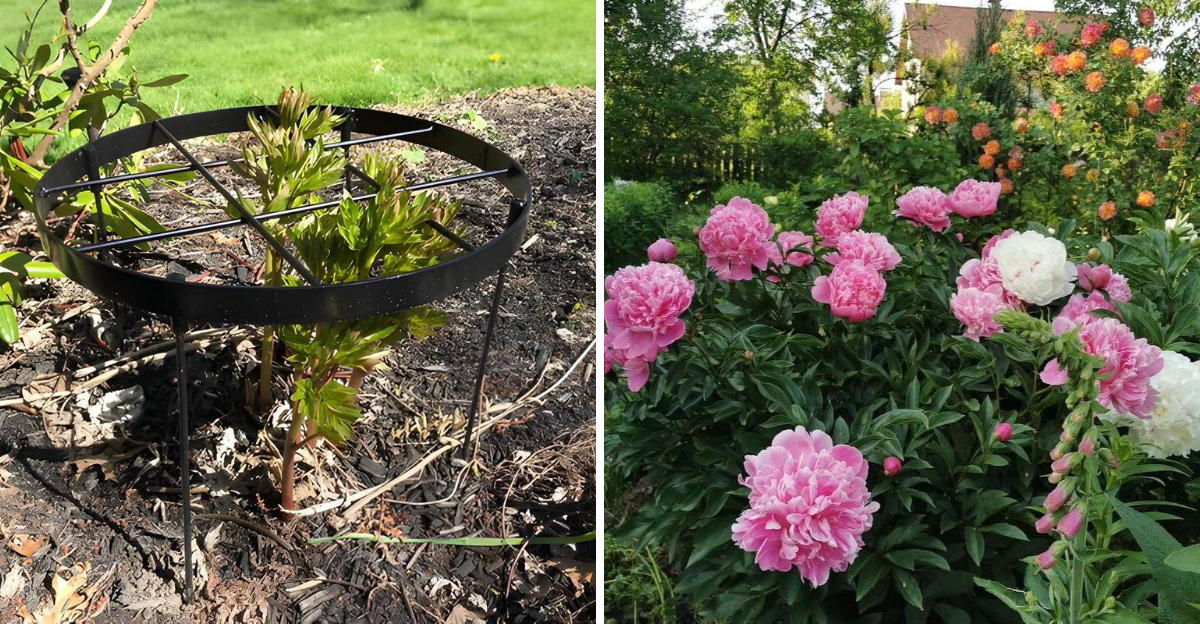
Peonies are patient plants. They’ll grow in Ohio gardens for decades, outliving trends, outliving other perennials, outliving the gardeners who planted them in some cases.
But that longevity comes with a condition: spring care done right. Miss the window, skip the steps, or treat peonies like a set-it-and-forget-it plant in March and April, and they’ll let you know about it come bloom time.
Sparse flowers, weak stems, blooms that don’t quite deliver the showstopping display you were expecting. Ohio’s spring is actually one of the best times to get ahead of all of that.
The soil is waking up, the eyes are just pushing through, and the plants are primed to respond to exactly the right kind of attention.
A focused round of care during this specific season is the difference between a peony that blooms fine and one that stops people in their tracks.
Do these jobs now and your peonies will put on the kind of show that makes the whole neighborhood stop and stare.
1. Clear Old Peony Debris Before New Shoots Stretch
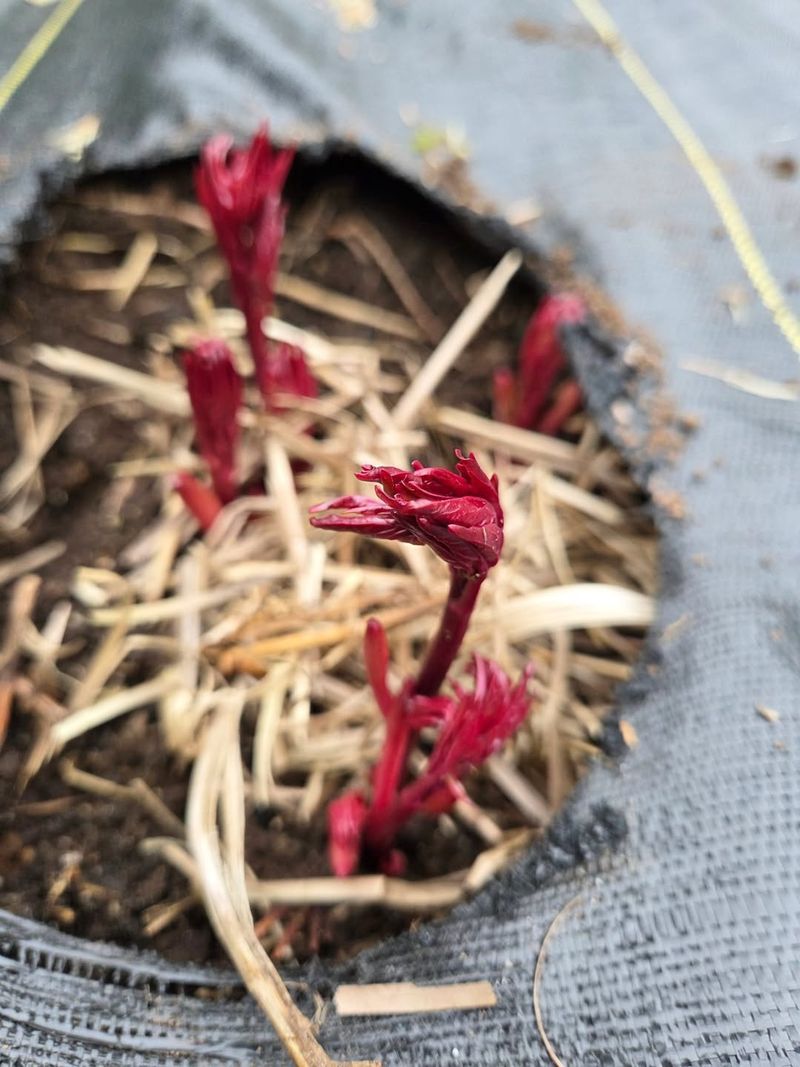
Last year left a mess around your peonies, and that mess is not just an eyesore.
Withered stems, fallen leaves, and old flower heads left on the ground over winter can shelter fungal spores, insect eggs, and other problems that are eager to attack fresh spring growth the moment temperatures climb.
Getting out early, before shoots push more than an inch or two above the soil, gives you a clean slate.
Use clean pruners or scissors to cut old stems down close to the soil line. Bag everything and put it in the trash, not the compost pile.
Diseased or suspicious debris composted at home rarely reaches temperatures high enough to break down fungal spores safely, so it is smarter to remove it from the property entirely.
In northern Ohio and the Lake Erie shoreline areas, the soil may still be cold and soggy in early March, so wait until the ground firms up a bit before walking around your beds. Compacting wet soil around the crown can cause more harm than the debris itself.
Southern Ohio gardeners often see shoots poking up earlier, sometimes by mid-March, so check plants regularly and clean up before new growth gets tangled in the old material. A tidy start genuinely sets the tone for a healthier, more productive bloom season.
2. Give Crowded Peonies Better Airflow Early

A peony bush surrounded by weeds, piled-up mulch, or dense neighboring plants is quietly being set up for a rough spring.
Poor airflow around stems and leaves creates exactly the kind of damp, still environment that fungal diseases love, especially during the cool, wet weather Ohio gets so frequently in April and May.
Pull weeds early before they establish deep roots. Rake back any mulch that has settled heavily against the crown of the plant, leaving a small gap of a few inches between mulch and the base of the stems.
If nearby perennials have crept closer over the winter, trim them back or gently reposition them so air can move freely through the bed.
Your Ohio Garden Changes Every Week. Your Plan Should Too.
Gardening in Ohio changes quickly throughout the season. Every Friday you’ll receive a simple weekly plan showing exactly what to plant, prune, fertilize, harvest, and protect so you never miss the right timing.
Dividing overcrowded peonies is sometimes suggested as a fix, but spring is not the right time for that job. Digging and separating roots in spring can stress the plant during its most active growth phase and often results in reduced blooms for a season or two.
If a clump genuinely needs dividing, mark it now and plan to tackle the work in September or October when the plant has gone dormant. For now, focus on clearing the surrounding space and letting the existing plant breathe.
Small changes to airflow around peonies can have a surprisingly big impact on how the plant handles Ohio’s unpredictable spring weather.
3. Protect New Shoots From Botrytis Trouble

Botrytis blight is one of the most common peony problems in Ohio, and it tends to show up exactly when gardeners are most excited about new growth. Cool temperatures, overcast skies, and persistent spring rain create perfect conditions for this fungal issue.
Young shoots may turn black at the base, buds can wither without opening, and a fuzzy gray coating sometimes appears on affected tissue.
Catching it early makes a real difference. Walk through your peony beds every few days during wet stretches in April and May.
If you spot blackened or mushy stems, remove them cleanly with sterilized pruners and put the clippings in the trash. Never leave infected material lying in the bed, since spores spread quickly to healthy tissue nearby.
Sanitation and airflow are your two best tools against Botrytis. Keeping beds clean, spacing plants properly, and avoiding overhead watering all reduce the conditions this fungus needs to spread.
Some Ohio State University Extension resources mention that fungicide applications are available for severe cases, but they work best as a preventive measure rather than a cure after infection has already set in.
For most home gardeners, staying consistent with cleanup and airflow improvements goes a long way toward keeping Botrytis from ruining the bloom season before it even gets started.
4. Water At The Soil Line Instead Of Overhead
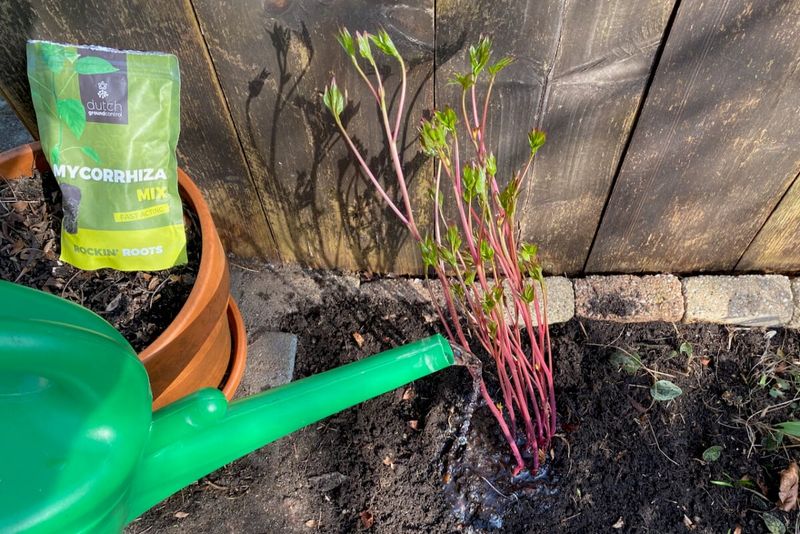
Peonies are not drought lovers, but they are also not fans of wet leaves and soggy buds sitting in cool spring air.
A lot of gardeners reach for the hose and spray the whole plant from above, which feels efficient but can leave moisture clinging to foliage and developing buds for hours, especially on cloudy Ohio spring days when evaporation is slow.
Watering at the soil line changes that equation completely. A soaker hose laid around the base of the plant, or a watering wand directed low toward the ground, delivers moisture to the root zone without splashing water onto leaves or buds.
Water in the morning when possible so any accidental splashing has time to dry before cooler evening temperatures arrive.
During a wet spring, peonies in well-drained Ohio garden beds may need very little supplemental watering at all. Check the soil a few inches down before watering.
If it feels moist, hold off. Sandy soils in some parts of Ohio drain quickly and may need more frequent attention, while heavy clay soils common in many central and northern Ohio yards can stay wet for days after a rain.
Overwatering in clay soil is a real risk and can contribute to crown rot. Matching your watering habits to your actual soil type is one of the most practical things you can do for your peonies this spring.
5. Feed Peonies Before Buds Start Swelling
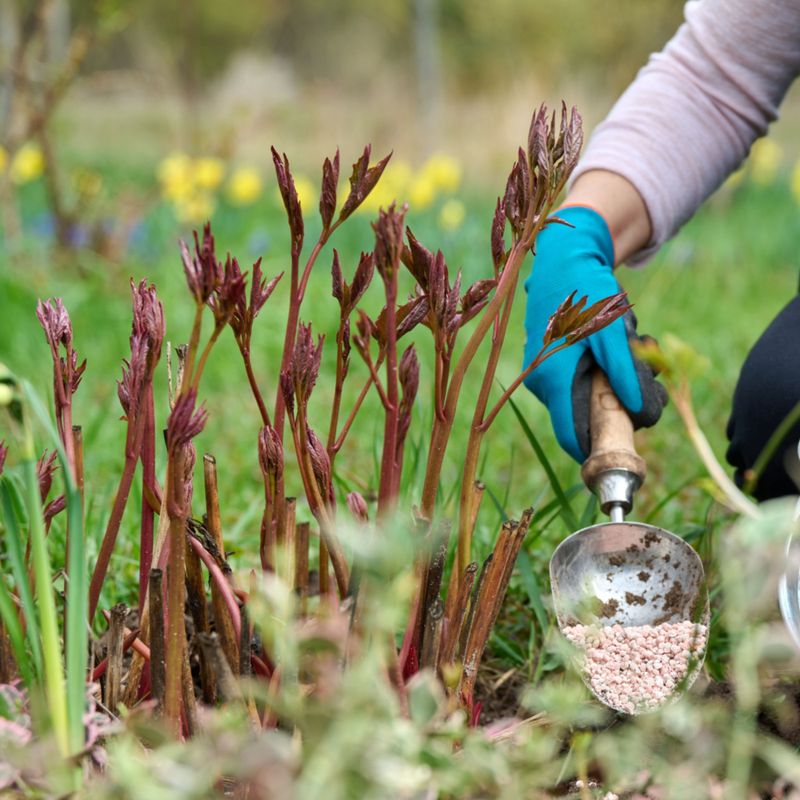
Peonies are not heavy feeders, and that surprises a lot of new gardeners who assume bigger blooms require bigger doses of fertilizer. Pouring on too much nitrogen in spring is actually one of the more common mistakes made with peonies.
Excess nitrogen pushes the plant toward lush, leafy growth instead of the flower buds you are actually waiting for.
Light feeding in early spring, before buds begin to swell noticeably, can support healthy growth without tipping the balance toward excessive foliage.
A balanced granular fertilizer, something with roughly equal nitrogen, phosphorus, and potassium numbers, applied according to package directions is a reasonable starting point.
Compost worked lightly into the soil around the plant is another good option that feeds slowly and improves soil structure at the same time.
The best approach is to get a soil test done through Ohio State University Extension before adding anything. Soil tests through OSU Extension are affordable and tell you exactly what your soil needs, which prevents the guesswork that leads to over-fertilizing.
Whatever you use, keep it away from the crown of the plant. Fertilizer piled directly against the base can irritate or damage the tender tissue there.
Scatter it in a ring a few inches out from the stems and water it in gently. Feeding done thoughtfully in early spring gives the plant steady support right when it needs it most.
6. Set Supports Before Heavy Blooms Flop
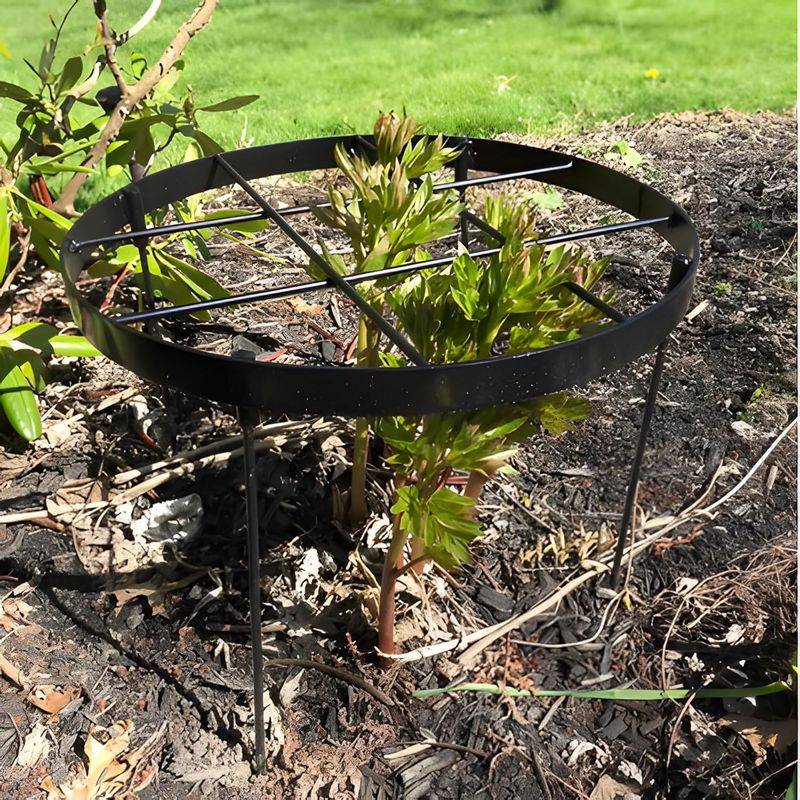
Anyone who has watched a gorgeous double peony bloom snap its stem to the ground after a spring rainstorm knows exactly why supports matter. The big, full flowers that make peonies so beloved are also what makes the plants so prone to flopping.
A stem that looked sturdy on a dry Tuesday can be face-down in the mud by Wednesday morning after a heavy rain.
The trick is getting supports in place early, while stems are still short and easy to work around. Grow-through rings, wire hoops, or simple cage supports work well.
Slide them over the emerging clump when shoots are only six to ten inches tall and let the plant grow up through the support naturally.
By the time blooms open, the ring is hidden inside the foliage and the stems have something to lean against without looking staked or artificial.
Garden centers across Ohio typically stock peony rings in March and April, and they sell out quickly, so grabbing them early in the season is a smart move. Bamboo stakes and soft garden twine can also work in a pinch.
Avoid wire or ties that cut into stems. Some Ohio gardeners use tomato cages creatively, especially for larger, bushier clumps.
Whatever support style you choose, the goal is the same: give those beautiful, rain-heavy blooms a structure to rest against so they stay upright and visible all through the bloom window.
7. Check Planting Depth If Blooms Stay Sparse
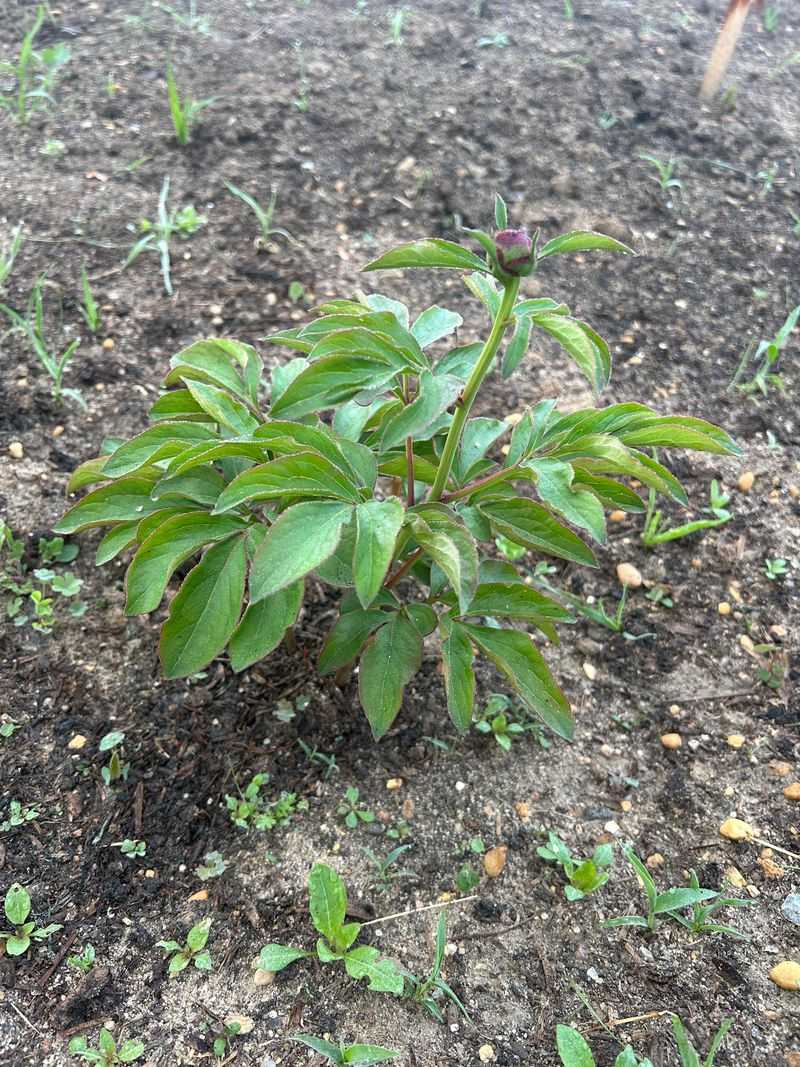
A peony that leafs out beautifully every spring but produces almost no flowers is one of the most frustrating garden puzzles. Plenty of things can cause sparse blooming, but planting depth is one of the most overlooked.
Herbaceous peonies planted too deeply simply do not bloom reliably, and many gardeners never connect the planting depth to the problem.
The general guideline from horticulture sources, including Ohio State University Extension, is that the eyes of a herbaceous peony should sit no more than one to two inches below the soil surface.
In Ohio’s climate, eyes planted at the right depth get the necessary temperature exposure to trigger good flowering.
Deeper planting may produce plenty of foliage but frustratingly few buds year after year.
Spring is not the ideal time to dig up and reset a peony. Moving roots during active growth risks stressing the plant significantly and may reduce blooming for another season or two.
Instead, mark the plant clearly now, note the approximate location of the crown, and plan to check and adjust depth in September or October during dormancy when the work causes the least disruption.
If the plant is otherwise healthy and growing vigorously, patience and a fall correction can turn a non-blooming peony into a productive one within a season or two.
Other factors like too much shade or overcrowding can also reduce blooms, so assess the whole situation before assuming depth is the only culprit.
8. Deadhead Spent Flowers To Keep Plants Tidy
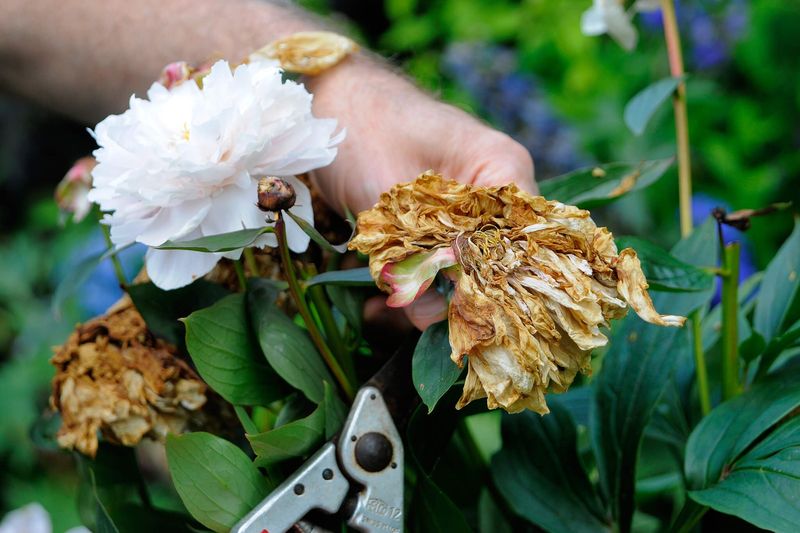
Once a peony bloom fades, it starts to look a little sad pretty quickly. The petals drop, the remaining flower head turns brown, and if left in place, the plant begins putting energy into forming seed pods rather than storing reserves for next year.
Deadheading, simply removing those spent flowers, keeps the plant looking clean and redirects that energy more usefully.
Cut the faded flower head back to the first set of healthy leaves below the bloom. You do not need to take off long sections of stem.
A clean cut just below the spent flower is enough. Do the job with clean, sharp pruners to avoid tearing the stem, which can invite disease into the wound.
One thing worth knowing: deadheading does not trigger a second round of peony blooms. Peonies bloom once per season, and no amount of deadheading changes that.
What it does do is keep the plant looking intentional and well-maintained through the rest of the summer, and it prevents the untidy look of brown, decaying flower heads sitting on top of otherwise healthy foliage.
After deadheading, leave all the green leaves on the plant through the summer and into fall.
That foliage is working hard to photosynthesize and build up the energy reserves the roots need for next spring’s growth. Cutting leaves back early is one of the most common mistakes Ohio gardeners make after bloom season ends.