10 Perennial Flowers In Oregon That Easily Outcompete Weeds
Keeping weeds in check can feel like a full-time job, especially once spring gets going in Oregon. You clear a bed, turn around, and somehow they’re already creeping back in.
It’s frustrating, and it wears down even the most patient gardener over time. That’s why more people are starting to rethink how they plant in the first place.
Instead of leaving open space for weeds to take over, the focus shifts to filling those gaps with perennials that grow thick, spread steadily, and hold their ground.
The right plants can do a surprising amount of the work for you, cutting back on constant pulling and keeping beds looking full longer. Some stand out more than others for how well they handle Oregon’s conditions.
1. Creeping Thyme That Smothers Bare Soil Fast
Walk barefoot across a patch of creeping thyme and you will understand immediately why Oregon gardeners love it so much. Every step releases a warm, herby fragrance that makes the whole garden feel alive.
It is one of those plants that rewards you just for being near it.
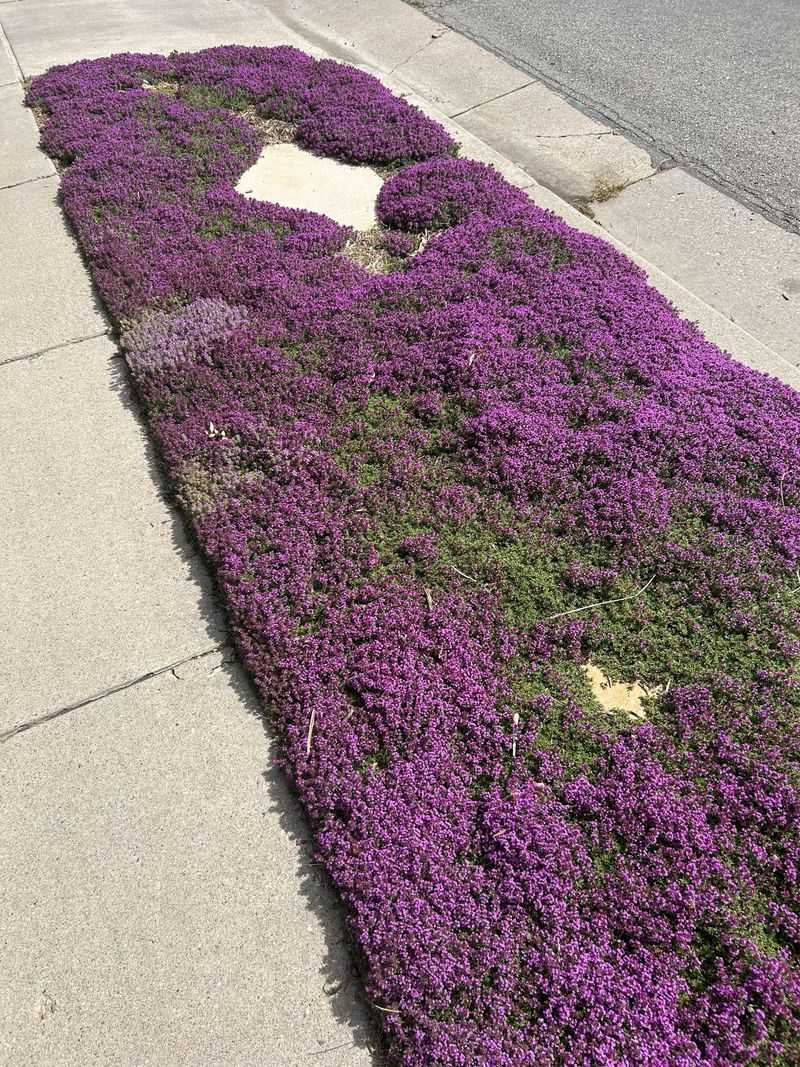
Creeping thyme grows low to the ground, forming a dense, spreading mat that smothers weeds before they even get a chance to sprout. It fills in gaps between pavers, along garden edges, and across rocky slopes with ease.
In Oregon’s well-drained soils, it spreads steadily without becoming aggressive in most garden settings.
Come late spring and early summer, the plant bursts into tiny pink or purple flowers that attract bees and other pollinators by the dozens. Even after the blooms fade, the thick foliage continues doing its job as a weed barrier.
It handles dry summers well once it is established, making it a low-maintenance choice. Gardeners in Oregon often use it as a lawn alternative in sunny spots where grass struggles to compete with weeds.
2. Creeping Phlox Blanketing The Ground In Spring Colo
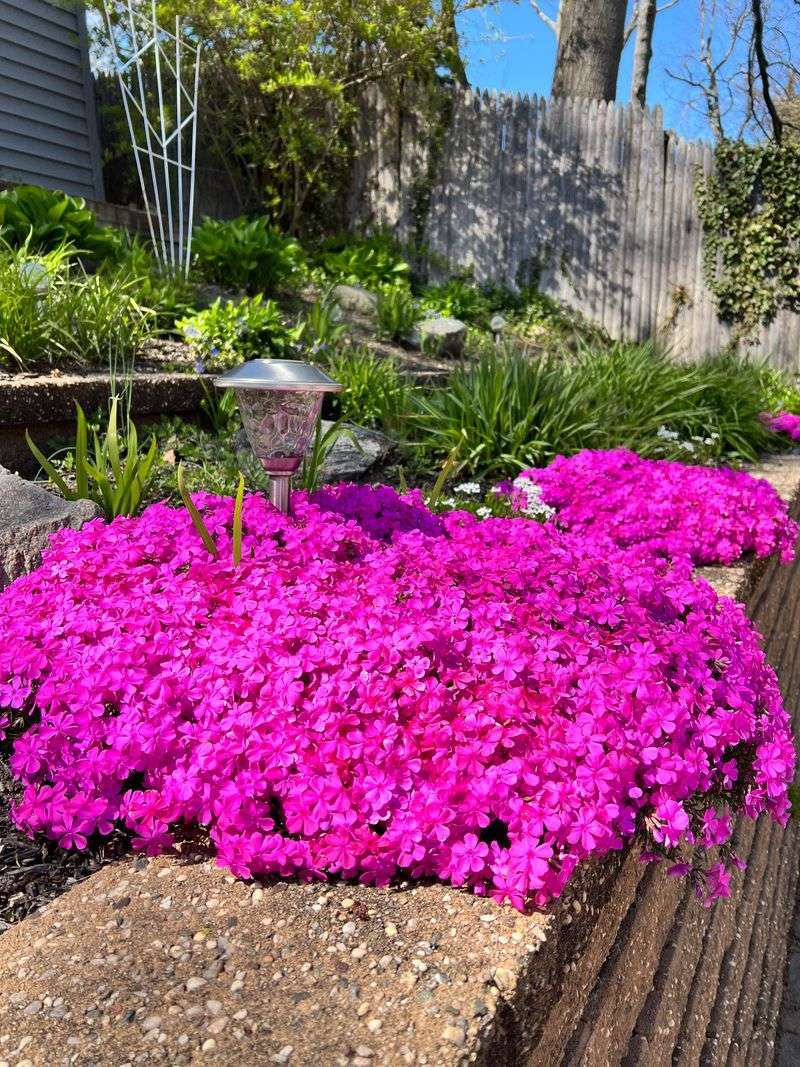
Few sights in an Oregon spring garden are as jaw-dropping as a hillside covered in blooming creeping phlox. The flowers come in shades of pink, purple, white, and lavender, creating a carpet of color so thick it barely looks real.
It is the kind of plant that stops neighbors in their tracks.
Beyond its good looks, creeping phlox is a serious weed fighter. It forms a tight mat of needle-like foliage that hugs the ground and leaves almost no room for weeds to squeeze through.
Once established, it spreads reliably year after year without needing much help from you.
Creeping phlox thrives in full sun and does particularly well on slopes, rock gardens, and along garden borders where weed pressure tends to be highest. Oregon’s climate suits it well, especially in areas with decent drainage.
Plant it in early fall or spring and give it a little water to get started. After its first season, it becomes remarkably self-sufficient.
Trim it lightly after it blooms to keep the mat dense and tidy, and it will reward you with even better coverage the following year.
3. Soapwort Spreading Fast And Filling Every Gap
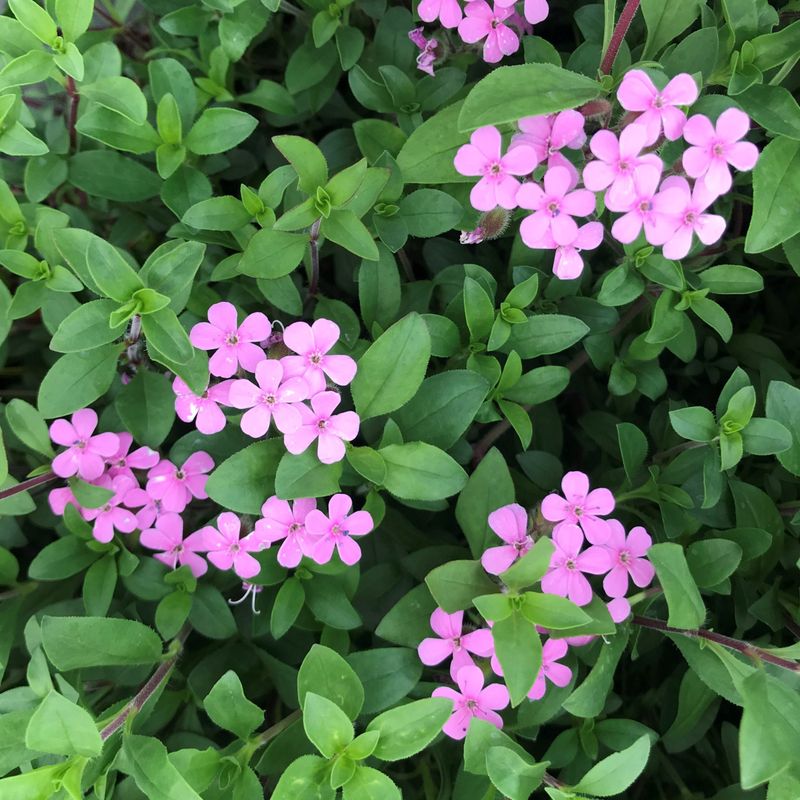
Soapwort has a quirky history that makes it even more fun to grow. For centuries, people used the sap from its leaves to make a gentle, natural soap, which is exactly how it got its unusual name.
Today, Oregon gardeners grow it for something equally practical: its ability to crowd out weeds like a champion.
The plant sends out spreading stems that cover ground quickly, forming a loose but effective mat that shades out competing plants. Its cheerful pink flowers bloom from late spring through summer, adding a cottage-garden charm to borders, slopes, and sunny beds.
It handles a range of soil types without complaint, which makes it a reliable performer across different parts of Oregon.
Soapwort does best in full sun to partial shade and appreciates well-drained soil. It can spread enthusiastically, so planting it where you want good coverage works in your favor.
Cut it back after the first flush of blooms and it will often flower again later in the season. For gardeners who want a plant that looks pretty, works hard, and comes with an interesting backstory, soapwort checks every single box on the list.
4. Sedum Or Stonecrop Thriving In Tough, Dry Corners
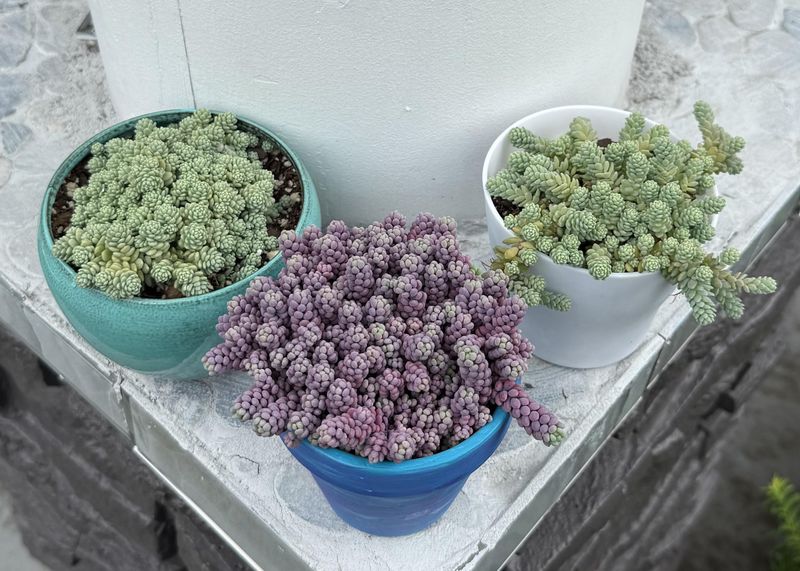
Tough as its name suggests, stonecrop is the plant that thrives where others give up. Rocky soil, full blazing sun, and dry summer conditions that would stress most plants?
Sedum handles all of it without missing a beat. Oregon gardeners who deal with challenging spots in their yard often turn to this plant first.
Sedum spreads through thick, fleshy stems and leaves that form a dense, weed-choking layer over the soil. Because its foliage is so compact and low-growing, it leaves almost no space for weed seeds to find light and germinate.
It is a slow but steady spreader that builds coverage year after year.
There are dozens of sedum varieties suited to Oregon gardens, ranging from ground-hugging types just a few inches tall to upright varieties that grow knee-high and produce showy flower clusters in late summer. The colors range from golden yellow and soft pink to deep burgundy red.
Pollinators absolutely love the blooms, especially as the season winds down and other flowers become scarce. Plant sedum in a sunny, well-drained spot and you will have a reliable, low-fuss weed suppressor that looks great all year long.
5. Speedwell Creeping Low And Pushing Out Invaders
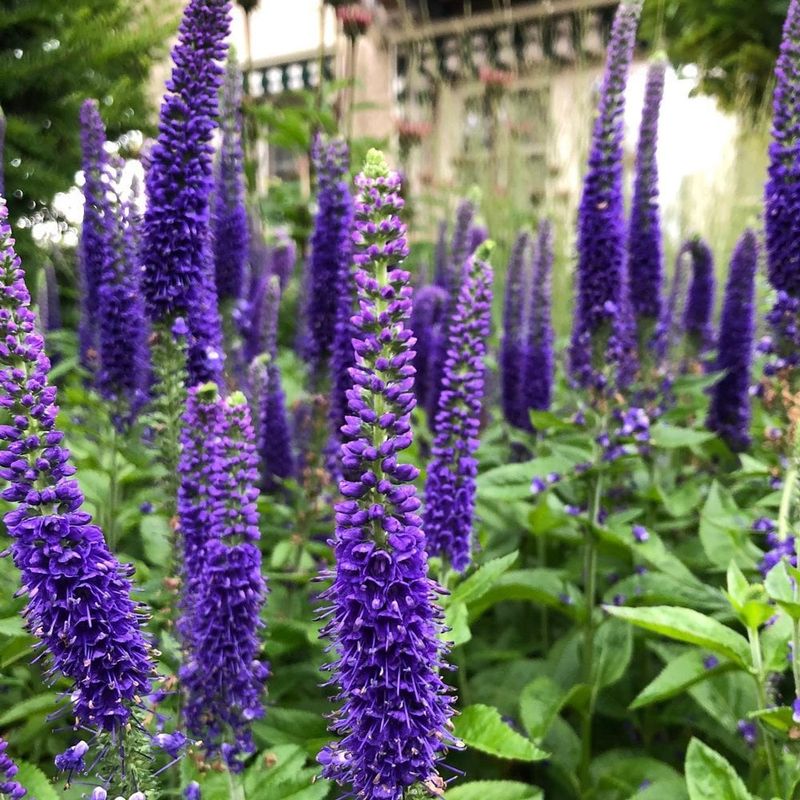
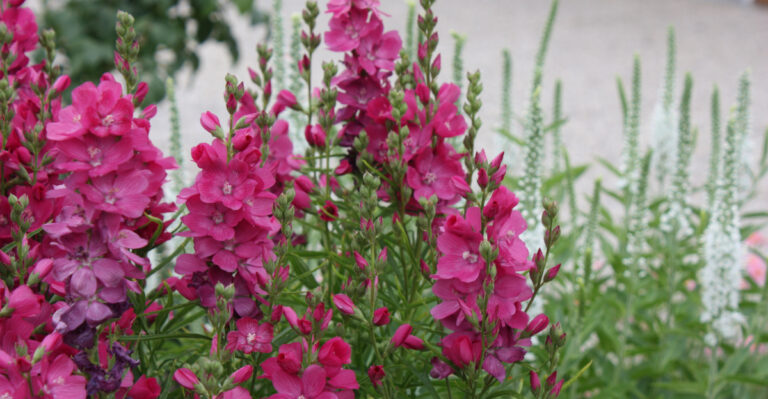
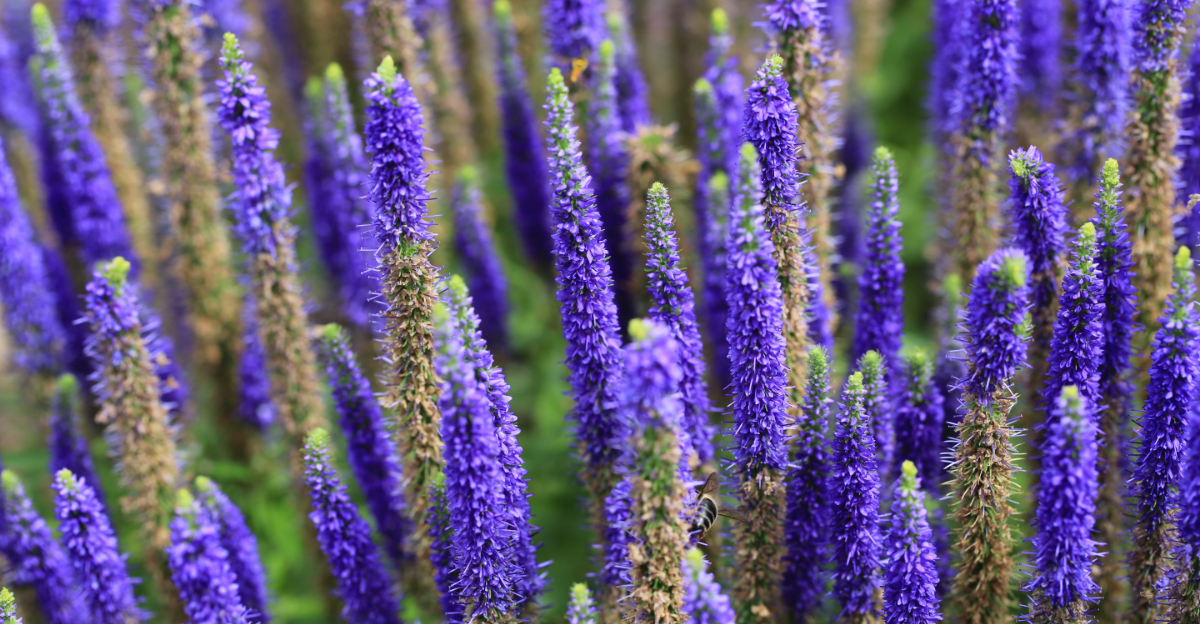
Might not be the most famous flower on the list, but speedwell quickly wins over Oregon gardeners who try it. Its slender spikes of tiny blue, purple, or pink flowers rise above a spreading mat of foliage that gets thicker and more effective at blocking weeds with every passing season.
One of the things that makes speedwell so useful is how adaptable it is. It grows well in full sun or partial shade, handles Oregon’s wet winters without rotting, and bounces back reliably every spring.
The spreading varieties are especially good at covering bare ground quickly, which is exactly what you want when you are trying to outpace weeds.
Speedwell blooms from late spring into early summer, giving the garden a cool-toned burst of color right when it is most needed. After blooming, the foliage stays dense and attractive through the rest of the growing season.
It pairs beautifully with other low-growing perennials in mixed borders and works well along pathways and garden edges. For anyone in Oregon looking for a dependable, pretty, and genuinely useful weed competitor, speedwell deserves a spot in the garden plan.
6. Sulphur Buckwheat Built For Harsh, Weed-Prone Spots
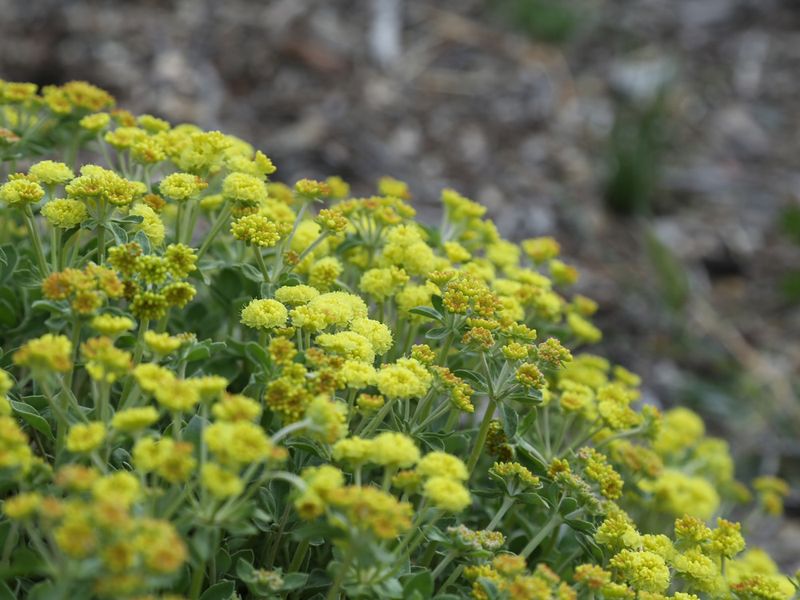
Native to the western United States, sulphur buckwheat feels right at home in Oregon’s drier regions. It is the kind of wildflower that looks like it was born to grow on rocky hillsides and sunny slopes, which is exactly where it performs best.
The cheerful yellow flower clusters bloom in late spring and early summer, giving the garden a warm, golden glow.
What makes sulphur buckwheat such a great weed fighter is its dense, mounding growth habit and its thick mat of basal leaves that shade the soil below. Weed seeds have a very hard time finding the light and moisture they need to sprout when this plant is doing its job.
Once established, it is extremely drought-tolerant and rarely needs any extra water during Oregon’s dry summers.
Sulphur buckwheat thrives in poor, well-drained soils where many other plants struggle, making it ideal for spots that would otherwise be overrun with weeds. It does not like heavy clay or consistently wet conditions, so choose your planting location carefully.
Bees and butterflies are strongly attracted to the blooms, adding extra wildlife value to your garden. For a tough, native, no-fuss weed suppressor, this one is hard to beat.
7. Evening Primrose Reseeding Freely Across Open Soil
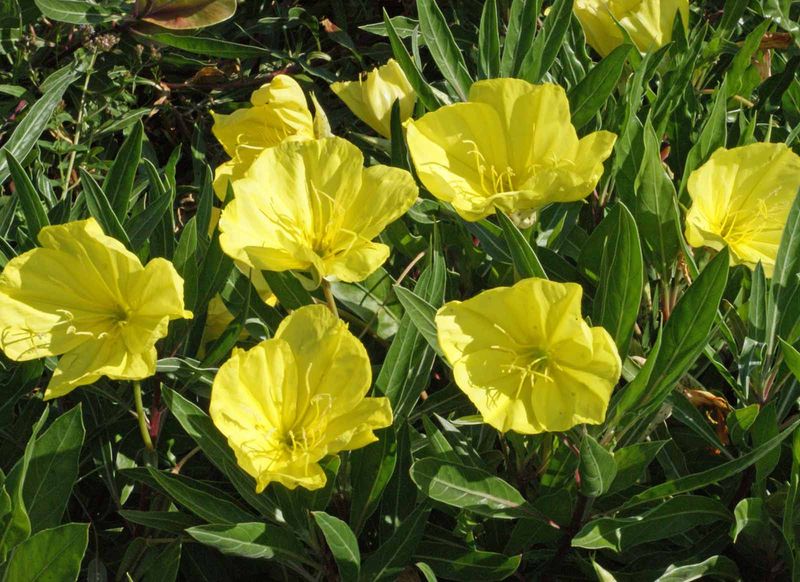
There is something almost magical about watching evening primrose open its flowers as the afternoon light fades. The blooms unfurl quickly, almost as if they are in a hurry to greet the evening, and their bright yellow petals glow warmly in the low light.
It is one of those garden moments that makes you stop and pay attention.
Beyond its dramatic blooming habit, evening primrose is a powerhouse when it comes to covering ground and pushing weeds aside. It spreads through self-seeding and can form colonies over time, filling in bare patches of soil effectively.
In Oregon’s mild climate, it naturalizes readily and comes back stronger each year.
Evening primrose does best in full sun and tolerates a wide range of soil types, including poor, dry soils that other flowering plants tend to avoid. That flexibility is part of what makes it so useful in the garden.
Deadhead the spent flowers if you want to control where it spreads, or let it go to seed freely for maximum ground coverage. Either way, you end up with a bold, cheerful plant that earns its keep by keeping weeds at bay across Oregon gardens of all sizes.
8. Jacob’s Ladder Filling Beds With Lush Early Growth
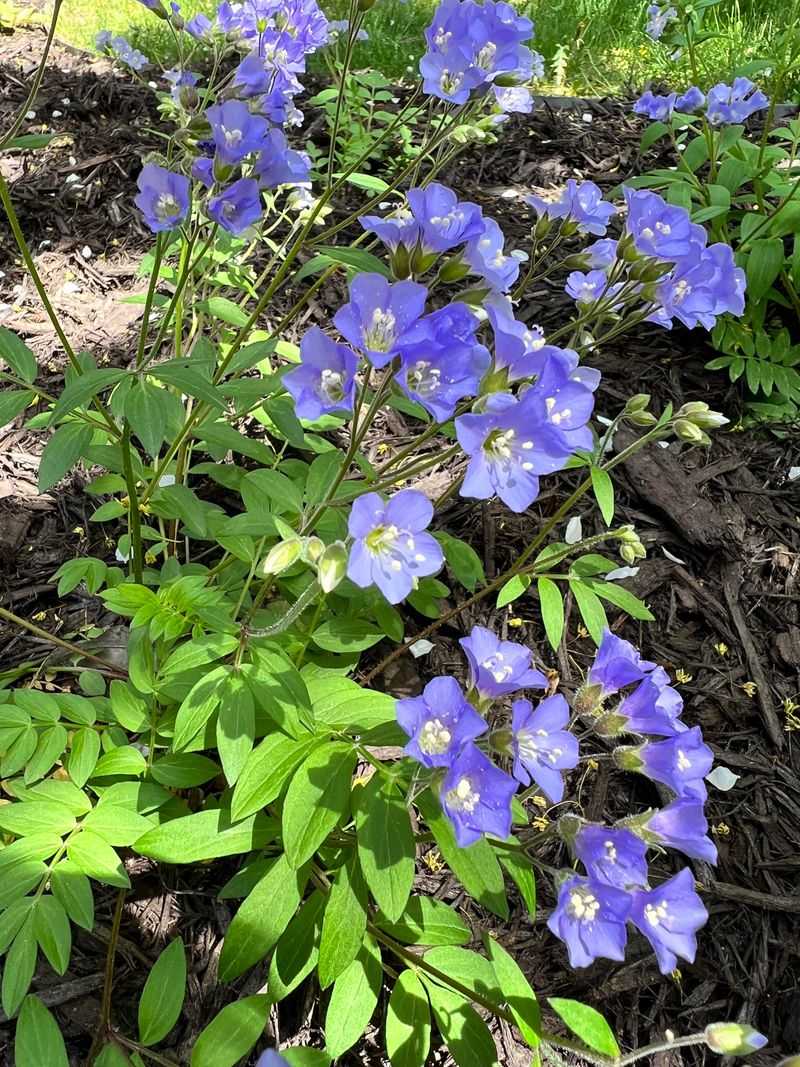
Shade gardeners in Oregon often struggle to find plants that both look beautiful and actively keep weeds down. Jacob’s ladder solves that problem in style.
Its finely divided, fern-like leaves form an elegant mound of foliage that shades the soil beneath it, and when it blooms in spring, the clusters of blue-purple flowers are genuinely stunning.
The plant grows in a tidy, clumping habit that fills its space well without becoming aggressive or spreading out of control. Over time, established clumps get larger and more effective at shading out weeds, making it a plant that actually gets better at its job as the years go by.
It is a reliable performer in Oregon’s shaded and partly shaded garden spots.
Jacob’s ladder prefers moist, well-drained soil rich in organic matter, which suits many Oregon garden conditions perfectly. It does best away from harsh afternoon sun, making it ideal under deciduous trees or along the north side of buildings where few other flowering perennials thrive.
Water it regularly during dry spells, especially in its first season, and it will reward you with lush, weed-suppressing growth and beautiful spring blooms for many years to come.
9. Yellow Ice Plant Creating Thick, Sun-Loving Mats
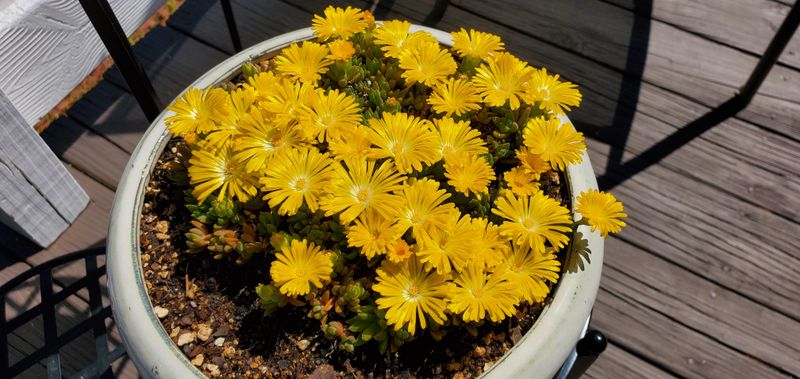
Bright, bold, and almost impossibly cheerful, yellow ice plant is one of the most eye-catching ground covers you can grow in an Oregon garden. The daisy-like flowers glow in shades of golden yellow, and the thick, succulent foliage has a glittery, jewel-like texture that catches the light beautifully.
It looks like something out of a tropical garden, but it is surprisingly tough.
Yellow ice plant spreads quickly along the ground, sending out trailing stems that root as they go and form a dense, water-retaining mat. That thick mat is excellent at blocking weed growth, since it covers the soil so completely that very little light reaches the surface below.
It works especially well on sunny slopes and along garden edges where erosion and weeds tend to be ongoing problems.
Along Oregon’s coast and in warmer inland valleys, yellow ice plant thrives in full sun and well-drained soil. It handles drought well once established and rarely needs fertilizing.
The blooms typically appear in spring and early summer, though in milder Oregon climates some plants will flower on and off throughout the year. If you want a ground cover that multitasks as a weed suppressor, an erosion controller, and a showstopper all at once, this one delivers on every front.
10. Yarrow Spreading Strong And Holding Territory
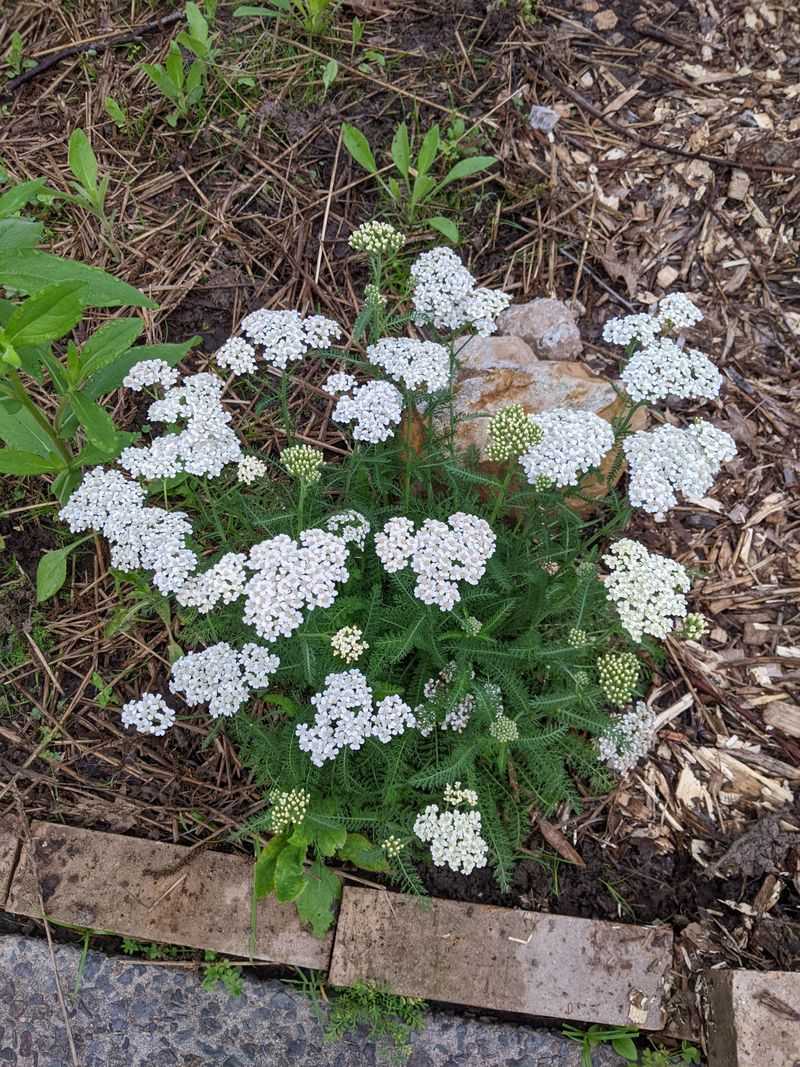
Yarrow has been growing in gardens and wild meadows for thousands of years, and there is a very good reason it has stuck around so long: it is nearly impossible to stop. In Oregon, that resilience works entirely in your favor.
Plant it once and it will come back year after year, spreading steadily and pushing weeds further out of the picture each season.
The plant produces flat-topped flower clusters in shades of white, yellow, pink, and red that bloom from early summer well into fall. Those long-lasting blooms attract butterflies, bees, and beneficial insects that help keep the whole garden ecosystem healthier.
Below ground, yarrow develops a dense, fibrous root system that competes aggressively with weed roots for water and nutrients.
Yarrow grows well in full sun and tolerates poor, dry soil with ease, which makes it a fantastic choice for Oregon’s drier eastern regions as well as the sunnier spots in the wetter western valleys. It does not need much water once it is established and rarely requires fertilizer.
Divide the clumps every few years to keep the plants vigorous and to expand your weed-fighting coverage across more of the garden bed. Few perennials offer this much value for so little effort.