15 Perennial Flowers That Keep Your Garden Blooming From Spring To Fall
There’s something about pulling on your gardening gloves in the early morning and noticing the first blooms of the season. Maybe it’s the smell of fresh soil or the quiet moment before the day really starts.
For many of us, tending a garden has become a small ritual – a way to connect with nature while juggling the routines of family, work, and home life.
Perennial flowers are the kind of plants that make those mornings even sweeter. They come back year after year, filling beds and borders with color without needing a complete replant each season.
From spring’s first blossoms to the warm hues of fall, the right selections can keep your garden lively for months.
If you’ve ever wished for a garden that doesn’t lose its charm after the first bloom, the flowers we’ve picked next will show exactly how to stretch that beauty across the whole growing season.
1. Daylily Lighting Up Your Summer Beds
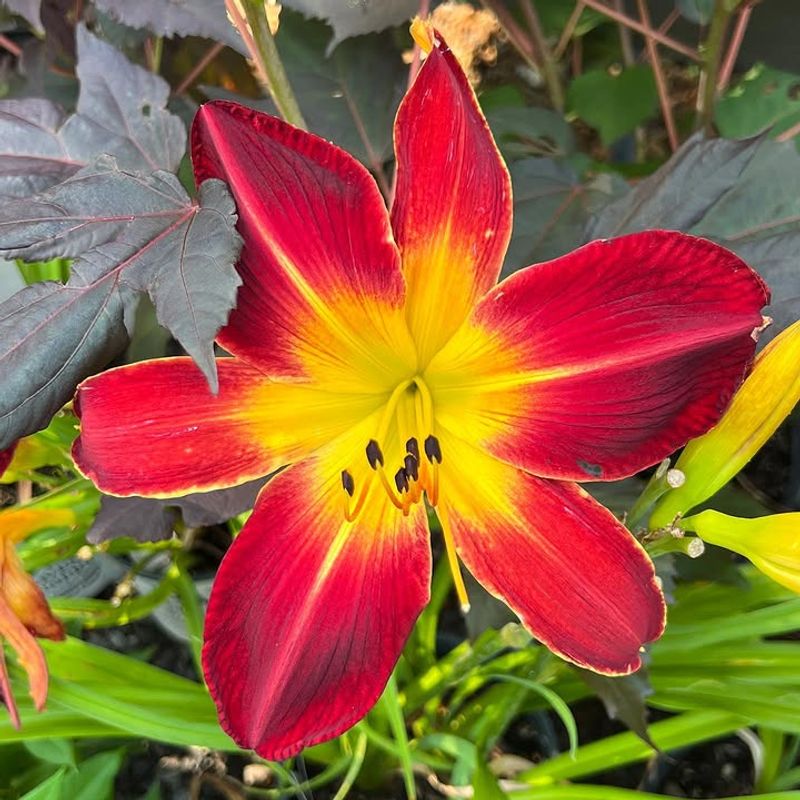
Morning sunlight catching the curves of brightly colored blooms always feels like a little celebration in the garden. Hardy and versatile, daylilies adapt to a wide range of soil types, making them ideal for Ohio beds that see varying conditions.
Their vibrant oranges, yellows, and reds create a natural highlight that draws the eye across borders and beds alike. Full sun is their best friend, though they tolerate partial shade, and with minimal maintenance, they can thrive for years without constant fuss.
Cutting spent flowers encourages new blooms and keeps the beds looking lively throughout the summer months. Layering daylilies with other mid-height perennials or ornamental grasses adds texture and visual interest, letting the color pop even more.
Pollinators like bees and butterflies are frequent visitors, helping both the garden’s ecosystem and the vitality of surrounding plants. With careful spacing and occasional watering during dry spells, these summer bursts of color provide consistent energy and beauty without requiring a lot of extra work.
2. Coneflower Drawing Butterflies And Bees
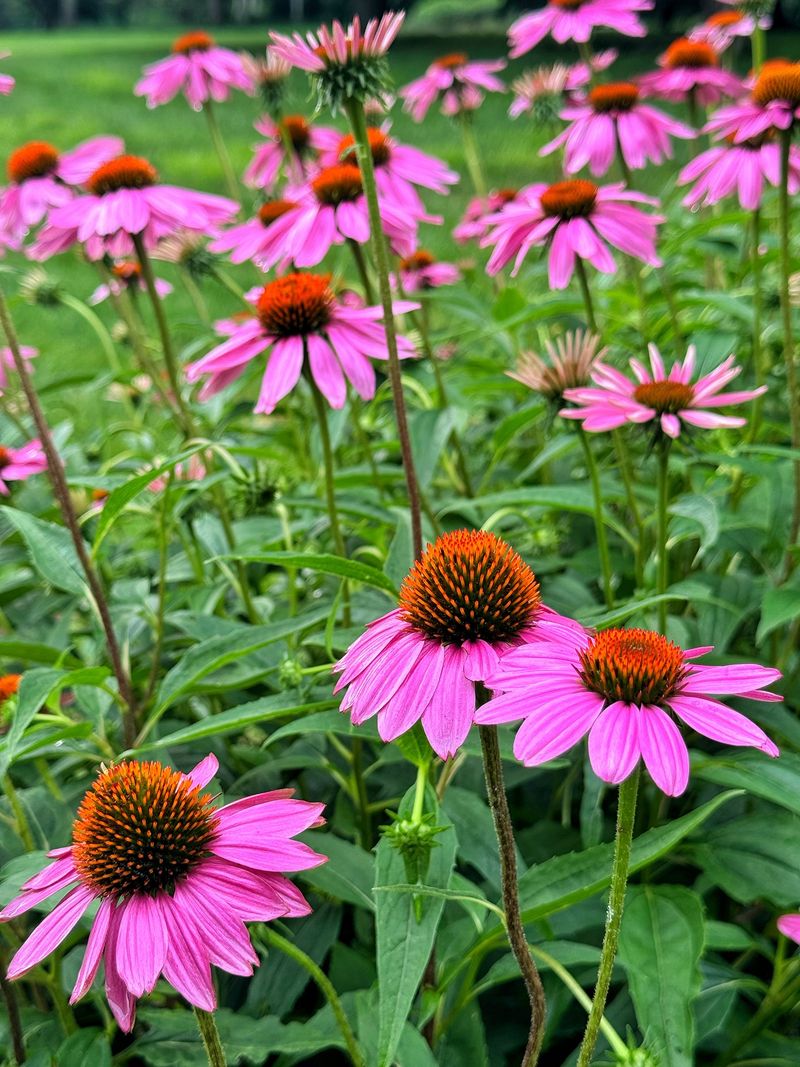
Standing tall against wind and sun, these resilient blooms create a natural magnet for pollinators throughout the summer. Their sturdy stems and daisy-like purple petals provide a reliable food source for bees, butterflies, and other beneficial insects, supporting local ecosystems in your yard.
Grouped together, coneflowers create a bold visual statement, their colors popping against green foliage and garden borders. Even in challenging soil conditions, they grow steadily, rewarding gardeners with months of vibrant display.
The prominent seed heads that follow flowering attract birds, adding yet another layer of life to the garden. Their adaptability makes them excellent for both formal borders and casual wildflower-style plantings.
Regular deadheading encourages prolonged bloom, while leaving a few seed heads intact can support wildlife through late summer. Pairing these blooms with shorter companion perennials or grasses enhances texture and height variation, creating a balanced and inviting garden space that’s both aesthetically pleasing and ecologically beneficial.
3. Black-Eyed Susan Smiling Through Sunshine
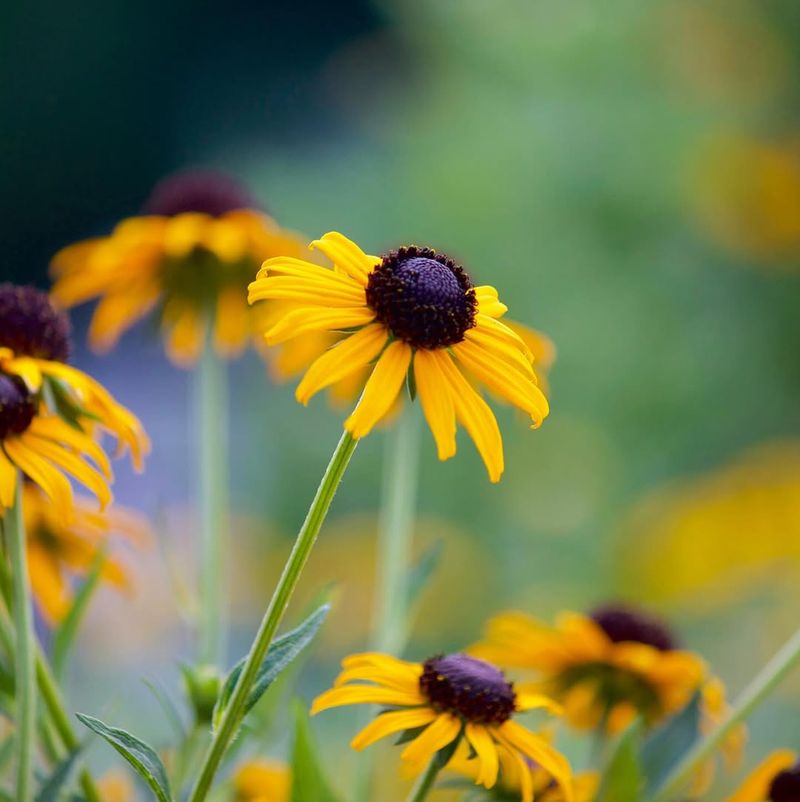
Bright golden petals with dark centers seem to lift the mood in any garden, providing cheerful spots of color that persist through heat and sun. Their low-maintenance nature makes them perfect for gardeners seeking reliable blooms with minimal fuss.
Thriving in full sun and well-drained soil, these plants tolerate hot summer days while still producing eye-catching flowers. Clustered in borders or dotted among taller perennials, black-eyed susans offer dynamic visual contrast and draw pollinators like bees and butterflies.
Their longevity ensures that garden beds remain lively long after other early-season flowers fade. By spacing plants properly, gardeners can encourage healthy growth and prevent overcrowding.
Seed collection in late summer allows for natural reseeding and ensures blooms return in following seasons. The combination of resilience, vibrant color, and ecological benefits makes them a dependable choice for maintaining cheerful, continuous interest in the garden from mid-summer onward.
4. Peony Showing Off Lush Blooms
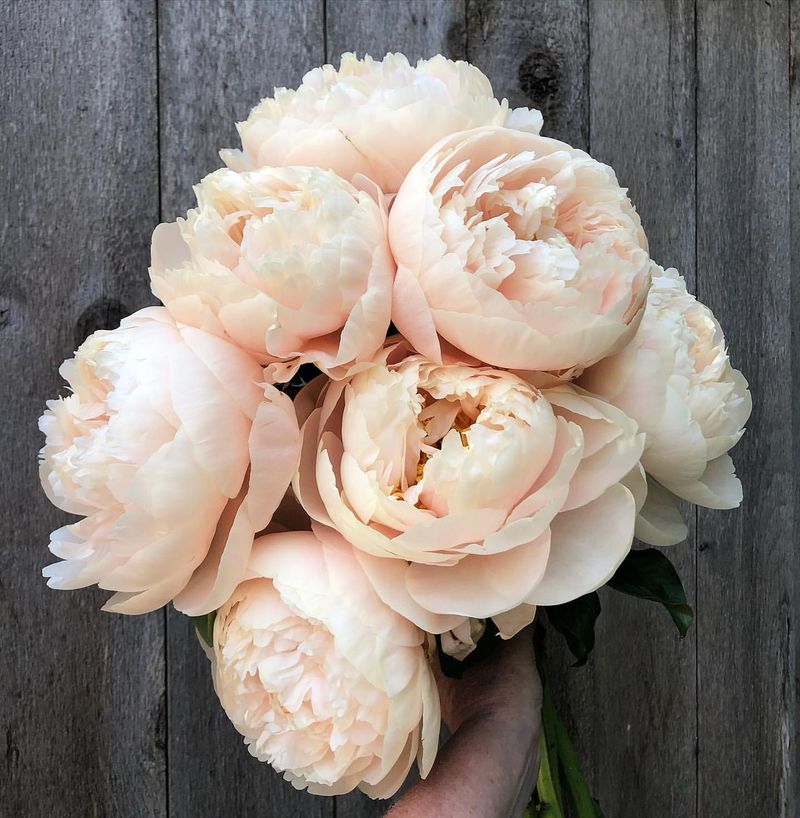
Nothing says elegance quite like fully opened blooms that feel almost too big to be real. Layers of soft petals create a luxurious display that immediately draws attention and invites lingering admiration.
Peonies perform best in full sun with well-drained soil, and though they are dramatic in appearance, they require only moderate care once established. Early spring brings the promise of buds, and over the course of a few weeks, the garden transforms with waves of color and subtle fragrance.
Cutting spent blooms encourages tidy growth and allows the plants to conserve energy for next season. Their presence pairs beautifully with shorter ground covers or companion perennials that can highlight the peony’s size and texture.
Pollinators like bees are attracted to the flowers, adding life and movement to the garden during bloom time. With patience and the right location, these lush blossoms become a centerpiece, creating a timeless, romantic atmosphere that carries the eye across the garden from spring into early summer.
5. Lavender Filling The Air With Fragrance
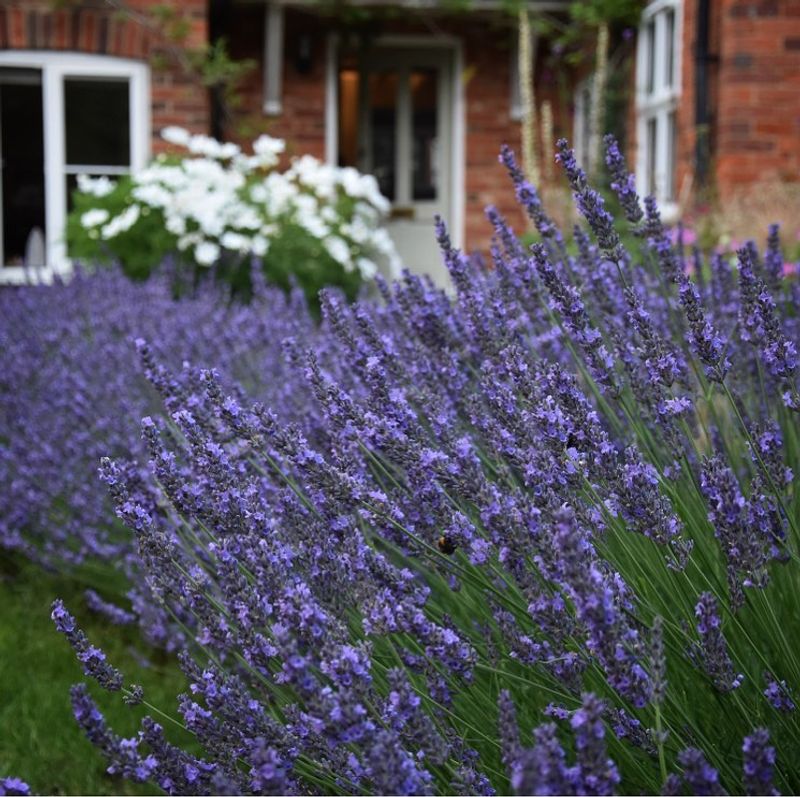
The gentle scent of these blooms drifts through the air, transforming even small garden corners into calming, fragrant retreats. Thriving in full sun and well-drained soil, they are surprisingly resilient once established and can tolerate periods of dry weather common in Ohio summers.
Their gray-green foliage adds a soft, muted texture that complements brighter blooms nearby, creating visual balance and subtle contrast. Every brush past the stems releases a soothing aroma, inviting pollinators like bees to visit frequently and supporting biodiversity in the garden.
Pruning after flowering maintains a tidy shape and encourages healthy growth for the following season. Lavender pairs well with stone paths, container plantings, and herb gardens, making it versatile for multiple garden designs.
Its long-lasting blooms and pleasant scent make it more than decorative; it creates an experience for both gardeners and visitors. Even a small grouping can instantly feel like a serene escape, turning ordinary beds into fragrant focal points that draw attention and delight throughout the growing season.
6. Shasta Daisy Waving White Petal Flags
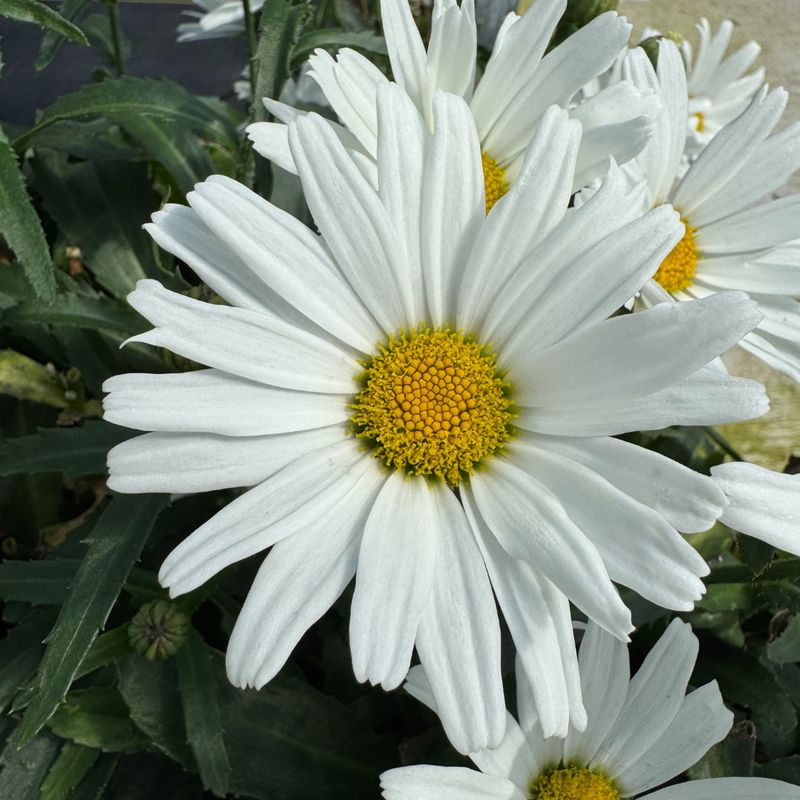
Bright white petals surrounding sunny yellow centers give the impression of endless summer days, cheerful and reliable in appearance. Thriving in full sun, these blooms tolerate a range of soils as long as drainage is good, making them easy to incorporate in many garden settings.
Their straightforward charm allows them to blend seamlessly with bolder perennials or stand out as a crisp contrast among colorful borders. Regular deadheading prolongs bloom and encourages more flowers to open throughout the season.
Pollinators, including bees and butterflies, frequently visit the blossoms, adding a layer of activity that complements the visual appeal. Their hardy stems withstand wind and rain, holding upright without support, which makes them low-maintenance and reliable.
Shasta Daisy blooms also reseed naturally when conditions are favorable, gradually expanding their presence in the garden. Their simplicity provides a classic anchor for garden design, giving eye-catching elegance without overcomplicating planting schemes.
These perennial favorites combine resilience, aesthetic appeal, and ecological benefit for an effortlessly vibrant display from mid-summer onward.
7. Bleeding Heart Hanging Graceful Hearts
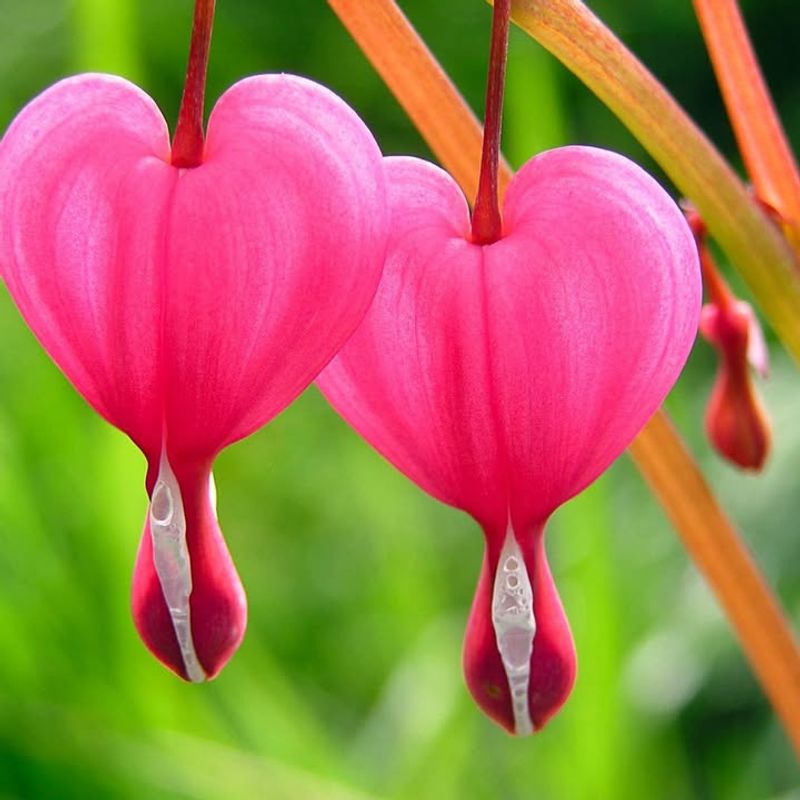
Delicate, pendulous blooms dangle gracefully from arching stems, adding a touch of elegance and intrigue to shaded garden areas. Preferring moist, rich soil and partial to full shade, these flowers thrive in cooler corners where sun-loving perennials struggle.
Their heart-shaped blossoms create an enchanting focal point and naturally attract pollinators such as bees and hummingbirds that seek out their nectar. The rhythmic sway of the stems in a gentle breeze adds movement and texture, making these blooms captivating from every angle.
Mulching around the base helps retain moisture and protects roots, ensuring healthy growth throughout the season. Grouped in clusters or paired with ferns and hostas, they contribute to a layered, visually rich garden environment.
As the season progresses, the leaves provide structure and greenery even after flowers fade, maintaining interest in shaded areas. These elegant plants bring a quiet sense of romance and charm, creating moments of surprise and delight for anyone wandering through the garden.
8. Astilbe Puffing Up Feathery Plumes
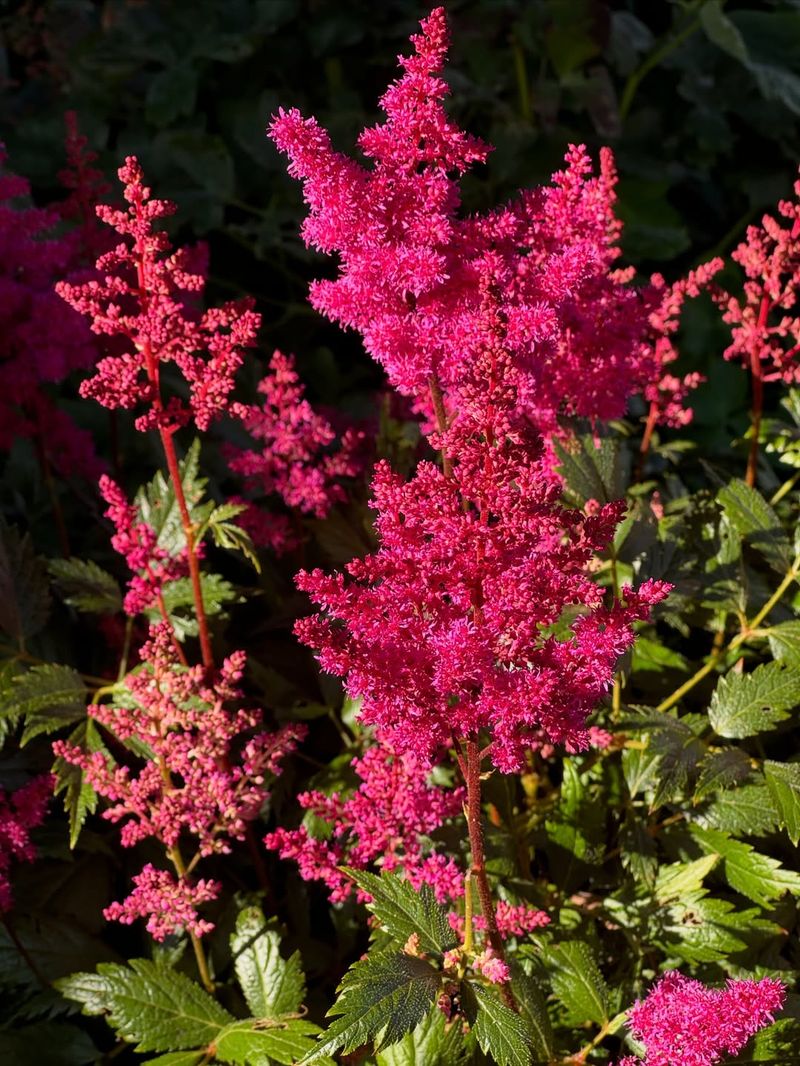
Shaded corners become vibrant retreats when feathery plumes rise above rich green foliage, transforming quiet spaces into colorful spectacles. Thriving in consistently moist, well-amended soil, these plants tolerate partial to full shade, making them perfect for under tree canopies or along north-facing borders.
Their plume-like flowers come in shades of pink, white, and purple, adding vertical interest and movement to spaces that otherwise might feel subdued. Pollinators are frequent visitors, attracted to the tiny clustered blossoms, which support local garden ecosystems.
Regular watering and occasional fertilization promote strong growth and prolonged bloom periods. Pairing astilbes with hostas, ferns, or other shade-loving perennials creates depth, texture, and contrast, enriching the visual complexity of the garden.
Their ability to thrive where sun-loving plants cannot makes them an indispensable choice for Ohio gardeners seeking continuous seasonal color. The graceful, airy flowers provide an elegant touch, uplifting shaded beds with both beauty and ecological benefit throughout summer months.
9. Coreopsis Splashing Sunshine In Your Garden
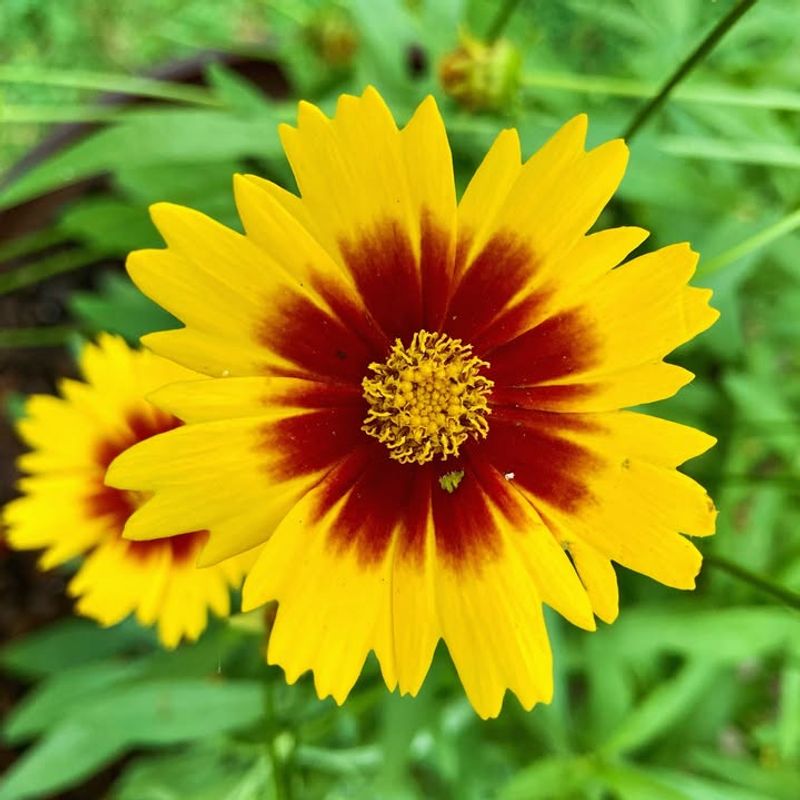
Yellow blooms that resemble tiny suns seem to lift the mood of any garden instantly. Thriving in full sun with well-drained soil, Coreopsis is remarkably low-maintenance and durable, handling Ohio summers with ease.
Their long-lasting blooms provide consistent color, brightening borders and beds without constant intervention. Grouping them in clusters amplifies their visual impact, creating a sense of energy and joy that draws the eye across the landscape.
Pollinators, including bees and butterflies, are frequent visitors, adding life and movement to the sunny display. Deadheading spent flowers encourages new blooms and helps maintain tidy, vibrant beds throughout the growing season.
Pairing these blooms with ornamental grasses or shorter perennials adds texture and contrast, enhancing both height and depth. Even in hot afternoons, the blossoms retain their color and vitality, providing a lively focal point.
With minimal fuss, this cheerful bloom brings warmth, energy, and continuous summer color to gardens, ensuring beds feel lively from early summer into fall.
10. Hellebore Greeting Early Spring Boldly
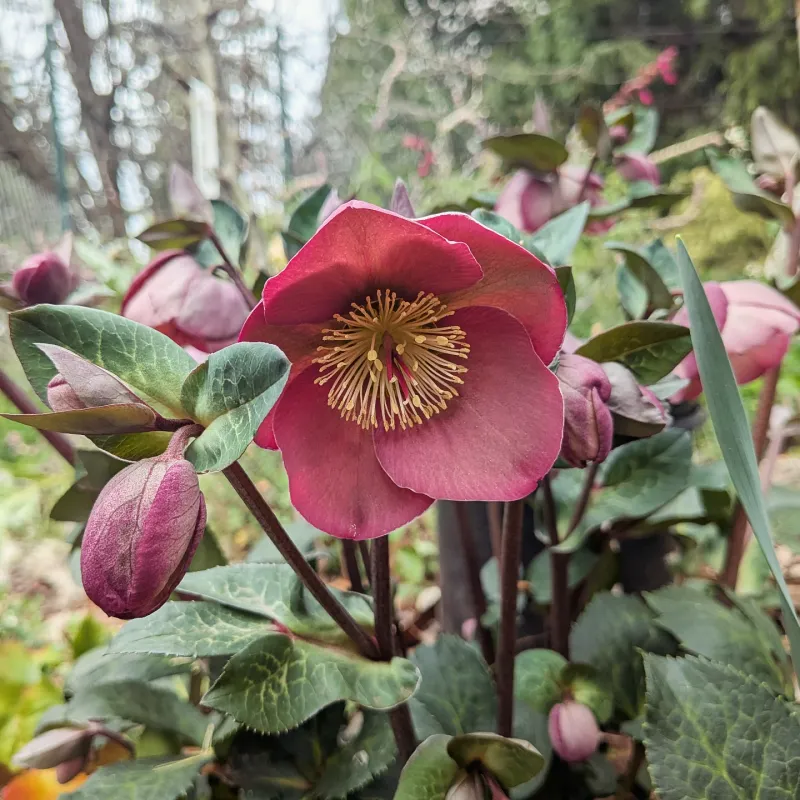
Delicate flowers that emerge even before the last frost signal the quiet arrival of spring. Thriving in shaded, woodland-like areas, hellebores are tolerant of cool temperatures and damp soil, making them excellent for early-season interest.
Their subtle, muted colors—ranging from creamy whites to deep purples – offer elegance when few other perennials are in bloom. Leaves remain evergreen in many varieties, providing structure and greenery even when surrounding plants are still dormant.
Pollinators may occasionally visit, though their main value lies in bringing early color and texture to shady beds. Planting near walkways or in small clusters ensures the blooms are appreciated up close, offering a gentle surprise for early gardeners.
Mulching and rich, organic soil help maintain consistent moisture, which these flowers appreciate. With their resilience and understated beauty, these early bloomers provide anticipation and continuity, marking the transition from winter to spring and offering a calm, restorative charm in woodland-inspired gardens.
11. Foxglove Shooting Tall Spires Of Color
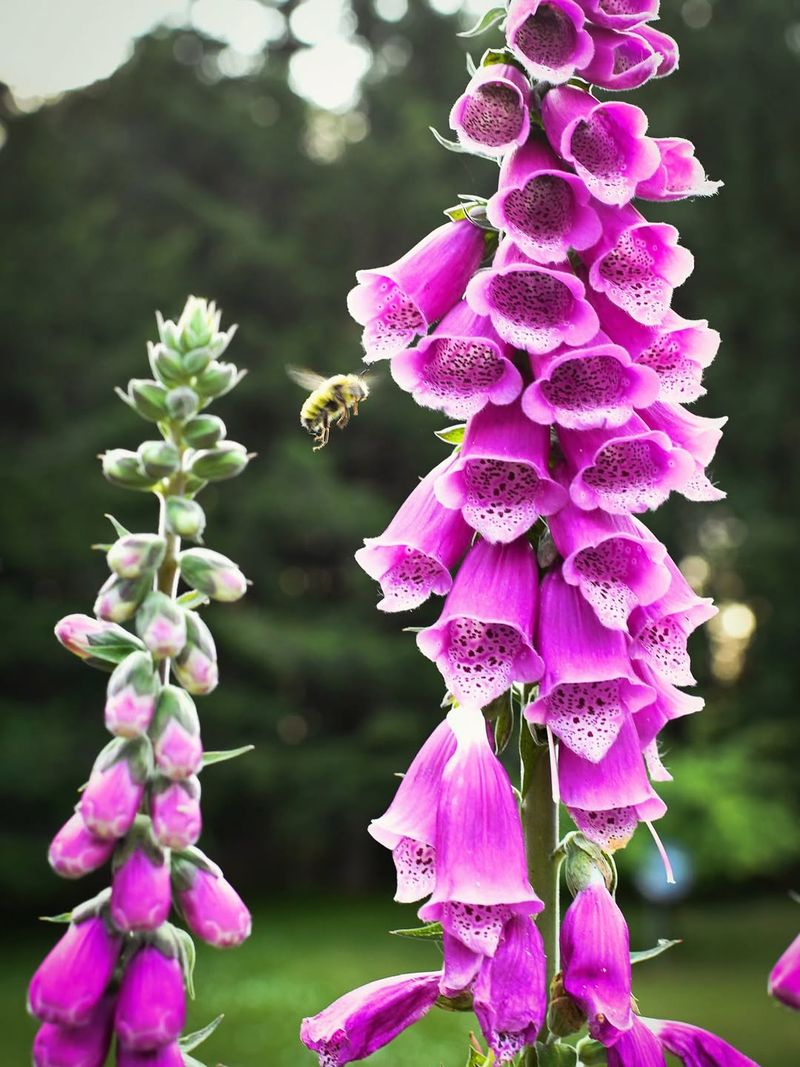
Tall, graceful spires rise from garden beds like whimsical towers, creating vertical drama in mid- to late-summer. Preferring partial shade and moist, well-drained soil, these flowers reward attention with clusters of tubular blooms that attract hummingbirds and bees.
Their height adds dimension to borders, complementing shorter perennials while drawing the eye upward, creating a layered, enchanting landscape. Each spike produces flowers sequentially, prolonging visual interest across several weeks.
Foxgloves are biennials or short-lived perennials, so planting in succession ensures continuous color year after year. Mulching around the base helps conserve moisture and maintain cool roots during summer heat.
When paired with ferns, hostas, or shade-tolerant groundcovers, their vertical elegance is enhanced, making shady corners more vibrant. The bell-shaped blooms evoke a sense of magic, reminiscent of fairy gardens or storybook landscapes.
With proper placement and care, these dramatic spikes create a striking presence, adding whimsy, ecological benefit, and layered sophistication to perennial beds.
12. Iris Standing Elegant With Striking Petals
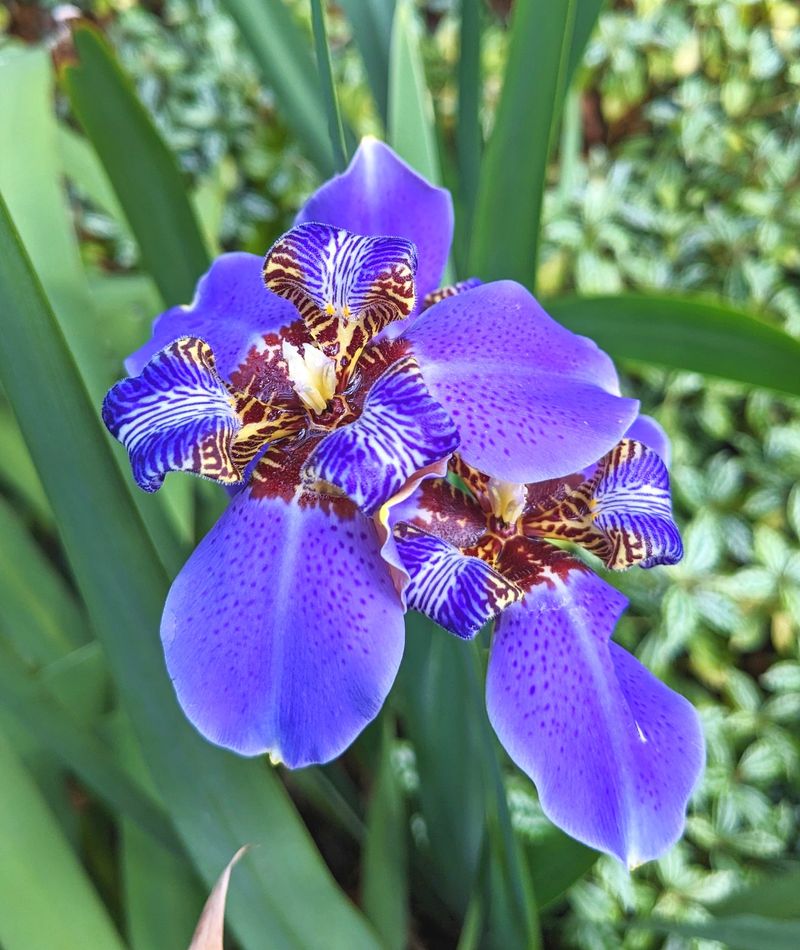
Intricate blooms seem to float above lush green foliage, providing a sculptural element to borders, edges, or water-adjacent beds. Thriving in full sun and consistently moist, well-drained soil, they reward gardeners with a striking palette of blues, purples, yellows, and whites.
Their sword-like leaves provide vertical texture even before flowering, creating structure in the garden. Irises attract pollinators including bees and butterflies, supporting ecosystem health while offering long-lasting visual appeal.
Dividing clumps every few years promotes vigorous growth and prevents overcrowding, maintaining vibrant displays season after season. Pairing with spring bulbs or low groundcovers enhances their dramatic appearance, while planting near pathways ensures blooms can be appreciated up close.
The combination of bold color, architectural leaves, and graceful sway in the breeze makes these flowers a sophisticated addition to perennial gardens. They serve as a focal point or companion plant, adding both elegance and movement to summer borders and creating serene, visually dynamic garden spaces.
13. Columbine Twirling In Delicate Hues
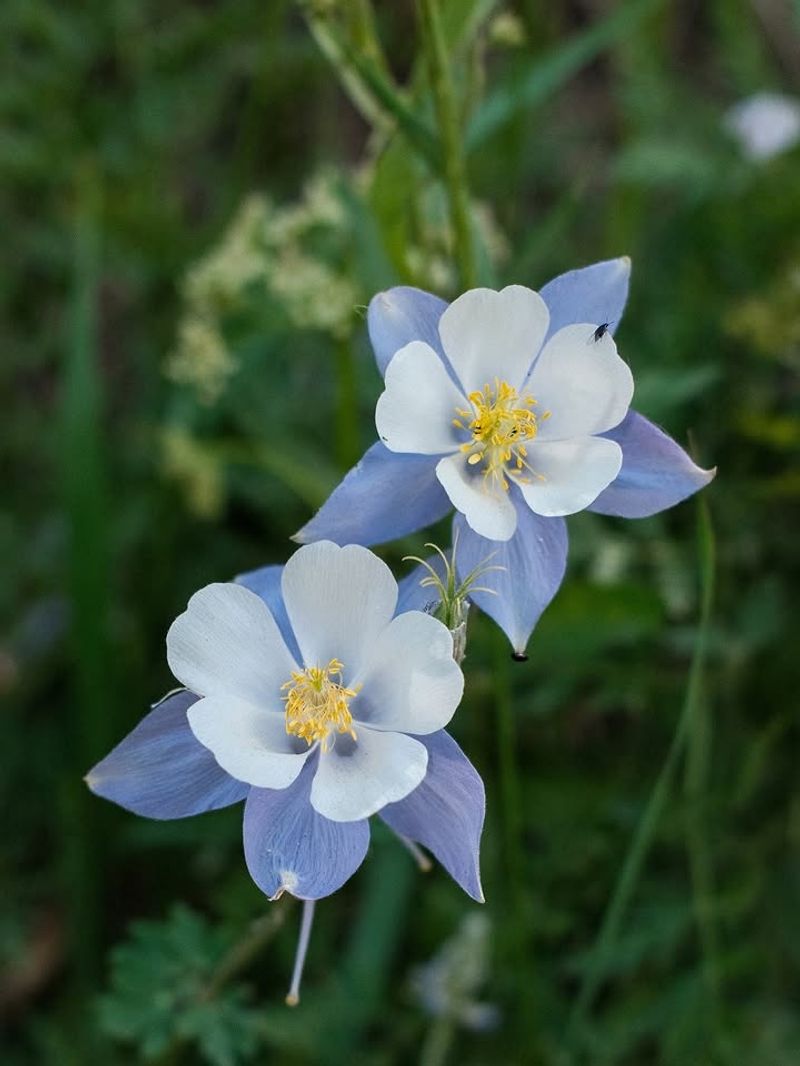
Graceful blooms nod gently on slender stems, adding whimsy and charm to rock gardens, woodland edges, or shaded beds. These adaptable perennials thrive in partial shade and well-drained soil, tolerating conditions that challenge less hardy plants.
Their complex, bonnet-like petals come in soft pastel hues or striking bicolors, creating visual interest and attracting pollinators such as bees, hummingbirds, and butterflies. Blooming in late spring to early summer, they add seasonal depth when paired with hostas or ferns.
Regular watering and light fertilization help maintain plant vigor, while cutting back spent flowers encourages tidier growth. Natural reseeding is common, allowing plants to return year after year with minimal intervention.
Clustering them in small groups enhances the playful, storybook quality of their appearance. These delicate flowers transform quiet corners into enchanting spots, blending elegance and charm with ecological value, making them an ideal choice for gardeners seeking both beauty and wildlife-friendly plantings.
14. Gaillardia Bursting Into Bold Blooms
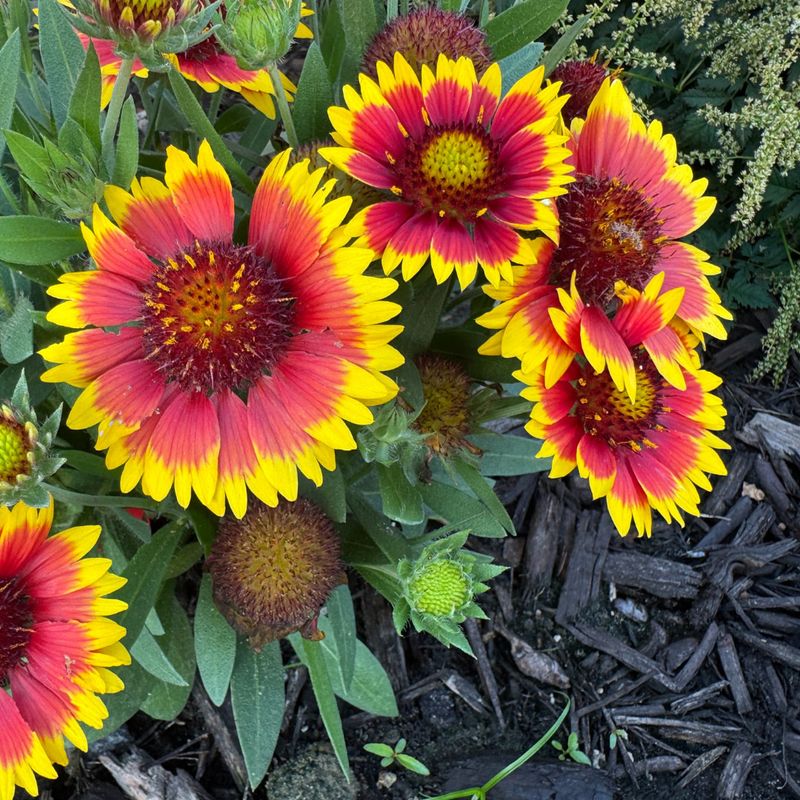
Flames of red, yellow, and orange provide a sun-soaked glow that draws the eye across borders and beds. Thriving in full sun with well-drained soil, Gaillardia is a long-blooming perennial that tolerates heat and dry conditions, making it ideal for low-maintenance summer displays.
Pollinators, including bees and butterflies, flock to the vibrant flowers, supporting biodiversity while keeping the garden lively. Their mounding growth habit allows for easy layering with other perennials or ornamental grasses, creating depth and texture.
Deadheading spent blooms prolongs flowering, extending seasonal interest from early summer through fall. Drought tolerance and resilience to harsh sunlight make these flowers reliable performers in challenging conditions.
Compact varieties are suitable for containers or small spaces, while taller cultivars create dynamic focal points in larger beds. Their fiery color palette conveys warmth and energy, transforming the garden into a cheerful, inviting space that feels like endless summer, capturing attention and encouraging engagement with nature.
15. Bee Balm Buzzing With Pollinator Fun
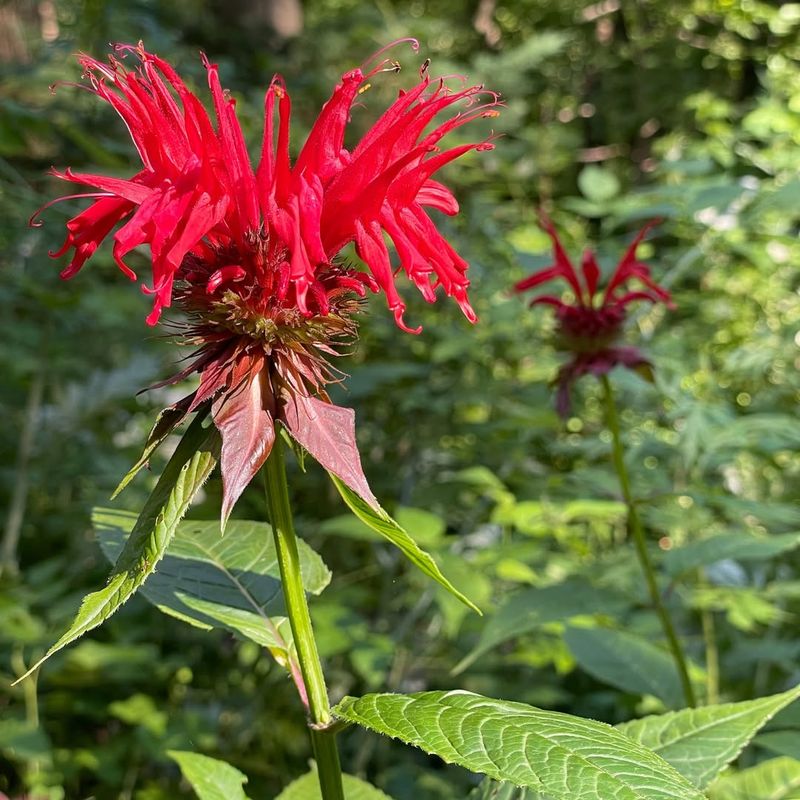
Vibrant, tubular flowers seem to hum with life, attracting bees, butterflies, and hummingbirds to every corner. Preferring full sun and rich, moist soil, these blooms provide long-lasting color throughout the summer months.
Their mounding habit makes them excellent for mass planting or as a central focal point in perennial borders. Flower spikes develop sequentially, ensuring prolonged interest and continual attraction for pollinators.
Companion planting with other nectar-rich perennials can enhance both visual appeal and ecological benefit. Regular watering and occasional fertilization promote strong growth, while cutting back spent blooms encourages new flowering.
Their bold hues and abundant blooms create energy and movement in the garden, drawing attention and supporting local wildlife. Even in small spaces, these flowers establish a lively display, providing both beauty and ecological function.
With their exuberance and ease of care, they bring vibrancy and dynamic life to perennial beds, ensuring the garden remains buzzing with color and activity.