7 Perennial Seeds Arizona Gardeners Can Start In April For Strong Blooms
April can still work for starting certain perennial seeds in Arizona if conditions are right, especially while soil warmth supports early root development before intense heat sets in.
Soil warmth begins to support faster root growth, and that early start can shape how well plants hold up later in the season.
Seeds placed at the wrong time often struggle to keep pace once temperatures climb, which leads to weaker plants that never quite reach their full potential. Those planted at the right moment tend to develop more evenly and build strength early on.
The choice of seed matters just as much as timing. Some varieties respond quickly and stay reliable, while others need different conditions to succeed.
Getting both right sets up stronger blooms and a garden that carries color through the tougher months ahead.
1. Desert Globemallow Grows From Seed In Warm Spring Soil
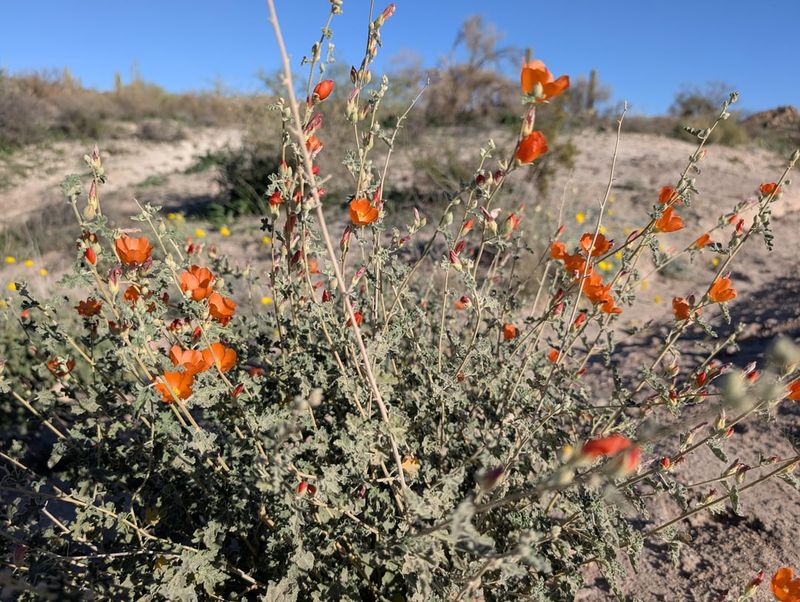
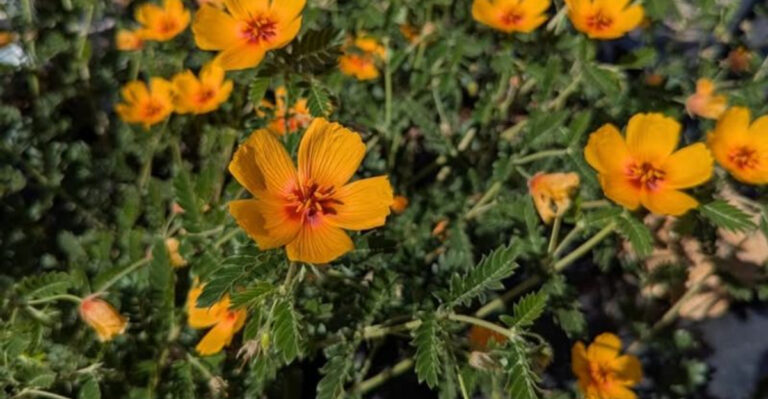
Few plants look as at home in an Arizona landscape as Desert Globemallow. Those vivid orange, cup-shaped blooms pop against rocky soil and gravel mulch in a way that feels completely natural, not planted.
Sow seeds directly into the ground in April when soil temps are reliably above 65 degrees Fahrenheit.
Scarifying the seeds lightly with sandpaper before planting can improve germination rates. The seed coat is tough, and a little roughing up helps moisture get inside faster.
Press seeds just barely under the soil surface since they need some light to sprout well.
Full sun is non-negotiable for this plant. Even partial shade tends to reduce flowering noticeably.
Sandy or gravelly, well-draining soil suits it far better than clay-heavy ground, which holds too much water and can cause root problems.
Water consistently during the first few weeks after germination while the seedlings are getting established. After that, rainfall and minimal supplemental irrigation are usually enough through fall and winter in most Arizona zones.
Overwatering is actually a more common problem than underwatering with this plant.
Plants started in April often produce their first blooms by late summer or early fall of the same year. Blooms attract native bees and other pollinators reliably.
Desert Globemallow also reseeds on its own if you let a few spent flowers drop, which means you may see new seedlings popping up in surrounding areas the following spring without any extra effort on your part.
Desert globemallow settles in quickly and becomes more resilient with each season once established.
2. Desert Marigold Germinates In Spring Heat
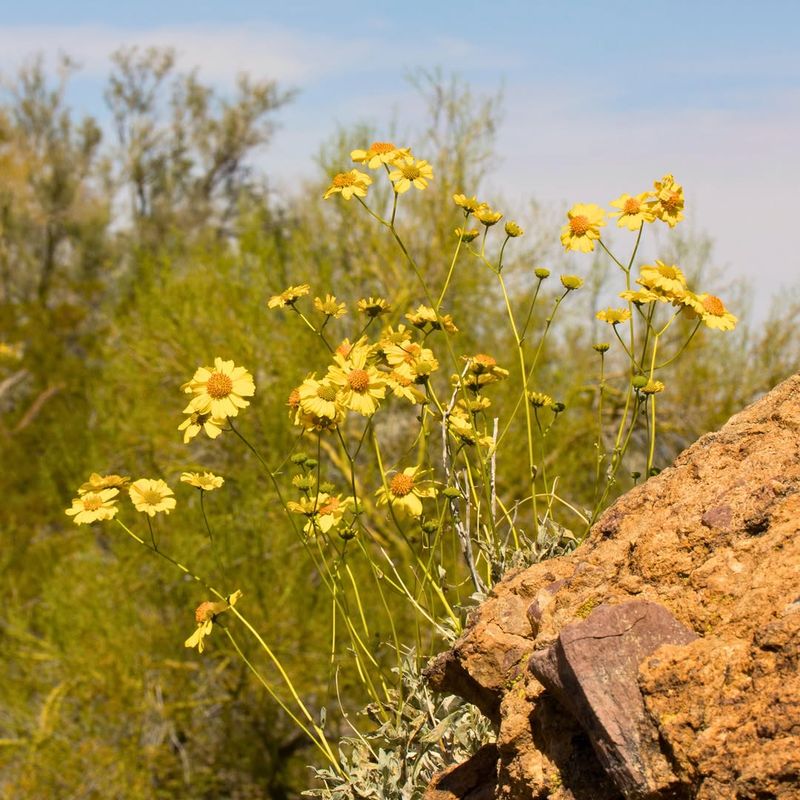
Bright yellow and completely unbothered by heat, Desert Marigold is one of the more reliable perennials you can start from seed in Arizona. April gives seeds the warm soil they need to germinate without being cooked by the intense summer sun before seedlings have a chance to develop.
Scatter seeds across a prepared bed and rake them in lightly. Germination typically takes one to three weeks depending on soil temperature and moisture.
Keep the soil surface from drying out completely during that window, but avoid heavy watering that pools or runs off.
Silvery foliage is one of the most recognizable features of this plant. That pale, reflective coloring is not just decorative.
It actually helps the plant manage heat and reduce water loss, which is a real advantage in the low desert regions around Phoenix and Tucson where summer temperatures regularly exceed 105 degrees.
Seeds started in April can produce blooms as early as late summer, with flowering continuing into fall and sometimes beyond. Removing spent flowers is optional but can extend the bloom period through the season.
Leaving some flowers to go to seed at the end of the season allows natural reseeding for the following year.
Full sun and fast-draining soil are the two conditions this plant really depends on. Avoid planting in low spots where water collects after monsoon rains.
In those areas, root issues tend to develop quickly. Plant on slight slopes or raised beds for the best long-term results in Arizona gardens.
Desert marigold thrives with minimal care, handling Arizona heat and dry conditions better than most flowering perennials.
3. Blackfoot Daisy Establishes In Well-Drained Soil
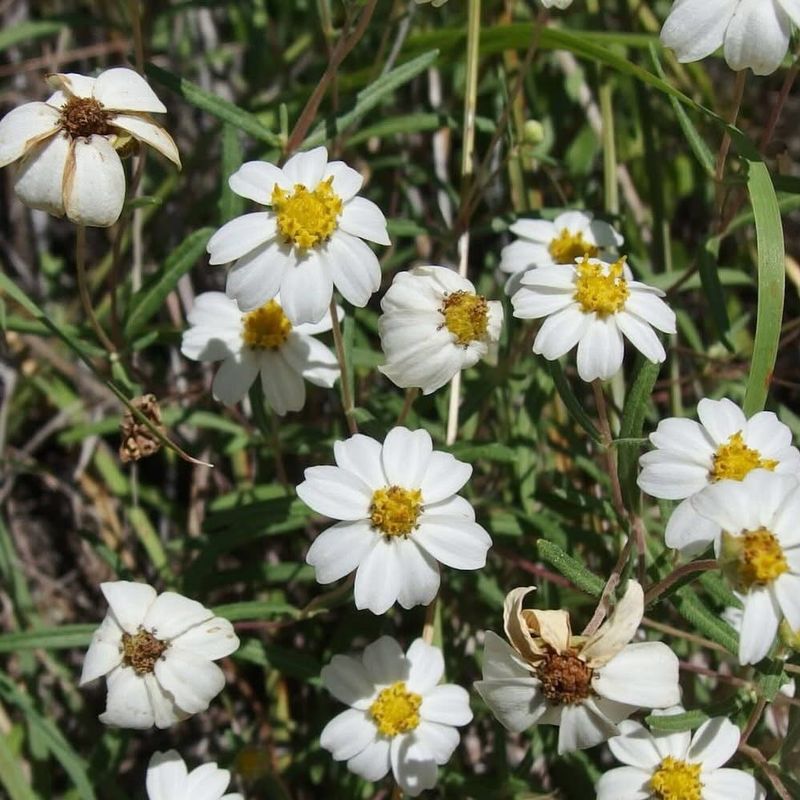
Blackfoot Daisy has a quiet toughness that makes it stand out in Arizona landscapes. Small white flowers with yellow centers bloom from spring through fall, and the plant handles poor, rocky soil without complaint.
Start seeds in April to take advantage of warm but not yet brutal soil temperatures.
Direct sowing works well with this plant. Work the soil lightly to loosen it, scatter seeds, and press them gently into the surface.
Germination is somewhat variable, sometimes taking two weeks, sometimes closer to four. Thin seedlings once they reach about two inches tall so plants have room to spread.
Drainage is the single most important factor for Blackfoot Daisy. In Arizona clay soils, raised beds or amended planting areas with added gravel or coarse sand perform much better than unmodified ground.
Standing water after monsoon rains is the fastest way to set these plants back significantly.
Plants do not need much fertilizer. Overly rich soil can actually push leafy growth at the expense of flowers, which is the opposite of what most gardeners want.
Lean, gritty soil tends to produce more compact plants with better bloom coverage throughout the season.
In southern Arizona especially, Blackfoot Daisy can survive mild winters and return the following spring. In colder parts of the state, treat it as a reliable warm-season perennial that may need replacing after hard freezes.
Either way, plants started from seed in April tend to settle in well and produce a solid first bloom cycle before summer peaks.
Blackfoot daisy holds its shape and bloom pattern even through intense heat, making it a steady presence in low-water landscapes.
4. Blanketflower Grows From Spring Seed
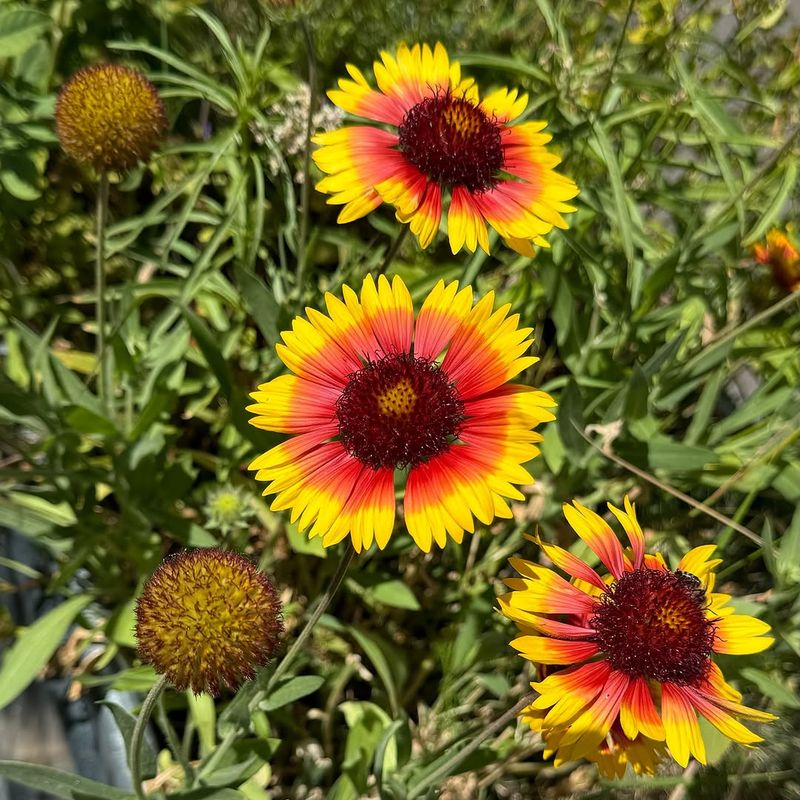
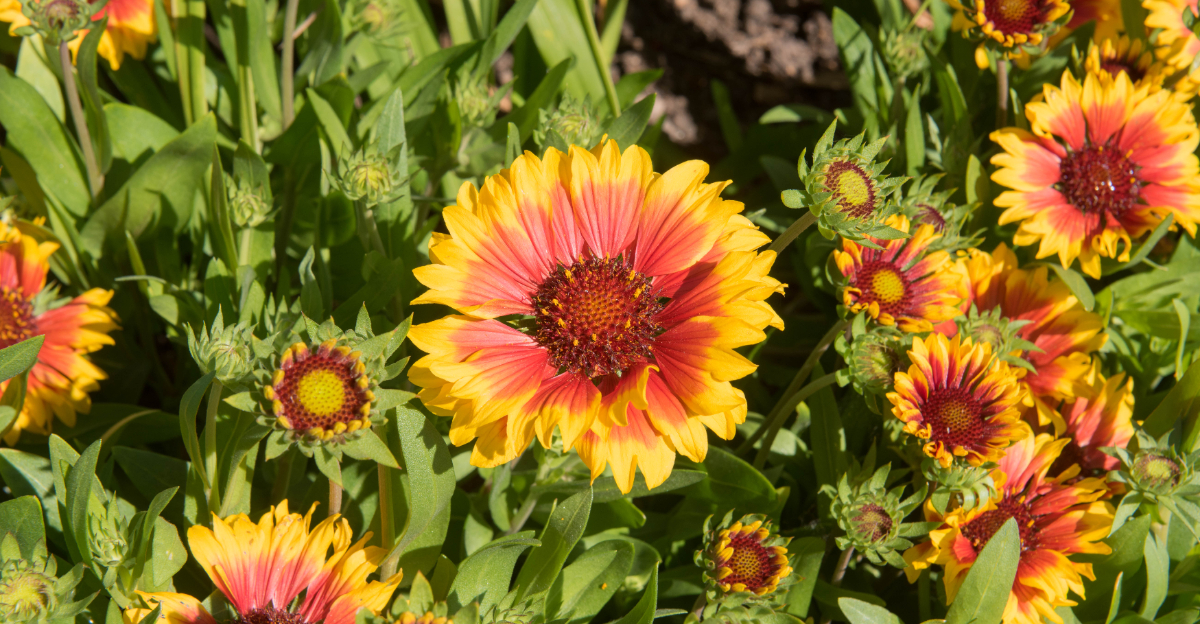
Bold red and yellow petals make Blanketflower one of the most eye-catching perennials you can grow from seed in Arizona. April planting puts seeds in the ground right when soil conditions favor quick, healthy germination.
Expect sprouts within one to two weeks under normal spring conditions.
Blanketflower is not picky about soil quality, which is a genuine advantage in Arizona where native soil can be alkaline, compacted, or low in organic matter. What it does insist on is drainage.
Wet feet slow this plant down and can cause crown rot, particularly during the monsoon season.
Sow seeds about a quarter inch deep and space them roughly twelve inches apart if you are planting in rows. In a more naturalized setting, broadcasting seeds across a prepared area and raking them in lightly works fine too.
Thin seedlings as needed to prevent crowding once they reach three inches tall.
Plants started in April often begin flowering by midsummer. Blooms attract butterflies and bees consistently, which adds real activity to the garden during the hottest months.
Cutting back spent flower stems encourages fresh buds to form rather than letting the plant focus energy on seed production.
Blanketflower handles the dry stretches between Arizona monsoon rains better than many other flowering perennials. Deep but infrequent watering during the first season helps roots push down into the soil profile.
After the first full growing season, supplemental water can usually be reduced significantly depending on your specific zone and rainfall patterns.
Blanketflower keeps blooming through Arizona heat with minimal care, making it one of the easiest perennials to grow from seed for long-lasting summer color.
5. Desert Milkweed Germinates In Warm Soil
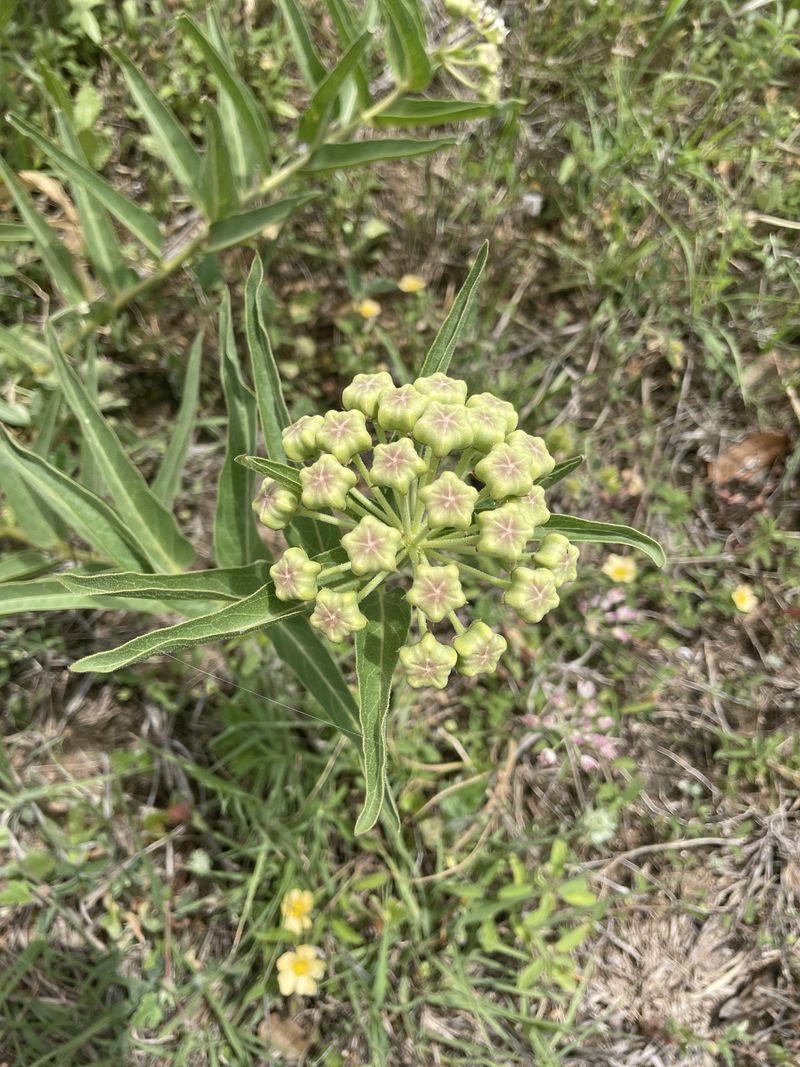
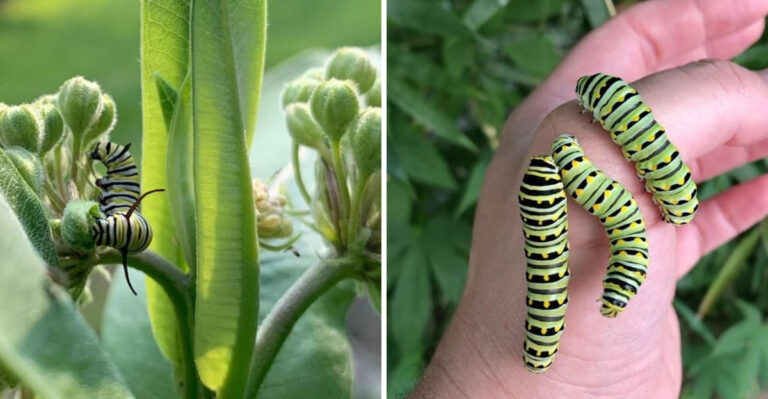
Desert Milkweed does something most flowering perennials cannot do as reliably in Arizona: it supports monarch butterflies during migration. Planting seeds in April gives this native plant time to establish before the summer migration window opens.
That timing matters if supporting pollinators is part of your gardening goals.
Germination improves noticeably when soil temperatures are consistently above 70 degrees Fahrenheit, which April delivers across most of Arizona’s lower elevations. Direct sow seeds about a quarter inch deep in a spot that gets full sun for most of the day.
Germination can take anywhere from ten days to three weeks.
Sandy or loamy, fast-draining soil is strongly preferred. Heavy clay soil holds too much moisture around the roots, especially during monsoon season, and that tends to cause problems.
If your native soil drains slowly, amending with coarse sand or planting in a raised bed gives better results.
Seedlings grow relatively slowly during the first few weeks, so patience is necessary. Once plants hit about six inches tall, growth tends to pick up.
Avoid heavy fertilization since lean soil conditions actually encourage better flowering in desert-adapted plants like this one.
Clusters of pale yellow to orange flowers appear from late spring through fall. The plant also produces seed pods that split open and release seeds on the wind, so it can naturalize in a garden area over time.
Letting a few pods mature and drop seeds on their own is an easy way to expand your milkweed patch in Arizona without replanting each year.
6. Desert Senna Grows As A Perennial Shrub From Seed
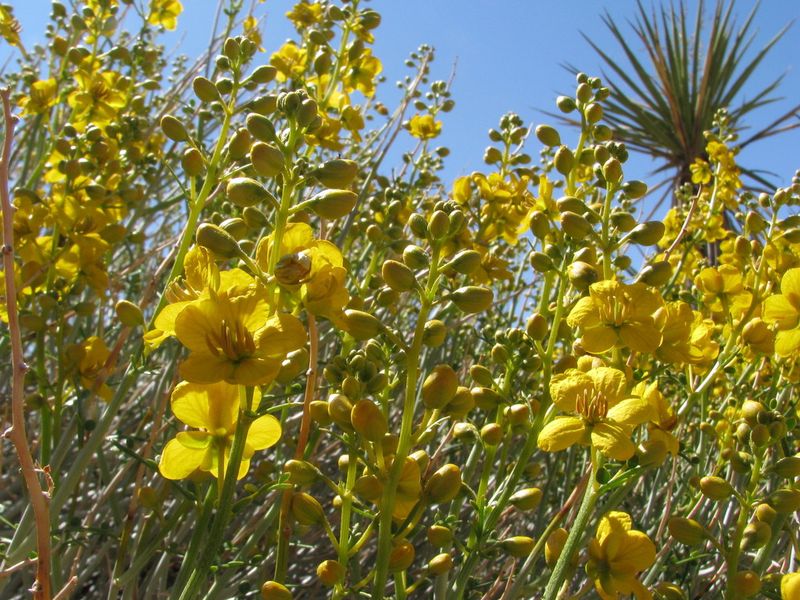
Desert Senna crosses the line between flowering perennial and small shrub, and that versatility makes it genuinely useful in Arizona landscapes.
Bright yellow flowers cover the plant in late summer and fall, but getting there starts with seeds in the ground during April when soil is warm enough for consistent germination.
Scarifying seeds before planting speeds up germination considerably. The seed coat is hard, and without scarification, some seeds may sit dormant in the soil for weeks longer than necessary.
A quick rub across sandpaper or a brief soak in warm water overnight are both effective preparation methods.
Sow seeds about half an inch deep in a sunny location with well-draining soil. Germination typically occurs within two to four weeks.
Seedlings grow steadily through spring and early summer, building a woody base that supports the flowering growth that arrives later in the season.
Full sun is essential. Even a few hours of shade per day tends to reduce flowering and can make plants grow in a leggier, less compact shape.
In Arizona’s low desert regions, a south or west-facing planting area gives this plant the heat exposure it responds to best.
Once plants mature, they can reach three to five feet in height and spread, so plan spacing accordingly. Desert Senna also serves as a host plant for several native sulfur butterfly species, adding ecological value beyond the visual interest of the flowers.
Starting from seed in April gives plants a full growing season to develop before their first major bloom period arrives.
7. Engelmann Daisy Establishes In Spring Conditions
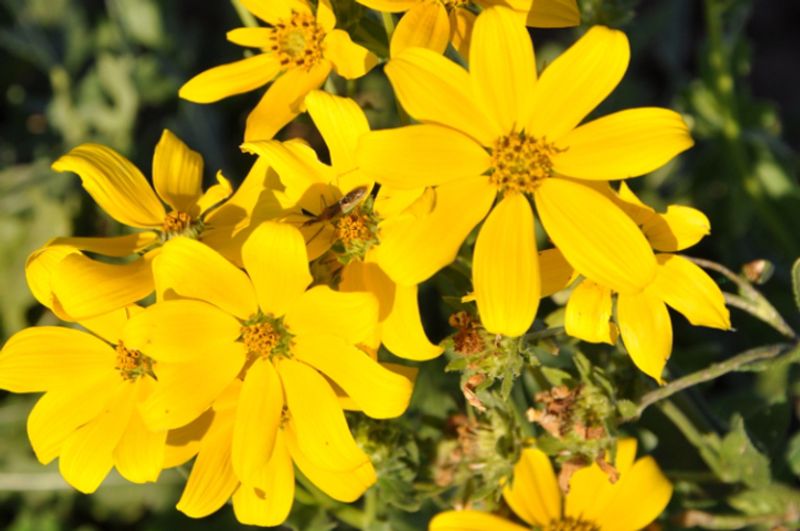
Engelmann Daisy does not get nearly as much attention as some other Arizona natives, but it produces impressive yellow blooms on tall stems that stand out in open garden spaces.
April is the right time to get seeds started because soil has warmed enough to support germination without the stress of full summer heat bearing down on young seedlings.
Sow seeds directly into prepared soil about a quarter inch deep. Germination rates can vary, so sowing a little more thickly than you think you need and thinning later is a practical approach.
Seedlings typically emerge within two to three weeks when soil temperatures are in the 65 to 75 degree range.
Rocky, alkaline soil is not a problem for this plant. In fact, Engelmann Daisy performs well in the kind of difficult native soil that discourages many other flowering plants.
Avoid heavy amendments that change drainage characteristics significantly since this plant is adapted to lean, dry conditions.
Water seedlings regularly through the spring establishment period. As plants mature and root systems deepen, supplemental irrigation can be reduced.
During monsoon season, natural rainfall is often enough to keep established plants healthy without additional watering in most Arizona locations.
Flowering typically begins in late spring to early summer for plants started from April seed. Blooms attract native bees and are a consistent presence in the garden through the warmer months.
Cutting stems back after the main bloom flush can encourage a secondary wave of flowers before the season winds down in fall, giving you more color for a longer stretch of time.