10 Perennial Vegetables To Plant In Arizona Once And Harvest For Years
Arizona gardens have a rhythm all their own, and savvy gardeners know how to work with the desert rather than fight it.
With warming soils, longer days, low spring rainfall, and fast-draining soils, now is the perfect time to plant heat- and drought-tolerant perennial vegetables.
These are the kind of plants you set once and enjoy harvesting season after season, sometimes for decades.
Planting in April gives roots time to establish before the summer sun peaks, helping plants grow stronger and more productive.
The result is a garden that rewards you with fresh, resilient vegetables year after year without the hassle of starting from scratch each spring.
1. Rhubarb Adds Tart Stalks In Cooler Arizona Spots
Rhubarb is one of those vegetables that surprises people when they discover it can actually grow in Arizona. It does need some cold, so gardeners in Flagstaff, Prescott, and other higher elevation communities have the best chance of growing it successfully.
In the low desert, rhubarb struggles with intense summer heat, but with afternoon shade and careful watering management, some Phoenix-area gardeners do pull it off.
Plant rhubarb crowns in early spring or fall in well-drained soil enriched with compost. It appreciates a slightly acidic to neutral pH, so testing your soil before planting is a smart move.
Space plants about 3 to 4 feet apart since mature rhubarb clumps spread considerably. Mulching around the base helps retain moisture and keeps soil temperatures more moderate during warm months.
Only the stalks are edible – rhubarb leaves contain oxalic acid and should not be consumed. Harvest stalks when they reach about 12 to 18 inches long by pulling and twisting gently at the base.
Avoid removing more than one-third of the plant at one time to keep it producing. With the right microclimate and consistent care, rhubarb can reward Arizona gardeners with tart, flavorful stalks for many years.
2. Asparagus Produces Spring Spears Year After Year
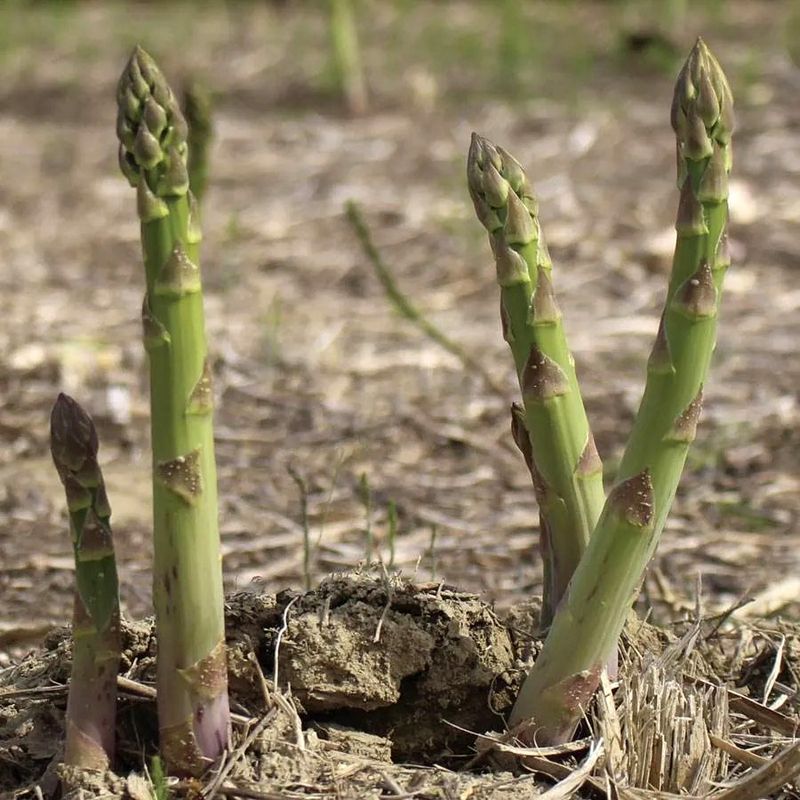
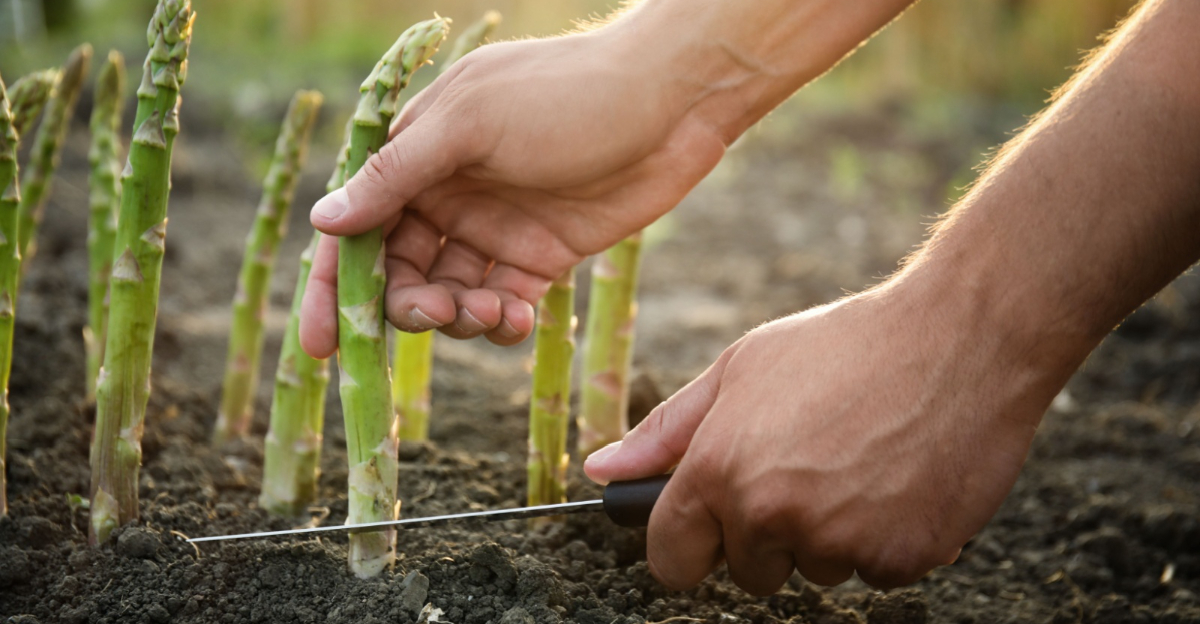
Few gardening moments beat stepping outside on a cool Arizona morning and spotting the first asparagus spears pushing through the soil.
A long-lived perennial, asparagus can produce reliable spring harvests for 15 years or more once established in the right conditions.
In Arizona’s low desert areas like Phoenix and Tucson, plant crowns between November and February when soil temperatures are cooler and roots can settle in before summer arrives.
Choose a sunny location with full sun exposure – at least six to eight hours daily – and amend your soil with plenty of compost since Arizona’s native soils tend to be alkaline and low in organic matter.
Space crowns about 18 inches apart in trenches roughly 8 inches deep, covering them gradually as growth appears.
Consistent watering matters most during the first two years while roots establish. Drip irrigation works especially well in Arizona’s dry climate.
Resist harvesting spears during the first two seasons so plants can build strong root systems. From year three onward, harvest spears when they reach about 6 to 8 inches tall.
At higher elevations like Prescott or Flagstaff, asparagus may actually perform even better thanks to cooler winters that provide the dormancy period this crop appreciates.
3. Artichoke Rewards Gardeners With Edible Flower Buds
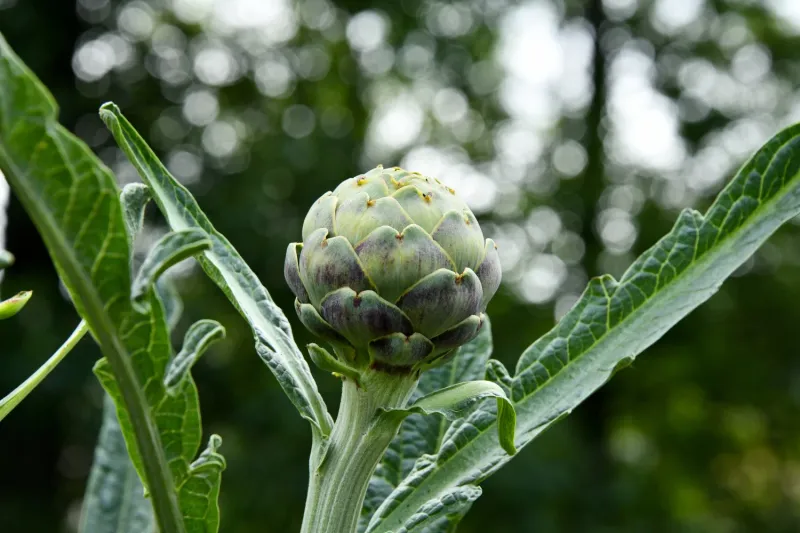
Artichokes thrive in Arizona’s mild winters and warm springs, making them one of the more rewarding perennial vegetables for low desert gardeners.
The edible part is actually the flower bud harvested before it opens, and a single established plant can produce multiple buds per season.
In Phoenix and Tucson, artichokes behave almost like short-lived perennials, often coming back reliably for three to five years before needing replacement.
Plant artichokes in a location that receives full sun, though some afternoon shade during the hottest months can reduce stress on the plant. Arizona’s well-drained desert soils benefit from generous compost additions before planting.
Space plants about 4 to 6 feet apart since they grow into large, architectural specimens that also add visual interest to edible landscapes.
Water deeply and consistently, especially during bud development. Drip irrigation set on a regular schedule suits artichokes well in Arizona’s low-rainfall environment.
Harvest buds when they are firm and tightly closed, typically in spring and sometimes again in fall. After the main harvest season, cut plants back and apply a thick layer of mulch to protect the crown through summer.
At higher elevations, artichokes may need extra protection from frost but can still produce well during the growing season.
4. Perennial Kale Provides Nutritious Leaves Across Seasons
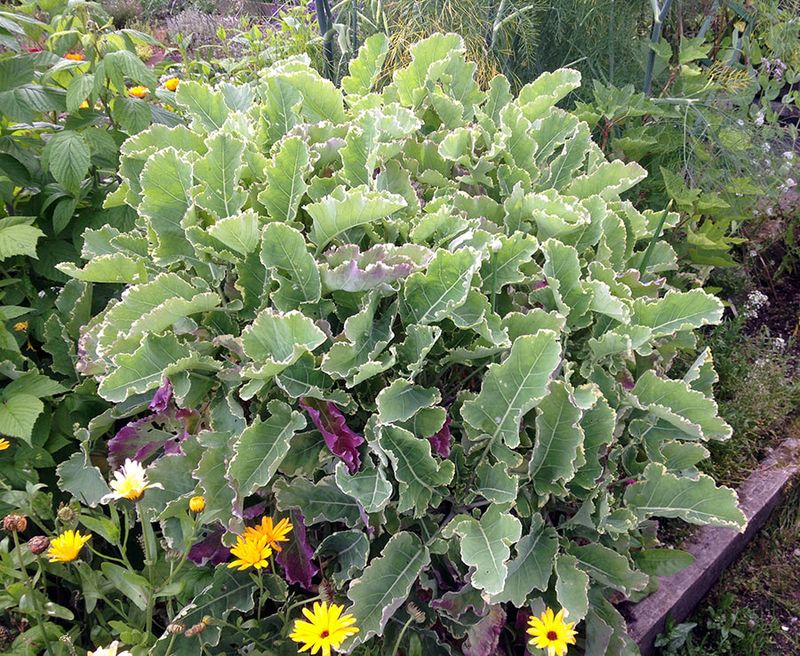
Walking through a productive Arizona vegetable garden in late winter, you might notice one plant looking lush and green while everything else waits for warmth – that is often perennial kale.
Unlike annual kale varieties, perennial types such as Tree Kale and Daubenton’s Kale can survive for several years, providing nutritious leaves across multiple seasons.
They handle Arizona winters well and, with some afternoon shade, manage summer heat better than most leafy greens.
Plant perennial kale in well-amended soil with good drainage. Arizona’s alkaline soils benefit from added compost or sulfur to bring pH closer to the slightly acidic range that kale prefers.
Full sun works well from fall through spring, but providing afternoon shade during summer months helps keep leaves from becoming too bitter or scorched. Space plants about 2 to 3 feet apart to allow good air circulation.
Harvest outer leaves regularly, leaving the central growing point intact to encourage continuous production. Consistent watering through drip irrigation keeps plants productive without wasting water in Arizona’s arid climate.
Perennial kale at higher elevations like Prescott tends to experience a natural dormancy in winter, bouncing back vigorously in spring.
Aphids and cabbage worms are the most common pests – inspect leaves regularly and use row cover or insecticidal soap as needed.
5. Walking Onion Offers Bulbs And Greens That Self-Propagate
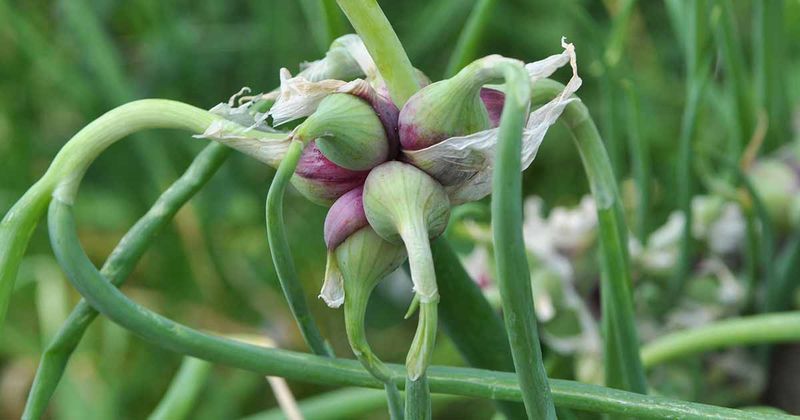
There is something almost magical about watching walking onions do their thing. Also called Egyptian walking onions or top-setting onions, these fascinating plants produce clusters of small bulblets at the tops of their stalks.
When those bulblets get heavy enough, the stalk bends to the ground, and the bulblets take root – literally walking across your garden bed over time.
Arizona gardeners appreciate them because they are incredibly low-maintenance and productive year after year.
Plant bulblets or divisions in fall or early spring in Arizona’s low desert, choosing a sunny location with well-drained soil.
Like most alliums, walking onions do not appreciate waterlogged roots, so raised beds or amended native soil with good drainage works best.
Space plants about 6 inches apart and expect them to multiply naturally over seasons without much intervention.
Both the green tops and the underground bulbs are edible, giving you two harvests from one plant. Snip greens as needed throughout the growing season, using them much like chives or green onions.
Harvest underground bulbs in late spring when foliage begins to fade. In Arizona’s warmer low desert zones, walking onions may stay semi-evergreen through mild winters.
Minimal watering once established makes them an excellent fit for water-conscious Arizona gardeners looking for reliable, self-sustaining food plants.
6. Horseradish Grows Strong Roots With Minimal Fuss
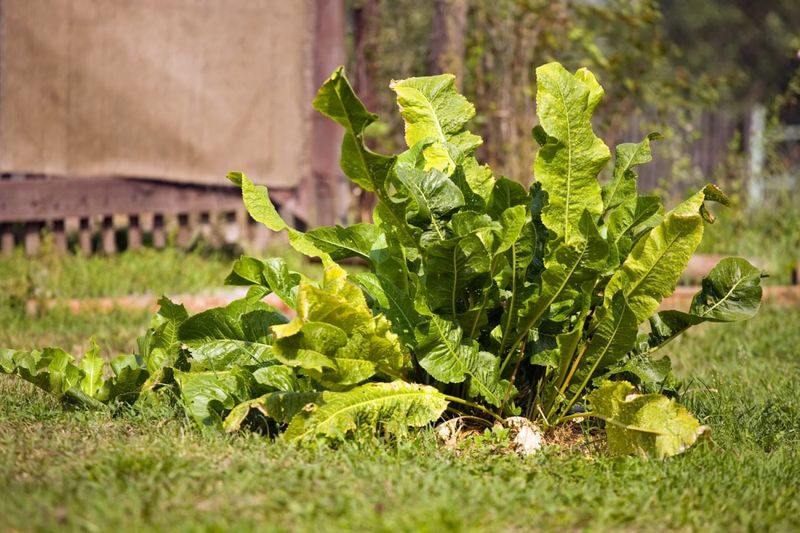
Bold, pungent, and surprisingly tough, horseradish earns its place in Arizona perennial gardens through sheer resilience. Most gardeners know horseradish as a condiment root, but fewer realize how easily it establishes and spreads in the right conditions.
Arizona’s well-drained soils and warm growing seasons suit horseradish well, particularly in higher elevation areas like Prescott and Flagstaff where cooler winters help roots develop more pungent flavor.
Plant root cuttings in early spring or fall, positioning them at a slight angle about 2 to 3 inches below the soil surface. Choose a dedicated spot since horseradish spreads vigorously and can be challenging to contain once established.
A raised bed with barriers works well for keeping growth in check. Full sun produces the strongest plants, though partial shade is tolerated.
Amend Arizona’s often rocky or compacted native soil with compost to give roots room to expand.
Water regularly during the growing season but allow soil to dry slightly between waterings to prevent root rot. Harvest roots in fall after foliage matures and begins to yellow, typically one to two years after planting for the best flavor development.
Dig carefully with a garden fork to avoid breaking roots. Freshly grated horseradish has a sharp heat that mellows quickly – process and refrigerate it promptly after harvest for the most intense flavor experience.
7. New Zealand Spinach Thrives In Arizona Heat For Continuous Harvest
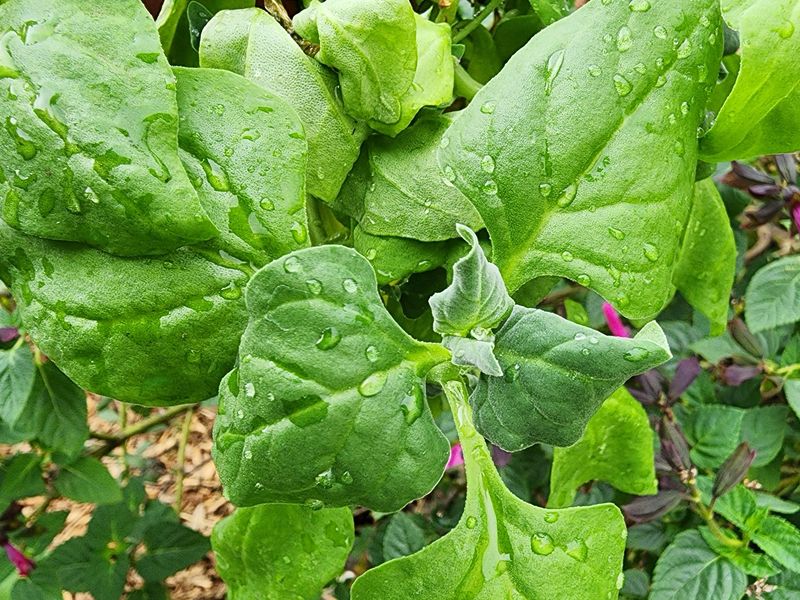
When summer heat sends most leafy greens into decline, New Zealand spinach just keeps growing.
Technically not a true spinach, this heat-tolerant perennial produces thick, succulent-textured leaves that taste similar to spinach and hold up beautifully in cooked dishes.
For Arizona gardeners in the low desert, it fills a valuable gap during the hot months when few other greens survive outdoors. In Phoenix and Tucson, it can behave as a year-round producer in mild years.
Start seeds indoors about four to six weeks before your last frost date, or direct sow after soil warms in spring. Soaking seeds overnight before planting improves germination rates.
New Zealand spinach spreads as a low-growing groundcover, so give each plant about 2 feet of space to sprawl.
It performs well in full sun but also tolerates partial shade, which can actually extend its productive season in Arizona’s most intense summer heat zones.
Water consistently during establishment, then reduce frequency as plants mature since they show reasonable drought tolerance.
Harvest by snipping the top 3 to 4 inches of growing tips regularly – this encourages branching and keeps production going strong.
Blanch leaves briefly before eating to reduce oxalate content. Few serious pests bother New Zealand spinach in Arizona, making it one of the lower-maintenance leafy greens available to desert gardeners.
8. Sorrel Brings Tangy Leaves Year After Year
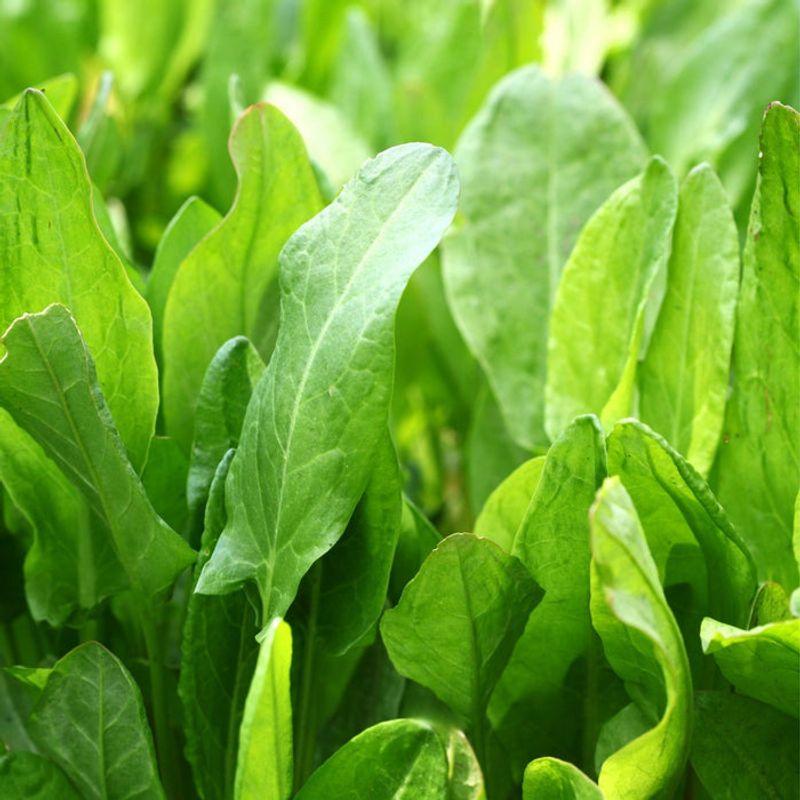
Sorrel has a flavor profile unlike almost anything else in the vegetable garden – bright, lemony, and tangy in a way that makes it a favorite in soups, salads, and sauces.
A true perennial, it returns reliably each year from its established root system, making it a worthwhile addition to any Arizona garden focused on long-term food production.
French sorrel is particularly well-suited to Arizona conditions, showing better heat tolerance than common sorrel varieties.
Plant sorrel in a location that receives morning sun with some afternoon shade, especially in low desert areas where intense afternoon heat can stress the plant. Well-amended, slightly acidic soil with good drainage supports the healthiest growth.
Space plants about 12 to 18 inches apart. In Flagstaff and Prescott, sorrel handles more sun exposure due to cooler overall temperatures and may produce even more abundantly than in Phoenix-area gardens.
Water regularly but avoid overwatering – sorrel prefers consistently moist soil rather than soggy conditions. Harvest outer leaves as needed once plants are established, leaving younger center leaves to continue growing.
When flower stalks appear, cut them back promptly to redirect the plant’s energy into leaf production.
Sorrel rarely faces serious pest pressure in Arizona, and its compact size makes it an easy fit for raised beds, container gardens, or shaded corners of edible landscapes.
9. Good King Henry Delivers Hardy Greens For Long-Term Growth
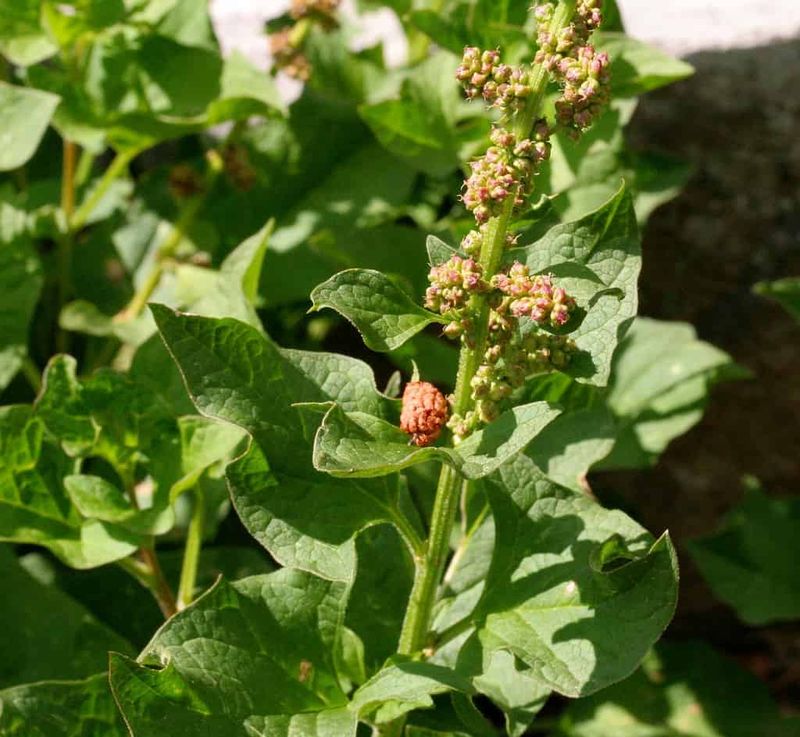
Not many vegetables carry a name as memorable as Good King Henry, and fewer still offer the combination of low maintenance and long-term productivity that this old-fashioned European perennial provides.
Related to spinach and quinoa, its young leaves, shoots, and flower buds are all edible, giving gardeners multiple ways to use one plant.
In Arizona, it grows best at higher elevations where cooler temperatures mimic its native European climate more closely.
In Prescott, Flagstaff, and similar communities, plant Good King Henry in spring after frost risk passes. It appreciates rich, well-drained soil with plenty of organic matter worked in before planting.
Choose a spot with partial shade since this plant does not love Arizona’s most intense afternoon sun. Space plants about 18 inches apart, and expect slow establishment during the first year as roots develop.
Once settled in, Good King Henry requires little attention beyond consistent watering and occasional feeding with a balanced organic fertilizer.
Harvest young leaves and shoots in spring, treating them much like spinach – steamed, sauteed, or added to soups.
The flavor is mild and slightly earthy. Avoid heavy harvesting in the first season to build root strength.
Plants can remain productive for many years with minimal replanting, making them a genuinely worthwhile long-term investment for dedicated Arizona food gardeners.
10. Perennial Swiss Chard Produces Leaves For Multiple Seasons
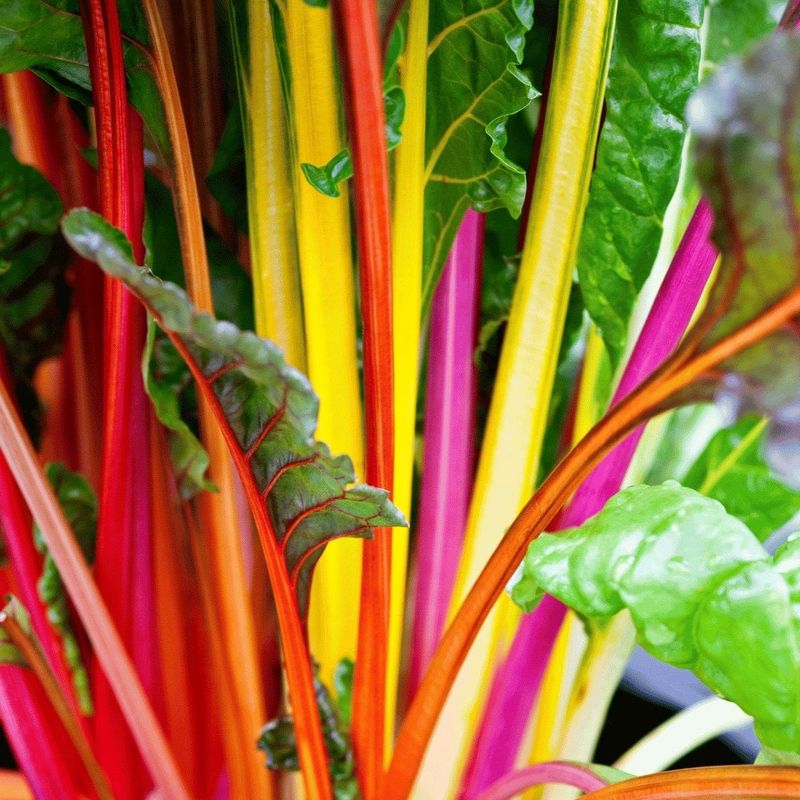
Swiss chard is often grown as an annual, but certain varieties and growing conditions in Arizona allow it to behave as a short-lived perennial, returning and producing leaves across multiple seasons.
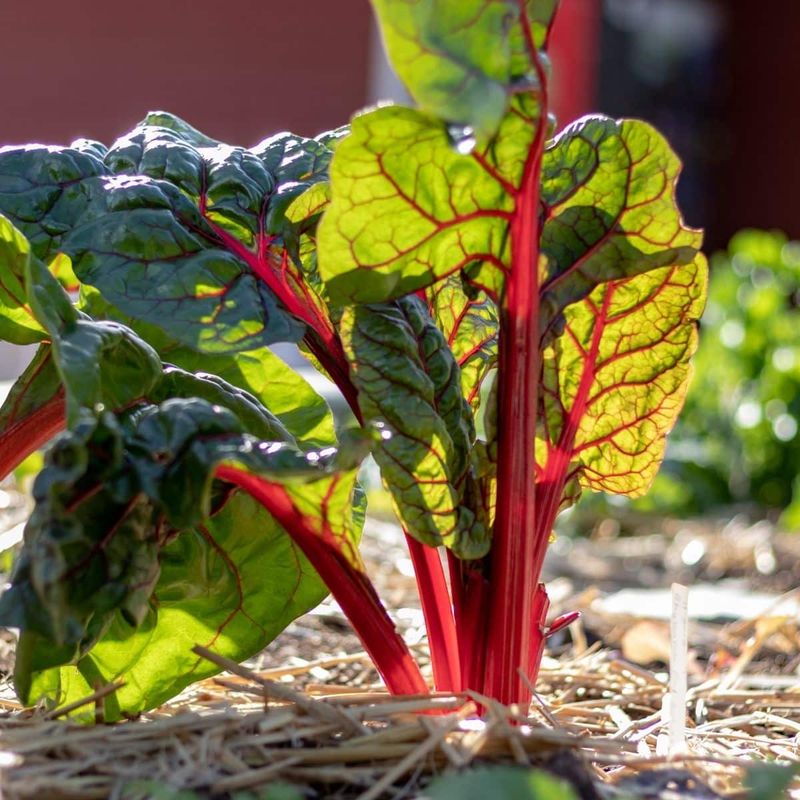
Its colorful stems – ranging from deep red to bright yellow and white – make it as ornamental as it is productive.
For Arizona gardeners who want reliable leafy greens without replanting every season, chard is one of the most dependable options available.
Plant Swiss chard in full sun from fall through early spring in the low desert, or in spring through summer at higher elevations. Arizona’s alkaline soils benefit from compost amendments before planting.
Space plants about 12 inches apart in rows or raised beds. Consistent moisture through drip irrigation encourages steady leaf production without the water waste that overhead sprinklers create in Arizona’s dry, breezy climate.
Harvest outer leaves regularly once plants reach about 6 to 8 inches tall, leaving the central crown intact to keep producing.
In mild Arizona winters, chard often continues growing through the season without any frost protection needed in low desert zones.
At higher elevations, a light frost cloth can extend the harvest considerably. Leaf miners are the most common pest – check undersides of leaves regularly and remove affected foliage promptly to keep plants healthy and productive across seasons.