5 Perennials Georgia Gardeners Can Plant In March And 4 That Prefer Warmer Soil
March in Georgia has a way of pulling gardeners outside again. The air is a little softer, the soil is beginning to warm, and planting season slowly starts coming back to life after winter.
It is the moment when many gardeners start wondering what can safely go into the ground and what still needs a little more patience.
Perennials can be a bit tricky during this transition. Some settle in beautifully when planted in March and take advantage of the mild conditions to establish strong roots.
Others prefer warmer soil and may struggle if planted too early.
Timing makes a real difference here. Giving early-friendly perennials a head start can lead to stronger plants later in the season, while waiting a few extra weeks for warmth-loving varieties prevents unnecessary setbacks.
A small adjustment in planting time often means healthier plants and a garden that fills in more smoothly as spring continues across Georgia.
1. Black Eyed Susan Tolerates Cool Soil Conditions
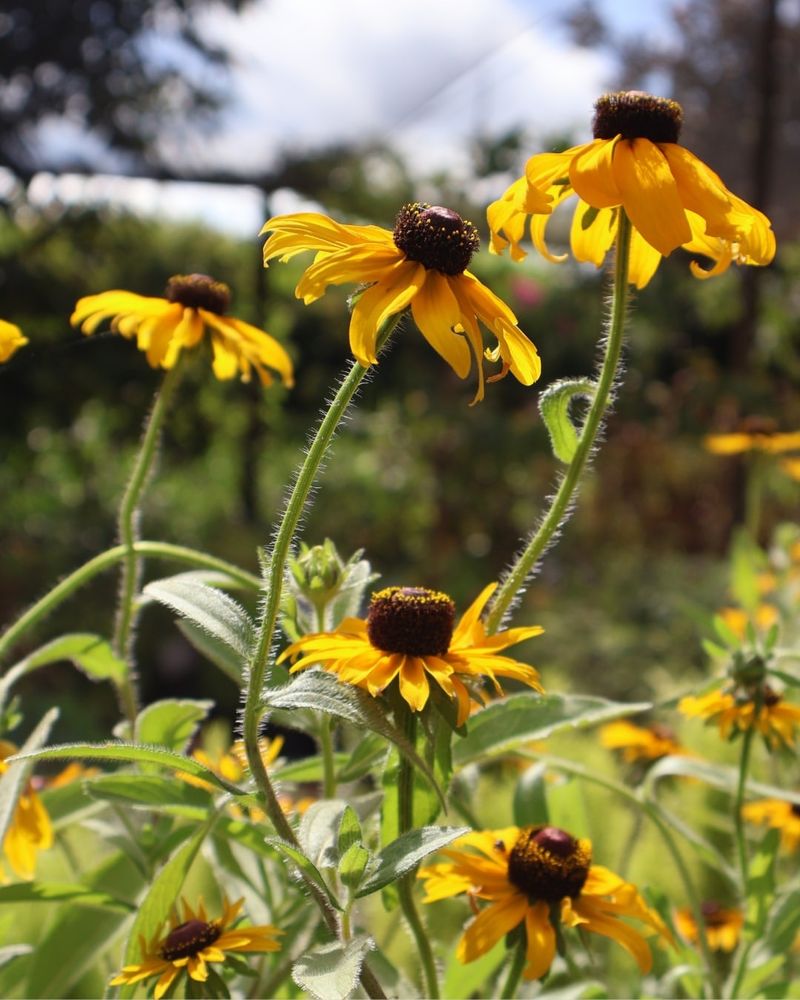
Few plants look as cheerful as a patch of Black-eyed Susans coming into bloom. Rudbeckia hirta is tough enough to go into the ground in March without hesitation, and Georgia gardeners from the mountains to the coast can take advantage of that hardiness.
Cool soil does not slow Black-eyed Susan down the way it does some other perennials. Roots push out steadily through March and April, so by the time summer heat arrives, the plant is anchored and ready.
Full sun is ideal, and well-drained soil keeps it at its best. Sandy or clay-heavy soils should be amended with compost before planting.
Bloom time runs from midsummer through fall, which fills a gap when some spring bloomers have already finished. Height typically reaches two to three feet, making Black-eyed Susan a solid mid-border plant.
It self-seeds fairly freely, so expect new plants to pop up in surrounding areas over the years. Thinning those seedlings keeps the planting from getting overcrowded without much effort on your part.
Black eyed Susans also attract bees and butterflies, making them a valuable addition to pollinator friendly gardens across Georgia.
2. Shasta Daisy Establishes Before Summer Heat Builds
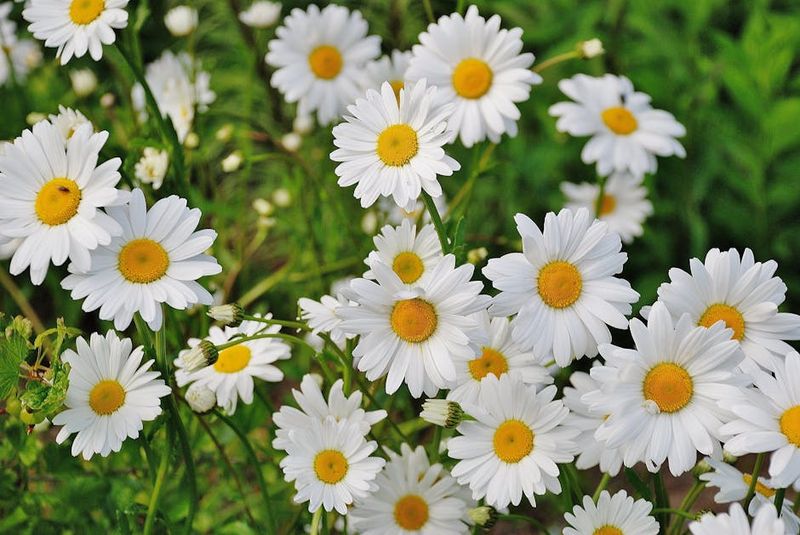
Shasta daisy has a clean, classic look that never seems to go out of style. Planting it in March gives it the cool weeks it needs to settle in before Georgia summers turn brutal.
Leucanthemum x superbum is the full name, though most garden centers just label it Shasta daisy.
Root establishment happens fastest when soil temperatures are mild, and March in Georgia usually delivers exactly that. Pick a spot with at least six hours of direct sun.
Drainage matters a lot here since Shasta daisy roots will rot in soggy ground. Raised beds or sloped garden areas work especially well for this plant in heavier Georgia clay soils.
Flowers appear in late spring through early summer, with white petals and bold yellow centers sitting on stems that reach two to three feet tall. Deadheading regularly keeps the blooms coming longer into the season.
Dividing clumps every two to three years keeps plants vigorous and prevents them from crowding themselves out. Shasta daisy pairs naturally with coneflower and Black-eyed Susan for a long-blooming, low-effort Georgia border.
Shasta daisies also attract butterflies and other beneficial insects that help keep the garden lively through the growing season.
Strong stems make the flowers excellent for cutting, so a few plants can easily supply fresh bouquets throughout early summer.
3. Coneflower Handles Early Season Planting Well
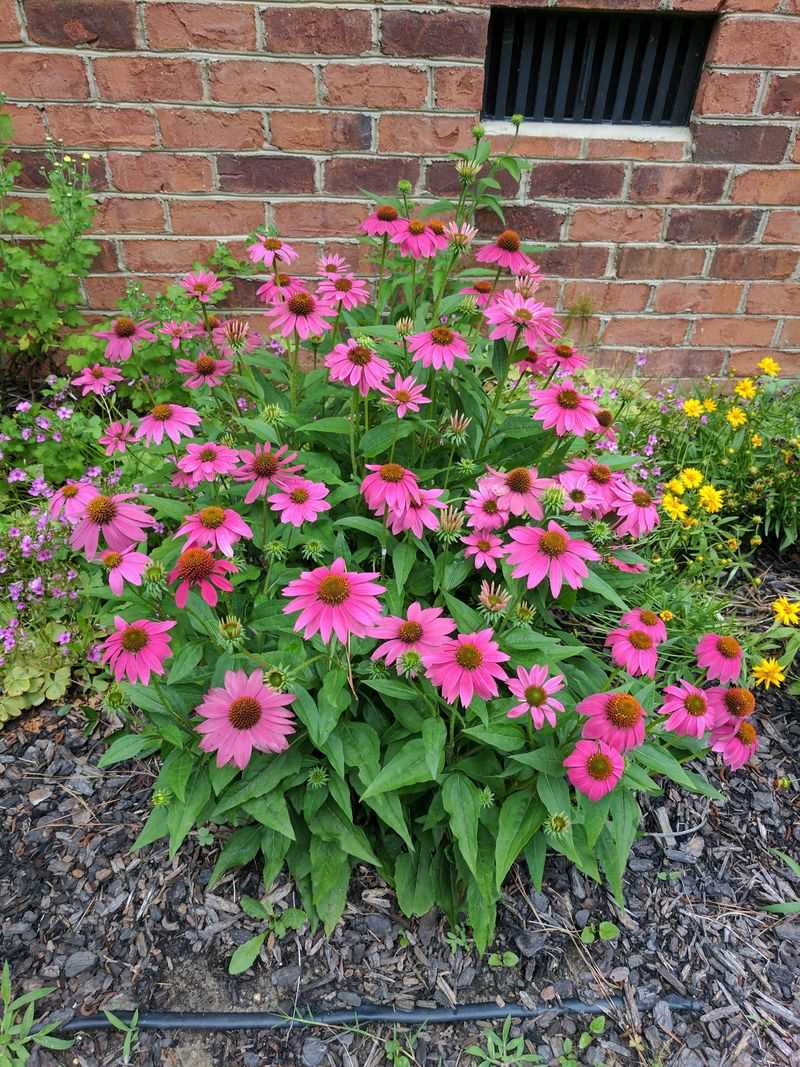
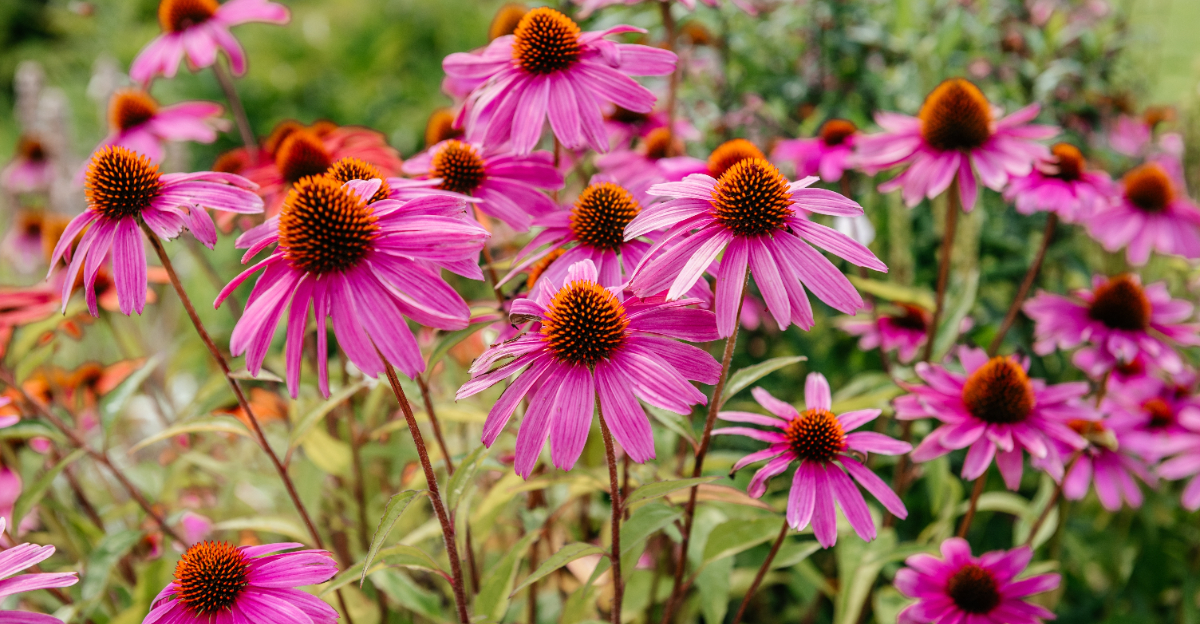
Coneflower is one of those plants that does not need to be babied. You can put it in the ground in March across most of Georgia, and it will start working on its root system without any drama.
Echinacea purpurea is the botanical name, but most gardeners just call it coneflower and move on.
Soil does not need to be warm for coneflower to get going. Cooler March soil actually suits it fine, giving roots time to spread before the heat of June and July arrives.
Plant it in a sunny spot with decent drainage, and it will reward you with tall, cheerful blooms in shades of purple and pink through summer into fall.
Pollinators absolutely swarm coneflower, so if you want butterflies and bees in your Georgia garden, this is a solid choice. Deadheading spent blooms encourages more flowers, but leaving some seed heads standing through fall feeds goldfinches.
Space plants about eighteen inches apart so air can circulate around them freely.
Coneflower is also known for handling dry stretches once established, which makes it a dependable perennial for Georgia gardens during long, hot summers.
Plants return reliably each year and gradually form larger clumps that can be divided every few seasons to expand the planting area.
4. Yarrow Adapts Quickly When Planted Early In The Year
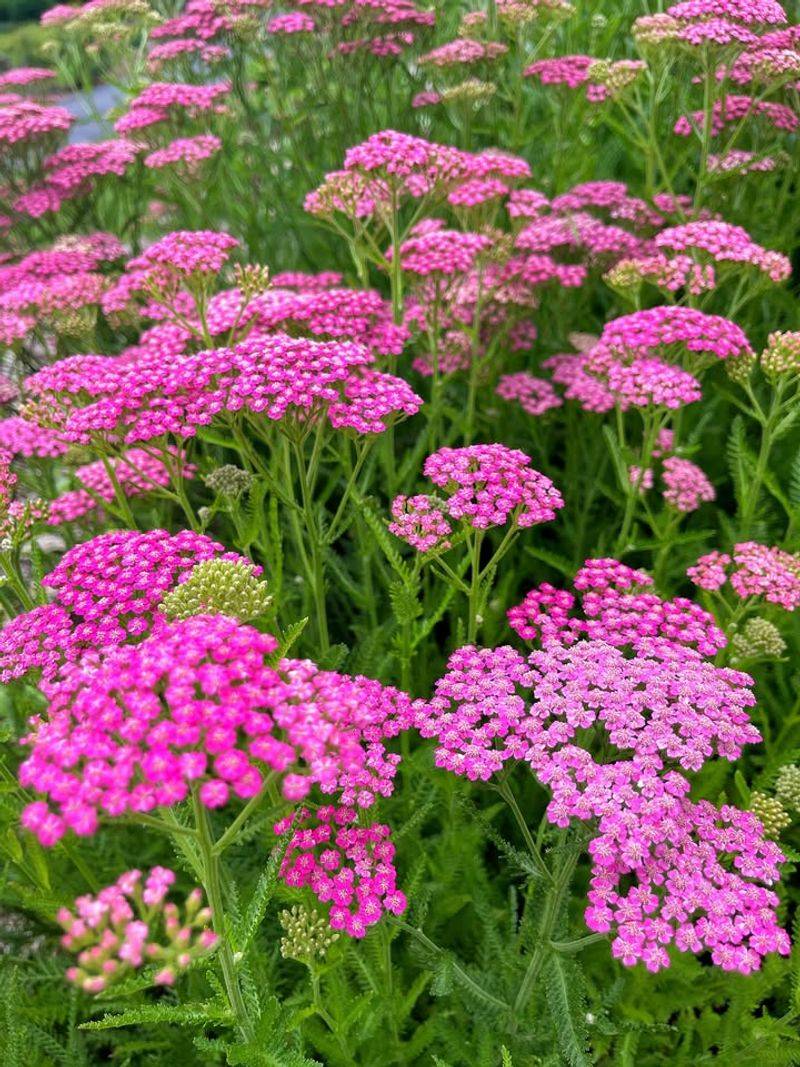
Yarrow is practically built for early planting. Achillea millefolium pushes roots into cool soil without complaint, and March planting across Georgia gives it a real head start before summer dries things out.
Once you see how fast it adapts, you will wonder why you waited so long to try it.
Flat-topped flower clusters come in yellow, white, pink, and red depending on the variety. Feathery, fern-like foliage fills in quickly and gives the plant a full, lush look even before blooms appear.
Full sun is non-negotiable for yarrow. Shade makes stems flop over and reduces flowering significantly.
One of yarrow’s best traits is how well it handles dry spells. Georgia summers can go weeks without meaningful rain, and yarrow holds up through those stretches far better than many other perennials.
Soil does not need to be rich either. Average or even slightly poor soil produces sturdy, upright plants.
Overly fertilized yarrow grows floppy stems that need staking, so skip the heavy feeding and let it grow lean. Cutting back after the first flush of blooms often triggers a second round of flowers later in summer.
5. Coreopsis Forms Strong Roots In Mild Soil
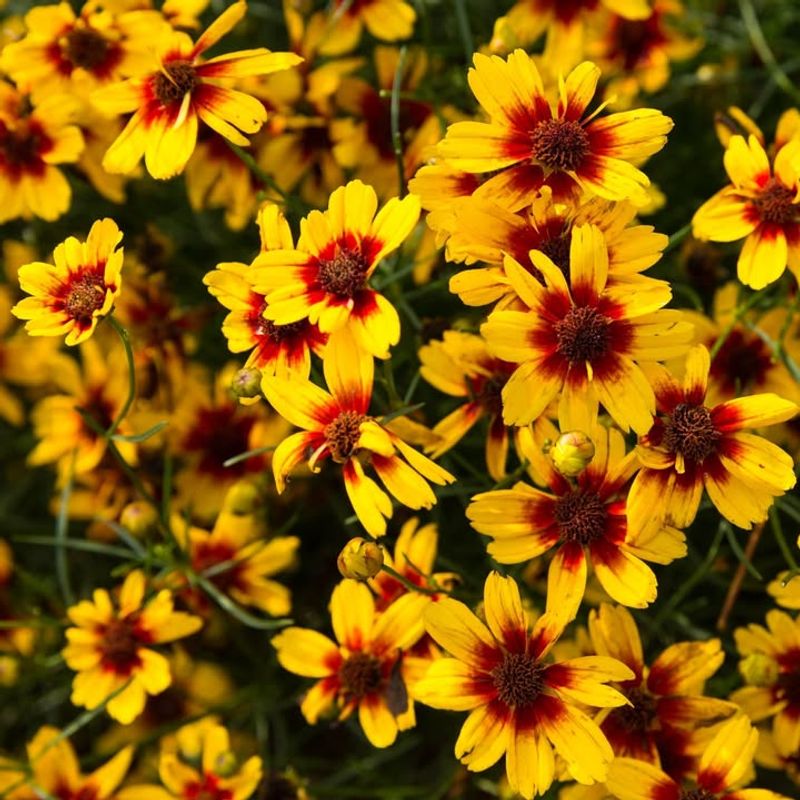
Coreopsis earns its place in Georgia gardens by being genuinely easy to grow and consistently bright through the season. Planting it in March while soil temperatures are mild gives roots time to spread without stress.
Threadleaf coreopsis, Coreopsis verticillata, is one of the best varieties for the region.
Yellow flowers appear in late spring and keep going well into summer. Feathery foliage gives the plant a light, airy texture that contrasts nicely with bolder perennials like coneflower or Shasta daisy.
Full sun is where coreopsis performs best. In partial shade, flowering drops off noticeably and plants tend to lean toward whatever light they can find.
Soil drainage is important. Coreopsis planted in wet or compacted ground struggles to establish, especially in Georgia’s red clay.
Working compost into the planting area before putting plants in the ground helps significantly. Spacing plants about eighteen to twenty-four inches apart allows good airflow and room for natural spreading.
Shearing plants back by about a third after the first big bloom flush refreshes the foliage and encourages another round of flowers before summer ends. It is a simple step that pays off well.
6. Lantana Waits For Consistently Warm Temperatures

Patience pays off with lantana. Unlike the earlier entries on this list, lantana needs the soil to feel genuinely warm before it goes in the ground.
Planting too early in Georgia, especially in March, risks stunted growth and poor establishment. Late April into May is typically the right window for most parts of the state.
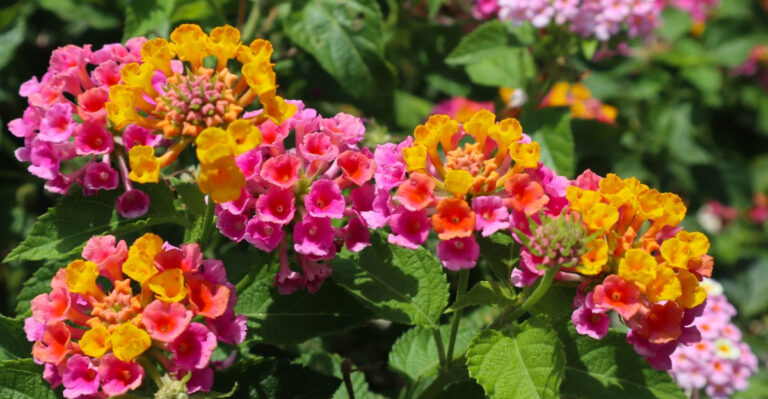
Lantana camara thrives in Georgia’s summer heat in a way that few other plants can match. Once warm temperatures arrive and stay, lantana takes off fast.
Clusters of small flowers in orange, yellow, pink, red, and purple cover the plant from summer through the first frost. Butterflies and hummingbirds are drawn to it constantly.
Full sun and sharp drainage are the two non-negotiables for lantana. It handles dry stretches well and actually blooms more freely when not overwatered.
Rich soil is not required, and heavy fertilizing pushes leafy growth at the expense of flowers. In Georgia’s warmer zones, lantana can return year after year from the roots, though it is often treated as an annual in cooler mountain areas.
Either way, it delivers outstanding color through the hottest months of the year.
Waiting for warmer soil allows lantana roots to establish quickly, which leads to stronger growth and heavier flowering once summer heat settles in across Georgia.
7. Mexican Bush Sage Prefers Heat Before Planting
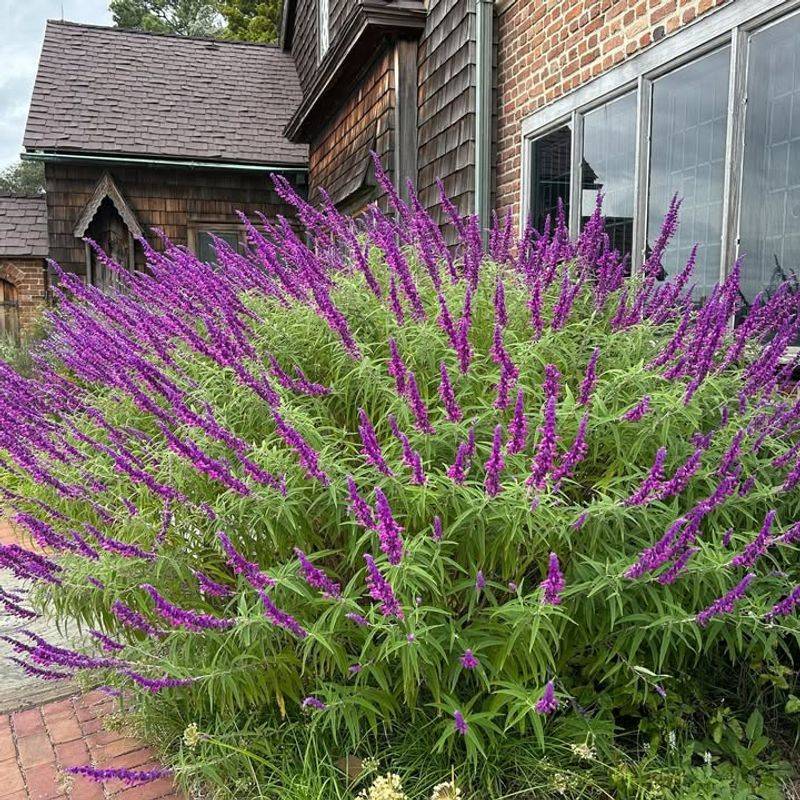
Mexican bush sage is a showstopper in the fall garden, but getting it there requires starting with warm soil. Salvia leucantha does not respond well to cool ground.
Pushing it into the garden too early in Georgia leaves it sitting still and vulnerable rather than growing. Waiting until soil temperatures are consistently above sixty degrees makes a real difference.
Velvety purple and white flower spikes appear in late summer and fall, lasting right up until frost arrives. Plants grow large, sometimes reaching four to five feet tall and equally wide, so give them room.
Full sun is essential. Even a half day of shade reduces blooming and makes the plant stretch awkwardly toward the light.
Once warm weather settles in, Mexican bush sage grows quickly and fills a space that many other perennials have already vacated. It is a strong choice for the back of a border in Georgia gardens, where its height and late-season color make it genuinely useful.
Cutting plants back hard in late winter before new growth appears keeps them from getting woody and tired-looking.
In the warmer parts of Georgia, roots often survive winter and push new growth the following spring without any help from the gardener.
8. Pentas Establishes Best In Warm Garden Beds
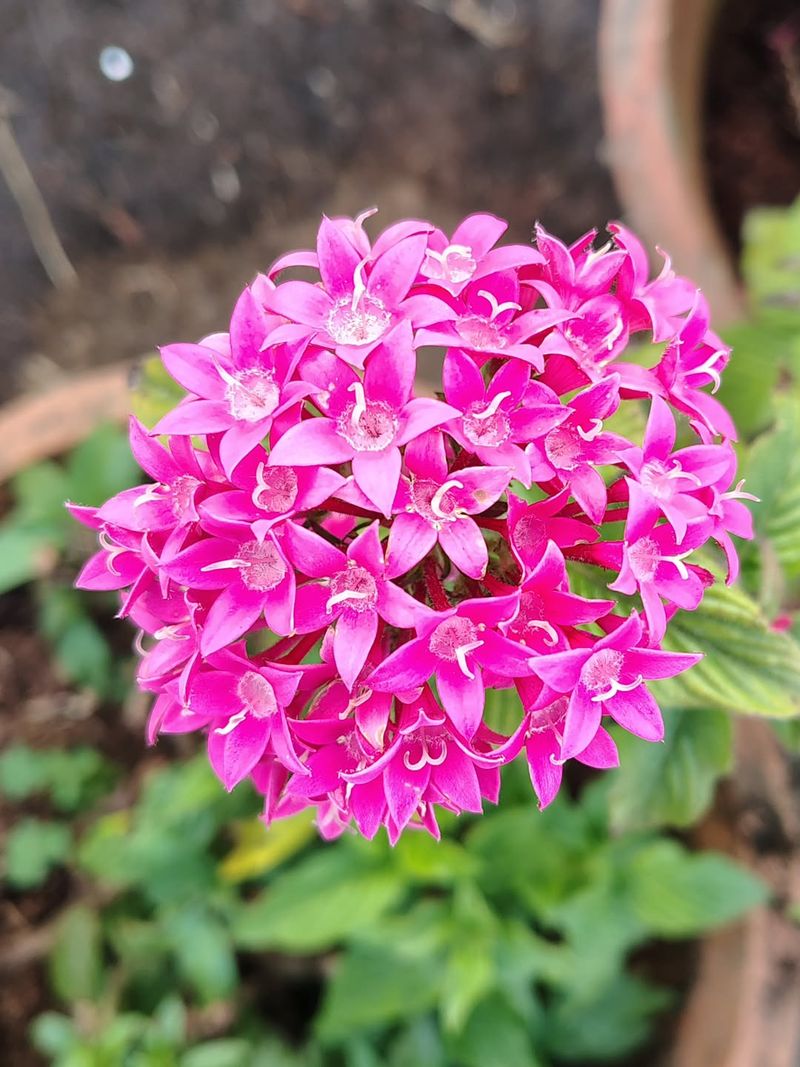
Pentas is one of those plants that butterflies and hummingbirds cannot resist, but it has one firm requirement: warm soil. Putting pentas in the ground during a cool March in Georgia is a mistake most gardeners only make once.
Soil needs to be warm and settled before pentas goes in, which usually means waiting until late April or May across most of the state.
Star-shaped flower clusters in red, pink, white, and lavender bloom nonstop through summer and into fall. Pentas lanceolata handles Georgia heat and humidity far better than many flowering perennials.
It does not wilt dramatically during afternoon heat spikes the way some plants do. That resilience makes it especially valuable in Georgia gardens where summers are long and relentless.
Plant pentas in full sun for the best flower production. Partial shade is tolerable but noticeably reduces bloom count.
Regular watering during the first few weeks after planting helps roots establish quickly in warm soil. After that, pentas handles moderate dry spells without much trouble.
Removing spent flower heads encourages fresh clusters to form and keeps the plant looking tidy through the season. It is a straightforward plant that delivers strong results when timing is right.
9. Angelonia Needs Warm Soil To Settle In
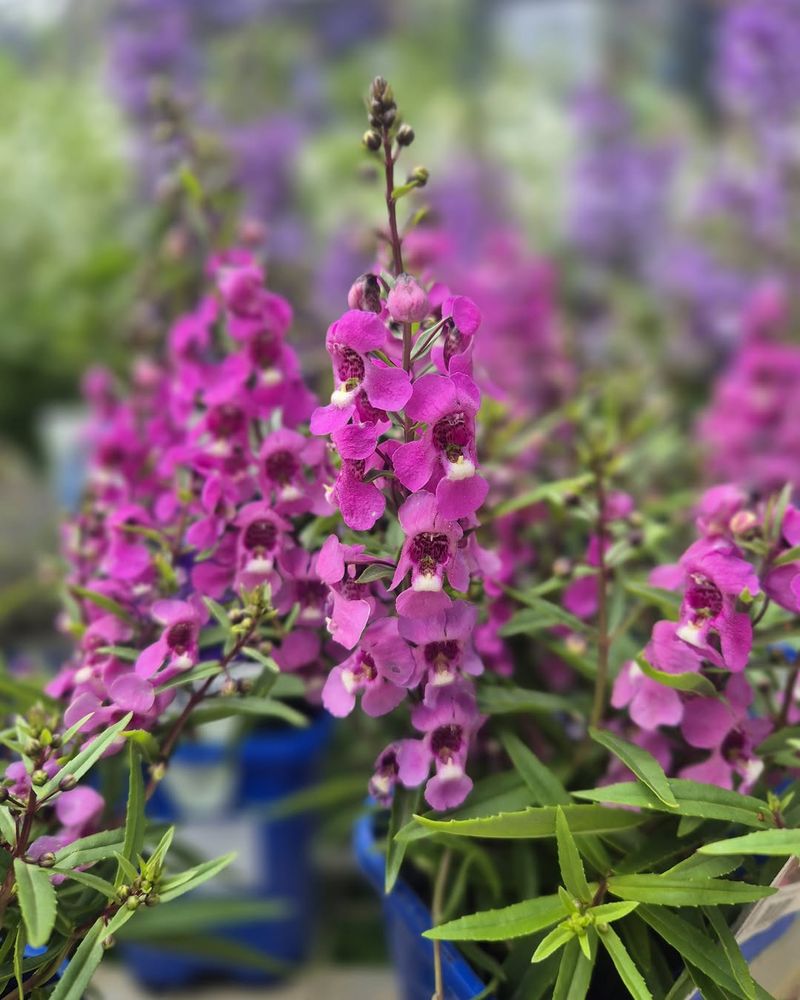
Angelonia looks delicate but performs like a workhorse in Georgia’s summer heat. Do not let the soft, snapdragon-like flowers fool you.
Cold soil will stall this plant completely, so holding off until the ground warms up is the right call. Rushing it into a cool March garden in Georgia leads to disappointment rather than results.
Spikes of purple, pink, white, or bicolor flowers bloom from early summer straight through fall without much intervention. Angelonia angustifolia tolerates high heat and humidity in a way that makes it genuinely well-suited for Georgia’s long, hot growing season.
It does not ask for much water once settled in, which is a real advantage during dry summer stretches.
Full sun brings out the best in angelonia. Six or more hours of direct sunlight daily keeps plants compact and floriferous.
In shadier spots, stems stretch out and flowering drops off. Average, well-drained soil is all it needs.
Overly rich soil produces a lot of leafy growth and fewer blooms. Pinching stem tips early in the season encourages branching and a fuller plant shape.
Gardeners in Atlanta and other Georgia urban areas often find angelonia holds up especially well to the reflected heat from paved surfaces nearby.