11 Perennials Georgia Homeowners Should Avoid Growing In Their Yards, According To Experts
Planting perennials can feel like setting it and forgetting it—but in Georgia, that mindset can come back to bite you.
What looks like a garden MVP at the nursery can turn into a full-blown yard villain once it hits Southern soil.
Thanks to the state’s long growing season, humid climate, and mild winters, some perennials don’t just thrive—they run amok, crowding out natives, guzzling resources, and turning weekend gardening into a never-ending tug-of-war.
As the saying goes, pretty is as pretty does, and not every showstopper plays nice.
Before you dig yourself into a horticultural hole, it pays to know which plants are more trouble than they’re worth.
We asked experts to spill the dirt on the perennials Georgia homeowners should think twice about—so you can keep your landscape lush, balanced, and blissfully low-drama.
1. English Ivy

English Ivy might seem like an elegant ground cover, but this European import creates serious problems for Georgia landscapes and native forests across the state.
Vines climb tree trunks with alarming speed, blocking sunlight from reaching leaves and weakening branches until storms can easily snap them off during bad weather.
Ground-level growth forms thick mats that smother wildflowers, native grasses, and young tree seedlings trying to establish themselves in your yard or nearby woodlands.
Removal becomes incredibly difficult once roots establish themselves deeply, requiring years of persistent effort and often professional help to eliminate the plant completely from properties.
Birds spread seeds to natural areas where ivy outcompetes native plants, reducing food sources for insects, butterflies, and other wildlife that depend on local vegetation.
Georgia experts classify this plant as highly invasive, recommending native alternatives like Carolina jessamine or crossvine for vertical interest without the ecological damage and maintenance headaches.
2. Japanese Honeysuckle
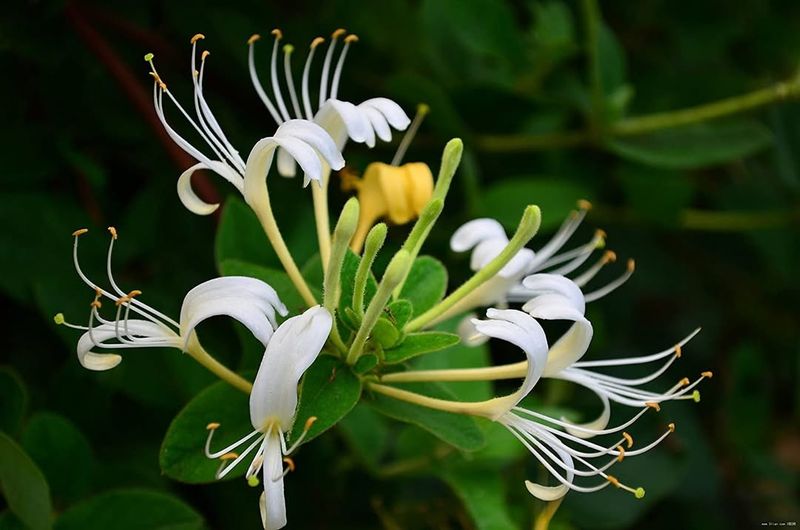
Sweet-smelling Japanese Honeysuckle attracts gardeners with its fragrant blooms, but this aggressive vine quickly transforms into an uncontrollable monster that smothers everything in sight.
Twining stems wrap around shrubs, small trees, and fences with such vigor that they strangle host plants and pull down structures under their weight.
A single plant produces thousands of seeds that birds eagerly distribute across neighborhoods, natural areas, and woodlands where native species struggle to compete against the invader.
Underground runners spread rapidly through garden beds, popping up many feet away from the original planting site and making eradication extremely challenging for frustrated homeowners.
This Asian import displaces native honeysuckles that provide better nutrition for hummingbirds, butterflies, and beneficial insects adapted to regional plants over thousands of years of evolution.
Landscape professionals throughout Georgia strongly discourage planting this species, suggesting native coral honeysuckle instead for fragrance and wildlife value without the aggressive spreading behavior and endless maintenance.
3. Chinese Wisteria

Chinese Wisteria produces stunning purple flower cascades that look magical in springtime, but this powerful vine causes structural damage and ecological harm throughout Georgia communities.
Woody stems grow as thick as tree trunks, crushing arbors, pulling gutters from houses, and girdling mature trees until they weaken and become hazardous.
Roots send up shoots many yards from the main plant, invading flower beds, vegetable gardens, and neighbor’s yards where they become unwelcome and difficult to remove.
Seedpods explode in late summer, launching seeds across wide areas where they germinate readily and establish new colonies that threaten native forest edges and stream banks.
This Asian species offers little value to native pollinators compared to indigenous plants, creating beautiful but ecologically empty spaces that fail to support local food webs.
Georgia horticulturists recommend native American wisteria as a better-behaved alternative that provides similar beauty with much less aggressive growth, structural risk, and environmental impact for responsible homeowners.
4. Running Bamboo
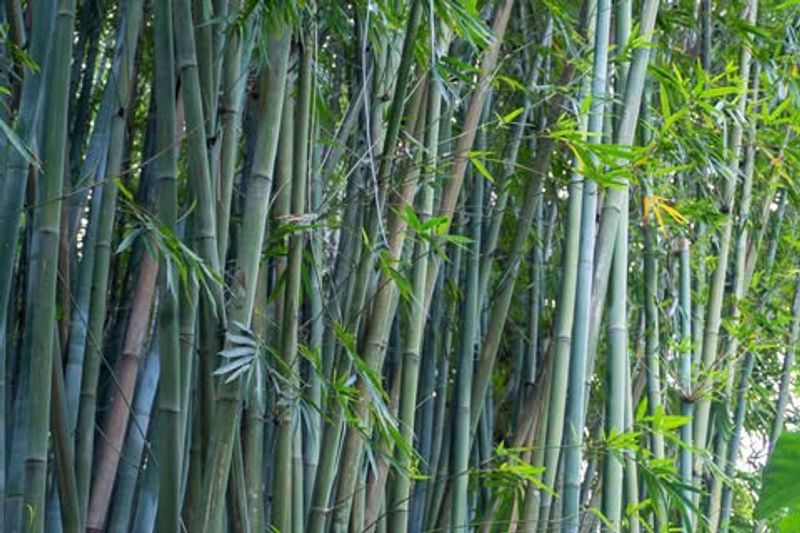
Running Bamboo appeals to homeowners seeking fast privacy screens, but this plant becomes a neighborhood nightmare that spreads relentlessly through underground rhizomes impossible to contain affordably.
Shoots emerge through concrete driveways, foundation cracks, and neighbor’s lawns, creating legal disputes and expensive removal projects that can cost thousands of dollars to address properly.
Underground runners travel fifteen to twenty feet per season, establishing dense colonies that crowd out every other plant and create monocultures with minimal wildlife value.
Cutting above-ground canes does nothing to stop the spread since energy stored in rhizomes simply fuels more shoots that pop up in unexpected locations.
Root barriers often fail when rhizomes find gaps or grow deeper than the barrier extends, rendering expensive containment efforts useless after just a few growing seasons.
Georgia landscaping experts universally warn against running bamboo varieties, suggesting clumping bamboo species or native river cane for similar aesthetics without the invasive behavior that destroys property relationships.
5. Mint
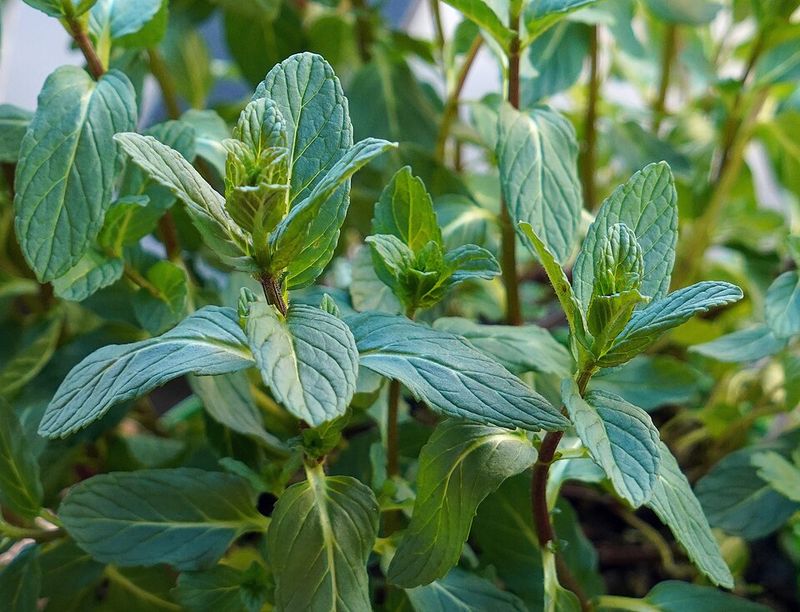
Mint smells wonderful and flavors tea beautifully, but planting it directly in Georgia garden beds creates an aggressive spreader that takes over entire yards within seasons.
Underground stolons race through soil in all directions, sending up new shoots that crowd out vegetables, flowers, and other herbs you actually wanted to grow there.
Roots intertwine with desirable plants, making selective removal nearly impossible without disturbing everything else growing in the same bed or container arrangement nearby your home.
Even tiny root fragments left behind after pulling plants regenerate into full colonies, frustrating gardeners who thought they had finally eliminated this persistent herb completely.
While not harmful to native ecosystems like some invasive species, mint creates endless maintenance work and ruins carefully planned garden designs with its unstoppable spreading behavior.
Georgia gardening experts recommend growing mint only in containers, buried pots, or isolated areas where its aggressive nature cannot interfere with other plantings you value more highly.
6. Periwinkle (Vinca Minor)
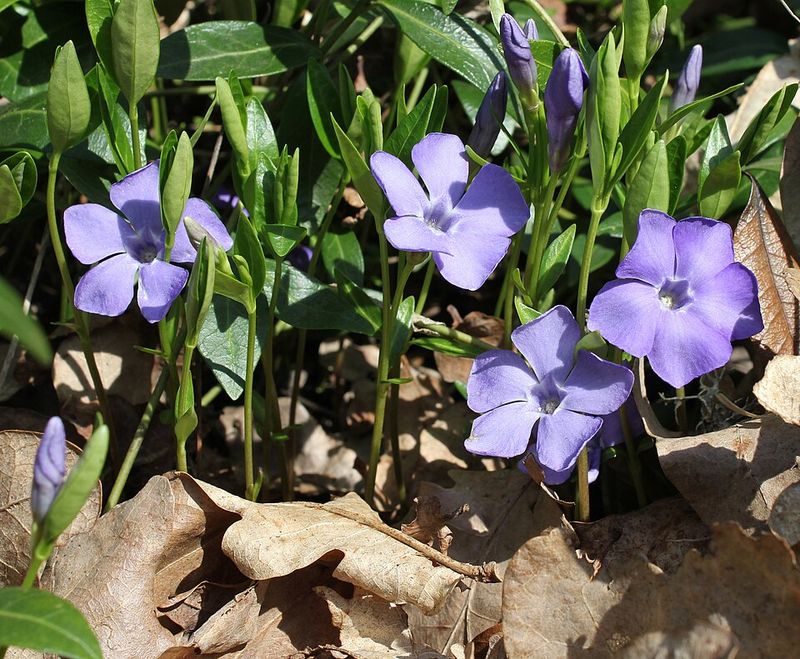
Periwinkle offers evergreen ground cover with cheerful blue flowers, but this European import escapes cultivation and invades Georgia forests where it damages delicate native plant communities.
Dense mats of glossy leaves block sunlight from reaching forest floor wildflowers, ferns, and tree seedlings that need light to survive and reproduce successfully.
Trailing stems root at every node, creating thick carpets that spread downhill into stream valleys and natural areas where they outcompete indigenous species adapted to local conditions.
Once established in wooded areas, removal becomes labor-intensive and expensive, requiring repeated efforts over multiple years to prevent regrowth from overlooked root fragments and stem pieces.
This ground cover provides minimal food value for native insects and wildlife compared to indigenous plants that support complex food webs essential for ecosystem health.
Georgia conservation experts discourage periwinkle in favor of native alternatives like wild ginger, green-and-gold, or foamflower that provide similar ground coverage without escaping gardens or harming natural habitats.
7. Purple Loosestrife
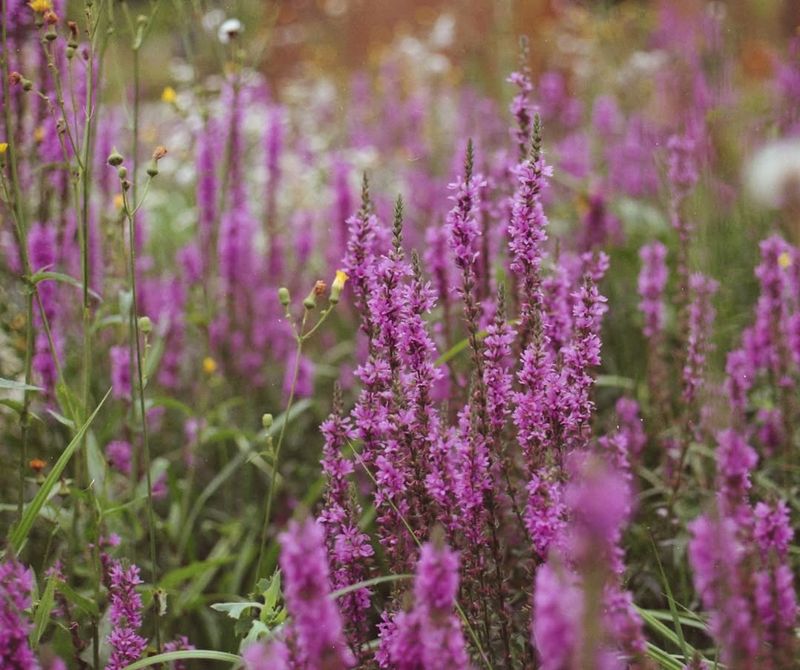
Purple Loosestrife produces spectacular magenta flower spikes that catch every gardener’s eye, but this wetland invader devastates Georgia marshes, pond edges, and stream banks catastrophically.
A single mature plant generates millions of tiny seeds that wind and water carry to wetlands where they germinate readily and form dense stands choking out everything.
Native cattails, sedges, and rushes that provide food and nesting habitat for waterfowl, amphibians, and aquatic insects disappear when loosestrife takes over their territories completely.
Thick root systems alter water flow patterns and soil chemistry in wetlands, changing entire ecosystems in ways that harm fish, turtles, herons, and countless other species.
Georgia regulations actually prohibit selling or planting this species in many counties due to its severe environmental impact on important aquatic ecosystems throughout the region.
Wetland restoration specialists spend enormous resources removing purple loosestrife from natural areas, making it especially irresponsible for homeowners to plant this destructive species anywhere near water features or drainage areas.
8. Butterfly Bush
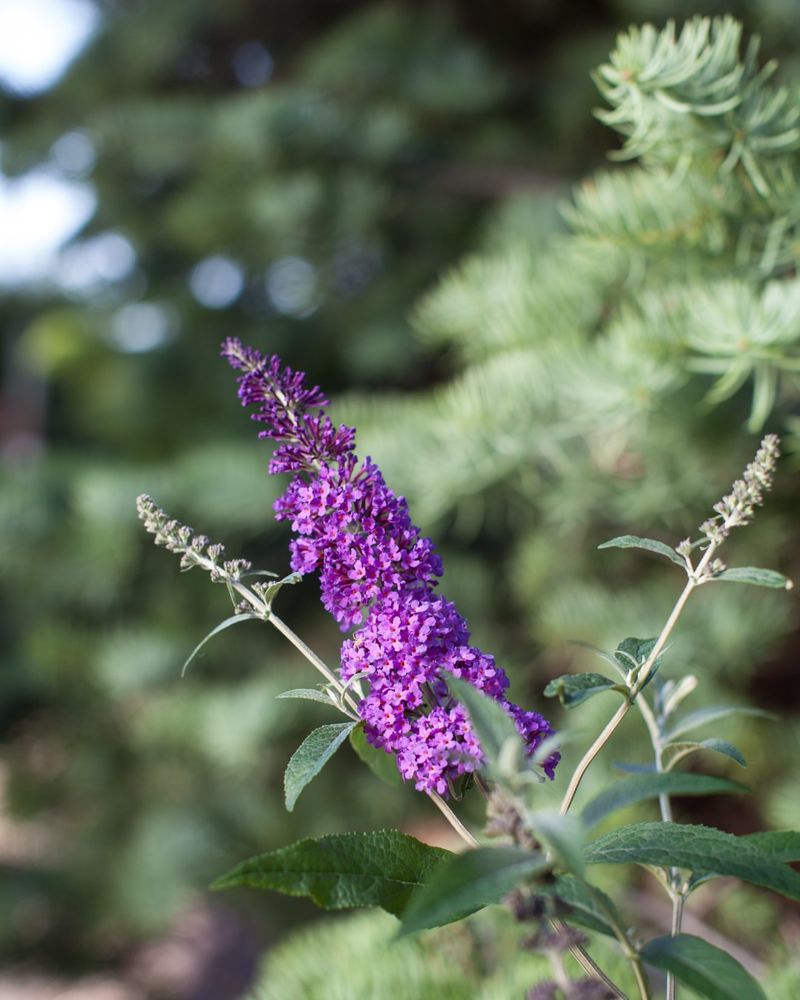
Butterfly Bush seems perfect for pollinator gardens with its fragrant flower spikes covered in colorful insects, but this plant actually harms butterflies more than it helps them.
Adult butterflies visit flowers for nectar, but caterpillars cannot eat butterfly bush leaves, meaning the plant fails to support complete butterfly life cycles in your landscape.
Seeds spread easily to natural areas where butterfly bush outcompetes native plants that caterpillars actually need for food, reducing overall butterfly populations despite attracting adult specimens temporarily.
Georgia roadsides, forest edges, and stream banks show increasing butterfly bush invasions that displace indigenous shrubs providing better wildlife value and ecosystem services for communities.
Recent research shows butterfly bush acts as an ecological trap, luring butterflies away from native plants while offering no real benefit to their long-term survival and reproduction.
Conservation-minded Georgia gardeners choose native alternatives like buttonbush, Joe-Pye weed, or blazing star that provide nectar while also supporting caterpillars and other beneficial insects throughout their lifecycles.
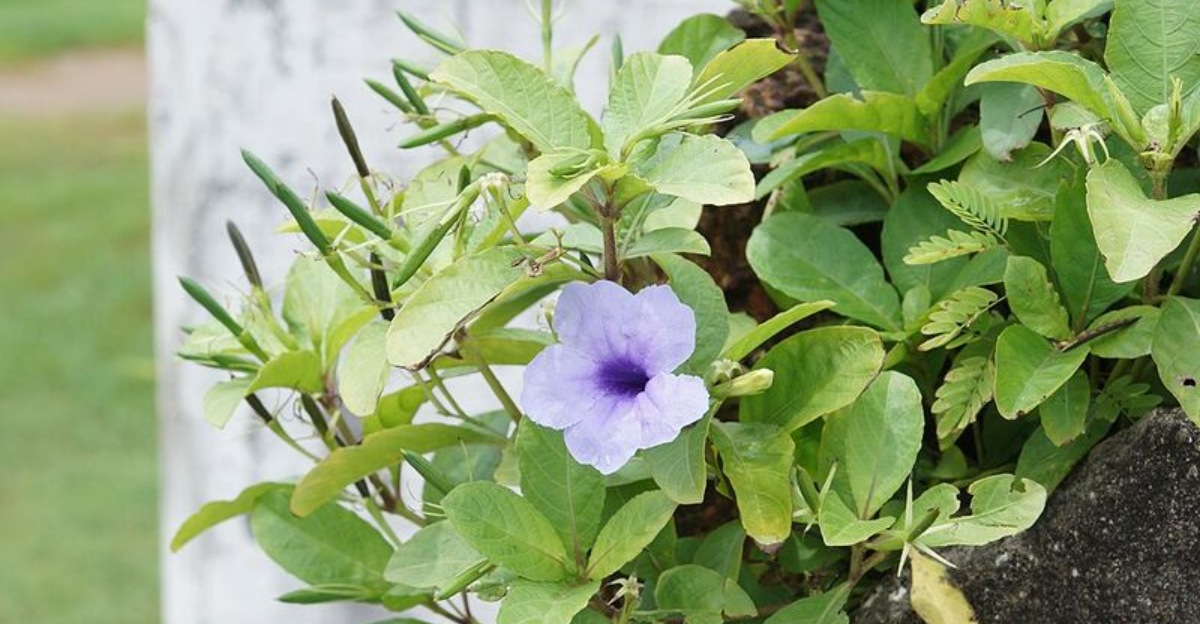
9. Mexican Petunia (Ruellia)
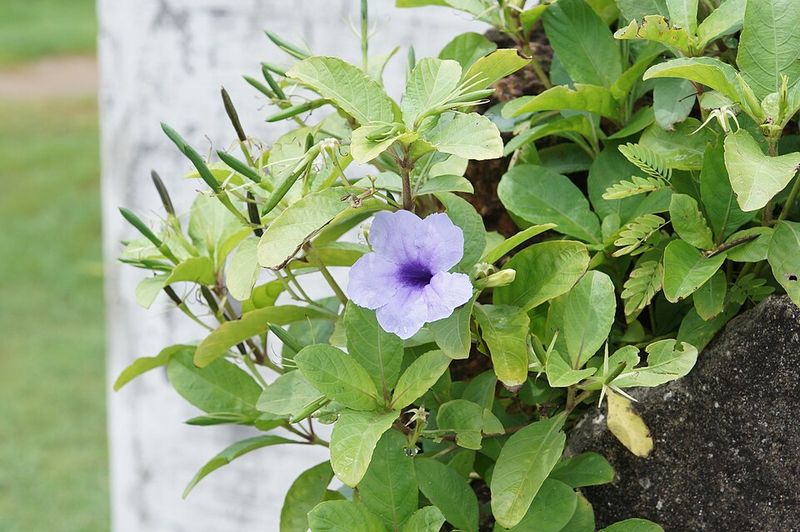
Mexican Petunia produces attractive purple blooms throughout summer, but this South American import spreads aggressively through Georgia gardens, wetlands, and natural areas with alarming speed.
Underground rhizomes and prolific seeds create dense colonies that push out native wildflowers, grasses, and wetland plants important for local wildlife and ecosystem stability in communities.
Stems spread through lawn areas, flower beds, and drainage ditches where they become nearly impossible to remove without persistent effort over multiple growing seasons and treatments.
Georgia waterways show increasing Mexican petunia invasions that alter aquatic habitats, reduce plant diversity, and provide poor wildlife value compared to indigenous species adapted to regional conditions.
While marketed as low-maintenance and drought-tolerant, this plant requires constant vigilance to prevent escape from intended growing areas into places where it becomes a nuisance problem.
Responsible Georgia landscapers recommend native alternatives like blue flag iris, cardinal flower, or swamp sunflower for similar color and moisture tolerance without the invasive spreading behavior that creates problems.
10. Pampas Grass
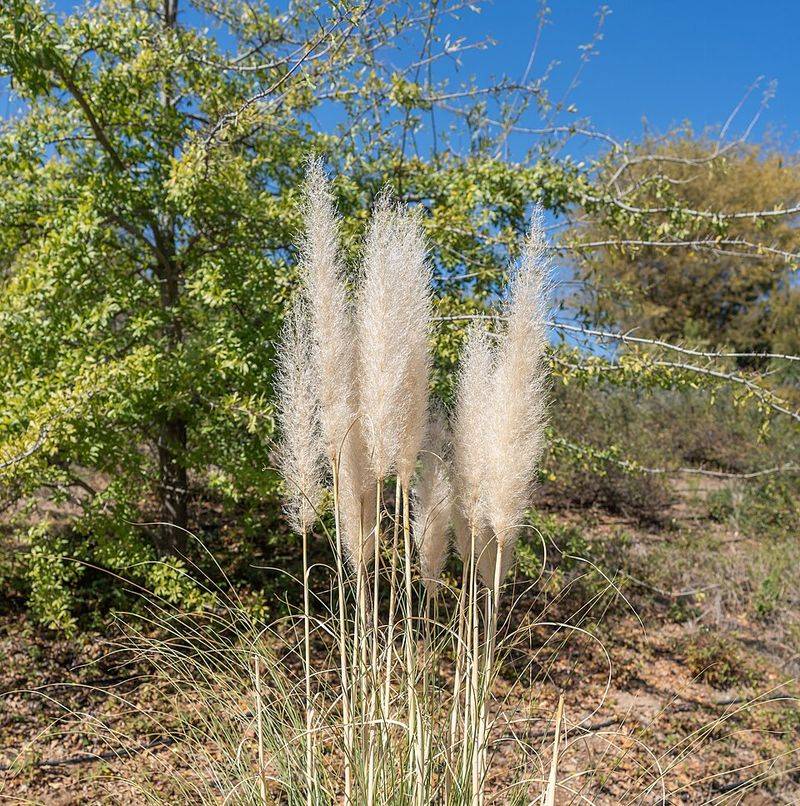
Pampas Grass creates dramatic focal points with towering white plumes, but this South American giant becomes invasive in Georgia coastal areas and produces sharp leaves dangerous around children.
Seeds from female plants spread for miles on wind currents, establishing colonies in natural areas, roadsides, and dunes where they outcompete native grasses important for dune stabilization.
Razor-sharp leaf edges cause serious cuts to people and pets brushing against plants, making pampas grass unsuitable for yards where children play or family activities occur regularly.
Withered foliage accumulates in centers of clumps, creating fire hazards during dry seasons when accumulated material can ignite from sparks or lightning strikes near homes and structures.
Georgia coastal counties particularly struggle with pampas grass invasions that threaten fragile dune ecosystems and maritime forests adapted to salt spray and sandy soil conditions found there.
Native alternatives like muhly grass, switchgrass, or sea oats provide similar ornamental value with better wildlife benefits, safer foliage, and no invasive tendencies that harm coastal environments and landscapes.
11. Chameleon Plant
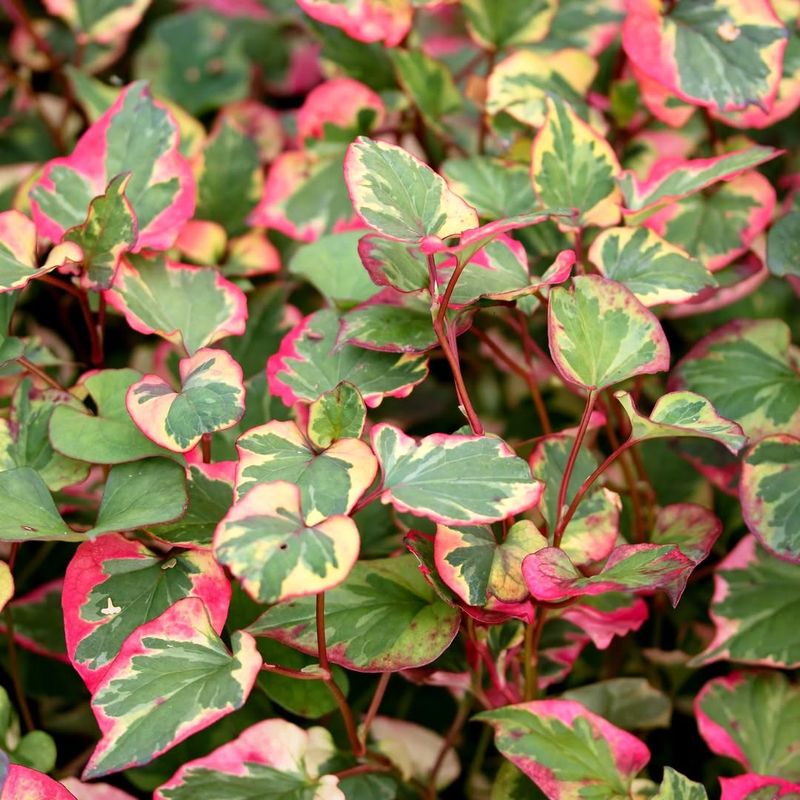
Chameleon Plant attracts attention with colorful foliage splashed in red, green, and cream, but this Asian ground cover spreads uncontrollably through Georgia gardens and wet areas.
Underground rhizomes race through flower beds, lawns, and vegetable gardens, sending up shoots that smell unpleasantly fishy when crushed or disturbed during routine yard maintenance activities.
Once established, chameleon plant proves nearly impossible to eradicate since tiny root fragments regenerate into new colonies even after careful removal attempts by frustrated homeowners.
Moist areas like rain gardens, pond edges, and drainage swales become completely overrun within seasons as this aggressive spreader outcompetes every other plant in sight.
Georgia gardening forums overflow with complaints from homeowners who planted chameleon plant for color and now cannot eliminate it despite years of persistent removal efforts.
Landscaping professionals strongly advise against this plant, recommending native alternatives like golden groundsel, green-and-gold, or wild ginger for colorful ground coverage without the aggressive spreading that creates endless maintenance.