7 Perennials Michigan Gardeners Can Count On Every Year
Michigan gardeners know the real test of a plant is not how it looks in summer, but how it comes back after a long, freezing winter.
Finding flowers that survive snow, ice, and sudden temperature swings can feel like a challenge, yet the right perennials make it surprisingly easy.
These dependable plants settle in, grow stronger each year, and return every spring without the need for constant replanting.
As the seasons shift, they bring waves of color from the first hints of spring through the rich tones of fall, keeping gardens lively for months.
Even better, many are well adapted to Michigan’s varied climate zones, handling cold snaps and warm spells with ease.
Choosing the right perennials means spending less time replacing plants and more time enjoying a garden that grows fuller, brighter, and more rewarding with every passing season.
1. Hosta (Hosta spp.)
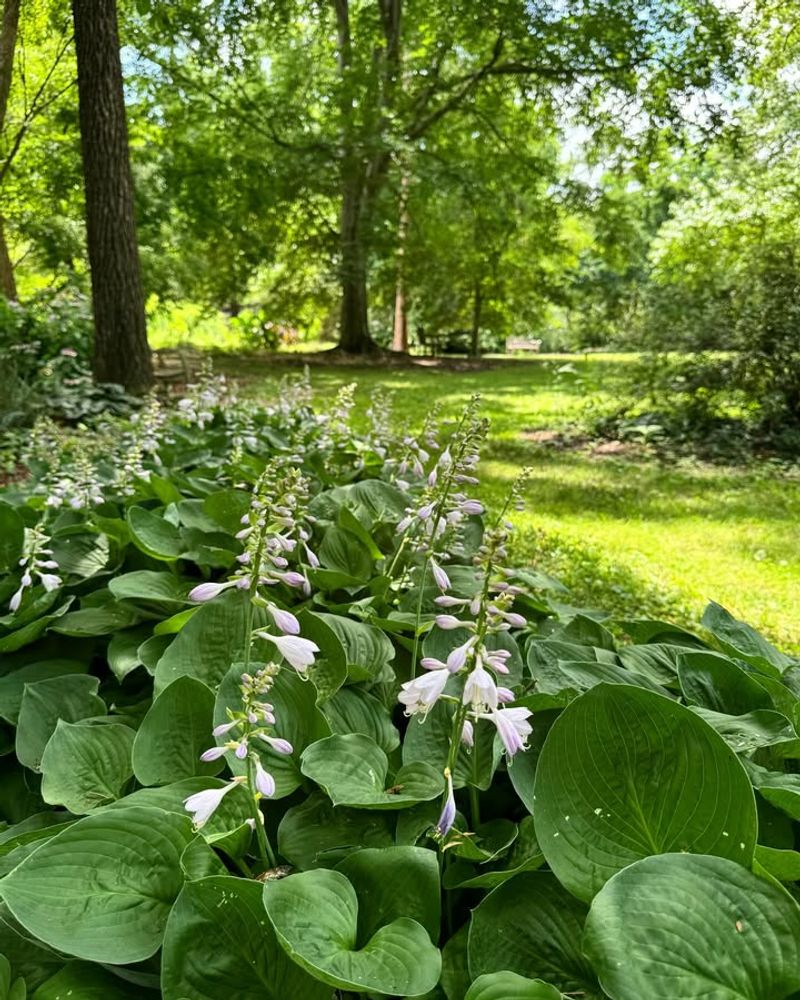
Few plants handle Michigan shade as gracefully as hostas do. Their thick, textured leaves unfurl each spring like nature’s welcome mat. Gardens tucked under trees or along north-facing walls transform into lush retreats when hostas take root.
These perennials survive brutal Michigan winters because their root systems go dormant beneath protective snow cover.
Once temperatures warm in April or May, new shoots push through mulch with remarkable vigor. Gardeners appreciate how hostas require minimal fussing once established in their preferred spots.
Shade to part-shade locations suit hostas best, though some varieties tolerate morning sun.
Well-drained soil enriched with organic matter keeps plants thriving for decades. Watering during dry spells helps maintain that signature lush appearance throughout summer months.
Deer sometimes browse hosta leaves, but many Michigan gardeners find success with resistant varieties or protective measures.
Slugs occasionally nibble young foliage, yet established plants usually outgrow any minor damage. The trade-off seems worthwhile for such dependable greenery.
Hostas bloom with lavender or white flowers on tall stalks during mid-summer. While foliage steals the show, these delicate blooms add unexpected charm. Some gardeners remove flower stalks to keep energy focused on leaf production.
Dividing mature clumps every few years rejuvenates plants and creates new ones for other garden areas. Spring or fall works well for this simple task. Michigan gardeners treasure hostas as reliable workhorses that deliver beauty without demanding constant attention.
2. Coneflower (Echinacea Purpurea)
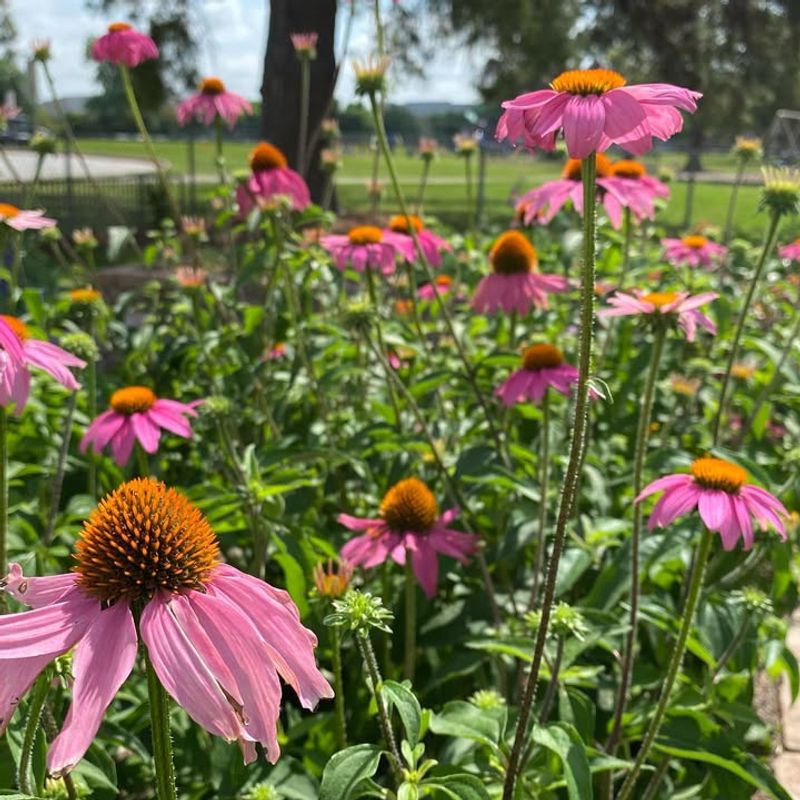
Purple coneflowers bring prairie toughness to Michigan landscapes. Native to North America, these perennials evolved to withstand temperature extremes and variable rainfall.
Their daisy-like blooms with distinctive spiky centers create stunning summer displays that pollinators absolutely adore.
Full sun and well-drained soil represent the simple recipe for coneflower success. Michigan’s clay-heavy soils benefit from added compost to improve drainage.
Once roots establish during the first season, these plants become remarkably drought-tolerant and self-sufficient.
Blooms appear in July and continue through September if spent flowers get removed regularly.
This practice, called deadheading, encourages fresh blooms rather than seed production. However, leaving some seed heads benefits birds who feast on them during fall and winter months.
Cold hardiness makes coneflowers perfect for Michigan gardens across all climate zones. Underground roots survive freezing temperatures without protection or special care.
Spring growth emerges reliably even after particularly harsh winters that challenge less adapted plants.
Butterflies, bees, and hummingbirds visit coneflowers throughout their long bloom period. This pollinator activity adds movement and life to garden spaces.
Many Michigan gardeners plant coneflowers specifically to support beneficial insects and create wildlife-friendly yards.
Height ranges from two to four feet depending on variety and growing conditions. Spacing plants eighteen inches apart allows good air circulation and room for natural spreading.
Coneflowers rarely need staking despite their height, thanks to sturdy stems that resist wind damage.
3. Black-Eyed Susan (Rudbeckia fulgida)
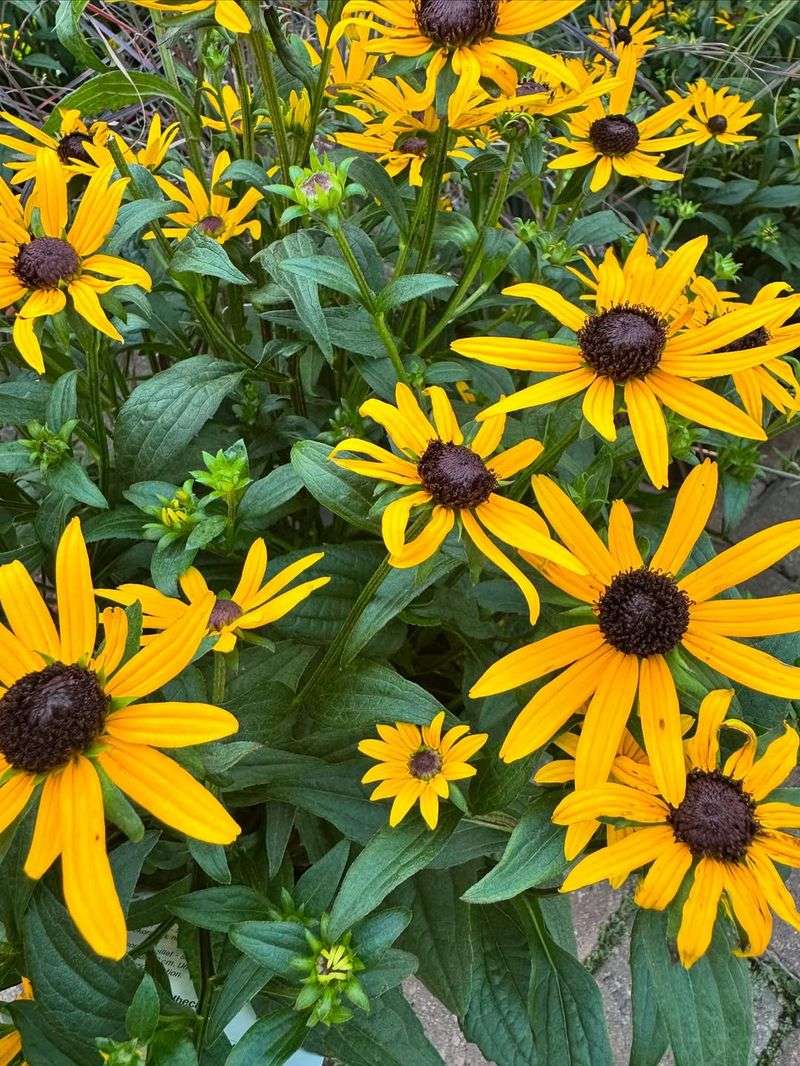
Golden petals radiating from dark chocolate centers make black-eyed Susans instantly recognizable. These cheerful natives brighten Michigan gardens from midsummer through first frost. Their sunny disposition seems to lift spirits even on cloudy days.
Adaptability ranks among this perennial’s greatest strengths. Black-eyed Susans tolerate various soil types, from sandy to clay-based. They handle brief dry spells once established, though consistent moisture produces the most prolific blooming.
Full sun locations bring out the best performance, with plants reaching two to three feet tall.
Flowers measure two to three inches across and appear in abundance throughout the growing season. The lengthy bloom period provides consistent color when many other perennials take summer breaks.
Michigan winters pose no threat to these hardy natives. Root systems survive deep freezes and emerge vigorously each spring. New growth appears in April or early May, quickly forming substantial clumps that expand gradually over time.
Self-seeding creates natural-looking drifts in informal garden settings. Gardeners who prefer controlled plantings can remove spent flowers before seeds mature. Either approach works well depending on desired garden style and maintenance preferences.
Pests and diseases rarely trouble black-eyed Susans in Michigan landscapes. Their natural resilience means less spraying and fewer interventions. This low-maintenance quality appeals to busy gardeners who want beautiful results without constant oversight.
Cutting fresh blooms for indoor arrangements doesn’t harm plants. Stems last up to ten days in water, bringing outdoor sunshine inside. Regular cutting actually encourages more flower production on remaining stems.
4. Daylily (Hemerocallis spp.)
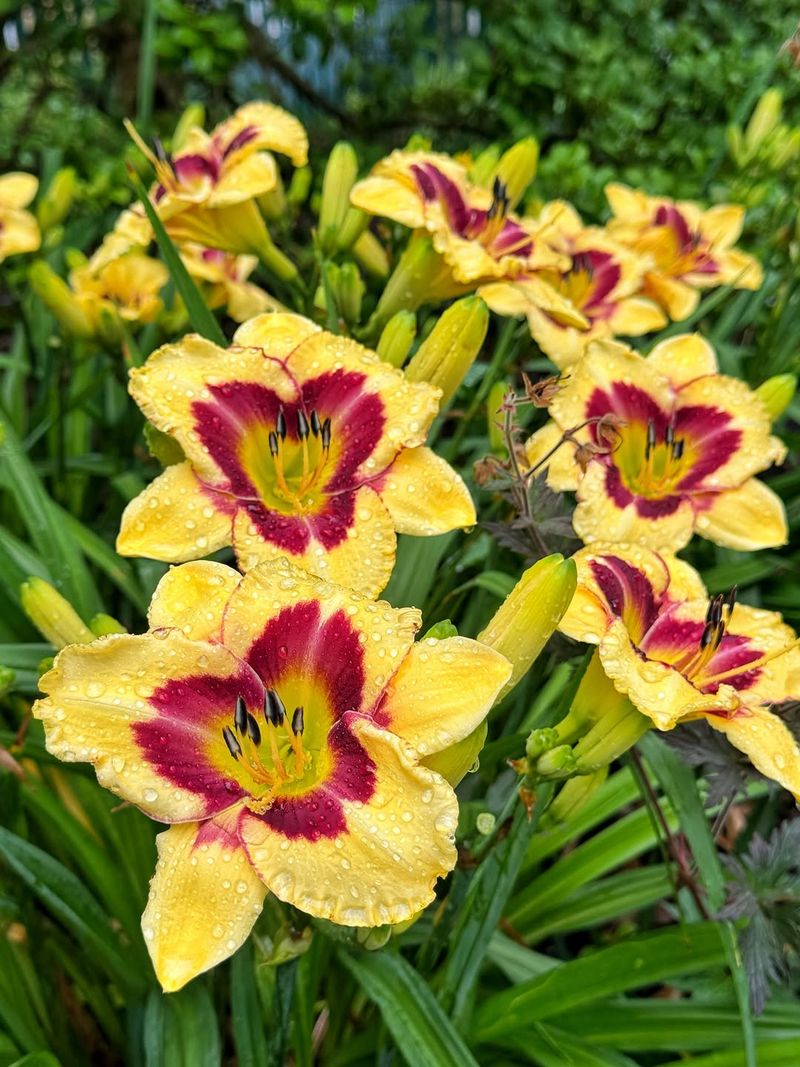
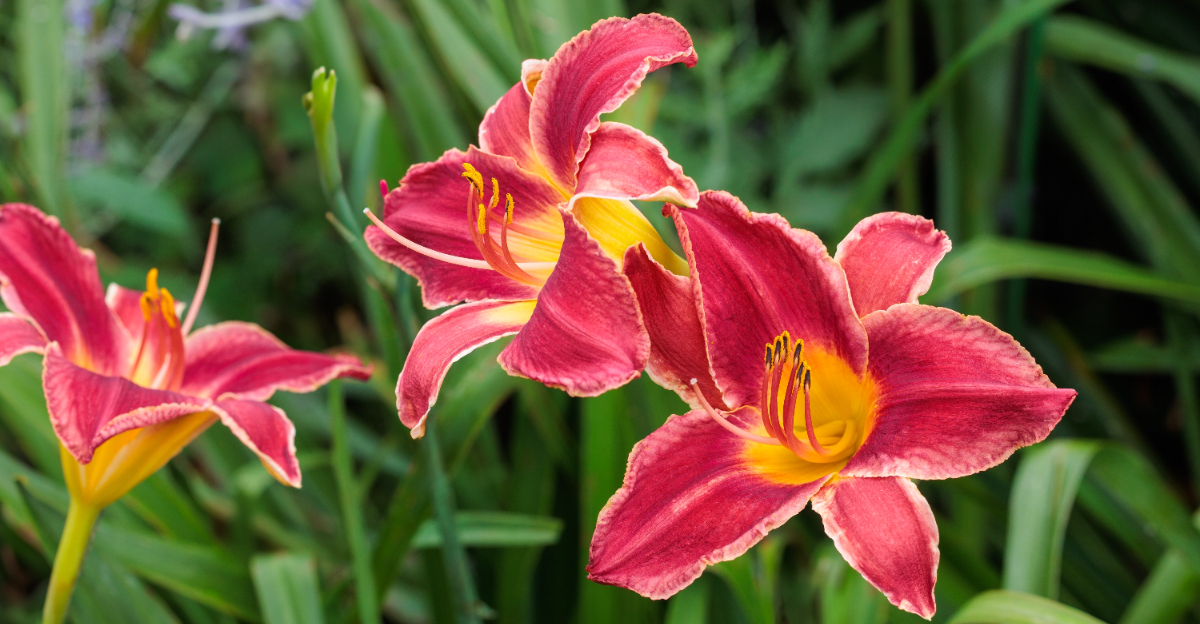
Daylilies earn their reputation as indestructible perennials through sheer determination. Each flower lasts just one day, yet plants produce so many buds that blooming continues for weeks.
This generous flowering habit keeps gardens colorful from June through August depending on variety selection.
Thousands of cultivated varieties offer colors from pale yellow to deep burgundy. Some feature ruffled edges, others display contrasting throat colors.
Michigan gardeners can choose early, midseason, and late bloomers to extend the daylily show across summer months.
Planting requirements stay refreshingly simple. Full sun to light shade works fine, though more sun generally means more flowers. Soil preferences remain flexible as daylilies adapt to most conditions except constantly soggy ground.
Winter hardiness throughout Michigan makes daylilies foolproof choices for beginners and experts alike. Roots survive frozen soil without mulch or protection. Spring growth emerges early, with grass-like foliage appearing before most other perennials wake up.
Dividing established clumps every three to five years maintains vigorous blooming. This task takes just minutes with a sharp spade and strong arms. Each division creates new plants for other garden spots or sharing with fellow gardeners.
Deer occasionally browse daylily foliage and flower buds, though damage rarely threatens plant survival. Fencing or repellents help in areas with heavy deer pressure. Most Michigan gardeners find daylilies resilient enough to bounce back from occasional browsing.
Watering during dry spells keeps foliage fresh and flowering consistent. However, established daylilies tolerate brief droughts better than many perennials. This drought tolerance proves valuable during hot, dry Michigan summers.
5. Peony (Paeonia spp.)
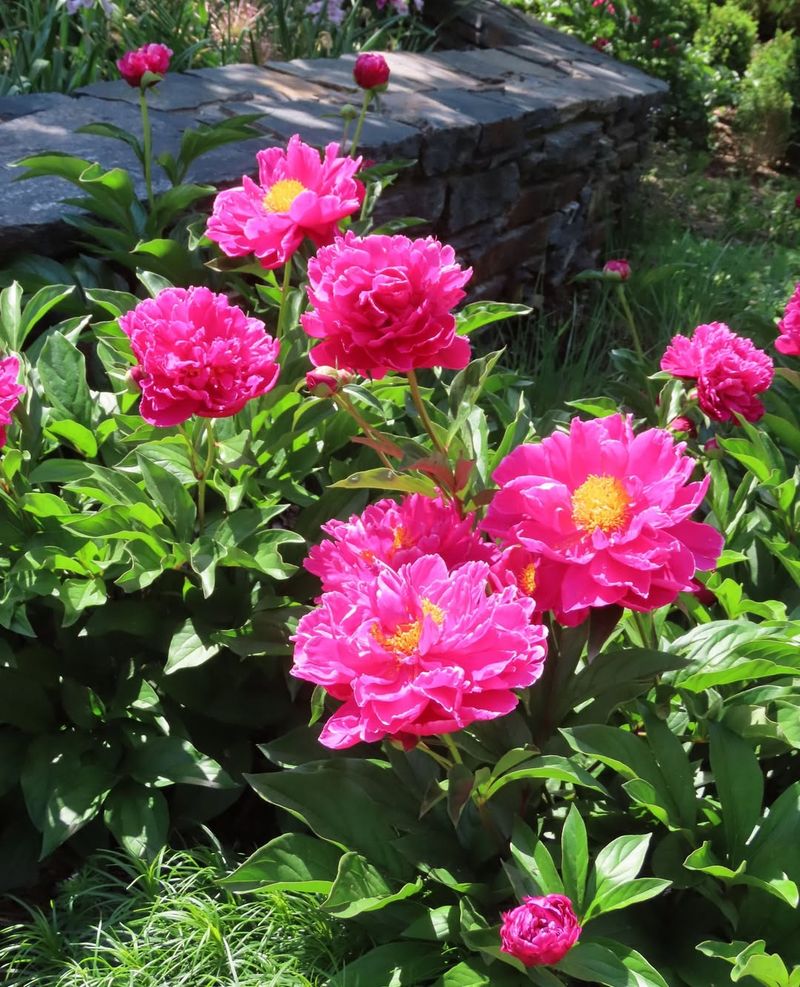
Peonies represent garden royalty with their extravagant spring blooms and intoxicating fragrance.
These perennials outlive the gardeners who plant them, thriving for fifty years or more in Michigan landscapes. Grandmother’s peonies often still bloom decades after she tended them, creating living connections to the past.
Late May through early June brings the spectacular flowering period that peony lovers anticipate all year.
Massive blooms measuring four to six inches across appear in shades of white, pink, coral, and deep red. Each flower seems almost too heavy for its stem, yet plants support them admirably.
Planting depth makes all the difference with peonies. Eyes, or growing points, should sit just one to two inches below soil surface. Deeper planting results in lush foliage but disappointing bloom production, a common frustration for new growers.
Full sun and well-drained soil create ideal growing conditions. Michigan’s cold winters actually benefit peonies because they require chilling hours to bloom properly.
This cold requirement makes them perfectly suited to northern gardens where winters reliably freeze.
Ants crawling on peony buds alarm some gardeners, but these insects cause no harm. They’re attracted to sweet nectar on developing buds and actually help flowers open. This natural relationship has existed for centuries without damaging plants.
Staking becomes necessary for varieties with especially large, heavy blooms. Simple wire hoops or peony rings installed in early spring provide invisible support as plants grow. This small effort prevents rain-soaked flowers from toppling over and getting muddy.
6. Sedum ‘Autumn Joy’ (Hylotelephium telephium)
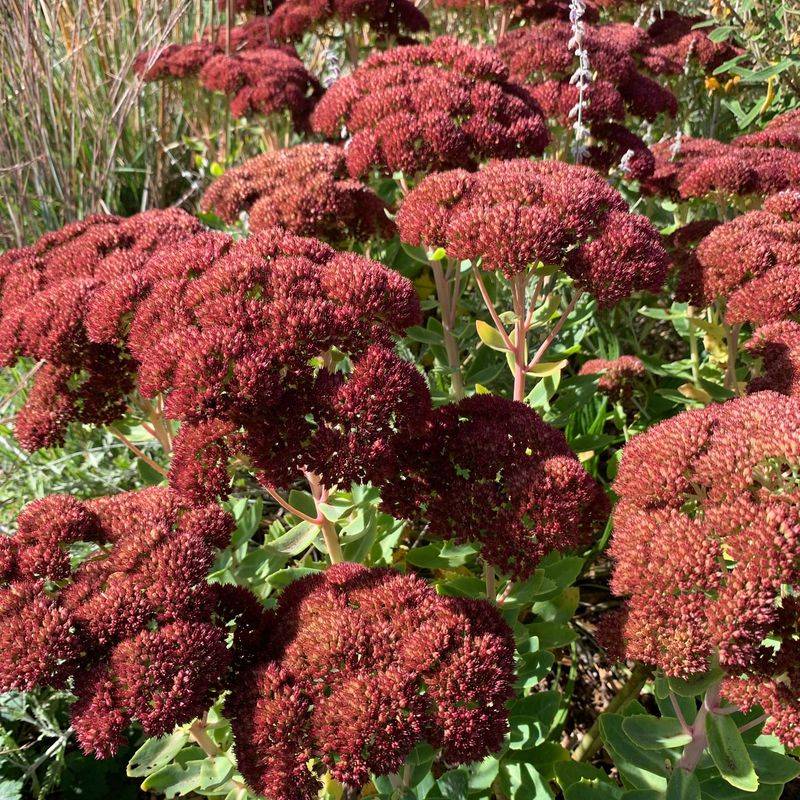
Succulent leaves and late-season blooms make Autumn Joy sedum a four-season performer.
This perennial looks attractive from spring emergence through winter when dried flower heads catch snow. Few plants offer such extended interest with so little care required.
Thick, fleshy foliage stores water efficiently, making this sedum incredibly drought-tolerant once established.
Michigan gardeners appreciate this quality during hot, dry stretches when other perennials wilt. The blue-green leaves create interesting texture even before flowers appear.
Flower buds form in July as tight green clusters atop eighteen-inch stems. These gradually expand and change color through late summer. By September, blooms mature to rich pink that deepens to coppery rust as autumn progresses.
Full sun brings out the best coloring and most compact growth habit. Part shade works but may cause taller, floppier stems that need support. Well-drained soil proves essential since soggy conditions can rot succulent roots over winter.
Butterflies and bees swarm Autumn Joy flowers during peak bloom in September and October. This late-season nectar source helps pollinators prepare for winter. Gardeners enjoy watching this activity while many other flowers have already finished blooming.
Winter interest continues after frost blackens foliage. Dried flower heads stand tall through snow and ice, adding architectural elements to dormant gardens. Many gardeners leave them standing until spring cleanup rather than cutting them down in fall.
Dividing mature clumps every three to four years maintains plant vigor. Spring or early summer works best for this simple task. Each division establishes quickly and blooms the same season when divided early enough.
7. Bleeding Heart (Dicentra spectabilis)
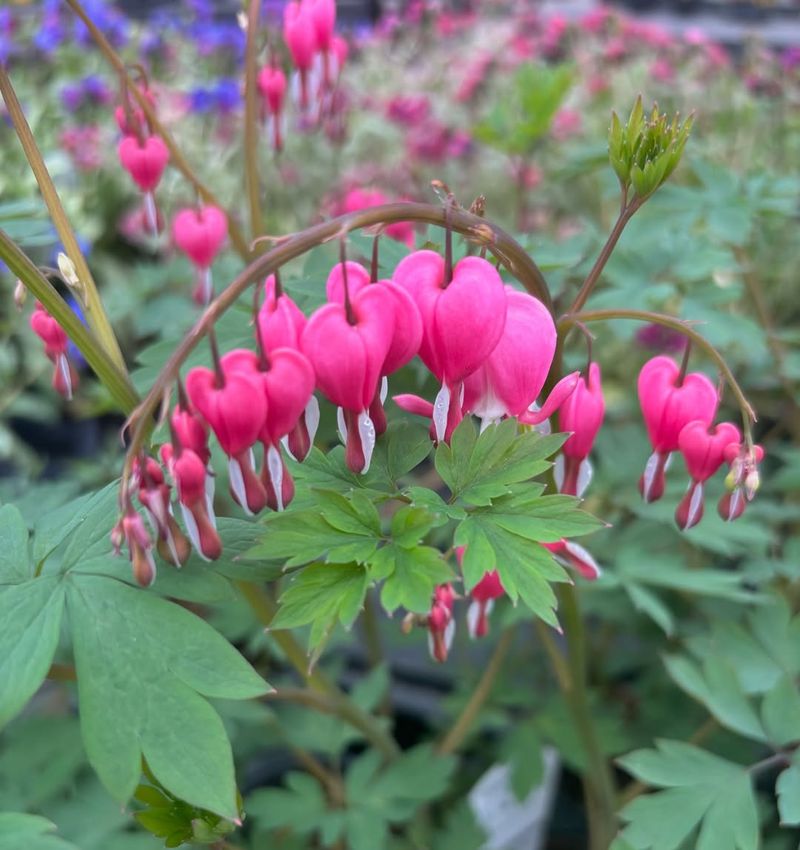
Heart-shaped flowers dangling from arching stems create an enchanting spring display. Bleeding hearts bloom while many perennials are just waking up, bringing early color to shaded Michigan gardens.
Their romantic appearance and unique form make them conversation starters among garden visitors.
Shade to part-shade locations suit bleeding hearts perfectly. Morning sun with afternoon shade works well, as does bright filtered light under deciduous trees. Too much direct sun can scorch delicate foliage, especially during hot Michigan summers.
Pink and white bicolor flowers appear in April or May depending on spring temperatures. Each bloom resembles a tiny heart with a droplet beneath, inspiring the common name. Plants typically bloom for four to six weeks, creating substantial spring impact.
Foliage naturally yellows and goes dormant by midsummer in many Michigan gardens. This dormancy represents normal behavior rather than plant distress.
Gardeners often interplant bleeding hearts with hostas or ferns that fill the space as bleeding heart foliage disappears.
Cold hardiness makes bleeding hearts reliable performers throughout Michigan. Roots survive frozen winters and emerge faithfully each spring. No special winter protection or mulching beyond normal garden practices is necessary.
Moist, rich soil with good drainage creates ideal growing conditions. Adding compost or leaf mold improves both moisture retention and drainage simultaneously.
Consistent soil moisture during the growing season extends the blooming period and keeps foliage fresh longer.
White-flowered varieties offer elegant alternatives to traditional pink forms. Some newer cultivars feature golden foliage that adds extra interest. All types provide that distinctive bleeding heart charm that makes spring gardens magical.