9 Perennials Ohio Gardeners Should Avoid Planting In Their Yards
Some perennials look like a great idea at the garden center, but Ohio weather and soil quickly expose their downsides.
What starts as low-maintenance can turn into constant pruning, spreading problems, or plants that never really thrive.
Knowing which ones cause trouble saves time, money, and a lot of frustration later.
1. Bishop’s Weed (Aegopodium podagraria)
Bishop’s Weed might look charming with its variegated leaves, but this plant has earned a notorious reputation among experienced gardeners everywhere.
Once established in your yard, this aggressive spreader sends out underground runners that pop up everywhere, making removal nearly impossible without serious effort.
Ohio homeowners often plant it thinking they have found the perfect ground cover, only to regret that decision within a single season.
The roots form dense mats that choke out other plants, and even tiny fragments left behind can regenerate into entirely new colonies.
Many gardeners spend years battling this persistent plant, digging up sections only to watch it return stronger than ever before each spring.
Chemical control methods often fail because the extensive root system protects the plant from most herbicides applied to surface foliage alone.
Even professional landscapers warn against introducing Bishop’s Weed into residential gardens because the long-term problems far outweigh any initial aesthetic appeal it offers.
Your best strategy involves choosing well-behaved alternatives that provide similar visual interest without the invasive tendencies that cause endless frustration for gardeners.
2. Yellow Archangel (Lamiastrum galeobdolon)
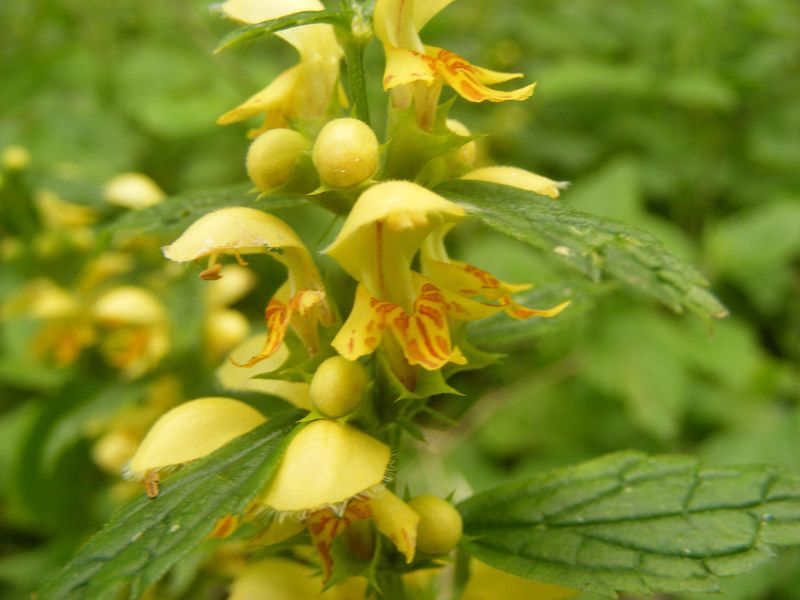
At first glance, Yellow Archangel appears to be an attractive solution for shady areas where other plants struggle to establish themselves successfully.
The silvery foliage and bright yellow flowers create an appealing carpet that initially seems perfect for difficult spots beneath trees and shrubs.
Unfortunately, this European import has become a serious problem throughout Ohio, escaping gardens and invading natural woodlands with alarming speed and persistence.
Stems root at every node where they touch soil, creating an interconnected web that spreads rapidly across large areas in remarkably short time.
Native woodland plants cannot compete with this aggressive colonizer, which forms dense mats that exclude beneficial species essential to local ecosystems and wildlife.
Gardeners who plant Yellow Archangel often find it jumping garden boundaries and establishing itself in neighboring properties, creating tension with nearby residents.
Removing this persistent plant requires digging up every single stem fragment, as even small pieces left behind will quickly regenerate into thriving patches.
Ohio conservation groups actively work to control Yellow Archangel in natural areas, spending countless hours removing it to protect native plant communities.
3. Chameleon Plant (Houttuynia cordata)
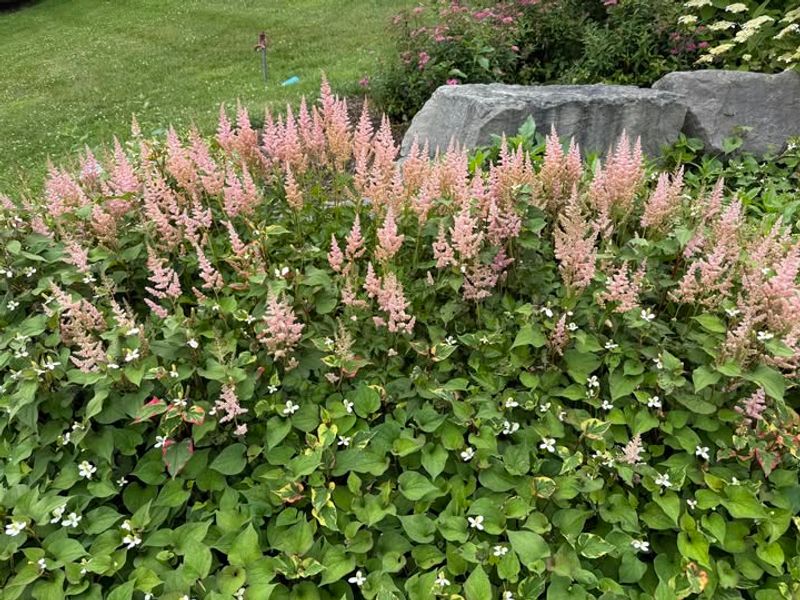
Chameleon Plant tempts gardeners with its stunning multicolored foliage that displays shades of red, yellow, green, and cream in eye-catching combinations.
Nurseries often sell this plant as an ornamental ground cover, neglecting to mention the nightmare it becomes once established in garden beds.
Underground rhizomes spread with incredible vigor, allowing Chameleon Plant to travel several feet in a single growing season across Ohio yards and gardens.
The distinctive fishy odor released when foliage is crushed or disturbed adds another unpleasant dimension to dealing with this troublesome perennial plant.
Many homeowners discover too late that this plant invades lawns, flower beds, and even cracks in pavement with equal enthusiasm and determination.
Attempting to dig it out often makes the problem worse, as broken rhizome pieces left behind quickly develop into new plants everywhere.
Gardeners report spending entire seasons trying to eradicate Chameleon Plant, only to see it return year after year despite their best efforts.
Ohio garden centers increasingly refuse to stock this plant due to the numerous complaints they receive from frustrated customers seeking removal advice.
4. Obedient Plant (Physostegia virginiana)
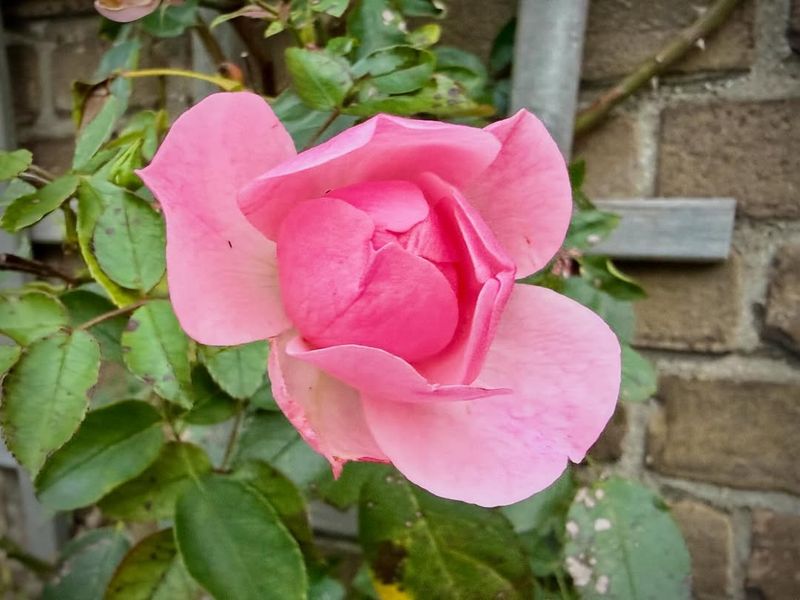
Despite its misleading name, Obedient Plant behaves anything but obediently once you introduce it into your carefully planned Ohio garden spaces.
The tall spikes of pink or white flowers look beautiful in late summer, attracting pollinators and adding vertical interest to perennial borders.
However, this native plant spreads through aggressive underground stolons that allow it to colonize far beyond its original planting location within months.
What starts as a single clump quickly becomes a sprawling mass that crowds out neighboring plants and disrupts carefully designed garden compositions.
Ohio gardeners often plant Obedient Plant in mixed borders, only to spend subsequent years pulling out unwanted seedlings and divisions from everywhere.
The plant earns its name from the way individual flowers stay in place when you bend them, not from any restraint in growth.
Even when contained in designated areas, runners frequently escape boundaries and pop up in lawns, pathways, and other unintended locations nearby.
Removing established clumps requires digging deep to extract all the spreading roots, and any fragments left behind will regenerate into new plants.
5. Lily of the Valley (Convallaria majalis)
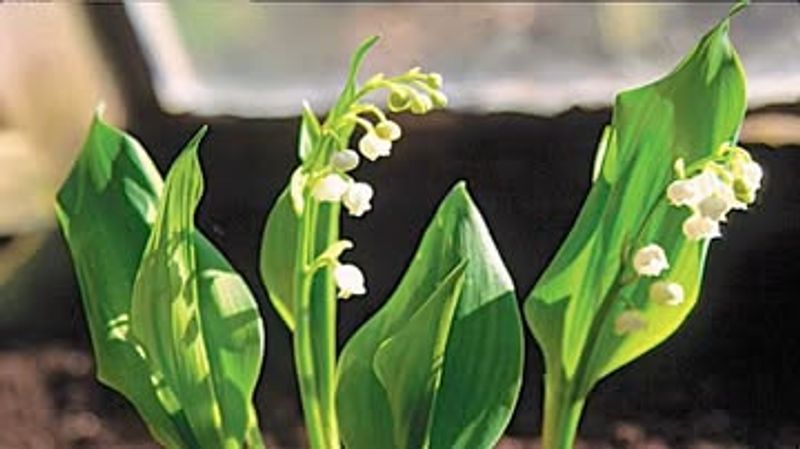
Lily of the Valley charms gardeners with its sweetly scented white bell-shaped flowers and lush green foliage that emerges early each spring.
Many people associate this plant with nostalgic memories of grandmother’s gardens, making it an emotionally appealing choice for sentimental Ohio homeowners today.
The reality behind this pretty facade reveals a plant that spreads relentlessly through underground rhizomes, forming impenetrable mats that exclude everything else.
Once established, Lily of the Valley becomes nearly impossible to remove completely, as the extensive root system resists all but the most persistent efforts.
All parts of the plant contain toxic compounds that can cause serious health problems if ingested by children, pets, or curious wildlife.
Ohio gardeners often plant it as a shade-loving ground cover, not realizing it will eventually dominate the entire area and beyond.
The plant jumps boundaries easily, invading neighboring properties and natural areas where it outcompetes native woodland species that support local ecosystems better.
Even when you think you have removed every bit, tiny rhizome fragments left in soil will sprout new growth the following season.
6. Japanese Knotweed (Fallopia japonica)
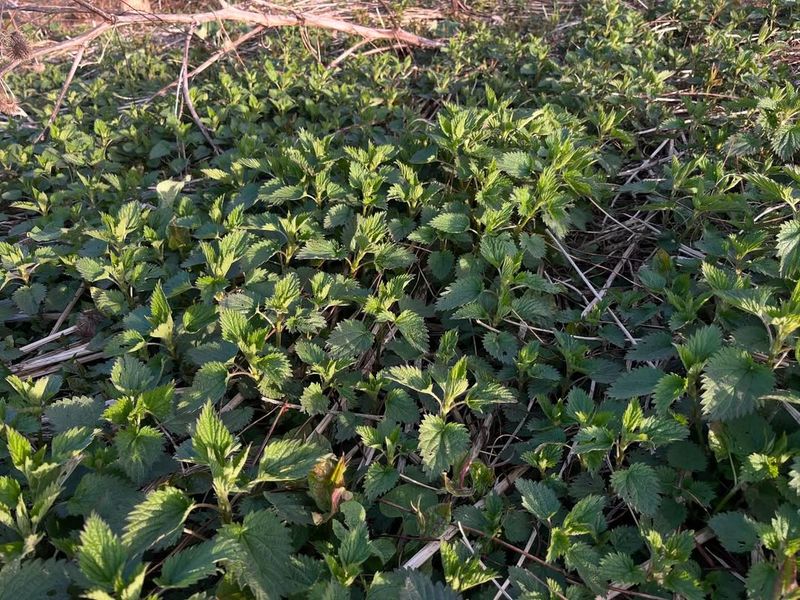
Japanese Knotweed stands as one of the most destructive invasive plants you could possibly introduce to your Ohio property or surrounding areas.
This aggressive perennial resembles bamboo with its hollow stems and can grow over ten feet tall in a single season, creating dense thickets.
Underground rhizomes extend twenty feet or more in all directions, allowing the plant to spread rapidly and emerge through pavement, foundations, and walls.
Property values can actually decrease when Japanese Knotweed is present, as mortgage companies sometimes refuse loans on affected properties due to damage concerns.
Ohio homeowners have faced lawsuits from neighbors when this plant spreads from their yard into adjacent properties, causing expensive damage and requiring removal.
Professional removal often costs thousands of dollars and requires years of persistent treatment to eliminate established stands completely from residential or commercial properties.
The plant regenerates from tiny rhizome fragments, meaning improper removal attempts can actually spread it to new locations rather than controlling it.
Many Ohio counties now have regulations requiring property owners to control Japanese Knotweed, with fines issued for allowing it to spread unchecked.
7. Purple Loosestrife (Lythrum salicaria)
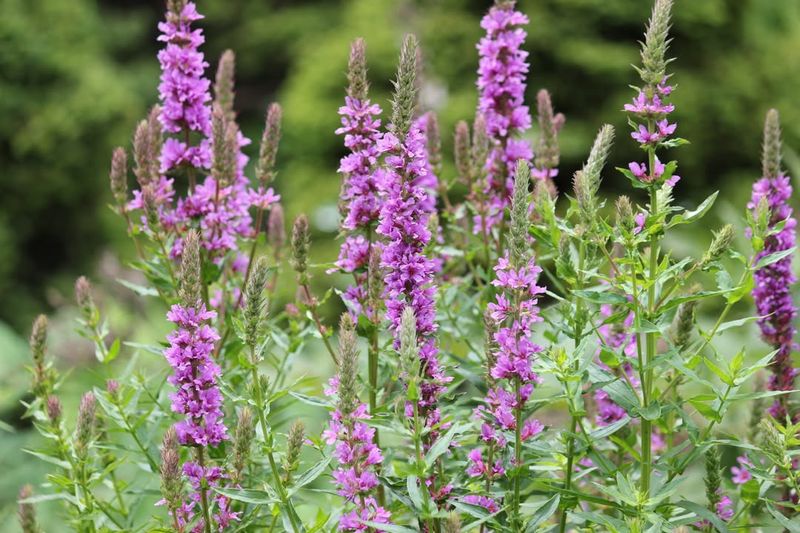
Purple Loosestrife produces spectacular magenta flower spikes that tower over wetlands and pond edges, creating breathtaking displays throughout Ohio during summer months.
Garden catalogs once promoted this European import enthusiastically, leading countless homeowners to plant it near water features without understanding the consequences ahead.
This invasive plant has devastated wetland ecosystems across North America, displacing native species that waterfowl and other wildlife depend upon for survival.
A single mature plant can produce over two million seeds annually, which spread through water, wind, and animal movement to colonize new areas.
Ohio wetlands infested with Purple Loosestrife lose biodiversity as dense stands crowd out cattails, sedges, and other native plants essential to healthy ecosystems.
State and federal agencies spend millions of dollars annually attempting to control this invasive species in natural areas throughout the Midwest region.
Even sterile cultivars marketed as safe alternatives can sometimes revert to fertile forms or cross-pollinate with wild populations, perpetuating the invasion problem.
Planting Purple Loosestrife is actually illegal in many Ohio counties due to the severe ecological damage it causes to aquatic environments statewide.
8. Creeping Bellflower (Campanula rapunculoides)
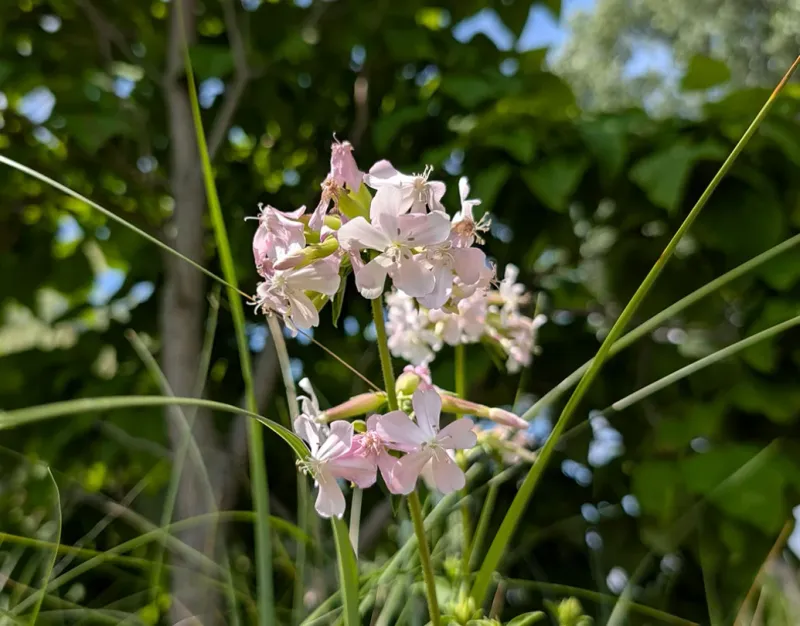
Creeping Bellflower arrives innocently enough, often as a small plant tucked among other perennials purchased from nurseries or shared by friends.
The nodding purple bell-shaped flowers appear attractive on tall stems, and many Ohio gardeners initially welcome this addition to their summer borders.
Problems emerge quickly as the plant develops thick, fleshy roots that penetrate deep into soil and spread horizontally, forming extensive underground networks.
Any attempt to dig out established plants inevitably leaves root fragments behind, and each tiny piece can regenerate into a vigorous new plant.
Creeping Bellflower invades flower beds, vegetable gardens, and lawns with equal enthusiasm, making it one of the most frustrating weeds Ohio homeowners encounter.
The plant also produces abundant seeds that germinate readily, ensuring multiple pathways for spread and colonization throughout residential landscapes and beyond them.
Herbicides struggle to control Creeping Bellflower effectively because the deep root system stores energy reserves that allow the plant to survive chemical treatments.
Experienced gardeners in Ohio warn newcomers never to accept this plant as a gift, no matter how pretty it looks initially.
9. Ribbon Grass (Phalaris arundinacea var. picta)
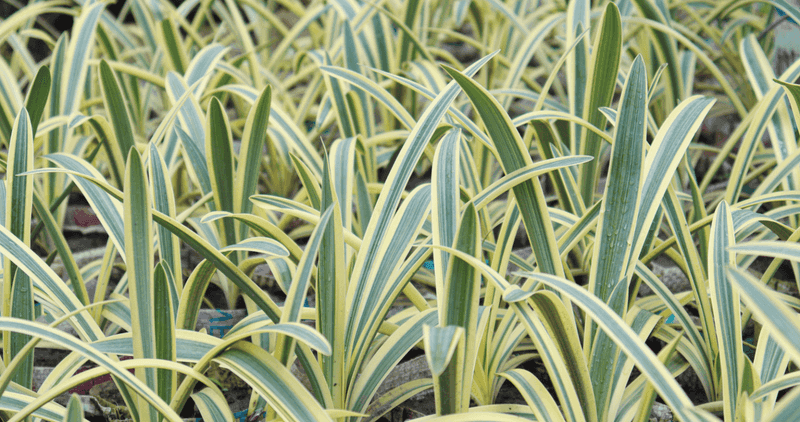
Ribbon Grass catches the eye with its striking white and green striped foliage that sways gracefully in breezes, suggesting movement and texture.
Landscapers sometimes recommend this variegated grass for adding interest to perennial borders or as a low-maintenance option for challenging sites throughout Ohio.
The pretty appearance masks an aggressive spreader that quickly escapes boundaries and invades lawns, gardens, and natural areas with remarkable speed and persistence.
Underground rhizomes allow Ribbon Grass to travel several feet per season, forming dense colonies that exclude other plants and disrupt garden designs.
Ohio gardeners report that this grass jumps barriers, grows through landscape fabric, and even penetrates the roots of nearby shrubs and perennials.
Moisture-loving by nature, Ribbon Grass becomes particularly invasive near water features, ditches, and naturally damp areas where conditions favor aggressive growth patterns.
Removing established stands requires digging up the entire root system, a back-breaking task that often proves futile when rhizome fragments inevitably remain.
Many Ohio garden centers have stopped selling Ribbon Grass altogether after receiving too many complaints from customers struggling to control its spread.