7 Perennials Pennsylvania Homeowners Should Avoid Growing In Their Yards
Pennsylvania’s climate may seem forgiving, but not every perennial deserves a permanent spot in the yard.
Some plants struggle silently at first, only to reveal their downsides after a few seasons of poor performance, aggressive spreading, or endless maintenance.
These perennials often look like winners on paper, promising color, texture, or rapid growth.
In reality, they can become invasive, attract pests, or suffer repeated disease issues in Pennsylvania’s fluctuating weather.
Others die back unpredictably or overwhelm neighboring plants, leaving homeowners frustrated and replanting far sooner than expected.
Gardeners who know which perennials to avoid gain a major advantage.
They build landscapes that are easier to maintain, healthier overall, and far less prone to surprise problems.
Choosing wisely from the start means fewer regrets later—and more time spent enjoying the yard instead of fixing it.
Sometimes, the smartest gardening move is knowing when to walk past a plant and keep going.
1. Purple Loosestrife (Lythrum Salicaria)
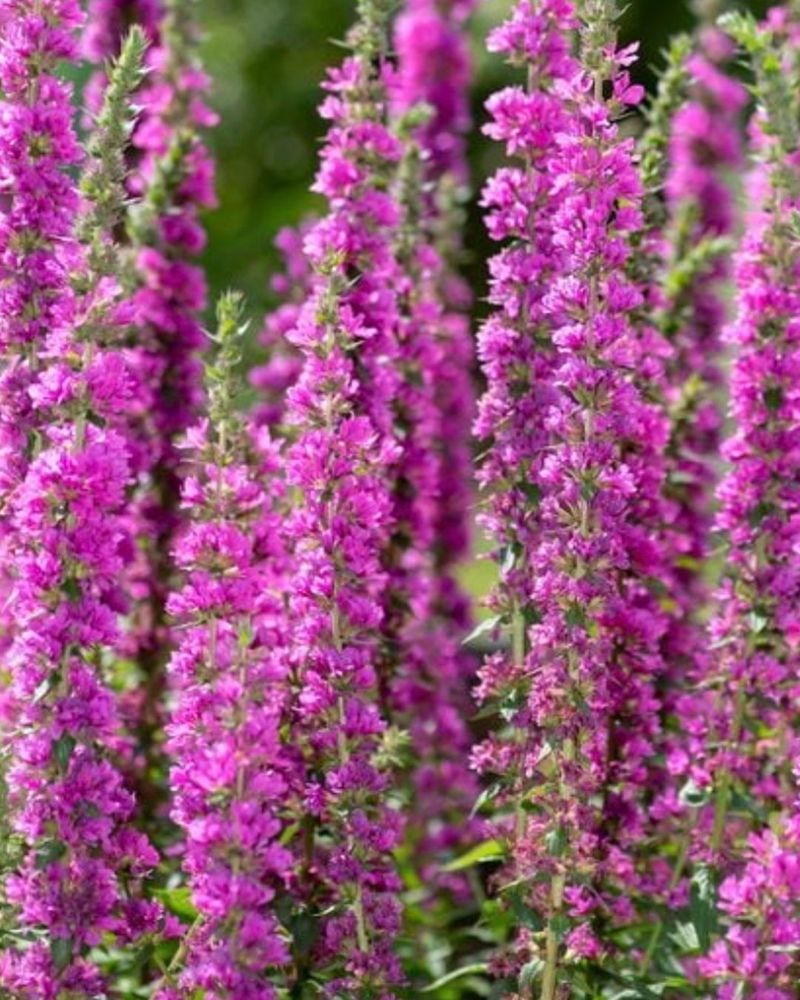
Conservation agencies across Pennsylvania have been fighting purple loosestrife for decades, and for good reason.
This striking perennial produces beautiful purple flower spikes that seem perfect for wet areas in your landscape.
Behind that lovely appearance lies one of the most destructive wetland invaders in North America.
Purple loosestrife spreads with alarming speed through Pennsylvania’s marshes, stream banks, and wet meadows.
A single mature plant can produce over two million seeds annually, and those seeds remain viable in soil for years.
The plant also spreads through underground rhizomes, creating dense colonies that choke out native wetland vegetation.
Native plants that waterfowl and other wildlife depend on simply cannot compete with this aggressive grower.
Pennsylvania’s Department of Conservation and Natural Resources has invested substantial resources in control programs statewide.
Horticulturists strongly discourage any planting of purple loosestrife, even sterile cultivars that were once marketed as safe alternatives.
The displacement of cattails, sedges, and native flowering plants disrupts entire wetland ecosystems.
Amphibians, nesting birds, and beneficial insects lose critical habitat when purple loosestrife takes over.
Homeowners who plant this perennial near streams or wet areas contribute directly to an ongoing environmental problem that affects Pennsylvania’s natural heritage.
2. Japanese Knotweed (Fallopia Japonica)
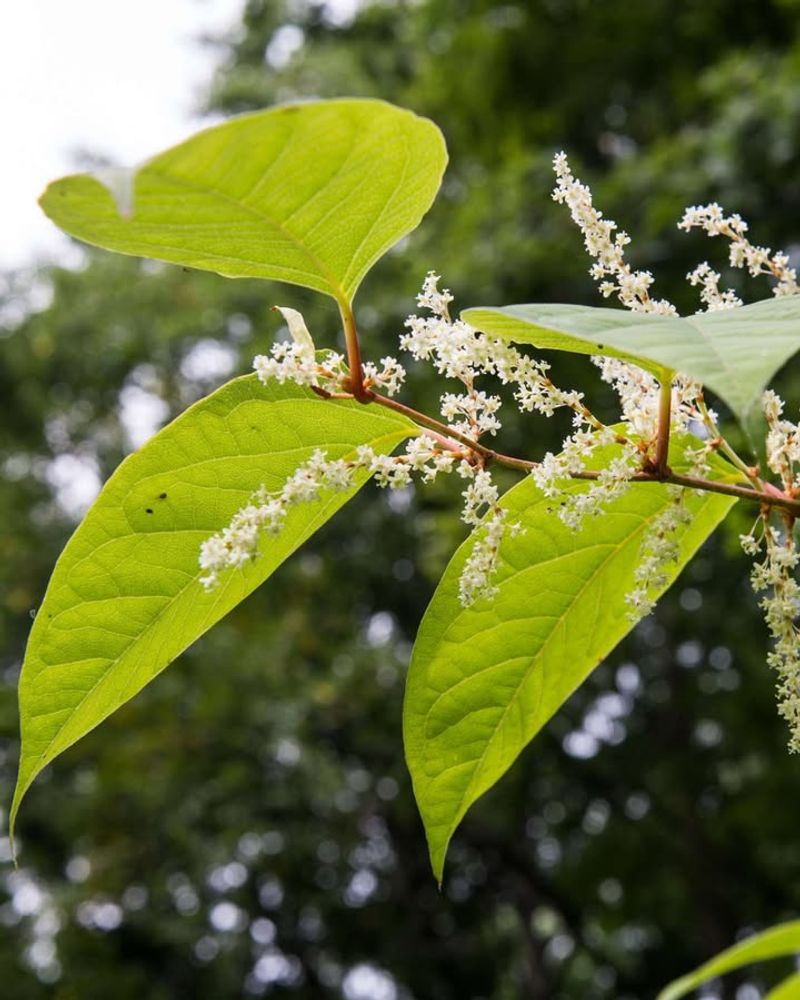
Few plants strike fear into the hearts of Pennsylvania homeowners quite like Japanese knotweed.
This bamboo-like perennial can grow ten feet tall in a single season, forming impenetrable thickets that seem impossible to control.
What makes it truly nightmarish is its ability to damage buildings, roads, and underground utilities.
The rhizomes of Japanese knotweed can penetrate through asphalt, concrete foundations, and drainage systems.
Homeowners have discovered this plant pushing up through basement floors and cracking driveways from below.
In some states, mortgage lenders refuse to finance properties where Japanese knotweed is present because of the structural damage it causes.
Pennsylvania’s riparian areas have been severely impacted by this aggressive spreader.
Stream banks colonized by Japanese knotweed become unstable because the plant’s shallow root system lacks the anchoring ability of native vegetation.
Erosion increases, and native trees, shrubs, and wildflowers disappear entirely from affected areas.
Once established, Japanese knotweed requires years of persistent effort to control.
Tiny fragments of rhizome can regenerate into new plants, making removal extraordinarily difficult.
Pennsylvania homeowners should never intentionally plant this species, and should immediately address any growth discovered on their property before it spreads beyond control.
3. English Ivy (Hedera Helix)
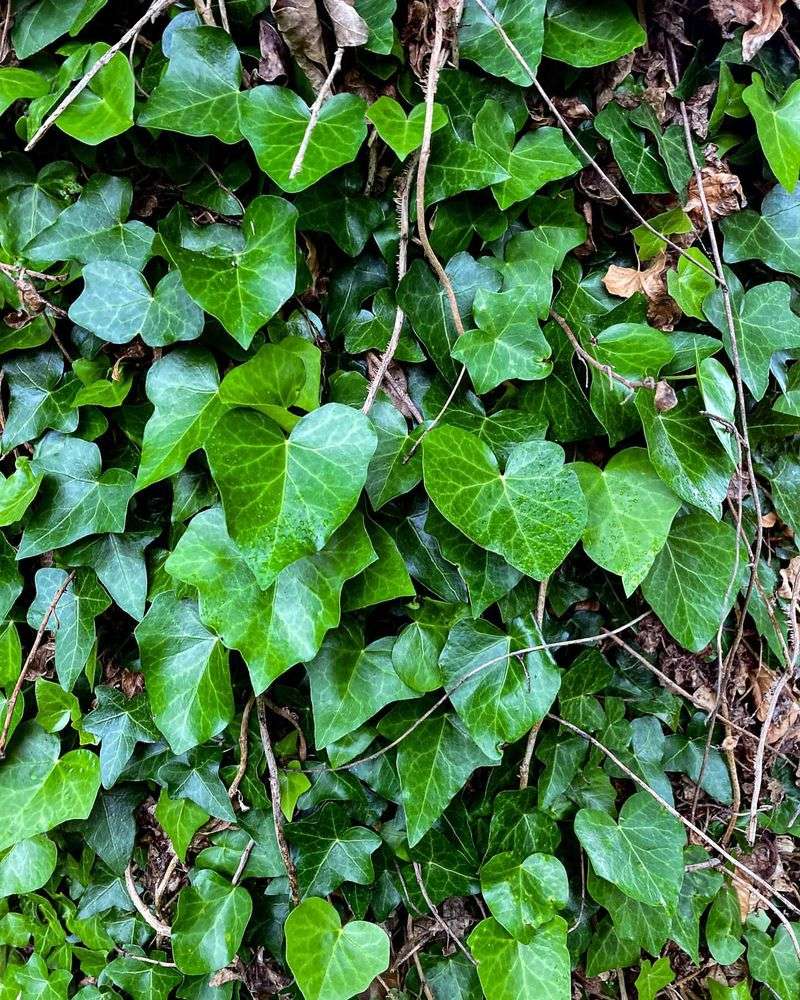
English ivy looks charming as it climbs brick walls in historic neighborhoods, but this European import has become a serious threat to Pennsylvania’s forests.
Many homeowners plant it as an evergreen groundcover, not realizing it will eventually climb trees and escape into natural areas.
Once it reaches the canopy, the consequences for mature trees become severe.
The weight of heavy ivy vines makes trees more susceptible to wind damage and ice storms.
Pennsylvania experiences significant winter weather, and ivy-laden branches break more easily under snow and ice loads.
The evergreen foliage also acts like a sail, catching wind and increasing the likelihood of entire trees toppling during storms.
English ivy competes aggressively with tree roots for water and nutrients in the soil below.
As it climbs upward, it blocks sunlight from reaching the tree’s bark and lower branches.
This combination of stresses weakens even healthy, established trees over time.
Pennsylvania’s forest understories suffer when English ivy forms dense carpets across the ground.
Native wildflowers, tree seedlings, and shrubs cannot establish where ivy has taken hold.
Wildlife that depends on diverse native plant communities loses food sources and habitat.
Conservation organizations across the state conduct regular ivy removal projects, yet the plant continues spreading from residential landscapes into adjacent woodlands.
4. Periwinkle / Vinca (Vinca Minor)
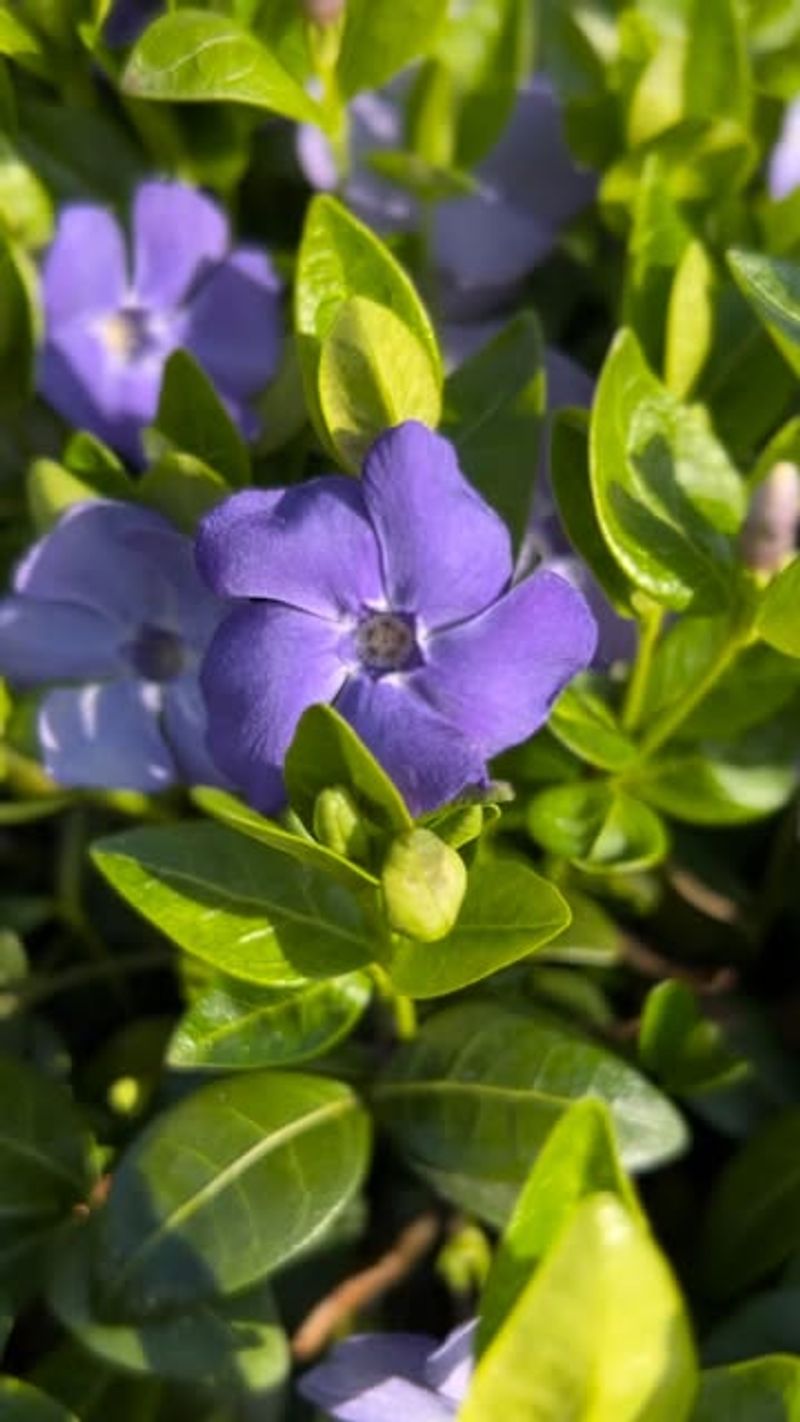
Periwinkle seems like an ideal solution for shady areas where grass refuses to grow.
Garden centers sell it as a low-maintenance groundcover with pretty blue flowers each spring.
Pennsylvania homeowners often discover too late that this plant has no respect for garden boundaries.
Vinca spreads through trailing stems that root wherever they touch soil, creating ever-expanding mats of glossy foliage.
It escapes yards through natural corridors, following drainage areas and woodland edges.
Once established in Pennsylvania’s forests, periwinkle forms dense carpets that smother everything beneath them.
Spring wildflowers are particularly vulnerable to periwinkle’s aggressive growth.
Trilliums, spring beauties, bloodroot, and other native ephemerals cannot compete with the thick vinca mat.
These native plants provide critical early-season food for pollinators emerging from winter dormancy.
The timing of periwinkle’s growth gives it an unfair advantage over native species.
Its evergreen leaves begin photosynthesizing before native plants even emerge from dormancy.
By the time native wildflowers sprout, vinca has already claimed all available space and resources.
Pennsylvania’s conservation community considers periwinkle a significant threat to forest biodiversity.
Property owners who planted it decades ago now struggle to control its spread.
Native alternatives like wild ginger or woodland phlox provide similar groundcover benefits without the invasive behavior.
5. Bamboo (Running Species, Phyllostachys Spp.)
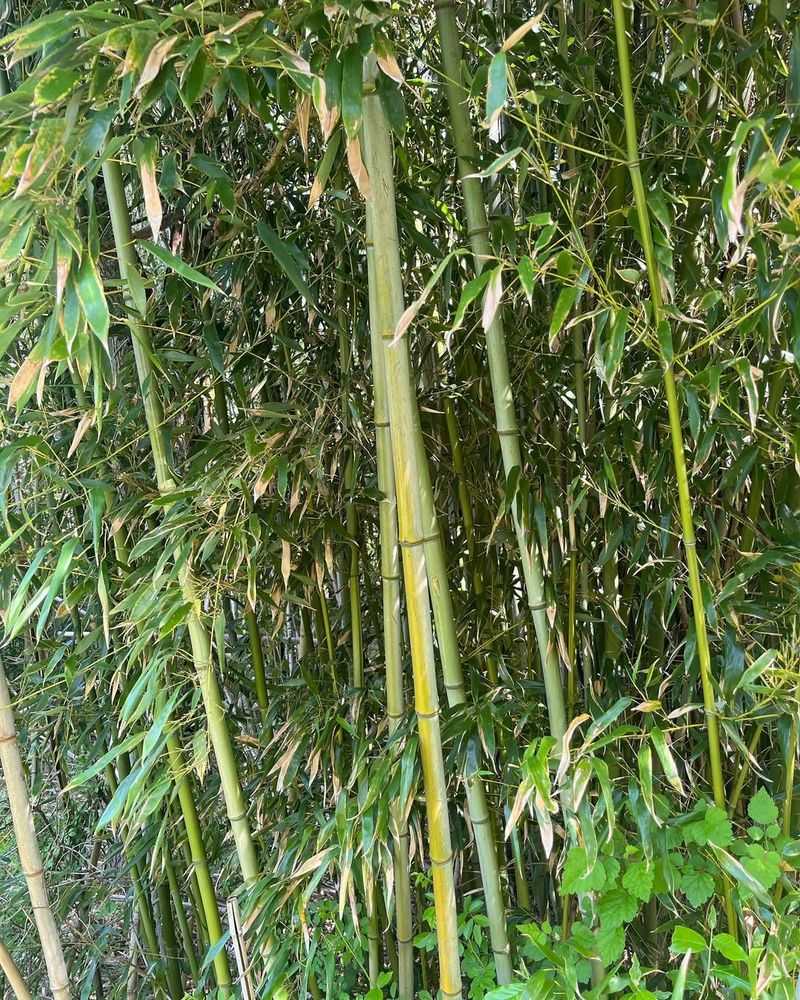
Running bamboo tops the list of regret plants for Pennsylvania homeowners who wanted a fast-growing privacy screen.
The tropical appearance and rapid growth seem appealing until you discover the underground rhizomes spreading far beyond where you planted them.
Neighbor disputes over bamboo invasions are common enough that some municipalities have enacted specific ordinances addressing the problem.
Underground rhizomes can travel fifteen to twenty feet horizontally in a single growing season.
They emerge unpredictably, sending up new shoots through lawns, gardens, and even neighboring properties.
Pennsylvania homeowners have found bamboo emerging inside garages, through driveway pavement, and in foundation plantings dozens of feet from the original planting site.
Barriers installed to contain bamboo rarely work as intended over the long term.
Rhizomes find gaps, grow underneath barriers, or simply overwhelm the containment system through sheer persistence.
The depth and extent of bamboo’s root system make complete removal nearly impossible once established.
Property values can be affected when running bamboo becomes established.
Potential buyers recognize the ongoing maintenance burden and potential for continued spread.
Some Pennsylvania homeowners have spent thousands of dollars on professional removal services, only to have bamboo resprout from remaining rhizome fragments.
Clumping bamboo varieties offer similar aesthetics without the invasive behavior, making them a far better choice for Pennsylvania landscapes.
6. Chameleon Plant (Houttuynia Cordata)
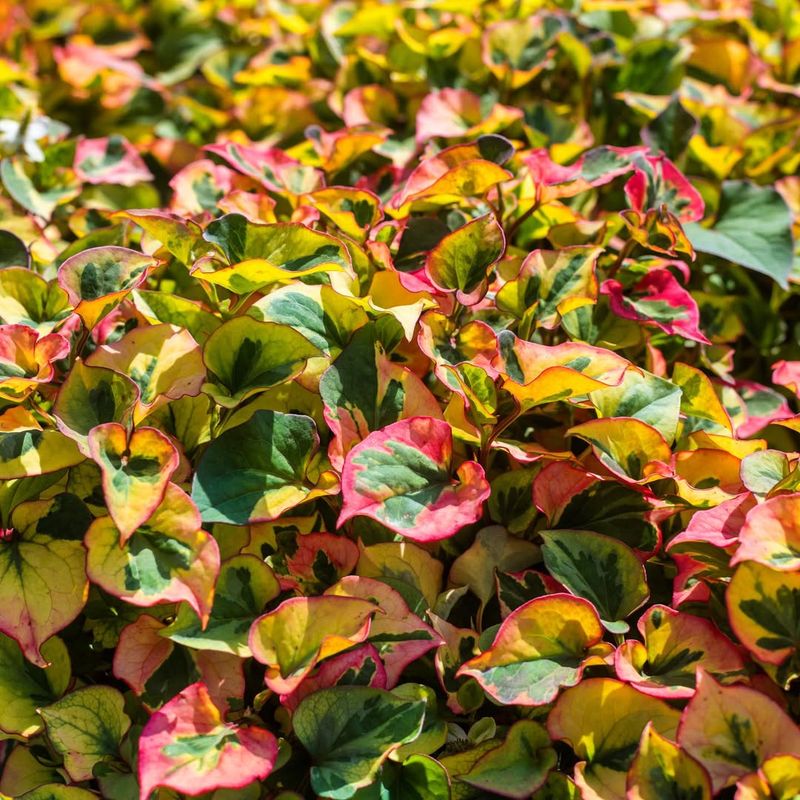
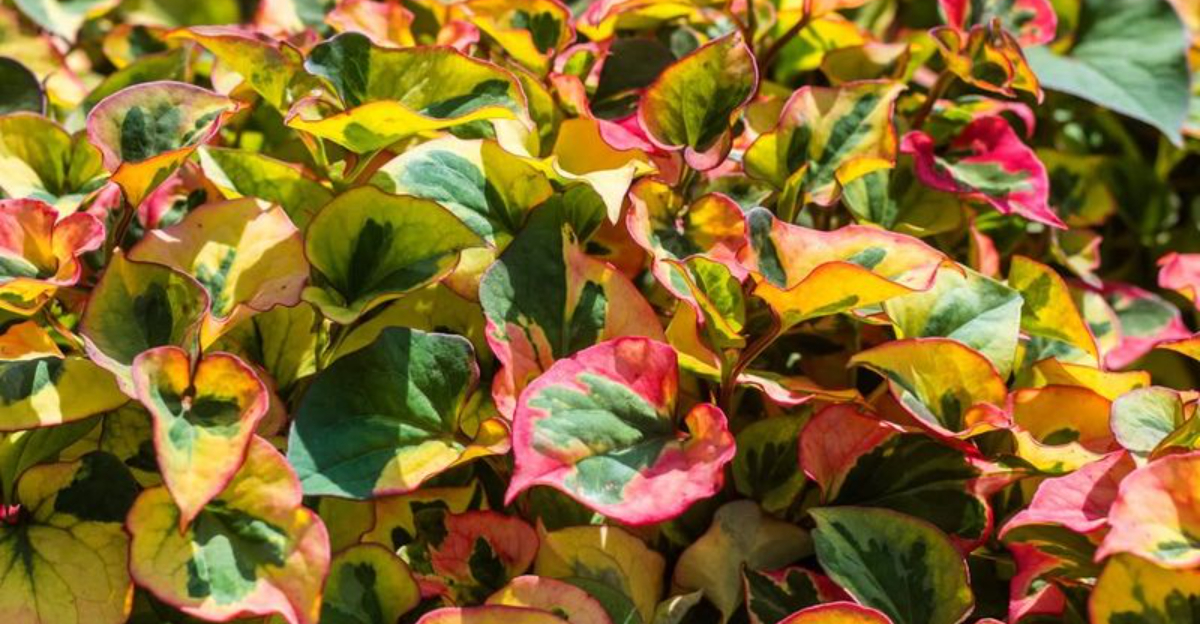
Chameleon plant attracts gardeners with its colorful foliage featuring splashes of red, cream, and green.
This low-growing perennial thrives in moist soils, making it seem perfect for those problematic wet spots in Pennsylvania yards.
Horticulturists across the state warn that planting chameleon plant ranks among the worst gardening decisions you can make.
The aggressive rhizomes spread horizontally just below the soil surface, sending up new shoots constantly throughout the growing season.
Pennsylvania’s adequate rainfall and humid summers create ideal conditions for explosive growth.
What starts as a small clump in spring can colonize entire garden beds by autumn.
Chameleon plant’s distinctive odor becomes apparent when you try to control it.
The foliage releases a scent often compared to cilantro or fish when crushed or disturbed.
That smell becomes very familiar as you spend seasons attempting to eradicate this persistent spreader.
Removal efforts often make the problem worse rather than better.
Each tiny piece of rhizome left in the soil regenerates into a new plant.
Tilling or digging chops the underground stems into hundreds of fragments, each capable of sprouting.
Pennsylvania gardeners who planted chameleon plant years ago still find it emerging in unexpected locations.
It infiltrates neighboring plants’ root zones, making selective removal without damaging desirable plants extremely challenging.
Native alternatives for moist areas include Pennsylvania sedge or golden ragwort, both well-behaved and beneficial to local ecosystems.
7. Gooseneck Loosestrife (Lysimachia Clethroides)
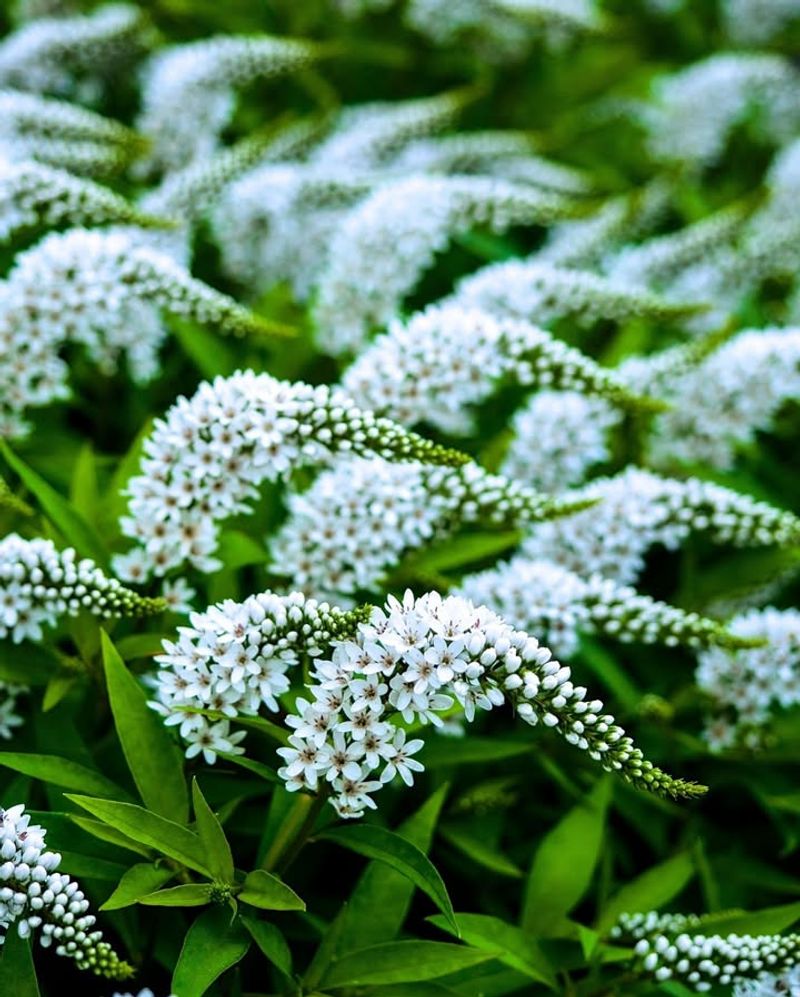
Gooseneck loosestrife appears in many Pennsylvania garden catalogs, praised for its distinctive curved white flower spikes.
The elegant blooms and tolerance for various soil conditions make it seem like an excellent perennial choice.
Experienced gardeners know this plant’s aggressive nature far outweighs its ornamental appeal.
The spreading root system sends out runners in all directions, establishing new plants several feet from the original clump each year.
Pennsylvania’s growing season provides ample time for gooseneck loosestrife to colonize large areas.
Garden beds that once featured diverse plantings become monocultures dominated by this single species.
The plant’s vigor means it outcompetes less aggressive perennials for water, nutrients, and space.
Favorite garden plants gradually disappear as gooseneck loosestrife expands its territory.
Homeowners often don’t notice the problem until the plant has already established an extensive root system throughout the bed.
Controlling established gooseneck loosestrife requires digging up the entire root system, a labor-intensive process.
Any remaining root fragments will resprout, forcing you to repeat the removal process multiple times.
The plant’s ability to regenerate from small pieces makes eradication frustratingly difficult.
Pennsylvania gardeners seeking similar white summer blooms have better options available.
Native alternatives like mountain mint or white turtlehead provide comparable visual interest without aggressive spreading.
These native choices also support local pollinators and beneficial insects, making them superior selections for Pennsylvania landscapes in every way.