10 Perennials That Begin Strong Growth In April In North Carolina Gardens
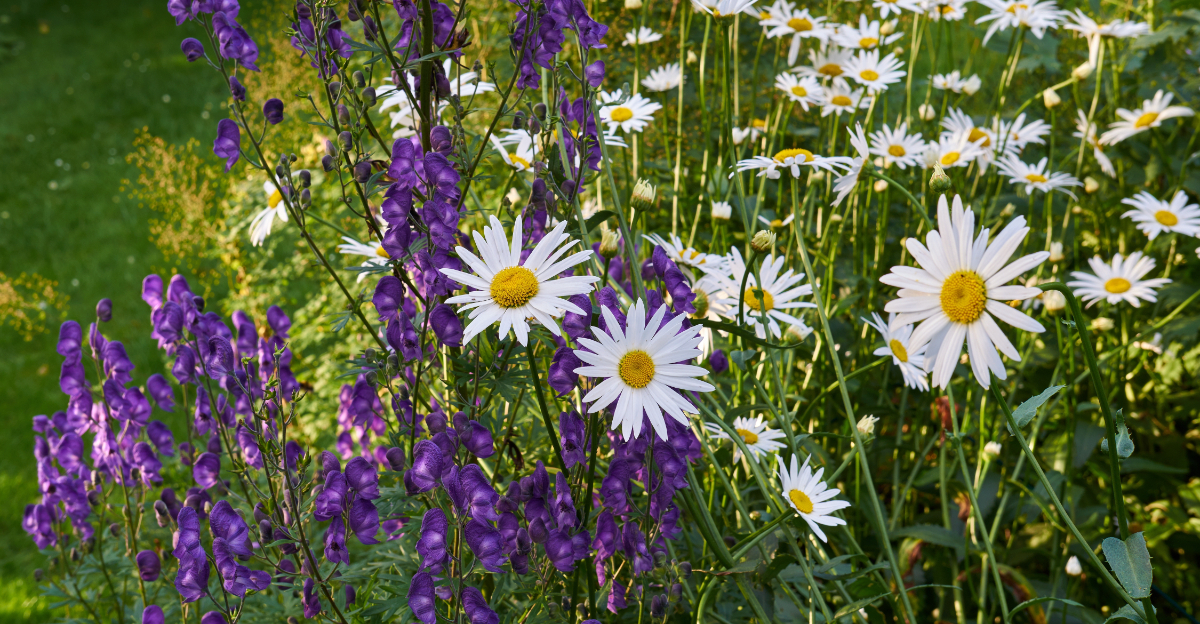
April can make a North Carolina garden feel brand new. Beds that looked bare not long ago suddenly fill with fresh shoots, rich color, and strong new growth.
This is when many perennials begin to wake up fast and take up space in the best way. They bring energy back to the yard and make everything feel more alive.
For gardeners, this part of spring is hard to beat because the change happens so quickly. One day the garden looks quiet, and the next it feels full of promise.
Some plants return every year without much trouble, but in April they still know how to steal attention. The right choices can make a garden look fuller, brighter, and more exciting before summer even begins.
In North Carolina, these perennials start the season with real strength and quickly become the stars of the landscape.
1. Daylily (Hemerocallis spp.)
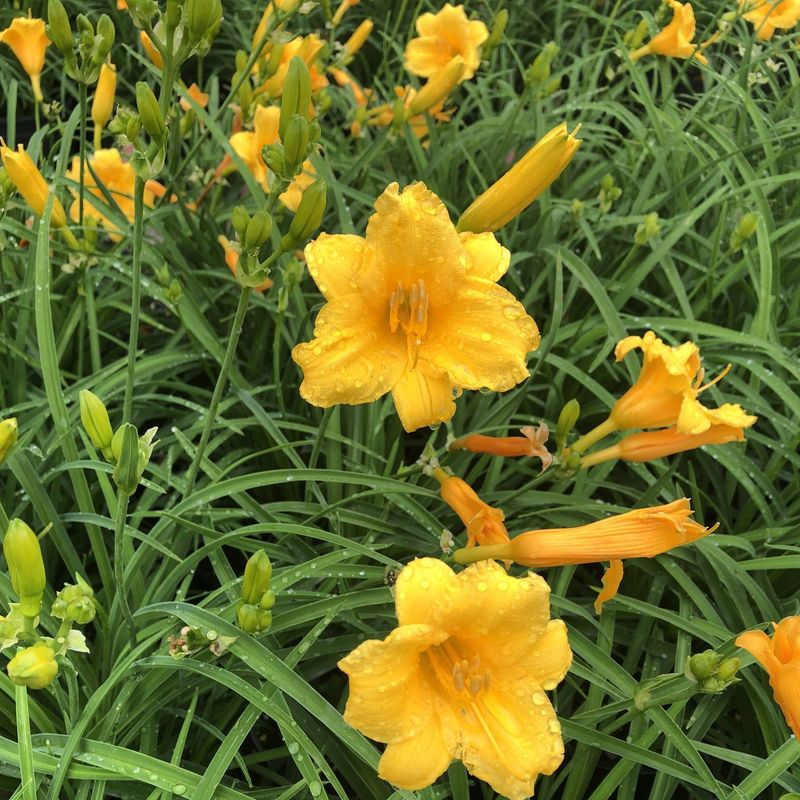
Few plants announce spring as confidently as the daylily. In North Carolina, April brings a surge of strap-like green leaves pushing up from the ground with surprising speed.
As soil temperatures climb into the mid-50s and beyond, daylily clumps explode with fresh growth that can seem to double in size almost overnight.
These tough plants love full sun and well-drained soil, making them a natural fit for gardens across the state from the Piedmont to the coastal plain. The early foliage is bright and lush, forming arching mounds that fill bare garden spots beautifully.
Gardeners who plant daylilies along borders or slopes enjoy watching the green fill in week by week.
What makes April growth so important for daylilies is that strong foliage now means stronger blooms later. The more energy the plant stores in spring, the more flower stalks it produces in summer.
North Carolina summers can be brutal, but daylilies handle the heat with ease once they are well established. Dividing crowded clumps in early spring, just as growth begins, gives each division room to thrive.
With hundreds of varieties available, you can mix colors, heights, and bloom times for a daylily display that lasts all season long.
2. Hosta (Hosta spp.)
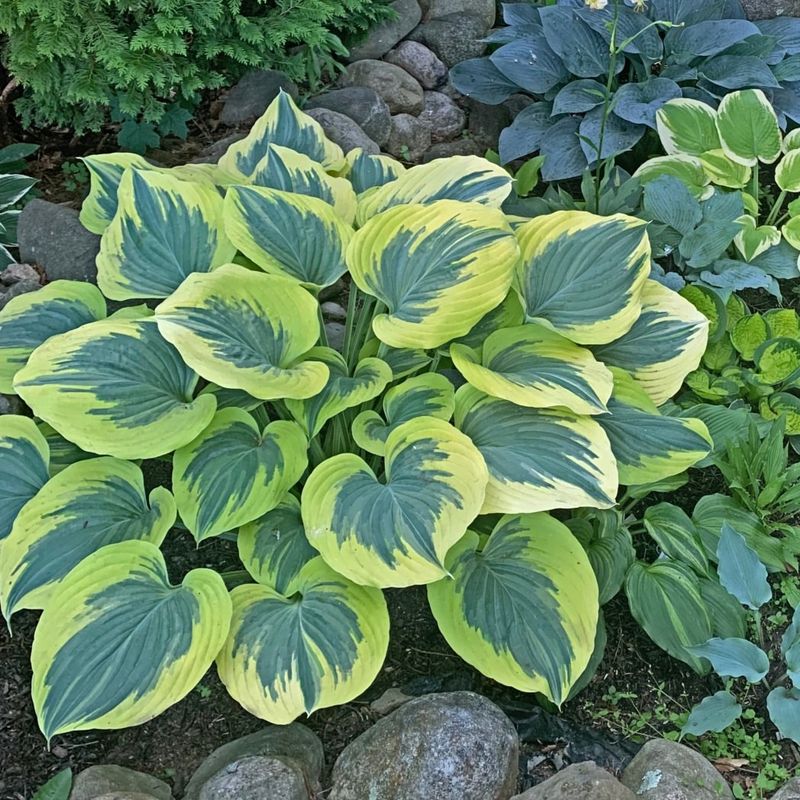
There is something almost magical about watching hostas emerge in April. One day the soil looks bare, and the next, tightly rolled shoots poke up like little green spears.
In North Carolina shade gardens, this moment signals that the season has truly shifted and warmer days are here to stay.
Hostas are the backbone of shaded landscapes across the state. As April warmth seeps into the soil, those compact shoots rapidly expand into broad, dramatic leaves that can range from deep green to blue-gray to golden yellow depending on the variety.
Planting them under trees or along north-facing walls gives them the shelter they love while letting their bold foliage steal the spotlight.
One of the best things about hostas is how quickly they fill in a garden space. Within just a few weeks of emerging, a mature clump can spread two to three feet wide, creating a lush carpet of color in spots where most other plants struggle.
North Carolina gardeners should water regularly during dry April spells to keep growth strong. Adding a layer of compost around each clump in early spring feeds the roots and helps retain moisture through the warmer months ahead.
Hostas reward consistent care with increasingly impressive size and texture each year they return.
3. Purple Coneflower (Echinacea purpurea)
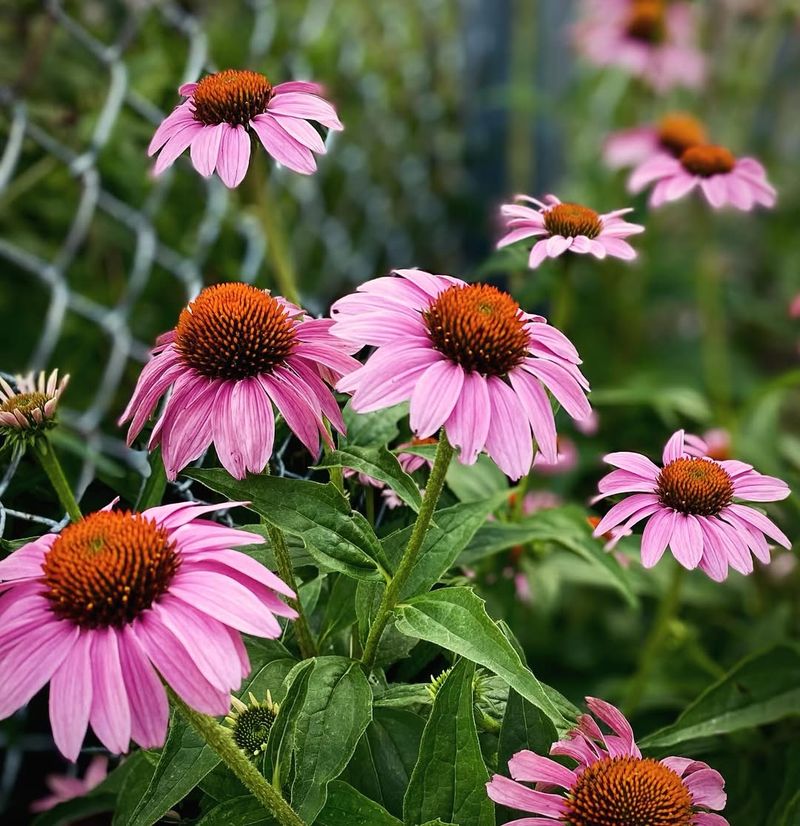
Purple coneflower is one of North Carolina’s true garden heroes, and April is when its comeback story begins. Basal leaves push up from the soil in low, rough-textured rosettes that look almost fuzzy to the touch.
These early leaves are full of energy, drawing on the plant’s root system to fuel a season of spectacular blooms.
Native to much of the eastern United States, Echinacea purpurea is right at home in North Carolina gardens. It thrives in full sun with average to dry soil, making it a low-maintenance star in both formal beds and naturalistic plantings.
April growth starts slow and steady, but by late spring the upright stems shoot up fast, sometimes reaching three to four feet tall by early summer.
Pollinators absolutely love this plant, and the early foliage signals to bees and butterflies that a reliable food source is on its way.
Gardeners across the state use purple coneflower in mixed perennial borders alongside black-eyed Susans and ornamental grasses for a wildflower-inspired look.
Deadheading spent flowers through summer keeps new blooms coming, but leaving some seed heads standing in fall feeds birds through the colder months.
Starting with established plants rather than seeds speeds up the process and gets that April growth going strong from the very first year.
4. Black-Eyed Susan (Rudbeckia hirta)
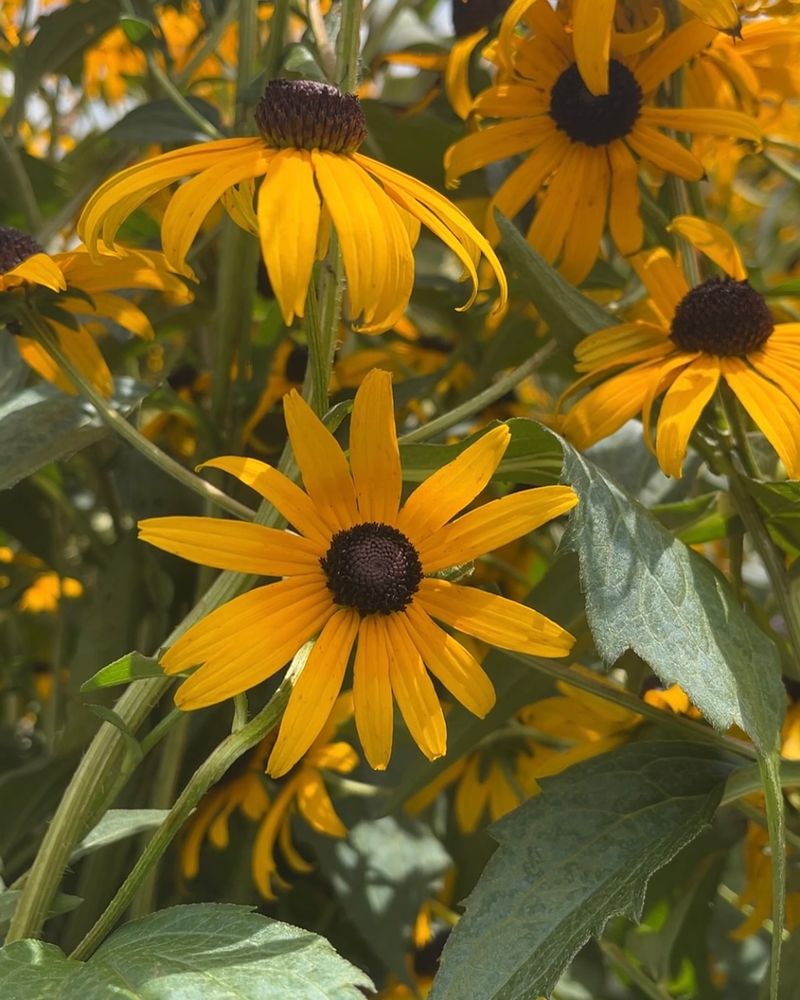
Walk through any North Carolina garden in April and you will likely spot the hairy, bright green leaves of black-eyed Susan poking up from last year’s crowns. This cheerful native perennial wastes no time getting started once spring temperatures settle in.
The leafy rosettes it forms in April are the foundation for one of the longest blooming seasons of any summer flower in the state.
Black-eyed Susan is incredibly adaptable, growing happily in full sun from the coast to the Piedmont and even into the western foothills. Its April growth phase is all about building a strong base of foliage before the heat kicks in.
The more robust the early growth, the taller and more floriferous the plant becomes by midsummer when those bright yellow petals with dark centers light up the garden.
One practical tip for North Carolina gardeners is to avoid overwatering during spring. Black-eyed Susan prefers slightly dry conditions and can actually struggle in overly wet soil.
Planting it in a well-drained spot and letting April rains do most of the work keeps it healthy and vigorous. Mixing it with purple coneflower and ornamental grasses creates a stunning native plant combination that supports pollinators all summer long.
This plant is tough, reliable, and genuinely beautiful, which is exactly why so many gardeners across the state count on it every single year.
5. Garden Phlox (Phlox paniculata)
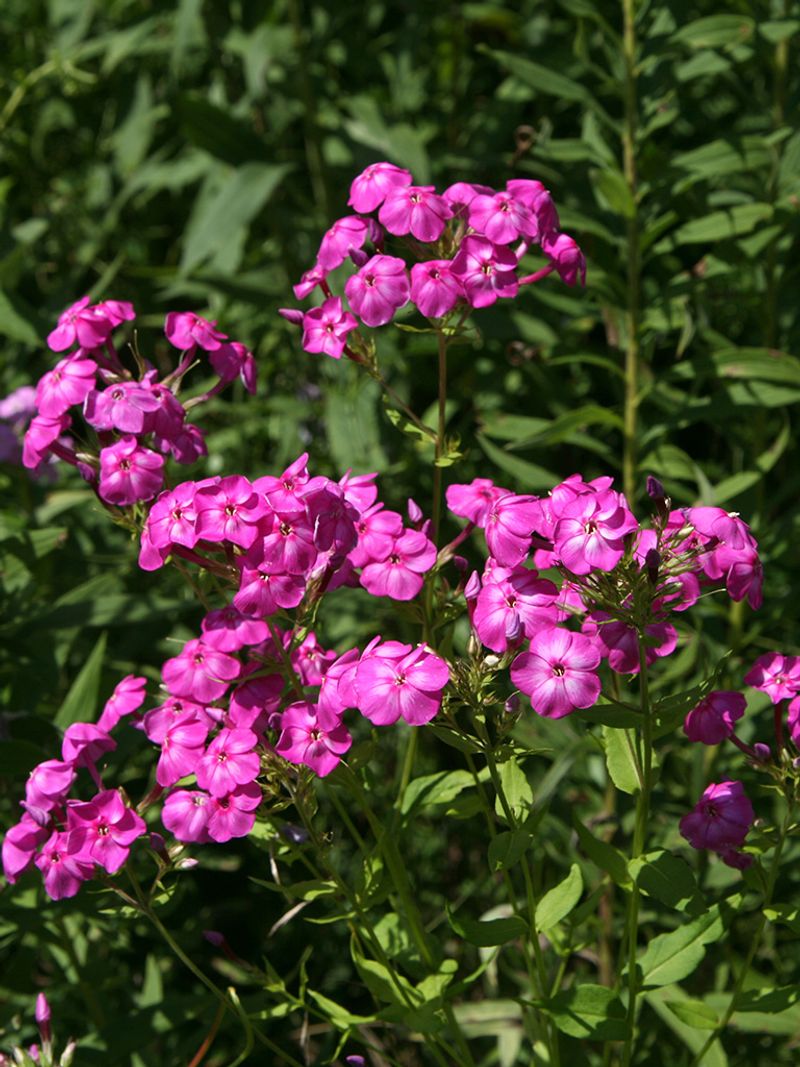
Garden phlox has a way of making April feel full of promise. Fresh green shoots push up from the base of the plant in clusters, each one destined to become a tall, flower-topped stem by midsummer.
North Carolina gardeners who grow this perennial know that the strength of those April shoots directly predicts how spectacular the summer flower display will be.
Phlox paniculata thrives in full sun to light shade and appreciates consistent moisture, especially during North Carolina’s sometimes unpredictable spring weather. The new growth in April is upright and vigorous, with pairs of leaves arranged neatly along each stem.
Thinning the shoots to five or seven per clump improves air circulation, which helps prevent powdery mildew, a common issue in the state’s humid summers.
The fragrance of garden phlox in full bloom is one of summer’s great garden rewards, and it all starts with those April shoots. Planting this perennial in groups of three or five creates a bold visual impact in mixed borders.
North Carolina gardeners often pair it with daylilies and coneflowers for a layered planting that offers color from late spring all the way through summer.
Applying a balanced slow-release fertilizer in early spring right as those first shoots emerge gives the plant exactly what it needs to build strong stems and produce those signature clusters of vibrant blooms.
6. Bee Balm (Monarda fistulosa)
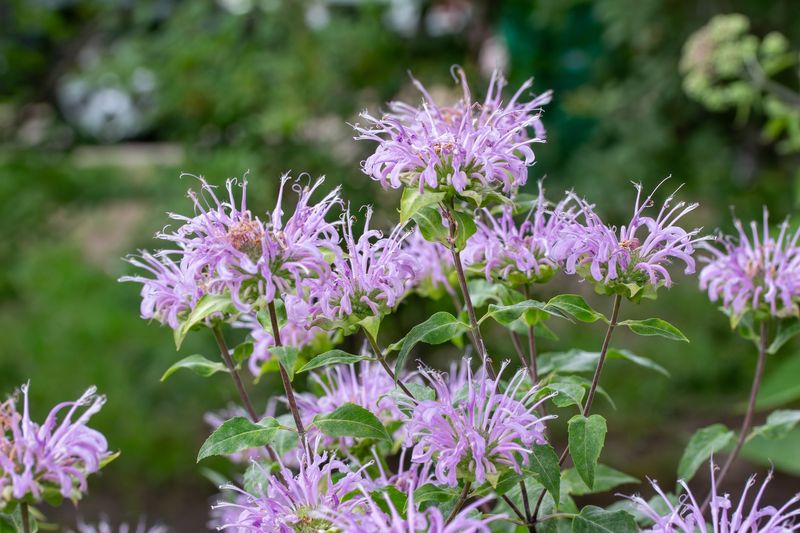
Bee balm is the kind of plant that spreads enthusiasm as readily as it spreads through the garden.
By April in North Carolina, this native perennial is already pushing out fresh stems in all directions, filling in gaps in the border and sending up aromatic foliage that smells faintly of oregano when brushed.
That spreading habit is part of its charm, and part of what makes it such a strong early-season performer.
Monarda fistulosa handles North Carolina’s summer heat and humidity better than almost any other flowering perennial. Its April growth is energetic and fast, with square stems rising quickly from low basal shoots.
Giving it a spot with full sun to light shade and good air circulation sets it up for success and reduces the chance of powdery mildew later in the season.
Hummingbirds, bees, and butterflies are drawn to bee balm like a magnet once it blooms in midsummer, making it a must-have for pollinator-friendly North Carolina gardens. The lavender-pink flowers are striking in naturalistic plantings and cottage-style borders alike.
Dividing clumps every two to three years keeps the center of the plant vigorous and the blooms plentiful. Starting that division process in early April, just as the new growth appears, gives divided sections the entire growing season to establish.
Few plants reward as generously as bee balm when given a little attention at just the right time.
7. Coreopsis (Coreopsis verticillata)
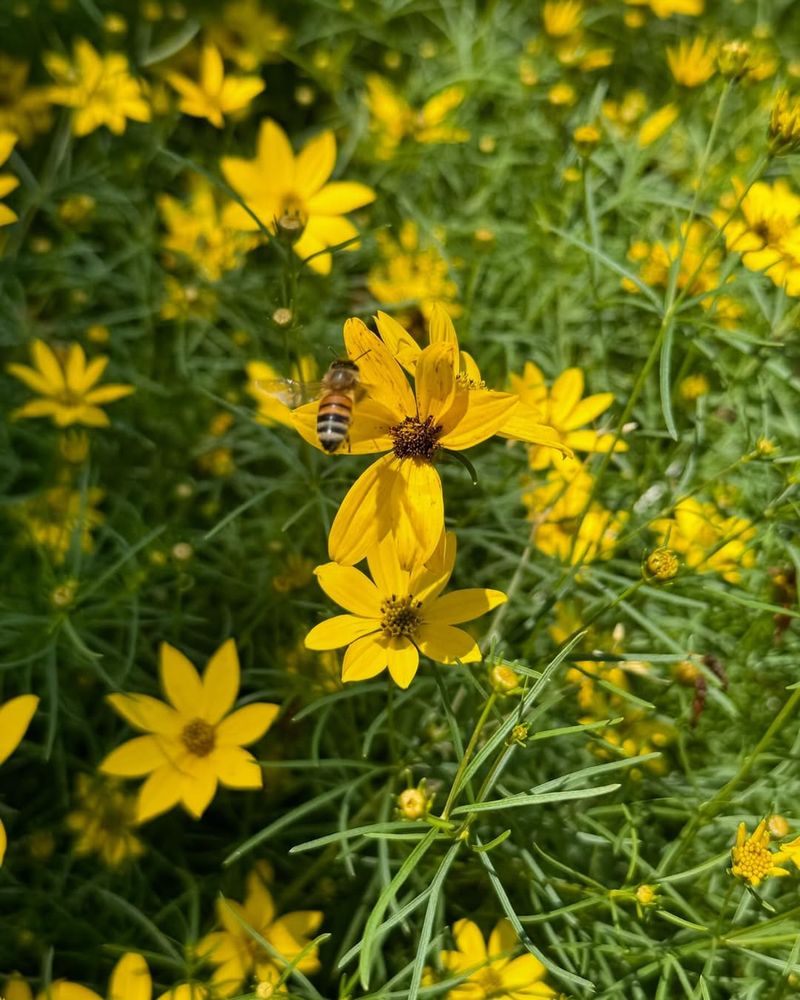
Threadleaf coreopsis might be the most underrated native perennial growing in North Carolina gardens right now. By April, its incredibly fine, needle-like foliage is already filling in with impressive speed, creating soft green mounds that look almost feathery from a distance.
This early growth sets the stage for a summer-long display of bright yellow flowers that practically glow in the sun.
Coreopsis verticillata is native to the eastern United States and perfectly suited to North Carolina’s variable climate. It thrives in full sun and tolerates poor, dry soil, making it a smart choice for spots where other plants struggle.
The April growth phase is when the plant establishes its shape for the season, so resist the urge to cut it back too heavily early on and let it build its natural mounded form.
One of the best features of threadleaf coreopsis is how little maintenance it actually needs. Once established, it essentially takes care of itself through North Carolina’s hot, dry summers.
Shearing the plant back by about a third after the first flush of blooms encourages a fresh wave of flowers in late summer. Pairing it with black-eyed Susans and salvia creates a sunny border combination that is both low-maintenance and visually exciting.
For gardeners across the state who want reliable performance with minimal fuss, threadleaf coreopsis is one of the smartest perennial investments available.
8. Shasta Daisy (Leucanthemum x superbum)
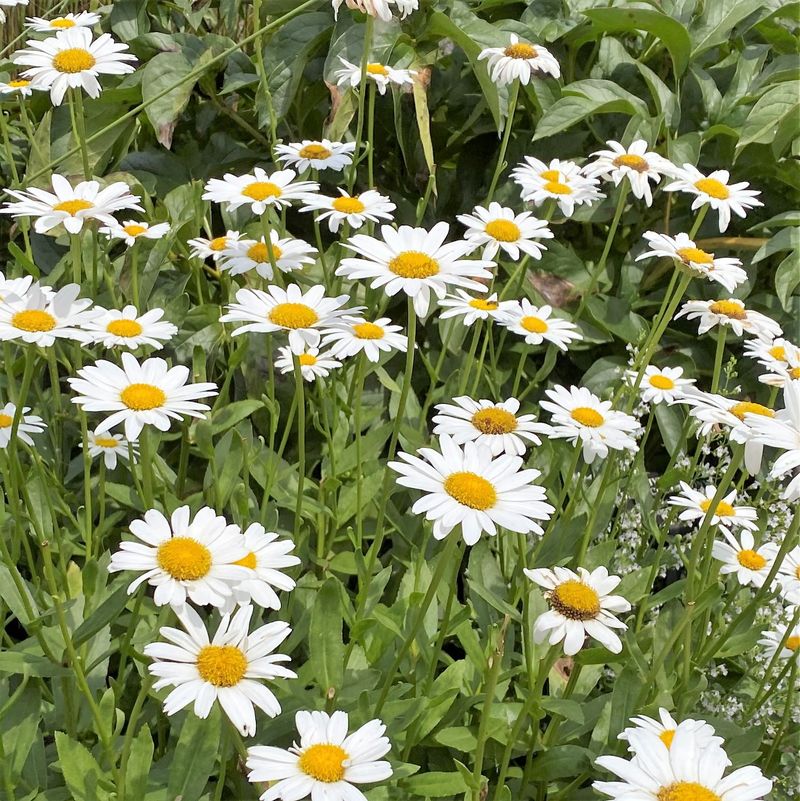
Shasta daisies are one of those plants that make you genuinely excited to check the garden every morning in April.
The dense, dark green foliage clumps that form during this month are compact and lush, hugging the ground before sending up tall flowering stems later in the season.
In North Carolina gardens, this early growth surge is a reliable sign that summer blooms are not far away.
Leucanthemum x superbum performs best in full sun with well-drained soil, and it handles North Carolina’s spring weather with no complaints. The April foliage is glossy and deep green, forming tight rosettes that expand steadily as temperatures climb.
Keeping the soil evenly moist during dry April spells helps the clumps build strong root systems that will support tall, sturdy flowering stems come June and July.
Shasta daisies look fantastic planted in drifts along borders or mixed with colorful perennials like salvia and coreopsis.
Their classic white petals with bright yellow centers give any garden a fresh, timeless look that pairs well with almost every other summer flower.
Dividing clumps every two to three years in early spring keeps the plants vigorous and prevents overcrowding. North Carolina gardeners who deadhead regularly through the blooming season are rewarded with continuous flowers well into late summer.
This is a perennial that earns its spot in the garden year after year with very little drama.
9. Salvia (Salvia nemorosa)
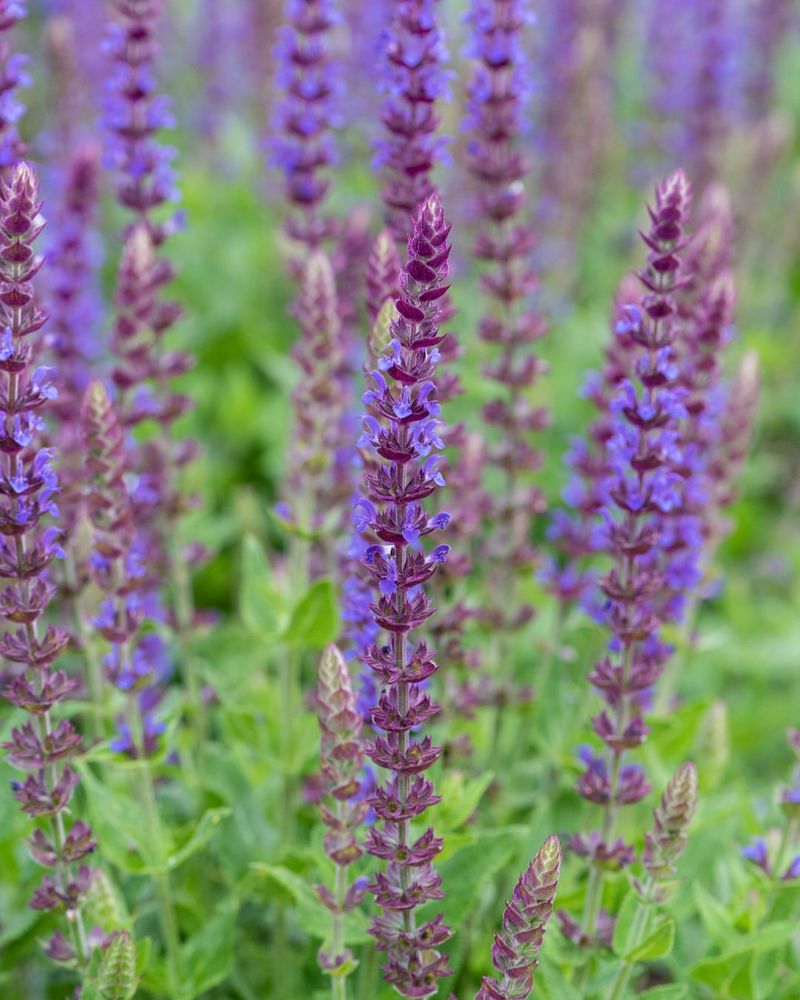
Hardy perennial salvia is one of those plants that rewards patient gardeners in the best possible way. In April across North Carolina, fresh gray-green basal leaves emerge from the crown of the plant, forming a tidy, aromatic rosette that smells wonderful when touched.
This early growth is quiet but purposeful, building the energy the plant needs to send up its signature flower spikes in late spring and early summer.
Salvia nemorosa and similar hardy types thrive in full sun with excellent drainage, which makes them well-suited to many North Carolina garden situations. The April growth is low and compact, staying close to the ground while roots expand and strengthen underground.
Gardeners who amend their soil with compost before growth begins in spring give salvia the nutrient boost it needs to produce taller, more densely flowered spikes.
The purple and blue flower spikes that follow April’s foliage growth are among the most attractive in any perennial garden.
They attract bees, butterflies, and hummingbirds in impressive numbers, making them a valuable addition to pollinator gardens across the state.
Cutting the spikes back after the first bloom flush encourages a strong second round of flowering in late summer. Pairing salvia with Shasta daisies or coreopsis creates a stunning color contrast that looks polished and intentional.
For North Carolina gardeners who want a reliable, low-fuss perennial with serious visual impact, salvia is a clear standout.
10. Sedum (Hylotelephium spp. – Autumn Joy)
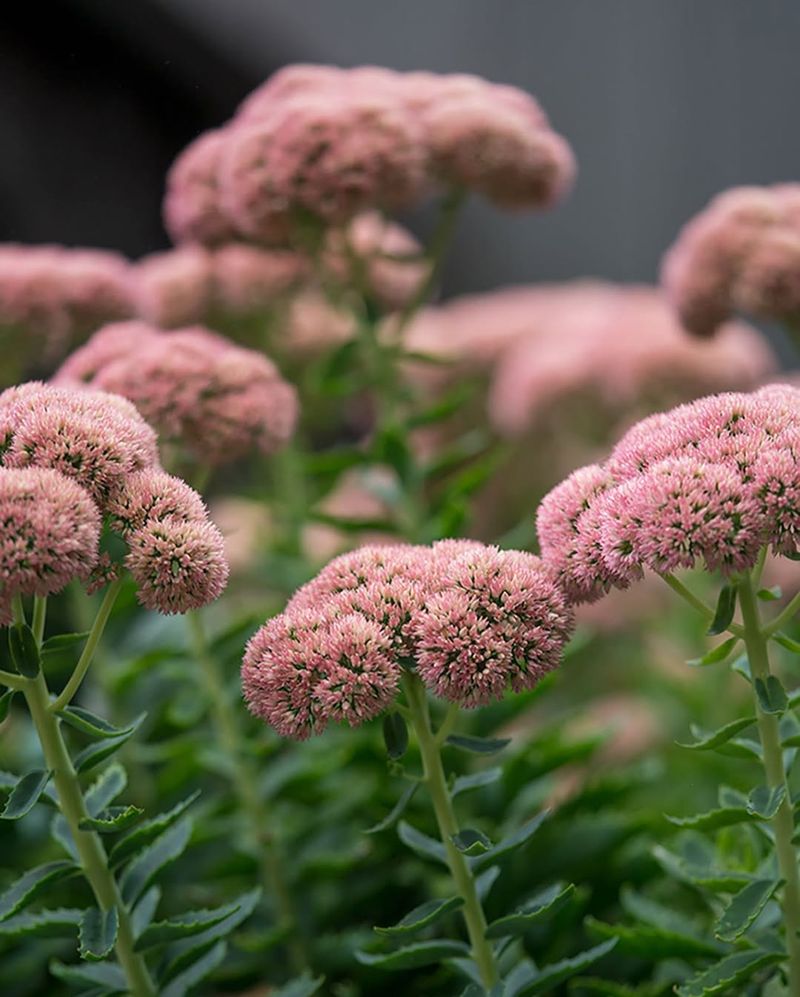
Sedum Autumn Joy has a quiet confidence about it that experienced North Carolina gardeners have come to trust completely.
In April, small fleshy rosettes push up from the soil surface with that distinctive blue-gray color that immediately sets them apart from other spring growth.
These compact little clusters do not look like much at first, but they are the beginning of one of the toughest and most reliable perennials available for the state’s gardens.
Upright sedums like Autumn Joy belong to the genus Hylotelephium and are perfectly adapted to North Carolina’s warm summers and occasional drought conditions. The April rosettes develop steadily into thick, sturdy stems packed with succulent leaves that store water efficiently.
Full sun and well-drained soil are the only real requirements, and once established, these plants handle summer heat without missing a beat.
By late summer and into fall, Autumn Joy produces flat-topped clusters of rosy-pink flowers that gradually deepen to a rich copper-red as temperatures cool.
North Carolina gardeners love this plant for the way it carries the garden through the transition from summer to autumn with almost no effort required.
The dried seed heads even add winter interest to the landscape. Planting sedum alongside ornamental grasses or purple coneflower creates a naturalistic combination that looks stunning from spring right through the first frost.
For any gardener in the state seeking a tough, beautiful, and truly dependable perennial, Autumn Joy sedum belongs in the ground.