Perennials That Survive Harsh Mountain Winters In North Carolina
Mountain gardening in North Carolina is not for the faint of heart. One week can bring mild sunshine, the next a sharp frost that reminds you how high you are above the rest of the state.
In places like Asheville, Boone, and throughout the Blue Ridge highlands, winter lingers longer and temperatures can swing without much warning. Yet that rugged climate creates an opportunity.
Certain perennials are perfectly suited for these elevations, built with deep roots, flexible growth habits, and the resilience to handle freezing nights and cool springs.
Instead of struggling, they return each year with renewed strength, often looking fuller and more impressive after a tough season.
Choosing plants adapted to mountain conditions transforms your garden from vulnerable to dependable. With the right selections, you can enjoy reliable blooms and strong structure without constant worry.
These hardy perennials prove that North Carolina’s mountain landscapes can be just as vibrant as any garden below.
1. Purple Coneflower
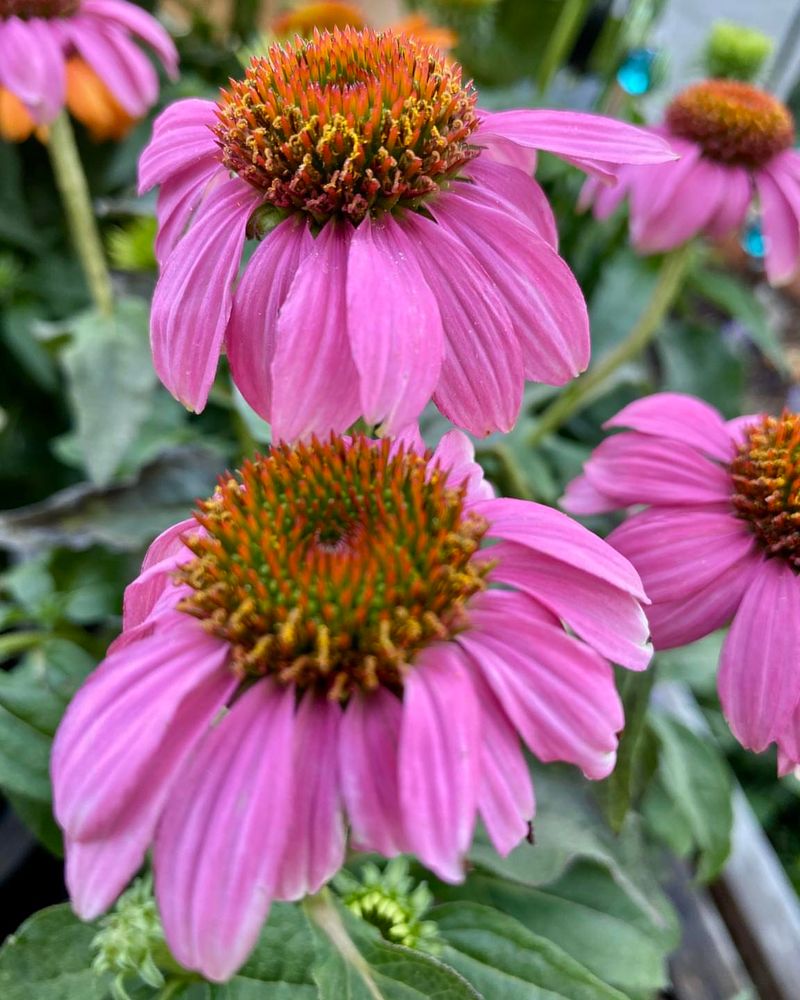
Few plants earn their place in a mountain garden quite like the Purple Coneflower, known botanically as Echinacea purpurea.
With its bold, rosy-purple petals and spiky orange-brown center, this native wildflower adds serious color to any landscape. Best of all, it handles the bitter winters of Western North Carolina without skipping a beat.
Echinacea purpurea is rated cold hardy to USDA Zone 3, which means the freezing temperatures common in the North Carolina mountains are well within its comfort zone.
Once established in well-drained soil, the root system stays protected underground through winter and pushes up fresh growth as temperatures warm in spring.
Gardeners across the Appalachian region rely on it season after season. Plant Purple Coneflower in a spot that gets at least six hours of sunlight daily for the best blooms.
It tolerates average to slightly poor soil, making it incredibly low-maintenance. Pollinators absolutely love it, and the seed heads left standing through winter also feed birds like goldfinches.
Deadheading spent blooms encourages more flowers, but leaving some heads intact benefits local wildlife.
Over time, established clumps grow fuller and more impressive each year, rewarding patient mountain gardeners with one of the most reliable perennial performers available in North Carolina.
2. Black-Eyed Susan
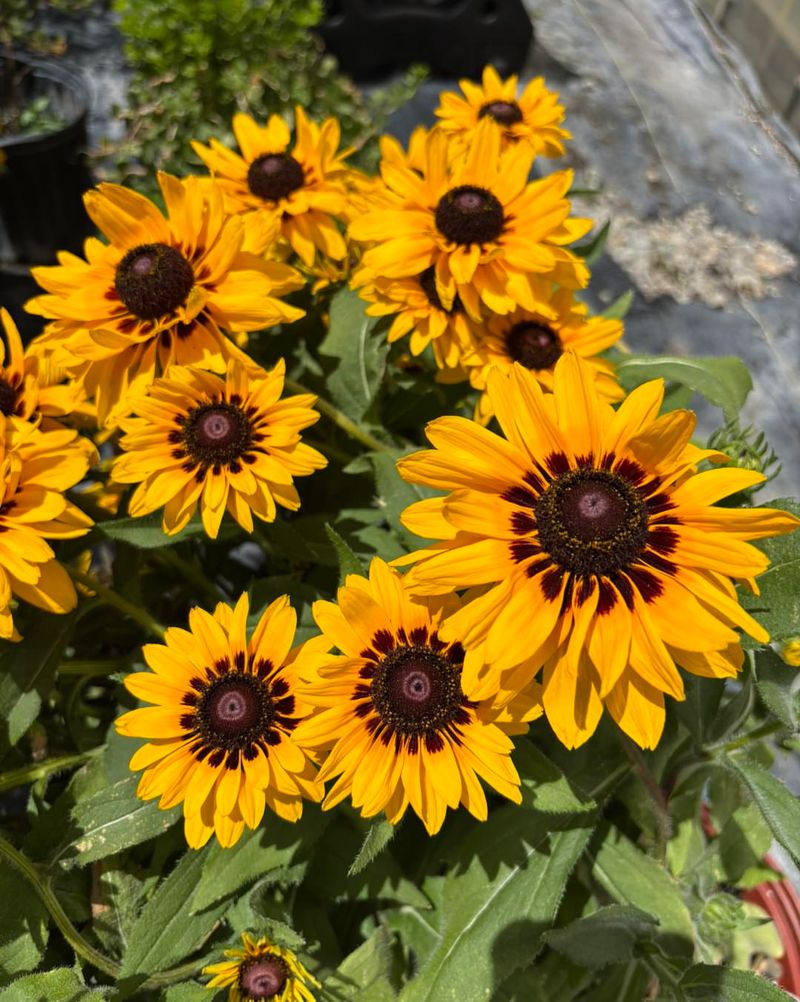
Sunny, cheerful, and incredibly tough, the Black-Eyed Susan brings a burst of golden color to mountain gardens across North Carolina.
Rudbeckia hirta produces bright yellow petals surrounding a dark brown center, creating that classic wildflower look that feels right at home in the Appalachian highlands.
It blooms from midsummer into fall, long after many other plants have finished for the season. One of the best things about this plant is its ability to reseed freely.
After the blooms fade and the seed heads dry, seeds drop naturally and sprout the following spring.
This means your mountain garden can fill in with new plants year after year without any extra effort on your part. Over time, a small planting can spread into a cheerful, full patch of golden blooms.
Black-Eyed Susan handles cold winters in North Carolina with ease, surviving freezing temps and returning reliably each spring.
It prefers full sun and well-drained soil but adapts to a range of conditions, including rocky mountain slopes. Minimal watering is needed once established, making it an ideal low-maintenance choice.
Pair it with Purple Coneflower for a classic mountain meadow combination that pollinators will visit constantly.
Few perennials deliver this much color and resilience with so little fuss in a mountain setting.
3. Peonies
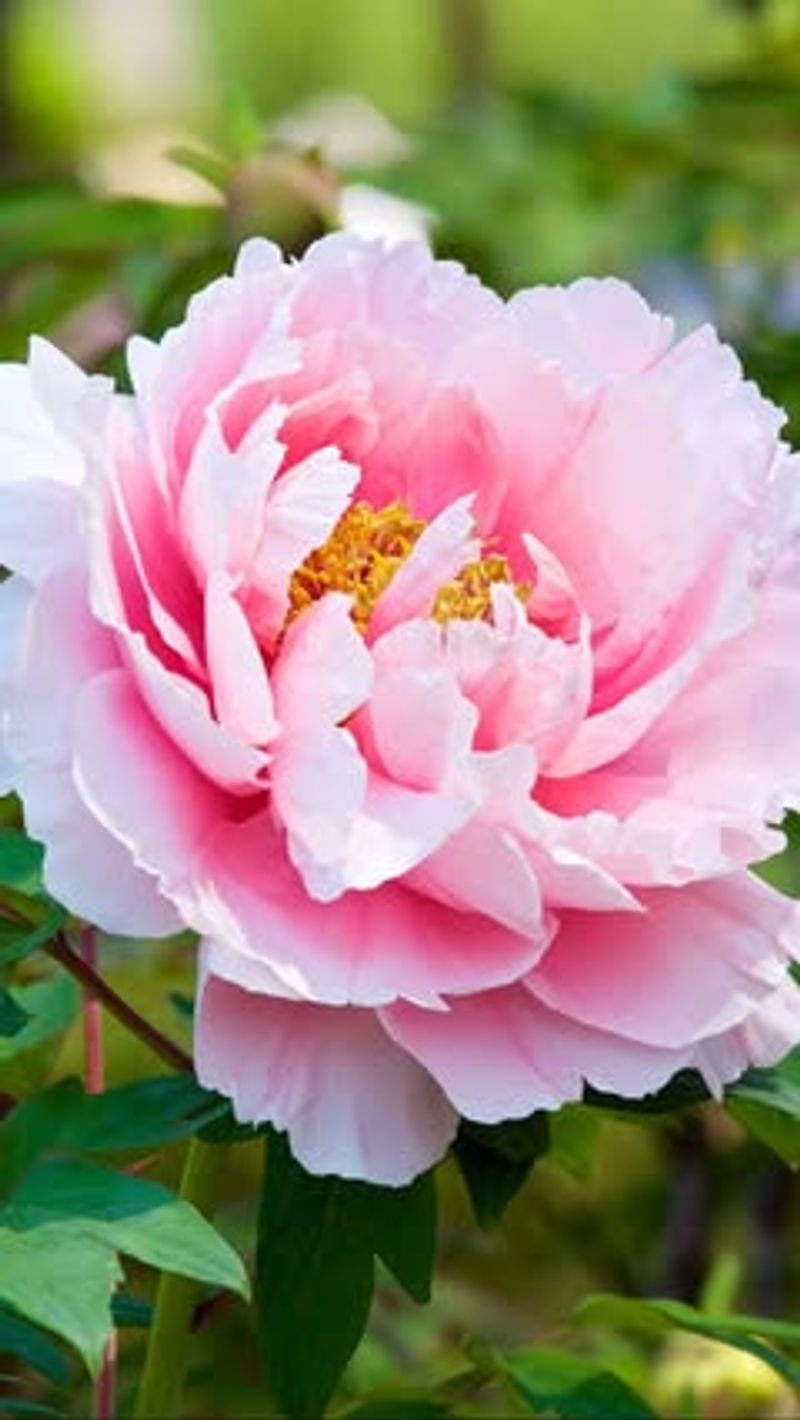
Peonies are one of those plants that feel almost magical when they bloom. Big, lush, fragrant flowers in shades of pink, white, red, and cream make them a showstopper in any garden.
What many gardeners do not realize is that peonies actually need cold winters to perform well, which makes the mountain regions of North Carolina absolutely ideal for growing them.
The chilling requirement for peonies is real and important. Without a period of sustained cold temperatures, the plants struggle to bloom properly the following season.
The cold mountain winters of Western North Carolina, especially in areas like Boone and Blowing Rock, provide exactly the chill hours that peonies need to set buds and produce those spectacular spring flowers.
This is one reason why peonies tend to underperform in warmer, lower-elevation parts of the state.
Plant peonies in full sun with rich, well-drained soil and avoid planting the crown more than one to two inches below the soil surface. Planting too deep is the most common reason peonies fail to bloom.
Once established, these plants can live for decades with very little attention, which makes them one of the most rewarding long-term investments for any mountain North Carolina garden.
Expect stunning blooms every spring once the plants are a few years old and settled into their spot.
4. Hosta
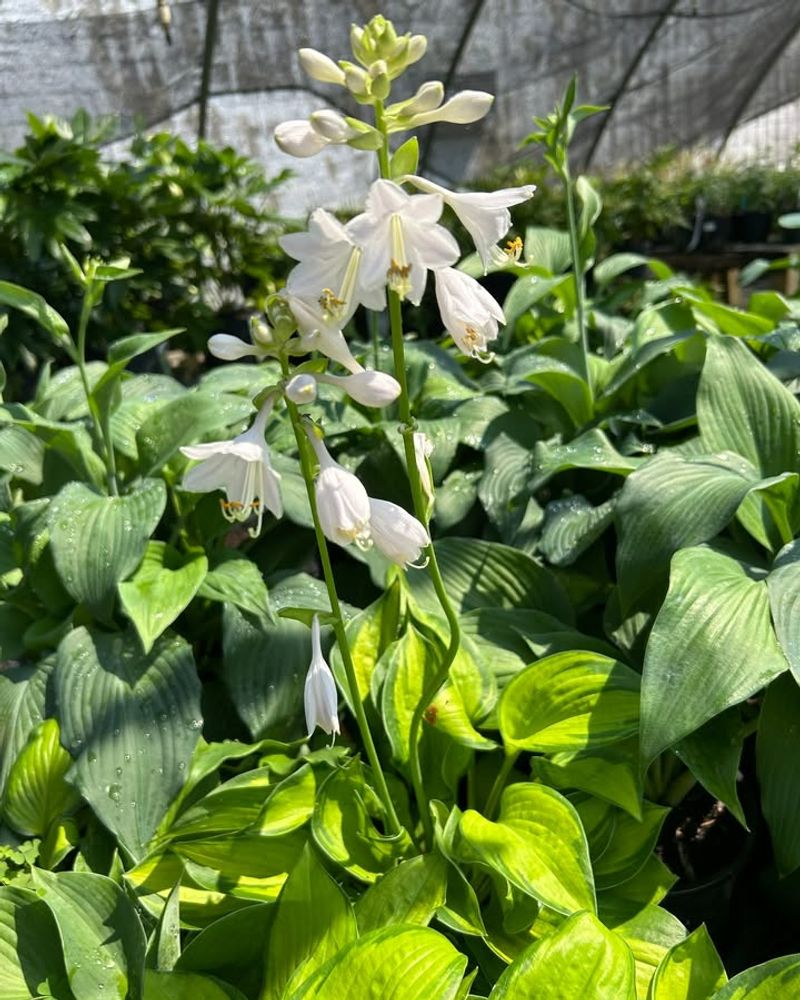
If your mountain garden has shady spots that seem impossible to fill with color, hostas are the answer.
These bold, leafy perennials thrive in the dappled shade of woodland gardens and are fully cold hardy through the harsh winters of the North Carolina mountains.
Their dramatic foliage in shades of green, blue, gold, and variegated combinations makes them one of the most visually striking plants available for low-light areas.
Hostas are rated cold hardy to Zone 3, so even the coldest mountain winters in North Carolina pose no threat to their survival.
The plant dies back completely in fall, and the crown rests safely underground until warmer temperatures return in spring.
One pleasant bonus for mountain gardeners is that the cooler summers at higher elevations actually help hostas look their best, since intense summer heat can scorch the leaves in lower regions of the state.
Soil moisture and good organic matter make a real difference with hostas. Planting under deciduous trees gives them both the shade they love and a natural layer of leaf mulch each fall.
Slugs can be a nuisance, but choosing thicker-leaved varieties adds natural resistance. Popular varieties like Halcyon, Sum and Substance, and Patriot all perform exceptionally well in the mountain areas of North Carolina.
With minimal care, hostas reward gardeners with years of lush, reliable beauty season after season.
5. Daylilies
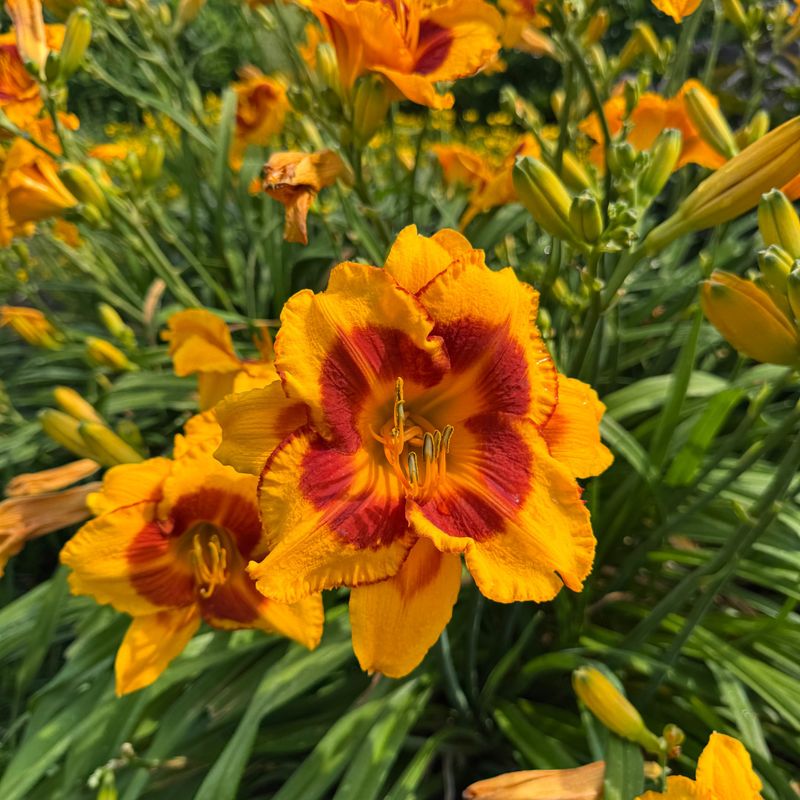
Walk past almost any established mountain garden in North Carolina during summer and you are likely to spot daylilies putting on a spectacular show.
Hemerocallis varieties come in hundreds of colors, from classic orange to deep burgundy, soft peach, and bright yellow.
Each individual flower lasts just one day, but healthy plants produce so many buds that the display continues for weeks without interruption.
Hardy Hemerocallis varieties handle mountain freezes with impressive toughness. The fleshy root system stores energy through winter and pushes up fresh green growth as soon as temperatures begin to climb in spring.
Many varieties are evergreen in milder climates but go fully dormant in the colder mountain elevations of North Carolina, which actually helps the plant rest and recharge for the next growing season.
Daylilies are among the most forgiving perennials you can grow. They tolerate a range of soil types, bounce back from drought once established, and require very little fertilizing to stay healthy and productive.
Full sun produces the most blooms, though partial shade is also tolerated. Dividing clumps every four to five years keeps plants vigorous and prevents overcrowding.
For mountain gardeners looking for a tough, colorful perennial that practically takes care of itself, daylilies check every box and then some. They are a true staple of North Carolina mountain gardens.
6. Siberian Iris
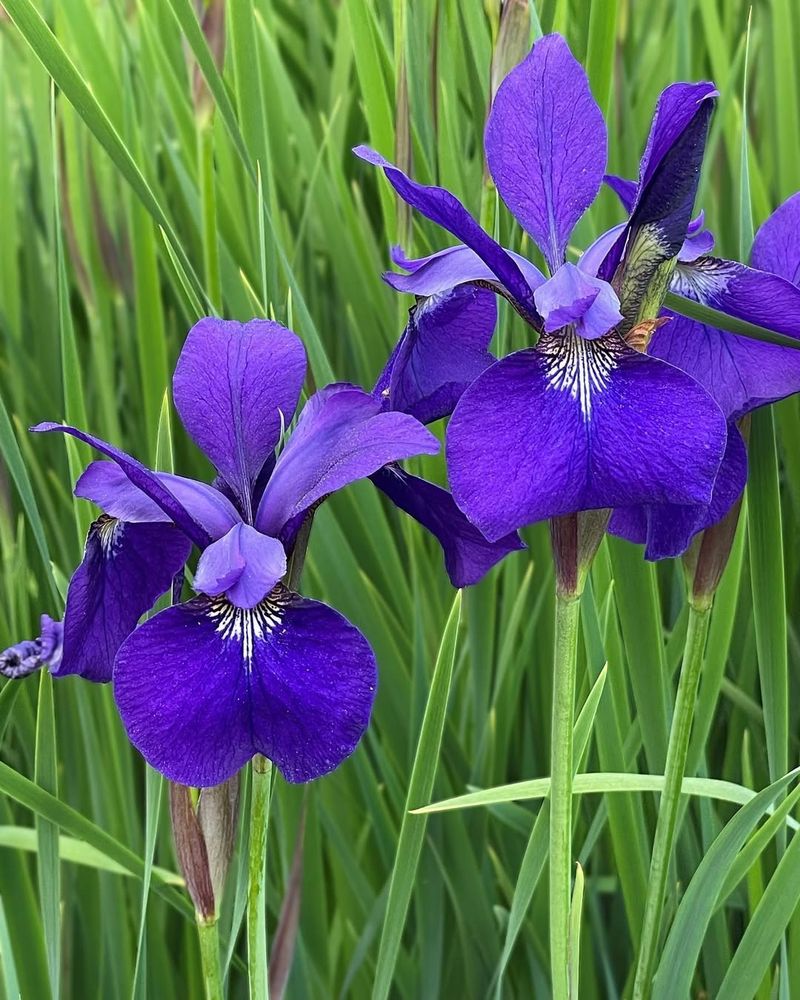
Elegant, graceful, and tougher than it looks, the Siberian Iris is one of the most cold-tolerant perennials you can grow in the North Carolina mountains.
Unlike bearded iris varieties that can struggle with temperature swings, Siberian iris handles extreme cold with ease and comes back reliably year after year.
The flowers appear in late spring and feature striking shades of violet, purple, blue, white, and yellow.
Siberian iris is cold hardy to Zone 3, making it perfectly suited for the high-elevation gardens of Western North Carolina.
The slender, grass-like foliage stays attractive throughout the growing season even after the blooms fade, providing structure and texture in the garden long past peak flower time.
This extended visual interest makes it a smart choice for gardeners who want year-round appeal from their perennial beds. Plant Siberian iris in full sun to light shade in moist, slightly acidic soil for best results.
It actually appreciates consistent moisture and performs beautifully near rain gardens or areas with naturally damp soil.
Unlike many perennials, Siberian iris rarely needs dividing, which makes maintenance wonderfully simple. Established clumps grow fuller and bloom more abundantly over time.
For mountain gardeners in North Carolina who want a refined, low-maintenance perennial that genuinely loves cold winters, Siberian iris belongs at the top of any planting list.
7. Bee Balm
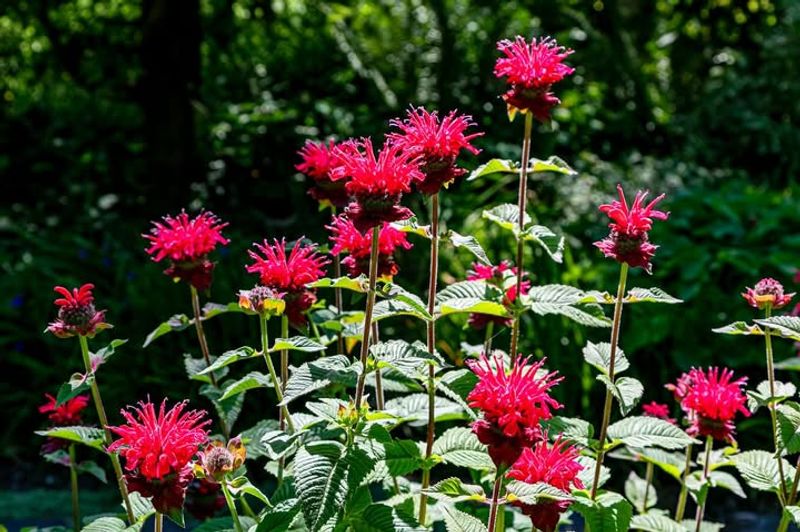
There is something genuinely exciting about watching a patch of Bee Balm in full bloom. Monarda species produce wild, shaggy flower heads in shades of red, pink, purple, and white that pollinators absolutely cannot resist.
Hummingbirds, bees, and butterflies all flock to it, turning your mountain North Carolina garden into a buzzing, fluttering spectacle from midsummer into early fall.
Bee Balm is a hardy native perennial that survives the coldest mountain winters without any special protection.
The established root system goes dormant underground during winter and sends up vigorous new growth each spring.
In the mountain regions of North Carolina, where winters can be long and unpredictable, this reliability is exactly what gardeners need from a perennial planting.
Powdery mildew can be a challenge with some older Monarda varieties, especially in areas with humid summers.
Choosing mildew-resistant cultivars like Jacob Cline, Raspberry Wine, or Colrain Red makes a big difference in keeping plants looking healthy all season long.
Good air circulation around the plants also helps prevent fungal issues. Plant in full sun to partial shade with consistently moist soil for the strongest growth.
Bee Balm spreads by underground runners and can fill in a garden bed quickly, so dividing clumps every two to three years keeps it tidy and encourages the most vigorous blooming in your mountain garden.
8. Sedum
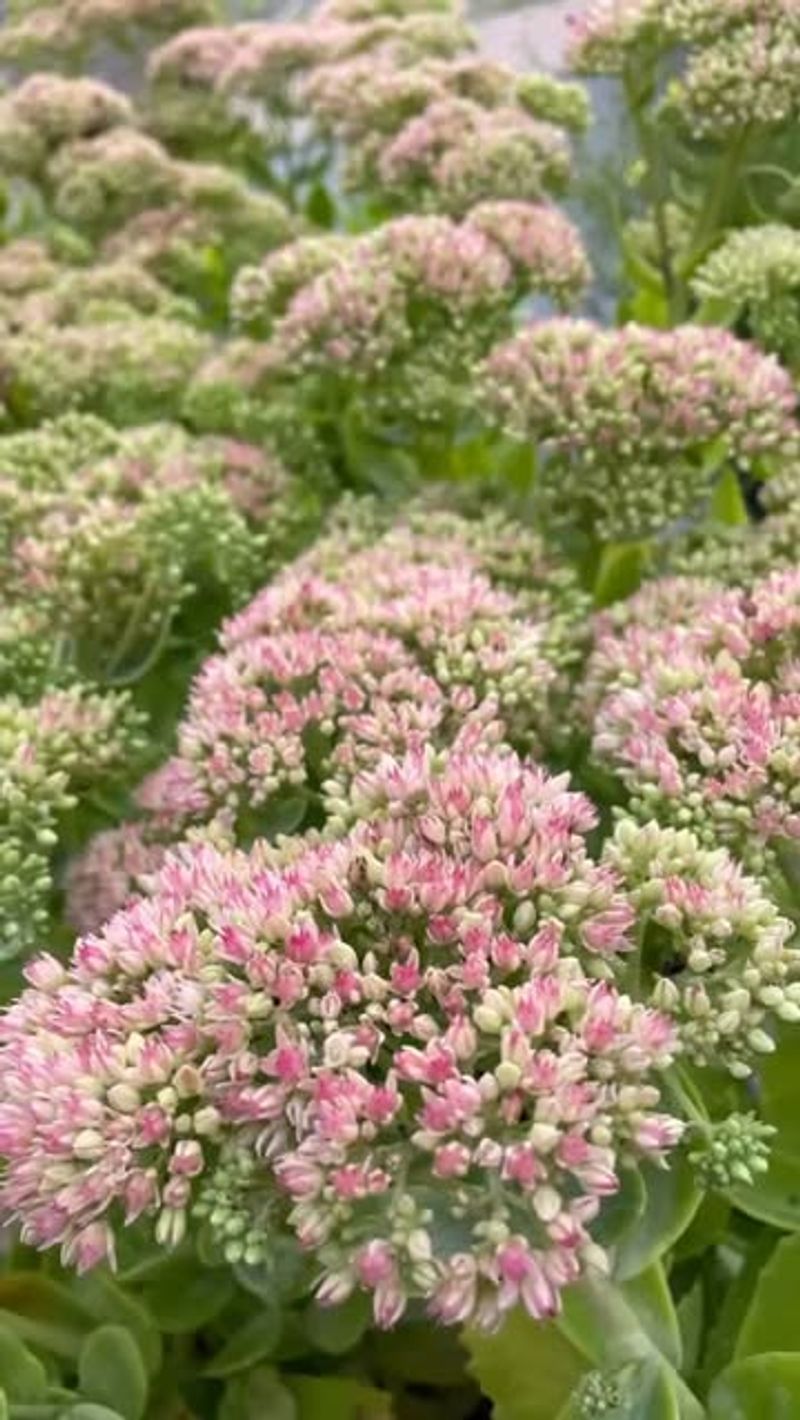
Sedum might just be the most underrated perennial in mountain gardening.
Upright hardy varieties, often sold under the genus Hylotelephium, produce thick, succulent leaves that look interesting from spring through fall, topped by flat clusters of star-shaped flowers in late summer and autumn.
The flower heads often turn a rich copper or rust color as temperatures drop, adding warm tones to the garden just as everything else is winding down for the season.
Cold hardiness is genuinely one of sedum’s strongest traits. Many upright varieties are cold hardy to Zone 3 or 4, meaning the freezing temperatures typical of the North Carolina mountains are no problem at all.
The fleshy stems and leaves store moisture efficiently, and the root system anchors the plant securely through winter winds and frost. Come spring, fresh growth emerges quickly and reliably.
Plant upright sedum in full sun with well-drained soil, and avoid overwatering since these plants prefer drier conditions.
Rocky or sandy mountain soils actually suit them well, making them a natural fit for the Appalachian landscape.
Popular varieties like Autumn Joy, Matrona, and Brilliant all perform beautifully in mountain North Carolina gardens.
Leaving the dried flower heads standing through winter adds structure to the garden and provides seeds for birds.
Sedum is truly one of the easiest, most rewarding perennials any mountain gardener can grow.
9. Coreopsis
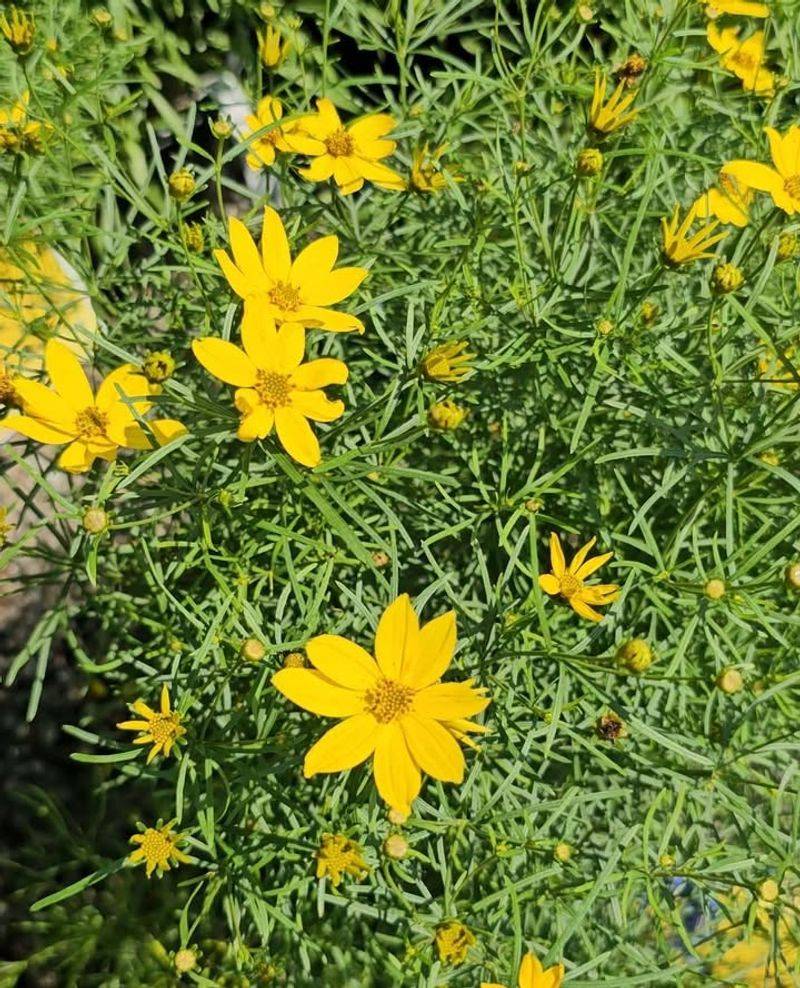
Coreopsis has a reputation for being cheerful and easygoing, and it absolutely lives up to that.
Commonly called tickseed, this sun-loving perennial produces bright yellow, daisy-like flowers that bloom from late spring well into fall.
For mountain gardeners in North Carolina, finding a perennial that blooms so prolifically over such a long season is a genuine gift.
Hardy Coreopsis species like Coreopsis verticillata and Coreopsis grandiflora tolerate the colder winters of Western North Carolina surprisingly well.
These plants are typically cold hardy to Zone 3 or 4, and established plants return dependably each spring even after harsh mountain winters.
The fine-textured foliage adds a soft, airy look to garden beds and pairs beautifully with bolder plants like hostas or peonies. Full sun is essential for Coreopsis to bloom at its best.
It actually prefers lean, well-drained soil over rich, fertile conditions, which means it fits naturally into the rocky, mineral-rich soils common throughout the mountain regions of North Carolina.
Deadheading spent flowers extends the blooming season significantly. Popular varieties like Zagreb, Moonbeam, and Early Sunrise are widely available and reliably cold hardy.
Dividing clumps every few years keeps plants energetic and free-blooming. For anyone building a low-maintenance, high-color mountain garden, Coreopsis belongs in the ground as soon as possible. It rewards minimal effort with maximum seasonal color.
10. Columbine
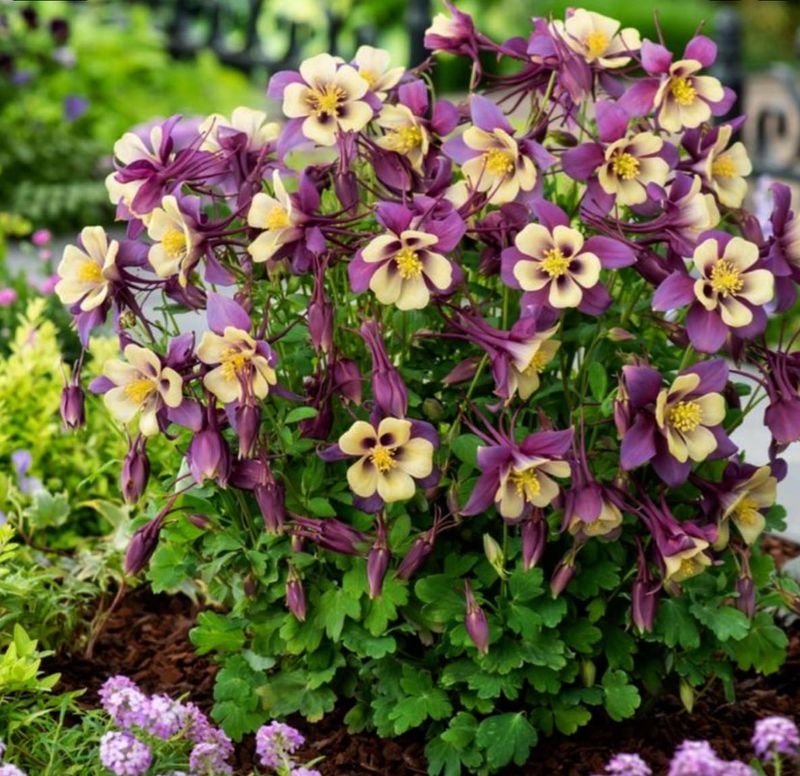
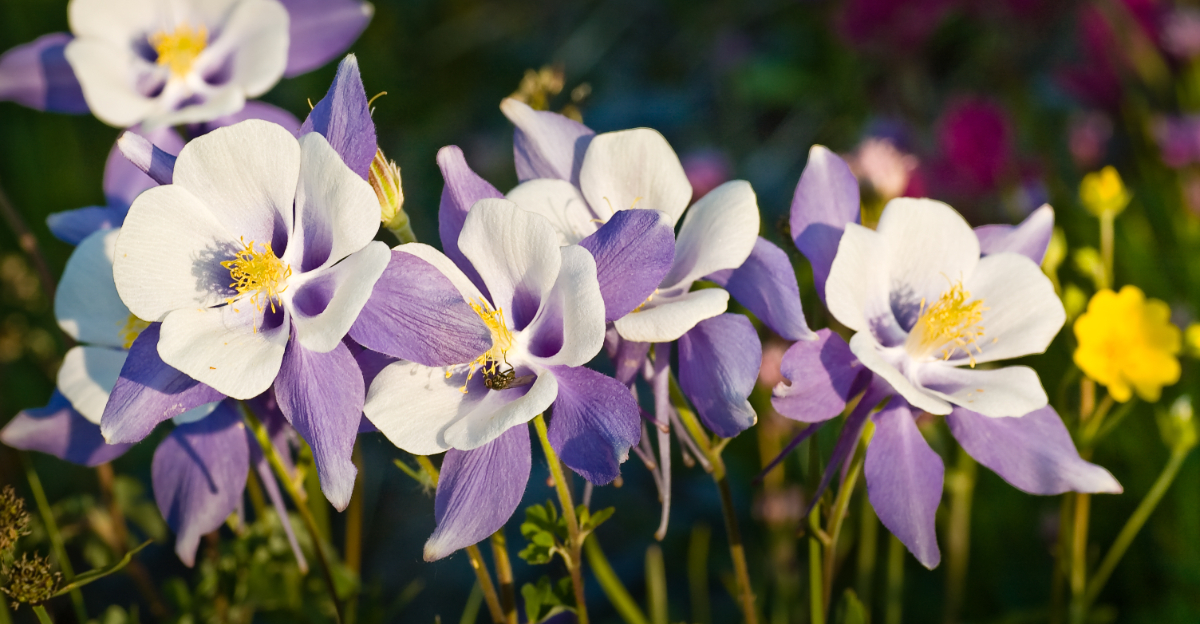
Columbine is one of those wildflowers that feels like it belongs in a fairy tale. Aquilegia species produce intricate, spurred flowers in combinations of purple, blue, red, yellow, pink, and white that seem almost too beautiful to be real.
Native species like Aquilegia canadensis have grown wild in the woodlands of North Carolina for centuries, making columbine a naturally fitting choice for mountain gardens throughout the region.
Cold tolerance is built into columbine’s DNA. Aquilegia species handle the mountain winters of North Carolina without any fuss, going dormant in fall and returning reliably each spring.
One of the most charming qualities of columbine is its tendency to reseed freely in cooler climates.
Seeds drop near the parent plant and sprout the following spring, gradually filling in shaded garden beds with new plants over the years.
Each new generation may show slightly different flower colors, which keeps things interesting.
Columbine prefers partial shade to full shade with moist, well-drained soil rich in organic matter.
The woodland edges and dappled shade common in mountain North Carolina landscapes are practically perfect for it.
Leaf miners can cause cosmetic damage to the foliage in summer, but cutting the leaves back encourages a fresh flush of growth without harming the plant.
Columbine typically blooms in spring, bridging the gap between early bulbs and summer perennials.
For any mountain gardener wanting effortless charm and color, columbine is a must-have addition to the landscape.