12 Perennials That Survive Heavy Snow In Michigan’s Upper Peninsula
Gardening in Michigan’s Upper Peninsula takes grit. Winters here bring deep snow, brutal cold, and months of conditions that push most plants past their limits.
By the time spring finally arrives, many gardens look worn down and in need of a fresh start. But the right perennials are built for exactly this kind of climate.
Across the Upper Peninsula, experienced gardeners rely on plants that can handle long freezes, heavy snow cover, and short growing seasons without constant care.
These hardy choices settle in, survive the harshest winters, and return every spring ready to grow again.
If you want a garden that looks strong and colorful year after year, plant choices matter more than anything else.
These 12 tough, reliable perennials are among the best options for Michigan’s Upper Peninsula and can thrive even after the region’s most demanding winters.
1. Daylily (Hemerocallis)
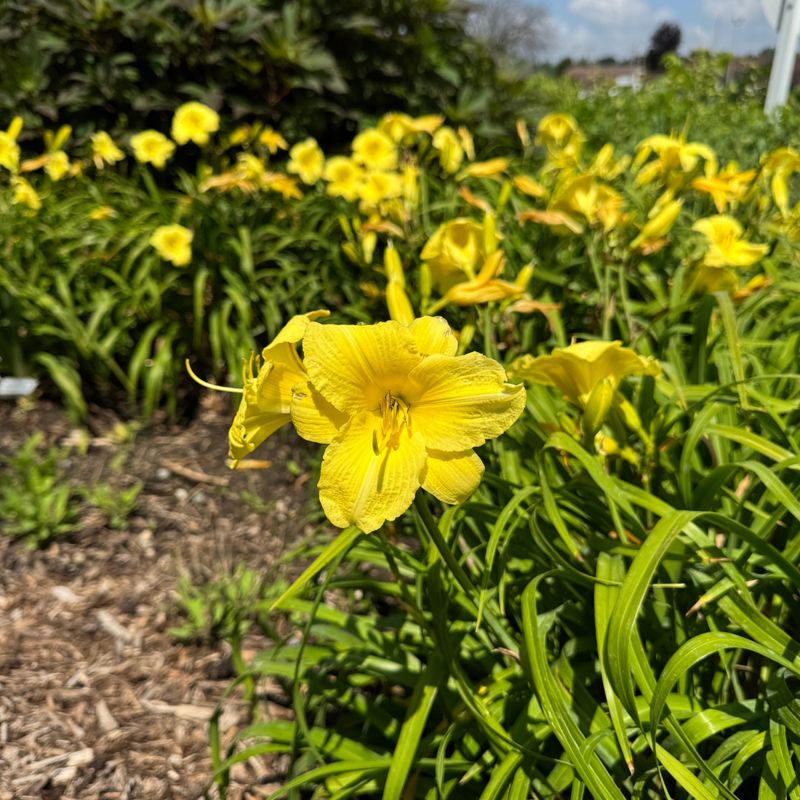
Daylilies have a reputation for being nearly impossible to discourage, and Michigan’s Upper Peninsula winters only seem to prove that point.
These perennials send up bold, colorful blooms in midsummer and keep going well into late summer, providing weeks of stunning color when many other plants start to fade.
Each individual flower lasts just one day, but the plant produces so many buds that you’d never notice. What makes daylilies such a smart choice for UP gardeners is their incredible adaptability.
They tolerate a wide range of soils, from poor sandy ground to heavier clay, and they handle both sun and partial shade with equal ease.
Once established, their thick, fleshy roots store energy that helps them survive even the deepest winter freezes Michigan throws at them.
Daylilies spread gradually over time, filling in garden spaces beautifully without becoming invasive nuisances.
Dividing clumps every few years actually encourages stronger blooming and keeps plants vigorous and healthy.
They come in hundreds of varieties ranging from soft pastels to deep burgundy and fiery orange, so you can mix and match to create a garden that’s totally your own.
For anyone gardening in Michigan’s Upper Peninsula who wants reliable, showy blooms with almost zero drama, daylilies are one of the best investments you can make in your garden.
2. Purple Coneflower (Echinacea Purpurea)
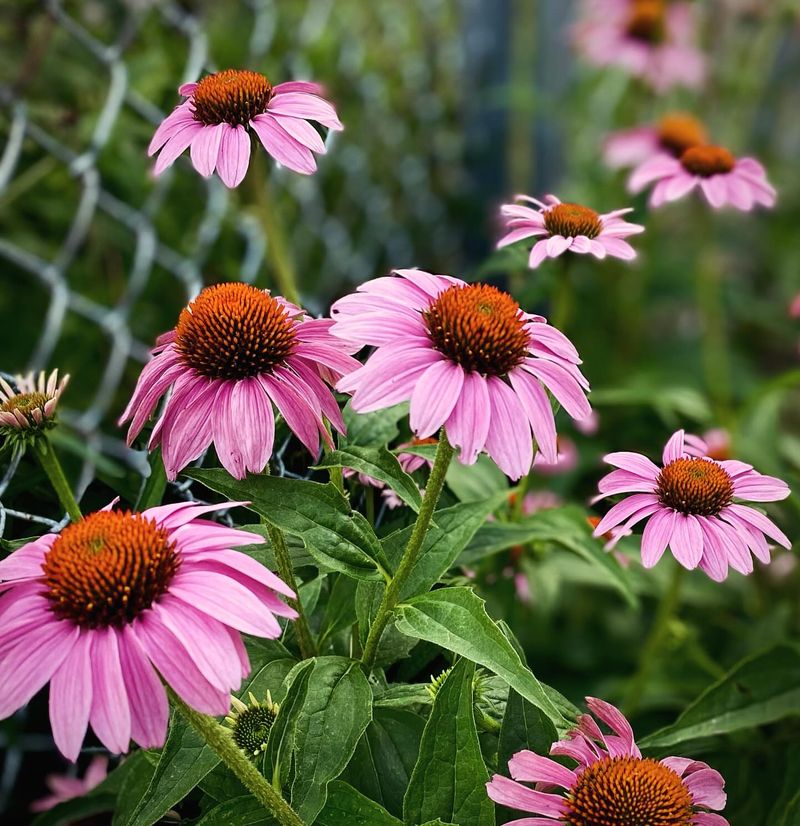
Few plants earn their place in a Michigan Upper Peninsula garden quite like the Purple Coneflower.
Native to North America, this tough beauty has been thriving in cold, snowy regions long before anyone thought to put it in a garden bed.
It handles Michigan’s brutal winters with ease, bouncing back every spring without skipping a beat.
Purple Coneflower grows best in full sun and well-drained soil, which makes it a natural fit for many UP garden spots.
It blooms from midsummer into fall, offering rich purple-pink petals that surround a bold, spiky center.
Bees, butterflies, and even goldfinches absolutely love this plant, so your garden becomes a little wildlife hub every season.
One thing gardeners really appreciate is how low-maintenance it is. You don’t need to baby it through the cold months because the snow actually acts as insulation for its roots.
Just cut back the stems in early spring, and new growth will push through reliably. Over time, your coneflower patch will spread and fill in beautifully.
If you’re building a garden in Michigan’s Upper Peninsula that handles heavy snow without complaint, Purple Coneflower belongs at the top of your list.
3. Hosta
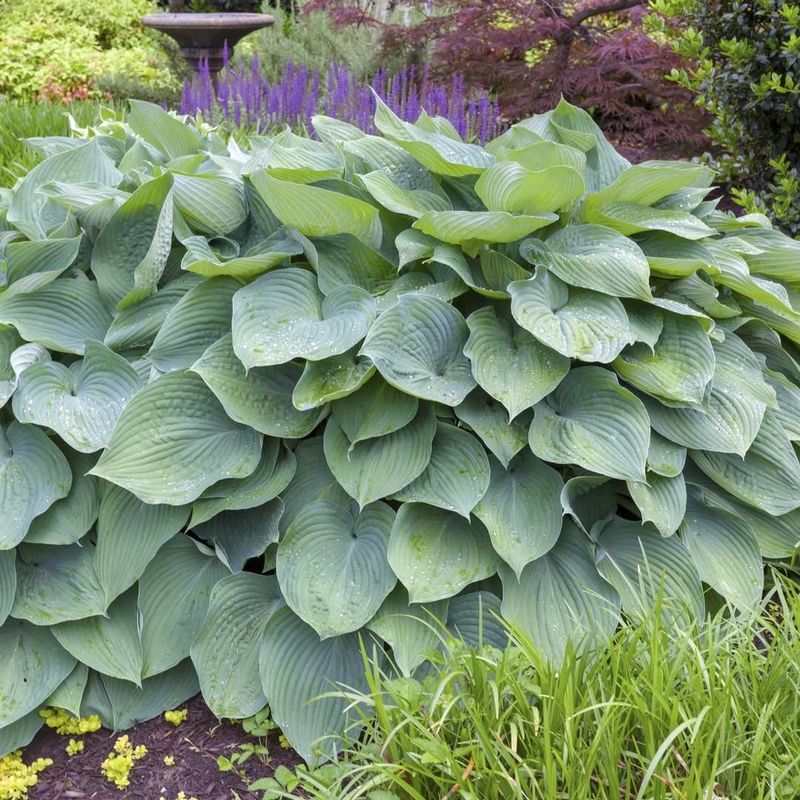
Hostas are the undisputed champions of shaded gardens, and Michigan’s Upper Peninsula has plenty of shaded spots where little else wants to grow.
Under tall trees or along north-facing walls, hostas fill those difficult areas with gorgeous, lush foliage that makes the whole space feel alive and intentional.
They’re one of those plants that experienced gardeners always come back to. What surprises many people is just how cold-tough hostas really are.
They’re rated for USDA hardiness zones 3 and 4, which means even the harshest Upper Peninsula winters don’t pose much of a threat.
Snow actually helps protect their dormant crowns, and come spring, those thick, architectural leaves unfurl right on schedule every year without fail.
Hostas come in an enormous range of sizes, from tiny miniatures perfect for container gardens to massive varieties with leaves bigger than a dinner plate.
Leaf colors range from deep forest green to blue-green and bright golden yellow, with many featuring striking variegated patterns.
They also produce tall flower spikes in summer, often with lightly fragrant blooms that attract hummingbirds.
Slugs can be a challenge in wet conditions, but a little diatomaceous earth around the base handles that easily.
For UP gardeners tired of fighting shady spots, hostas turn problem areas into genuine garden highlights.
4. Black-Eyed Susan (Rudbeckia Hirta)
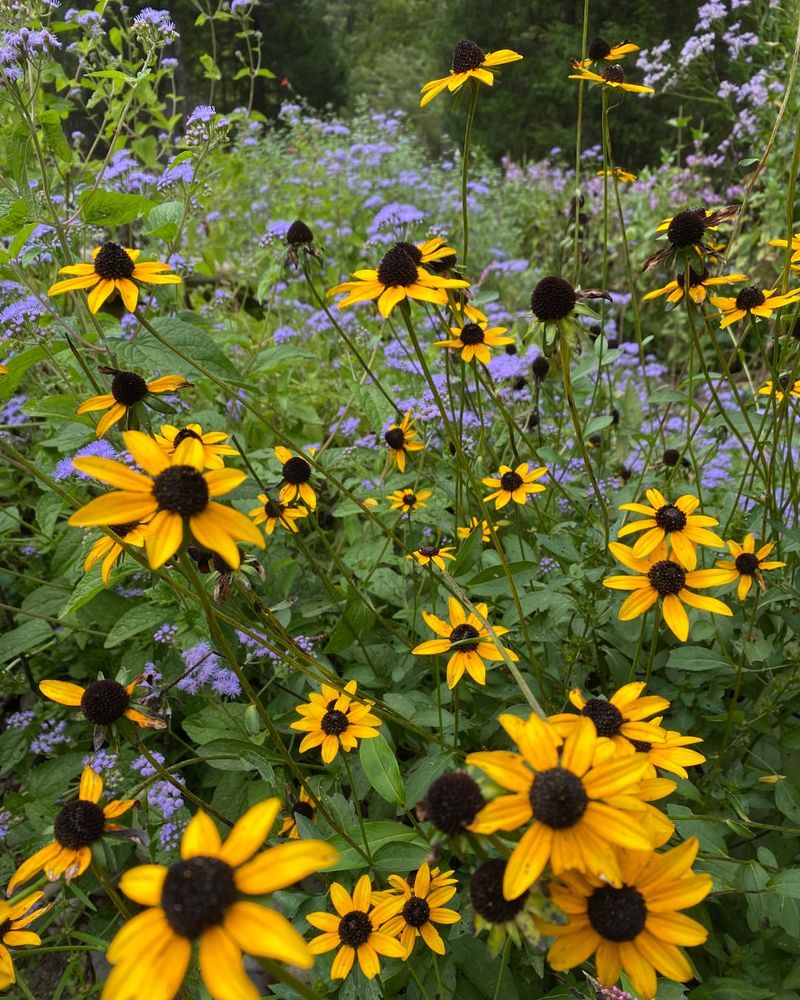
There’s something undeniably cheerful about a field of Black-Eyed Susans catching the late summer sun.
These golden-yellow wildflowers are a familiar sight across Michigan, and in the Upper Peninsula, they prove their toughness every single year.
Even after months buried under heavy snow, they push back up through the soil like nothing happened.
Black-Eyed Susan adapts to a wide range of soil types, from sandy to clay-heavy, which is great news for UP gardeners who often deal with less-than-perfect growing conditions. They prefer full sun but tolerate partial shade without too much fuss.
Their blooms appear from late spring all the way through early fall, giving you a long, reliable season of color. Pollinators go absolutely wild for these flowers.
Bees and butterflies visit constantly, and leaving the seed heads standing through winter gives birds a food source during the coldest months.
Deadheading spent blooms encourages more flowers, but honestly, even without much intervention, Black-Eyed Susans perform beautifully.
They’re drought-tolerant too, which means they handle dry summer stretches just as gracefully as they handle Michigan’s harsh winters.
For gardeners in the Upper Peninsula looking for a plant that delivers color, wildlife value, and serious cold hardiness all at once, this cheerful perennial is a must-have.
5. Sedum (Stonecrop)
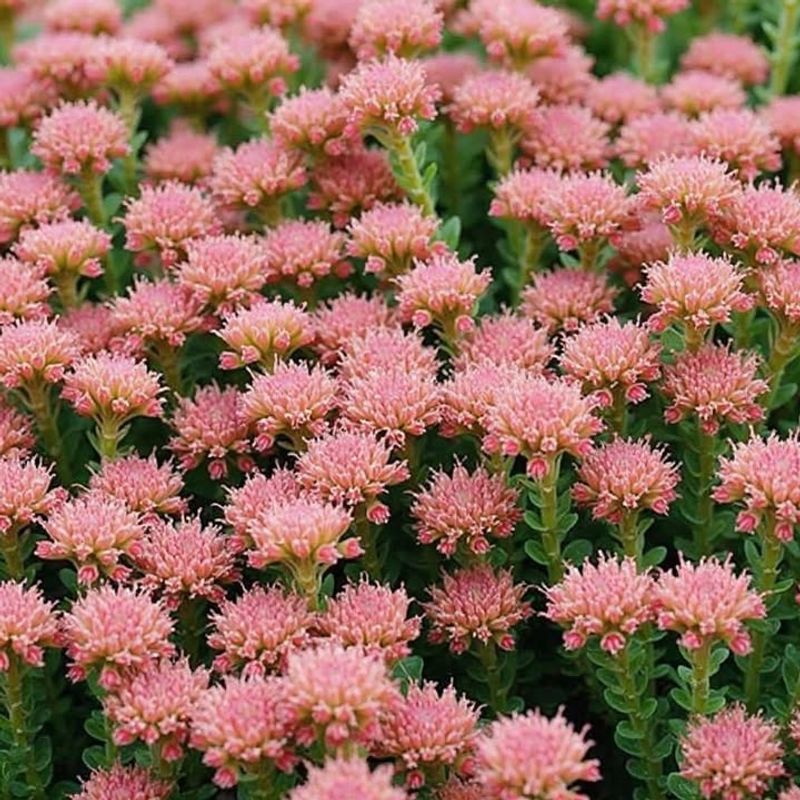
Sedum, commonly called Stonecrop, is one of those plants that almost seems to enjoy difficult conditions.
Rocky soil, drought, poor drainage, and freezing cold are all situations where sedum just keeps on thriving.
In Michigan’s Upper Peninsula, where winters are long and brutal, this plant’s ability to bounce back every spring makes it a garden staple worth knowing.
Tall sedum varieties like ‘Autumn Joy’ are especially popular because they offer interest across multiple seasons.
Their fleshy, blue-green leaves look great from spring through summer, and then in late summer and fall they burst into clusters of pink and rosy-red flowers that slowly deepen to a rich copper as temperatures drop.
Even the dried seed heads left standing through winter add visual texture to an otherwise snowy garden scene.
Sedum thrives in full sun and well-drained soil, making it a natural for raised beds, rock gardens, and sunny slopes that might challenge other perennials.
The succulent leaves store water efficiently, so sedum rarely needs extra watering once established.
Bees and butterflies flock to the blooms in late season when other flowers are winding down, making it a critical late-season pollinator plant. Dividing clumps every three or four years keeps plants vigorous and blooming at their best.
For UP gardeners who want maximum impact with minimal fuss, sedum delivers beautifully year after year.
6. Bee Balm (Monarda Didyma)
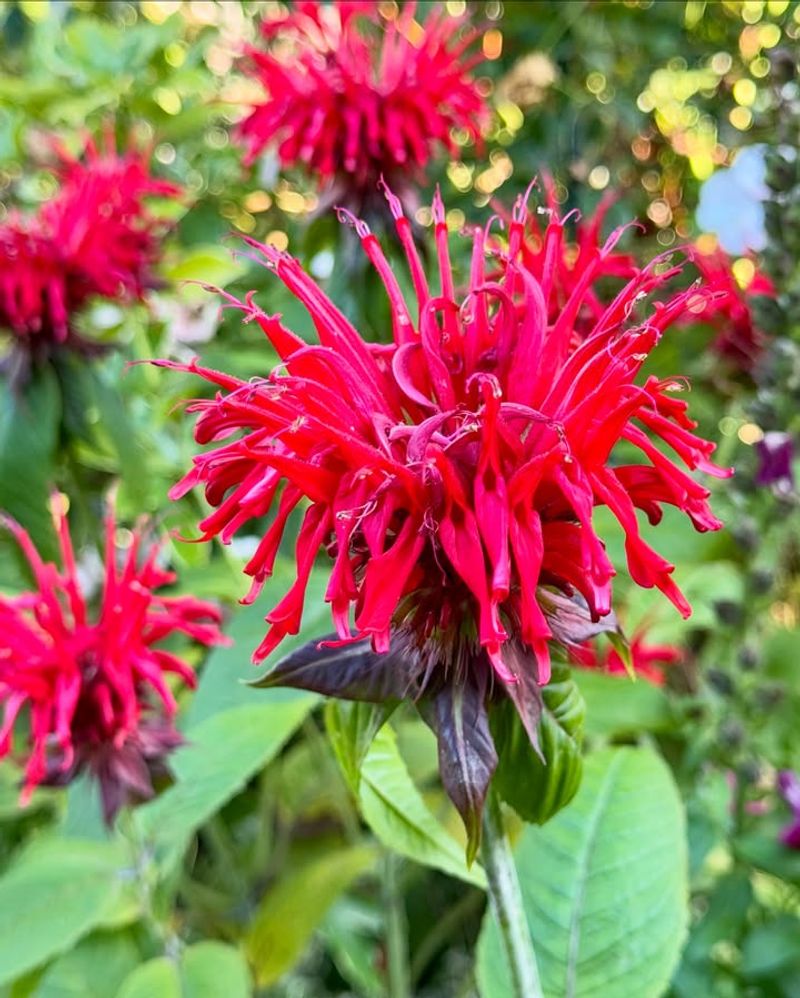
Walk past a patch of blooming Bee Balm on a warm Michigan summer afternoon and you’ll immediately understand why gardeners love it so much.
The spiky, tubular flowers in shades of red, pink, purple, and white buzz with bee and butterfly activity, and hummingbirds can’t seem to resist stopping by either.
It’s one of the most alive-feeling plants you can put in a garden. Beyond its wildlife appeal, Bee Balm is genuinely tough.
It’s native to eastern North America, which means it evolved to handle cold winters, heavy snowfall, and the kind of weather that Michigan’s Upper Peninsula delivers in abundance.
Established plants push through the soil reliably every spring, often spreading outward to fill in larger areas of the garden over time.
Bee Balm grows best in full sun to partial shade with consistently moist soil, so it pairs well with other moisture-tolerant plants.
Good air circulation around the plants helps prevent powdery mildew, which can be a problem in humid conditions.
Cutting plants back by about a third after the first bloom flush often encourages a second wave of flowers later in summer.
The aromatic leaves have a pleasant oregano-like scent and can even be used to make herbal tea.
For UP gardeners who want bold color, wildlife activity, and serious winter toughness all in one plant, Bee Balm is an outstanding choice.
7. Peony (Paeonia)
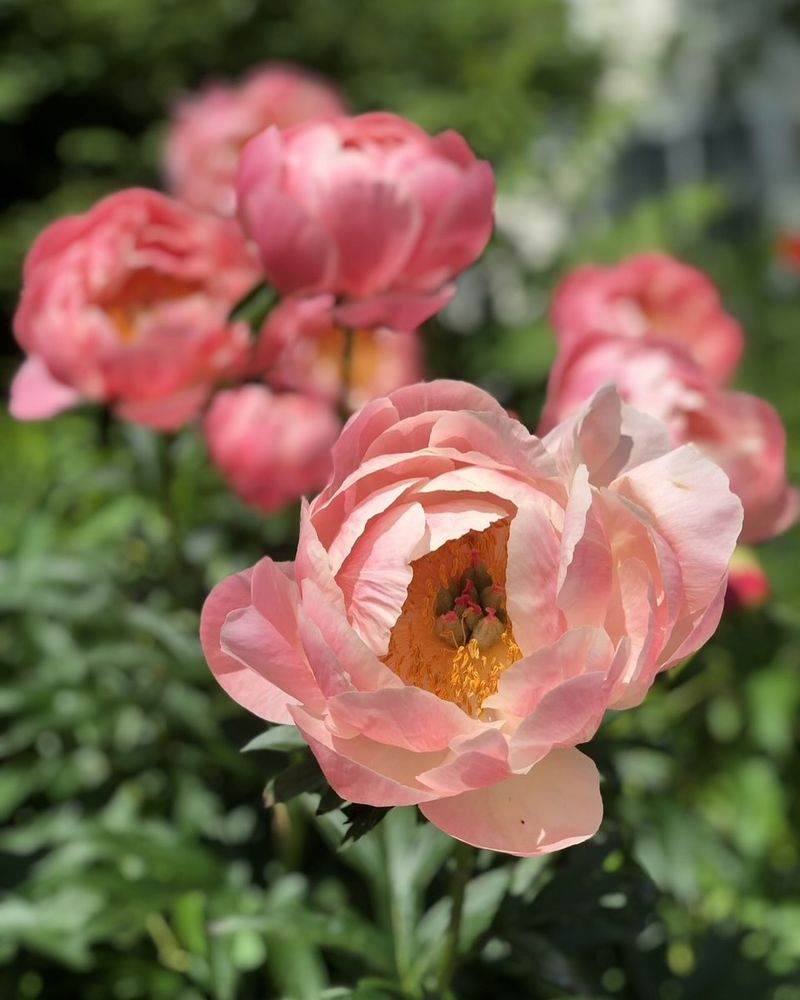
Peonies are one of the most beloved perennials in gardening history, and for very good reason.
Their enormous, fragrant blossoms in shades of white, pink, red, and coral are flat-out spectacular, and they bloom reliably year after year with very little effort from the gardener.
Some peony plants have been growing in the same spot for over a century, which tells you everything you need to know about their staying power.
In Michigan’s Upper Peninsula, peonies are a surprisingly excellent choice. They’re cold-hardy down to USDA zone 3, meaning they handle the UP’s deep freezes without any special protection.
In fact, peonies actually need a period of cold temperatures to bloom properly, so Michigan’s long winters work in their favor rather than against them. Snow cover over the winter months helps insulate their roots beautifully.
Plant peonies in a sunny spot with well-drained soil, and make sure the eyes of the tubers sit no more than one to two inches below the soil surface.
Planting too deep is the most common reason peonies fail to bloom. Once established, they’re remarkably self-sufficient and long-lived. Staking taller varieties prevents the heavy blooms from flopping over after rain.
The glossy, dark green foliage also looks attractive throughout the growing season even when flowers aren’t present.
For UP gardeners who want heirloom beauty and incredible longevity, peonies are a once-in-a-generation garden investment.
8. Shasta Daisy (Leucanthemum X Superbum)
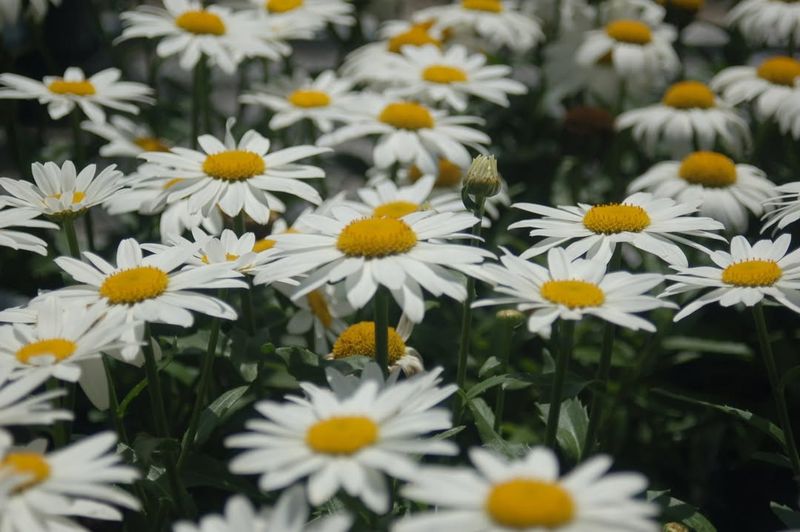
Shasta Daisies bring a classic, timeless look to any garden, and their crisp white petals surrounding sunny yellow centers never seem to go out of style.
Originally developed by horticulturist Luther Burbank in the late 1800s, these cheerful flowers have been brightening gardens across North America ever since.
In Michigan’s Upper Peninsula, they handle the cold winters surprisingly well and return faithfully every spring.
These daisies prefer full sun and well-drained soil, producing their best blooms from early summer through early fall.
Deadheading spent flowers regularly encourages the plant to keep producing new blooms throughout the season, extending your color display significantly.
Cutting plants back hard after the main bloom flush often triggers a second round of flowers before the season wraps up.
Shasta Daisies grow to about two to three feet tall, making them excellent mid-border plants that work beautifully alongside taller perennials like Bee Balm or shorter groundcovers.
They spread gradually over time and benefit from division every two to three years to keep clumps healthy and blooming at full strength.
Pollinators, especially bees and butterflies, visit the flowers frequently throughout summer.
In Michigan’s Upper Peninsula, where the growing season is shorter than in southern regions, Shasta Daisies make every week of summer count with their long, reliable bloom time. They’re a classic that belongs in every UP garden.
9. Yarrow (Achillea Millefolium)
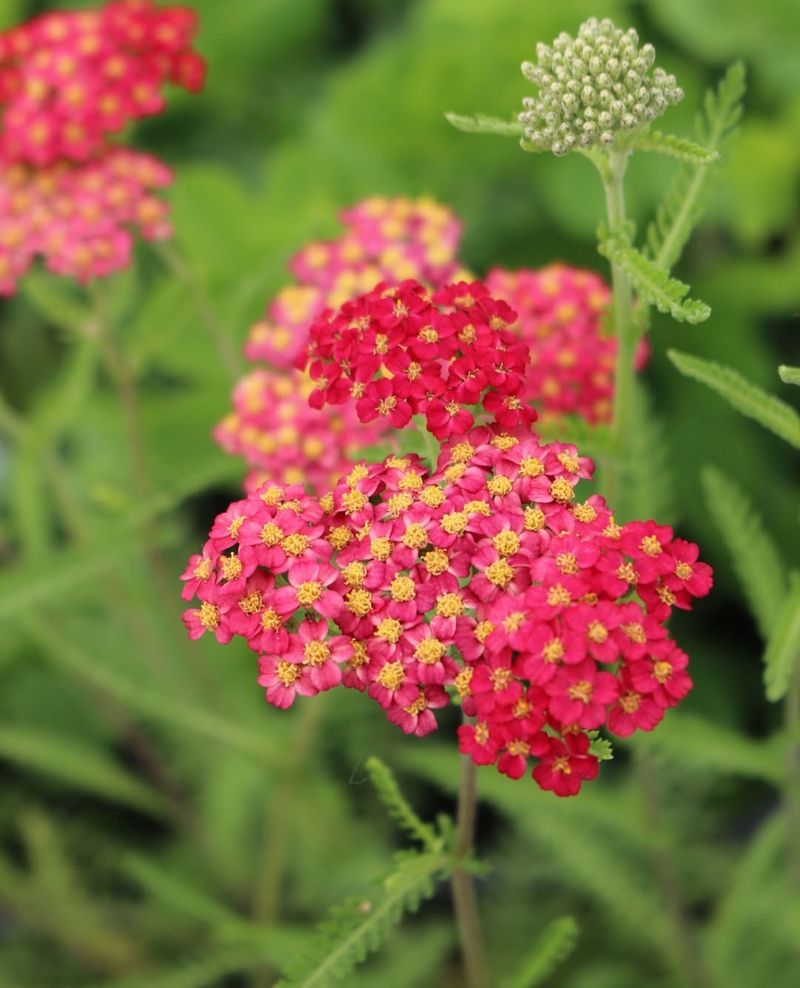
Yarrow has been growing wild across Michigan and much of North America for thousands of years, which makes it one of the most naturally adapted perennials you could ever plant in an Upper Peninsula garden.
Its feathery, fern-like foliage stays attractive from spring through fall, and the flat-topped flower clusters in shades of yellow, white, pink, and red attract pollinators by the dozens throughout summer.
One of yarrow’s most impressive qualities is its ability to thrive in poor, dry soil where other plants struggle.
Rocky ground, sandy soil, and slopes that drain too fast for most perennials are all places where yarrow genuinely excels.
Full sun is its preference, and it actually tends to get floppy and less vigorous in too much shade or overly rich soil.
Once established in the right spot, it needs almost no supplemental watering or fertilizing. In Michigan’s Upper Peninsula, yarrow handles heavy snow and deep freezes without any trouble at all.
Its extensive root system anchors it firmly through even the worst winter conditions, and new growth emerges reliably every spring.
Cutting plants back by about half in midsummer often encourages a second flush of blooms later in the season.
Yarrow also makes an excellent cut flower and dries beautifully for arrangements. For UP gardeners who want tough, pollinator-friendly color in challenging spots, yarrow is a genuinely brilliant choice that rarely disappoints.
10. Astilbe
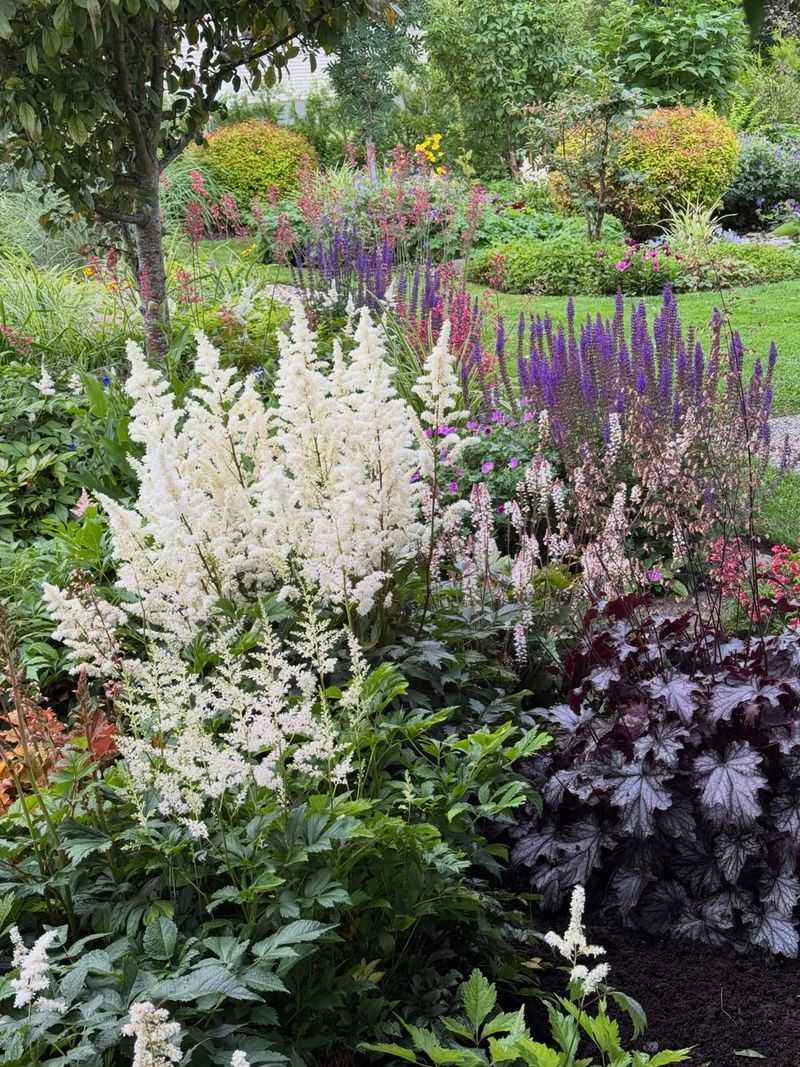
Astilbe is one of those plants that makes shaded gardens feel genuinely magical.
Its tall, feathery plumes rise above elegant, fern-like foliage in shades of pink, red, white, lavender, and deep burgundy, creating a soft, romantic texture that photographs beautifully and looks even better in person.
For Michigan’s Upper Peninsula gardeners working with heavily shaded spots under tall trees, astilbe is often the answer they’ve been looking for. Despite its delicate appearance, astilbe is remarkably tough.
It’s cold-hardy down to USDA zone 4, and in many cases handles zone 3 conditions just fine with adequate snow cover acting as insulation through winter.
The roots stay safely dormant under the snow and push up fresh new growth every spring, often returning with more vigor than the previous year as the clumps mature and establish more deeply.
Astilbe prefers moist, humus-rich soil and partial to full shade, so it pairs naturally with hostas and bleeding hearts in woodland-style garden designs.
Keeping the soil consistently moist during dry summer spells helps plants perform at their absolute best.
The dried flower plumes also add interesting winter texture to the garden even after the blooming season ends.
Dividing clumps every three to four years keeps plants blooming vigorously and prevents crowding.
For UP gardeners who want lush, show-stopping color in spots where the sun rarely reaches, astilbe is simply unbeatable.
11. Bleeding Heart (Dicentra)
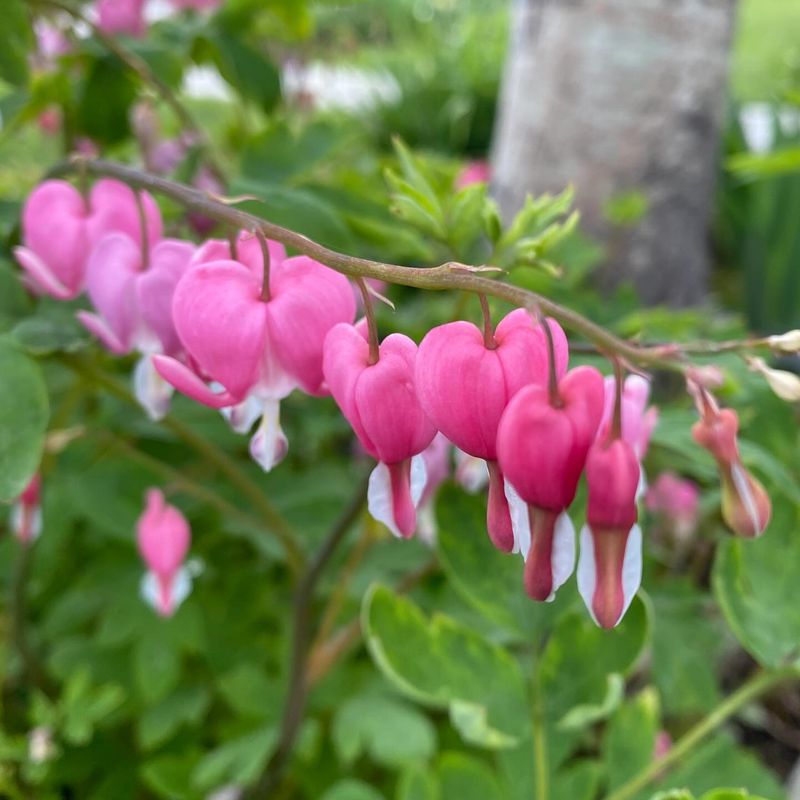
Few plants stop visitors in their tracks quite like a fully blooming Bleeding Heart.
The arching stems hung with perfectly heart-shaped pink or white flowers are genuinely one of the most charming sights in any spring garden, and in Michigan’s Upper Peninsula, they emerge reliably every year just as the snow finally pulls back and the soil starts to warm up again.
Bleeding Hearts prefer shaded to partially shaded spots with moist, well-drained soil rich in organic matter.
They’re excellent companions for hostas and astilbe, sharing similar growing conditions and complementing each other’s textures beautifully.
In the Upper Peninsula, where forested areas create naturally shaded garden environments, Bleeding Hearts feel completely at home and perform without any special coaxing.
One thing worth knowing is that traditional Bleeding Heart foliage tends to go dormant by midsummer, especially during hot dry spells.
Planting summer-active perennials like hostas nearby fills that gap seamlessly and keeps the garden looking full all season long.
Fringed Bleeding Heart varieties, like Dicentra eximia, are more compact and often stay in leaf longer through the season.
Cold hardiness is excellent for this plant, with most varieties handling zone 3 and 4 conditions comfortably.
The roots hunker down through Michigan’s heavy winter snowfall and emerge refreshed every spring, making Bleeding Heart a genuinely rewarding perennial for any UP garden with shade to spare.
12. Lady’s Mantle (Alchemilla)
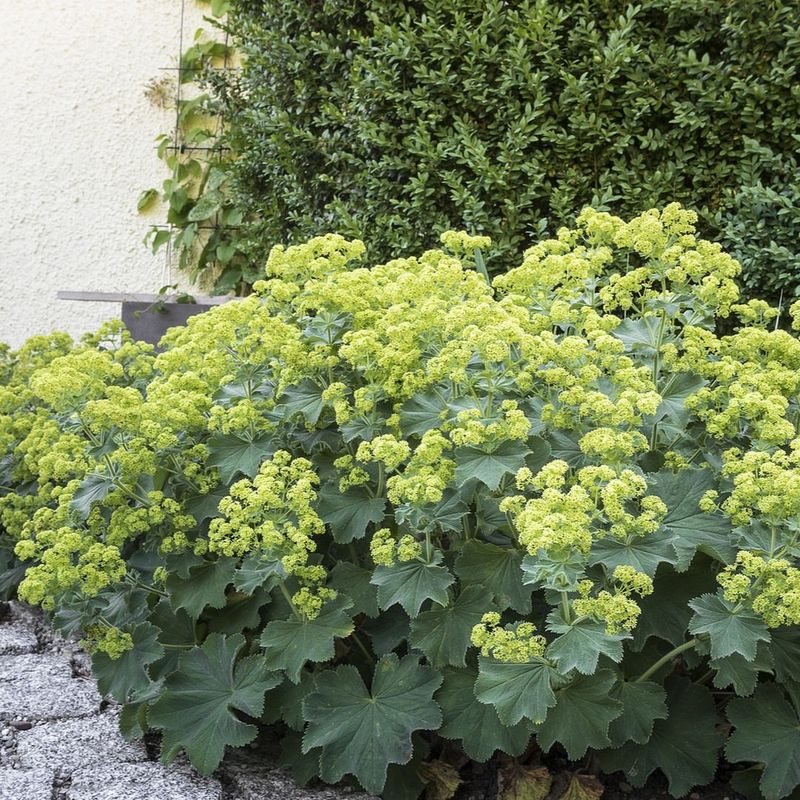
There’s something almost enchanting about the way water droplets bead up and roll across Lady’s Mantle’s soft, scalloped leaves like tiny silver beads.
Alchemists in medieval Europe actually collected this water, believing it had magical properties, which is exactly how this charming plant got its name.
Today, gardeners in Michigan’s Upper Peninsula value it for something a little more practical: its remarkable ability to handle cold winters and return beautifully every spring.
Lady’s Mantle grows into low, spreading mounds of velvety, gray-green foliage topped with frothy sprays of tiny chartreuse-yellow flowers in late spring and early summer.
It works beautifully as a border edging plant, softening the hard lines of pathways and garden beds with its relaxed, cottage-garden feel.
The flowers also make lovely additions to fresh-cut arrangements and dry well for use in dried bouquets.
Partial shade to full sun suits Lady’s Mantle well, though in Michigan’s Upper Peninsula it actually benefits from some afternoon shade during the hottest summer days.
Moist, well-drained soil helps it perform at its best, and it self-seeds modestly, meaning you’ll often find cheerful little seedlings popping up nearby each season.
Cold hardiness is excellent, rated to zone 3, so deep snow and hard freezes pose no real threat.
For UP gardeners who want an elegant, low-maintenance edging plant with genuine old-world charm, Lady’s Mantle is a wonderfully rewarding choice that earns its spot every single year.