Perennials To Plant In April In Pennsylvania Before Summer Heat
April is a sweet spot for planting in Pennsylvania. The soil is waking up, the air feels a little friendlier, and gardeners finally get that sense that the season is moving forward for real.
It is also one of the best times to get perennials in the ground before summer starts throwing heat and dry spells into the mix.
Planting now gives them a chance to settle in, build stronger roots, and get comfortable before the tougher weather shows up. That head start can make a big difference later.
For gardeners, that means less stress and better results. Instead of trying to rescue struggling plants in the middle of summer, you give them a better shot from the beginning.
The right perennials can reward that timing with reliable color, stronger growth, and a garden that keeps looking good long after spring fades.
If you want plants that come back year after year and handle the changing season better, April is the moment to make smart choices that will keep paying off.
1. Coneflower (Echinacea Purpurea)
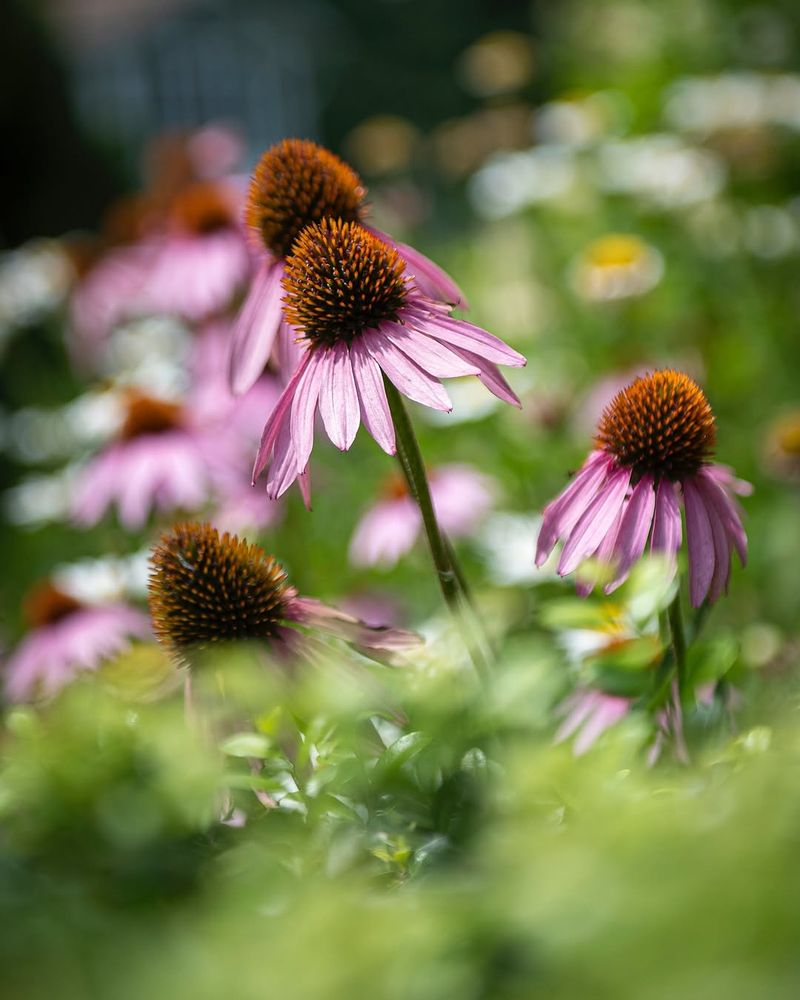
Few plants earn their place in a Pennsylvania garden quite like the coneflower. With bold purple-pink petals surrounding a spiky, copper-colored cone, this plant is hard to miss and even harder to stop loving.
Gardeners across the state swear by it, and for good reason. Planting coneflowers in April gives the roots time to settle into the soil before temperatures climb. Once established, these plants handle heat and drought like champions.
You will not find yourself running outside with the hose every day just to keep them alive during a dry July stretch.
Echinacea purpurea is native to North America, which means it is naturally adapted to the climate patterns Pennsylvania experiences. It thrives in full sun and well-drained soil.
Sandy or average soil works just fine since coneflowers actually struggle in overly rich or soggy ground.
One of the biggest perks is how much wildlife this plant attracts. Bees, butterflies, and even goldfinches flock to coneflowers throughout the season.
The blooms appear in mid-summer and keep going for weeks, sometimes stretching all the way into September in Pennsylvania gardens.
You can find coneflowers in many colors now, including white, orange, and red, but the classic purple variety remains the most reliable and cold-hardy option for Pennsylvania. Plant them about 18 inches apart in groups of three or more for the best visual impact.
They will spread slowly over time and come back stronger each year, making them a true garden investment.
2. Black-Eyed Susan (Rudbeckia Hirta)
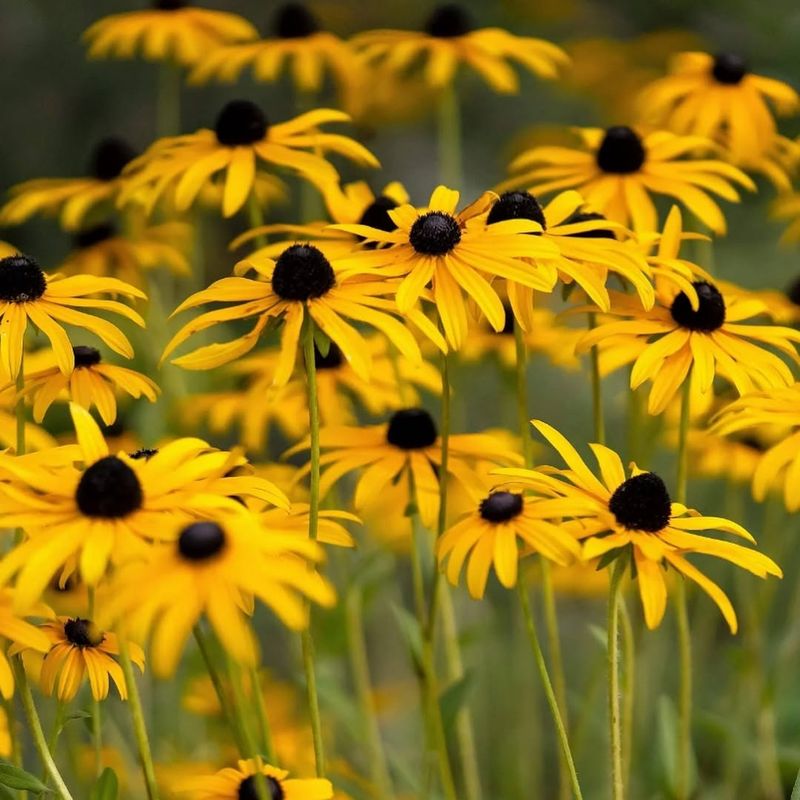
If cheerfulness had a flower, it would be the Black-Eyed Susan. Those sunny yellow petals surrounding a rich, dark brown center are practically impossible to walk past without smiling.
Gardeners in Pennsylvania have grown this plant for generations, and it never goes out of style.
April is the ideal time to get Black-Eyed Susans in the ground throughout Pennsylvania. The cool spring soil encourages strong root development, so by the time summer heat rolls in, your plants are ready to perform.
Expect blooms to appear from June and continue well into August or even September. One of the best things about this plant is how beginner-friendly it is. You do not need special soil, complicated fertilizing schedules, or perfect conditions.
Black-Eyed Susans thrive in full sun and tolerate poor, dry soil surprisingly well. They are drought-tolerant once established, making them a smart choice for busy gardeners.
Did you know Black-Eyed Susans are actually native wildflowers across much of the eastern United States, including Pennsylvania? That native status means local pollinators like bumblebees and monarch butterflies recognize and love them.
Planting a patch near your vegetable garden can even help increase pollination of your crops.
These plants spread naturally over time, filling bare spots in beds without much help from you. Space them about 12 to 18 inches apart when planting in April.
They work beautifully alongside coneflowers and ornamental grasses, creating a naturalistic, low-maintenance Pennsylvania garden that looks stunning all summer long.
3. Bee Balm (Monarda Didyma)
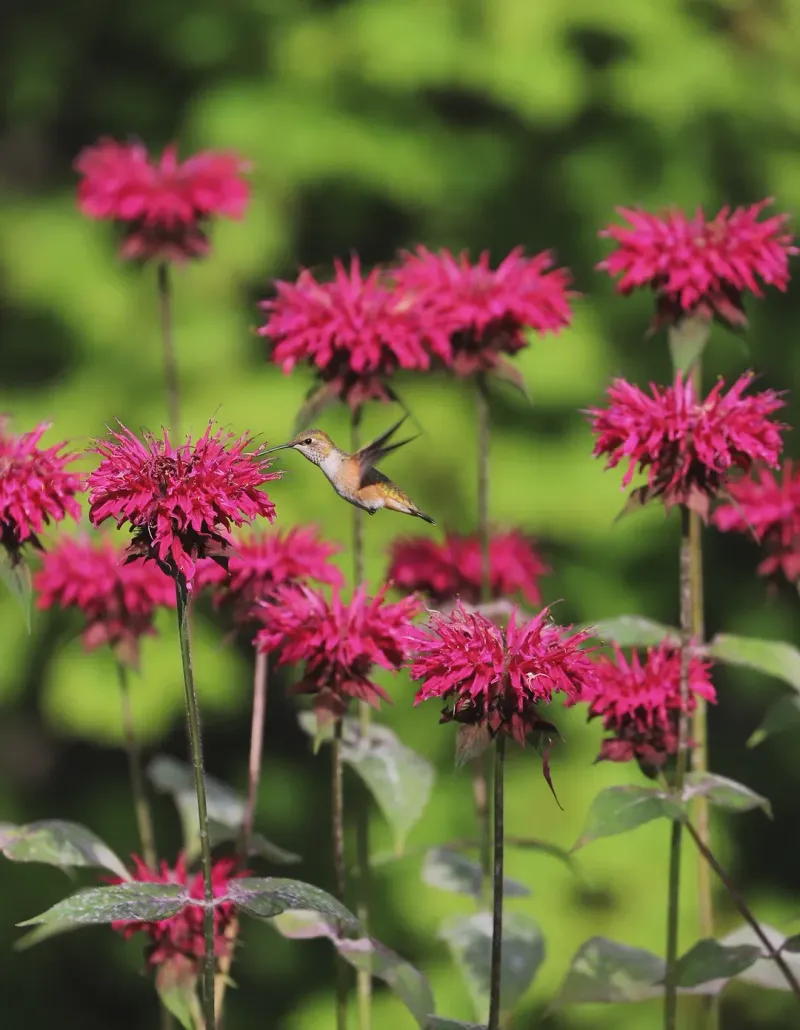
Walk past a patch of bee balm in full bloom and you will immediately understand how it got its name.
The wild, shaggy flower heads in shades of red, pink, and purple buzz with activity from bees, butterflies, and hummingbirds from the moment the first blooms open. It is one of the most alive-looking plants you can add to a Pennsylvania garden.
Monarda didyma is actually native to Pennsylvania and much of the eastern United States, which makes it a natural fit for local growing conditions.
Planting it in April gives the roots a solid six to eight weeks to establish before the heat of June and July arrives. That early start makes a real difference in how well the plant blooms its first season.
Bee balm grows best in full sun to light shade. It prefers moist, well-drained soil and can handle the humidity that Pennsylvania summers bring.
In fact, it actually does better with some air circulation around the plants to prevent powdery mildew, which is a common issue in humid climates like ours.
Space plants about 18 to 24 inches apart to encourage good airflow. You can also look for mildew-resistant varieties like Jacob Cline or Raspberry Wine, which are popular choices among Pennsylvania gardeners. These cultivars hold up well even in wet summers.
Bee balm spreads by underground runners, so it will slowly fill in an area over a few seasons. Dividing clumps every two or three years keeps plants healthy and vigorous.
It pairs beautifully with garden phlox and black-eyed Susans for a classic Pennsylvania pollinator garden.
4. Garden Phlox (Phlox Paniculata)
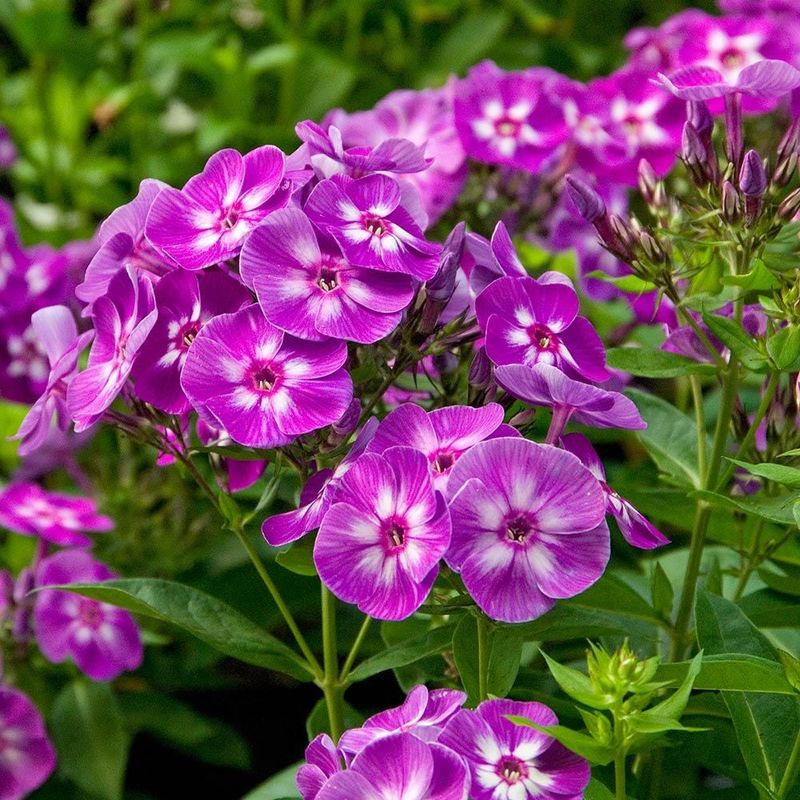
Garden phlox has been a staple in Pennsylvania yards for over a century, and there is a very good reason it has stayed so popular.
The large, dome-shaped flower clusters in shades of pink, white, lavender, and red are absolutely stunning. When they bloom in mid to late summer, they fill the garden with both color and fragrance.
Planting garden phlox in April across Pennsylvania is a smart move. The cool spring temperatures let roots develop deeply before the summer heat kicks in.
A well-rooted phlox plant handles the hot, humid Pennsylvania summers much more gracefully than one planted too late in the season.
Full sun is ideal for garden phlox, though it can manage with a few hours of afternoon shade. It prefers rich, moist, well-drained soil and benefits from regular watering during dry spells.
Adding a layer of mulch around the base in spring helps retain moisture and keeps the roots cool.
Powdery mildew can be a challenge with older phlox varieties, especially in humid Pennsylvania summers.
The good news is that modern disease-resistant varieties like David, Jeana, and Flame Series have made this much less of a problem. Choosing one of these improved cultivars gives you all the beauty with far less hassle.
Space plants about 18 inches apart and avoid wetting the foliage when watering to reduce mildew risk. Deadheading spent blooms encourages a second flush of flowers later in the season.
Garden phlox pairs wonderfully with coneflowers and black-eyed Susans for a classic, colorful Pennsylvania summer border.
5. Coreopsis (Coreopsis Spp.)
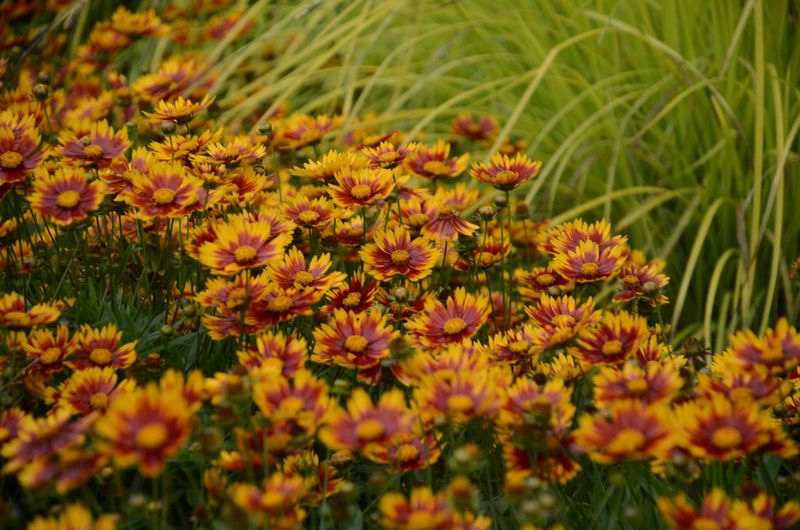
Coreopsis might just be the most cheerful, easygoing perennial you will ever plant in a Pennsylvania garden.
Also called tickseed, this plant produces a non-stop display of bright, daisy-like flowers in shades of yellow, gold, and even pink from late spring all the way through fall. It blooms longer than almost anything else in the garden.
April planting is highly recommended for coreopsis in Pennsylvania. Starting early gives the plant time to develop a strong root system before summer heat arrives.
Once those roots are established, coreopsis becomes remarkably self-sufficient, tolerating drought, heat, and even poor soil without complaint.
Full sun is where coreopsis truly shines. It actually performs better in lean, well-drained soil than in rich, heavily amended beds.
Overly fertile soil can lead to floppy growth and fewer flowers. This makes coreopsis a fantastic choice for those tricky spots in your Pennsylvania yard where other plants struggle.
Deadheading spent flowers regularly encourages continuous blooming throughout the season. If plants start to look tired by midsummer, cutting them back by about one-third often triggers a fresh flush of new growth and flowers.
Some varieties, like Moonbeam and Zagreb, are especially well-suited to Pennsylvania conditions and widely available at local nurseries.
Coreopsis also plays nicely with other plants in mixed borders. It looks stunning alongside purple coneflower and blue salvia.
Because it attracts bees and butterflies while requiring so little care, coreopsis is one of the most rewarding perennials any Pennsylvania gardener, beginner or experienced, can add to their spring planting list.
6. Columbine (Aquilegia Canadensis)
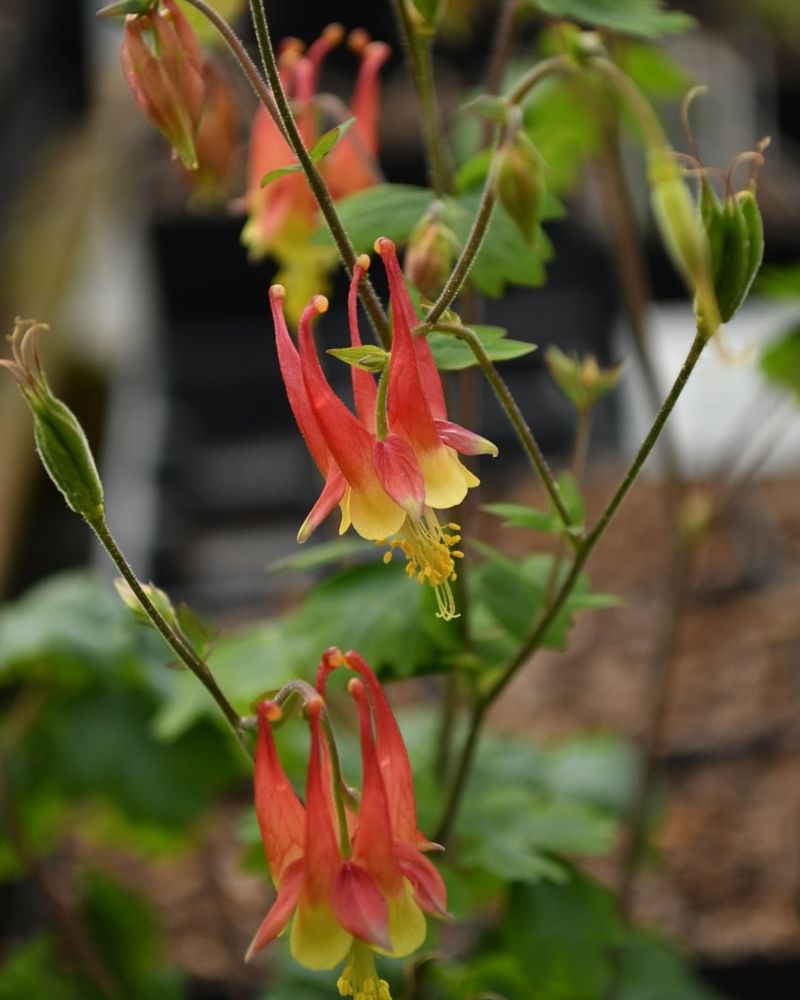
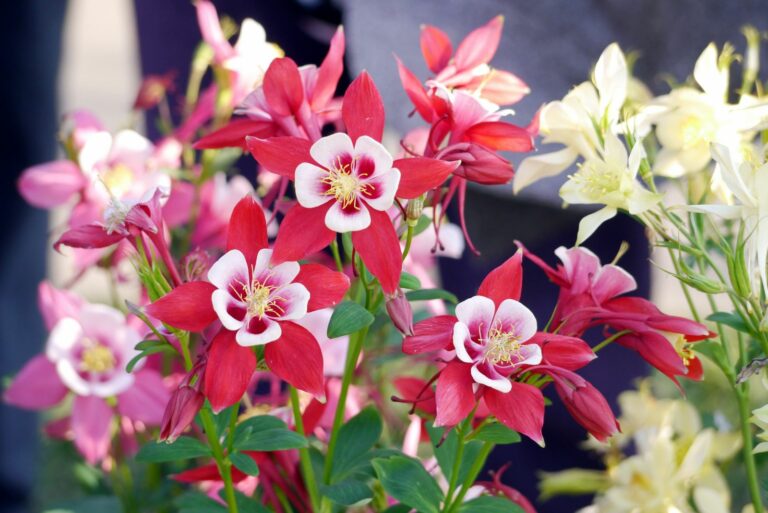
There is something almost magical about columbine. The flowers look like they were designed by a fairy tale illustrator, with their long, graceful spurs and layers of delicate petals in red, yellow, pink, and purple.
Aquilegia canadensis, the native species, is especially well-suited to Pennsylvania gardens and has been blooming in local woodlands long before anyone planted a formal garden.
Columbine is one of the earliest perennials to bloom in spring, often putting on a show in April and May before the summer heat even arrives.
Planting it in early April gives it a chance to settle in and potentially bloom within the same season. That quick reward is a big bonus for gardeners who want results fast.
Unlike many perennials on this list, columbine actually prefers partial shade, making it perfect for spots under trees or along the north side of a fence.
It handles a range of soil conditions but does best in moist, well-drained ground with some organic matter mixed in. Morning sun with afternoon shade is the sweet spot in Pennsylvania.
Hummingbirds absolutely love native columbine, making it a fantastic addition to any wildlife-friendly Pennsylvania garden.
The long red spurs on Aquilegia canadensis are perfectly shaped for hummingbird feeding. Planting a cluster near a window gives you a front-row seat to the action.
One charming trait of columbine is its habit of self-seeding gently around the garden. You will often find little seedlings popping up nearby in future seasons, naturally expanding your planting.
Letting a few seedpods mature before cutting the plant back encourages this pleasant spreading habit year after year.
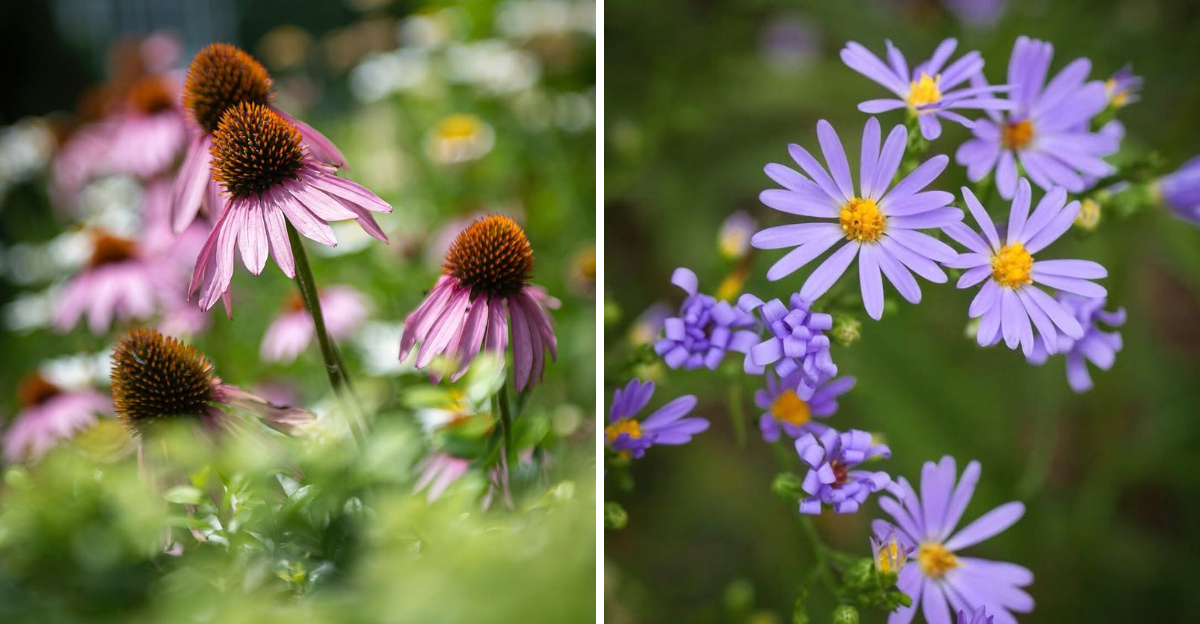
7. Asters (Symphyotrichum Spp.)
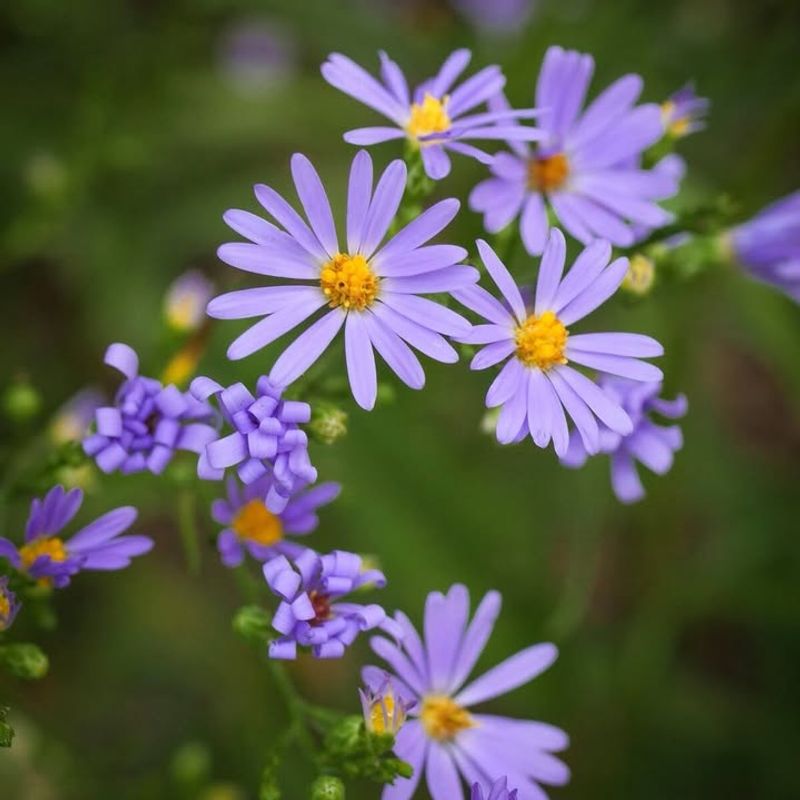
Most gardeners think about spring and summer when planning a perennial garden, but smart Pennsylvania gardeners always leave room for asters.
These late-season bloomers save the garden from looking tired and faded in August and September, exploding into clouds of purple, pink, and white flowers just when everything else is winding down.
Planting asters in April might seem early since they bloom in fall, but that early start is exactly what makes them so successful. The long growing season gives asters time to develop an extensive root system throughout spring and summer.
Come September and October, that strong foundation supports a spectacular floral display that can last until the first frost in Pennsylvania.
Symphyotrichum species, which include native Pennsylvania asters like New England aster (Symphyotrichum novae-angliae) and smooth aster (Symphyotrichum laeve), are excellent choices for local gardens.
They are adapted to the climate, resistant to pests, and incredibly valuable for pollinators late in the season when few other flowers are available.
Asters prefer full sun to light shade and average, well-drained soil. One helpful trick for Pennsylvania gardeners is to pinch back the stems in late May or early June.
That simple step encourages bushier growth and more flower buds, preventing the tall, leggy appearance that older asters sometimes develop.
Late-season pollinators, including migrating monarch butterflies and native bees preparing for winter, depend heavily on asters for food.
Adding a patch of asters to your Pennsylvania garden in April creates a bridge of color and ecological value that stretches from spring all the way into the cool, golden days of autumn.