8 Perennials With Big First-Year Blooms That Thrive In Virginia
If you garden in Virginia, waiting years for flowers to bloom can feel frustrating. The good news?
Some perennials don’t make you wait. There are plants that grow fast, settle in quickly, and deliver big, beautiful blooms in their very first year.
Why wait for color when you can have it now? Imagine planting today and enjoying bold flowers this season.
Fast blooms change everything. Your garden can look full and colorful sooner than you think.
Even beginner gardeners can get great results. Virginia’s climate is perfect for many strong, fast-growing perennials that love warm summers and mild winters.
With the right choices, you can build a vibrant garden without the long wait. From sunny flower beds to backyard borders, these perennials bring instant impact and long-term beauty.
Once you see those first blooms open, you’ll wonder why you ever planted slow-growing flowers in the first place.
1. Coneflower (Echinacea)
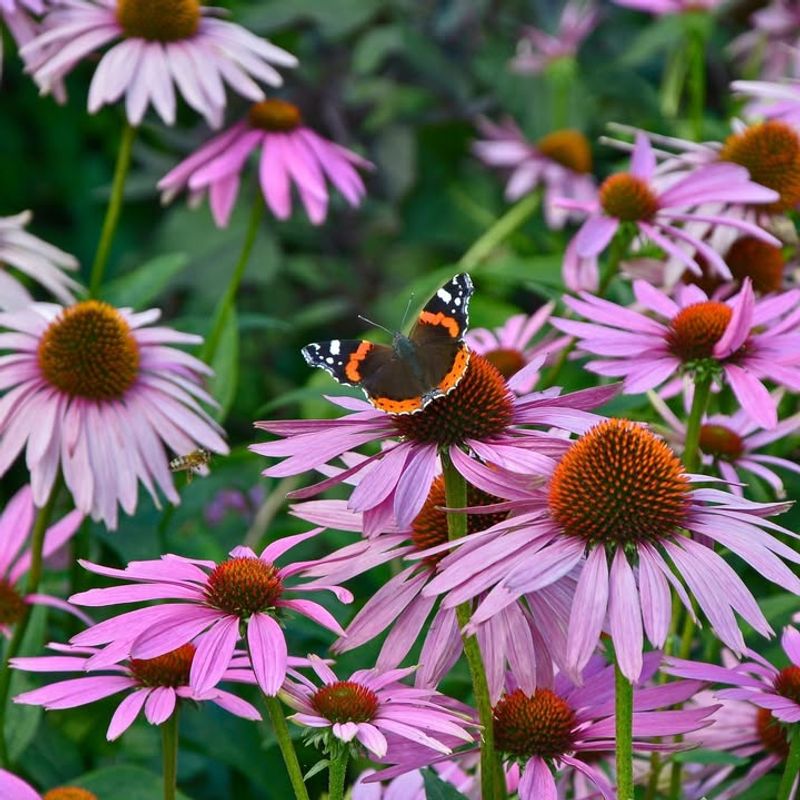
Coneflowers stand as one of Virginia’s most reliable garden performers, producing their signature daisy-like blooms from early summer straight through fall during their first growing season.
These tough natives handle our hot, humid Virginia summers without breaking a sweat, and they’re surprisingly drought-tolerant once established.
The raised center cone, surrounded by colorful petals in shades of purple, pink, white, or orange, creates architectural interest that elevates any garden design.
Planting coneflowers in Virginia couldn’t be simpler. They prefer full sun but tolerate partial shade, making them versatile for various garden spots.
The soil doesn’t need to be particularly rich; in fact, these plants perform better in average, well-drained soil rather than overly fertile ground.
Space them about 18 to 24 inches apart to allow for good air circulation, which helps prevent fungal issues in our humid climate.
Butterflies and bees absolutely adore coneflowers, making them essential pollinator plants for Virginia gardens. After the blooms fade, the seed heads provide winter food for goldfinches and other songbirds.
You can deadhead spent flowers to encourage more blooming, or leave them standing for wildlife value. With minimal care, these beauties will multiply over the years, creating bigger and better displays season after season throughout Virginia landscapes.
2. Black-Eyed Susan (Rudbeckia)
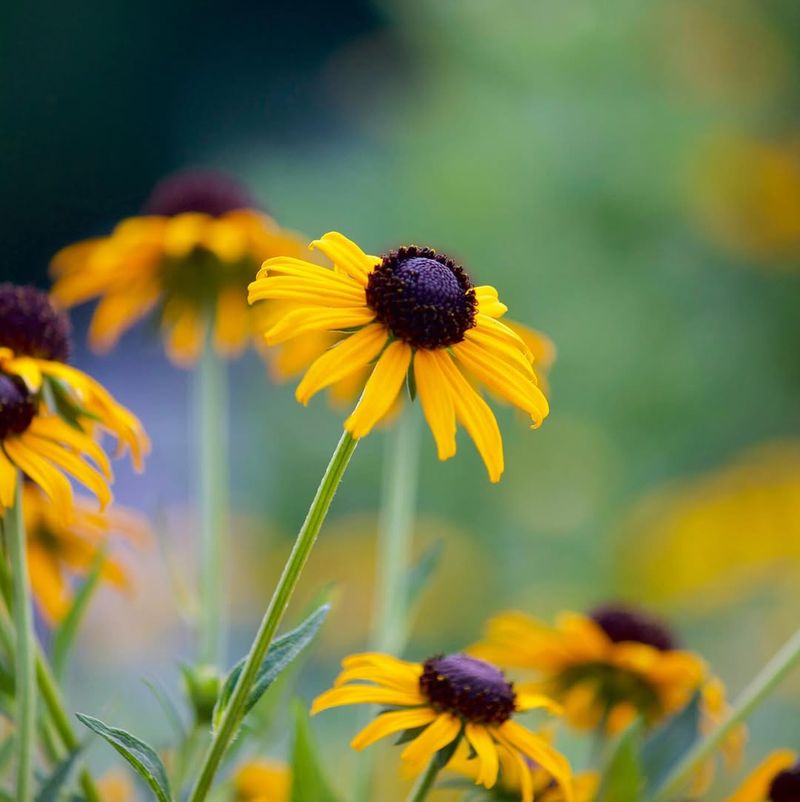
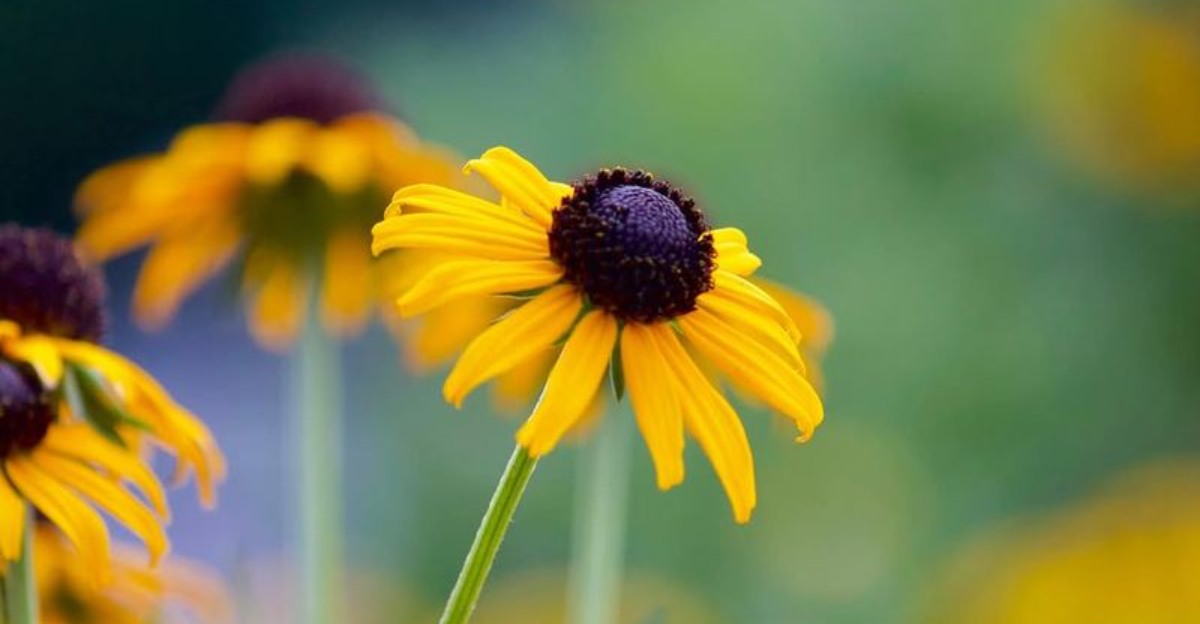
Bright golden-yellow petals radiating from dark chocolate-brown centers make Black-Eyed Susans instantly recognizable and utterly charming.
Native to the eastern United States, including Virginia, these cheerful perennials bloom prolifically from midsummer through early fall in their very first year.
Their sunny disposition and carefree nature make them perfect for beginning gardeners and experienced planters alike.
Virginia’s clay soil doesn’t faze Black-Eyed Susans one bit. They adapt to various soil types as long as drainage is adequate, and they flourish in full sun locations across the state.
Plant them in spring after the last frost, spacing them about 12 to 18 inches apart. Water regularly during their first season to help roots establish, but after that, they’ll handle Virginia’s occasional dry spells with remarkable resilience.
These plants self-sow readily, which means you’ll enjoy even more blooms in subsequent years without lifting a finger. The flowers make excellent cut arrangements that last over a week in vases, bringing that outdoor sunshine indoors.
Deer tend to avoid Black-Eyed Susans, which is a huge bonus for Virginia gardeners dealing with browsing wildlife.
Their long blooming period ensures your garden stays colorful when many other plants have finished their show, extending the beauty of your Virginia landscape well into autumn.
3. Shasta Daisy (Leucanthemum)
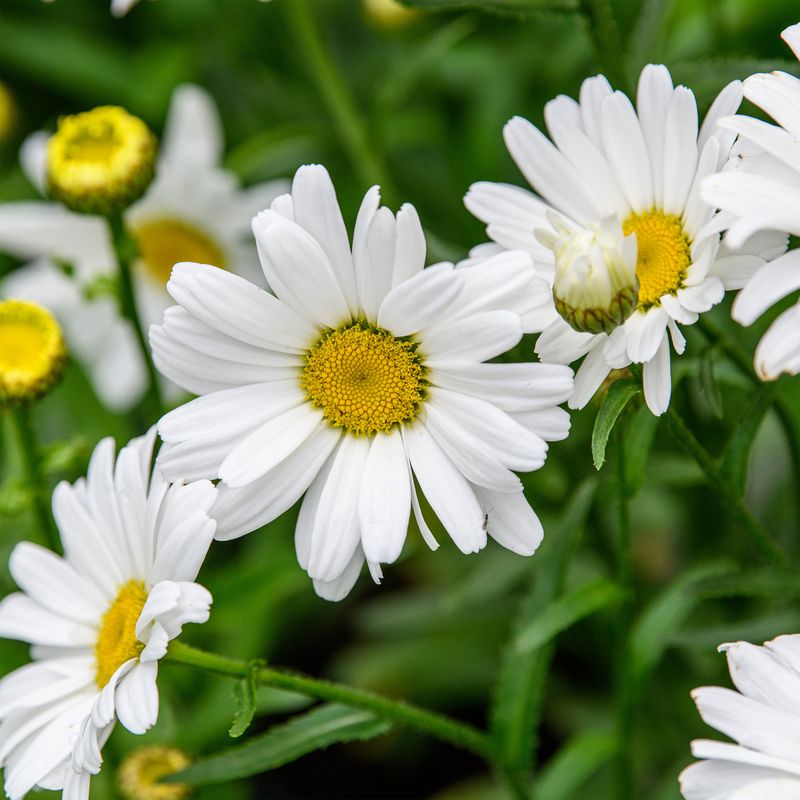
Classic white petals surrounding sunny yellow centers give Shasta Daisies their timeless appeal that never goes out of style. These reliable bloomers produce masses of flowers starting in late spring and continuing through summer during their first growing season.
Their fresh, clean appearance brightens borders, cottage gardens, and cutting gardens throughout Virginia with effortless elegance.
Growing Shasta Daisies successfully in Virginia requires full sun and moderately fertile, well-drained soil. They don’t appreciate soggy conditions, especially during our humid summers, so proper drainage is essential.
Plant them in spring, spacing them 12 to 24 inches apart depending on the variety. Regular deadheading keeps the blooms coming all season long and prevents the plants from putting energy into seed production.
One wonderful trait of Shasta Daisies is their ability to blend with almost any garden style or color scheme. They provide a crisp contrast to bold, colorful perennials while also complementing soft pastels beautifully.
In Virginia gardens, they pair exceptionally well with lavender, salvia, and ornamental grasses. Divide your Shasta Daisies every two to three years in early spring or fall to maintain vigor and prevent overcrowding.
With this simple maintenance, your plants will remain healthy and floriferous for many years, becoming a staple in your Virginia landscape that signals summer’s arrival.
4. Blanket Flower (Gaillardia)
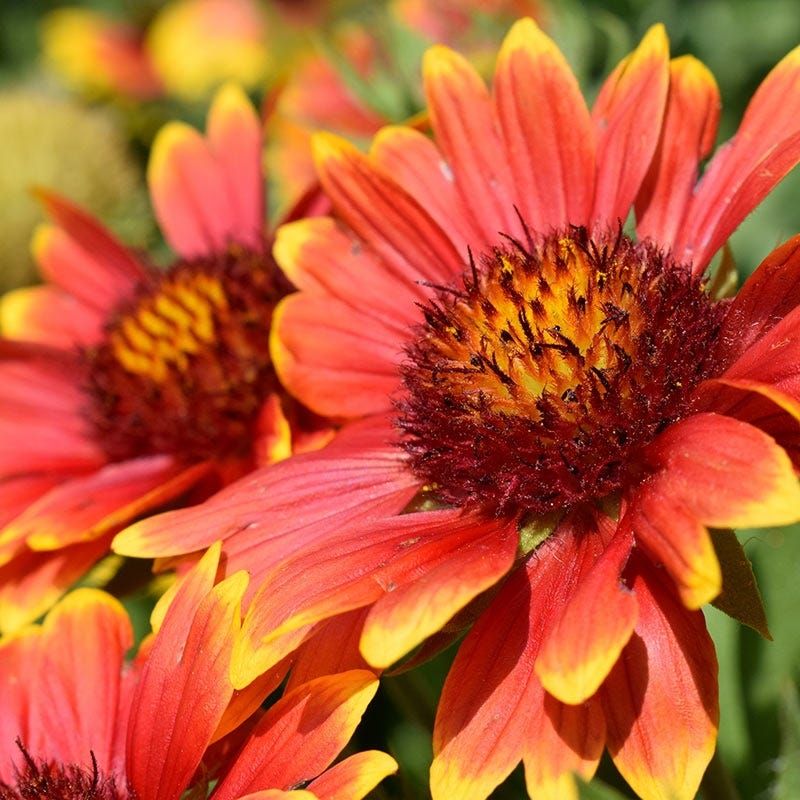
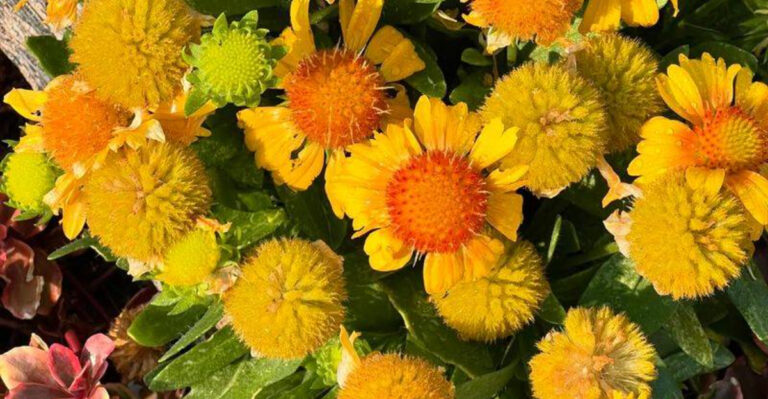
Fiery red and yellow blooms reminiscent of southwestern sunsets make Blanket Flowers absolute showstoppers in Virginia gardens.
These heat-loving perennials thrive in our warm summers and begin flowering just weeks after planting, continuing their colorful display from early summer until the first frost.
Their vibrant, two-toned petals create a warm, welcoming atmosphere that draws both human admirers and beneficial pollinators.
Blanket Flowers are remarkably forgiving plants that actually prefer lean, well-drained soil over rich, amended earth. This makes them ideal for challenging spots in Virginia gardens where other plants might struggle.
Full sun is essential for maximum blooming, and once established, they handle drought conditions better than most perennials. Space plants 12 to 15 inches apart and avoid overwatering, as too much moisture can lead to root problems in our humid climate.
Deadheading spent blooms encourages continuous flowering throughout the growing season, giving you months of color with minimal effort. Blanket Flowers work beautifully in wildflower meadows, rock gardens, and contemporary landscapes across Virginia.
They’re also excellent for coastal gardens since they tolerate salt spray. Butterflies find these flowers irresistible, making them perfect additions to pollinator gardens.
Their long stems and long-lasting blooms make them fantastic cut flowers that bring that warm, sunny feeling indoors to brighten any Virginia home.
5. Coreopsis (Tickseed)
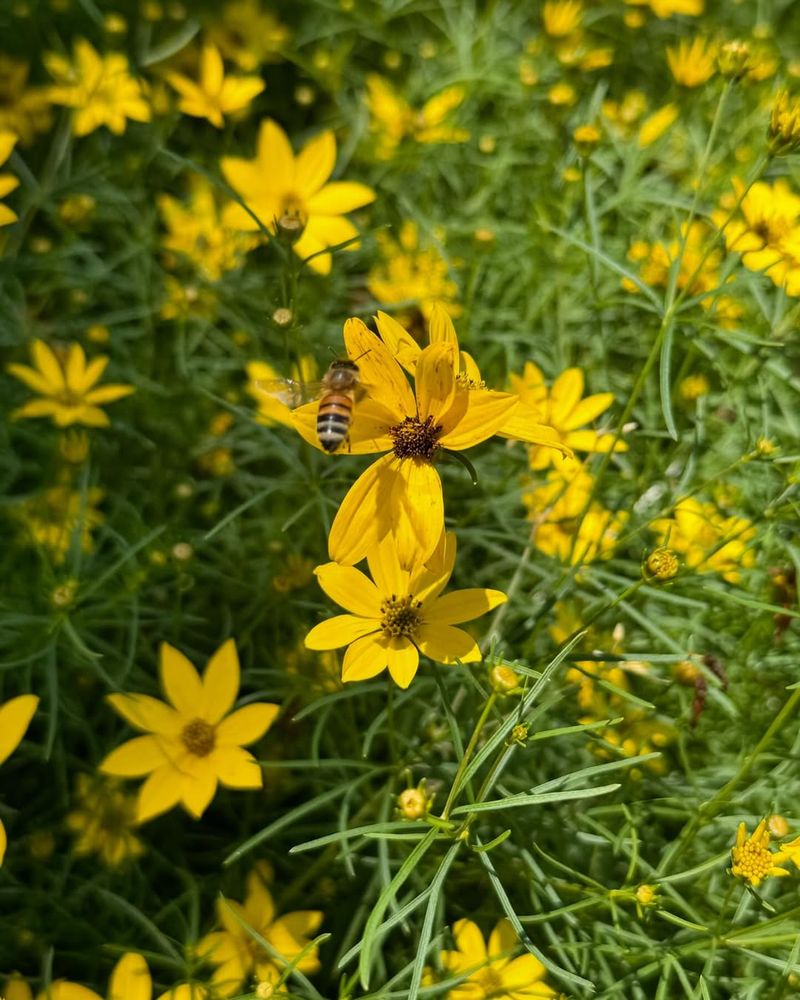
Cheerful yellow blooms dance on wiry stems from late spring through summer, making Coreopsis one of the most delightful first-year bloomers for Virginia gardens.
Often called Tickseed, these native perennials produce abundant flowers that seem to float above ferny foliage, creating an airy, carefree look.
Their sunny disposition and reliable performance have made them favorites among Virginia gardeners for generations.
Coreopsis adapts wonderfully to Virginia’s growing conditions, tolerating everything from clay soil to sandy loam as long as drainage is adequate.
They perform best in full sun but can handle a bit of afternoon shade, especially in the hotter southern parts of the state.
Plant them in spring or fall, spacing them 12 to 18 inches apart. Once established, these drought-tolerant plants require minimal watering, making them perfect for low-maintenance landscapes throughout Virginia.
The secret to keeping Coreopsis blooming all season is regular deadheading or shearing back the plants by one-third after the first flush of flowers fades. This encourages fresh growth and another round of blooms.
These plants rarely suffer from pest or disease problems in Virginia, making them truly carefree additions to your garden. They naturalize beautifully in meadow settings and work equally well in formal borders.
Goldfinches appreciate the seeds in fall, adding wildlife value to your Virginia landscape beyond the spectacular floral display.
6. Salvia (Perennial Sage)
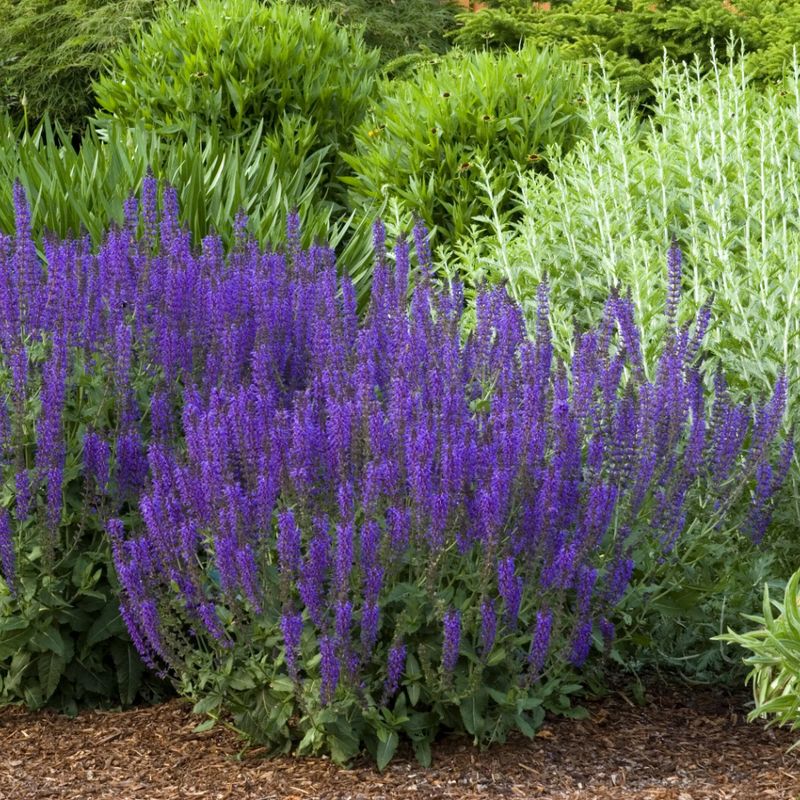
Vertical spikes of blue, purple, pink, or white flowers create stunning focal points in Virginia gardens from late spring through fall.
Perennial Salvias are workhorses that begin blooming in their first season and keep producing flowers for months with very little fuss.
Their upright form adds valuable vertical interest to garden beds while their aromatic foliage releases pleasant scents when brushed against or crushed.
Virginia’s climate suits many Salvia varieties perfectly, particularly those hardy to zones 5 through 8. They demand full sun and well-drained soil but aren’t picky about soil fertility.
Plant them in spring after frost danger passes, spacing them according to variety size, typically 12 to 18 inches apart. Good air circulation around plants helps prevent fungal issues during our humid Virginia summers, so avoid overcrowding.
Hummingbirds and butterflies flock to Salvia blooms, making these plants essential for pollinator gardens across Virginia. Deer and rabbits generally avoid them due to their aromatic oils, which is wonderful news for gardeners dealing with wildlife pressure.
Cut back the flower spikes after blooming to encourage a second flush of flowers later in the season. Some varieties, like May Night Salvia, are particularly reliable rebloomers.
These versatile perennials work beautifully in formal borders, cottage gardens, and contemporary landscapes throughout Virginia, providing structure and color that lasts from spring until frost.
7. Catmint (Nepeta)
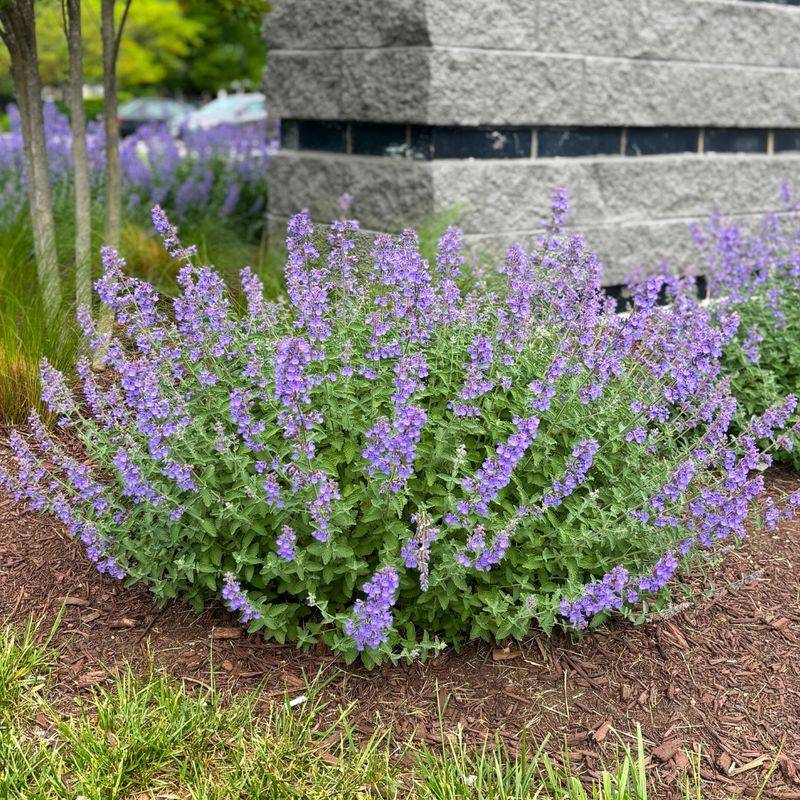
Soft clouds of lavender-blue flowers billow over gray-green aromatic foliage from late spring through summer, making Catmint a romantic addition to Virginia gardens.
This reliable perennial begins blooming within weeks of planting and continues producing flowers for months, especially if you shear it back after the first bloom cycle.
Its relaxed, mounding habit softens harsh edges and creates a cottage garden feel wherever it grows.
Catmint thrives throughout Virginia in full sun to partial shade, adapting to various soil types as long as drainage is good. It’s incredibly drought-tolerant once established, making it perfect for xeriscaping or low-water gardens.
Plant in spring or fall, spacing plants 18 to 24 inches apart since they spread to form substantial clumps. The aromatic foliage naturally repels deer and rabbits, solving a common problem for Virginia gardeners without chemical interventions.
Despite its name, most Catmint varieties don’t attract cats as strongly as catnip does, so you won’t have neighborhood felines rolling in your borders. However, bees and butterflies find the flowers absolutely irresistible.
Catmint pairs beautifully with roses, providing a soft blue complement to pink and red blooms throughout Virginia rose gardens. Cut back plants by half after the first flowering to encourage compact growth and abundant reblooming.
This easy-care perennial performs reliably year after year, increasing in size and impact across Virginia landscapes with virtually no special attention required.
8. Daylily (Hemerocallis)
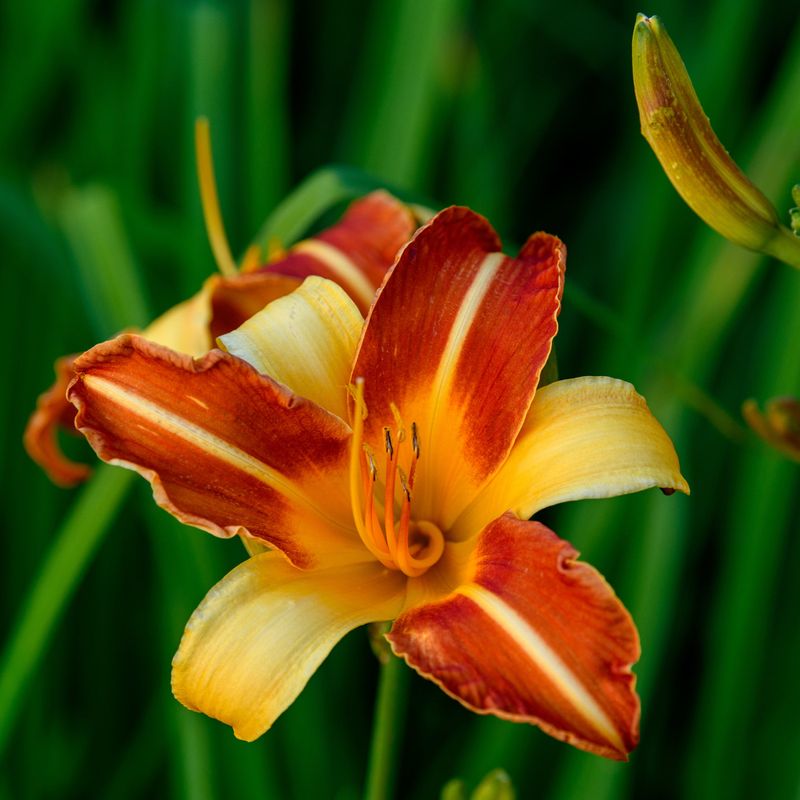
Trumpet-shaped blooms in virtually every color except true blue open daily throughout summer, giving Daylilies their descriptive common name.
Each flower lasts just one day, but plants produce so many buds that the show continues for weeks during the first growing season.
These adaptable perennials have graced Virginia gardens for generations, proving their worth through reliable performance in diverse conditions across the state.
Daylilies grow successfully throughout Virginia in full sun to partial shade, though flowering is most abundant with at least six hours of direct sunlight daily.
They tolerate various soil types, from clay to sandy loam, and handle both wet and dry conditions better than most perennials.
Plant them in spring or fall, spacing them 18 to 24 inches apart. Their tuberous roots establish quickly, allowing plants to bloom heavily even in their first season.
Modern Daylily breeding has produced thousands of varieties with different bloom times, allowing you to select early, midseason, and late bloomers for continuous color throughout summer in your Virginia garden. Some varieties are repeat bloomers that produce multiple flushes of flowers.
These virtually indestructible plants require almost no maintenance beyond occasional division every four to five years. They’re perfect for slopes, mass plantings, and mixed borders throughout Virginia.
Deer occasionally browse the buds, but the plants recover quickly and continue blooming, making them reliable performers even in challenging wildlife situations across the state.