7 Perfect Vegetable Pairs To Grow Side By Side In Containers In Illinois
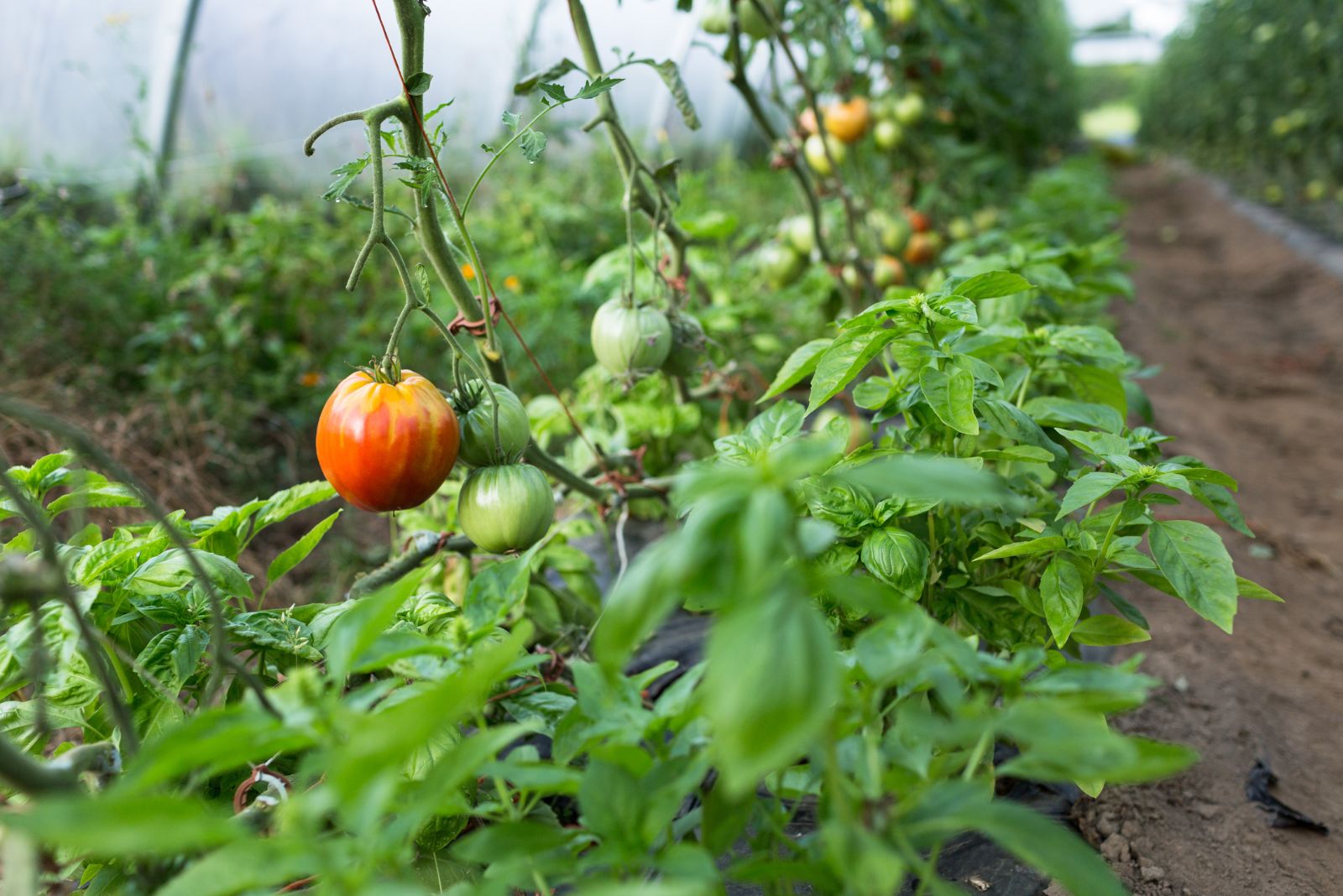
If you’re short on space but still want to grow your own fresh food, container gardening is a smart and rewarding solution, especially in Illinois. The trick to getting more out of small spaces is pairing vegetables that grow well together.
Some plants support each other’s growth, repel pests, or share space without competing, making your garden more productive and easier to manage.
Whether you’re working with a patio, balcony, or backyard corner, the right combos can give you better harvests and healthier plants.
Illinois gardeners also have to deal with changing seasons and temperature swings, so smart pairings can make the most of every growing window.
From leafy greens that love shade to root veggies that leave room for vertical climbers, there are plenty of perfect veggie duos to try.
Ready to boost your container garden’s success? Let’s explore the best vegetable pairs to grow side by side.
1. Tomatoes And Basil
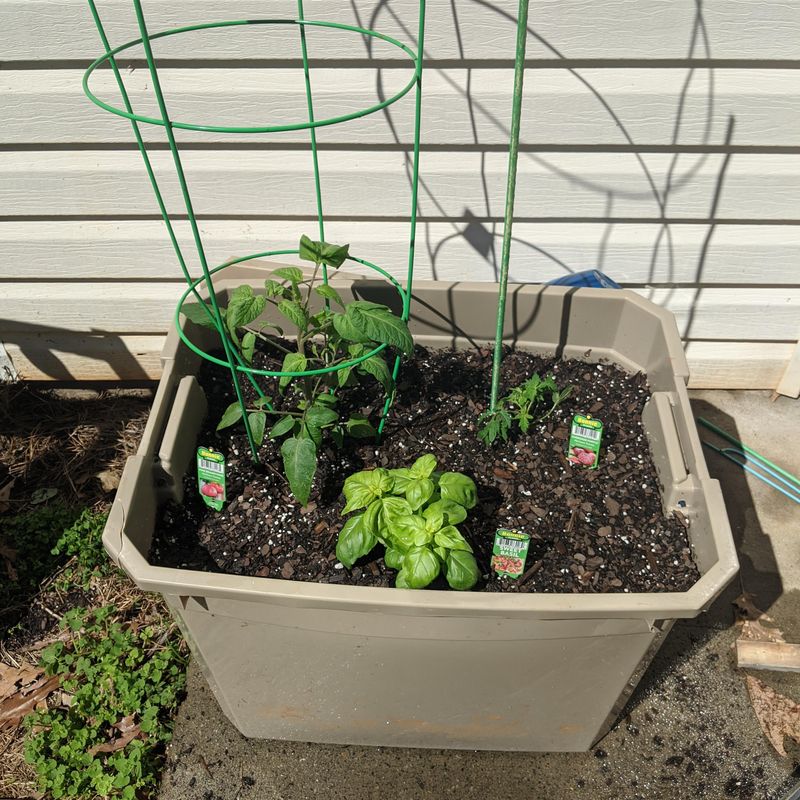
Nothing beats the classic combination of tomatoes and basil growing together in a large container. Basil naturally repels aphids, whiteflies, and hornworms that commonly attack tomato plants throughout Illinois summers.
The aromatic oils released by basil leaves confuse pests and keep them away from your precious tomato crop. Plus, having both plants in one pot means you always have the perfect ingredients for fresh caprese salad or homemade pasta sauce.
Tomatoes need deep containers, at least 18 inches, which gives basil plenty of room to spread at the base. The tall tomato plant provides afternoon shade for the basil during those scorching July and August days in Illinois.
Basil prefers some protection from intense midday sun, so this arrangement works perfectly. Both plants are heavy feeders that enjoy rich, well-draining soil and consistent watering.
Choose determinate tomato varieties for containers, like Patio Princess or Bush Early Girl, which stay more compact. Plant one tomato in the center and surround it with three or four basil plants around the edges.
Water deeply when the top inch of soil feels dry, which might be daily during hot Illinois weather. Feed every two weeks with a balanced organic fertilizer to keep both plants producing abundantly.
Pinch off basil flowers as they appear to encourage more leaf growth and prevent the plant from going to seed. The basil will actually improve the flavor of your tomatoes, making them taste sweeter and more aromatic.
This pairing has been used for generations in Illinois gardens because it simply works beautifully in our climate and growing conditions.
2. Lettuce And Radishes
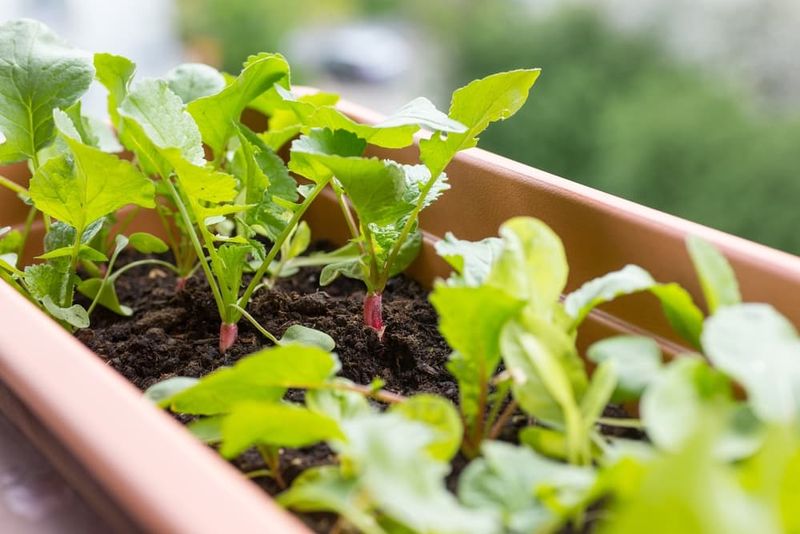
Radishes and lettuce make fantastic container companions because they grow at different speeds and use space efficiently. Radishes mature in just 25 to 30 days, while lettuce takes 45 to 60 days to reach full size.
By the time your lettuce needs more room to spread out, the radishes are ready to harvest and enjoy. This succession planting strategy maximizes your container space and gives you two harvests from one pot.
Both vegetables prefer cooler weather, making them ideal for Illinois spring and fall container gardens. Plant them in mid-March through April or again in late August for fall crops.
The quick-growing radishes actually help break up the soil as their roots expand, which improves drainage and aeration for the lettuce roots. Radishes also attract beneficial insects that help pollinate other plants nearby.
Use a container at least 12 inches deep and wide enough to accommodate several plants. Scatter radish seeds around the edges and plant lettuce seedlings or seeds in the center.
The lettuce leaves provide light shade for radish roots, which helps prevent them from becoming too spicy or woody. Both plants need consistent moisture, so check your container daily during dry spells common in Illinois springs.
Loose-leaf lettuce varieties work best in containers because you can harvest outer leaves continuously without pulling the whole plant. Try Black Seeded Simpson or Oak Leaf lettuce with Cherry Belle or French Breakfast radishes.
This combination thrives in partial shade, making it perfect for balconies or patios that don’t get full sun all day long in Illinois urban settings.
3. Carrots And Green Onions
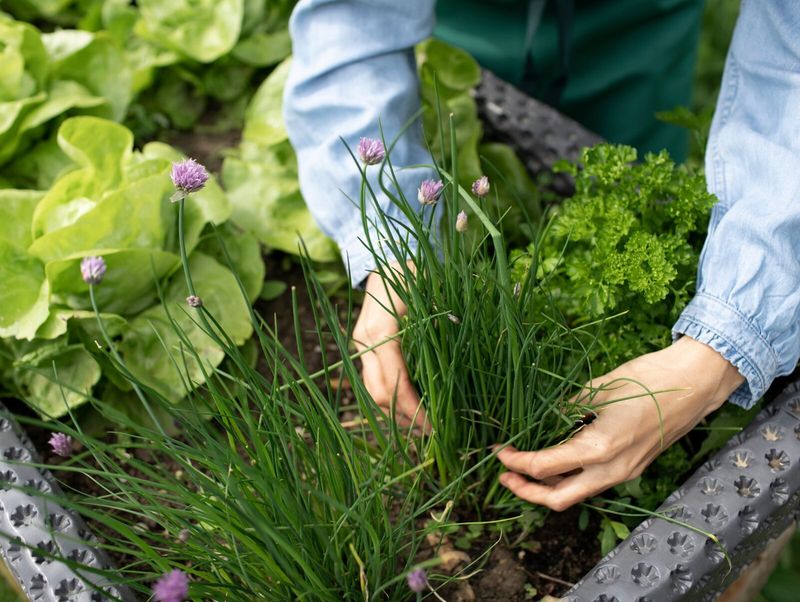
Carrots and green onions create a winning partnership in deep containers because they use different levels of soil without competing. Green onions have shallow roots that stay near the surface, while carrots grow straight down into deeper soil layers.
This vertical layering means both plants get the nutrients and space they need without crowding each other out. The strong scent of onions also confuses carrot flies and other pests that might otherwise damage your crop.
Container depth matters tremendously for this pairing, so choose a pot at least 12 to 14 inches deep for standard carrots. If you only have shallower containers, try short varieties like Thumbelina or Paris Market carrots, which grow round instead of long.
Fill your container with loose, sandy potting mix that allows carrots to push down easily without encountering rocks or hard clumps that cause forked or twisted roots.
Plant carrot seeds directly in the container because they don’t transplant well, spacing them about two inches apart. Tuck green onion sets or seedlings between the carrot rows, leaving about three inches between plants.
Both vegetables appreciate consistent moisture, especially during germination when carrot seeds can be finicky. Keep the soil evenly moist but not waterlogged, which can cause root rot in Illinois humid conditions.
Carrots take 60 to 80 days to mature, while you can harvest green onions much sooner by snipping the tops. The onions will continue producing new shoots throughout the growing season.
This pairing works well in Illinois from April through early July plantings, and both vegetables tolerate light frost, extending your harvest into fall.
4. Peppers And Marigolds
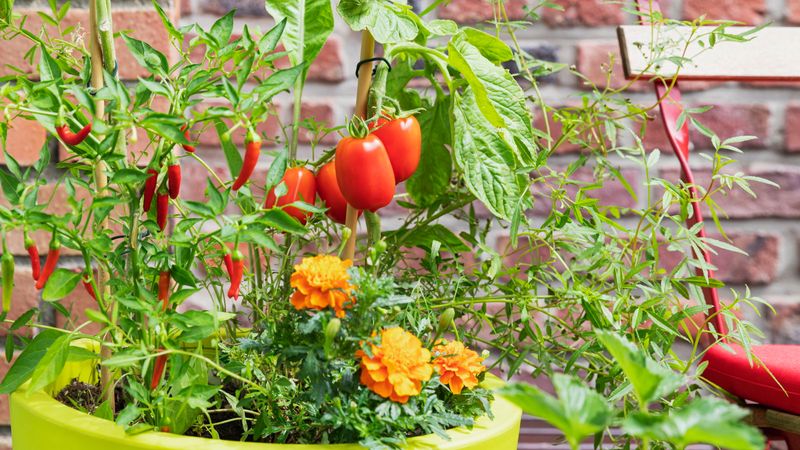
Marigolds aren’t vegetables, but pairing them with peppers in containers creates a powerhouse combination that Illinois gardeners swear by. The pungent flowers repel aphids, whiteflies, and even rabbits that might nibble on your pepper plants.
Marigolds release a chemical from their roots that discourages nematodes in the soil, protecting pepper roots from these microscopic pests.
The bright orange and yellow blooms also attract pollinators and beneficial insects that keep your container garden ecosystem balanced.
Peppers thrive in the hot Illinois summers and need containers at least 12 inches deep with excellent drainage. Choose compact pepper varieties like Lunchbox, Mohawk, or Patio varieties specifically bred for container growing.
Plant one pepper in the center of a large pot and surround it with three to five French marigolds around the edges. The marigolds will cascade over the sides while the pepper grows upright in the middle.
Both plants love full sun and warm temperatures, making them perfect companions from late May through September in Illinois. Wait until nighttime temperatures consistently stay above 55 degrees before moving your container outside.
Peppers are sensitive to cold and won’t set fruit properly if exposed to chilly spring nights. Water when the top two inches of soil feel dry, and feed with a balanced fertilizer every three weeks.
The marigolds will bloom continuously all summer if you deadhead spent flowers regularly. Their presence actually seems to improve pepper flavor and productivity, though scientists aren’t entirely sure why.
Many Illinois gardeners report bigger harvests and healthier plants when using this colorful, practical pairing in their container gardens.
5. Cucumbers And Nasturtiums
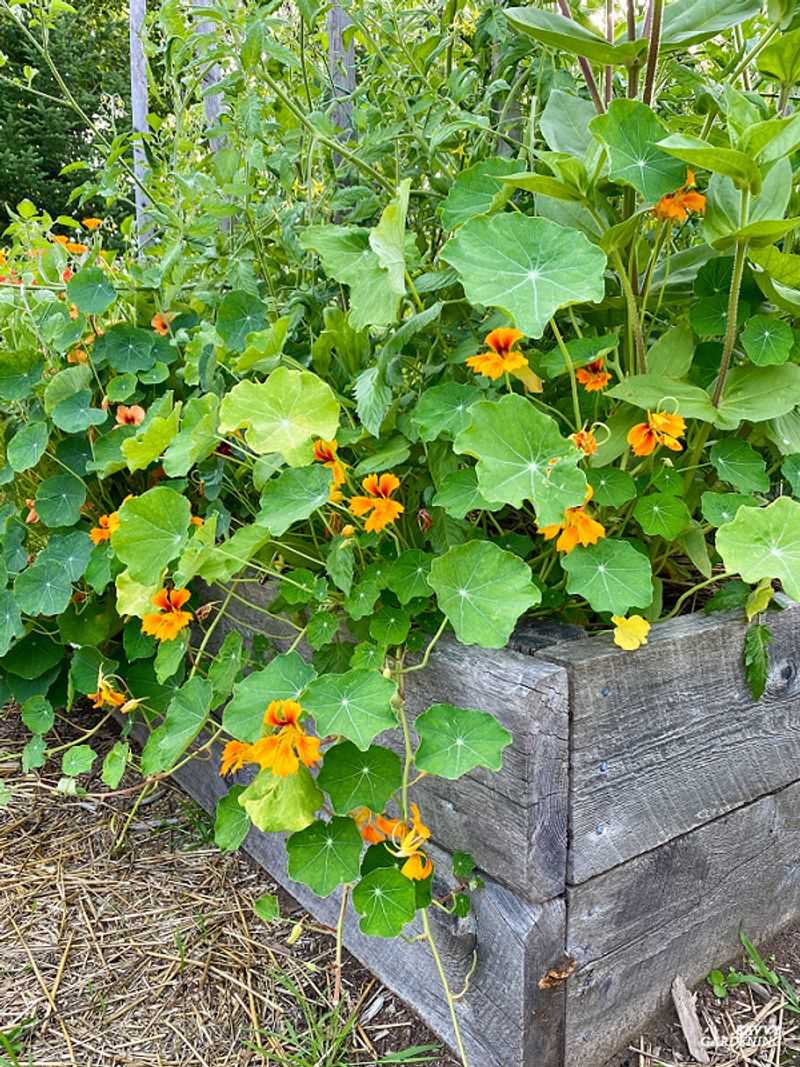
Cucumbers and nasturtiums form an unexpected but highly effective container partnership that looks beautiful and produces abundantly. Nasturtiums act as a trap crop, attracting aphids and cucumber beetles away from your cucumber vines.
The pests prefer the nasturtium leaves and flowers, leaving your cucumbers alone to grow undisturbed. Both the leaves and flowers of nasturtiums are edible, adding a peppery kick to salads while protecting your main crop.
Bush cucumber varieties work best in containers, like Bush Slicer or Spacemaster, which don’t require extensive trellising. Use a large container at least 16 inches deep and 18 inches wide to accommodate the spreading cucumber plant.
Plant one cucumber in the center and let nasturtiums trail around the edges and down the sides of the pot. The nasturtium vines will cascade beautifully while the cucumber grows upward if you provide a small trellis or cage.
Both plants love warm weather and need consistent moisture to prevent bitter cucumbers and wilted nasturtium leaves. Water deeply in the morning so leaves dry before evening, reducing disease problems common in humid Illinois summers.
Feed with a balanced fertilizer every two weeks once flowering begins. Too much nitrogen will give you lots of leaves but fewer cucumbers and flowers.
Nasturtiums thrive in poor soil, so they won’t compete heavily with cucumbers for nutrients. They also tolerate partial shade better than cucumbers, so position your container where the cucumber gets maximum sun exposure.
This pairing works wonderfully from late May through early September in Illinois, providing both food and ornamental beauty on patios and decks throughout the growing season.
6. Bush Beans And Summer Squash
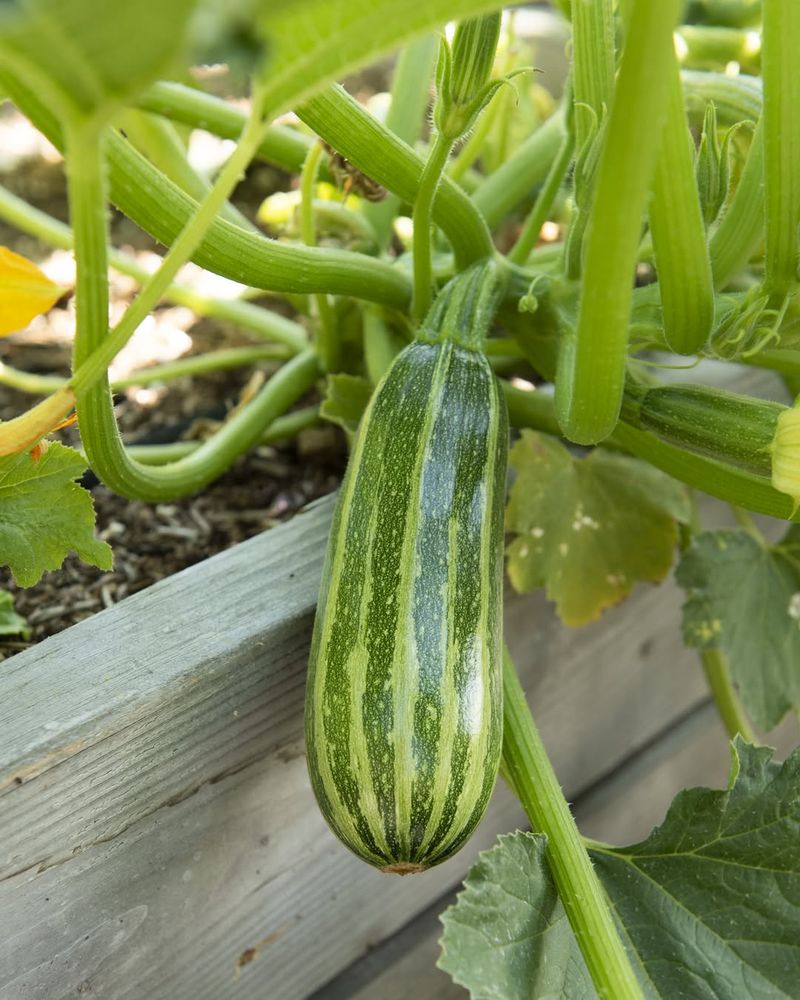
Bush beans and summer squash might seem like odd container companions, but they actually support each other remarkably well. Beans fix nitrogen in the soil through special bacteria in their root nodules, enriching the potting mix for the heavy-feeding squash plant.
The large squash leaves provide ground cover that keeps soil cool and moist, which beans appreciate during hot Illinois afternoons. This natural cooperation reduces your workload and creates healthier plants without extra fertilizer.
You’ll need a very large container for this pairing, at least 20 inches deep and 24 inches wide. Choose compact varieties like Eight Ball zucchini or Sunburst summer squash paired with bush beans like Provider or Contender.
Plant the squash in the center and arrange four to six bean plants around the perimeter. The beans will mature first, usually within 50 to 60 days, while the squash continues producing for months.
Both vegetables need warm soil to germinate, so wait until late May in most Illinois locations before planting. Direct seed both plants rather than transplanting for best results.
Water consistently and deeply, especially once flowering begins, because both plants produce poorly if stressed by drought. The large squash leaves will shade the container soil, reducing water evaporation during July and August heat waves.
Harvest beans regularly to encourage continued production, picking them when pods snap crisply. Summer squash should be harvested when small, around six to eight inches long, for the best flavor and to keep plants producing.
This pairing provides abundant harvests from a single large container throughout the Illinois growing season, making it extremely productive for the space it occupies.
7. Spinach And Strawberries
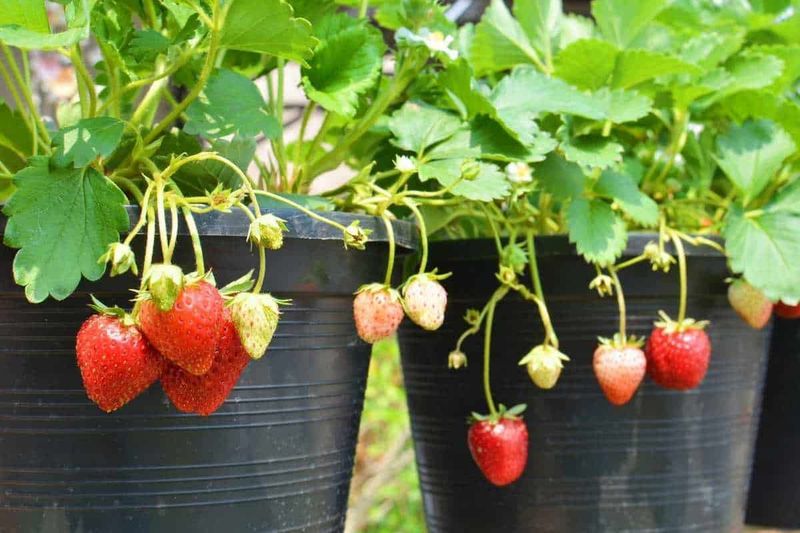
Spinach and strawberries create a surprisingly productive and long-lasting container combination perfect for Illinois gardeners. Both plants prefer cooler weather and similar growing conditions, making them natural companions.
Strawberries are perennial in Illinois, surviving winter in containers if protected properly, while spinach grows as a cool-season annual. The strawberry plants provide living mulch that keeps spinach roots cool during warm spring days, extending your harvest before plants bolt.
Use a container at least 12 inches deep with excellent drainage for this pairing. Plant strawberries around the edges where they can cascade over the sides, and sow spinach seeds in the center area.
The strawberries will produce runners that fill in gaps, creating a lush, productive container. Both plants have relatively shallow roots, so they won’t compete aggressively for space.
They also share similar water and nutrient needs, simplifying your care routine.
Plant this combination in early spring, around mid-March in southern Illinois or early April further north. The spinach will grow quickly in cool weather while strawberry plants establish themselves.
You’ll harvest spinach leaves in April and May, then enjoy strawberries in June. After spinach bolts in the heat, remove it and let strawberries take over the entire container for the rest of summer.
In fall, around late August or early September, you can plant more spinach seeds around your established strawberry plants for a second crop.
The strawberries will go dormant over winter, and you can mulch the container heavily or move it to a protected location.
Come spring, both plants will return, giving you years of production from a single planting in your Illinois container garden.