9 Pests Hitchhiking On Your Plants Before You Bring Them Inside
Something small has been living on your porch plants long before you noticed. Most of these hitchhikers weigh less than a grain of rice, yet they multiply the moment you bring them inside.
Every corner of a leaf can hide a colony you’d swear wasn’t there yesterday. Undersides, stems, and the rim of the pot itself all give you something with more legs than manners.
Cooler nights this month push these unwanted guests to search for cozier real estate, and your living room qualifies. Nobody wants you to find that out after the pot is inside and the lights are off.
Your thumb, your porch railing, and your patience are all about to get tested. One touch is all it takes to learn you’re not alone out there.
1. Aphids
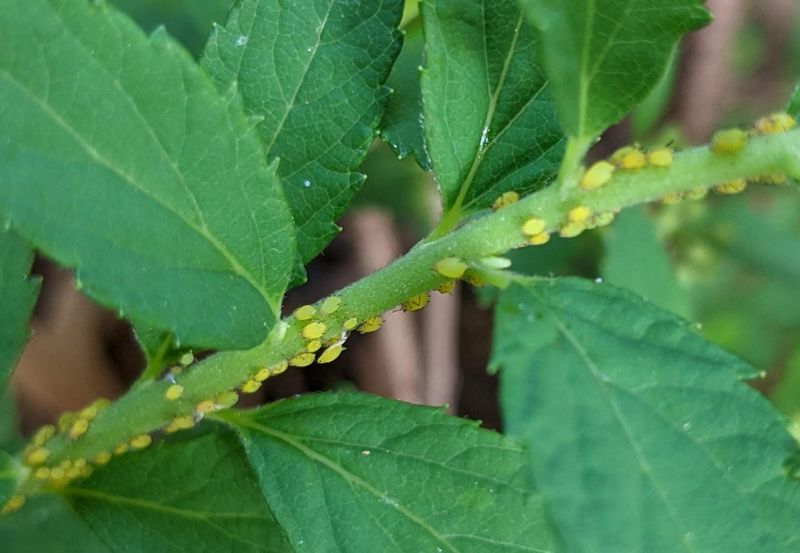
One aphid can become a crowd in about a week, since many females give birth without needing a mate. That speedy family planning is why a few green dots can turn into a sticky mess fast.
Look for soft, pear-shaped bugs clustered together on new stems and the undersides of young leaves. They come in green, black, yellow, or even pink, like a tiny bag of jelly beans.
Another clue is a shiny, sticky coating on leaves or on the table right below the pot. Gardeners call it honeydew, but it is really aphid poop, so maybe skip the tasting.
September is prime time for a check, because aphids love the tender growth plants push out in cool weather. Bring them inside unchecked, and they will happily feast on every houseplant you own.
Start with a strong spray of water from the hose to knock them loose. Aim at stem tips and leaf undersides, where they like to gather in crowded little groups.
Next, coat the whole plant with insecticidal soap and repeat every five to seven days. Two or three rounds usually catch any new babies that show up after the first treatment.
Keep the plant apart from your other greenery for two weeks before it joins the group. Think of it as a short stay in the guest room while you watch for trouble.
2. Spider Mites
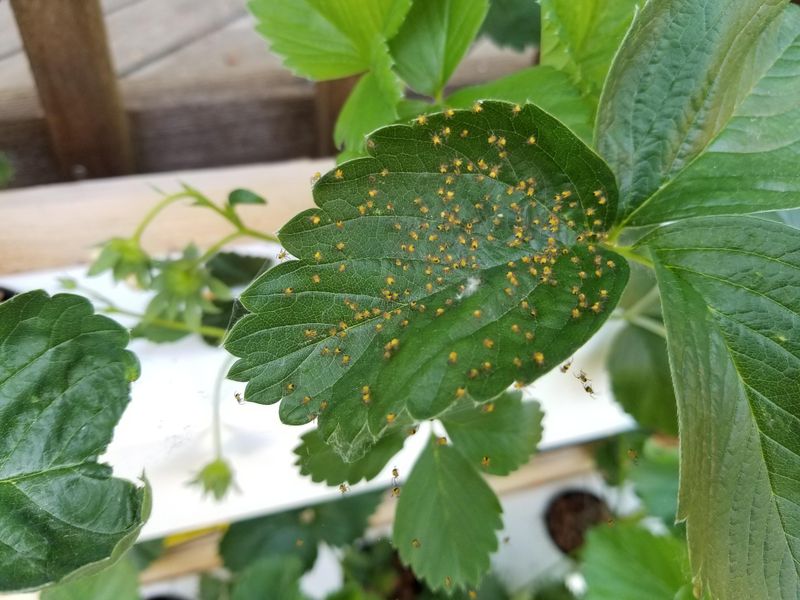
Hold a sheet of white paper under a leaf and tap the stem a few times. If tiny specks start crawling across the page, you have met spider mites.
Mites are not insects at all, since they have eight legs like their spider cousins. Most are smaller than a grain of salt, so spotting them takes patience and good light.
The damage shows up first as tiny pale dots, almost like someone poked the leaf with a pin. Over time, leaves turn dull, bronze, or yellow and start to drop.
Fine webbing between stems is a sign the colony has grown large. By that point, thousands of mites may be living on a single plant.
Hot, dry summer weather is their favorite, and indoor air in fall can feel just as dry. That makes your cozy living room a perfect new home for them.
Rinse the leaves well, top and bottom, before the plant comes indoors. Mites dislike moisture, so a good shower knocks down their numbers quickly.
Follow up with insecticidal soap or neem oil, spraying every few days for about two weeks. Be sure to coat the leaf undersides, since that is where most mites hide.
Indoors, a humidifier or a pebble tray under the pot makes life less comfortable for them. Your plants will enjoy the extra moisture, and the mites will not.
3. Mealybugs
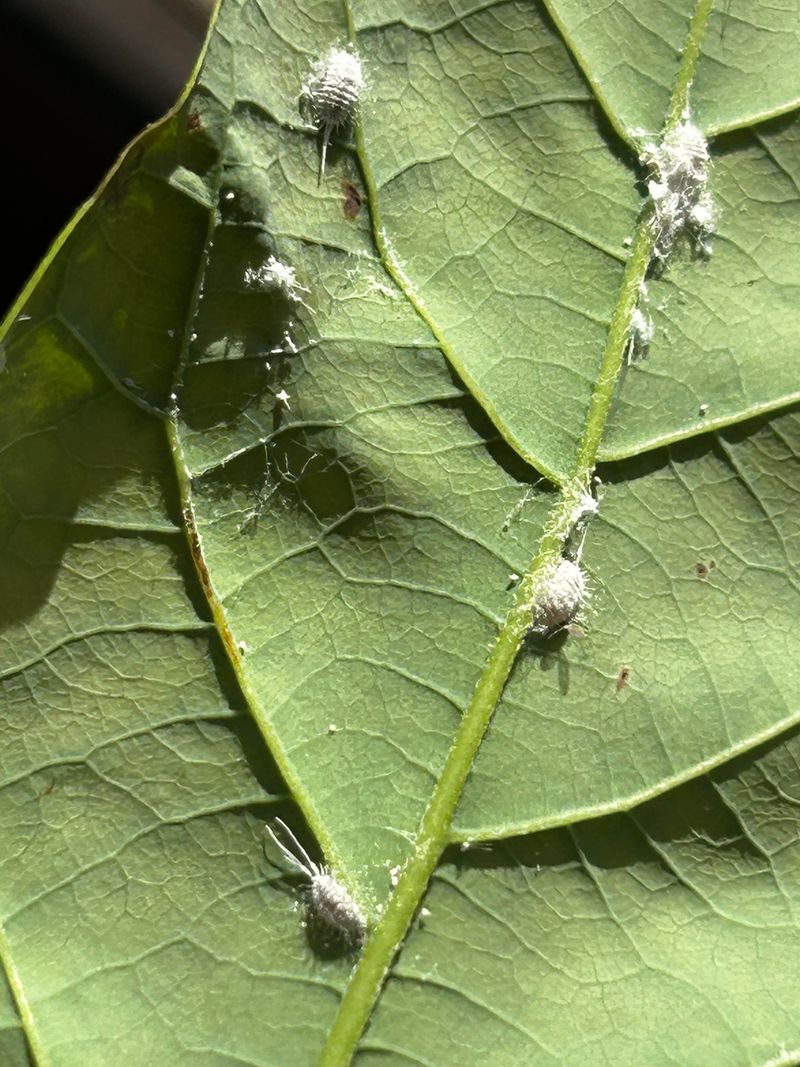
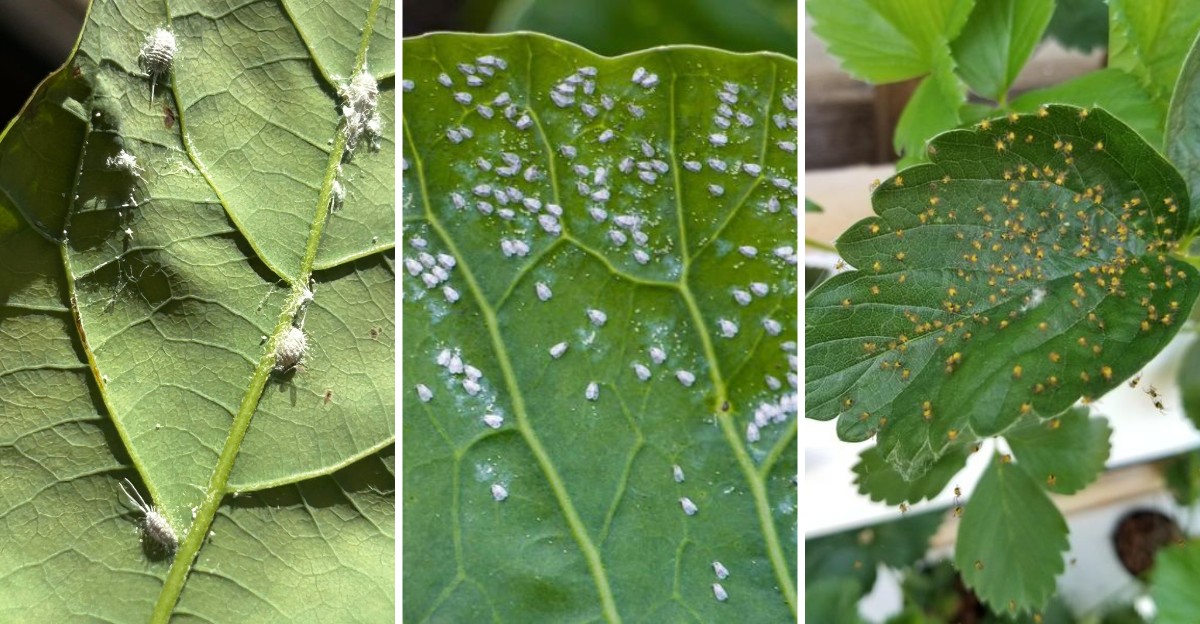
Somebody spilled cotton fluff all over your jade plant, or at least it looks that way. Look closer and the fluff might start to move, which is your first clue.
Mealybugs are soft insects covered in a white, waxy coat that works like a raincoat. That coating helps protect them from water and many sprays.
They love to tuck themselves into leaf joints, stem crevices, and even the roots. Like aphids, they suck sap and leave sticky honeydew behind.
Plants under attack often look weak, with yellow leaves and slow growth. Left alone, a small group can spread to every pot on the windowsill.
Here is a fun trick for dealing with a small crowd of them. Dip a cotton swab in isopropyl solution and dab each bug directly.
The solution melts through their waxy armor, and they turn brown and fall off. It feels a little like popping bubble wrap, only far more useful.
For bigger problems, spray the plant with insecticidal soap once a week for a month. Check the soil too, since root mealybugs look like white mold on the roots.
Before bringing pots inside this September, gently slide one plant out and peek at the root ball. A few extra seconds now can save you months of fluff removal later.
Succulents, hoyas, and citrus seem to attract them most. Give those plants an extra careful look before moving day.
4. Scale Insects
Some scale insects were once crushed to make red dye for fancy fabrics and paint. The ones on your patio plants are far less glamorous and much more annoying.
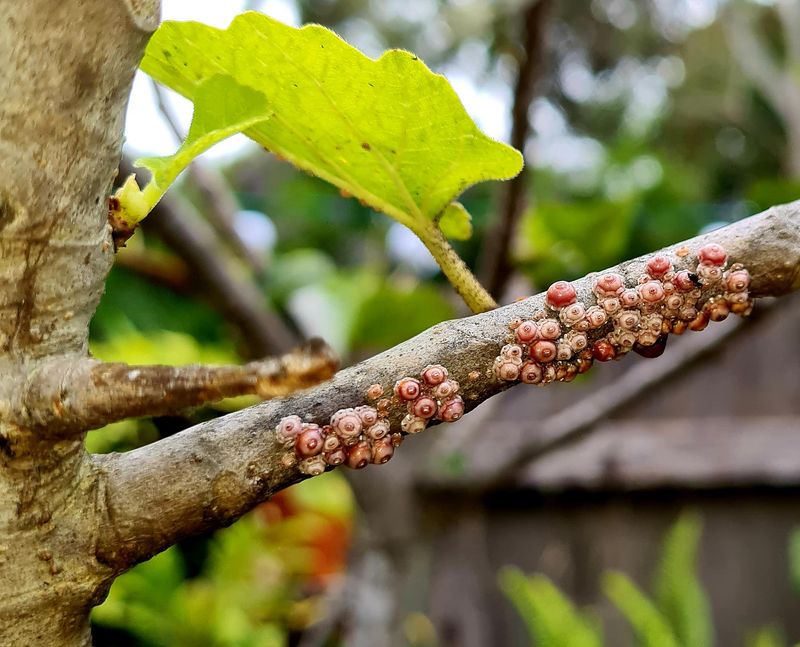
Scale looks like small brown or tan bumps stuck to stems and leaf veins. Many people mistake them for part of the plant because they barely move.
Adults glue themselves in place under a waxy or hard shell and sip sap all day long. Only the babies, called crawlers, wander around looking for a fresh spot.
Try running a fingernail along a stem. If bumps flick off easily and leave a little mark, you are dealing with scale.
Sticky leaves and black, sooty mold are other hints that scale has moved in. The mold grows on honeydew and blocks sunlight from reaching the leaves.
That tough shell makes sprays less helpful against adults, so hands-on work is best. Scrape them off with a soft toothbrush or a cotton swab dipped in disinfecting solution.
After scrubbing, spray with horticultural oil to smother any crawlers you missed. Repeat every week or two until new bumps stop showing up.
Citrus trees, bay laurels, and ferns are common targets, so give them extra attention this fall. Check both sides of every leaf and along the main stem.
Patience pays off with this pest. A slow, steady cleanup beats a panicked spray-everything approach every single time.
5. Fungus Gnats
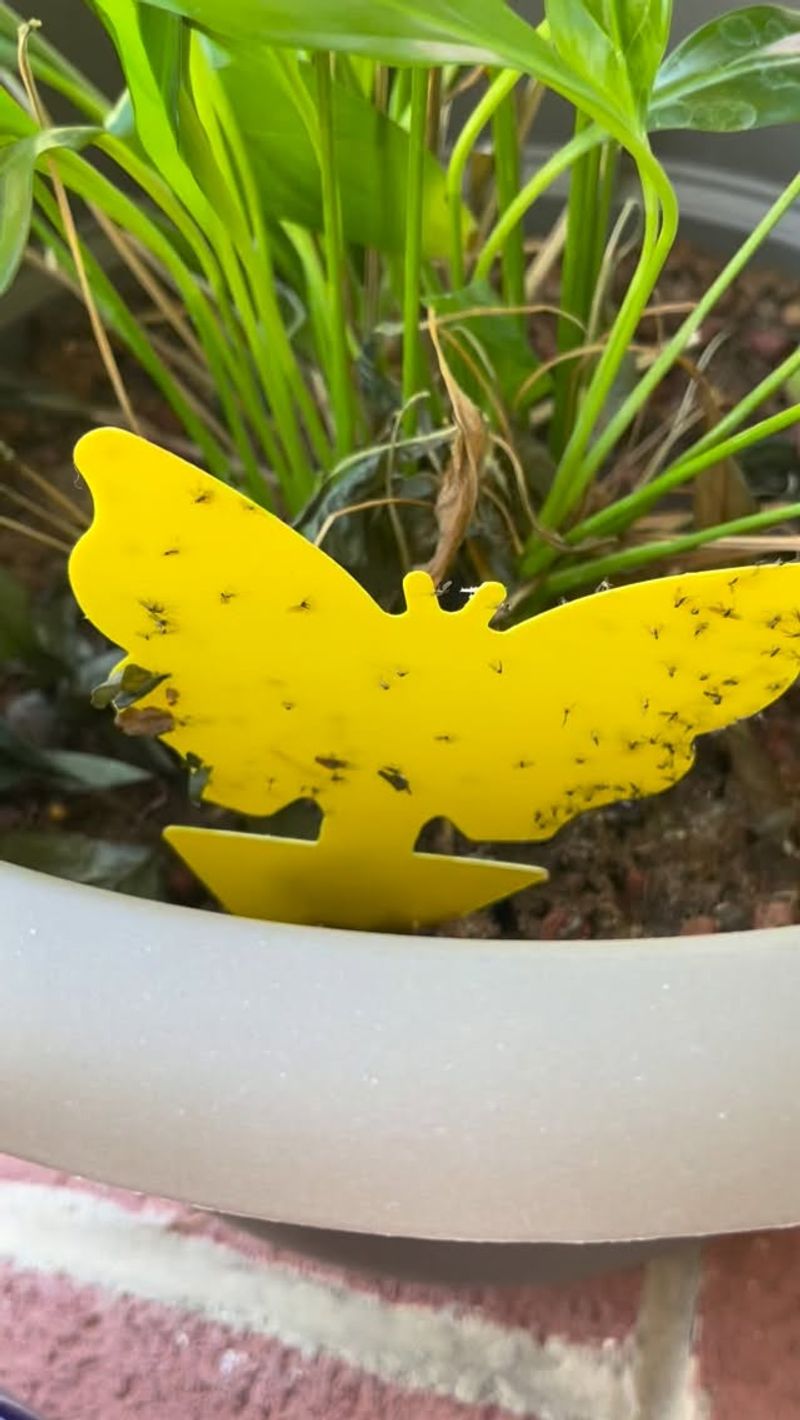
Nothing ruins a quiet evening of reading like a tiny black fly zooming straight at your nose. Fungus gnats are the clumsy fliers that seem to appear out of thin air.
They actually come from the soil, where females lay eggs in damp potting mix. Each female can lay up to 200 eggs, so a few quickly become a swarm.
Outdoor pots soaked by late summer rain are perfect gnat nurseries. Bring one inside, and the larvae keep growing right in your living room.
The adults are mostly just a nuisance, but the larvae can nibble on tender roots. Seedlings and young cuttings suffer the most from all that snacking.
The good news is that gnats hate dry soil. Let the top inch or two of potting mix dry out before you water again.
Yellow sticky cards stuck in the pot will catch the flying adults. They are cheap, easy to use, and oddly satisfying to check each morning.
For the larvae, try watering with a product containing BTI, a natural bacteria that targets gnat babies. It is safe for people and pets but tough on the wriggly youngsters in your soil.
Another smart move is repotting outdoor plants in fresh, dry mix before moving them inside. A layer of sand on top of the soil also makes egg laying harder.
Your nose will thank you. So will every guest who visits this fall.
6. Whiteflies
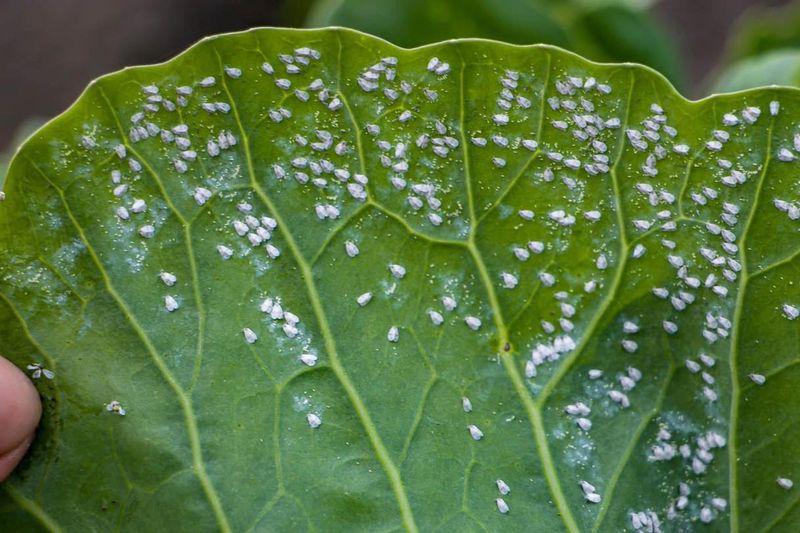
Brush past a leaf and a cloud of tiny white flecks rises up, like someone shook a snow globe. Those flecks are whiteflies, and they are not as pretty as they look.
Despite the name, they are not true flies but relatives of aphids and mealybugs. Adults are about the size of a pinhead and covered in white, powdery wax.
Flip a leaf over and you may find flat, pale, oval nymphs stuck in place. They feed on sap just like the adults, leaving leaves yellow and weak.
Hibiscus, tomatoes, and herbs like basil are among their favorite snacks. If you plan to overwinter any of these indoors, inspect them carefully first.
Indoors, whiteflies can breed all winter because warm rooms keep them cozy. One adult can lead to hundreds of new pests in just a few weeks.
Yellow sticky traps work well here too, since whiteflies are drawn to that bright color. Hang a few near the plant and watch them fill up.
A handheld vacuum is a surprisingly good tool for sucking up adults in the early morning. They move slowly when it is cool, which gives you the upper hand.
Finish with insecticidal soap or neem oil sprayed on leaf undersides every five days. Keep going for about three weeks to break their life cycle.
It takes a little effort, but your indoor jungle stays flurry-free. Save the snow globe look for December.
7. Thrips
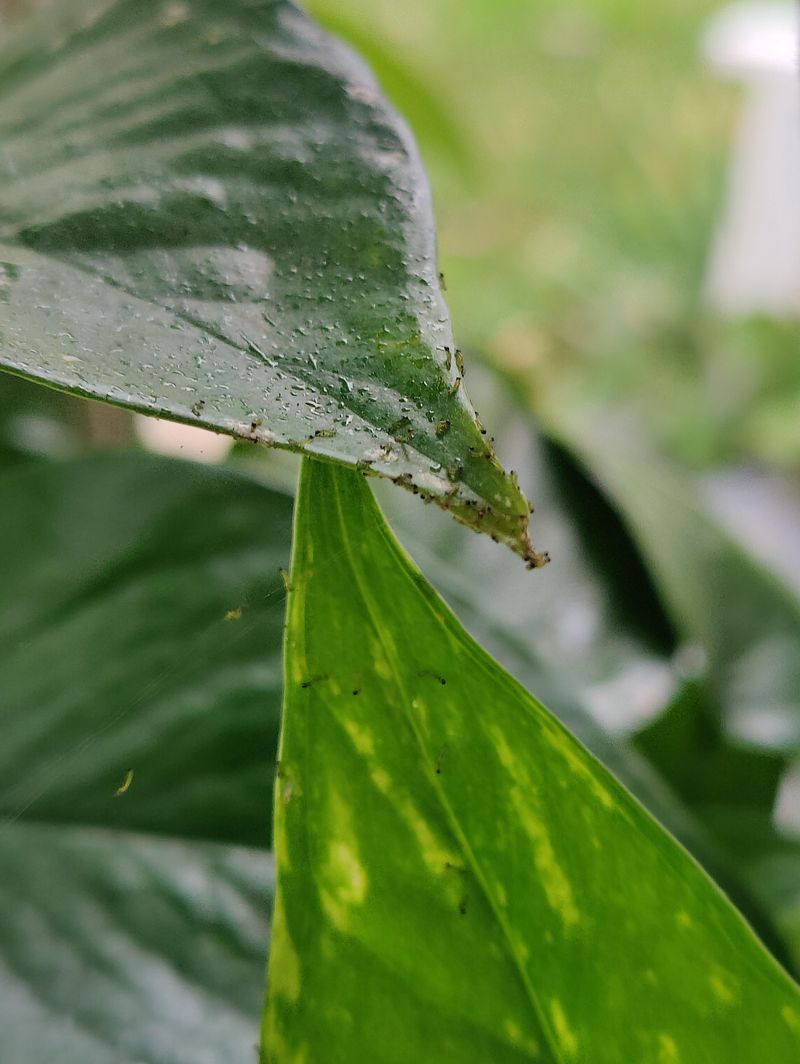
Thrips have fringed wings that look like tiny feather dusters under a magnifying glass. Their name is the same whether you have one or a thousand, and you rarely find just one.
Most are slender, about the size of a cut eyelash, and come in tan, brown, or black. They scrape leaf surfaces and slurp up the juices that leak out.
That scraping leaves behind silvery streaks and small black dots, which are their droppings. Flowers may open twisted or spotted, and new leaves can grow in curled.
Early fall is sneaky, since thrips often hide inside flower buds and leaf folds. A quick glance will not reveal them, so you need to look closely.
Try tapping a bloom over a dark plate and watching for moving slivers. A cheap magnifying glass makes the job much easier and a little more fun.
Blue sticky traps catch thrips better than yellow ones, thanks to their color preference. Place a few around the plant to track how many are flying.
Snip off infested flowers and buds, since those are favorite hiding spots. Toss the clippings in the trash rather than the compost pile.
Spray the whole plant with insecticidal soap or spinosad every five to seven days. Many thrips drop into the soil to grow up, so treat the top layer too.
Stick with it for a few weeks. Fresh, healthy leaves will soon replace those silver streaks.
8. Slugs And Snails
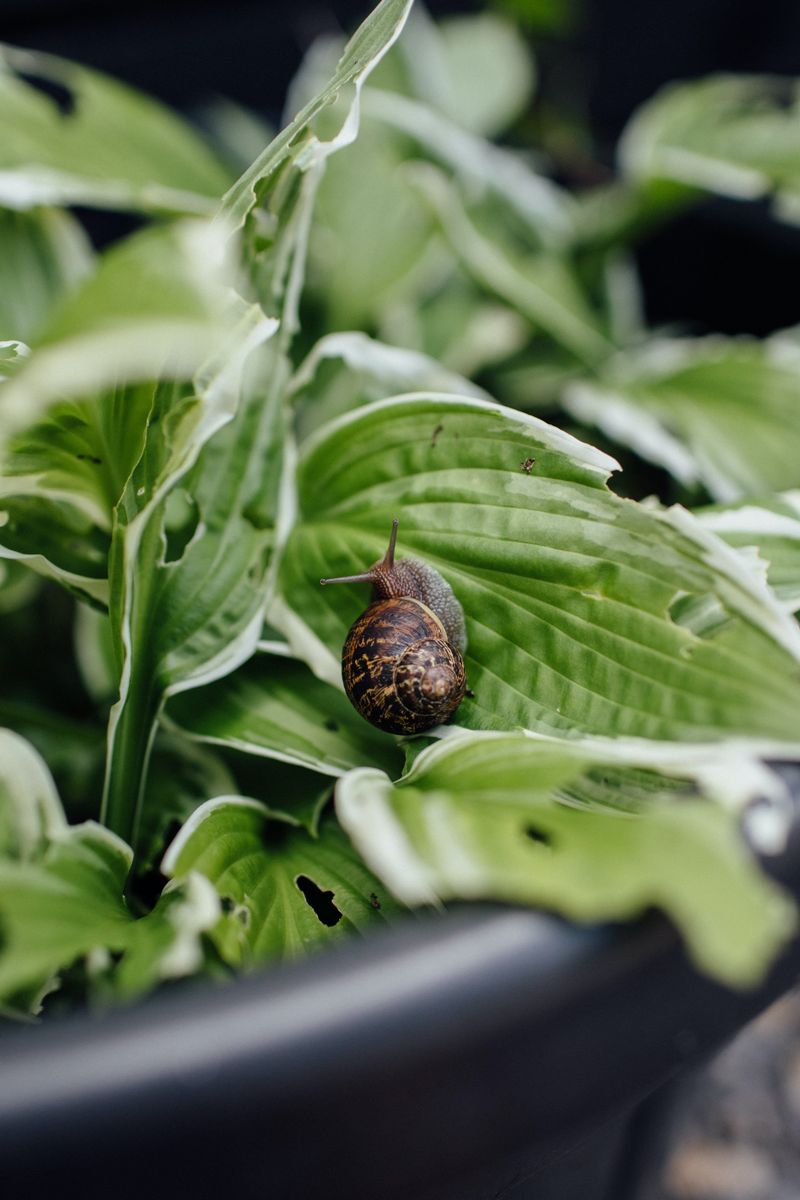
Lift a pot after a rainy night and you might find a slimy surprise stuck to the bottom. Slugs and snails love the cool, damp shelter that pots and saucers provide.
During the day they hide in drainage holes, under rims, and deep in the soil. At night they slide out to munch ragged holes in soft leaves.
Indoors, a single hitchhiker can leave shiny slime trails across your floor and furniture. Nobody wants to discover that mystery silver path with bare feet at midnight.
Both creatures lay clusters of pearly eggs in soil during late summer and fall. Those eggs can hatch inside your home weeks after the plant moves in.
Start your check by tipping each pot on its side and looking closely at the drainage holes. Scrape off any slimy guests and move them far from your garden beds.
Next, poke around the top inch of soil for eggs that look like tiny tapioca pearls. Scoop them out with a spoon and toss them in the trash.
Soaking the pot in a bucket of water for about 15 minutes can flush out hidden stowaways. Most critters hiding in the soil will crawl up for air.
Wipe the outside of each pot and saucer to remove slime and eggs stuck along the edges. Raising pots on feet or bricks outside also makes them less cozy hiding spots.
9. Earwigs
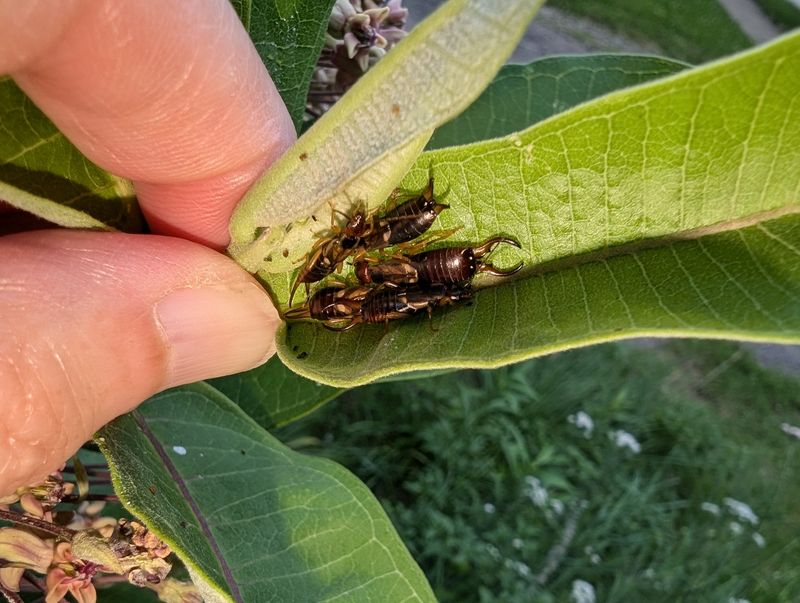
An old legend claims earwigs crawl into sleeping people’s ears to lay eggs. Relax, because that story is pure fiction, though their pincers still look pretty scary.
Earwigs are shiny, reddish-brown insects with a pair of curved pincers on their back end. They are harmless to people but can give a mild pinch if handled roughly.
By day they squeeze into tight, dark spaces like leaf clusters, pot bottoms, and drainage holes. Once the sun sets, they wander out to chew on soft leaves, petals, and seedlings.
Oddly enough, earwigs also eat aphids and other tiny pests, so they are not all bad outdoors. Inside your house, though, they are just unwelcome freeloaders.
Mother earwigs are surprisingly devoted parents, guarding and cleaning their eggs for weeks. Few insects show that much care for their young.
September nights get cooler, and earwigs start hunting for snug spots to spend the winter. Your potted plants look like five-star hotels to them.
Give each pot a firm shake over a tarp or driveway before carrying it inside. Check under the saucer and inside thick clumps of leaves where they like to wedge themselves.
A rolled-up damp newspaper left near your plants overnight makes a clever trap. In the morning, shake the hiding earwigs into a bucket of soapy water.
A little shaking now saves you a startled scream later. Nobody wants a pincer surprise in November.