10 Pet-Care Yard Mistakes New Jersey Homeowners Should Avoid This Winter
Winter rolls into New Jersey like a guest who refuses to knock, and pets often pay the price when homeowners miss a step in the yard.
One cold snap, one patch of black ice, or one overlooked hazard can turn a quiet afternoon into a crisis no one saw coming.
Dogs and cats explore every corner as if they own the place, yet winter turns familiar ground into a minefield.
A cozy coat and a wagging tail offer confidence, but confidence alone doesn’t cut the mustard when frost creeps in and hidden dangers lurk under every drift.
A yard that feels safe in autumn can flip the script once the mercury drops.
Fences shift, salt spreads where paws tread, and wildlife pushes closer to the suburbs in search of shelter.
A simple oversight—an open gate, a frozen water bowl, a mound of snow piled against a fence—can invite trouble faster than a nor’easter sweeping up the coast.
1. Leaving Ice-Melt Products Where Pets Can Reach
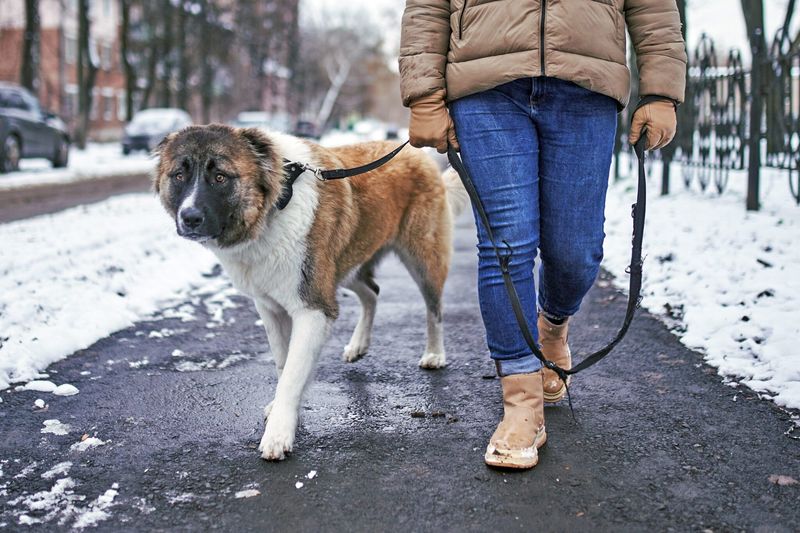
Rock salt and chemical ice melts might keep your driveway clear, but they pose serious dangers to curious pets who might lick or eat them.
Most commercial de-icers contain sodium chloride, calcium chloride, or magnesium chloride, which can cause stomach upset, mouth irritation, and chemical burns on paw pads.
Pets often lick their paws after walking on treated surfaces, ingesting harmful chemicals in the process.
Store all ice-melt products in sealed containers inside your garage or shed, well out of reach from adventurous animals.
Choose pet-safe alternatives made from urea or propylene glycol instead of traditional rock salt.
These safer options cost slightly more but prevent painful injuries and expensive vet visits.
Always sweep up excess product after application and rinse your pet’s paws when they come inside.
Even small amounts of regular ice melt can cause drooling, vomiting, and weakness in dogs and cats.
Consider using sand, kitty litter, or wood ash for traction instead of chemical melts on areas where your pets walk frequently.
Your pet’s health depends on careful product selection and proper storage throughout the winter season.
Make this simple switch and enjoy peace of mind every time your furry friend ventures outdoors.
2. Allowing Pets To Walk On Frozen Or Salted Surfaces
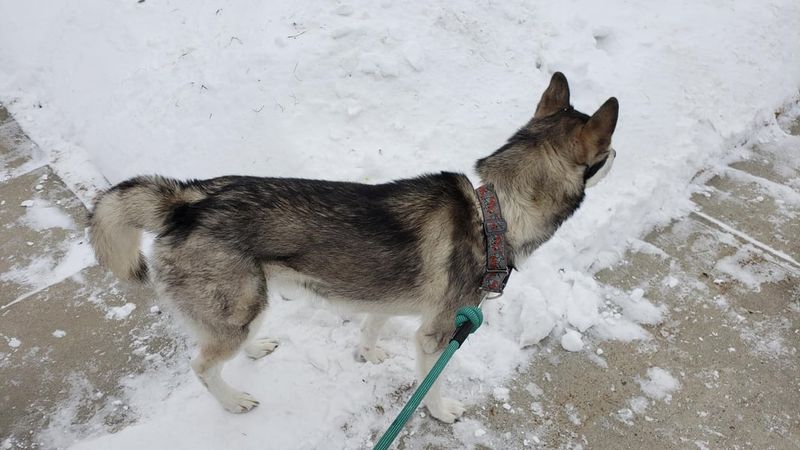
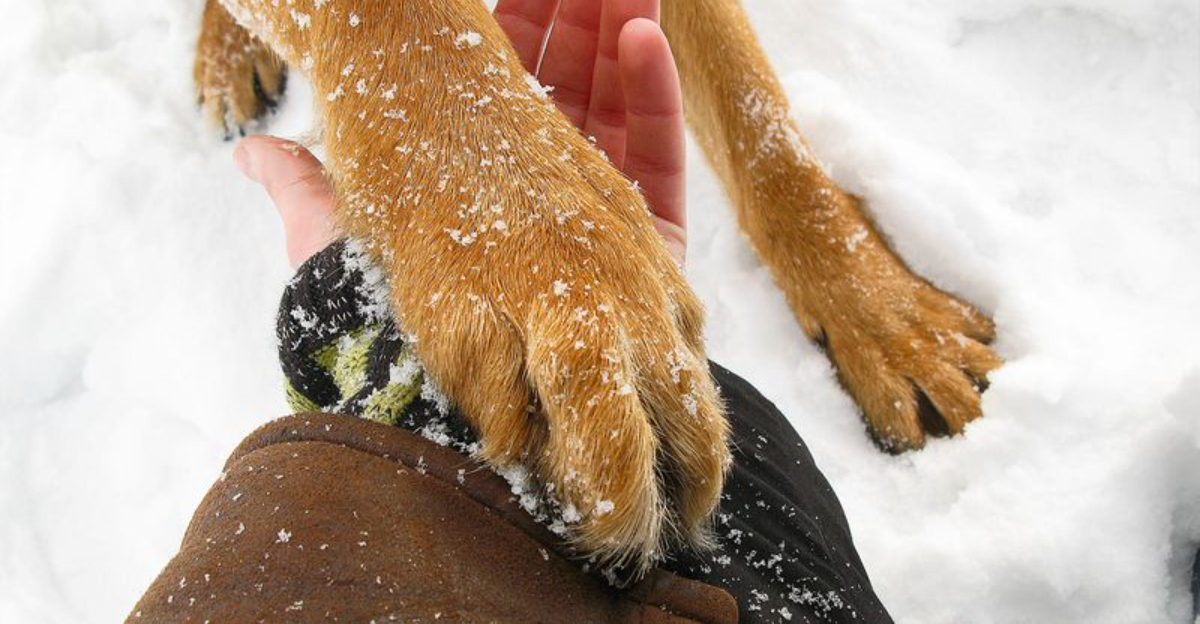
Ice and salt create a brutal combination that damages sensitive paw pads faster than most pet owners realize.
Frozen ground alone can cause cracking and bleeding in the soft tissue between your pet’s toes.
Add salt to the mix, and you create conditions for chemical burns that sting and blister.
Dogs naturally want to explore their territory regardless of ground conditions, but their paws suffer the consequences.
Invest in quality dog booties that protect paws from both cold and chemicals during outdoor adventures.
Many pets resist wearing them at first, but patient training helps them adjust quickly.
Apply paw balm before walks to create a protective barrier against ice and salt.
Limit outdoor time on particularly cold days when temperatures drop below twenty degrees.
Create cleared pathways using pet-safe products so your animals have safe routes through your yard.
Check paw pads regularly for redness, cracks, or signs of irritation that need immediate attention.
Rinse paws with warm water after every outdoor session to remove salt residue and ice crystals.
Small breeds and senior pets are especially vulnerable to paw damage from frozen surfaces.
Prevention takes just minutes but saves your pet from days or weeks of painful recovery.
3. Not Checking For Hidden Yard Hazards Under Snow
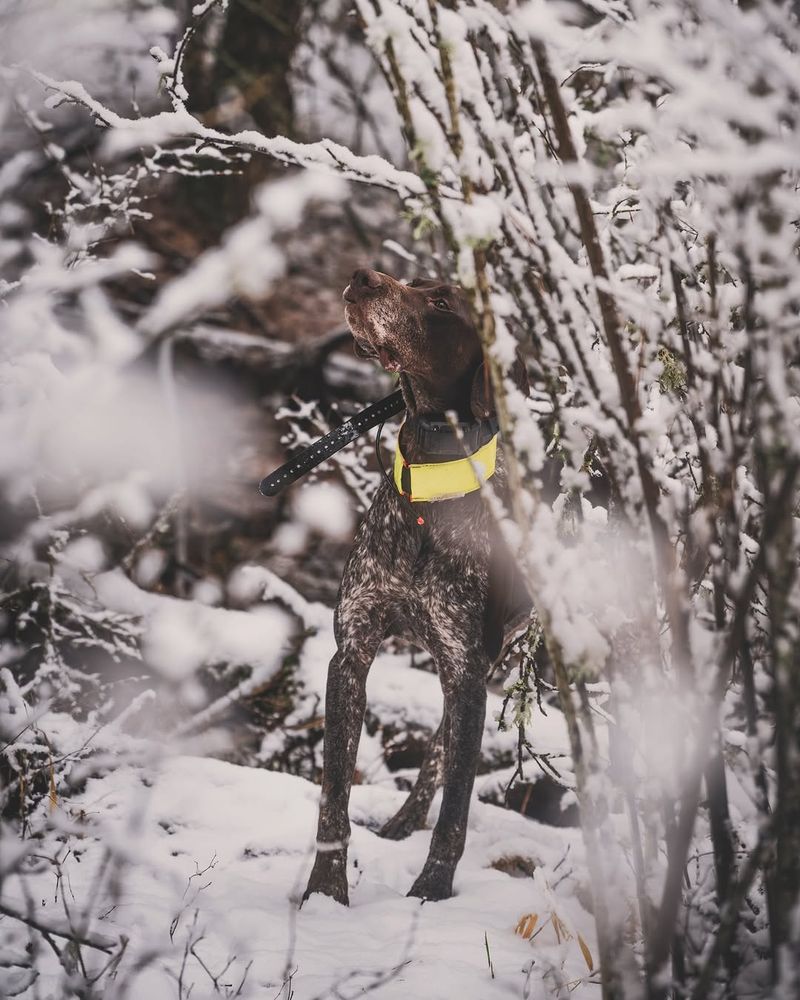
Snow blankets your yard in white, creating a deceptive cover that hides sharp objects, toxic materials, and dangerous debris.
Broken branches, garden tools, and lawn ornaments become invisible traps waiting to injure unsuspecting pets.
Before the first snowfall, walk your entire property and remove anything that could harm your animals.
Rake up fallen branches, put away garden equipment, and secure loose items that winter storms might scatter.
Antifreeze puddles from cars are especially dangerous because they smell and taste sweet to pets but cause severe organ damage.
Check your driveway and garage area carefully for any fluid leaks before snow covers them.
Rodent poison placed by neighbors or pest control services can migrate into your yard and become hidden under snow.
Mark the boundaries of garden beds, walkways, and other features with tall stakes so pets avoid stepping into problem areas.
After heavy snowfall, do a quick inspection before releasing pets into the yard.
Look for unusual lumps or discolored patches that might indicate hidden hazards beneath the surface.
Glass, metal, and plastic debris can puncture paws or cause internal injuries if swallowed.
A few minutes of prevention protects your pets from emergency situations throughout the entire winter season.
4. Skipping Regular Paw And Coat Inspections
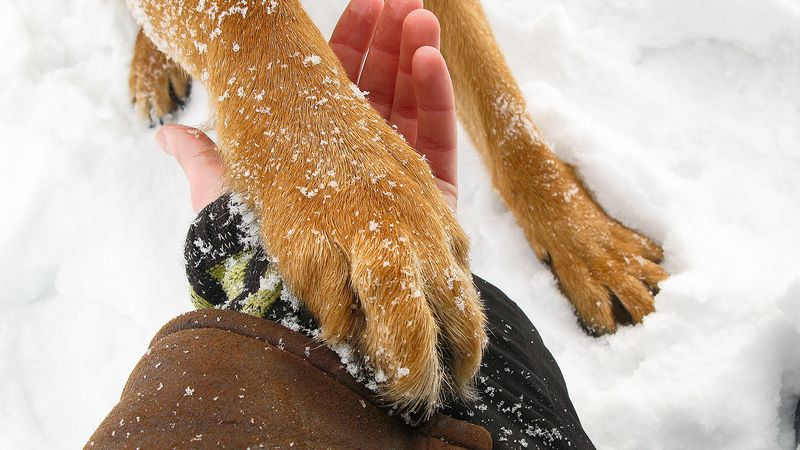
Winter weather takes a toll on your pet’s body in ways that are not immediately obvious without careful examination.
Snow clumps between toe pads cause discomfort and can lead to frostbite if left unaddressed.
Salt residue creates chemical burns that start small but worsen rapidly without treatment.
Make daily inspections part of your routine every time your pet comes inside from the cold.
Run your hands through their entire coat, feeling for ice balls, burrs, or matted fur.
Check between each toe and examine paw pads for cuts, cracks, redness, or swelling.
Long-haired breeds accumulate more snow and ice in their fur, requiring extra attention.
Trim the hair between paw pads to reduce ice ball formation during winter months.
Look for signs of frostbite on ear tips, tail, and paw pads, including pale or gray skin.
Dry your pet thoroughly with a towel, paying special attention to legs, belly, and paws.
Moisture trapped against skin can cause irritation and create conditions for bacterial growth.
Senior pets and those with health conditions need even more frequent checks during cold weather.
Early detection of problems prevents minor issues from becoming serious medical emergencies that require veterinary intervention.
5. Letting Pets Drink From Frozen Or Contaminated Water Sources
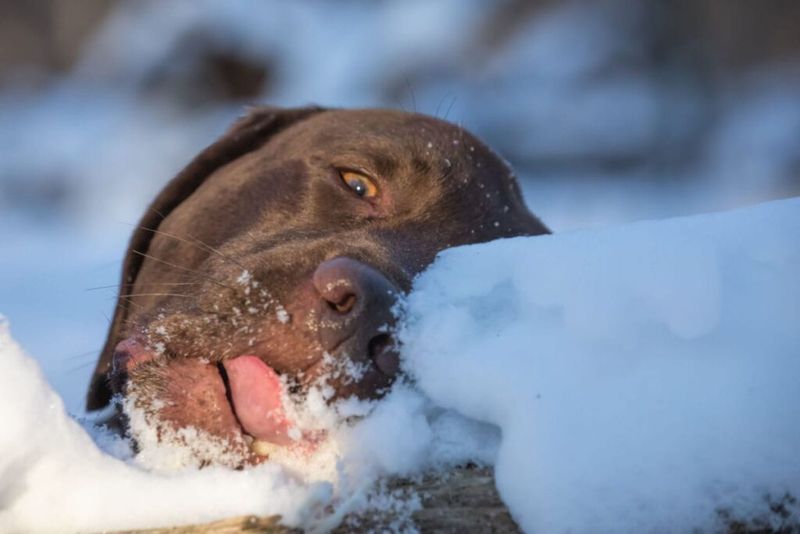
Pets get thirsty during outdoor play, but winter water sources often contain dangerous contaminants.
Puddles and standing water collect antifreeze, oil, salt runoff, and other toxic chemicals that harm animals.
Even snow can absorb pollutants from the air and ground, making it unsafe for consumption.
Provide fresh, clean water in heated bowls designed specifically for outdoor use in freezing temperatures.
These electric bowls prevent water from freezing while keeping it at a safe temperature for drinking.
Check outdoor water sources multiple times daily to ensure they remain filled and functional.
Never assume your pet will avoid contaminated water just because fresh water is available elsewhere.
Thirsty animals make poor decisions and will drink from any accessible source when desperate.
Antifreeze poisoning is one of the most common winter pet emergencies, and it happens fast.
Just a small amount can cause irreversible organ damage within hours of ingestion.
Supervise outdoor time to ensure your pet drinks only from approved water sources you provide.
Clean outdoor water bowls daily to prevent bacterial growth even in cold weather.
Proper hydration is essential for pet health, but only when the water source is safe and uncontaminated.
6. Using Toxic Winter Plants In Outdoor Decor

Holiday decorations bring festive cheer, but many popular winter plants are poisonous to dogs and cats.
Holly berries, mistletoe, and certain evergreen varieties cause serious health problems when chewed or eaten.
Pets explore their environment with their mouths, making any accessible plant a potential danger.
Research every plant before adding it to your outdoor winter displays and holiday decorations.
Choose pet-safe alternatives like Christmas cactus, spider plants, or artificial decorations instead.
Keep all live plants in hanging baskets or elevated planters completely out of your pet’s reach.
Even non-toxic plants can cause stomach upset if consumed in large quantities.
Supervise pets closely when they are near decorated areas of your yard during the holiday season.
Symptoms of plant poisoning include drooling, vomiting, weakness, and changes in behavior or appetite.
Contact your veterinarian immediately if you suspect your pet has eaten any part of a questionable plant.
Winter berries are particularly attractive to curious pets because they stand out against snow and bare branches.
Fence off decorated areas or use barriers to prevent direct access to potentially harmful plants.
Beautiful decorations should never come at the expense of your pet’s health and safety during the winter months.
7. Ignoring The Need For A Warm, Dry Outdoor Shelter

Some pets spend significant time outdoors even during winter, making proper shelter absolutely essential for their survival.
A drafty doghouse or uninsulated structure provides little protection against New Jersey’s harsh winter conditions.
Wind chill, moisture, and freezing temperatures combine to create dangerous situations for animals without adequate shelter.
Install an insulated doghouse with raised flooring to keep your pet off the cold, wet ground.
The entrance should face away from prevailing winds and include a flap to block drafts.
Size matters tremendously because shelters that are too large lose heat while those too small feel cramped.
Add warm bedding like straw or cedar shavings that resist moisture better than blankets or towels.
Check bedding daily and replace it immediately if it becomes damp or frozen.
Position the shelter in a protected location near your house, away from areas where snow accumulates heavily.
Even pets who primarily live indoors need emergency shelter options during unexpected outdoor situations.
Older animals, puppies, and small breeds cannot regulate body temperature as effectively as healthy adult dogs.
Monitor your pet closely during extreme weather and bring them inside when temperatures become dangerously low.
Proper shelter is not optional but a basic requirement for any pet spending time outdoors during winter.
8. Allowing Pets Unsupervised Access To The Yard
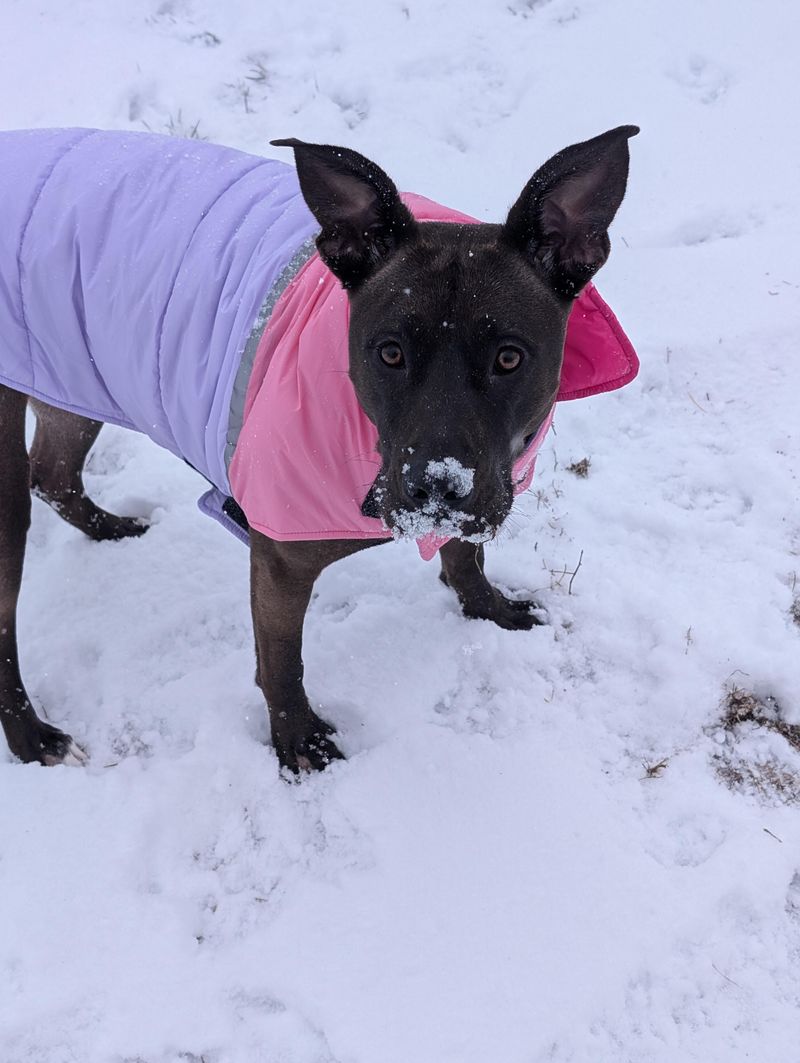
Winter creates unique dangers that make unsupervised outdoor time much riskier than during warmer months.
Pets can become disoriented in blizzards, fall through ice on ponds, or encounter aggressive wildlife searching for food.
Frostbite develops quickly on exposed skin, especially on ears, paws, and tails.
Always accompany your pet outside during winter weather, even in familiar, fenced yards.
Watch for signs of discomfort like lifting paws, shivering, or seeking shelter near the house.
Wild animals become bolder during winter as food sources disappear, leading to more frequent yard visits.
Coyotes, foxes, and even aggressive neighborhood dogs pose threats to unsupervised pets.
Limit outdoor sessions to necessary bathroom breaks and short play periods during the coldest weather.
Keep your pet on a leash or within direct line of sight at all times.
Hypothermia can develop in minutes when temperatures plummet or wet fur loses its insulating properties.
Small dogs and short-haired breeds need extra protection and should wear insulated coats during outdoor time.
Never leave pets outside overnight during winter, regardless of shelter availability.
Your presence ensures immediate help if problems arise and prevents dangerous situations from developing unnoticed.
9. Not Cleaning Up Pet Waste Promptly In Cold Weather
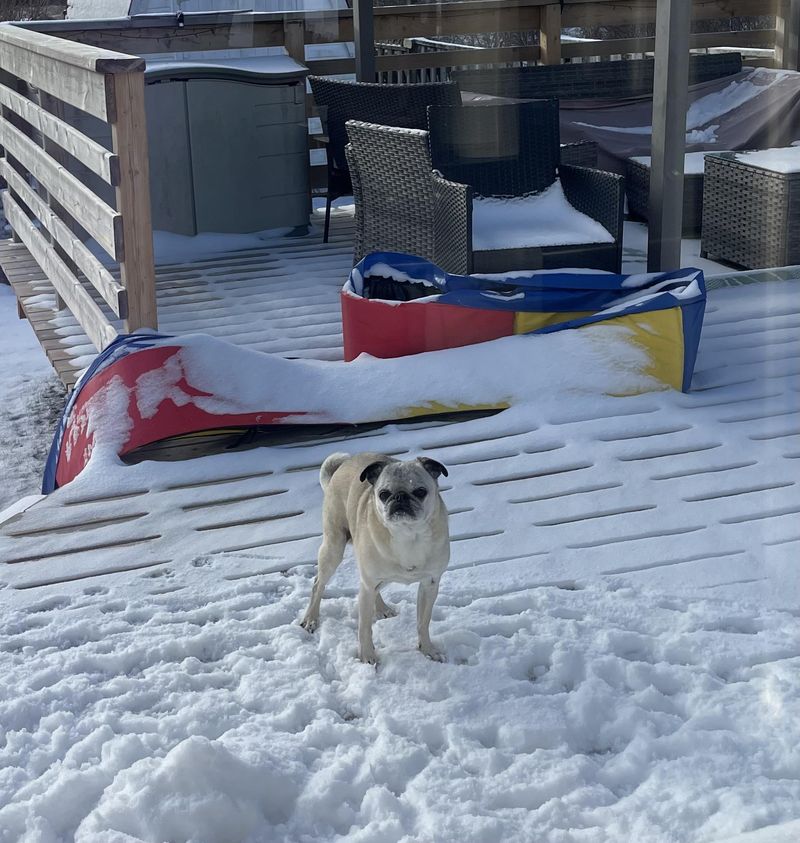
Frozen temperatures make pet waste cleanup seem less urgent, but this mistake creates serious problems.
Waste accumulates under snow throughout winter, creating a toxic mess when spring thaw arrives.
Bacteria and parasites remain viable in frozen waste and contaminate your yard for months.
Dogs often eat or roll in waste they discover, leading to illness and parasitic infections.
Melting snow concentrates waste in certain areas, creating concentrated pollution zones that damage grass and soil.
Clean up waste daily using a sturdy scooper designed to work in frozen conditions.
Store waste in sealed containers until trash collection day to prevent odors and pest attraction.
Mark areas where waste tends to accumulate so you can locate it even under snow cover.
Parasites like roundworms and hookworms survive freezing temperatures and infect other animals through contaminated soil.
Children playing in the yard can accidentally contact waste, creating health risks for your entire family.
Spring cleanup becomes overwhelming if you neglect winter waste management throughout the cold months.
Maintain the same cleanup standards during winter that you follow during warmer seasons.
Regular removal protects your pet’s health, preserves your yard’s condition, and maintains neighborhood standards throughout winter.
10. Failing To Secure Gates And Fences During Storms
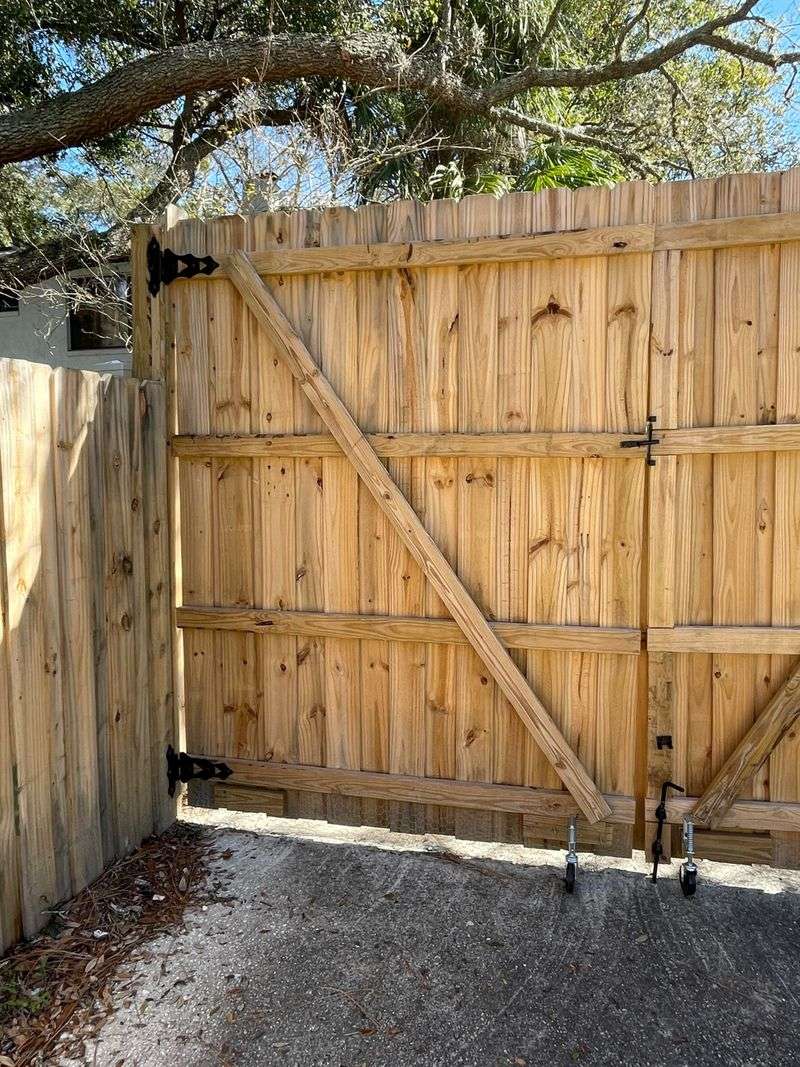
Winter storms bring powerful winds that can damage fencing, open gates, and create escape routes for pets.
Snow accumulation can pile high enough against fences to create ramps that dogs use to climb over barriers.
Visibility drops during blizzards, making it easy for pets to become lost just feet from home.
Inspect your entire fence line before each storm to identify weak spots, loose boards, or damaged sections.
Repair problems immediately rather than waiting until spring when damage may worsen.
Install secure latches on all gates that cannot blow open during high winds.
Clear snow away from fence lines to eliminate climbing opportunities and maintain barrier integrity.
Consider adding fence toppers or extensions in areas where snow accumulation creates persistent escape risks.
Pets become frightened during storms and may attempt to escape in panic, even if they normally stay put.
Check that identification tags and microchip information remain current in case your pet does escape.
Walk your property after each major storm to assess damage and address problems before releasing pets outside.
Underground fencing systems can malfunction during winter, losing effectiveness when you need them most.
Proper fence maintenance and storm preparation prevent lost pets and the heartbreak that follows winter escapes.