9 Pet-Safe Groundcovers Tennessee Homeowners Are Planting This May
Your dog has probably already dug up three of your flowerbeds this spring, and your cat has claimed the sunny patch by the fence as personal property. Sound familiar?
If you share your yard with four-legged yard critics, you already know that beautiful landscaping and pet ownership can feel like a losing battle. However the right plants change everything.
Here’s the thing most gardening guides won’t tell you: plenty of stunning groundcovers are completely safe for pets and tough enough to survive a Tennessee summer. You can finally stop Googling ‘is this plant poisonous to dogs’ at midnight.
May is the sweet spot for planting in Tennessee: the soil is warm, the conditions are just right, and new plants settle in fast. So whether you’re taming a muddy slope or covering a bare patch your terrier “landscaped” for you, these pet-safe groundcovers are exactly what your yard needs.
1. Creeping Thyme
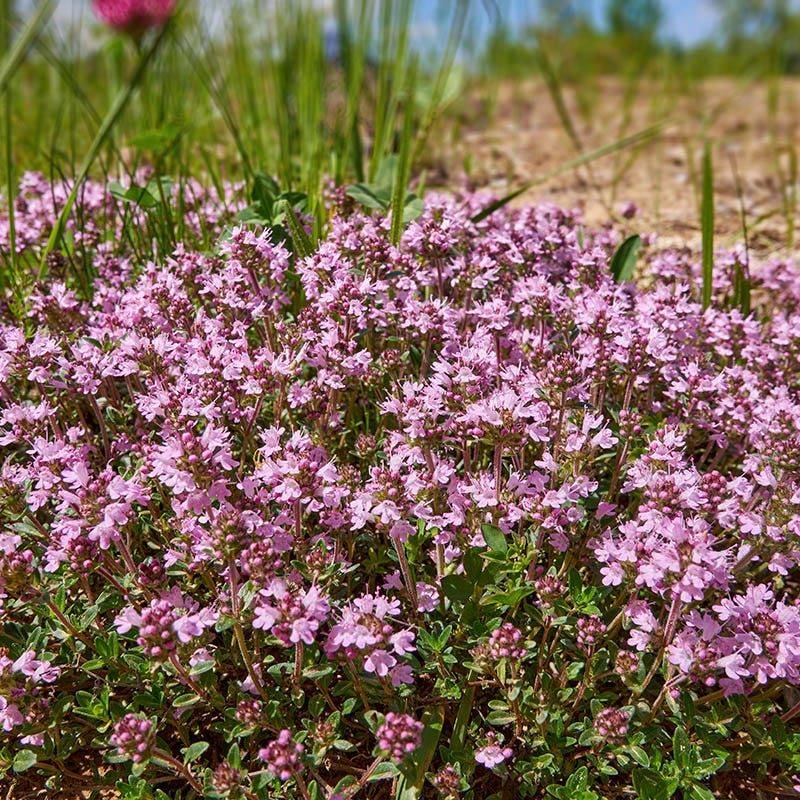
Walk barefoot across a patch of creeping thyme and you’ll catch a faint herbal scent drifting up. Most people are hooked from that first step.
It is low-maintenance, tough enough for hot summers, and completely safe for every four-legged member of your family.
Creeping thyme thrives in full sun and well-drained soil, making it a perfect match for yards where summers run hot and dry.
It grows low to the ground, usually only two to four inches tall, which means it forms a tight mat that keeps weeds from getting a foothold.
Once established, it needs very little watering.
Planting in May gives creeping thyme the warm soil temperatures it loves to get its roots settled before summer heat arrives.
Space plants about 12 inches apart and they will spread to fill gaps over a single growing season.
In late spring, tiny pink or purple flowers bloom across the mat, attracting pollinators like bees to your yard.
Gardeners love creeping thyme because it handles foot traffic surprisingly well. Pets can run across it freely without damaging the plant.
If you want a low-maintenance, fragrant, and pet-friendly groundcover that looks stunning all season long, creeping thyme belongs in your yard.
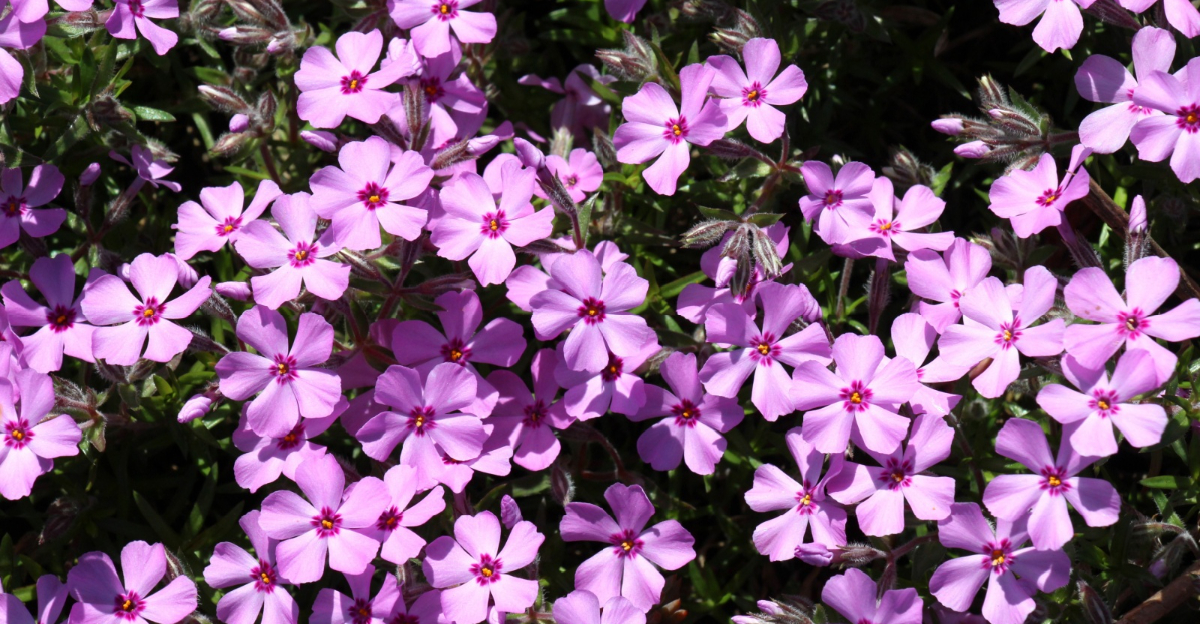
2. Creeping Phlox / Moss Phlox
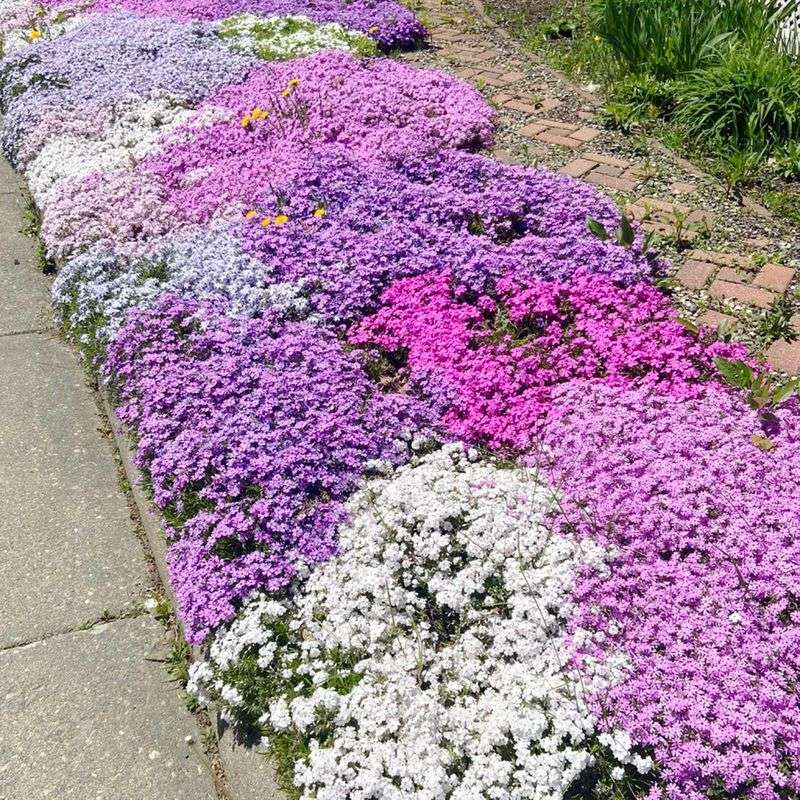
Few groundcovers put on a spring show quite like creeping phlox.
Also known as moss phlox, this plant bursts into bloom every April and May, producing a thick blanket of pink, purple, white, or blue flowers.
Pets can roam through it freely since it is non-toxic to even the most enthusiastic garden sniffers.
Creeping phlox is a native-friendly option that handles variable spring weather without any trouble.
It prefers full sun to light shade and does well in rocky or sandy soil where other plants struggle.
Once it finishes blooming, the dense evergreen foliage continues to suppress weeds right through the fall and winter months.
May planting works well because the soil is warm enough to encourage quick root development.
Set plants about 18 inches apart and water regularly during the first few weeks to help them settle in.
After that, creeping phlox is remarkably drought-tolerant and rarely needs extra attention.
Your Nevada Garden Changes Every Week. Your Plan Should Too.
Gardening in Nevada changes quickly throughout the season. Every Friday you’ll receive a simple weekly plan showing exactly what to plant, prune, fertilize, harvest, and protect so you never miss the right timing.
Slopes, rock gardens, and the edges of garden beds are ideal spots for this plant.
It holds soil in place beautifully, which makes it a smart choice for any yard with erosion concerns.
Colorful, tough, and completely pet-friendly, creeping phlox is a springtime superstar worth planting.
3. Ajuga
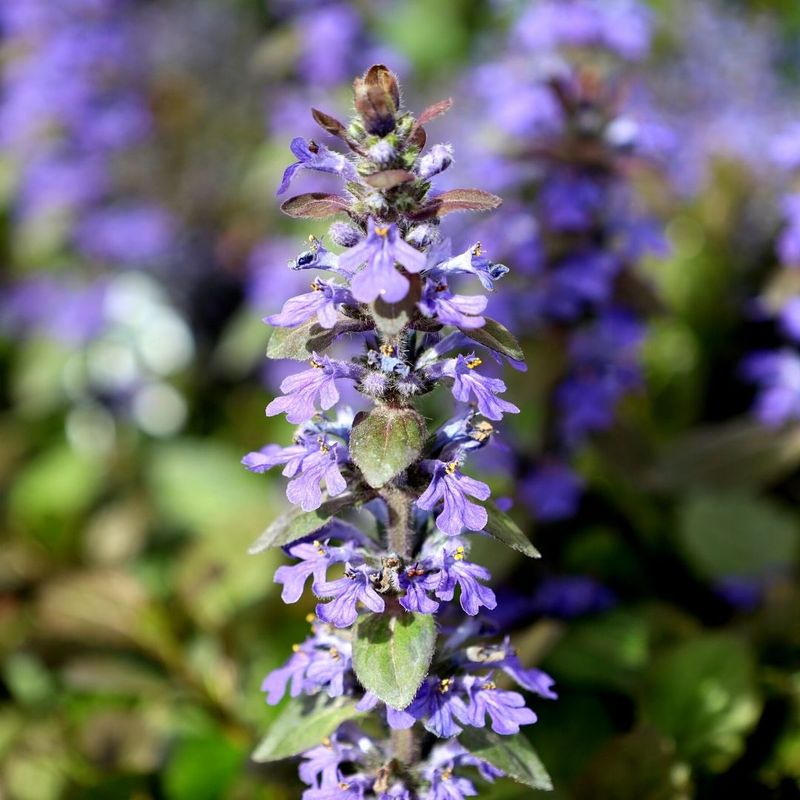
Ajuga is one of the most underrated groundcovers Tennessee gardeners overlook.
Sometimes called bugleweed, this plant spreads quickly, tolerates shade like a champ, and produces striking blue-purple flower spikes every spring.
For pet owners, the best part is that ajuga will not cause a single worried trip to the vet.
One of ajuga’s biggest strengths is its ability to grow where other plants give up.
This resilient plant handles deep shade, dry slopes, and compacted soil without missing a beat.
Its low-growing rosettes of glossy, often burgundy-tinted leaves create a rich, colorful carpet that looks polished year-round.
May is a great time to plant ajuga because the moderate temperatures help new plants establish before the intense summer heat sets in.
Space plants 6 to 12 inches apart, water them in well, and they’ll spread steadily through underground runners without any extra encouragement.
Within one season, bare patches can be completely covered.
Gardeners with shady yards and patchy grass often turn to ajuga as their go-to solution.
It handles foot traffic reasonably well, making it suitable for areas where pets and kids play.
With minimal care requirements and year-round visual interest, ajuga earns its place in any pet-friendly landscape without question.
4. Creeping Jenny
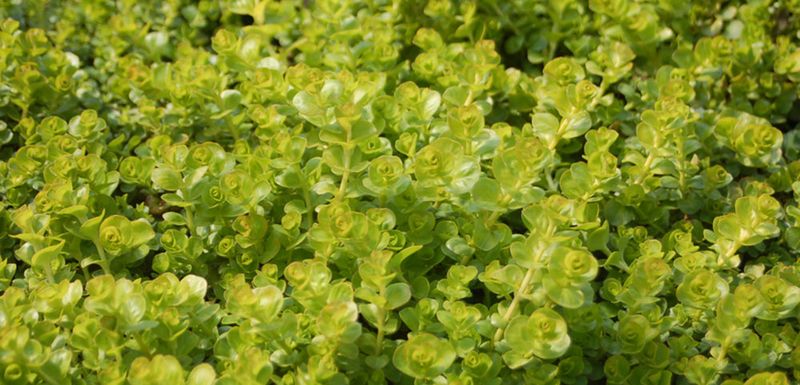
Creeping Jenny might be the most cheerful plant you can add to a yard — but it comes with one important caveat worth knowing before you plant.
This bright, lime-green groundcover spreads quickly along the ground, spilling beautifully over garden edges, around stepping stones, and along water features.
Anyone with pets can plant it confidently because it is safe for even the most curious four-pawed visitors.
The golden or chartreuse leaves catch sunlight in a way that brightens even a dull garden bed. It grows well in both full sun and partial shade, though the leaf color tends to be brightest with more sunlight.
Here is where placement matters: creeping Jenny thrives in moist, well-drained soil, which makes it a natural fit for spots near birdbaths, rain gardens, or low-lying areas.
In those conditions, it spreads enthusiastically, which is exactly what you want in a contained bed, but something to watch carefully near natural water sources or garden areas you do not want it to take over.
Space plants about 18 inches apart and keep the soil consistently moist during the first few weeks after planting. Once established, it fills gaps fast and stays low, usually under two inches tall, so it never blocks views or competes with taller plants.
If you want a pop of color that stays lush and pet-safe, creeping Jenny is a standout choice, just plant it where its enthusiasm works for you, not against you.
5. Sedum
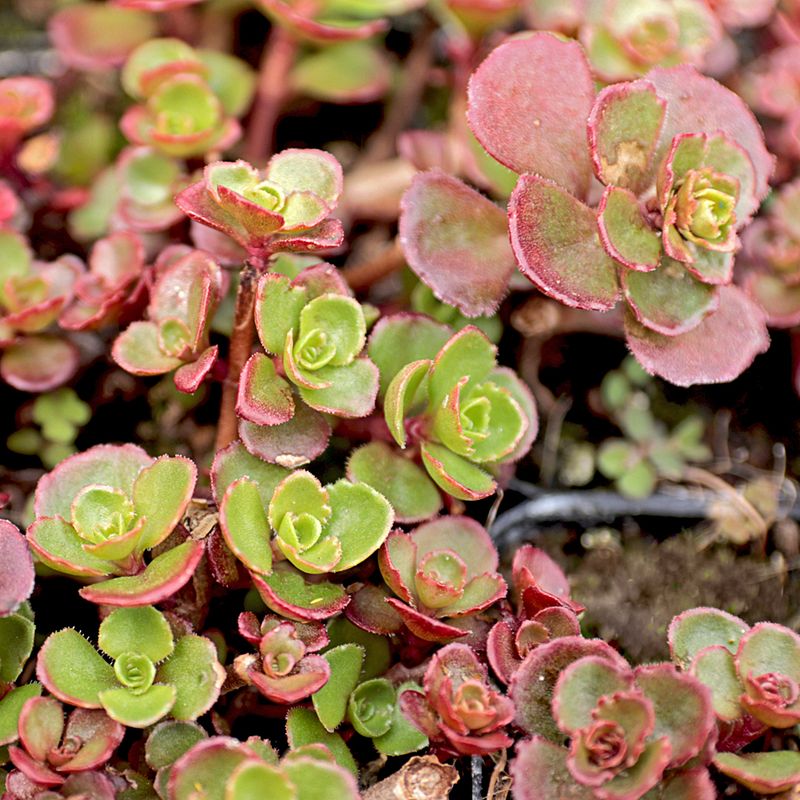
If you want a groundcover that thrives on neglect, sedum is your answer.
Also known as stonecrop, low-growing sedum varieties spread across sunny areas, forming thick mats of fleshy, colorful leaves. Many low-growing stonecrops are considered pet-safe, though it is always worth confirming the specific variety before planting.
Sedum thrives in full sun and poor, well-drained soil, which means it is right at home in the rocky or sandy spots where other plants refuse to grow. It handles the heat with ease, rarely needing supplemental watering once it settles in.
Leaf colors range from bright green to deep red and bronze, giving the garden visual interest through multiple seasons.
May planting gives sedum plenty of time to root deeply before the hottest months arrive. Space plants 12 to 18 inches apart and avoid overwatering, since sedum prefers drier conditions than most groundcovers.
Small star-shaped flowers appear in late summer, drawing butterflies and beneficial insects to your yard. Rock gardens, slopes, and sunny borders are ideal locations for sedum.
Pets can wander through without any concern.
Few groundcovers handle heat this well while staying attractive through every season.
6. Wild Strawberry
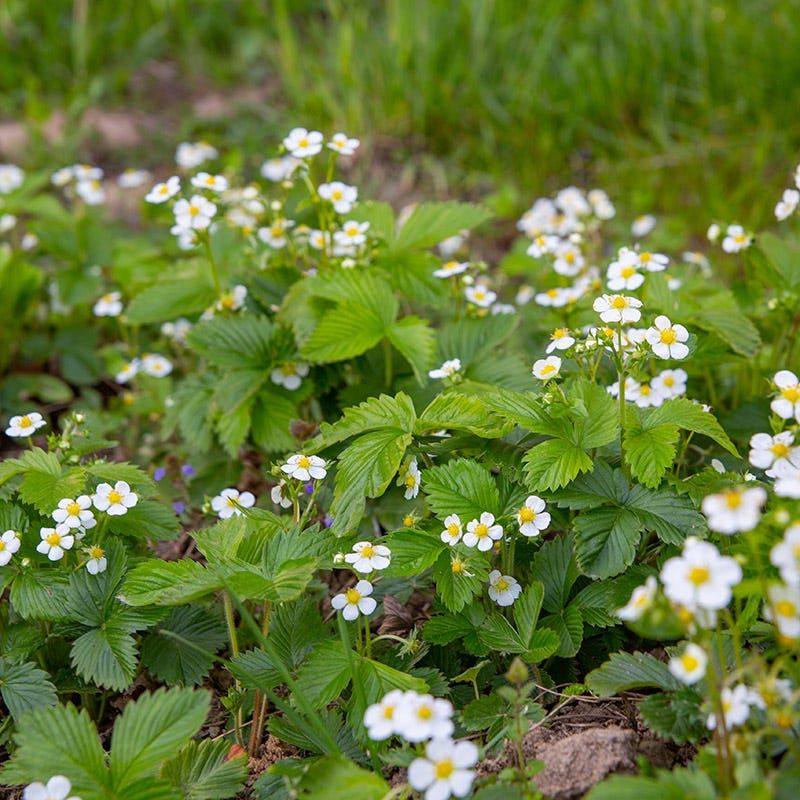
Wild strawberry is one of the rare groundcovers that earns its place through looks and usefulness alike.
Both the plant and its fruit are safe for even the nosiest four-legged garden inspectors, so there is no need to worry when curious noses go sniffing.
Wild strawberry spreads through runners, forming a low, dense mat of dark green trifoliate leaves dotted with cheerful white flowers in spring.
Small red berries follow the blooms, adding color and a welcome food source for backyard wildlife.
It grows well in full sun to partial shade, which gives gardeners flexibility in where they place it.
May is an ideal planting window because the mild temperatures help runners establish before summer heat kicks in.
Water new plants consistently for the first few weeks, then ease off as the plants settle and spread on their own.
Once established, wild strawberry is surprisingly tough and handles dry spells better than it looks.
Yards with bare or patchy areas under fruit trees or along garden borders are perfect spots for wild strawberry.
It stays low, controls weeds naturally, and adds a charming cottage-garden feel to any landscape.
For a groundcover with genuine personality and pet-safe credentials, wild strawberry is hard to beat.
7. Irish Moss
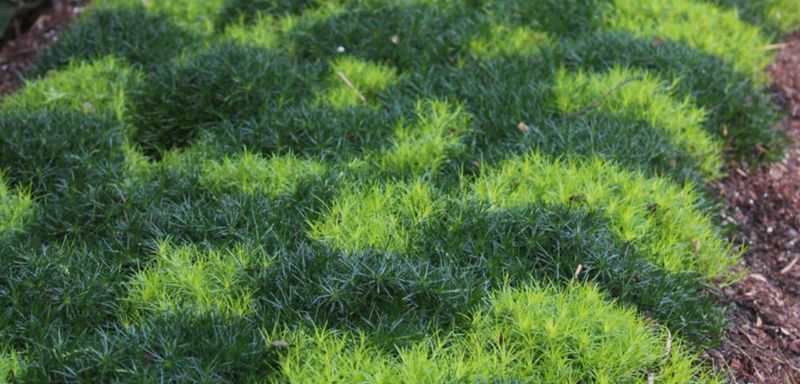
Irish moss looks like a plant that makes any shaded corner feel intentional and polished.
This low, cushion-forming groundcover grows beautifully between stepping stones, along shaded pathways, and in moist garden corners. Irish moss is generally considered non-toxic to even the most determined plant-tasters, making it a safe choice for pet-friendly yards.
Unlike some groundcovers that demand full sun, Irish moss prefers partial shade and consistently moist soil, and that preference is worth taking seriously. This is not a plant for hot, exposed areas or dry sunny slopes.
It performs best in the cooler, shadier parts of a yard where moisture is consistent and the afternoon sun does not bear down directly.
A spot that gets morning sun and afternoon shade is just about perfect for this plant to settle in and spread. Good drainage still matters, so avoid areas where standing water collects after heavy rain.
May is a suitable planting time, though gardeners should pay extra attention to watering during the first month since Irish moss does not appreciate drying out while getting established.
Space plants 6 to 12 inches apart and keep the soil evenly moist but not waterlogged. Tiny white flowers appear in late spring, adding a delicate touch to the carpet of green.
Yards with shaded patios, woodland garden areas, or stepping stone paths are ideal settings. It stays just an inch or two tall, creating a tidy, refined look.
For a groundcover that brings a cool, lush feel to the right shaded spot, Irish moss is a wonderful choice, just make sure that spot actually exists in your yard before you plant it.
8. Sweet Woodruff
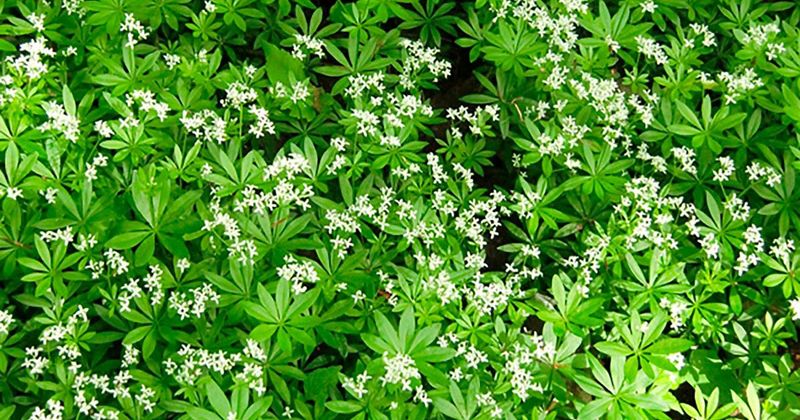
Sweet woodruff has been a staple of shaded cottage gardens for centuries, and it earns that reputation every spring.
Delicate star-shaped white flowers float above whorls of bright green leaves every spring, creating a soft, airy look in shaded garden areas.
For pet owners, the good news is that sweet woodruff is considered non-toxic to even the most adventurous backyard explorers.
This plant genuinely loves shade, making it a go-to solution for dark spots where other groundcovers struggle. It also appreciates slightly moist, well-drained soil, especially during its first few weeks of establishment after planting in May.
One thing worth knowing before you plant: sweet woodruff can spread quite aggressively in ideal conditions.
In a shaded area with good moisture and rich soil, it will fill in quickly. That is exactly what you want when covering a large bare patch, but worth managing carefully in smaller or more manicured spaces.
Edging or natural barriers can help keep it where you want it. Partial shade with consistent moisture gives sweet woodruff the best possible start.
Space plants about 12 inches apart when planting in May, and water them in well to encourage spreading through underground rhizomes.
The dried leaves carry a faint vanilla-like scent, a small but pleasant detail that sets this plant apart.
Gardeners dealing with bare shaded patches under mature trees will find sweet woodruff to be a dependable and beautiful fix, just give it the boundaries it needs to stay that way.
For a shade-loving, pet-safe groundcover with old-world charm, sweet woodruff is a truly special planting choice.
9. Creeping Mazus
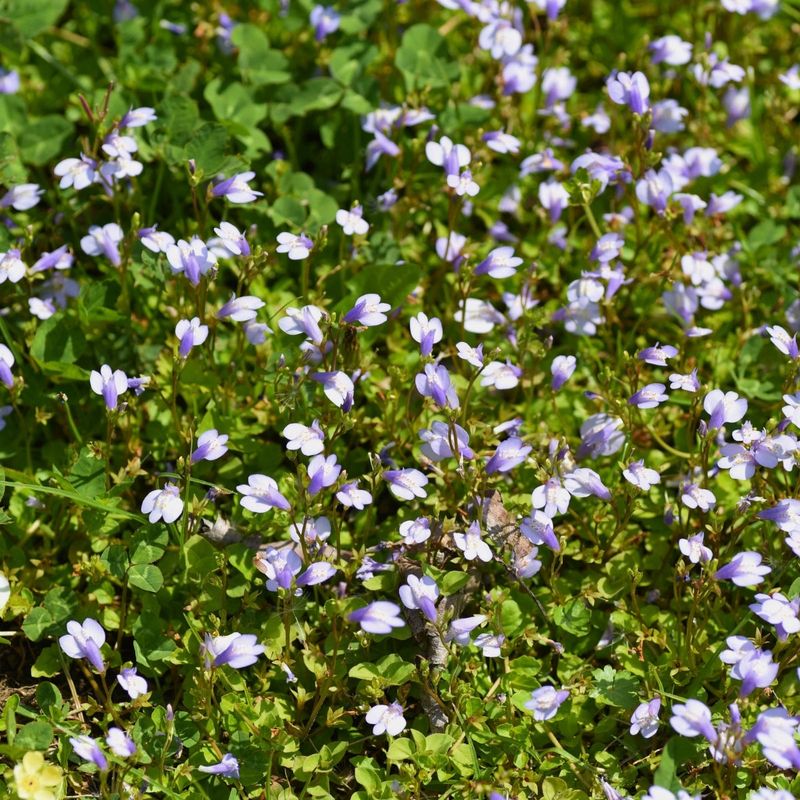
Creeping mazus may not be the most familiar name on this list, but Tennessee gardeners who’ve tried it tend to become loyal fans.
This low-growing plant spreads into a dense, fine-textured mat that tolerates moderate foot traffic surprisingly well.
It is also non-toxic to pets, making it a safe pick for busy backyards.
One of creeping mazus’s most appealing features is its tiny but showy flowers, which come in purple, lavender, or white with cheerful yellow and white markings at the center.
The blooms appear in late spring, right around the time May planting gets underway.
Full sun to partial shade and moist, fertile soil bring out the best in this plant.
When planting in May, space creeping mazus plants about 6 to 12 inches apart and keep the soil moist while the plants root in.
It spreads steadily through the growing season without becoming aggressive or invasive, which makes it easy to manage in a home garden.
Warm spring temperatures help it establish quickly and spread before summer heat arrives.
Between pavers, along garden edges, and in areas where grass refuses to grow, creeping mazus fills in beautifully.
Pets can walk across it without causing lasting damage.
For a pet-safe groundcover that punches above its name recognition, creeping mazus deserves a spot in more yards this May.