Pick Better Mulch With These 10 Oregon Gardening Tips
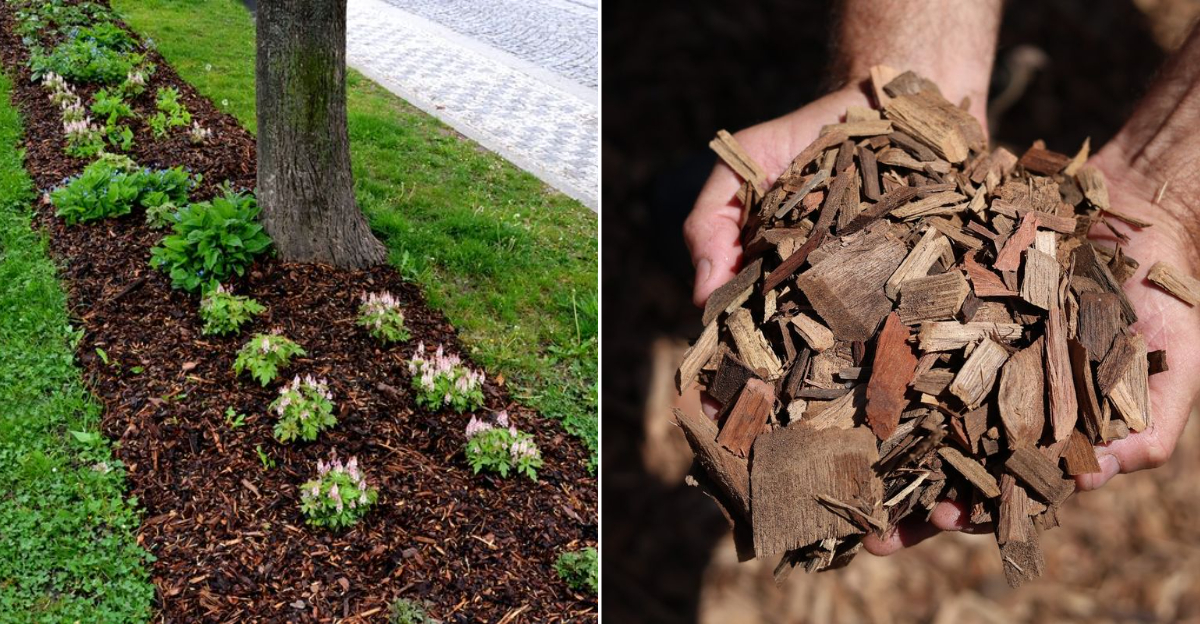
Mulch might seem like just a layer of soil cover, but picking the right kind can make a huge difference in an Oregon garden. It helps retain moisture, keep weeds down, and even protect plants during cold, wet winters.
But with so many options, bark, straw, compost, and more, it can be tricky to know what works best for flowers, vegetables, and shrubs.
The good news is that a little guidance can turn mulch from a “maybe” into a gardening game-changer.
Understanding which type suits the soil, the climate, and the plants makes it easier to keep your garden healthy and thriving all year long.
Whether it’s keeping soil cool in the summer, adding nutrients as it breaks down, or giving garden beds a neat, finished look, the right mulch can do more than most gardeners realize.
These tips are designed to help Oregon gardeners make smarter choices, get better results, and enjoy a little less work along the way.
Mulch isn’t just decoration, it’s a tool that can make your garden happier and healthier with minimal effort.
1. Choosing The Right Mulch For Oregon Rainfall
Oregon gardeners know rainfall patterns shift dramatically depending on where you live and what season you’re in.
Western Oregon receives heavy winter rains that can waterlog soil and wash away lightweight mulches, while summer brings months of dry weather that bakes beds and stresses plants.
Your mulch needs to handle both extremes without creating problems.
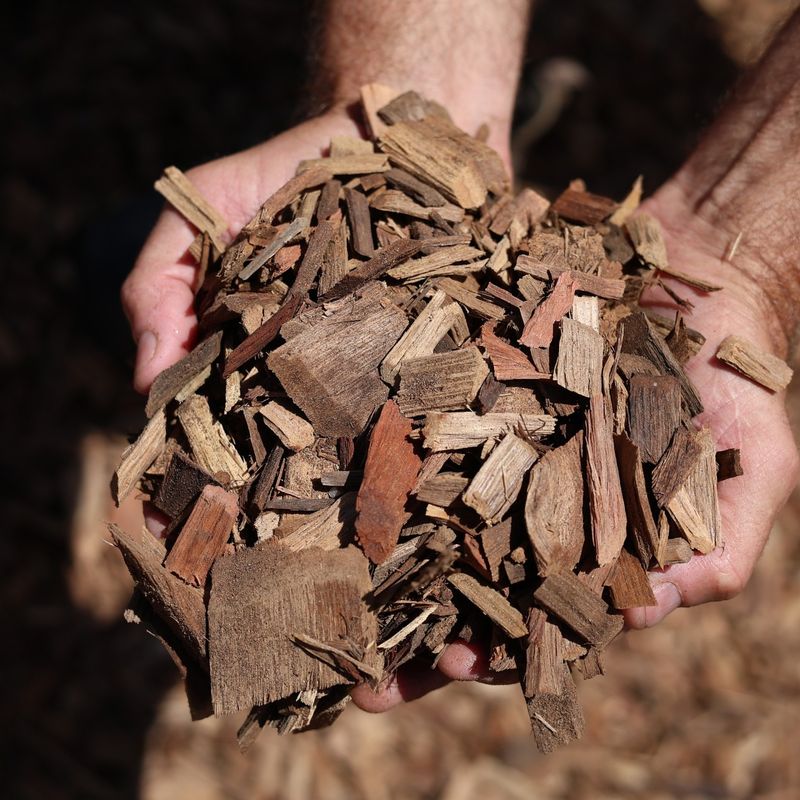
Bark chips and shredded wood mulches work beautifully in rainy areas because they stay put during downpours and allow water to penetrate slowly into the soil beneath. They won’t float away or create soggy mats that suffocate plant roots.
Lighter materials like straw or fine compost can wash downhill or compact into dense layers that block air and water movement.
In drier eastern Oregon regions, you want mulch that conserves every drop of moisture. Heavier wood chips or even rock mulches help shade soil and reduce evaporation without needing frequent replacement.
Watch how your mulch behaves after the first few rainstorms. If you notice it shifting, clumping, or forming waterlogged patches, switch to a coarser texture that drains better while still protecting your soil from erosion and temperature swings throughout the year.
2. Matching Mulch To Soil Type
Your soil tells you what kind of mulch it needs if you know how to listen. Clay-heavy soils common throughout the Willamette Valley hold water stubbornly and drain slowly, which means adding mulch that breaks down quickly can make drainage problems worse.
Sandy soils found in parts of central and eastern Oregon let water rush through too fast, leaving plant roots thirsty even after watering.
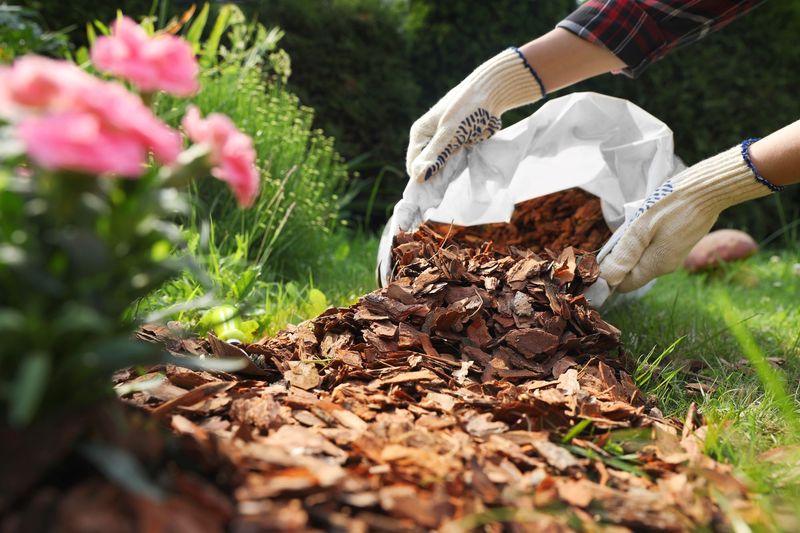
For clay soils, choose coarser wood chips or bark nuggets that decompose gradually and create air pockets as they settle. This helps improve soil structure over time without adding too much organic matter too quickly.
Avoid fine compost or leaf mold as primary mulches on clay because they can seal the surface and prevent oxygen from reaching roots.
Sandy soils benefit from nutrient-rich mulches that break down faster and feed the soil while improving its ability to hold moisture. Compost, aged manure mixed with straw, or finely shredded leaves work wonderfully here.
These materials decompose into the sandy base and gradually build up organic content that helps retain water and nutrients.
Check your soil type by squeezing a handful after watering—if it forms a sticky ball, you have clay; if it falls apart immediately, it’s sandy.
3. Seasonal Mulching Timing In Oregon
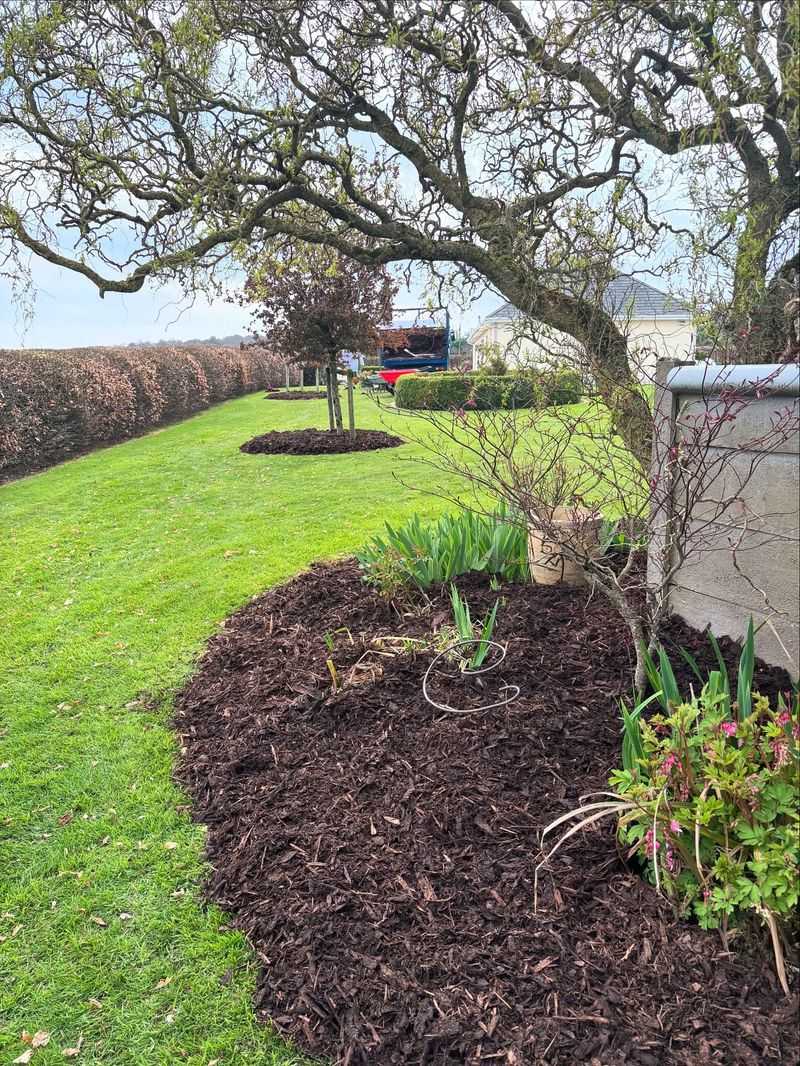
Timing your mulch application around Oregon’s seasons makes a noticeable difference in how well your garden performs.
Spring mulching protects emerging plants and helps soil warm gradually as temperatures rise, but putting it down too early can trap cold and delay growth.
Fall mulching insulates roots before winter freezes arrive and gives organic materials time to start breaking down before spring growth begins.
Most Oregon gardeners find late April or early May ideal for spring mulching because soil has warmed enough for roots to become active. Spread mulch after you’ve cleaned up winter debris and applied any early-season fertilizers.
This timing lets you lock in soil moisture before summer drought sets in while giving beneficial soil organisms room to work.
Fall mulching works best in October or November after you’ve finished harvesting and cutting back perennials.
Mulch applied then protects soil from winter erosion and temperature fluctuations while slowly feeding nutrients into the ground as rain breaks it down.
Avoid mulching too late in winter when soil is already saturated, as this can create anaerobic conditions that harm roots. Watch the weather patterns in your specific area and adjust timing by a few weeks if needed to match local conditions and frost dates.
4. Organic Vs Inorganic Mulch Choices
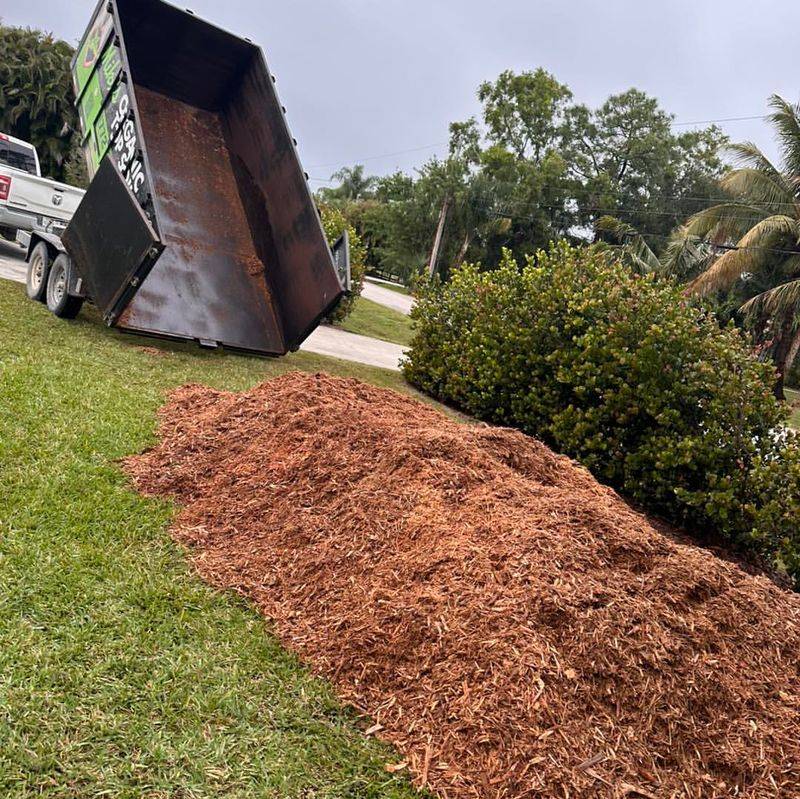
Walking through garden centers, you’ll encounter two distinct mulch families: organic materials that break down over time and inorganic options that stay put for years.
Each type serves different purposes in Oregon gardens, and understanding when to use which one saves you time and improves plant health.
Organic mulches like bark, wood chips, compost, straw, and leaves decompose gradually, feeding your soil with nutrients and improving structure as they break down.
They’re perfect for vegetable beds, annual flower gardens, and around shrubs where you want to build soil health year after year.
The downside is you need to replenish them regularly, usually once or twice per year depending on how quickly they decompose in your climate zone.
Inorganic mulches such as landscape fabric, gravel, or rubber nuggets don’t feed the soil but they provide long-lasting weed suppression and temperature control.
They work well in pathways, around established trees, or in ornamental beds where you prioritize low maintenance over soil building.
Many Oregon gardeners use a combination approach—organic mulches in active growing areas and inorganic materials in permanent landscape features.
Just remember that inorganic mulches can make it harder to improve soil over time since they block organic matter from reaching the ground beneath.
5. Mulch Depth and Coverage Techniques
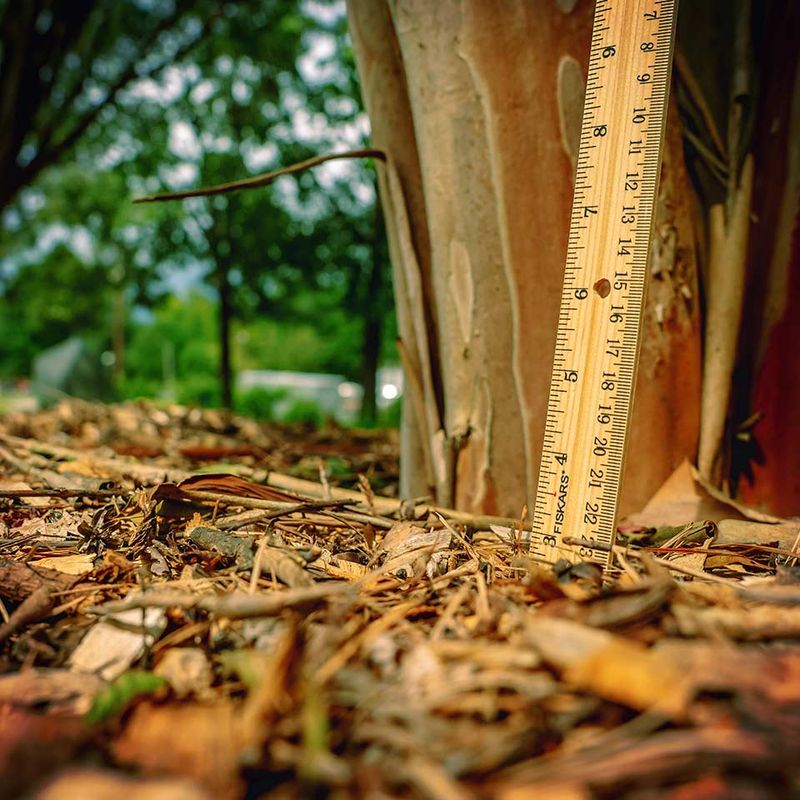
Getting mulch depth right feels like a balancing act at first, but it makes an enormous difference in how well your plants thrive.
Too little mulch won’t suppress weeds or retain moisture effectively, while too much can suffocate roots, encourage pests, and create soggy conditions that promote disease.
Most Oregon gardens benefit from a two-to-four-inch layer of mulch around plants. Measure from the soil surface, not from the top of existing mulch if you’re topping up an old layer.
Finer materials like compost or shredded leaves work best at two to three inches, while coarser wood chips can go up to four inches without causing problems. Always keep mulch pulled back a few inches from plant stems and tree trunks to prevent rot and discourage rodents from nesting against the bark.
When spreading mulch, aim for even coverage that follows the drip line of trees and shrubs—that’s the area directly beneath the outer edge of branches where rain naturally falls.
For vegetable beds, cover the entire surface between plants but leave small clearings around stems.
Check mulch depth every few months because it settles and decomposes over time. You’ll know you’ve got it right when soil stays consistently moist but not waterlogged and weeds struggle to push through the protective layer.
6. Weed Prevention Using Mulch
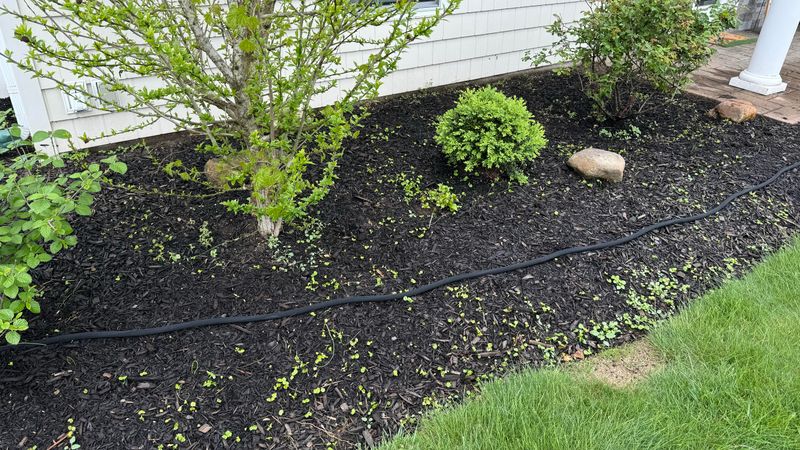
Weeds frustrate every gardener, but mulch gives you a powerful advantage in the ongoing battle to keep them under control.
A proper mulch layer blocks sunlight from reaching weed seeds in the soil, preventing germination before it starts.
This passive approach saves hours of hand-pulling and reduces the need for chemical controls in Oregon gardens where moisture and mild temperatures can turn weed problems into overwhelming invasions.
The key to effective weed prevention is applying mulch over relatively clean soil. Pull or dig out existing weeds before spreading your mulch layer, because mulch won’t kill established plants—it only prevents new seeds from sprouting.
If you’re dealing with persistent perennial weeds like bindweed or quackgrass, consider laying down cardboard or several layers of newspaper before mulching.
These biodegradable barriers block light completely while eventually breaking down to feed your soil.
Maintain your mulch layer throughout the growing season by adding fresh material when you notice bare spots appearing. Weeds that do manage to sprout through mulch are usually easy to pull because their roots haven’t established deeply in the loose material.
Wood chip mulches tend to suppress weeds longer than finer materials, but any mulch works better than bare soil when it comes to keeping your garden beds tidy and reducing maintenance time.
7. Moisture Retention Benefits
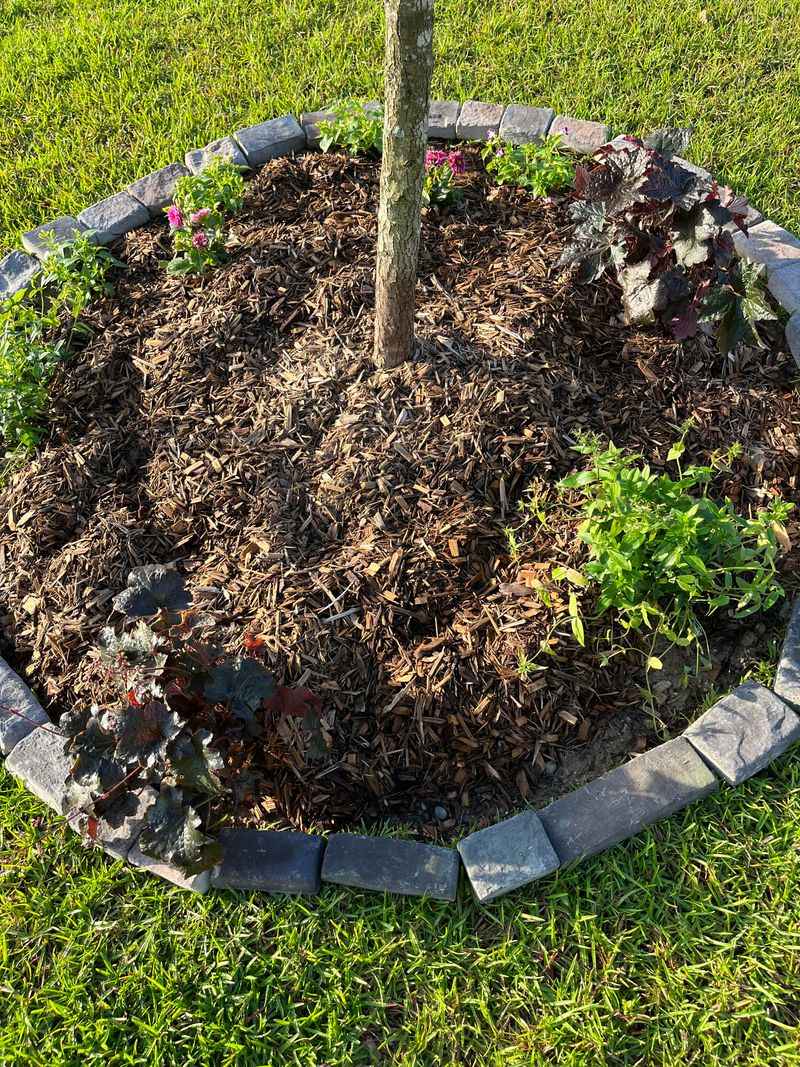
Oregon summers can surprise gardeners with long dry stretches that stress plants and force you to water constantly. Mulch acts like a protective blanket that slows evaporation from soil, keeping moisture available to roots even when rain disappears for weeks.
This benefit alone makes mulching worthwhile in every Oregon garden, regardless of your specific climate zone.
Soil covered with mulch stays moist longer because the layer shades the surface and reduces air movement that pulls water vapor away.
You’ll notice the difference when you push aside mulch and feel cool, damp soil beneath while unmulched areas have dried to dust.
This consistent moisture helps plants develop deeper, healthier root systems that make them more resilient during heat waves and drought periods.
Different mulch materials retain moisture at different rates. Wood chips and bark create excellent moisture barriers that last through summer, while lighter materials like straw provide good coverage but dry out faster themselves.
Compost mulches hold moisture beautifully and feed soil simultaneously, though they break down quickly and need replenishing. Apply mulch in spring before the dry season begins, and water deeply before spreading it to lock maximum moisture into the root zone.
Your watering schedule should decrease noticeably once mulch is in place, saving time and reducing water bills throughout the growing season.
8. Temperature Protection For Roots
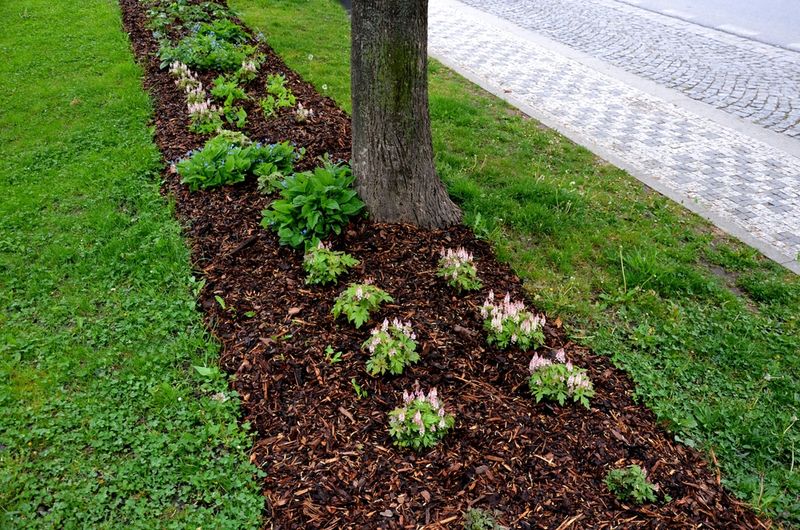
Plant roots live in a hidden world where temperature swings can cause serious stress and damage. Oregon weather shifts unpredictably between seasons and even within single days, with soil temperatures fluctuating wildly in unmulched beds.
Mulch moderates these extremes by insulating the soil surface, keeping roots cooler in summer heat and warmer during winter freezes.
During summer, bare soil can heat up to temperatures that literally cook shallow roots and kill beneficial soil organisms.
A good mulch layer keeps soil temperatures 10 to 15 degrees cooler, creating a comfortable environment where roots can continue growing and absorbing nutrients even during heat waves.
This protection is especially important for vegetables, perennials, and newly planted shrubs that haven’t developed deep root systems yet.
Winter brings the opposite challenge as freezing temperatures penetrate unmulched soil and damage tender roots. Mulch slows heat loss from the ground, preventing the freeze-thaw cycles that heave plants out of the soil and break roots.
Apply winter mulch after the ground has cooled but before hard freezes arrive, usually in late fall for most Oregon areas.
Don’t mulch too early in fall or you’ll keep soil warm longer than natural, which can delay dormancy and leave plants vulnerable to early freezes.
The goal is steady, moderate soil temperatures year-round that support healthy root growth and protect your investment in plants.
9. Eco-Friendly Mulch Options
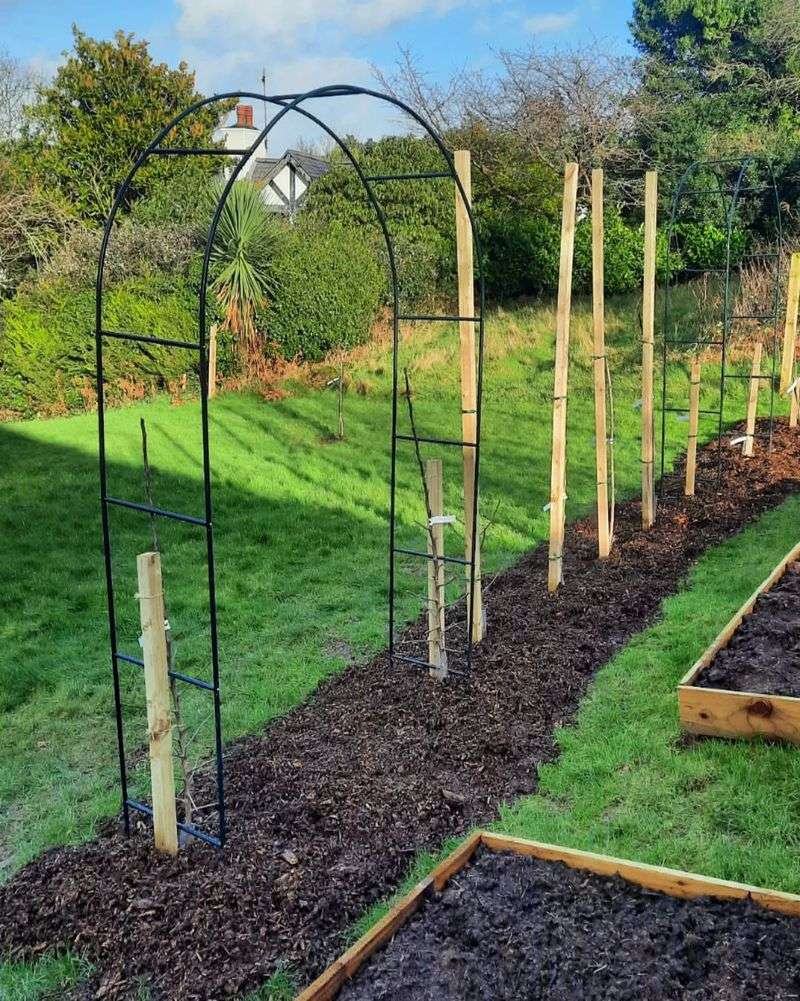
Many Oregon gardeners care deeply about environmental impact and want mulch choices that support sustainability while improving their gardens.
Fortunately, some of the most effective mulches are also the most eco-friendly, often available locally and made from recycled or renewable materials.
Arborist wood chips top the list for environmentally conscious gardeners. Tree services generate massive amounts of chipped branches and trunks that would otherwise go to landfills, and many companies offer free chips to local gardeners.
These chips provide excellent mulch that breaks down slowly, feeds soil organisms, and costs nothing but the effort of picking them up or having them delivered. Just make sure you’re getting plain wood chips without treated lumber or construction debris mixed in.
Leaves collected from your own yard or neighborhood make outstanding free mulch when shredded with a mower or leaf shredder.
They’re packed with nutrients, break down relatively quickly to enrich soil, and keep organic matter cycling locally instead of being trucked away.
Straw from local farms works beautifully in vegetable gardens and around annual flowers, though you’ll want to source certified weed-free straw to avoid introducing unwanted seeds.
Compost made from yard waste and kitchen scraps closes the loop completely, turning your own organic materials into valuable mulch that builds soil health while reducing waste sent to disposal facilities.
10. Common Mulching Mistakes To Avoid
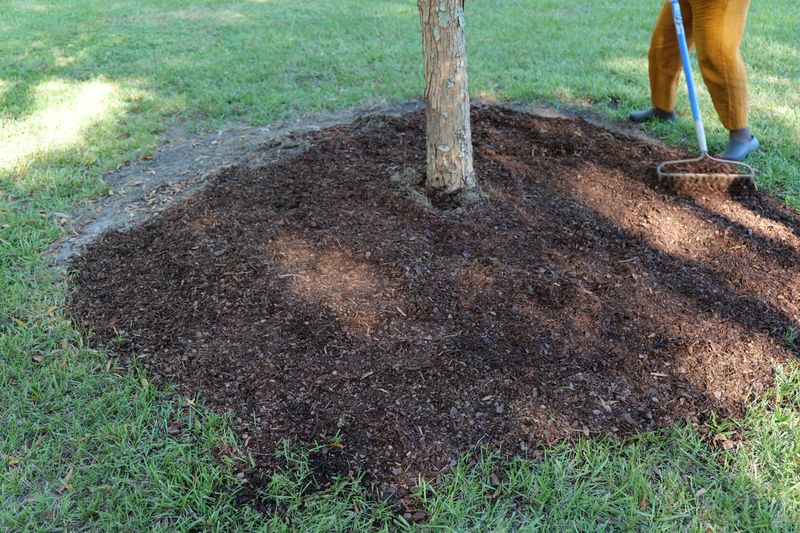
Even experienced gardeners make mulching mistakes that reduce effectiveness or actually harm plants. Recognizing these common errors helps you get better results from the time and money you invest in mulching your Oregon garden.
Volcano mulching ranks as the most widespread mistake—piling mulch high against tree trunks or plant stems creates moisture problems that rot bark and invite pests.
Always pull mulch back several inches from trunks and stems, creating a small crater rather than a mound.
Another frequent error is applying mulch over dry soil, which locks in the dryness instead of moisture.
Water thoroughly before mulching to ensure you’re trapping beneficial moisture in the root zone.
Using the wrong mulch type for your situation causes frustration too. Fine mulches in windy areas blow away, while water-repellent materials like dry cedar bark can shed rain instead of letting it through to soil.
Avoid mulching too early in spring when soil is still cold, as this delays warming and slows plant growth. Don’t let mulch layers build up year after year without breaking up compacted areas—old mulch can form dense mats that block water and air.
Finally, resist the temptation to mulch too deeply, which suffocates roots and creates perfect habitat for voles and other rodents that damage plants.
Keep layers moderate, refresh as needed, and adjust your approach based on what you observe in your specific garden conditions.