7 Pine Cone-Burying Benefits Maine Gardeners Have Been Using For Years
Forget everything you think you know about soil prep.
Maine gardeners have been quietly sitting on a secret for generations, and it starts with something most of us rake up and toss without a second thought.
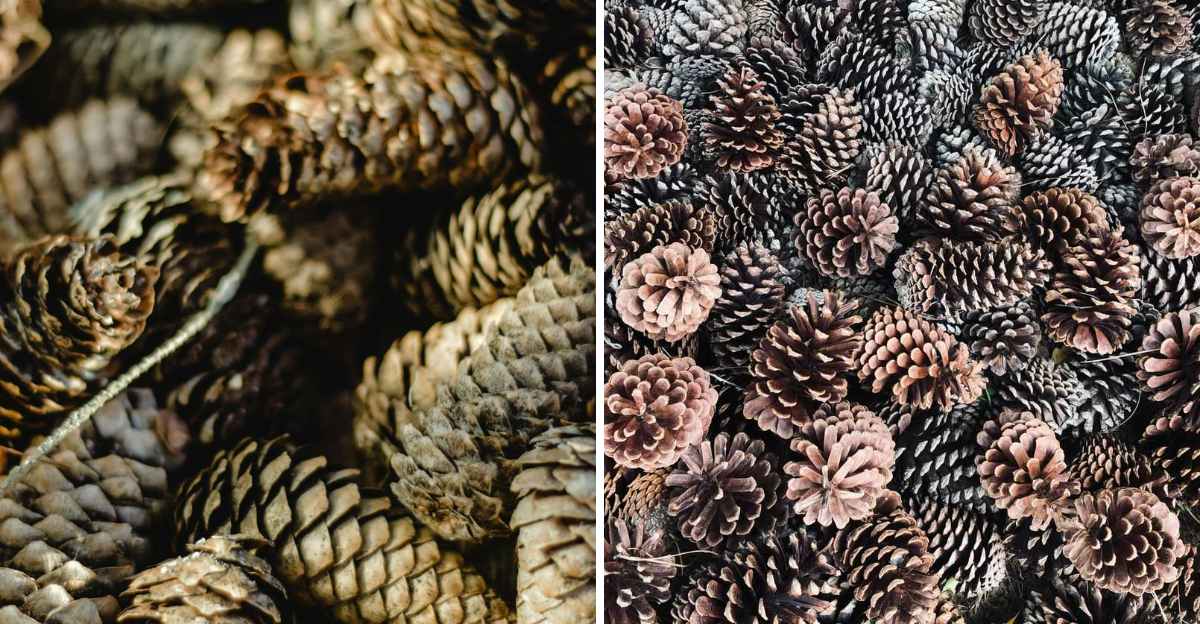
Pine cones. Buried before the first frost and tucked into garden beds like small wooden gifts to the earth, they work through winter while everything else sleeps.
Come spring, something shifts. The soil feels different.
Looser, richer, more alive. Experienced growers across Maine notice it every year, though many could not tell you exactly why it works. They just know that it does.
No expensive amendments. No complicated methods.
Just a handful of pine cones and a little patience. Sometimes the oldest tricks are the ones worth trusting. And this one has been quietly proving itself in New England gardens for longer than most of us have been paying attention.
1. They Decompose So Your Soil Can Thrive
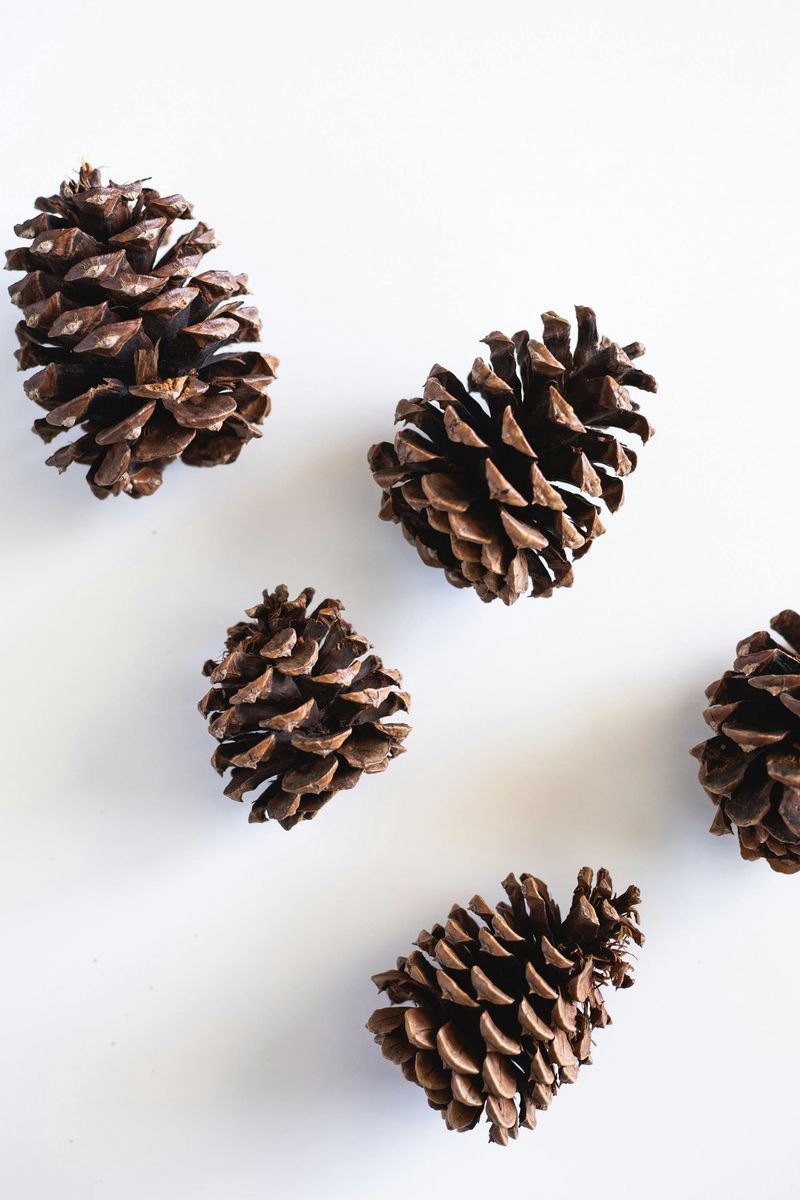
Buried pine cones do not just sit there looking pretty underground.
Over months and years, they slowly break apart, and what they leave behind is a looser, richer, more breathable layer of earth.
That transformation is quiet, but the results show up in a big way when your plants start pushing through in spring.
Fresh soil straight from a bag often feels fluffy, but native ground in New England tends to be compact and stubborn.
When pine cones are tucked into that dense earth, they act almost like little scaffolding structures.
As they soften and crumble, they push surrounding particles apart and create a more welcoming environment for roots to spread.
Roots need space to breathe just as much as they need water and nutrients.
Tight, compressed soil forces roots to work overtime just to move an inch.
Loose soil lets them travel freely, which means stronger, healthier plants above ground.
Beds amended with pine cones change slowly but noticeably.
Experienced growers across northern New England will tell you the texture gets darker and spongier with every passing season.
That soft, rich quality is not accidental.
It is the slow result of organic material breaking down and blending into the existing earth.
The process takes patience, but patience is something Maine gardeners tend to have in abundance.
Burying a batch of cones in autumn means the freeze-thaw cycle of winter actually speeds up the breakdown process.
By the time the ground warms again, the process has quietly begun.
Full breakdown takes several years, but even partially decomposed cones start contributing to the soil around them.
2. They Open Up Maine’s Dense, Heavy Soils
Standing water after a rainstorm is one of the most frustrating sights in a garden.
Puddles that linger for days signal a drainage problem, and in northern New England, that problem is practically a tradition.
The heavy glacial soils left behind by ancient ice sheets do not exactly roll out the welcome mat for water moving downward.
Buried pine cones change that dynamic in a surprisingly effective way.
Your Maine Garden Changes Every Week. Your Plan Should Too.
Gardening in Maine changes quickly throughout the season. Every Friday you’ll receive a simple weekly plan showing exactly what to plant, prune, fertilize, harvest, and protect so you never miss the right timing.
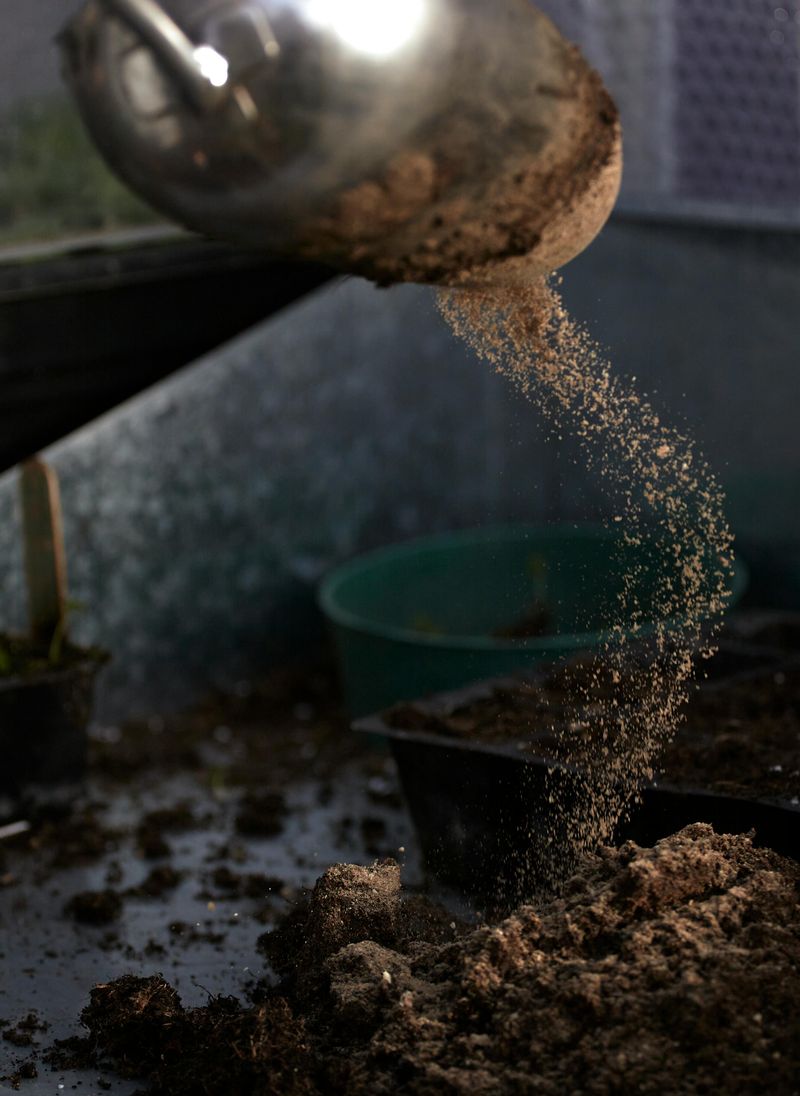
As each cone settles into the soil, it holds its shape long enough to create small gaps and channels in the surrounding earth.
Water finds those pathways and moves through them instead of pooling on the surface.
Think of it like placing small, irregular stones in a container of sand.
The gaps between them let liquid pass through faster than a solid, packed layer ever could.
Pine cones work on the same principle, except they eventually decompose and enrich the soil while doing it.
Gardeners who have struggled with soggy raised beds or waterlogged vegetable plots often report a noticeable improvement after incorporating pine cones into the lower layers.
Tucking them roughly six to ten inches deep gives them room to work without interfering with shallow-rooted annuals above.
The drainage benefit is especially valuable during the wet shoulder seasons of spring and fall.
Plants sitting in waterlogged ground are vulnerable to root problems that can wipe out an entire planting in days.
Better drainage is not just a comfort feature for your garden, it is a genuine line of defense.
3. They Feed The Plants That Thrive In Acidic Soil
Blueberries, azaleas, rhododendrons, and hydrangeas all have one thing in common.
They crave acidic soil the way a campfire craves dry wood.
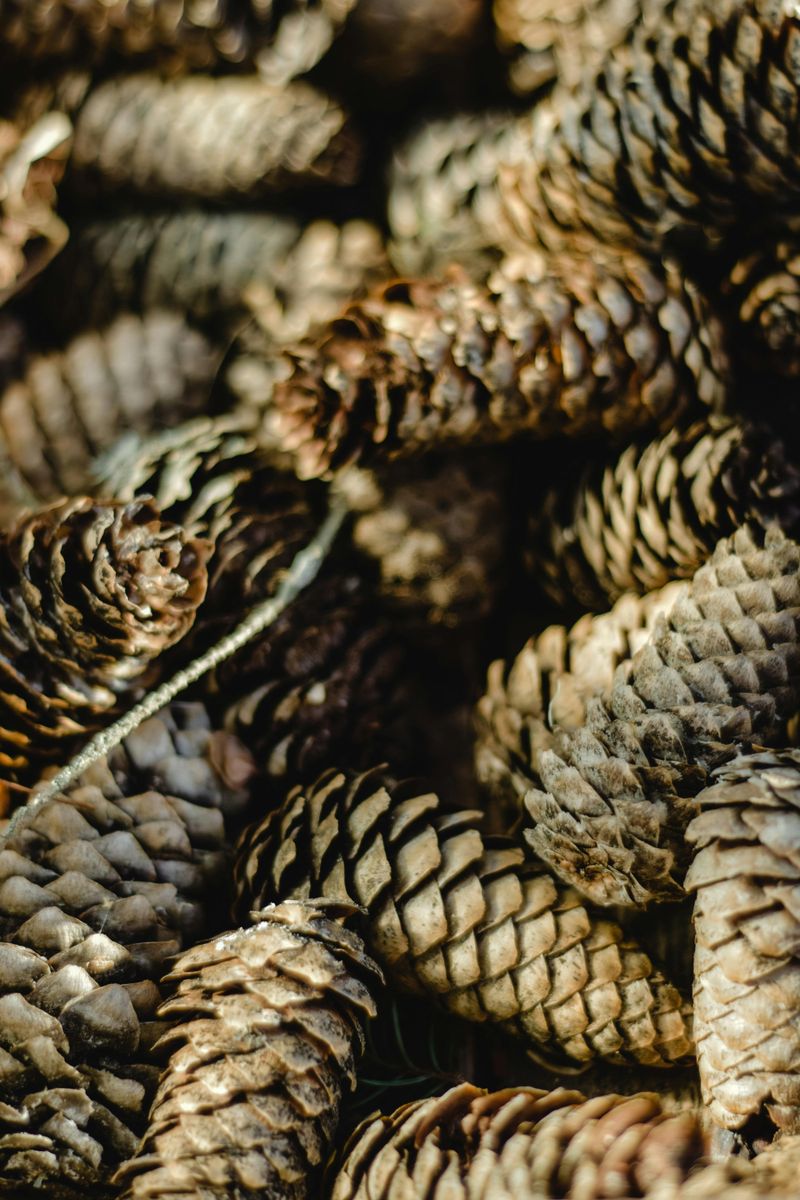
Pine cones can contribute a gentle acidifying effect to the surrounding soil as they break down over time.
As pine cones break down, they release organic acids into the surrounding earth.
The process is gradual, which is actually a good thing.
A sudden pH crash can stress plants, but a slow drift toward acidity gives roots time to adjust and even thrive.
Most garden centers sell soil acidifiers in bags, and they work, but they also cost money and require careful measuring.
Buried pine cones offer a gentler, more forgiving alternative that works in harmony with the natural forest chemistry already present in northern New England soils.
The ideal pH range for blueberries sits between 4.5 and 5.5.
Many native soils in this region already lean that direction, and adding decomposing pine material nudges the balance even further.
Some gardeners report that blueberries growing near pine trees tend to do particularly well, though many factors likely contribute.
A quick soil test from a local extension office tells you exactly where your pH stands.
If your numbers are creeping toward neutral, buried pine cones offer a gentle nudge in the right direction. Think of it as a supplement, not a fix.
And if you grow neutral-pH plants nearby, placement is worth thinking about. A slow pH shift can reach further than most people expect.
Nature figured out this formula long before any bag of granular acidifier ever hit a store shelf.
4. They Hold Water Where Your Plants Need It Most
July in northern New England can fool you.
The air feels humid, the mornings smell like rain, but the ground bakes faster than most people expect.
Dry stretches of two or three weeks are not rare, and shallow-rooted plants feel every single day of it.
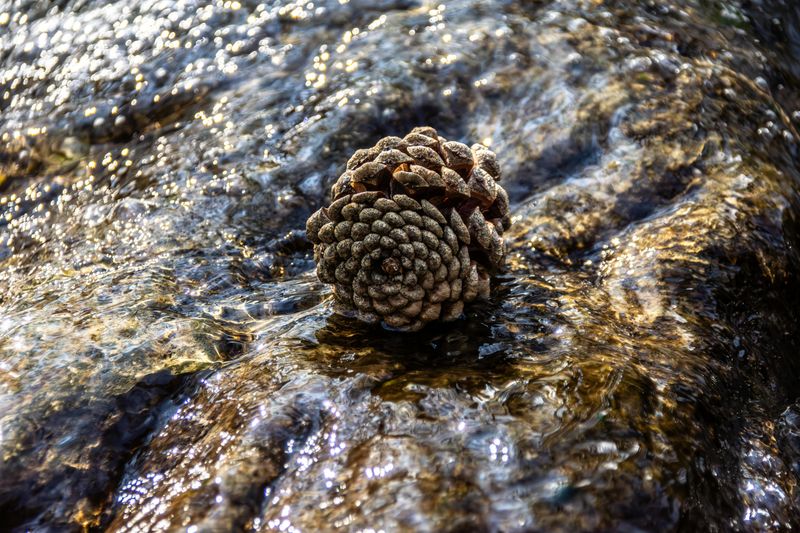
Buried pine cones act as small underground sponges during those dry spells.
As they decompose, their fibrous material absorbs water and holds onto it longer than bare soil would on its own.
That stored moisture becomes available to roots even when the surface looks cracked and parched.
Moisture retention is one of those garden benefits that is easy to overlook until you are hauling a hose across the yard every evening.
Anything that reduces how often you need to water is worth paying attention to.
Pine cones earn their keep in this department without any maintenance on your part.
Layering cones somewhere around four to eight inches below the soil surface tends to work well for moisture retention.
At that depth, they are below the zone where evaporation is strongest but still close enough to the root zone to make a real difference.
Combining buried cones with a layer of mulch on top creates a two-level moisture management system that serious gardeners love.
Water bills and time spent at the hose both shrink when your soil holds moisture more effectively.
For raised bed growers who deal with faster drying conditions, this technique can be a genuine game-changer.
A little preparation in fall pays off through the entire growing season ahead.
5. Decomposing Pine Cones Draw Earthworms In
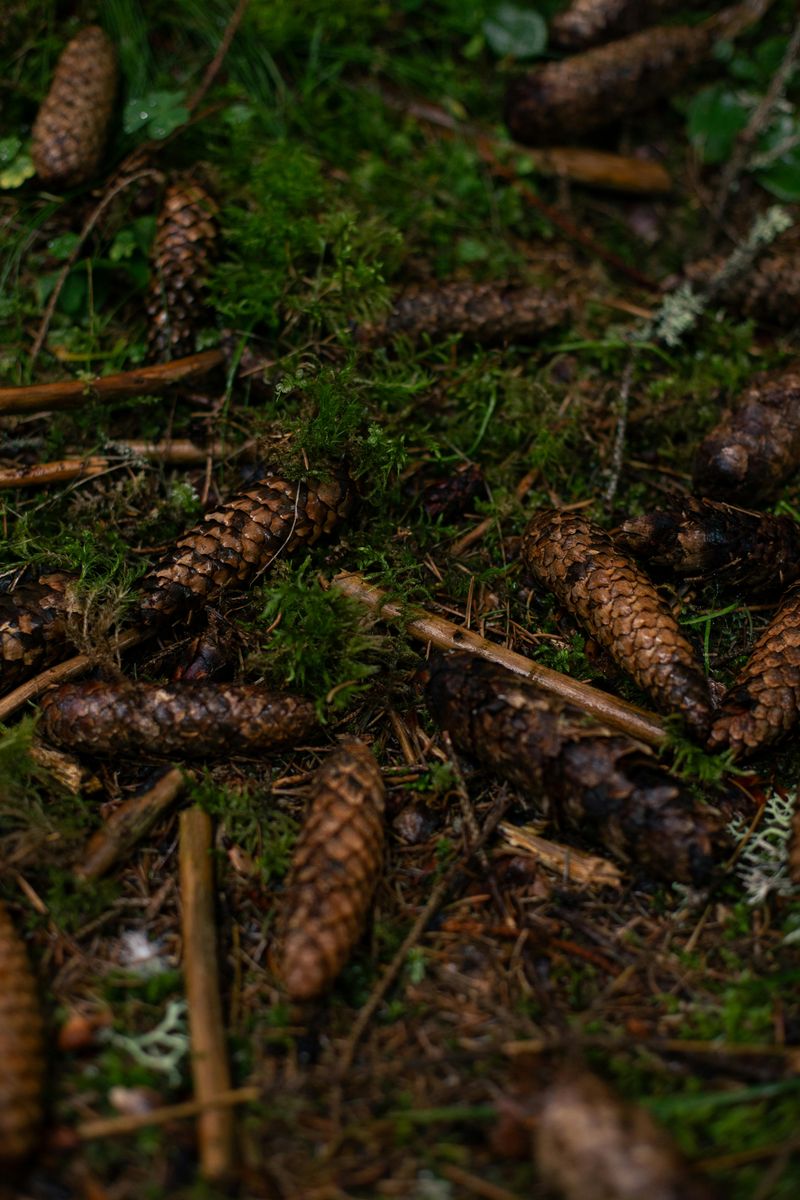
Earthworms are the unsung heroes of any productive garden.Where worms go, fertility follows.
And decomposing pine cones happen to be exactly the kind of underground environment that draws them in.
As the cones soften and break apart, they create a microhabitat full of texture, moisture, and organic material.Fungi, bacteria, beetles, and worms all find that environment appealing.
Each of those organisms plays a role in turning raw organic matter into the kind of nutrient-rich soil that plants absolutely love.
Worms are especially valuable because of what they leave behind.Their castings are loaded with nitrogen, phosphorus, and potassium in forms that plant roots can absorb immediately.
A garden bed teeming with worms is essentially running its own slow-release fertilizer system around the clock.
Beneficial fungi are another bonus.Certain fungal networks actually form partnerships with plant roots and help them pull in water and nutrients from a much wider area than the roots could reach alone.
Decomposing wood-based materials like pine cones encourage exactly those kinds of fungal communities to establish themselves.
The ripple effect of one small decision, burying a few cones, extends far beyond what most people imagine.More organisms in the soil means more biological activity.
More biological activity means faster nutrient cycling, better soil structure, and healthier plants season after season.
Gardeners who focus on feeding their soil rather than just their plants tend to see the biggest long-term improvements.
Pine cones are a free, effortless way to start building that underground ecosystem from the ground up.
6. They Quietly Return Carbon To The Ground
Carbon is the backbone of healthy soil, and most home gardens are quietly running low on it.
Modern gardening practices that remove plant debris, bag leaves, and skip composting have slowly depleted the carbon content in backyard soil across the country.
Pine cones are one of the simplest ways to start putting it back.
Every pine cone is packed with complex carbon compounds stored in its woody scales and core.
When buried, those compounds feed the microbial communities that make soil come alive.
Microbes break carbon down into humus, that dark, stable organic matter that gives rich soil its characteristic color and spongy feel.
Humus holds nutrients like a sponge holds water.
It keeps nitrogen, calcium, magnesium, and other essential elements from washing away every time it rains.
Building humus content is one of the most impactful things a gardener can do for long-term soil health.
Pine cones decompose more slowly than leaves or kitchen scraps, which is actually an advantage.
Fast-decomposing materials provide a quick burst of activity but burn out quickly.
Slower carbon sources like pine cones feed soil organisms steadily over months and years, creating a more consistent and stable environment.
Mixing buried cones with shredded leaves or straw can speed up decomposition and help balance the carbon-to-nitrogen ratio underground.
That combination mirrors what happens naturally on a forest floor, where pine needles, cones, and leaves layer together and slowly melt into the earth.
Your garden can run on the same system.
7. They Are Endlessly Available And Completely Free To Use
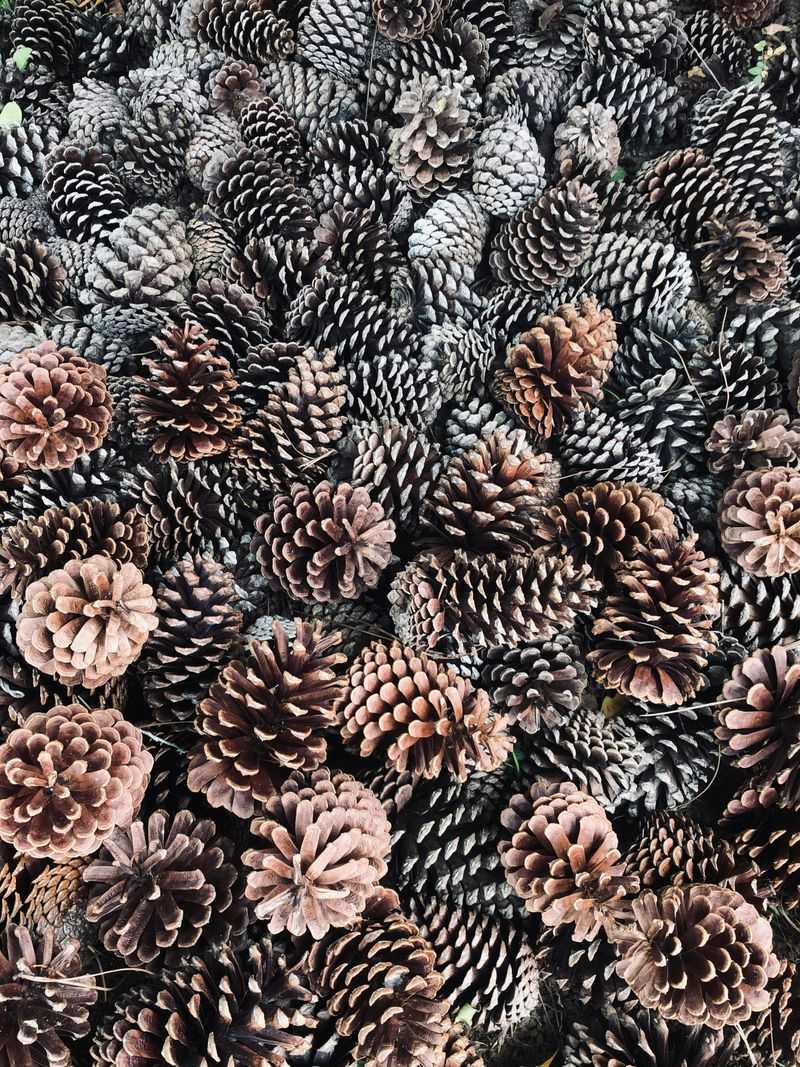
Walk almost anywhere in northern New England between August and November and the ground is covered in them. Pine cones drop by the thousands from white pines, red pines, and spruces across millions of forested acres.
Most people step over them without a second thought, but savvy gardeners see something else entirely: free soil amendment, delivered by nature.
The cost of improving garden soil can add up fast.
Bags of compost, perlite, peat moss, and soil conditioners all carry price tags that make a simple raised bed feel like an investment project.
Pine cones cost nothing except a short walk and a little bending over. Collecting them takes almost no equipment.
A canvas bag, a five-gallon bucket, or even a cardboard box from the recycling pile works perfectly.
Spend twenty minutes under the right tree and you can gather enough cones to amend an entire garden bed.
For families with children, cone collecting can turn into a genuinely fun outdoor activity.
Kids who help gather materials tend to take more interest in watching the garden grow.
That connection to the process is one of the quiet rewards of low-tech, nature-based gardening.
Beyond the obvious savings, using locally sourced materials keeps things simple and sustainable.
There are no shipping emissions, no plastic packaging, and no guessing about what extra ingredients might be mixed in.
What comes from the forest stays in the cycle, feeding the soil the same way it has for centuries.
Pine cone burying is proof that the best gardening secrets are often hiding right beneath your feet, waiting to be picked up.