Pink Leaf Houseplants Ohio Homeowners Love Growing In Water During Winter
Winter changes how Ohio homeowners care for houseplants.
Pink-leaf plants grown in water are popular because they avoid dry soil issues, fungus gnats, and winter mess.
Many pink varieties root easily in water and thrive indoors with minimal care.
Clear containers also allow homeowners to monitor roots and moisture levels easily.
During Ohio’s long winters, water-grown plants offer color, simplicity, and a cleaner way to keep houseplants healthy until spring.
Pink Syngonium (Syngonium Podophyllum ‘Neon’ Or ‘Pink Allusion’)
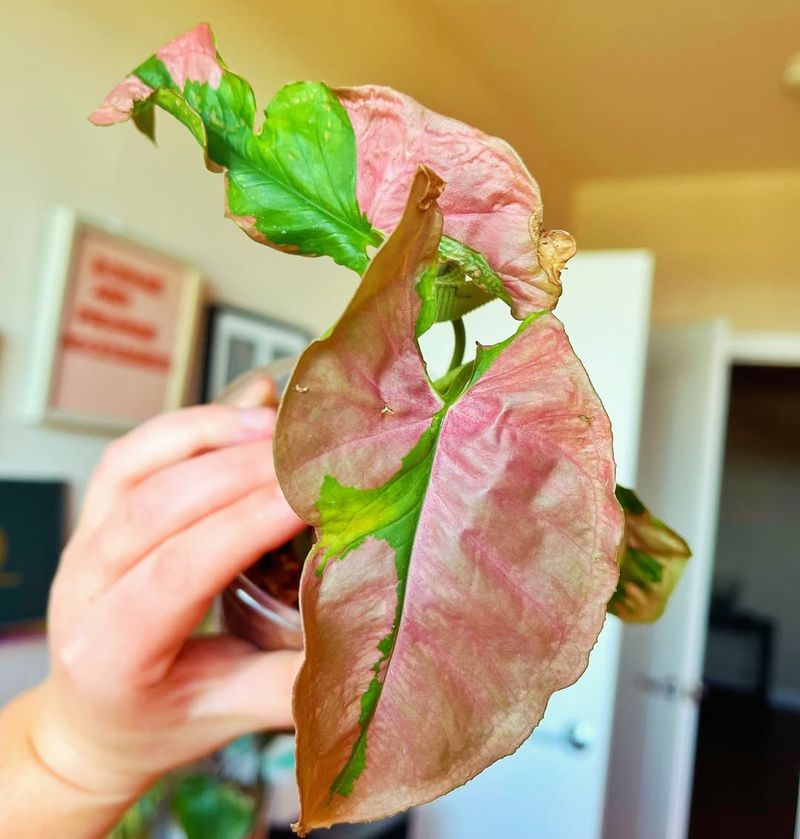
Arrow-shaped leaves in shades of soft pink make syngoniums a favorite among Ohio plant lovers who want something cheerful during cold months.
These tropical beauties adapt remarkably well to water propagation, sending out white roots within just a week or two of placing stem cuttings in a glass container.
The secret to their success lies in their natural ability to absorb nutrients directly through their roots, even without soil.
Bright indirect light near an east or west-facing window helps maintain that gorgeous pink coloring throughout winter.
Too much shade causes the leaves to fade toward green, while harsh direct sunlight can scorch the delicate foliage.
Change the water every five to seven days to prevent bacterial growth and keep those roots healthy.
Room temperatures between 65 and 75 degrees Fahrenheit work perfectly for these plants, which matches most Ohio homes during winter.
The compact growth habit makes them ideal for kitchen counters, bathroom shelves, or office desks where space might be limited.
New leaves emerge regularly, unfurling in deeper pink shades that gradually lighten as they mature, creating a beautiful gradient effect that captivates anyone who sees them.
Tradescantia ‘Nanouk’
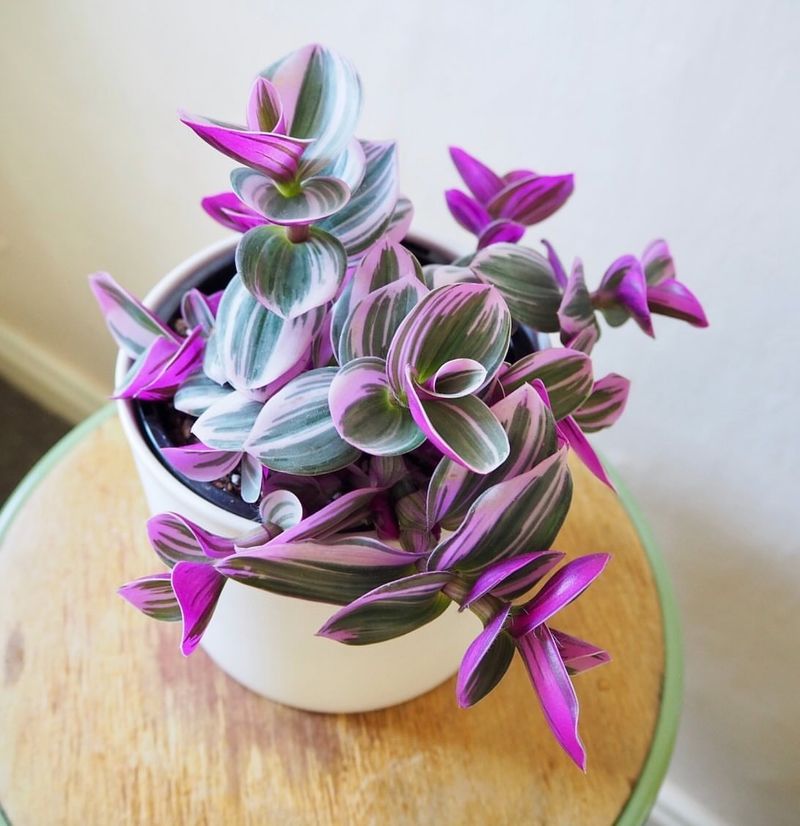
Fuzzy leaves striped in pink, cream, and green make Nanouk one of the most eye-catching tradescantias available to home gardeners today.
This relatively new cultivar grows vigorously in water, often producing visible root growth within just three to five days of placing cuttings in a jar.
The fast growth rate means you’ll see noticeable progress weekly, which keeps things exciting even during slow winter months.
Unlike many variegated plants that demand intense light, Nanouk tolerates Ohio’s lower winter light levels surprisingly well while maintaining its colorful stripes.
North-facing windows work fine, though brighter spots produce more compact growth and deeper pink tones.
The trailing habit looks fantastic in hanging containers or tall vases where stems can cascade over the edges.
Pinching back the growing tips encourages bushier growth and provides more cuttings to share with friends or expand your own collection.
Water changes every week keep things fresh, though this forgiving plant tolerates occasional neglect better than many houseplants.
Room temperatures between 60 and 80 degrees suit it perfectly, making it adaptable to various indoor conditions.
Purple undersides of the leaves add another dimension of color, especially visible when light shines through the foliage from behind.
Polka Dot Plant (Hypoestes Phyllostachya Pink Varieties)
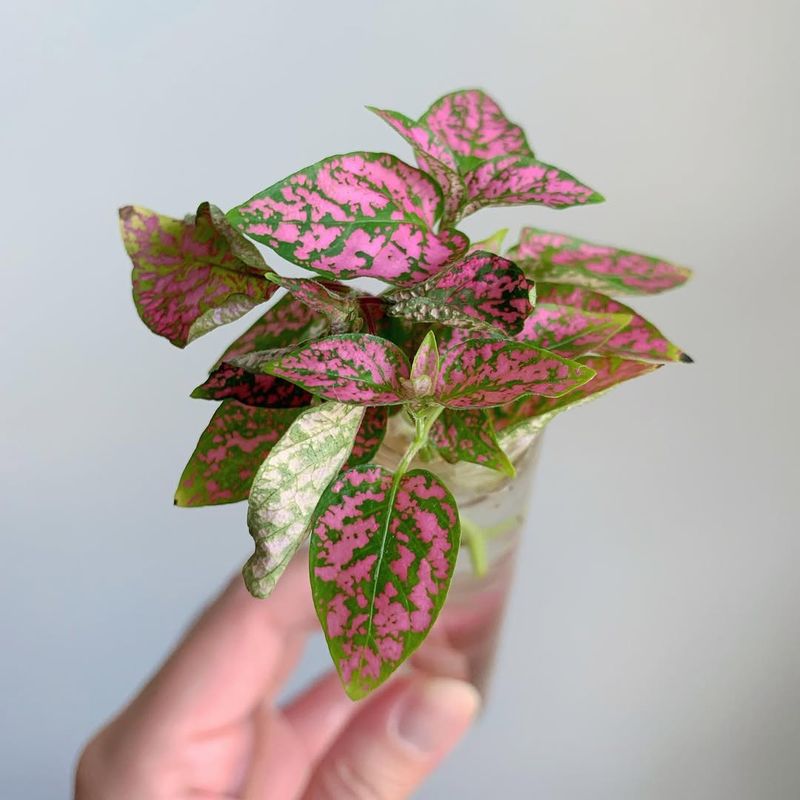
Splashed with vibrant pink spots against green backgrounds, polka dot plants bring playful energy to any room they inhabit.
These cheerful little plants transition to hydroponic growing quite easily, developing water roots within ten days when you place stem cuttings in clean containers.
Bright indirect light near windows intensifies the pink coloring, creating almost neon-bright displays that seem to glow.
Consistent moisture levels in water growing eliminate the main challenge of soil-grown polka dot plants, which tend to wilt dramatically when their roots dry out even slightly.
The hydroponic method keeps them constantly hydrated, resulting in perkier foliage and fewer stress-related issues.
Temperatures above 60 degrees work best, so keep them away from cold windowpanes during frigid Ohio nights.
Compact growth makes these plants perfect for small spaces like bathroom counters or bedroom nightstands where larger plants won’t fit.
Pinch the stems regularly to encourage branching and prevent the leggy growth that sometimes occurs in lower light conditions.
The pink varieties range from soft blush with tiny spots to bold magenta with heavy freckling, offering options for different decorating styles.
Replace the water weekly and rinse the roots gently to remove any slimy buildup that occasionally develops in warm indoor environments.
Pink Princess Philodendron
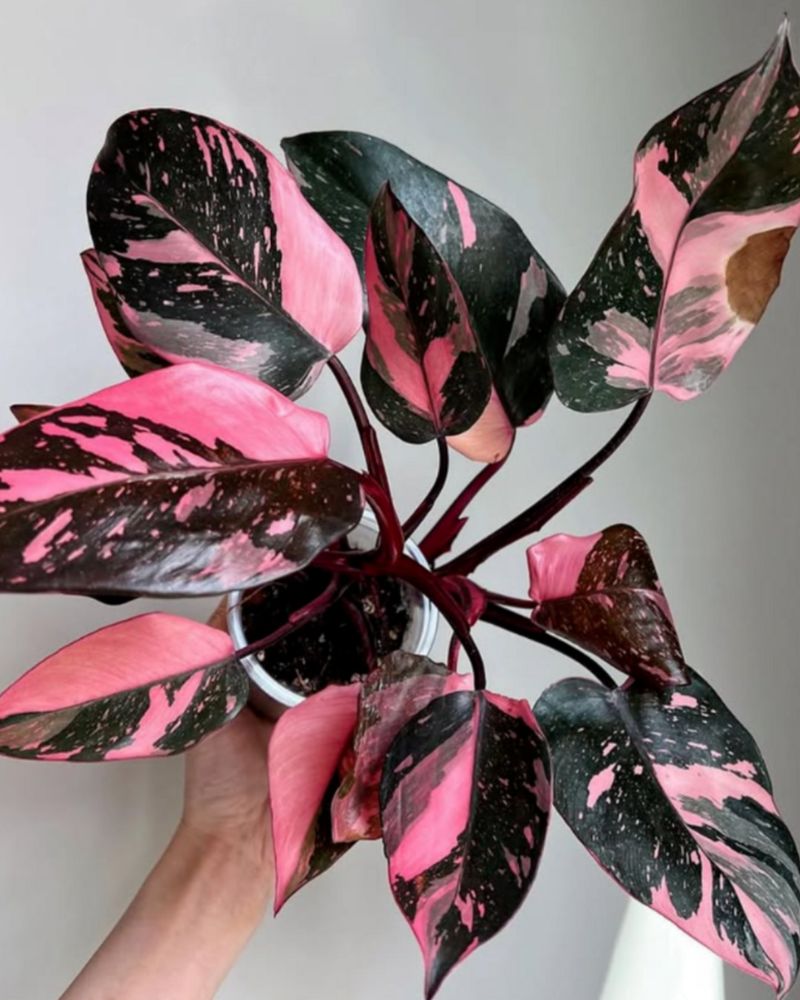
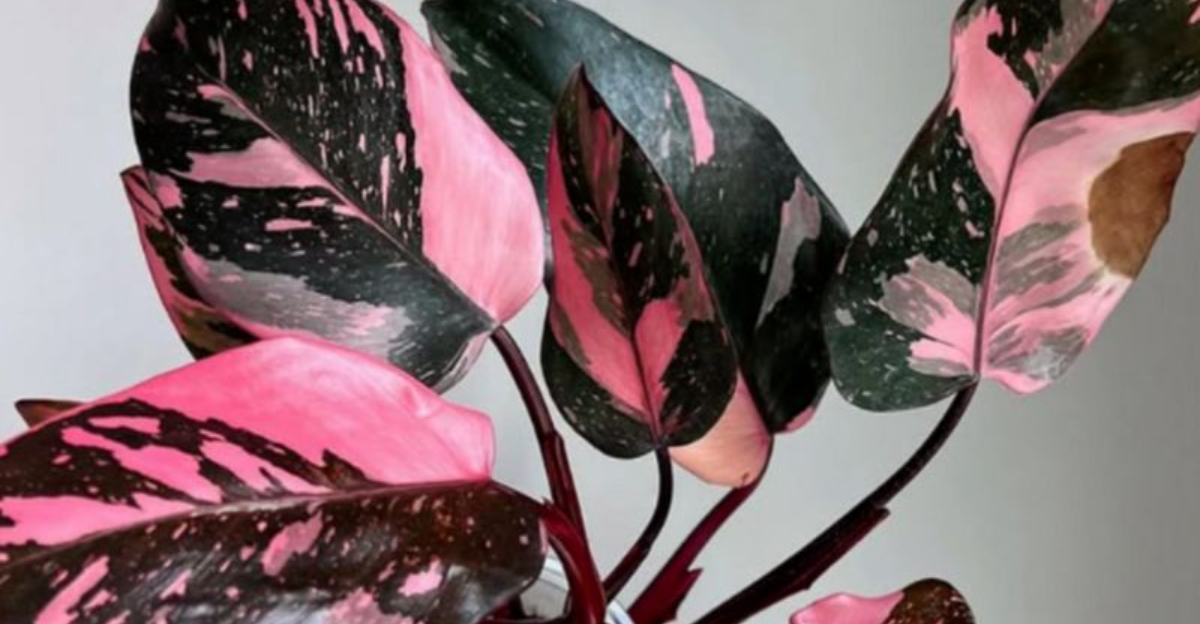
Collectors go wild for this stunning philodendron variety, and it’s easy to understand why once you see those dramatic pink splashes across deep green leaves.
Stem cuttings taken just below a node will develop roots in water within two to three weeks, making propagation both fun and rewarding.
Each leaf displays unique variegation patterns, meaning no two plants look exactly alike.
Bright filtered light proves essential for maintaining that coveted pink coloring, as insufficient light causes new growth to emerge completely green.
Position your water-grown cutting near a south-facing window with sheer curtains, or use a grow light during Ohio’s shorter winter days.
The variegated portions contain less chlorophyll, so they need extra brightness to photosynthesize effectively.
Stable indoor temperatures matter tremendously for this tropical plant, which struggles when exposed to drafts from doors or heating vents.
Keep the water level consistent, ensuring nodes stay submerged while leaves remain above the waterline to prevent rot.
Some growers add a tiny amount of liquid fertilizer to the water monthly during winter, though this remains optional.
Watch for new leaf emergence, which starts as a tight burgundy spiral before unfurling to reveal its pink patterns in a process that takes several days.
Pink Coleus Varieties
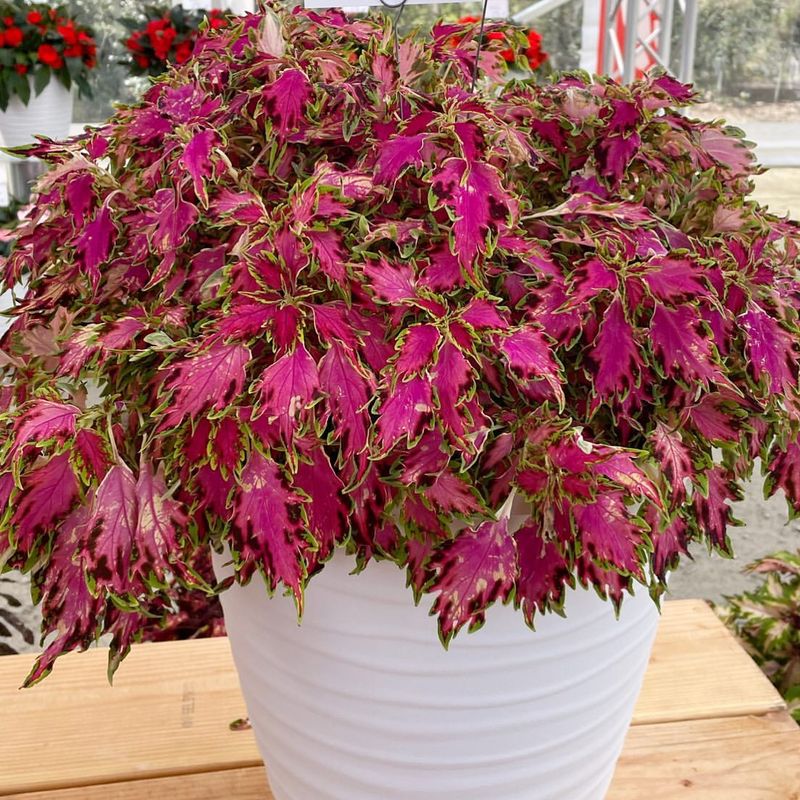
Ruffled edges and complex color patterns featuring pink, burgundy, cream, and green make coleus varieties absolutely stunning focal points.
Gardeners often grow these as outdoor annuals, but bringing cuttings indoors to root in water extends the enjoyment throughout winter months.
Stem cuttings root incredibly fast, sometimes showing white root bumps within just forty-eight hours of water placement.
Bright light maintains the intense pink coloration that makes these plants so desirable, with four to six hours of direct or bright filtered light being ideal.
South or west-facing windows provide enough intensity during Ohio’s cloudy winter days to keep the foliage vibrant.
Insufficient light causes the pink tones to fade toward green, though the plants remain healthy even if less colorful.
Pinch off flower spikes as they appear, since flowering signals the plant to slow leaf production and focus energy on seed development instead.
The rapid growth means you’ll need to change water every five days or so, as roots quickly deplete available nutrients and oxygen.
Room temperatures between 65 and 75 degrees suit them perfectly, matching typical indoor heating settings.
Rotate the container every few days so all sides receive equal light exposure, promoting balanced growth rather than plants leaning heavily toward the window.
Dozens of pink varieties exist, from soft pastel shades to nearly neon bright selections.
Pink Aglaonema (Chinese Evergreen Varieties)
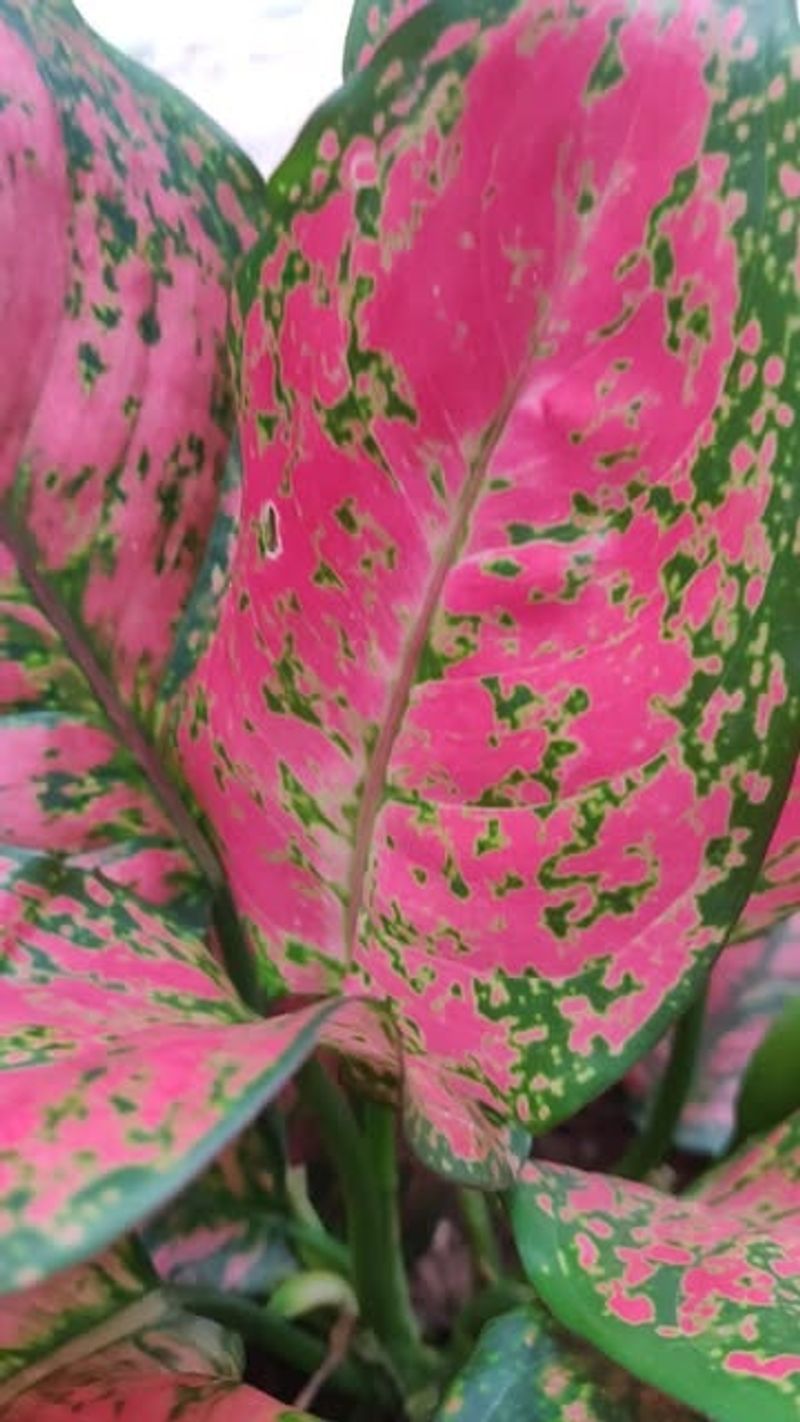
Broad leaves painted in shades of pink, red, and green make aglaonemas some of the most elegant houseplants available for water growing.
Varieties like ‘Valentine’ and ‘Siam Aurora’ feature particularly intense pink coloring that stays vibrant even in the low light conditions common in Ohio homes during winter.
These tough plants adapt remarkably well to hydroponic growing, transitioning from soil to water with minimal fuss.
Lower light tolerance sets aglaonemas apart from many other pink-leafed options, making them perfect for rooms without bright windows or offices with only fluorescent lighting.
They grow slowly compared to faster plants like tradescantia, but this measured pace means less frequent maintenance and longer-lasting arrangements.
Mature plants can remain in water indefinitely, not just as temporary propagation projects.
Warm temperatures above 65 degrees suit these tropical natives best, so avoid placing them near drafty doors or cold window glass.
Change the water every ten to fourteen days, as the slower growth rate means less rapid nutrient depletion than faster-growing species.
The thick, waxy leaves resist many common pest problems, making them low-maintenance choices for busy households.
New leaves emerge tightly rolled from the center, gradually unfurling over several days to reveal their pink patterns in a mesmerizing process worth watching closely.
Philodendron ‘Pink Congo’ Cuttings
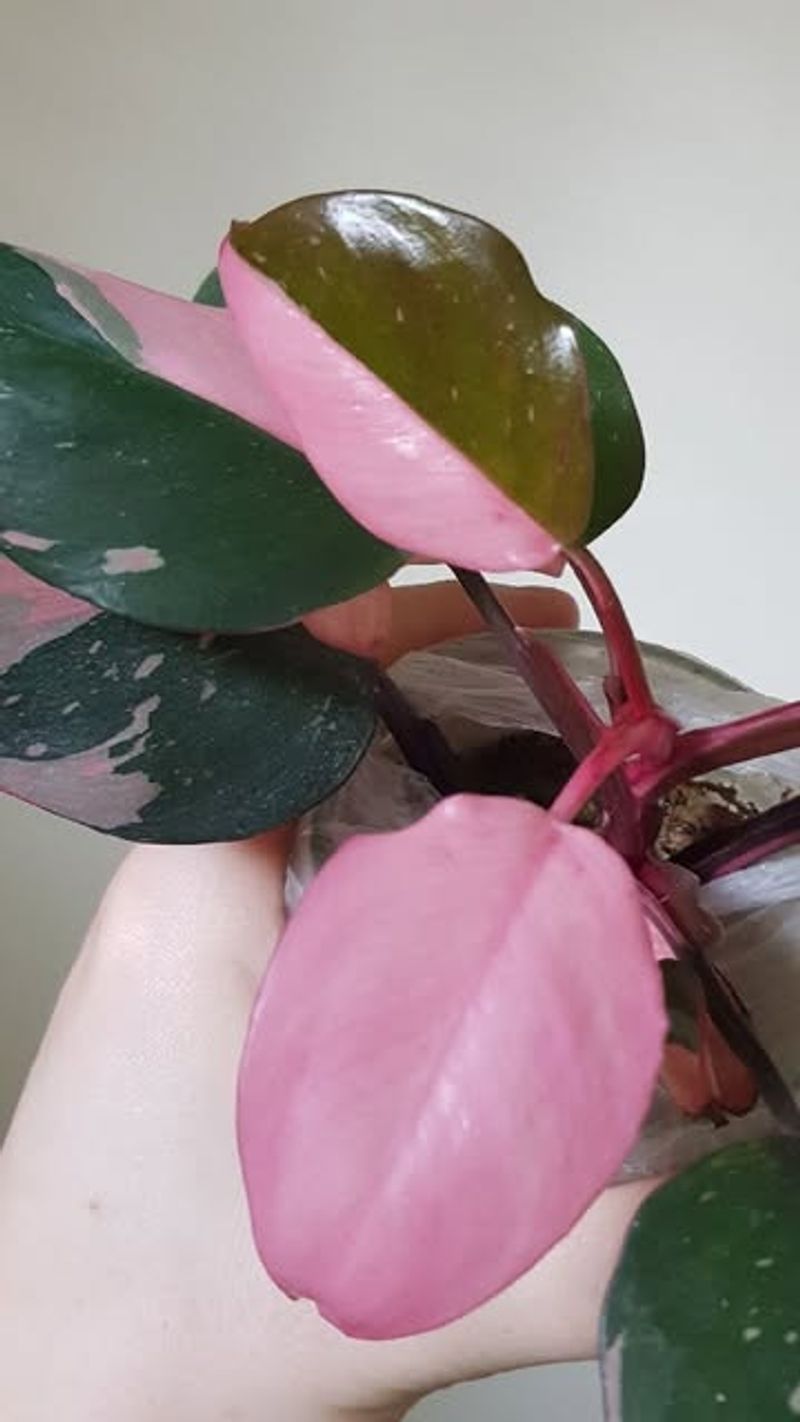
Glossy burgundy-pink new leaves create dramatic displays that make Pink Congo philodendrons highly sought after by plant enthusiasts.
Taking stem cuttings and rooting them in water works well, though understanding this plant’s unique characteristics helps set realistic expectations.
The intense pink coloring typically appears on new growth, gradually darkening to burgundy and eventually green as leaves mature over several weeks.
Stable warm temperatures between 70 and 80 degrees help maintain color longer, as temperature fluctuations can cause faster color transitions.
Ohio homes with consistent heating during winter provide suitable conditions, though avoid spots near exterior doors where cold drafts occur.
Bright indirect light supports healthy growth without scorching the tender new foliage that emerges lighter and more delicate than mature leaves.
Some controversy surrounds this variety, as the pink coloring sometimes results from temporary chemical treatments rather than stable genetics.
Cuttings taken from chemically treated plants may produce green growth once the treatment wears off, disappointing gardeners expecting permanent pink leaves.
However, even when leaves eventually turn green, the plant remains attractive with glossy foliage and easy-care requirements.
Change water weekly and ensure good air circulation around the plant to prevent fungal issues in humid indoor environments.
The climbing nature means you might eventually need to provide support or allow stems to trail.
Pink Arrowhead Vine ‘Berry’ Types
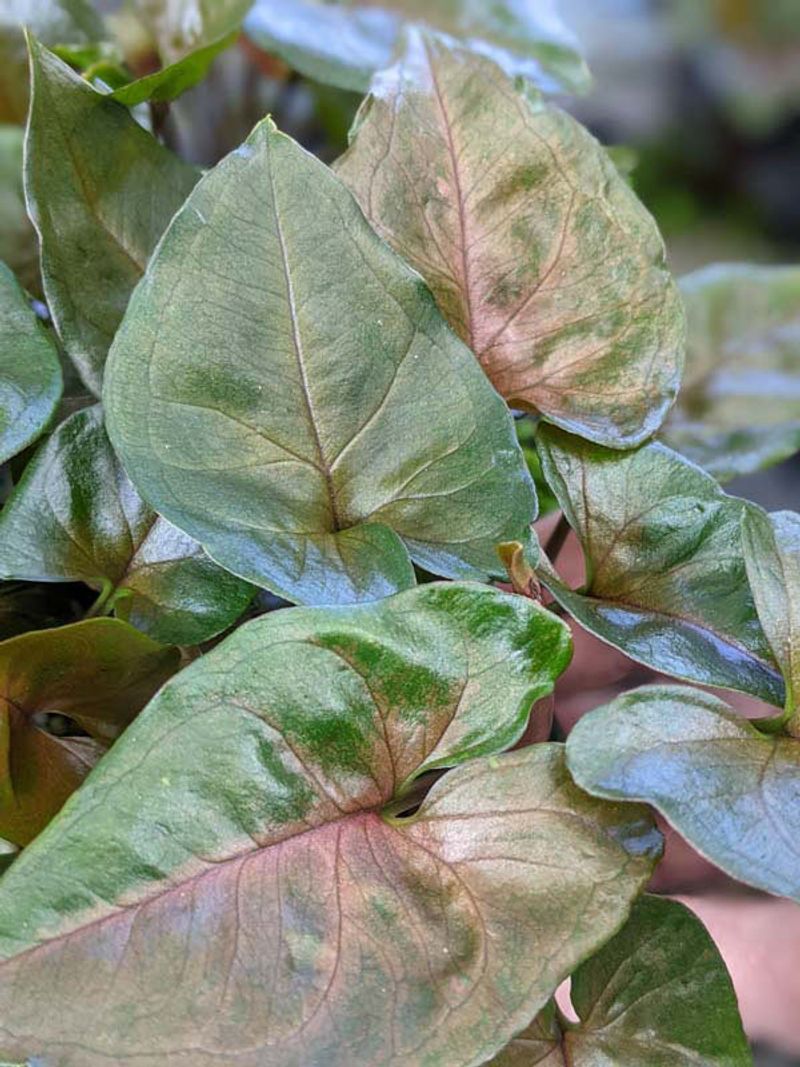
Compact growth and manageable size make Berry-type arrowhead vines perfect for smaller spaces where larger trailing plants might overwhelm the area.
The pink-tinged foliage stays relatively small compared to standard arrowhead varieties, creating tidy displays in water containers without constant pruning.
These plants root easily from cuttings, establishing healthy water roots within one to two weeks of placement.
Bright filtered light near east or west windows brings out the best pink coloring in the foliage, though these adaptable plants tolerate various light conditions.
Lower light causes slower growth and less intense coloring but doesn’t harm the plant’s overall health.
The arrow-shaped leaves emerge small and gradually expand, with new growth showing the most pronounced pink tones.
Water growing keeps these vines contained and decorative without the wild, climbing growth they exhibit when planted in soil with support structures.
The roots remain visible through clear containers, adding an interesting architectural element to the display.
Room temperatures between 65 and 75 degrees suit them well, matching typical Ohio indoor conditions during winter months.
Change water every week to ten days, rinsing the roots gently if any slimy coating develops.
The compact habit makes them ideal for grouping with other water-grown plants in collections or creating mini indoor water gardens on windowsills or shelves.
Tradescantia Pallida ‘Pink Stripe’ Forms
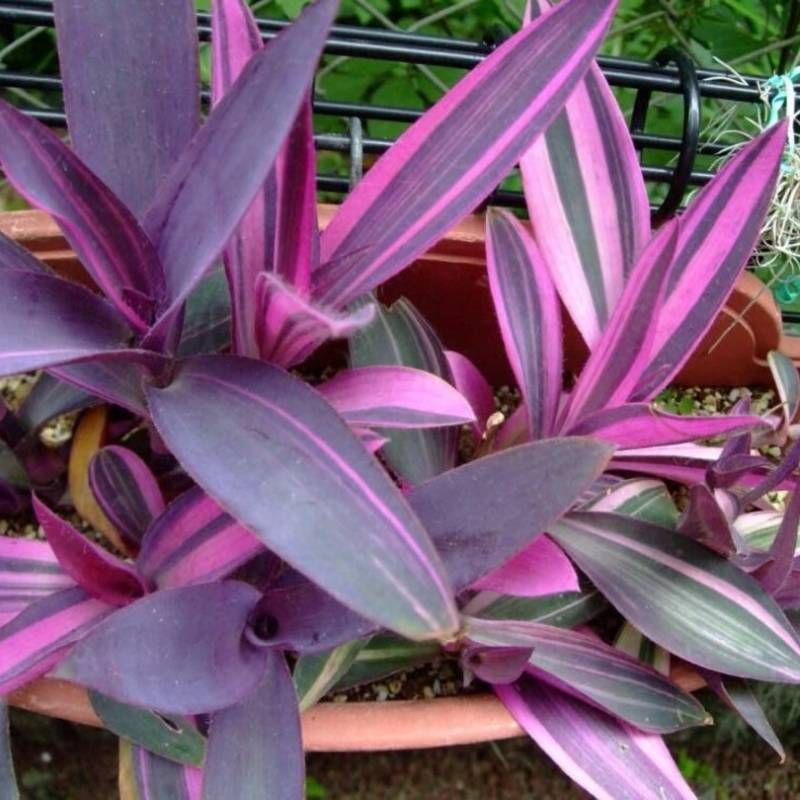
Purple foliage accented with pink stripes creates stunning color combinations that look especially beautiful when backlit by bright window light.
This trailing variety grows enthusiastically in water, often doubling in length within just a month during the growing season and maintaining steady growth even in winter.
The cascading habit looks spectacular in hanging containers or tall vases positioned where stems can drape gracefully over the edges.
Bright light intensifies both the purple base color and the pink striping, making south or west-facing windows ideal locations during Ohio’s winter months.
The succulent-like stems store water efficiently, making this plant somewhat forgiving if you occasionally forget to top off the water level.
Purple undersides of the leaves add extra color depth, creating beautiful displays from all viewing angles.
Pinch growing tips regularly to encourage branching and prevent excessively long, sparse stems that sometimes develop in lower light conditions.
The cuttings root easily, allowing you to continuously refresh your collection or share with friends who admire your plants.
Water changes every five to seven days keep things fresh and prevent stagnation that might encourage algae growth in clear containers.
Room temperatures between 60 and 80 degrees suit this adaptable plant perfectly, making it tolerant of various indoor conditions.
The fast growth provides constant visual interest as new leaves unfurl and stems extend.
Begonia Cane Cuttings With Pink Tones
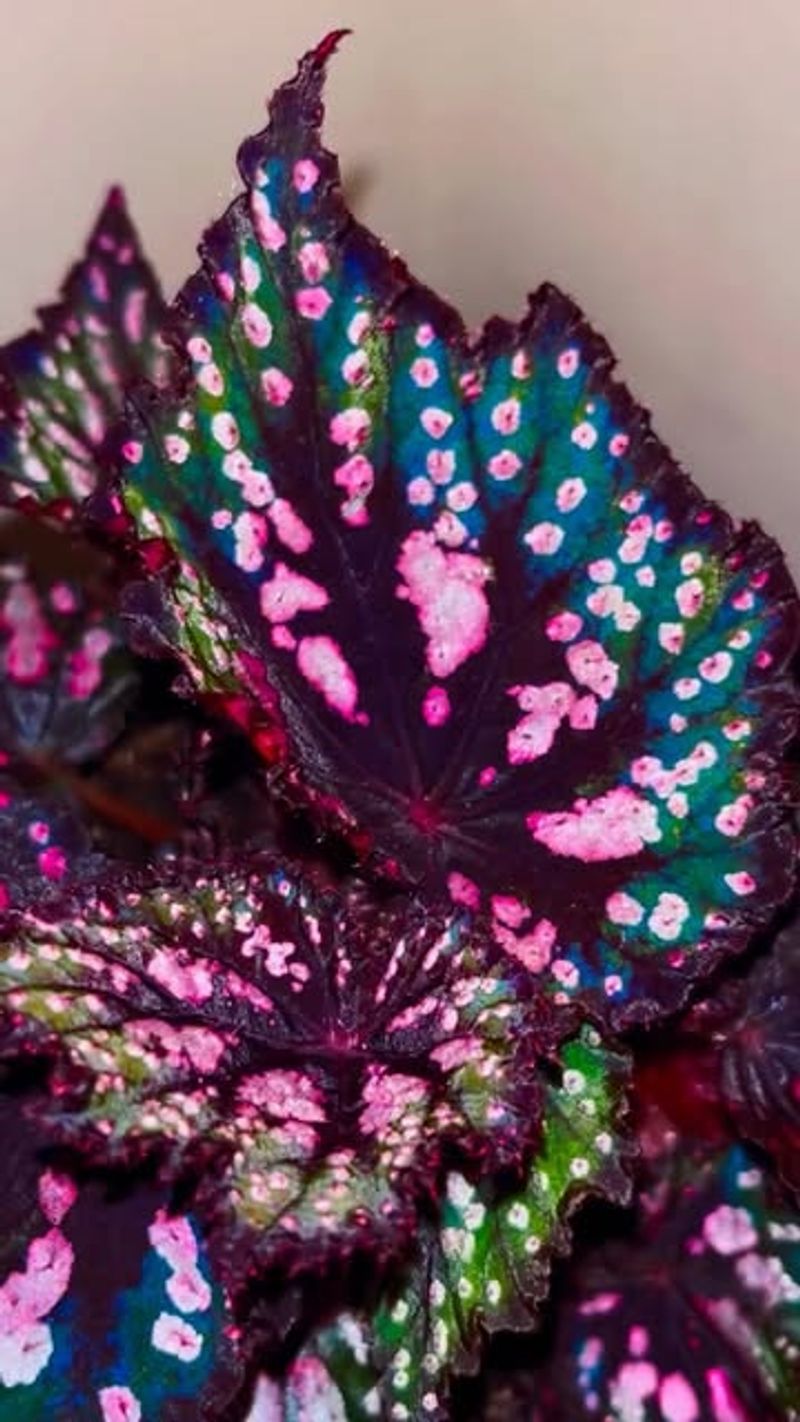
Bamboo-like stems and angel wing-shaped leaves spotted or edged in pink make cane begonias absolutely gorgeous additions to water propagation projects.
While these plants typically grow in soil long-term, taking cuttings and rooting them in water during winter provides an easy way to multiply your collection or share with fellow plant enthusiasts.
Cuttings root reliably in water, developing strong root systems within two to three weeks when placed in bright indirect light.
The pink tones appear as spots, edges, or undersides depending on the specific variety, with dozens of cane begonia types offering different color patterns.
Bright filtered light near windows maintains healthy growth and vibrant coloring without causing the leaf burn that direct sun sometimes produces on begonia foliage.
Consistent temperatures between 65 and 75 degrees work best, as cane begonias dislike cold drafts or temperature swings common near poorly insulated windows.
Change the water every five to seven days to prevent bacterial growth that might damage developing roots.
Once roots reach two to three inches long, you can either transplant cuttings to soil or continue growing them in water for several more weeks.
The upright growth habit looks elegant in tall vases or cylinder containers that support the stems as they grow taller.
New leaves emerge rolled tightly, gradually unfurling to reveal their spotted or edged pink patterns in a process that takes about a week from start to finish.