Pink Perennials California Gardeners Love For Extended Bloom
California’s long growing season is a huge advantage if you want a yard that stays colorful for more than just a few weeks.
While many flowers bloom and fade quickly, choosing the right pink perennials can give you a consistent splash of color from spring all the way into fall.
These plants are well-suited to the local sun and soil, making them a reliable choice for anyone who wants a beautiful garden without constant replanting.
By picking varieties known for their extended bloom times, you can enjoy a soft, vibrant landscape that holds up even when the summer heat kicks in.
It’s a simple way to keep your outdoor space looking fresh and inviting throughout the year without having to start over every season.
1. Autumn Sage
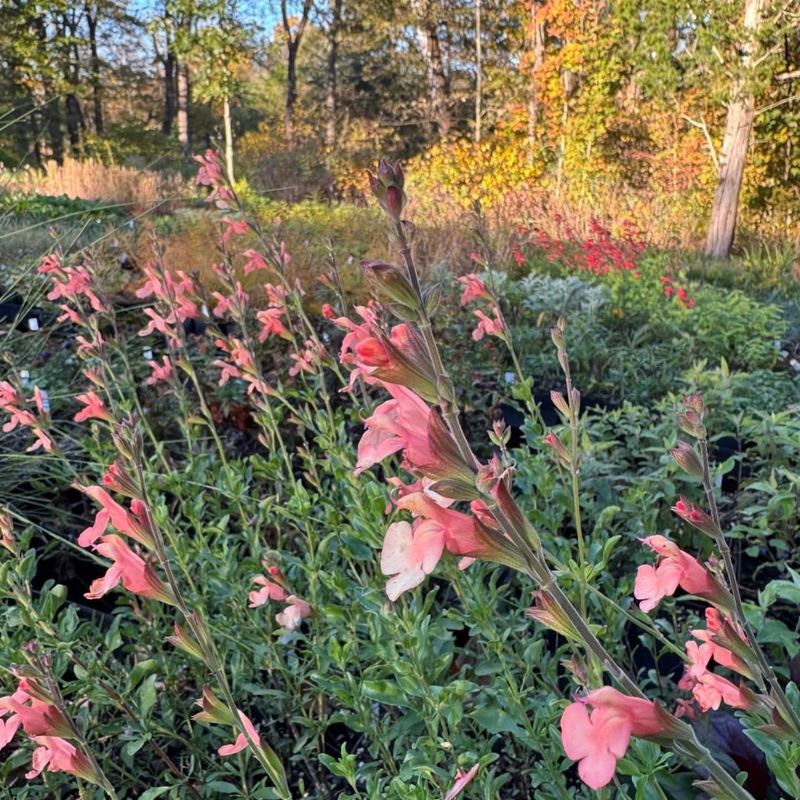
Few plants earn their keep in a California garden the way Autumn Sage does. Known botanically as Salvia greggii, this tough little shrubby perennial blooms almost nonstop from spring through fall, and sometimes even into winter in mild coastal areas.
That kind of stamina is hard to beat.
The flowers are small and tubular, perfect for hummingbirds that hover and dart through California gardens all season long. Pink varieties are especially popular, offering a warm rosy color that brightens up sunny borders and dry hillside plantings.
Full sun is ideal, and the plant actually prefers lean, well-drained soil. Rich, wet soil can cause problems, so do not overwater or over-fertilize.
Autumn Sage is also wonderfully deer-resistant, which matters a lot for gardeners in foothill communities and rural parts of California where deer pressure is real. Prune it back lightly after each bloom flush to encourage fresh growth and more flowers.
Plants stay compact and tidy with minimal effort. You can find Autumn Sage thriving in gardens from the Inland Empire to the Bay Area, proving just how adaptable and reliable this perennial really is for California conditions.
2. Gaura
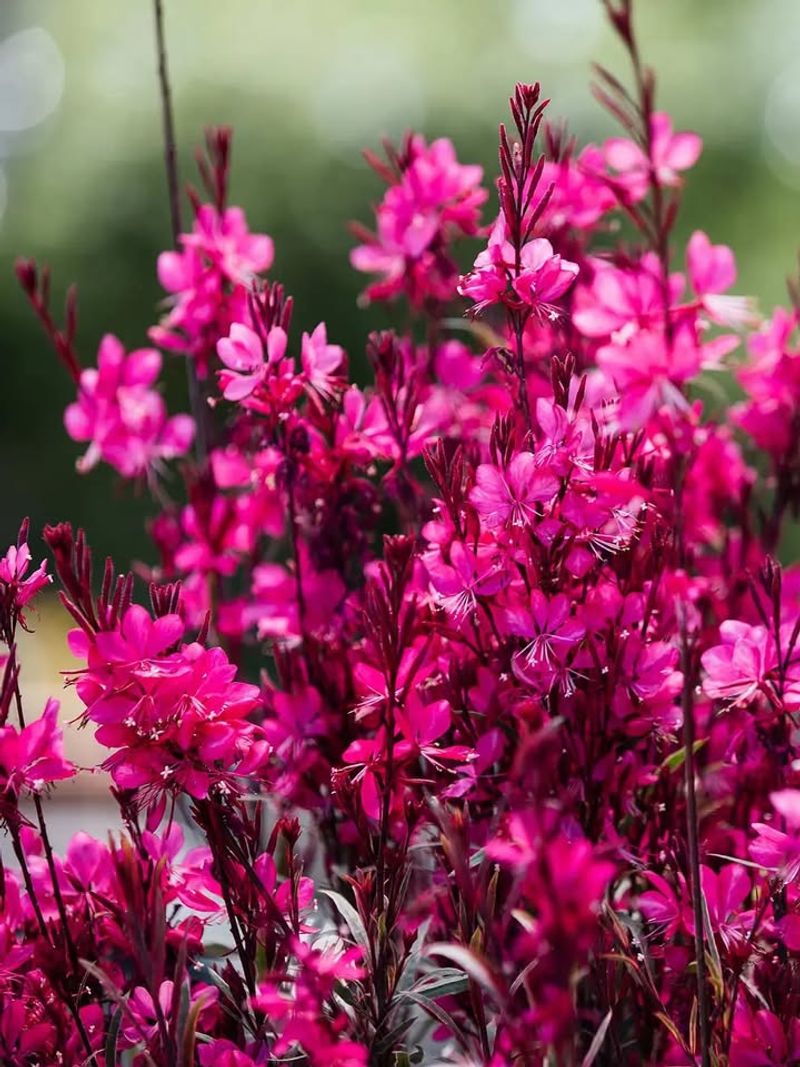
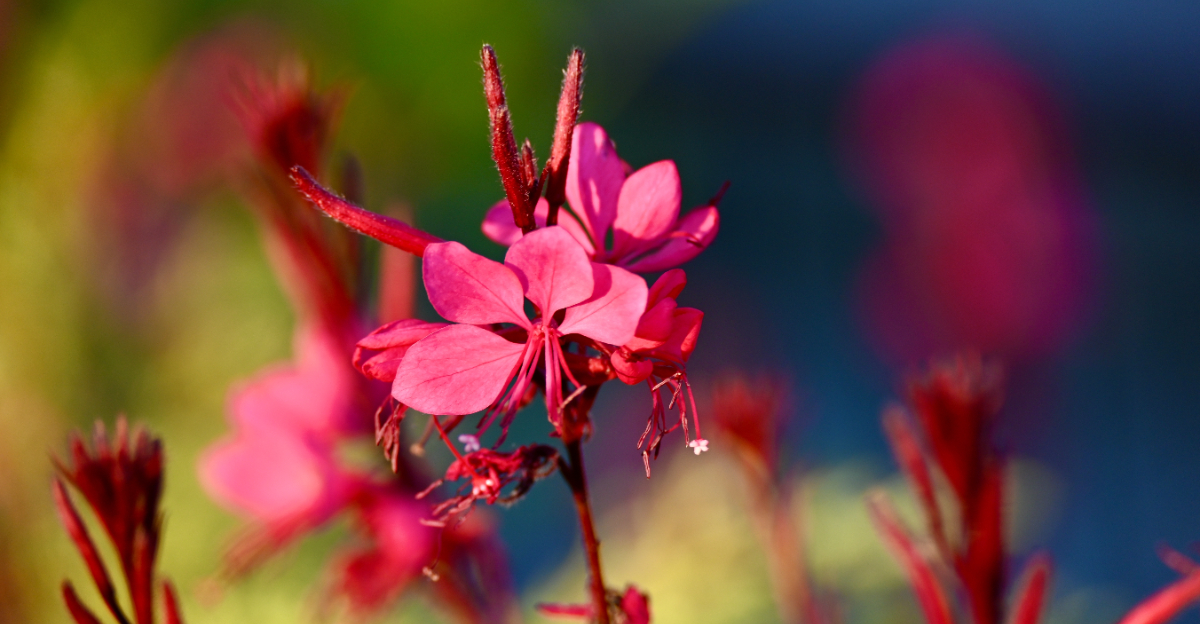
Floating above the garden like tiny butterflies caught in a breeze, Gaura is one of those plants that makes people stop and stare. Its slender stems sway with even the lightest wind, giving the garden a soft, dreamy movement that feels effortless.
This is not a stiff or formal plant. It is relaxed, airy, and full of personality.
In California, Gaura blooms from late spring all the way through early fall, which is a seriously impressive stretch. The flowers open in shades of soft pink that fade to white, creating a two-tone effect on every stem.
Plant it in full sun with well-drained soil, and it will reward you with months of color. Once established, it handles drought like a champion, making it a smart choice for water-wise California gardens.
Gaura grows best when given some room to spread. It pairs beautifully with ornamental grasses or lavender.
Trim it back by about a third in midsummer if blooming slows, and it will bounce right back with fresh flowers. Gardeners across California, from San Diego to Sacramento, love this plant for its low maintenance and long-lasting show.
3. Yarrow
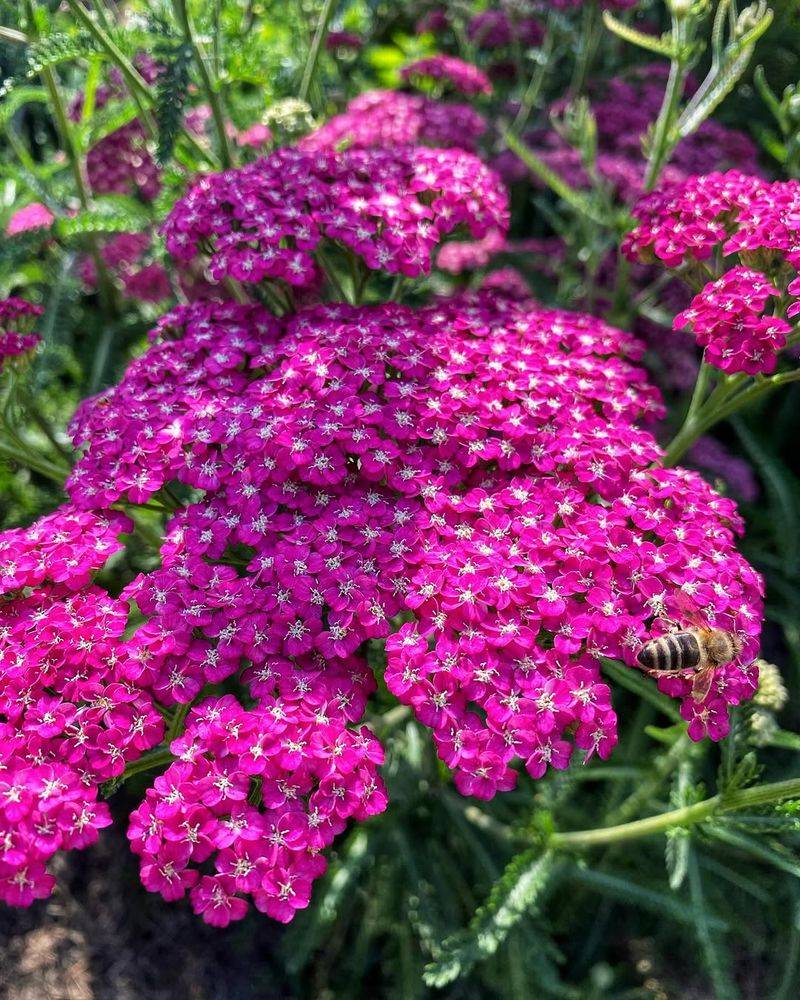
Yarrow has been growing in gardens for centuries, and there is a very good reason it keeps showing up. This plant is nearly indestructible once it settles in, and the Island Pink variety is one of the best selections for California gardeners who want reliable color with almost zero fuss.
The flowers form flat-topped clusters packed with dozens of tiny blooms, creating a landing pad that pollinators absolutely love. Butterflies, bees, and beneficial insects flock to yarrow all season long.
It blooms heavily in spring and early summer, then takes a short break before pushing out another flush of flowers in fall. Deadheading spent blooms encourages that repeat performance.
Yarrow thrives in full sun and handles poor, dry soil without complaint. In fact, too much water or rich fertilizer can make it floppy and weak.
California’s dry summers are practically ideal for this plant. It spreads gradually over time, so you can divide clumps every few years to share with neighbors or fill in new garden areas.
Whether you garden in Southern California’s warm valleys or along the cooler Northern California coast, yarrow is a dependable, cheerful performer worth planting.
4. Penstemon
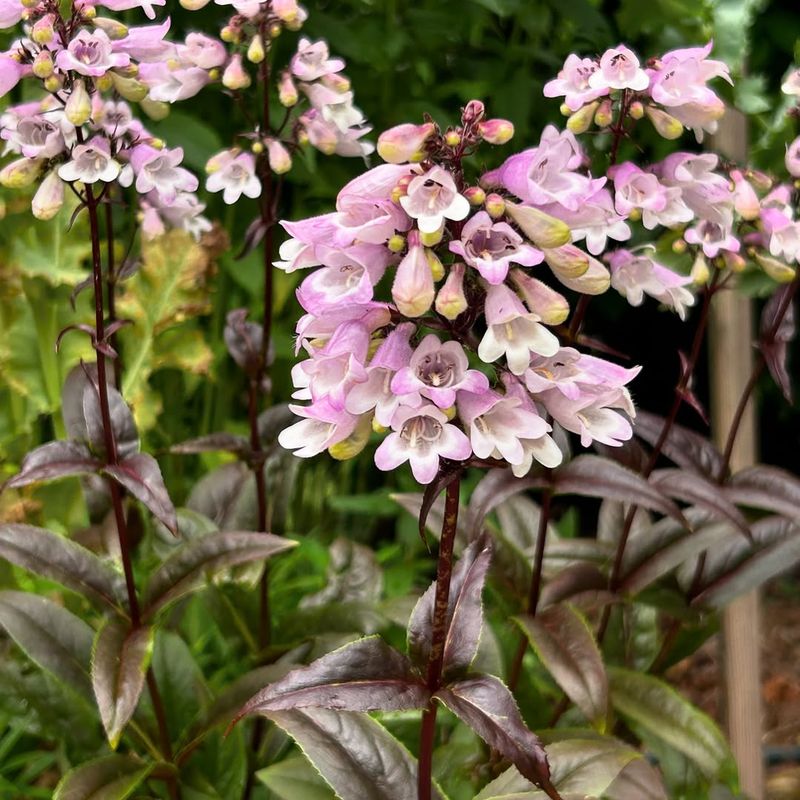
If hummingbirds could vote on their favorite California garden plant, Penstemon would probably win by a landslide. The tubular flowers are perfectly shaped for hovering birds, and the blooms arrive just as hummingbird migration kicks into full gear in spring.
Watching a hummingbird work a penstemon spike is one of those garden moments that never gets old.
California has several native penstemon species, and many pink-flowering varieties perform beautifully in home gardens across the state. They bloom from spring through summer, with some varieties extending into early fall.
Full sun to light shade works well, and well-drained soil is a must. Penstemon does not like sitting in soggy ground, especially over winter.
Once established, these plants are remarkably drought-tolerant, making them a natural fit for California’s water-conscious gardening culture. They work well in traditional borders, native plant gardens, and even in containers on sunny patios.
Cut the flower spikes back after blooming to encourage fresh growth. Some gardeners in mild parts of California, like the Central Coast and Southern California foothills, find that their penstemons bloom nearly year-round with just a little extra care and occasional trimming to keep them tidy.
5. Verbena
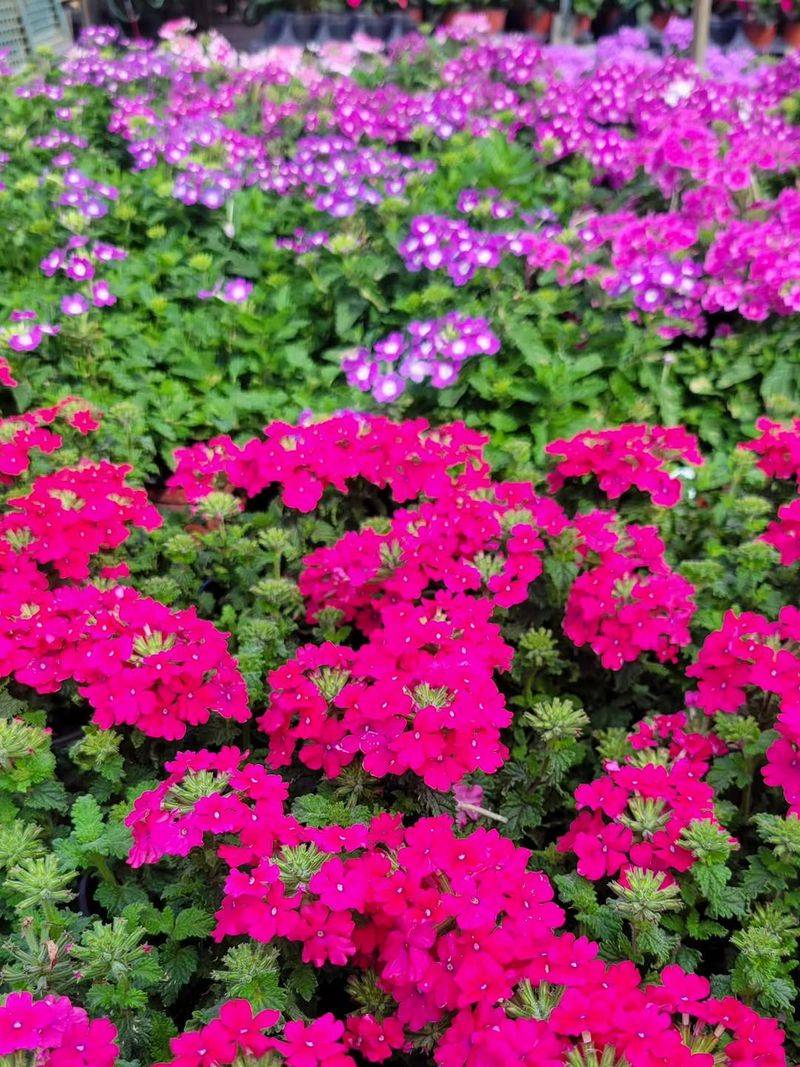
There is something almost cheerful and unstoppable about verbena. Once it starts blooming, it barely pauses for breath.
In California’s warm climate, pink verbena can bloom from spring all the way through fall, and in frost-free coastal areas, it sometimes keeps going right through winter. That is remarkable staying power for any garden plant.
Verbena forms low, spreading mats covered in clusters of tiny flowers. The pink varieties range from soft pastel shades to bright, punchy rose tones.
It works wonderfully as a ground cover, a border edging plant, or spilling over retaining walls and raised beds. Full sun brings out the best performance, and well-drained soil keeps the roots healthy.
One of verbena’s best qualities is how it handles California’s dry summers. Established plants are quite drought-tolerant, though a deep watering every week or two during peak heat keeps them blooming at their best.
Shear plants back by about half in midsummer if they start looking tired, and they will refresh quickly with new growth and flowers. Butterflies are especially attracted to verbena, so planting a generous patch is a great way to bring more wildlife into your California garden throughout the entire growing season.
6. Dianthus
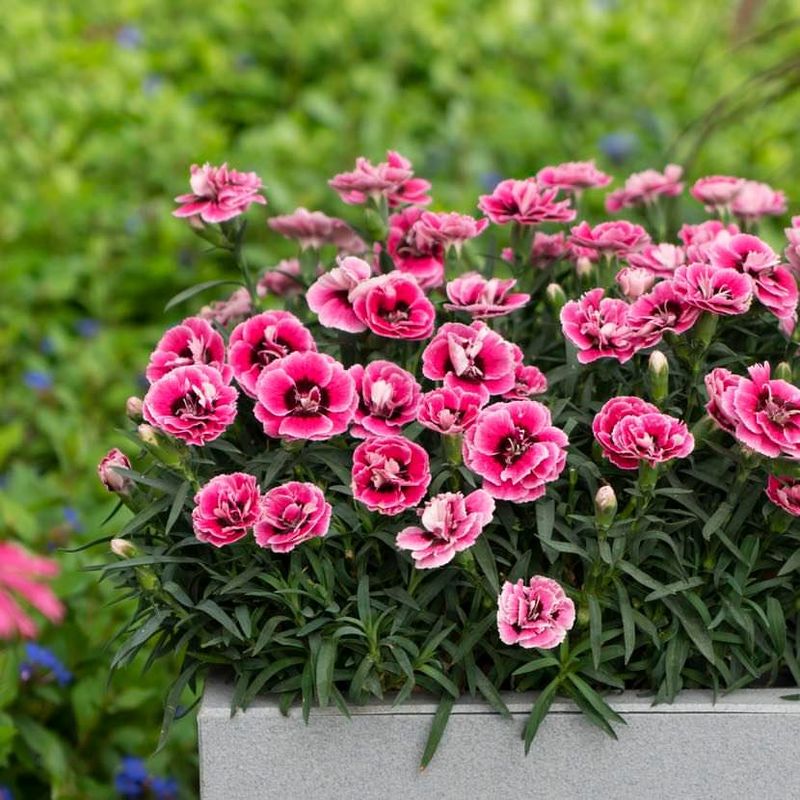
Old-fashioned charm meets modern toughness in Dianthus, a plant that has been beloved in gardens for hundreds of years. Sometimes called pinks, these flowers come in vivid shades of rose, coral, and soft blush.
Many varieties carry a sweet, spicy clove-like fragrance that makes the garden smell wonderful on warm California afternoons.
Dianthus blooms heavily in spring and again in fall when temperatures cool down. The flowers sit above neat, blue-green foliage that stays attractive even when the plant is not in bloom.
Full sun is essential for strong flowering, and excellent drainage is equally important. Sandy or loamy soils common in many parts of California suit dianthus very well.
Deadheading spent blooms regularly keeps the plant tidy and encourages new flowers to form. Some gardeners shear the whole plant back by a third after the spring bloom flush, which results in a strong second round of flowers in autumn.
Dianthus is also a popular choice for container gardens on patios and balconies throughout California, where its compact size and long blooming season make it especially practical. It is a plant with real personality, and once you grow it, you will likely want it in every corner of your garden.
7. Red Valerian
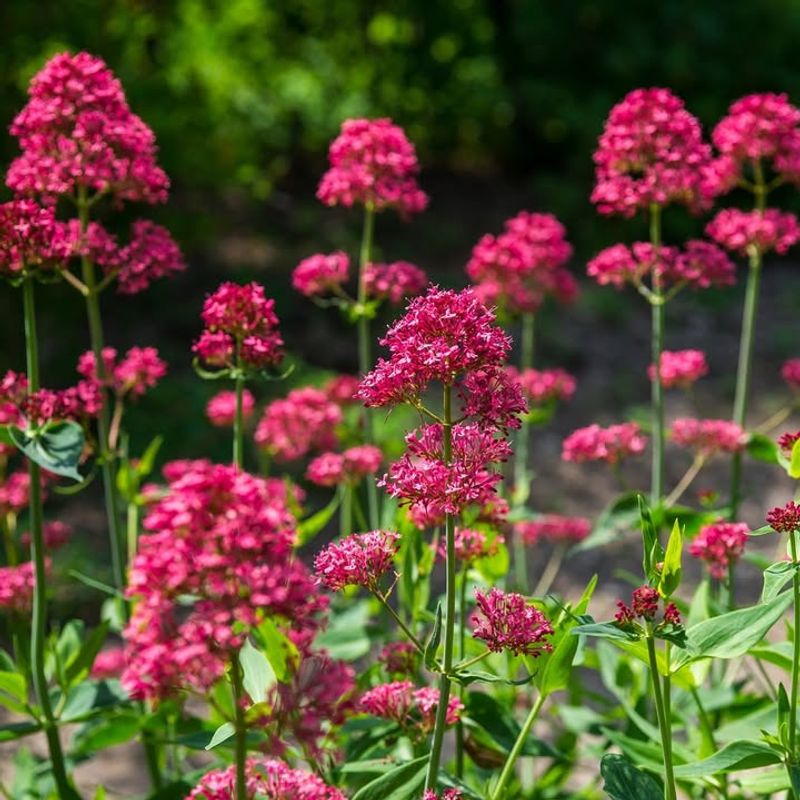
Despite the name, Red Valerian actually blooms in a range of colors, and the pink form is one of the most beautiful and widely planted in California gardens.
Botanically known as Centranthus ruber, this tough perennial has a wild, cottage-garden look that feels right at home in both formal borders and naturalized hillside plantings.
It blooms from spring through early summer with clusters of small, fragrant flowers held on upright stems. In mild California climates, especially along the coast, blooming can stretch much longer with minimal care.
The plant self-seeds freely, which means it will gradually spread and fill in gaps around the garden. Some gardeners love this quality, while others prefer to deadhead regularly to keep it contained.
Red Valerian is exceptionally drought-tolerant once established, making it a popular choice for water-wise landscaping throughout California. It thrives in rocky, lean soils and actually performs better without rich fertilizers.
Butterflies and bees visit the flowers regularly, adding life and movement to the garden. Plant it in full sun along a dry slope, a sunny wall, or at the back of a border, and it will reward you with bold, long-lasting color that asks for very little in return.
8. Society Garlic
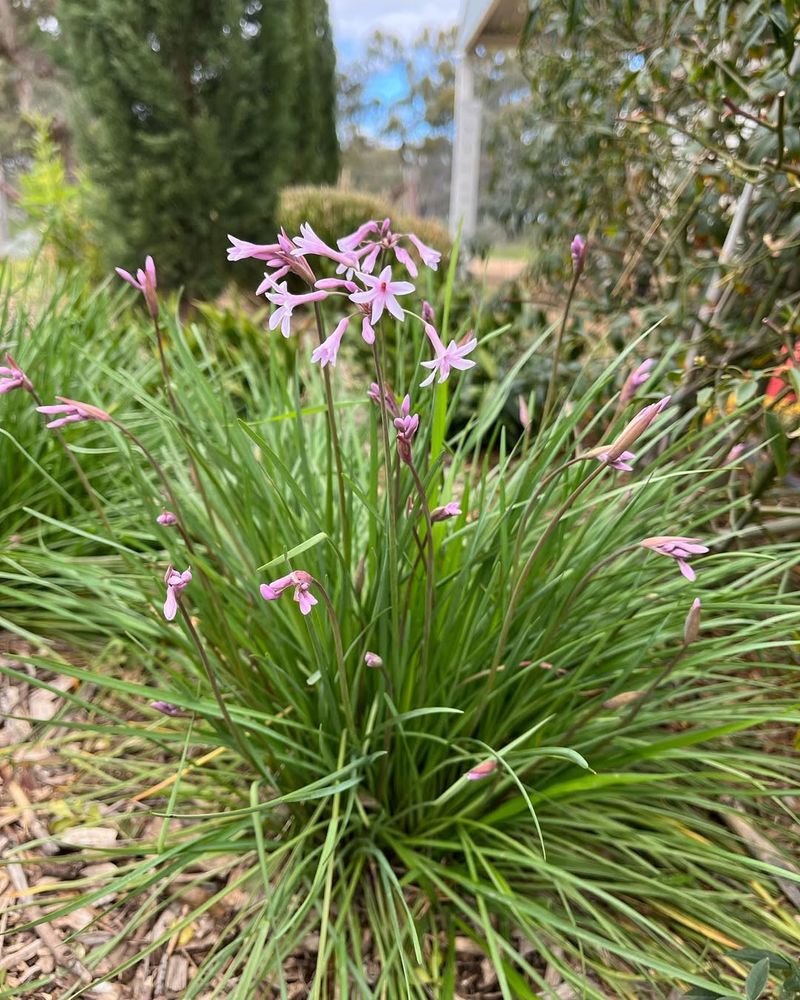
Society Garlic has one of the most memorable names in the garden world, and the plant lives up to the intrigue. Botanically called Tulbaghia violacea, it produces clusters of small, star-shaped flowers in shades of soft pink and lavender on tall, slender stems.
The blooms appear throughout the warm months, making it one of California’s most reliably long-flowering perennials.
The plant gets its name from the mild garlic scent of its leaves when crushed, though the flowers themselves smell pleasantly sweet. This combination makes it a popular choice for sensory gardens and herb-inspired landscapes.
Full sun brings out the best bloom production, and it handles drought well once established, which suits California’s dry summers perfectly.
Society Garlic is also a natural deer deterrent because of its garlic-scented foliage, a quality that California gardeners in foothill and rural communities truly appreciate. It grows in clumps that slowly expand over time, and dividing the clumps every few years keeps the plant vigorous and productive.
It works beautifully as a border plant, a low hedge, or massed along walkways. The combination of long bloom time, low water needs, and pest resistance makes Society Garlic a standout choice for California gardens from San Jose to San Diego.
9. Hardy Geranium
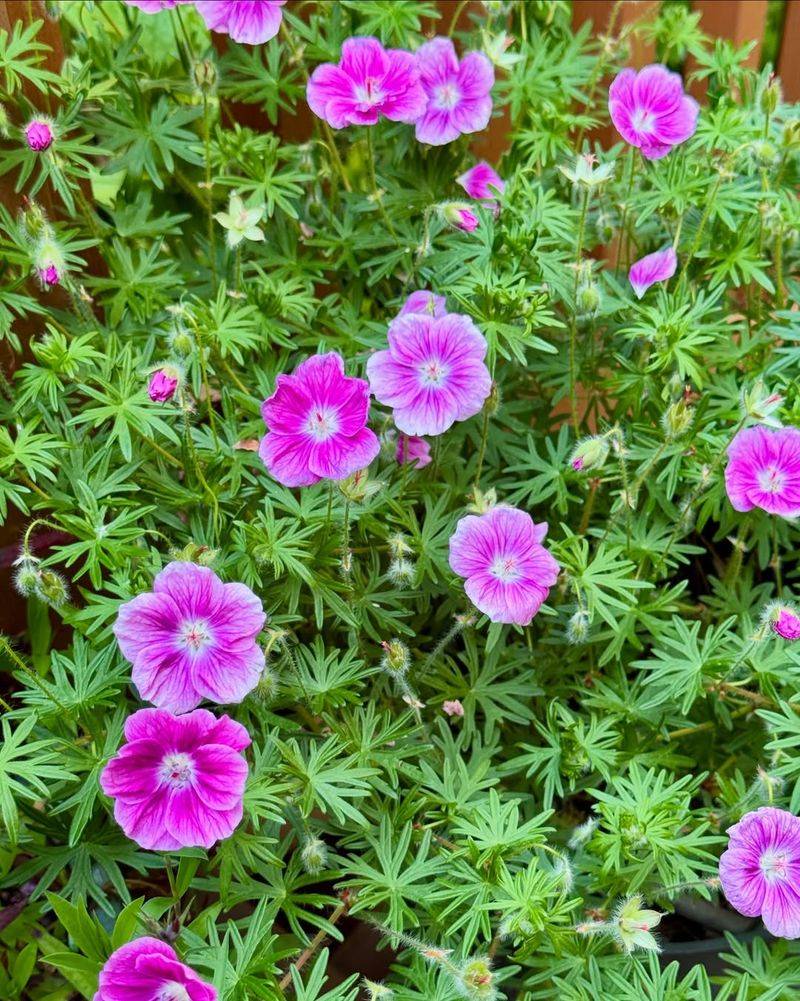
Not to be confused with the annual geraniums sold in nursery six-packs every spring, Hardy Geranium, also called cranesbill, is a true perennial that comes back stronger every year.
It forms tidy, mounding plants covered in cup-shaped flowers, and the pink varieties are among the most popular for California gardens where soft, natural color is the goal.
Hardy Geraniums bloom from spring into early summer, and many varieties rebloom again in fall after a light shearing. They tolerate part shade, which makes them incredibly useful in garden spots where other sun-loving perennials struggle.
Under the canopy of larger shrubs or along the shaded side of a fence, Hardy Geranium fills in beautifully without complaint.
The foliage is also a major selling point. The deeply lobed leaves often turn shades of red and orange in fall, adding a second season of interest.
Plants are reasonably drought-tolerant once established, though they look their best with occasional summer water in California’s hotter inland areas. They spread gradually to form a lovely ground cover, suppressing weeds as they grow.
For gardeners in cooler coastal California communities or shaded inland gardens, Hardy Geranium is a dependable, attractive choice that earns its place season after season.
10. Beebalm
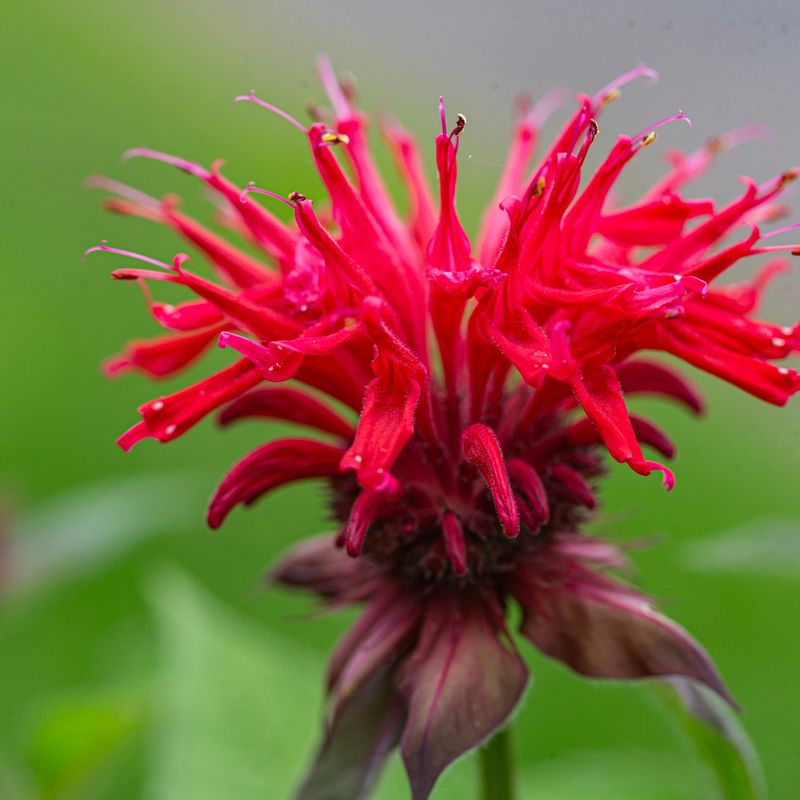
Beebalm is the kind of plant that announces itself boldly. The shaggy, crown-like flower heads in shades of bright pink and rose are unlike anything else in the garden, and they attract an impressive parade of pollinators.
Bees, butterflies, and hummingbirds all visit regularly, making this plant a true wildlife magnet in California gardens.
Botanically known as Monarda, Beebalm blooms from midsummer into early fall, filling in the gap when many spring-blooming perennials have already finished. The leaves are fragrant, carrying a spicy, oregano-like scent that adds an extra sensory layer to the garden experience.
It prefers full sun to part shade and appreciates consistent moisture, especially during California’s dry summer months.
Good air circulation is important for Beebalm because it can be prone to powdery mildew in humid or crowded conditions. Planting it with some space around it and choosing mildew-resistant varieties helps keep it looking fresh all season.
Divide clumps every two or three years to maintain vigor and prevent overcrowding. In California’s cooler coastal regions and higher elevation gardens, Beebalm thrives especially well.
It is a bold, beautiful plant that brings real energy to any pink perennial garden planting.