12 Places Experts Say You Should Never Plant Tomatoes In Kentucky

Tomatoes are a garden favorite in Kentucky, but where you plant them matters just as much as how you care for them.
Certain locations almost guarantee weak plants, disease problems, or disappointing harvests.
Kentucky’s humid summers, heavy soils, and temperature swings can turn the wrong planting spot into a struggle.
Areas with poor airflow, lingering moisture, or repeated soil use often lead to blight, pests, and stunted growth.
Many gardeners unknowingly make the same placement mistakes year after year, blaming the plants rather than the location.
Experts agree that avoiding these trouble spots is one of the easiest ways to improve tomato success.
Understanding where tomatoes should never go helps gardeners save time, reduce frustration, and grow healthier plants with fewer interventions.
1. In Shady Areas
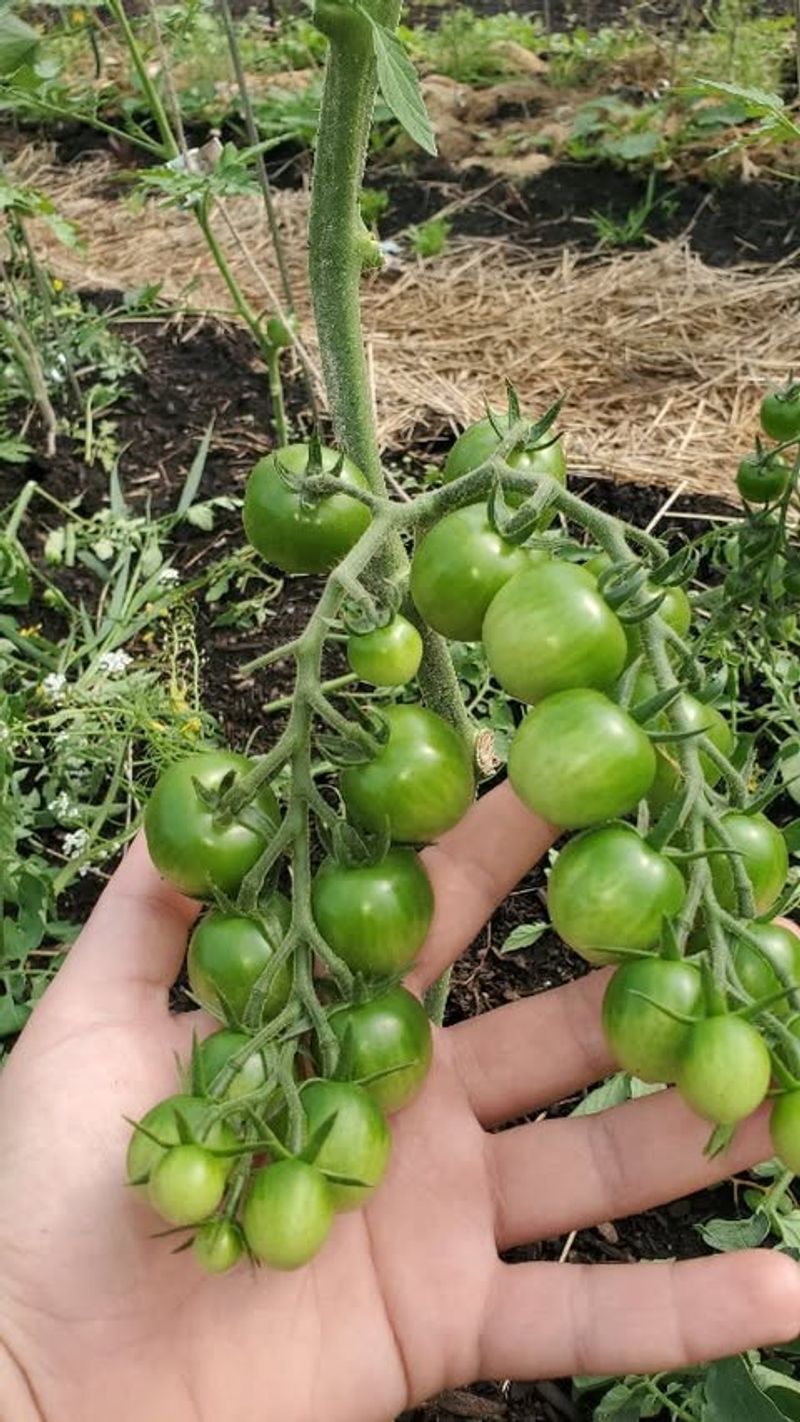
Tomatoes are sun-loving plants that demand plenty of bright, direct light to produce those juicy fruits we all crave.
When planted in shady spots, they simply cannot gather enough energy to grow strong stems, develop healthy leaves, or set abundant fruit.
Kentucky summers offer excellent growing conditions, but only if your tomatoes receive at least eight hours of full sunlight each day.
Shaded locations result in leggy, weak plants that stretch desperately toward any available light.
These struggling plants produce fewer flowers and even fewer tomatoes, leaving gardeners disappointed at harvest time.
The fruits that do develop often remain small, pale, and lacking in the rich flavor that makes homegrown tomatoes so special.
Choose a planting site that receives morning through afternoon sun without obstruction from trees, buildings, or other structures.
Southern or western exposures typically provide the best light conditions for Kentucky tomato gardens.
If your yard has limited sunny spaces, consider using containers that you can move throughout the day to follow the sun.
Remember that proper sunlight exposure strengthens plant immunity, reduces disease pressure, and dramatically improves your overall harvest quality and quantity.
2. In Low-Lying Frost Pockets
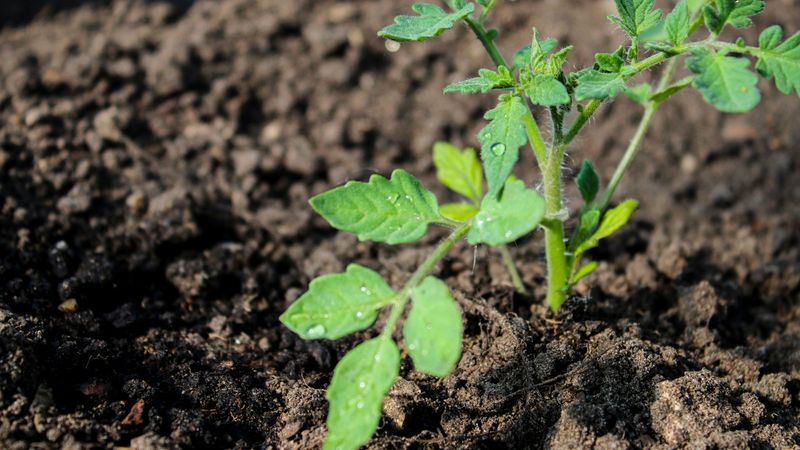
Cold air behaves like water, flowing downward and settling into the lowest areas of your property during cool nights.
These frost pockets create dangerous conditions for tender tomato plants, especially during Kentucky’s unpredictable spring weather.
Even when temperatures seem safe overall, these low-lying areas can experience frost damage while higher ground remains unaffected.
Tomato plants are extremely sensitive to cold temperatures and can suffer serious setbacks from even a light frost.
Their leaves blacken and wilt, stems become damaged, and growth stops completely as the plant struggles to recover.
Kentucky gardeners face particular challenges with late spring frosts that can strike well into May in some areas.
Planting in depressions, valleys, or at the bottom of slopes puts your tomatoes at unnecessary risk.
Instead, choose elevated or sloped sites where cold air drains away naturally during chilly nights.
Higher ground locations warm up faster in spring and maintain slightly warmer temperatures throughout the growing season.
If your property has limited options, consider building raised beds to lift your tomatoes above the frost zone and improve drainage simultaneously.
3. In Soggy Or Poorly Drained Soil
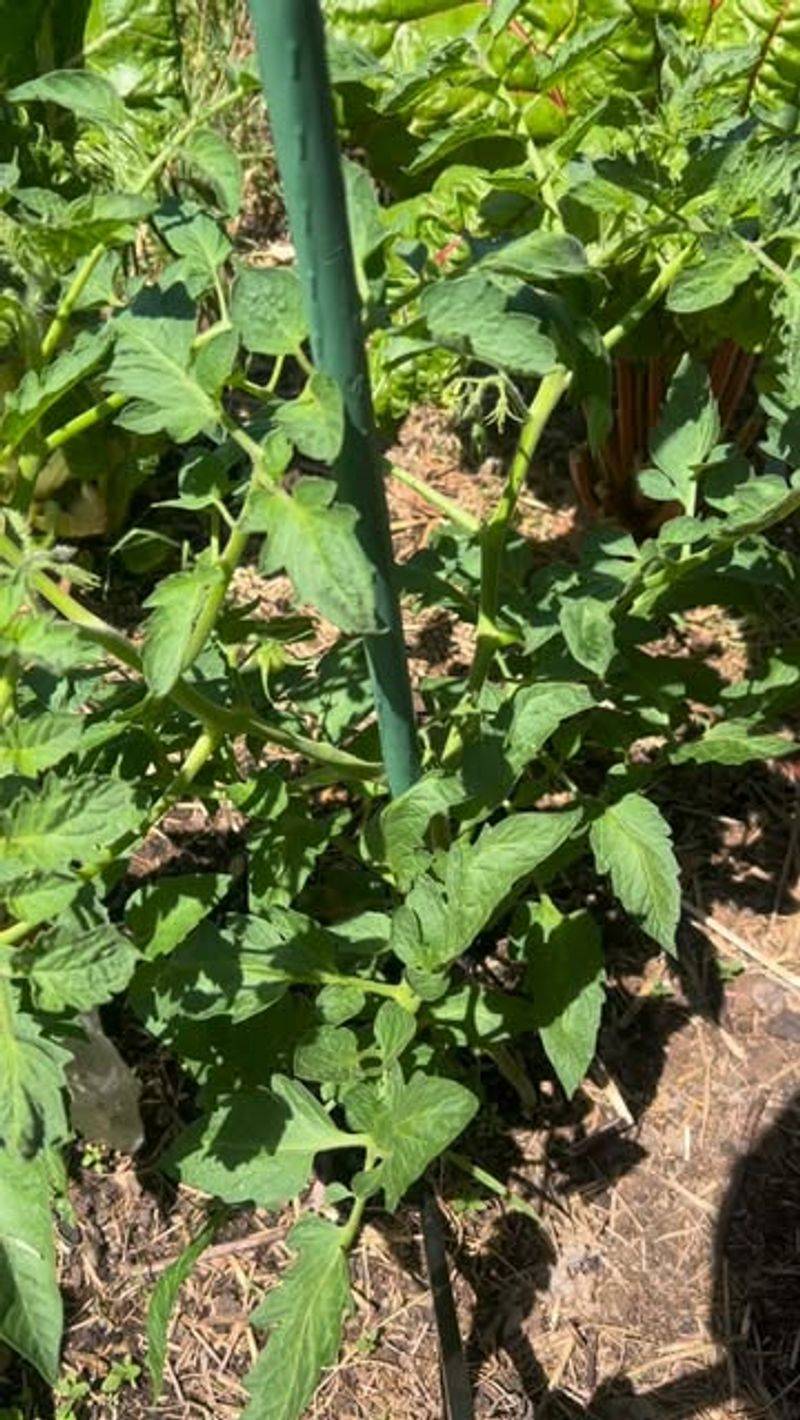
Tomato roots need oxygen just as much as they need water, and soggy soil suffocates them quickly.
When soil remains constantly wet, roots cannot breathe properly and become vulnerable to numerous harmful diseases.
Kentucky receives ample rainfall throughout the growing season, making good drainage absolutely essential for tomato success.
Poorly drained locations encourage root rot, fungal infections, and bacterial problems that can devastate your entire crop.
Plants growing in waterlogged soil appear stunted, with yellowing leaves and a general lack of vigor despite regular care.
The excess moisture also leaches away vital nutrients that tomatoes need for healthy growth and fruit production.
Before planting, test your soil drainage by digging a hole about twelve inches deep and filling it with water.
If water remains standing after twenty-four hours, that location needs serious improvement before hosting tomatoes.
Amend heavy clay soils with generous amounts of compost, aged manure, or other organic materials to improve structure.
Consider installing raised beds filled with quality soil mix as an excellent solution for chronically wet areas that cannot be adequately improved through amendment alone.
4. In Excessively Sandy Soil Without Amendment
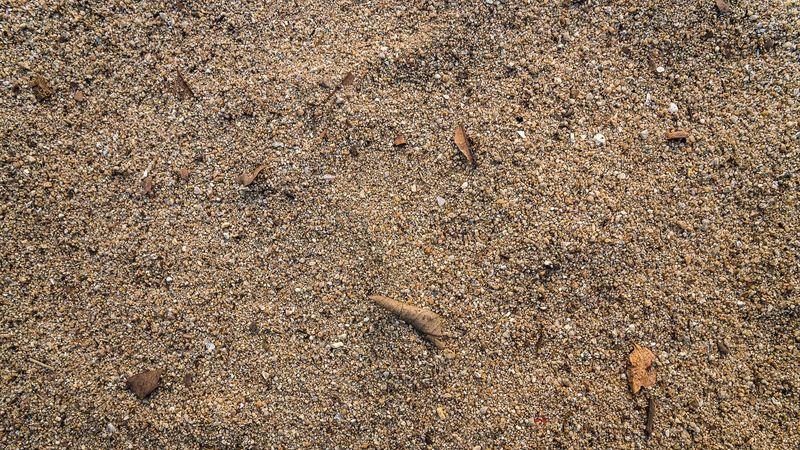
Sandy soil drains so rapidly that water and nutrients wash through before tomato roots can absorb them effectively.
While this soil type prevents waterlogging problems, it creates equally serious challenges with moisture stress and nutrient deficiency.
Tomatoes planted directly in sandy soil without improvement struggle constantly, requiring frequent watering and fertilization to survive.
The loose texture provides excellent aeration but lacks the water-holding capacity that tomatoes need for consistent growth.
During Kentucky’s hot summer days, sandy soil dries out incredibly fast, leaving plants wilted and stressed by afternoon.
This constant cycle of drying and watering weakens plants and reduces their ability to produce quality fruit.
Fortunately, sandy soil responds beautifully to organic amendments that improve its structure and moisture retention.
Work generous quantities of compost, peat moss, or well-rotted manure into sandy beds before planting tomatoes.
These materials act like sponges, holding moisture and nutrients within reach of plant roots throughout the growing season.
A thick layer of organic mulch around plants further helps sandy soil retain moisture while moderating temperature fluctuations that stress tomato plants unnecessarily.
5. Too Close To Buildings Or Fences
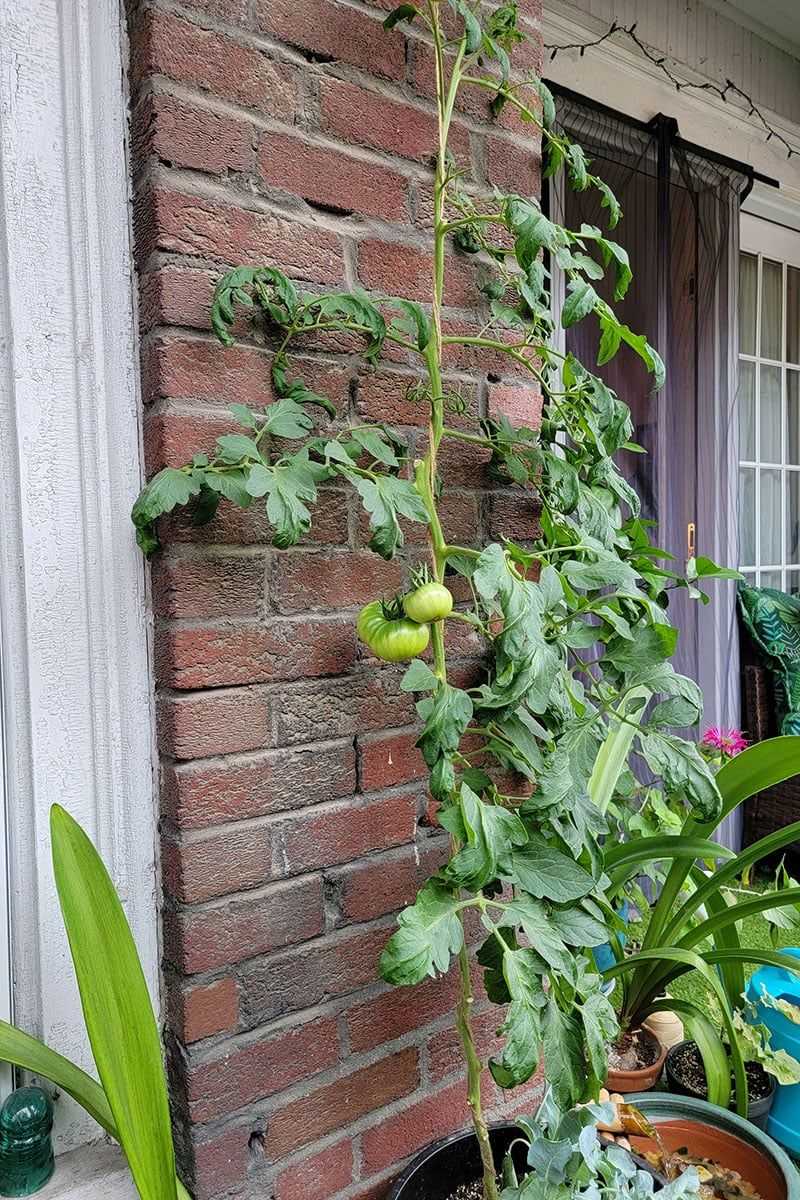
Structures create microclimates that seem convenient but actually harm tomato plants in multiple ways.
Buildings and fences block sunlight for significant portions of the day, reducing the light energy tomatoes need for photosynthesis.
They also restrict air movement, creating stagnant pockets where humidity builds up and fungal diseases thrive.
Kentucky’s humid summer climate already challenges tomato growers with disease pressure, and poor air circulation makes everything worse.
Moisture from rain or dew takes much longer to evaporate from leaves when plants sit too close to walls or fences.
This extended wetness invites fungal problems like early blight, late blight, and powdery mildew to establish and spread rapidly.
Heat radiating from sun-warmed structures can also stress plants during the hottest parts of Kentucky summer days.
Position tomato plants at least three to four feet away from any vertical structure to ensure adequate light and airflow.
This spacing allows breezes to circulate freely around foliage, drying leaves quickly and reducing disease risk significantly.
Open garden spaces with good air movement produce healthier plants that resist common tomato ailments much more effectively than those tucked against structures.
6. In Crowded Garden Spots
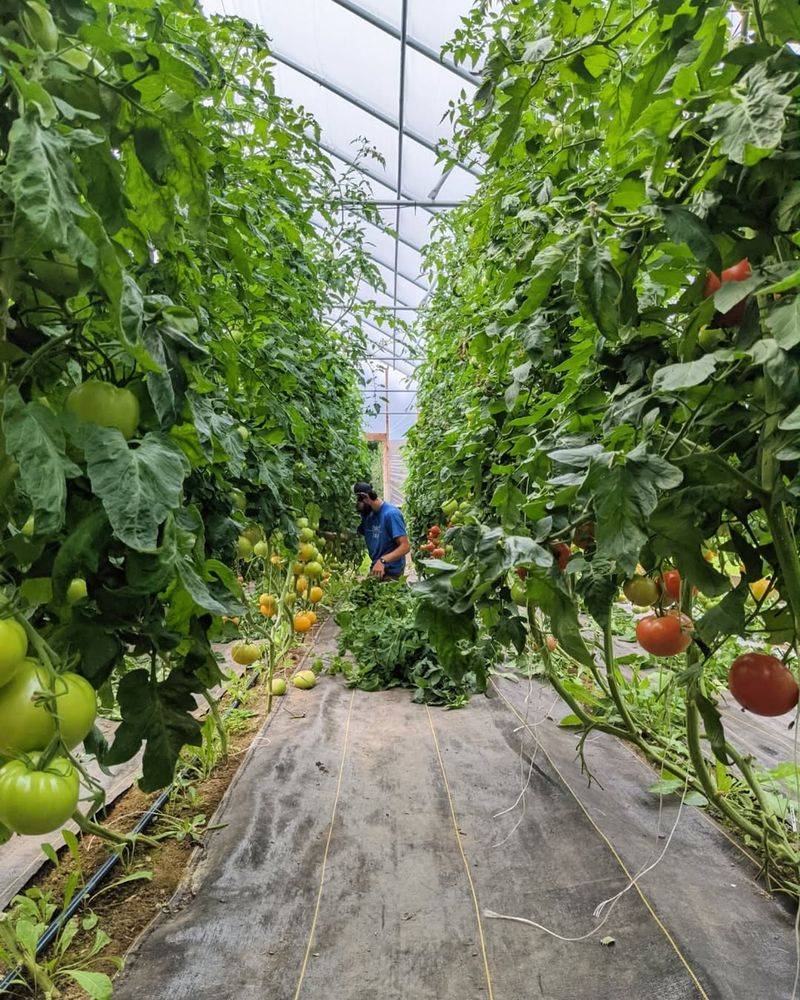
Enthusiasm often leads gardeners to squeeze too many plants into limited space, but tomatoes absolutely need room to breathe.
Crowding creates competition for sunlight, water, and soil nutrients while dramatically increasing disease pressure throughout your garden.
When leaves constantly touch neighboring plants, moisture lingers and fungal spores spread easily from one plant to another.
Kentucky’s summer humidity already provides ideal conditions for tomato diseases, and crowding makes prevention nearly impossible.
Plants grown too closely also develop weak, spindly growth as they compete desperately for available sunlight.
Their energy goes toward stretching upward rather than producing the strong stems and abundant fruit you want.
Proper spacing allows each plant to develop fully, with sturdy stems supporting heavy fruit loads throughout the season.
Most tomato varieties need twenty-four to thirty-six inches between plants, depending on whether they are determinate or indeterminate types.
Indeterminate varieties that grow continuously throughout summer require even more space to accommodate their sprawling growth habit.
Resist the temptation to plant more tomatoes than your space can properly support, because fewer well-spaced plants will actually produce more fruit than many crowded ones.
7. In Small Containers Or Pots That Are Too Small
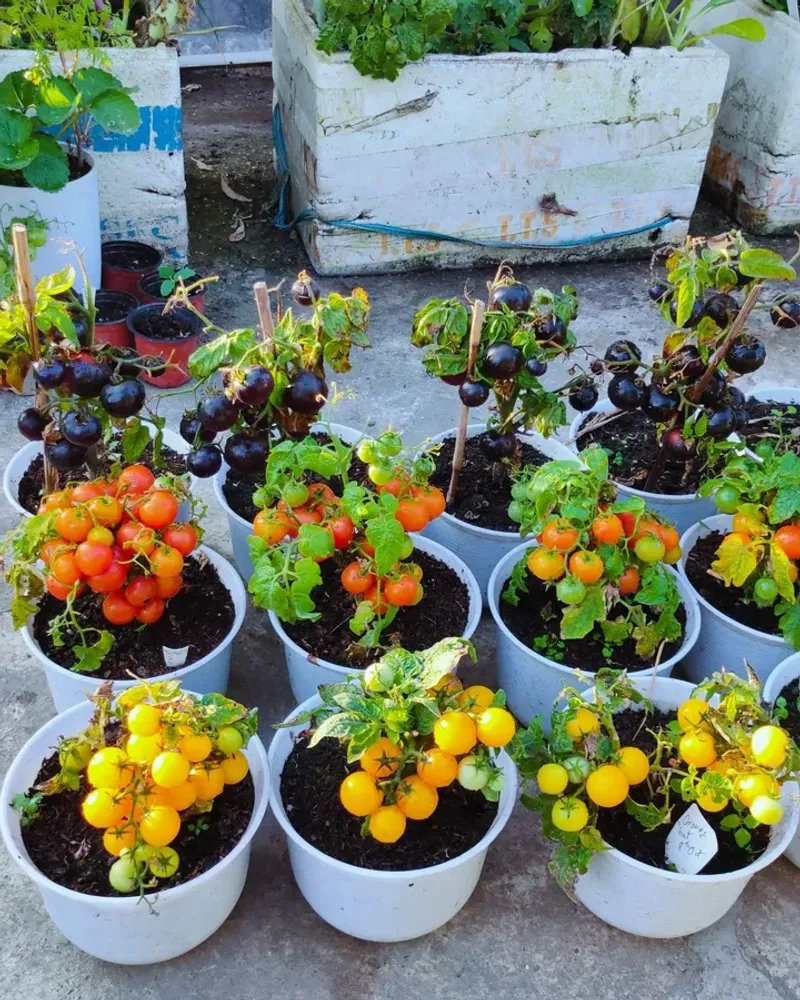
Container gardening offers wonderful flexibility for Kentucky gardeners with limited space, but pot size matters tremendously for tomatoes.
These vigorous plants develop extensive root systems that need adequate room to spread and access moisture and nutrients.
Small pots restrict root growth, causing plants to become root-bound and unable to support healthy top growth.
When roots run out of space, they circle endlessly within the container, creating a tangled mass that cannot function properly.
Root-bound plants show stunted growth, yellowing leaves, and poor fruit production despite your best care efforts.
They also require constant watering since limited soil volume dries out incredibly quickly during hot Kentucky summer days.
Small containers heat up rapidly in direct sun, cooking roots and causing additional stress that weakens the entire plant.
Choose containers holding at least five gallons of soil for determinate tomato varieties and seven to ten gallons for indeterminate types.
Larger pots provide more stable moisture levels, better temperature regulation, and adequate root space for vigorous growth.
Quality potting mix designed for vegetables works much better than garden soil in containers, providing proper drainage while retaining sufficient moisture for tomato success.
8. Where Diseased Tomatoes Were Previously Planted
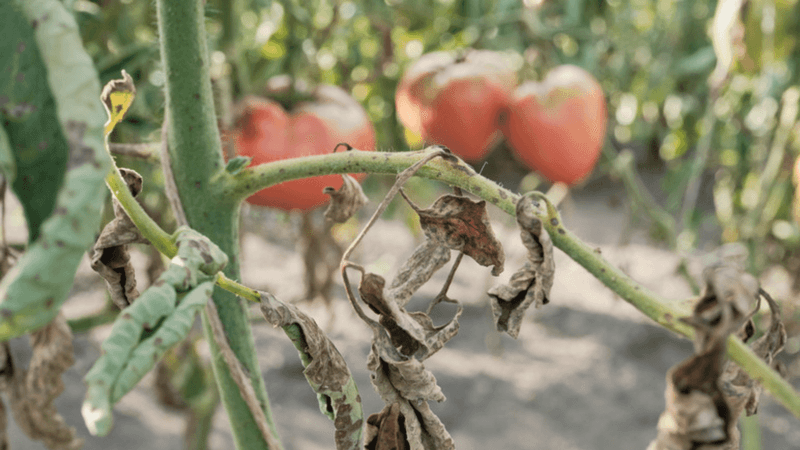
Soil memory matters tremendously when growing tomatoes, because many devastating diseases persist in the ground for years.
Pathogens causing wilt, blight, and other serious problems remain viable in soil, waiting to attack the next susceptible plants.
Planting tomatoes in the same location year after year practically guarantees increasing disease pressure and declining harvests.
Kentucky’s warm, humid growing conditions already favor many tomato diseases, and contaminated soil makes prevention virtually impossible.
Even if last season’s plants looked healthy, invisible pathogens may lurk in the soil ready to strike.
Crop rotation breaks disease cycles by denying pathogens their preferred host plants for extended periods.
Move tomatoes to a completely different garden area each year, waiting at least three years before returning to any previous location.
If space limitations prevent proper rotation, consider growing tomatoes in large containers with fresh potting mix each season.
Some gardeners successfully use raised beds, replacing or sterilizing soil between tomato plantings to eliminate disease organisms.
Keeping detailed garden records helps track where tomatoes grew previously and plan effective rotations that protect plant health and maximize your harvest success throughout Kentucky’s growing season.
9. Next To Walnuts Or Juglone-Producing Trees
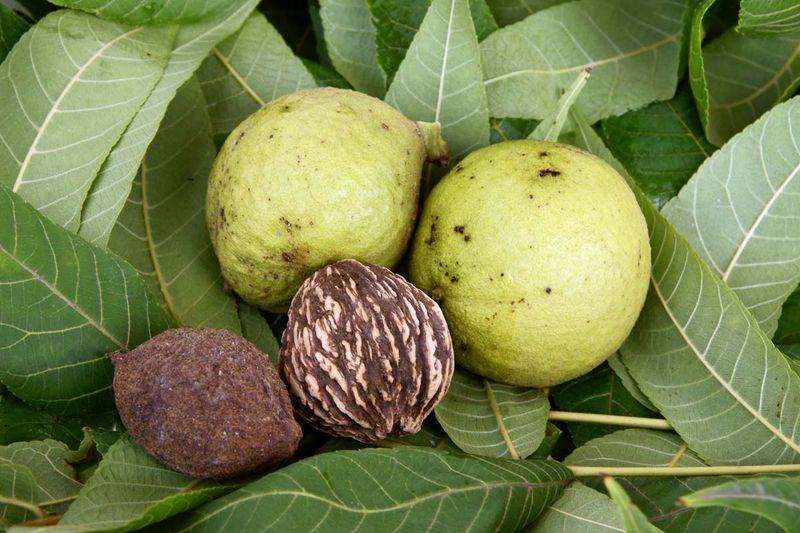
Black walnut trees create beautiful shade but produce a chemical weapon that tomatoes simply cannot tolerate.
Juglone, released from walnut roots, leaves, and hulls, acts as a natural herbicide that prevents many plants from growing nearby.
Tomatoes rank among the most sensitive species, showing dramatic negative reactions even at low juglone concentrations.
Within the root zone of walnut trees, which extends well beyond the canopy, tomatoes wilt rapidly and fail to thrive.
Leaves yellow and curl, stems weaken, and plants appear severely stressed despite adequate water and care.
Kentucky landscapes often feature mature black walnut trees valued for their timber and shade, creating challenges for vegetable gardeners.
The toxic zone typically extends fifty to sixty feet from the trunk, though roots may reach even farther underground.
Even fallen leaves and decomposing plant material release juglone that contaminates soil for considerable distances.
Never plant tomatoes anywhere near black walnut trees, and avoid using walnut leaves or wood chips as mulch in your vegetable garden.
Choose garden locations far from these trees, or grow tomatoes in raised beds or containers filled with clean soil that walnut roots cannot penetrate from below.
10. In Soil With Poor Air Circulation
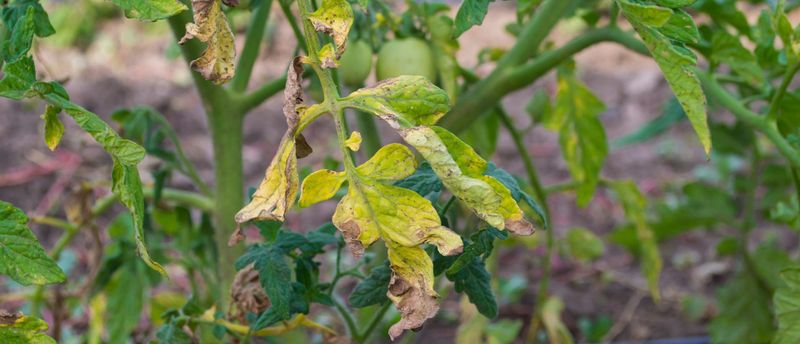
Moving air serves as one of your best defenses against the fungal diseases that plague Kentucky tomato gardens.
Breezes dry moisture from leaves quickly, preventing the prolonged wetness that fungal spores need to germinate and infect plants.
Gardens tucked into corners, surrounded by tall vegetation, or enclosed by structures trap still, humid air that encourages disease.
Without adequate air movement, morning dew and rain remain on foliage for hours, creating perfect conditions for fungal growth.
Kentucky’s naturally humid climate means gardeners already fight an uphill battle against blights, mildews, and other moisture-loving problems.
Stagnant air makes these challenges significantly worse, allowing diseases to establish and spread rapidly through your tomato plants.
Choose open garden sites where prevailing breezes can flow freely around and through your plants throughout the day.
Avoid planting tomatoes in low spots surrounded by hedges, in tight spaces between buildings, or beneath overhanging tree canopies.
Proper plant spacing also promotes air circulation at the individual plant level, allowing breezes to reach interior leaves and stems.
Pruning lower leaves and maintaining good spacing creates an environment where air moves freely, foliage dries quickly, and fungal diseases struggle to gain a foothold in your healthy tomato garden.
11. On Sites With Historic Herbicide Drift Or Contamination
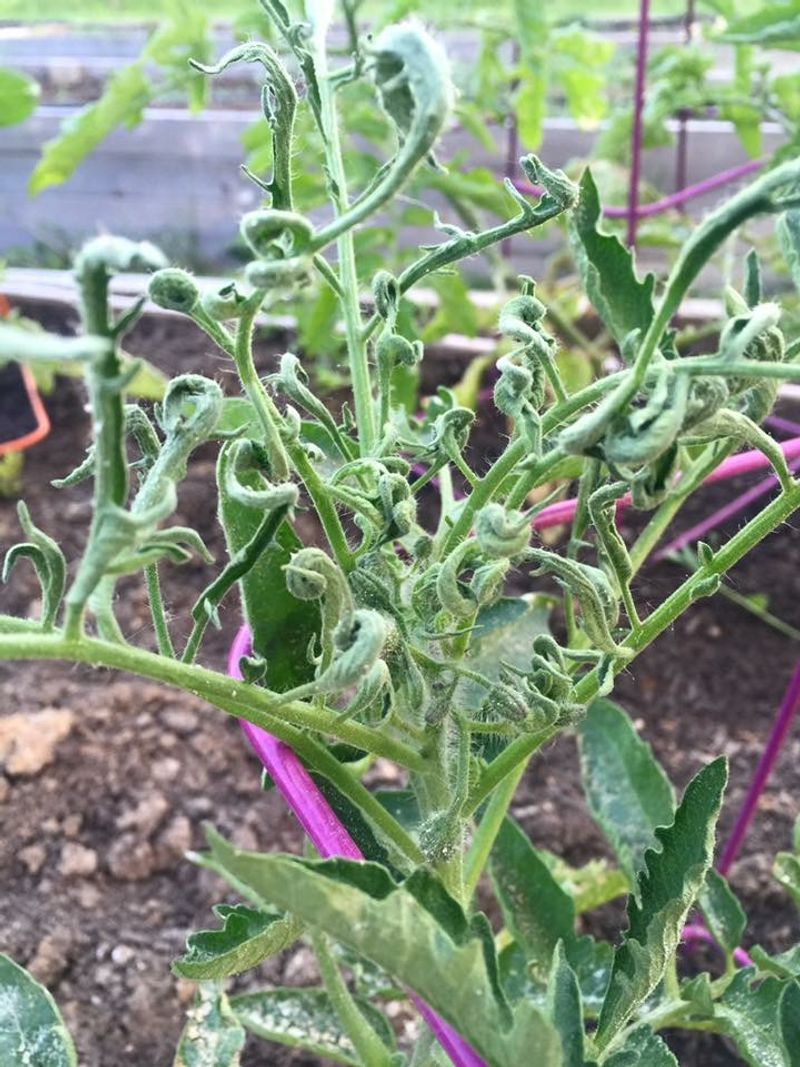
Herbicide contamination represents an invisible threat that can mysteriously ruin tomato plants despite perfect care in every other way.
Residues from lawn treatments, agricultural spraying, or previous applications can persist in soil or drift from nearby treated areas.
Tomatoes show extreme sensitivity to many common herbicides, displaying twisted growth, distorted leaves, and severely reduced productivity.
Even tiny amounts of certain herbicides cause dramatic deformities that make plants unproductive and unsightly throughout the growing season.
Kentucky gardeners living near agricultural fields or maintaining treated lawns nearby face particular risks from herbicide exposure.
Wind carries spray droplets surprising distances, and some persistent herbicides remain active in soil for months or even years.
Compost made from grass clippings treated with certain lawn herbicides can contaminate garden soil and harm sensitive vegetables.
Before planting tomatoes, research the history of your garden site and nearby areas for potential herbicide use.
Avoid locations downwind from regularly treated lawns or agricultural fields where drift might reach your plants during application.
Use only herbicide-free mulch and compost in tomato beds, and consider growing tomatoes in raised beds with purchased soil if contamination seems likely in your existing garden soil.
12. In Areas Hard To Water Consistently
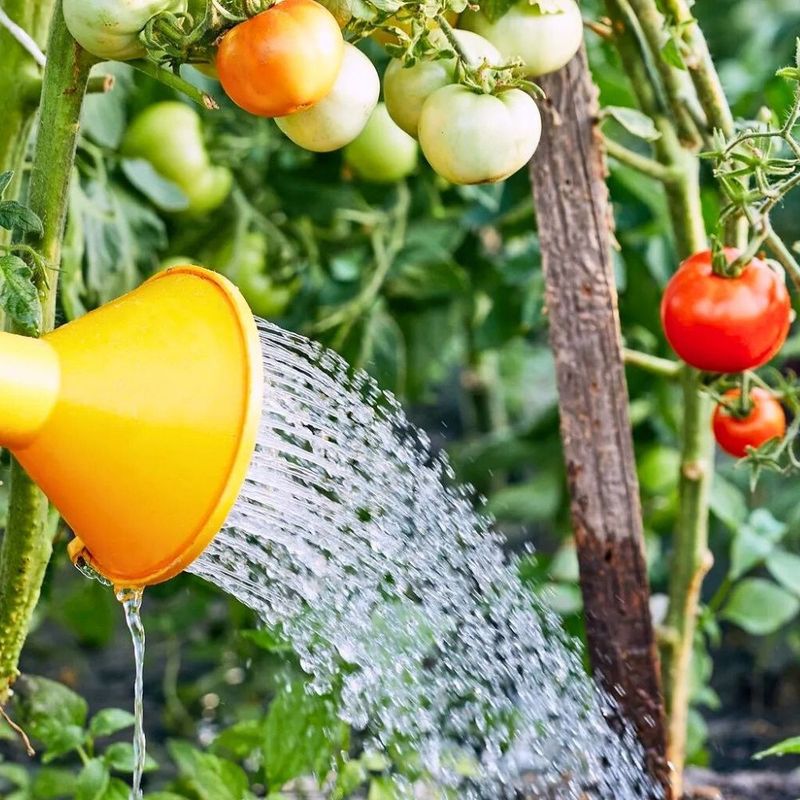
Consistent moisture makes the difference between mediocre tomatoes and an abundant harvest of perfect fruit.
Plants need regular, even watering throughout the growing season to develop properly and produce quality tomatoes.
Locations far from water sources or difficult to reach encourage neglect, leading to irregular watering that stresses plants severely.
Kentucky summers bring unpredictable rainfall patterns, with periods of drought interrupted by heavy downpours that provide too much water at once.
Relying solely on rainfall rarely provides the consistent moisture that tomatoes need for optimal growth and fruit development.
Irregular watering causes numerous problems including blossom end rot, cracking, and poor fruit quality that disappoints gardeners at harvest.
Plants experiencing drought stress develop shallow root systems and produce fewer, smaller tomatoes with concentrated, sometimes bitter flavors.
Conversely, sudden heavy watering after dry periods causes fruits to split and become unmarketable or unusable.
Choose garden locations within easy reach of your water source, making daily checks and watering convenient rather than burdensome.
Consider installing soaker hoses or drip irrigation systems that deliver consistent moisture directly to root zones while conserving water and reducing disease pressure from wet foliage throughout Kentucky’s challenging growing season.