8 Places You Should Never Plant Peonies In Michigan Backyards
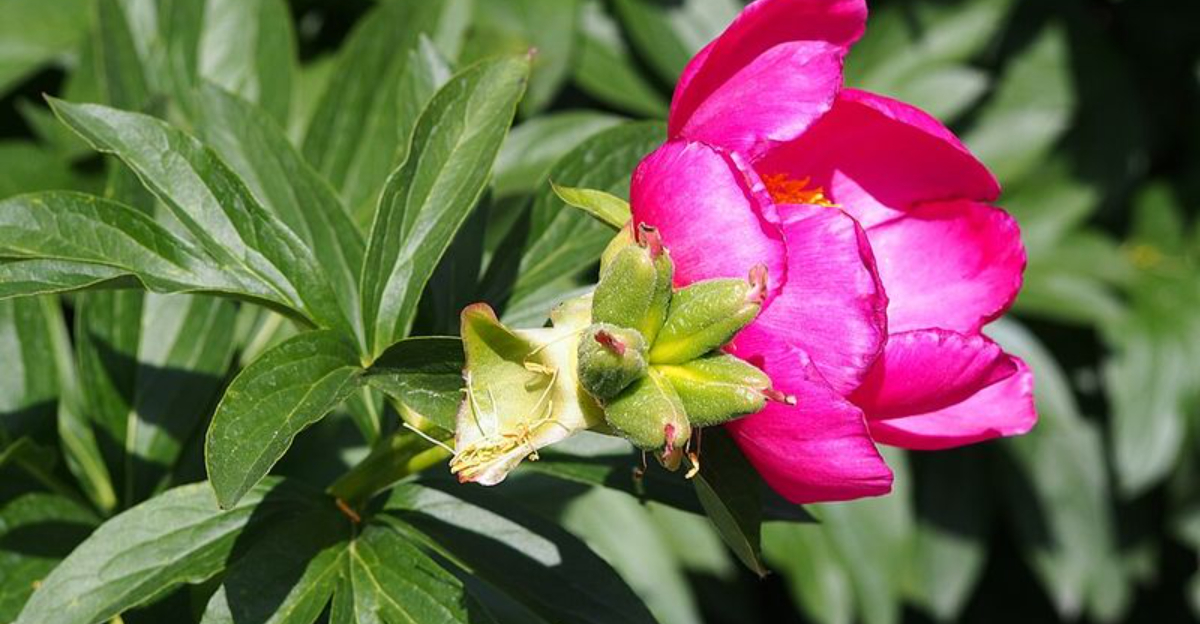
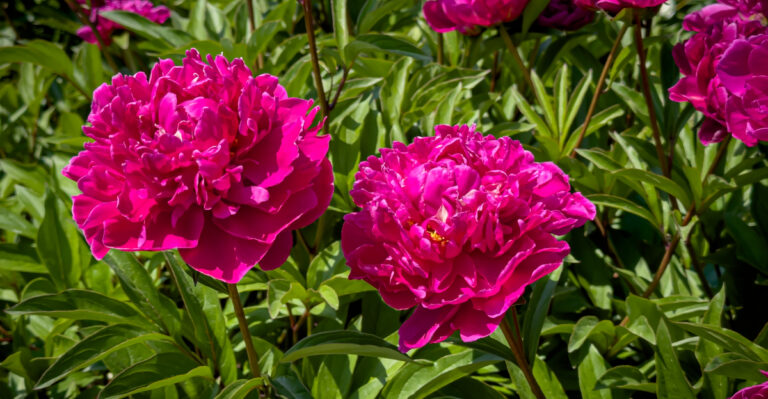
Peonies hold a special place in Michigan gardens, bursting into massive blooms just as spring settles in for good.
Their reliability, fragrance, and long lifespan make them a backyard favorite across the state.
Even the toughest peony, though, falters in the wrong location.
Michigan’s shifting seasons, heavy soils, deep freezes, and humid summers all play a role in how well these plants perform.
A single planting mistake can lead to weak stems, sparse blooms, pest pressure, or outright decline.
Avoiding problem spots becomes essential for anyone dreaming of lush flowers that return year after year.
The right placement shapes the entire future of a peony’s success.
1. Deep Shade Beneath Dense Tree Canopies
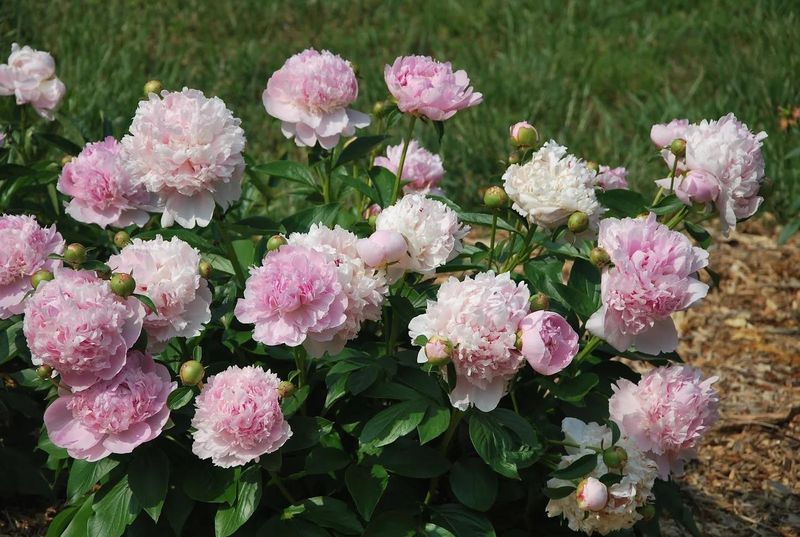
Peonies crave sunlight like bees crave nectar, and tucking them under the thick branches of mature trees sets them up for failure from day one.
These flowering perennials need at least six hours of direct sunlight daily to produce those magnificent blooms Michigan gardeners dream about each spring.
When planted in deep shade, your peonies will struggle to gather enough energy through photosynthesis.
The result is often weak, leggy stems that reach desperately toward any available light.
Blooms become sparse or disappear entirely, leaving you with nothing but green foliage that never quite looks healthy.
Tree roots also compete aggressively for water and nutrients in the soil, creating another challenge for your peonies.
Michigan’s clay-heavy soils make this competition even tougher since water doesn’t always penetrate deeply.
If you have beautiful mature trees in your yard, celebrate them by planting shade-loving hostas or ferns underneath instead.
Save your sunny spots for sun-worshipping peonies that will reward your smart placement with armfuls of gorgeous flowers.
Your future self will thank you when those buds burst open in spectacular fashion each May and June across Michigan.
2. Low-Lying Areas That Collect Standing Water
Picture the lowest spot in your Michigan backyard where puddles linger long after rainstorms pass through.
That exact location is peony enemy number one.
Peonies absolutely despise having wet feet, and their roots will quickly rot when sitting in waterlogged soil.
Michigan experiences significant rainfall throughout the growing season, making proper drainage absolutely essential for peony success.
Low spots naturally collect runoff from surrounding areas, creating boggy conditions that suffocate peony roots.
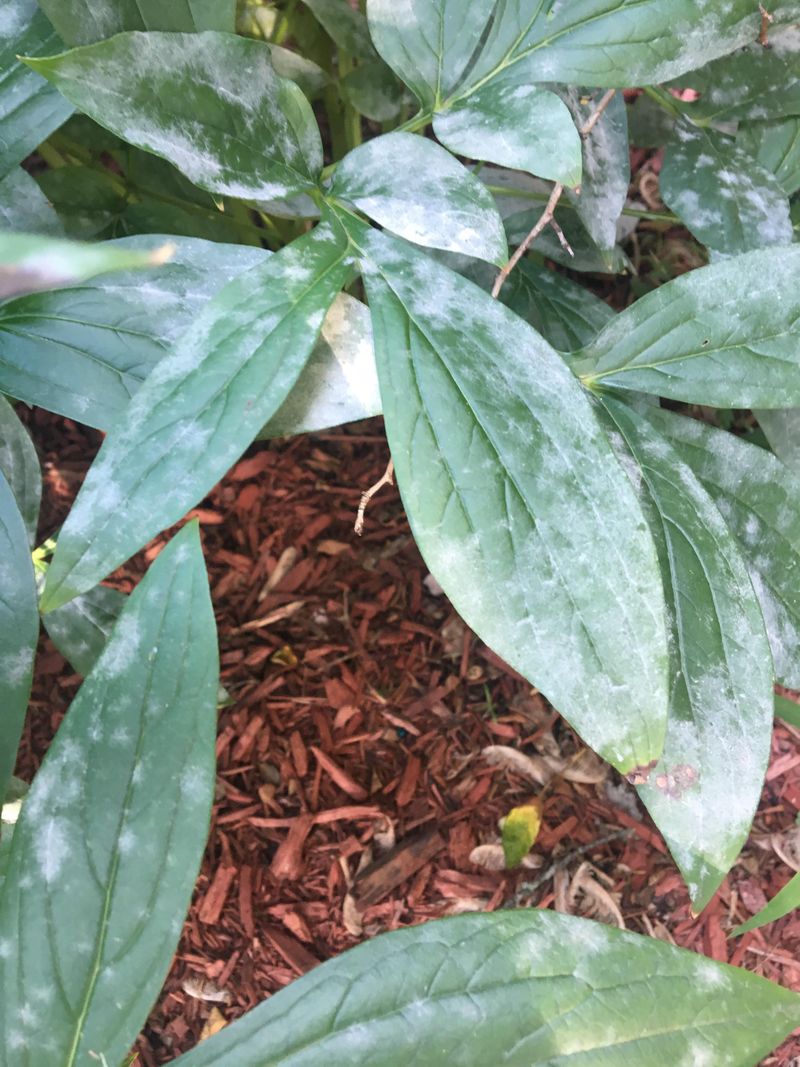
Without adequate oxygen reaching the root system, plants become vulnerable to fungal diseases and root rot.
You might notice yellowing leaves, wilting stems, or a general decline in plant vigor.
Eventually, the entire plant may collapse despite your best care efforts.
Before planting peonies anywhere in your yard, observe how water moves during heavy rains.
Watch where puddles form and how long they take to disappear.
Choose elevated spots with natural drainage or consider creating raised beds to lift your peonies above problem areas.
Well-drained soil is non-negotiable for these plants.
Michigan gardeners who respect this requirement enjoy decades of reliable blooms, while those who ignore it face constant disappointment and frustration.
3. Right Against Foundation Walls And Building Sides
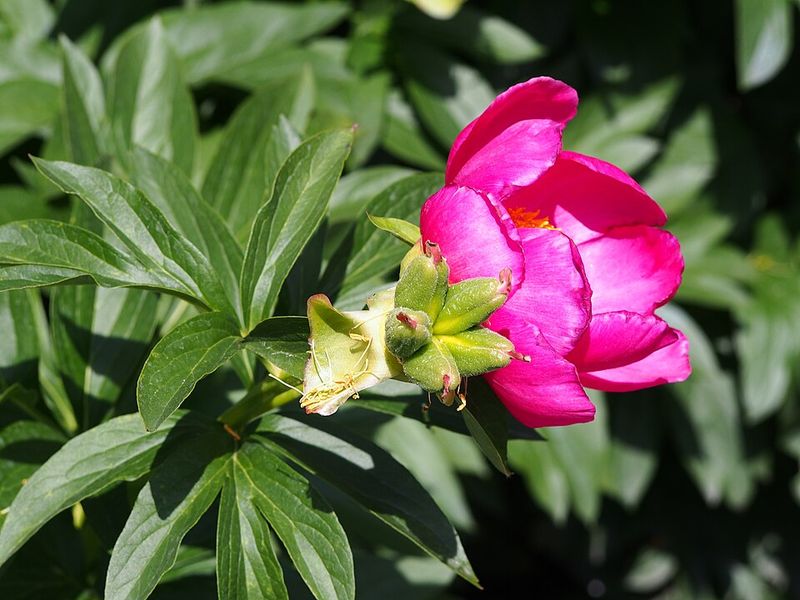
Foundation planting might seem convenient, but it creates a hostile environment for peonies in Michigan yards.
Buildings radiate heat that bakes nearby soil, especially along south and west-facing walls.
This extra warmth might sound beneficial, but it actually disrupts the natural dormancy cycle peonies need.
Concrete foundations also leach lime into surrounding soil, gradually raising pH levels over time.
Peonies prefer neutral to slightly acidic soil, so this alkaline shift can interfere with nutrient uptake.
Michigan’s freeze-thaw cycles cause additional problems near foundations as ice expands and contracts.
This movement can damage tender peony crowns planted too close to structures.
Foundation areas also tend to have compacted soil from construction activities, leaving little room for healthy root development.
Overhanging eaves create rain shadows that leave foundation beds dry even during Michigan’s wettest months.
You end up either overwatering to compensate or watching your peonies struggle with drought stress.
Give your peonies breathing room by planting them at least three feet away from any building.
This distance provides better air circulation, more consistent soil conditions, and room for plants to reach their full mature size without crowding against walls.
4. Underneath Roof Drip Lines And Downspout Areas
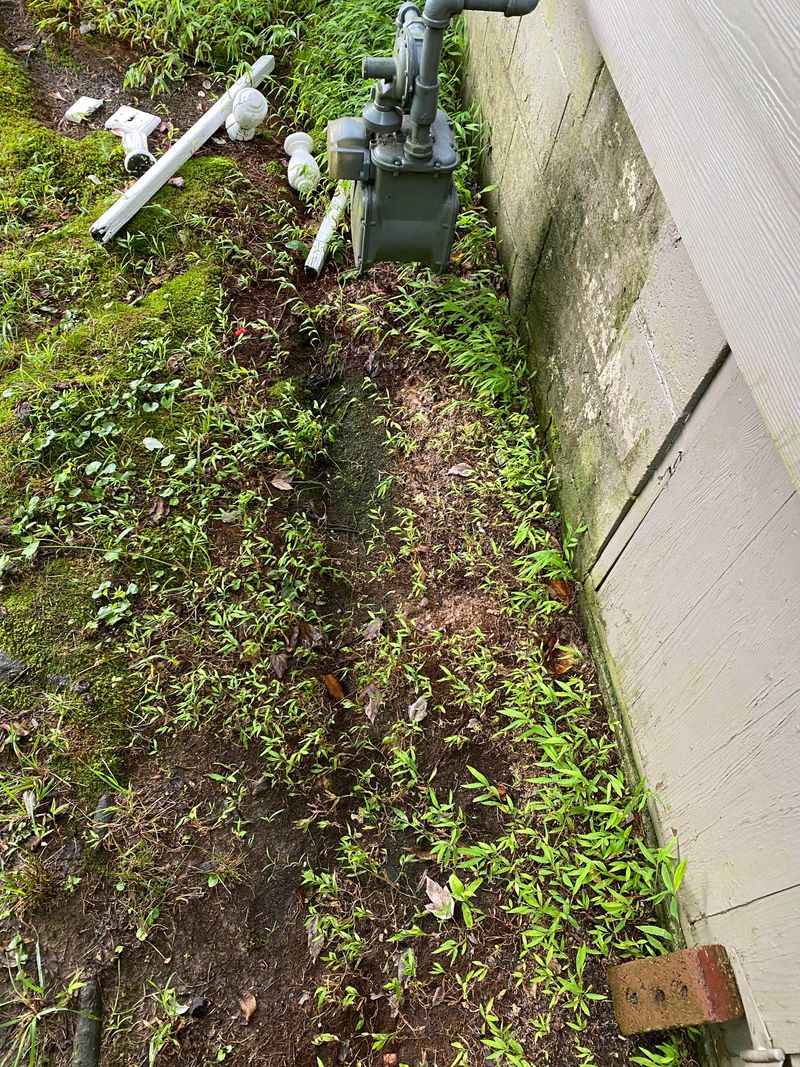
Every time it rains in Michigan, water cascades off your roof in concentrated streams.
These drip lines and downspout zones create miniature waterfalls that pound the soil with excessive moisture.
Peonies planted in these zones get drenched repeatedly, experiencing waterlogged conditions that encourage root rot and fungal problems.
The force of falling water also physically damages delicate peony buds and flowers during Michigan’s frequent spring showers.
Those beautiful blooms you waited all year for can get knocked off by heavy dripping before they fully open.
Soil erosion becomes another issue as water constantly washes away topsoil and exposes peony crowns.
When crowns sit too close to the surface, plants struggle to establish properly and become vulnerable to temperature fluctuations.
Winter freezing and spring thawing cycles can heave exposed crowns right out of the ground in Michigan.
Downspout areas also experience extreme moisture swings, from saturated during rains to bone dry between storms.
Peonies prefer consistent moisture levels rather than these dramatic fluctuations.
Redirect downspouts away from planting areas using extensions or rain barrels.
Choose spots at least four feet beyond any roof drip line to protect your peonies from concentrated water flow and give them the stable conditions they crave.
5. Crowded Spots Between Aggressive Perennials

Peonies may look delicate, but they need their personal space to truly shine in Michigan gardens.
Squeezing them between fast-spreading perennials like ornamental grasses, bee balm, or obedient plant creates constant competition.
Aggressive neighbors quickly invade peony territory, stealing precious nutrients and moisture from the soil.
Their roots tangle together underground, making it nearly impossible for peonies to establish strong root systems.
Above ground, crowding reduces air circulation around peony foliage.
Michigan’s humid summers already challenge peonies with fungal diseases like botrytis blight.
Poor air flow from overcrowding makes these problems significantly worse.
You might notice brown spots on leaves or flowers that fail to open properly.
Crowded conditions also make it difficult to appreciate the full beauty of peony blooms.
These showstoppers deserve center stage, not a cramped corner where their flowers hide behind other plants.
When planning your Michigan garden layout, give each peony at least three feet of space in all directions.
This generous spacing allows air to circulate freely, reduces disease pressure, and lets each plant develop its naturally rounded, bushy shape.
Surround peonies with well-behaved companions like catmint or salvia that respect boundaries and enhance rather than overwhelm.
6. Windy Corners And Exposed Hilltops
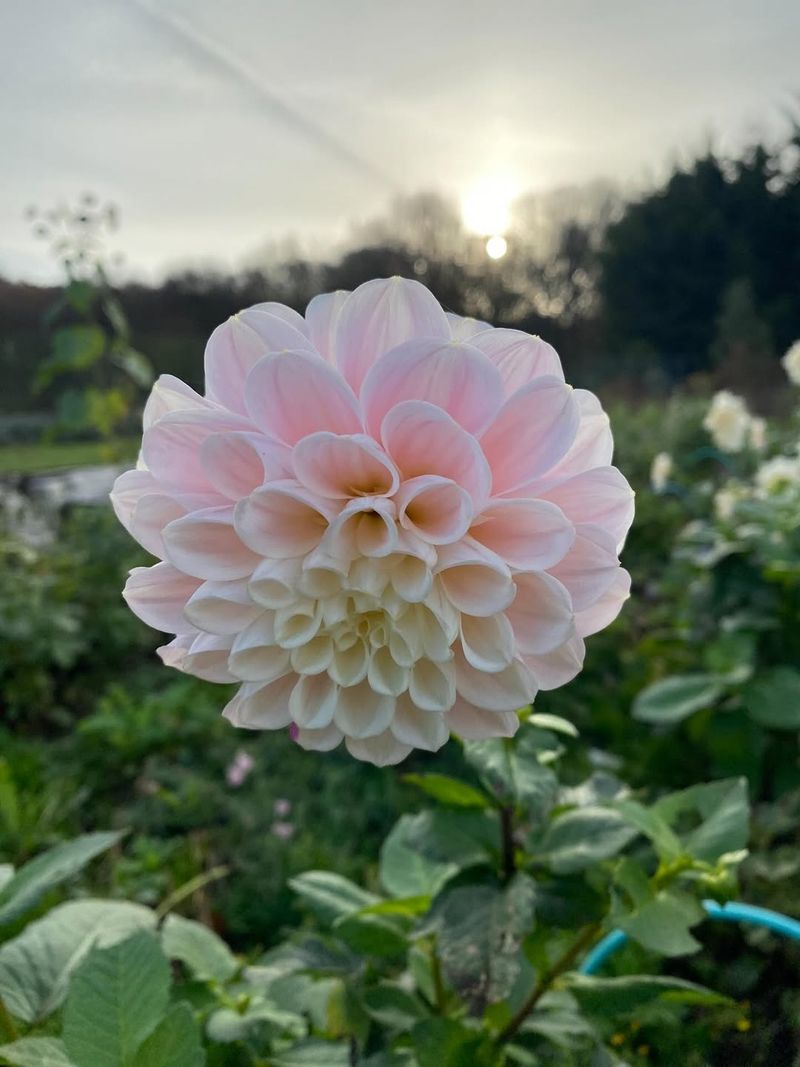
Michigan winds can be fierce, especially during spring when peonies are developing their heavy blooms.
Exposed corners and hilltops offer no protection from these relentless gusts.
Peony stems, though sturdy-looking, struggle to support those massive flowers when constantly buffeted by wind.
You end up with plants that flop over, requiring extensive staking and support to remain upright.
Even with support, wind-whipped peonies rarely look their best.
Blooms get shredded and tattered before reaching their peak beauty.
Petals tear and brown along the edges, destroying the pristine appearance that makes peonies so desirable.
Strong winds also accelerate moisture loss through plant leaves, creating drought stress even when soil contains adequate water.
This forces you to water more frequently than peonies planted in sheltered locations across Michigan.
Winter winds present additional challenges by stripping away protective snow cover that insulates peony crowns from extreme cold.
Without this natural blanket, crowns become vulnerable to frost damage.
Choose planting sites that offer some natural wind protection from fences, hedges, or the lee side of buildings.
These sheltered spots allow your peonies to grow strong and display their magnificent blooms without constant battle against Michigan’s breezy conditions.
7. Heavily Mulched Beds With Deep Organic Layers
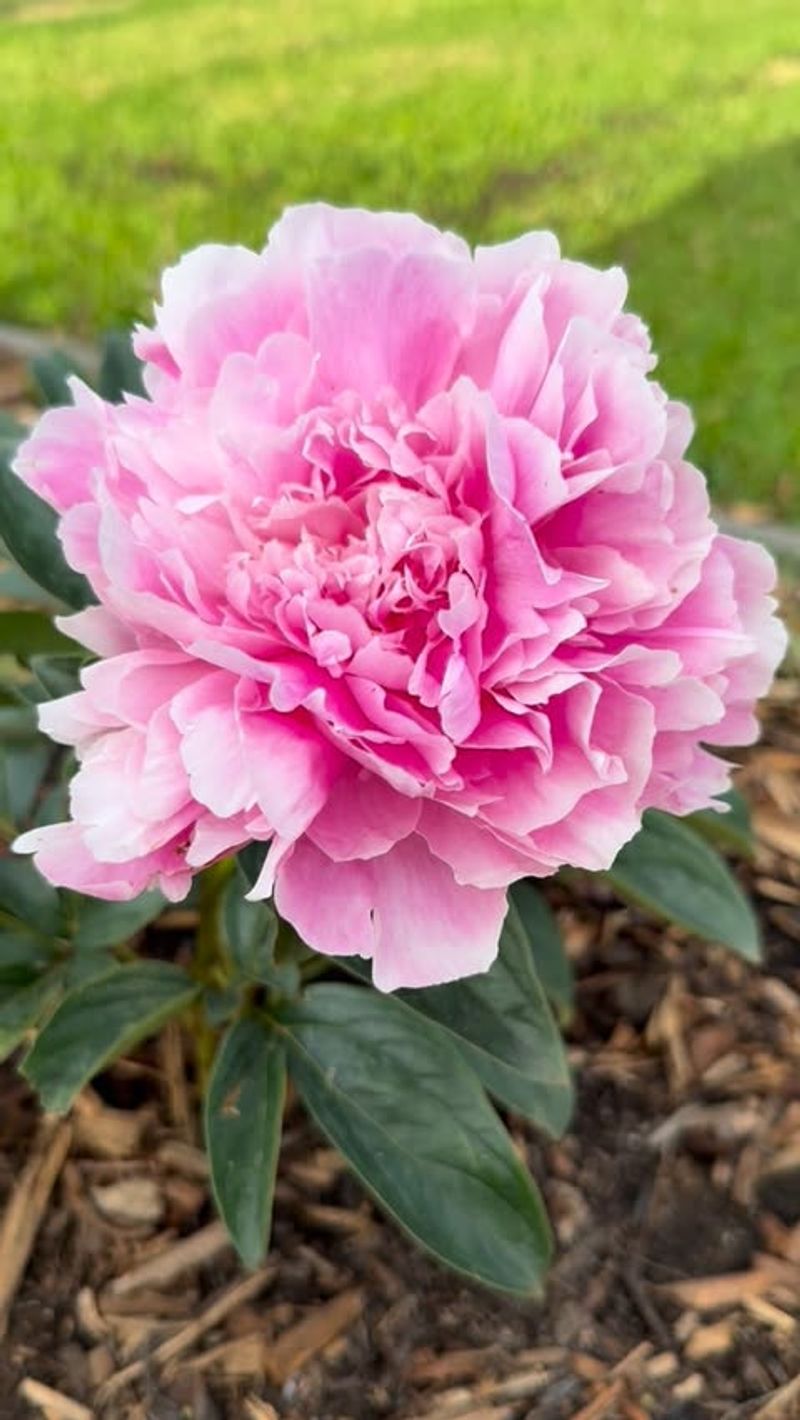
Mulch benefits most garden plants, but peonies have special requirements that Michigan gardeners must respect.
Piling mulch deeply around peony crowns creates serious problems despite good intentions.
Peony crowns must sit no more than two inches below the soil surface to bloom properly.
When thick mulch layers cover crowns too deeply, plants produce abundant foliage but frustratingly few flowers.
You might wait years wondering why your supposedly mature peonies refuse to bloom in your Michigan garden.
The answer often lies buried under excessive mulch.
Deep organic layers also retain moisture against peony crowns, encouraging fungal growth and rot.
Michigan’s naturally moist climate already challenges gardeners with fungal diseases.
Adding constantly damp mulch against crowns magnifies these risks unnecessarily.
Heavily mulched beds can also harbor slugs and other pests that damage emerging peony shoots each spring.
These tender shoots are vulnerable as they push through soil, and hungry pests find perfect hiding spots in thick mulch.
If you mulch around peonies, keep it light and pull it back several inches from the crown.
A thin layer of compost or shredded leaves works better than deep wood chip mulch for these particular plants in Michigan gardens.
8. Next To Black Walnut Trees And Their Root Zones
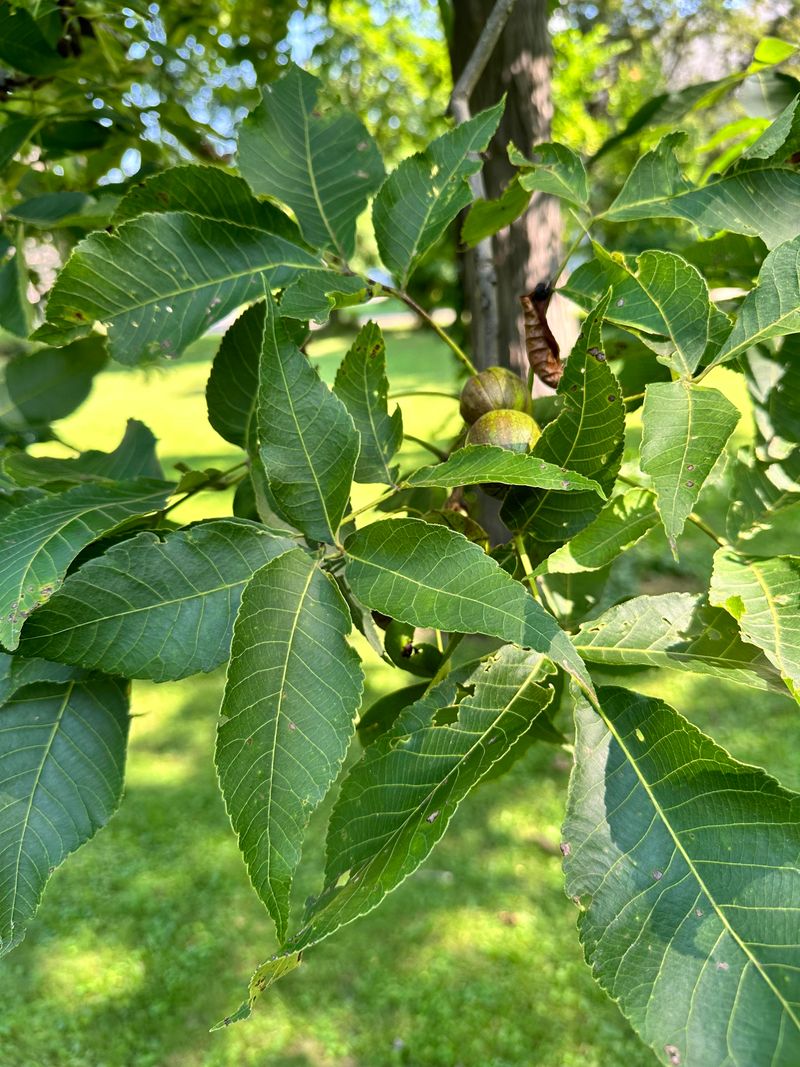
Black walnut trees are common throughout Michigan landscapes, but they wage chemical warfare on nearby plants.
These trees produce juglone, a toxic compound that leaches from roots, leaves, and nuts into surrounding soil.
Peonies are moderately sensitive to juglone and will struggle or fail when planted within the black walnut root zone.
This zone extends far beyond the tree canopy, often reaching 50 to 60 feet from the trunk.
Michigan gardeners sometimes plant peonies thinking they are safely distant from a walnut tree, only to discover roots extend much farther than expected.
Affected peonies show yellowing leaves, stunted growth, and gradual decline over several seasons.
They might survive but never thrive, producing fewer blooms and remaining smaller than healthy plants.
Eventually, many succumb entirely to the constant chemical stress.
Even after removing a black walnut tree, juglone persists in Michigan soil for several years.
The compound breaks down slowly, meaning formerly toxic areas need time before becoming safe for sensitive plants.
If you have black walnuts on your property, map their locations carefully before planting peonies.
Choose sites well beyond the root zone, or consider growing juglone-tolerant plants in affected areas instead.
This simple precaution saves you from watching expensive peonies slowly decline in your Michigan garden.