8 Plant Concerns That Don’t Mean You’re Doing A Bad Job In Massachusetts
Ever look at one of your plants and immediately assume you’ve messed something up?
That reaction is incredibly common in Massachusetts homes, where changing seasons and indoor conditions can make plants behave in unexpected ways.
Small changes in leaves, growth, or posture often trigger worry, even when care hasn’t actually slipped.
Many plant owners quietly second-guess themselves after noticing something that feels off.
The truth is that plants respond to their environment in ways that aren’t always neat or predictable. Not every change is a sign of failure.
Some concerns are simply part of how plants adjust to light, temperature, or routine shifts.
In Massachusetts especially, natural cycles can cause reactions that look alarming at first glance.
Understanding which signs matter and which don’t can take a lot of pressure off.
Realizing that not every imperfection means you’re doing something wrong can completely change how confident plant care feels.
1. Leaves Dropping After A Sudden Temperature Change
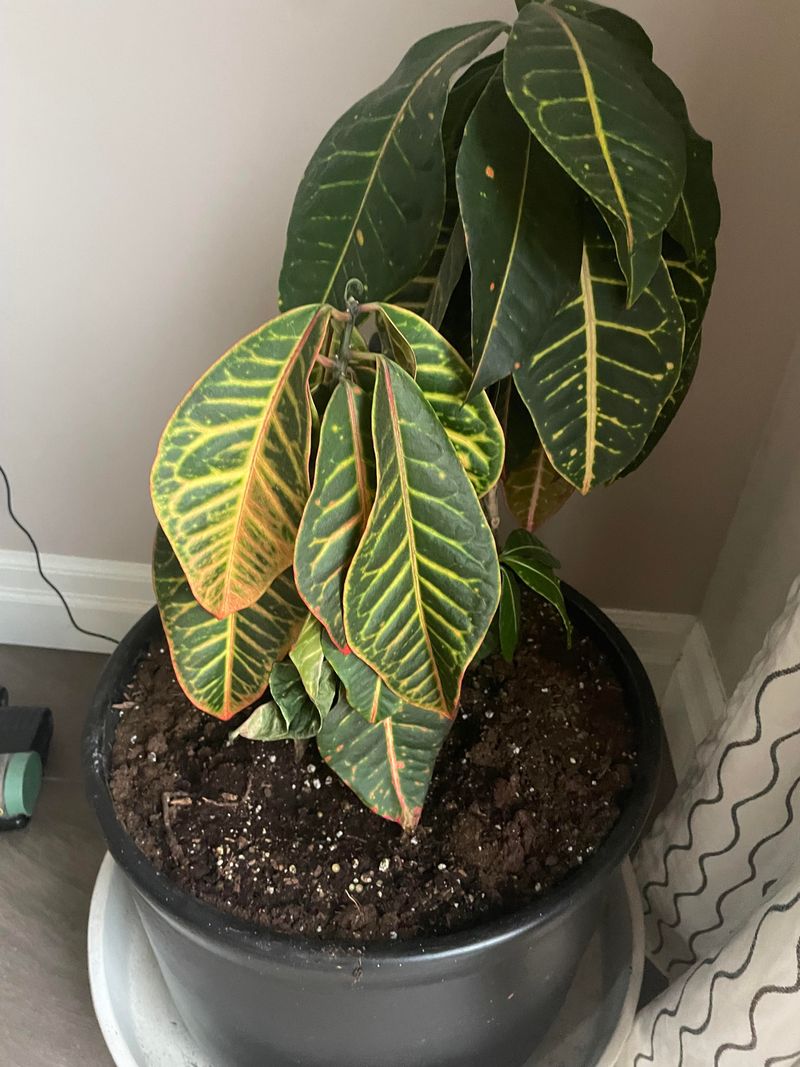
Leaf drop after a temperature change looks dramatic, but it’s rarely a mistake. This is one of the most common plant reactions in Massachusetts homes.
Many tropical houseplants sold in local nurseries come from stable greenhouse environments. Bringing them into a home where the thermostat fluctuates or placing them near drafty windows can cause immediate stress.
Bay State residents know how quickly temperatures can change, especially during spring and fall transitions.
Your plant isn’t protesting your care routine when this happens. Instead, it’s redirecting energy away from maintaining all its foliage toward protecting its core systems.
Think of it as the plant version of bundling up for unexpected cold weather.
Ficus trees are particularly notorious for this behavior in Massachusetts homes. They can drop dozens of leaves within days of experiencing a temperature shift.
Other sensitive varieties include crotons, gardenias, and hibiscus plants.
The good news is that most plants recover once conditions stabilize. New growth typically emerges within a few weeks if you maintain consistent temperatures.
Patience is key during this adjustment period.
Avoid moving your plant around too much while it’s recovering. Find a spot away from heating vents, air conditioners, and exterior doors.
Massachusetts winters can be harsh, so keeping plants away from cold windows helps prevent repeated shock.
Monitor your home’s temperature patterns throughout the day. Many older homes in the state have uneven heating, with some rooms staying warmer than others.
Placing temperature-sensitive plants in the most stable areas reduces stress.
Consider using a simple thermometer near your plants to track conditions. This helps you understand what your green friends are experiencing.
You might discover temperature swings you didn’t realize were happening.
2. Slow Growth During Long Winter Months
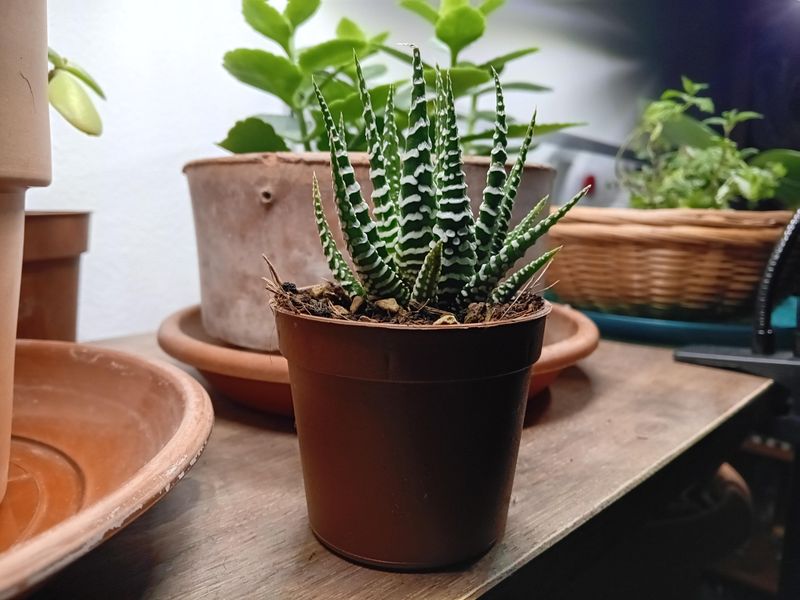
Slow winter growth doesn’t mean your plant is struggling. In Massachusetts, it’s a normal seasonal pause.
Reduced daylight hours mean less energy for photosynthesis, the process plants use to create food. From November through February, the Bay State receives significantly fewer hours of quality light compared to summer months.
Plants respond by conserving resources and pausing active growth.
You might notice your plants producing no new leaves, stems, or flowers during this time. Some varieties may even appear to stop growing entirely for several months.
This dormancy period is built into their natural cycle and helps them survive challenging conditions.
Tropical plants that thrive in Massachusetts homes during summer often struggle with the reduced light of winter. Pothos, philodendrons, and monsteras all slow down considerably.
Even cacti and succulents, which seem tough, reduce their growth rate.
Adjusting your care routine to match this slower metabolism is important. Plants need less water and fertilizer when they’re not actively growing.
Overwatering during dormancy causes more problems than the slow growth itself.
Resist the urge to fertilize heavily in winter, hoping to encourage growth. This can actually harm plants by forcing them to work when they need rest.
Wait until spring returns and daylight increases before resuming regular feeding schedules.
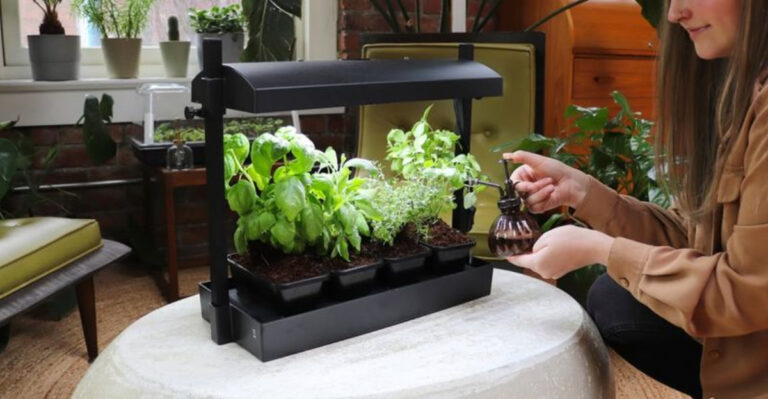
Some Massachusetts plant owners invest in grow lights to supplement winter sunlight. While this can help certain plants, it’s not necessary for most common houseplants.
They’re adapted to survive seasonal light changes naturally.
3. Yellowing Lower Leaves On Otherwise Healthy Plants
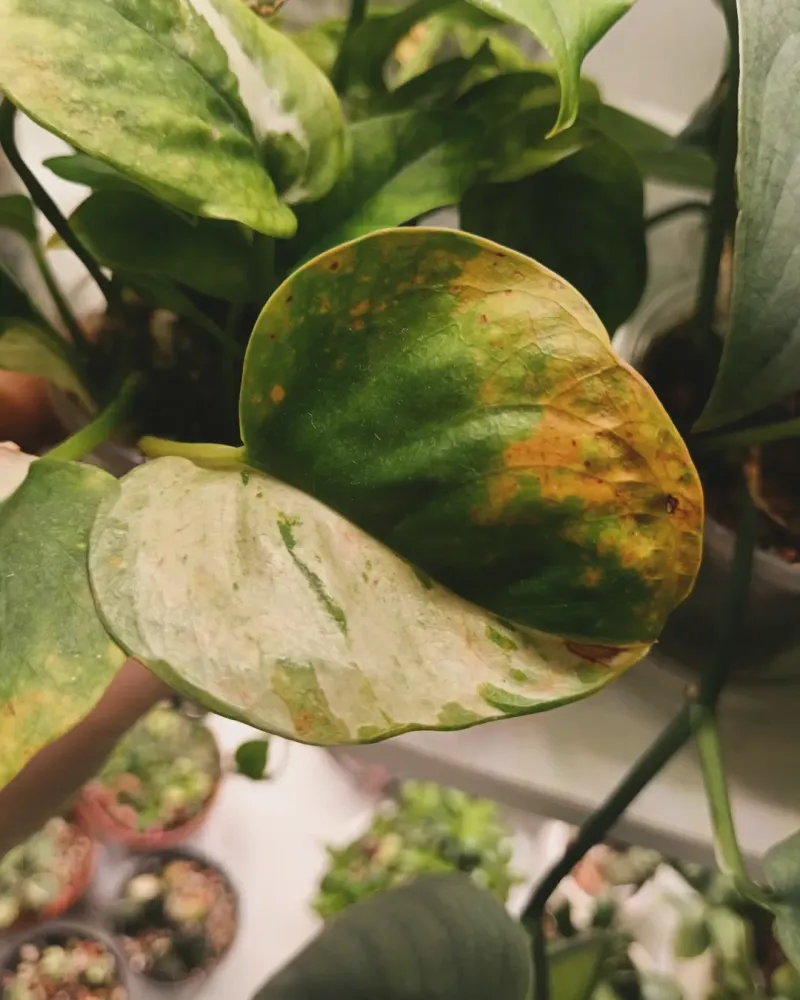
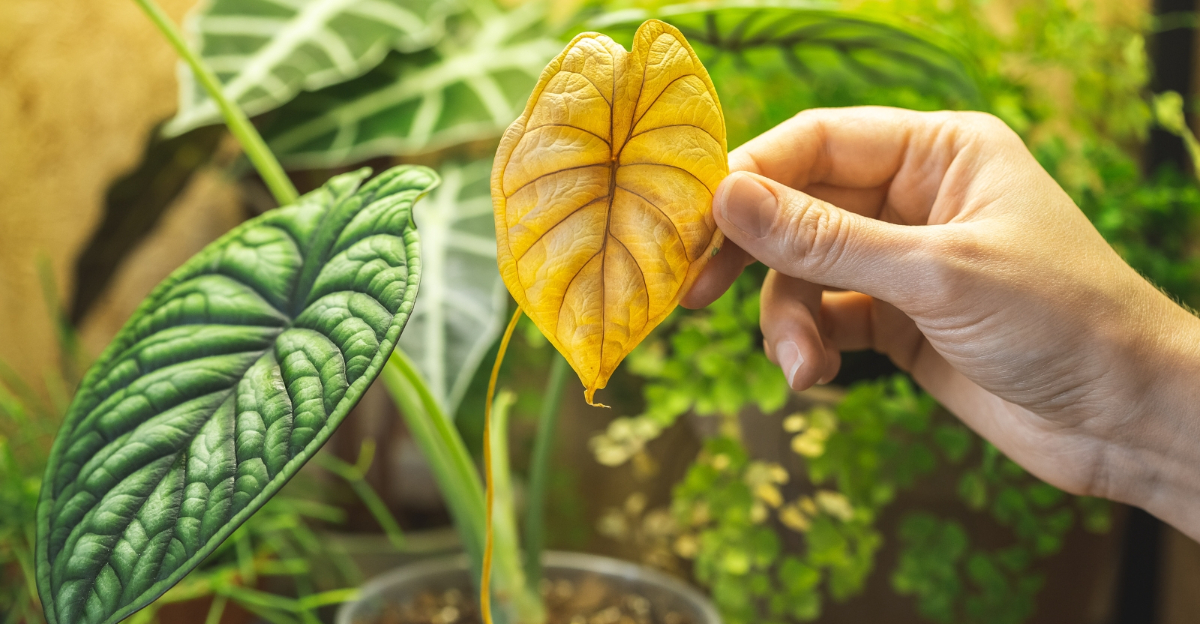
Older leaves naturally turn yellow and drop as plants mature and redirect energy to newer growth. This process happens continuously throughout a plant’s life and doesn’t indicate poor care.
Many Massachusetts plant parents panic when they see yellowing, but it’s often just part of the normal growth cycle.
Plants can’t maintain every leaf forever, especially as they produce new foliage at the top. Lower leaves receive less light as the plant grows taller and bushier.
When these shaded leaves become less efficient at photosynthesis, the plant absorbs their nutrients and lets them fade.
This is particularly common in fast-growing plants like pothos, spider plants, and dracaenas. You might notice one or two bottom leaves yellowing every few weeks or months.
As long as the rest of the plant looks vibrant and healthy, this is nothing to worry about.
The key is observing the pattern of yellowing. If only the oldest, lowest leaves are affected while new growth looks strong, your plant is thriving.
However, if yellowing spreads rapidly across multiple leaves or affects new growth, there might be an underlying issue.
Massachusetts homes with central heating can accelerate this natural process slightly. Dry indoor air during winter causes plants to work harder to maintain moisture levels.
This extra effort sometimes leads to shedding older leaves more quickly.
Simply remove yellowed leaves once they’re completely faded. Use clean scissors or pruning shears to snip them off at the base.
This keeps your plant looking tidy and prevents any potential fungal issues from developing on deteriorating foliage.
Don’t confuse natural leaf aging with nutrient deficiencies. If your plant has been in the same pot for years without fresh soil or fertilizer, yellowing might indicate nitrogen shortage.
However, occasional lower leaf yellowing on a regularly maintained plant is perfectly normal.
Some plants shed lower leaves more noticeably than others. Rubber plants, for example, naturally drop their bottom leaves as they grow taller and develop a tree-like appearance.
This is actually how they achieve their mature form.
4. Soil Staying Damp Longer In Cool Indoor Conditions
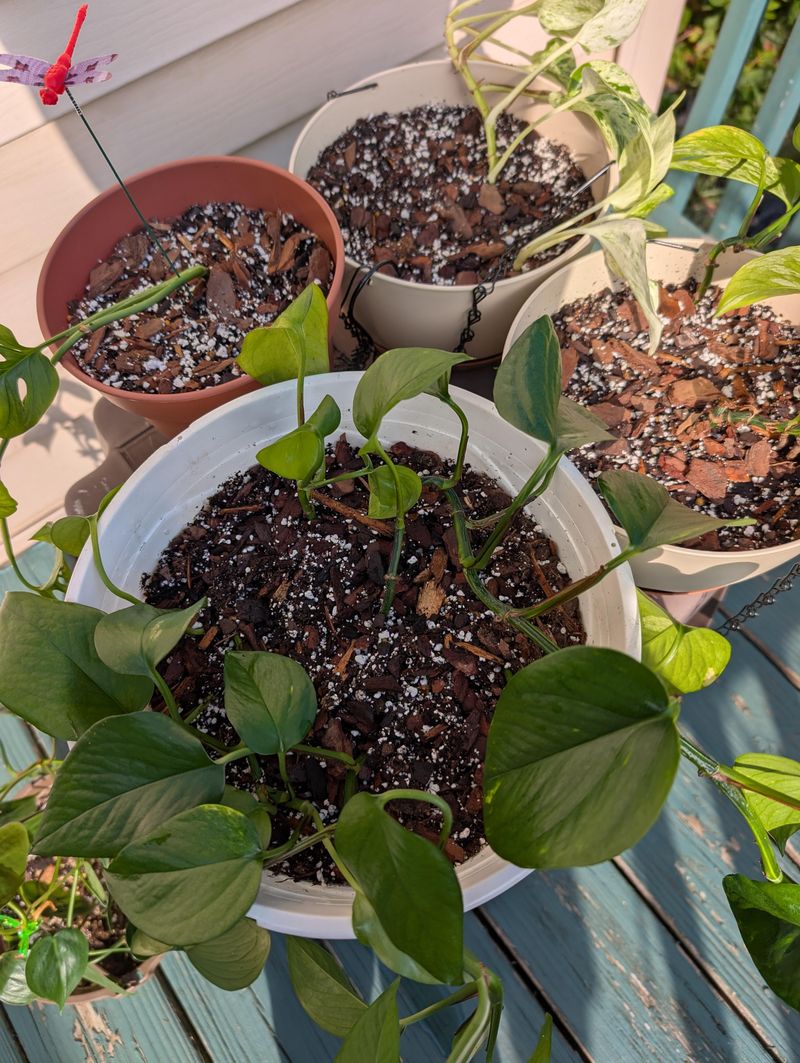
Soil staying damp longer in winter often feels like overwatering. In most Massachusetts homes, it’s a temperature issue.
When your home’s temperature drops to 65 degrees or lower, water evaporates from soil at a significantly slower pace. Plants also absorb less water during dormancy because their metabolic processes have slowed down.
The combination means soil that dried out in three days during summer might take a week in winter.
This is especially noticeable in older Massachusetts homes with uneven heating or rooms that stay naturally cooler. Bathrooms, basements, and north-facing rooms often maintain lower temperatures where soil dries even more slowly.
Your watering schedule needs to adapt to these conditions.
Sticking to a fixed watering schedule throughout the year is actually more problematic than adjusting for seasonal changes. What worked perfectly in July will be too frequent in January.
Always check soil moisture before watering rather than following a calendar.
Insert your finger about two inches into the soil to test dampness levels. If it feels moist, wait a few more days before watering.
Different plants have different preferences, but most houseplants prefer soil that dries out slightly between waterings.
Terra cotta pots help manage this issue better than plastic or ceramic containers. The porous material allows moisture to evaporate through the pot walls, speeding up drying time.
Many Bay State gardeners switch their plants to terra cotta specifically for winter.
Proper drainage remains crucial regardless of temperature. Make sure all your pots have drainage holes and that excess water can escape freely.
Soil staying damp is fine, but waterlogged soil sitting in standing water causes root problems.
Some plants actually prefer cooler, damper conditions during winter. Ferns, peace lilies, and calatheas thrive when soil stays consistently moist.
Understanding your specific plants’ needs helps you distinguish between healthy dampness and problematic overwatering.
5. Plants Leaning Toward Windows In Low Winter Light
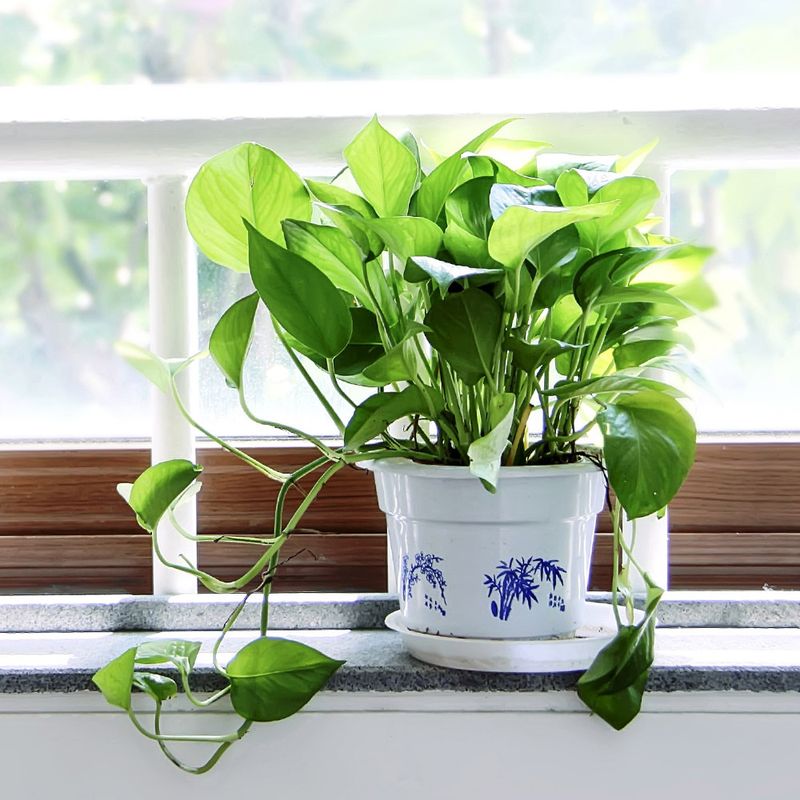
Phototropism is the scientific term for plants growing toward light sources, and it’s perfectly normal behavior throughout the year. During Massachusetts winters, when natural light becomes scarce, this leaning becomes much more pronounced.
Your plants aren’t unhappy; they’re simply optimizing their position to capture available sunlight.
Every plant naturally grows toward the strongest light source in its environment. In summer, abundant light comes from multiple directions, so growth stays relatively balanced.
Winter’s weak, directional light causes plants to stretch and lean dramatically toward windows.
This is particularly obvious in homes with limited south-facing windows. The Bay State’s winter sun stays low on the horizon and provides light for fewer hours each day.
Plants compensate by reorienting their leaves and stems to maximize whatever light they can access.
Rotating your plants every week or two helps maintain more balanced growth. Turn the pot a quarter turn each time you water so all sides receive equal light exposure over time.
This simple habit prevents severe leaning and keeps plants looking symmetrical.
Some plant varieties are more prone to leaning than others. Spider plants, peace lilies, and most vining plants show dramatic phototropism.
Succulents and cacti also lean noticeably when they’re not receiving adequate light from all directions.
The leaning itself doesn’t harm the plant, though severe angles can sometimes cause stems to weaken or break. If your plant has already developed a significant tilt, staking it upright while rotating it regularly helps correct the growth pattern over time.
Massachusetts plant owners often notice this issue intensifies in January and February when daylight hours reach their minimum. Plants positioned several feet from windows may lean so dramatically they nearly tip over.
Moving them closer to light sources during these months helps.
Some people embrace the leaning as part of their plant’s character rather than fighting against it. Vining plants and trailing varieties can look intentionally artistic when they grow toward light sources.
There’s no rule that plants must grow perfectly upright.
6. Brown Leaf Tips Caused By Dry Indoor Air
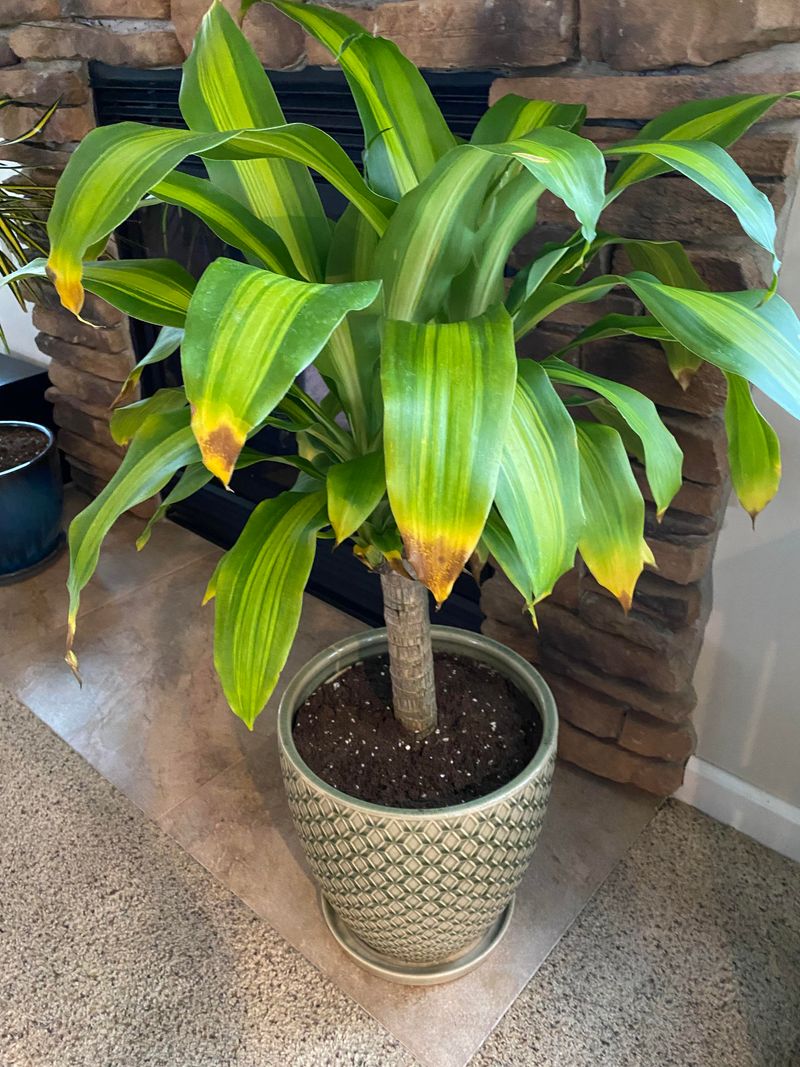
Brown leaf tips look alarming, but they’re rarely a care problem. Brown, crispy leaf tips are the most common symptom of low humidity, not a reflection of your watering habits.
This cosmetic issue affects plant appearance but rarely threatens overall health.
Most popular houseplants originate from humid tropical or subtropical regions where moisture levels stay consistently high. When you bring them into a heated New England home where humidity drops to 20 or 30 percent, their leaves lose moisture faster than roots can replace it.
Leaf tips, being the furthest points from the water source, brown first.
Spider plants, dracaenas, and palms are particularly susceptible to this problem. You might notice brown tips appearing within weeks of turning on your heating system each fall.
Even with perfect watering, these plants struggle in extremely dry air.
Increasing humidity around your plants helps minimize browning. Group plants together so they create a microclimate of shared moisture.
Place pots on trays filled with pebbles and water, ensuring the pot bottoms sit above the waterline. As water evaporates, it increases local humidity.
Humidifiers are popular among serious plant collectors in Massachusetts. Running one near your plant collection during winter months can dramatically reduce brown tips and improve overall plant health.
Many models are affordable and energy-efficient.
Misting plants provides temporary relief but doesn’t significantly increase humidity long-term. The water evaporates too quickly to make a lasting difference.
However, some plant owners enjoy the ritual and find it helps them stay connected to their plants during winter.
You can trim brown tips with clean scissors if they bother you aesthetically. Cut at an angle following the natural leaf shape to make the trim less noticeable.
This doesn’t harm the plant and helps maintain an attractive appearance.
Some browning is inevitable in Bay State homes during heating season unless you invest in humidity control. Don’t blame yourself for this common issue.
Even experienced gardeners see brown tips on their plants every winter.
7. Plants Pausing New Growth After Repotting
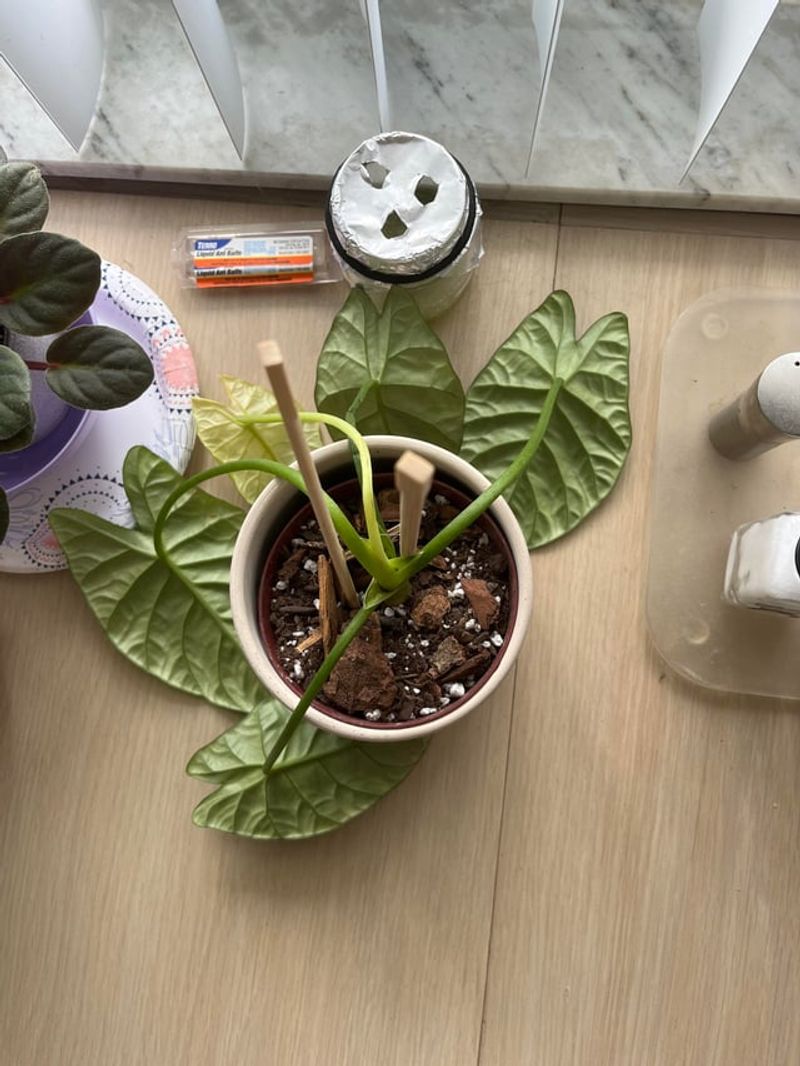
Growth pauses after repotting are normal. Plants focus on roots before showing new growth again.
When you repot, you inevitably disturb the root system even with careful handling. Roots may tear slightly, and the plant needs time to repair minor damage and establish itself in new soil.
During this recovery phase, energy goes toward root development rather than producing visible leaves or stems.
Think of repotting like moving to a new house. Even though the new space might be better, the transition period requires adjustment and settling in.
Your plant is doing the same thing underground where you can’t see the progress happening.
The pause typically lasts anywhere from two weeks to two months depending on the plant species and time of year. Fast-growing plants like pothos and philodendrons resume growth quickly.
Slower-growing plants like snake plants or ZZ plants may take longer to show new development.
Timing your repotting affects recovery speed significantly. Spring repotting in Massachusetts allows plants to take advantage of increasing daylight and warmer temperatures as they adjust.
Repotting in fall or winter extends the pause because plants are already in dormancy mode.
Avoid fertilizing immediately after repotting. Fresh potting soil contains nutrients that will sustain your plant for several weeks or months.
Adding fertilizer to stressed roots can cause burning and further delay growth resumption.
Water carefully during this adjustment period. New soil holds moisture differently than old, compacted soil, so your usual watering schedule might need tweaking.
Check soil moisture frequently until you understand how quickly the new setup dries out.
Some plants show visible signs of stress like slight wilting or pale leaves after repotting. These symptoms usually resolve within a week or two as roots begin establishing.
Maintain consistent care and resist the urge to overcompensate with extra water or fertilizer.
8. Seasonal Changes In Color Or Leaf Size
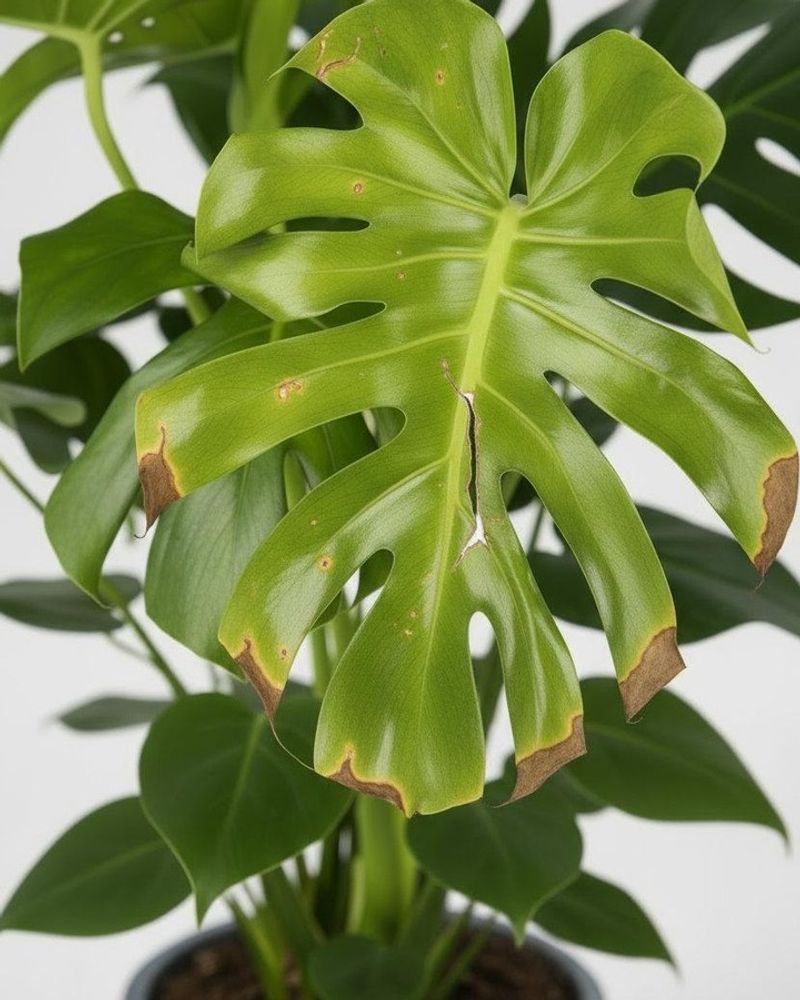
Many plants naturally produce different foliage depending on seasonal light and temperature conditions. Leaves grown during bright Massachusetts summers often look quite different from those produced in dim winters.
This variation is an adaptive response, not evidence of declining health or poor care.
Summer leaves typically grow larger and darker green because abundant light allows for maximum photosynthesis. Plants can afford to invest energy in big, productive leaves when conditions are optimal.
Winter leaves often emerge smaller and lighter in color because limited light makes large leaves inefficient.
Some plants also develop different colors seasonally. Certain philodendron varieties produce burgundy or bronze new growth in lower light, while summer growth emerges bright green.
Crotons and other colorful foliage plants may lose intensity in their patterns during winter months.
This is particularly noticeable in homes throughout the Bay State where seasonal light differences are dramatic. A plant sitting in a south-facing window might receive eight hours of strong sun in July but only four hours of weak sun in January.
The plant adjusts its leaf production accordingly.
Variegated plants sometimes produce less white or yellow coloring during winter. The reduced variegation helps the plant maximize chlorophyll production when light is limited.
This is a smart survival strategy, not a sign that something is wrong.
New leaves that emerge smaller in winter will not grow larger later. Each leaf reaches its full size based on conditions at the time of production.
However, when spring returns and light increases, new growth will once again emerge larger and more vibrant.
Some plant species are more dramatically affected by seasonal changes than others. Calatheas, prayer plants, and begonias often show noticeable differences in leaf size and color intensity throughout the year.
Observing these patterns helps you understand your plants better.
Don’t compare your plant’s current appearance to photos from different seasons. A plant that looked lush and full in summer photos may naturally appear more compact and pale in winter.
Both versions represent healthy, normal growth for that particular season.