Plant Seed Potatoes This Way For A Bigger Harvest In Michigan
Few gardening moments compare to the excitement of uncovering a cluster of fresh potatoes hidden beneath the soil, ready to be gathered and enjoyed.
In Michigan, the combination of cool spring temperatures and rich, fertile ground creates ideal conditions for growing strong, productive potato plants.
With the right approach, even a small garden can deliver an impressive harvest of firm, flavorful tubers. Success begins with properly preparing and planting seed potatoes, then continues with consistent care throughout the growing season.
Michigan’s climate rewards gardeners who understand timing, soil health, and moisture balance, helping plants develop deep roots and generous yields.
Whether you are new to growing potatoes or looking to improve your results, a few smart techniques can make a remarkable difference.
These nine proven methods will help your Michigan garden produce a plentiful potato harvest, bringing both satisfaction and fresh, homegrown flavor to your table year after year.
Start With Certified Seed Potatoes For Strong Healthy Plants
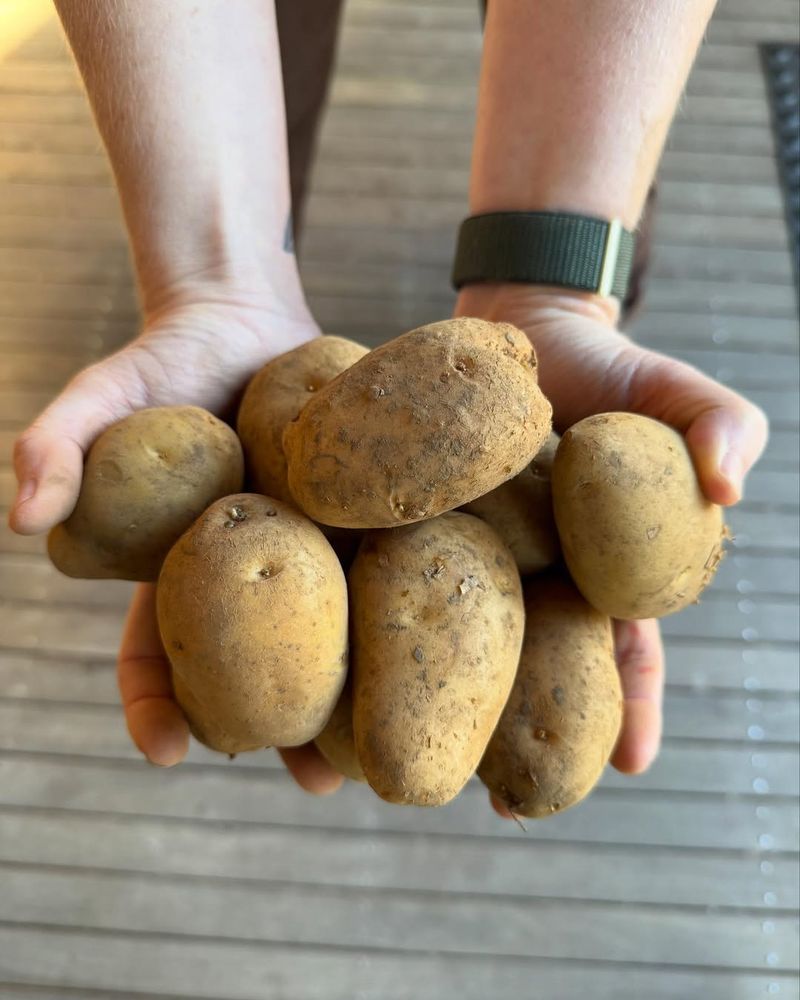
Certified seed potatoes give your garden the best possible foundation for success. These specially grown tubers come from inspected fields where disease testing happens regularly.
Unlike grocery store potatoes that might carry hidden viruses or fungal problems, certified varieties meet strict agricultural standards.
Michigan’s growing season benefits tremendously from this quality assurance. When you plant certified seed potatoes, you reduce the risk of introducing late blight, blackleg, or mosaic virus into your soil.
These diseases can persist for years and devastate future crops.
Local garden centers and agricultural suppliers throughout Michigan stock certified seed potatoes each spring. Popular varieties like Yukon Gold, Red Pontiac, and Kennebec perform exceptionally well in the state’s climate.
Each variety offers different maturity times and flavor profiles. Investing in certified seed potatoes costs slightly more upfront but pays dividends at harvest time. Your plants grow more vigorously and produce larger, healthier tubers.
The increased yield often doubles or triples the initial investment. Purchasing from reputable sources ensures you receive properly stored seed potatoes. They should feel firm without soft spots or excessive sprouting.
Check for the certification label that guarantees their disease-free status and proper growing conditions.
Choose The Right Planting Time For Michigan Growing Conditions
Timing your potato planting correctly determines whether your crop thrives or struggles. Michigan gardeners typically plant potatoes between mid-April and early May depending on their specific location.
Northern regions need a few extra weeks for soil to warm adequately.
Soil temperature matters more than calendar dates when planning your planting schedule. Potatoes prefer soil temperatures between 45 and 55 degrees Fahrenheit for optimal sprouting.
A simple soil thermometer helps you measure conditions accurately before committing your seed potatoes to the ground.
Frost risk decreases significantly by late April across most of Michigan’s lower peninsula. However, Upper Peninsula gardeners often wait until early May for safer conditions.
Light frosts rarely harm potato plants once they emerge, but severe freezes can damage young foliage.
Early planting extends your growing season and allows plants more time to develop tubers. Potatoes need approximately 90 to 120 days from planting to harvest depending on the variety.
Starting at the right time ensures plants mature before fall’s first hard freeze.
Weather patterns vary yearly, so monitoring local forecasts helps refine your planting schedule. Extension offices throughout Michigan provide county-specific planting guides.
These resources account for microclimates and regional temperature variations that affect potato success.
Pick A Sunny Location With Loose Well Drained Soil
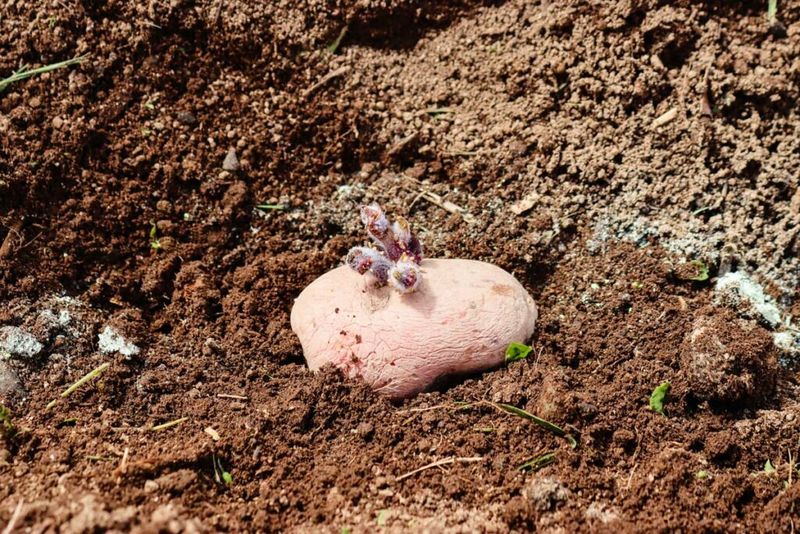
Sunlight fuels potato growth and directly impacts your final harvest size. These plants need at least six to eight hours of direct sunlight daily for maximum tuber production.
Shaded areas produce smaller potatoes and lower overall yields regardless of other growing conditions.
Michigan’s summer sun provides excellent energy for potato plants when positioned correctly. South-facing garden beds capture the most consistent light throughout the growing season.
Avoid planting near large trees or structures that cast shadows during peak daylight hours.
Soil texture plays an equally important role in potato success. Loose, friable soil allows developing tubers to expand freely without resistance.
Heavy clay soils restrict growth and often produce misshapen potatoes that are difficult to harvest cleanly.
Working organic matter into your planting area improves soil structure dramatically. Compost, aged manure, or shredded leaves create the airy texture potatoes prefer.
These amendments also enhance drainage, preventing water from pooling around developing tubers.
Testing your soil’s drainage capability before planting saves frustration later. Dig a hole about twelve inches deep and fill it with water.
If the water drains within a few hours, your site works well for potatoes. Standing water indicates poor drainage that needs correction through raised beds or additional amendments.
Cut And Prepare Seed Potatoes The Proper Way Before Planting
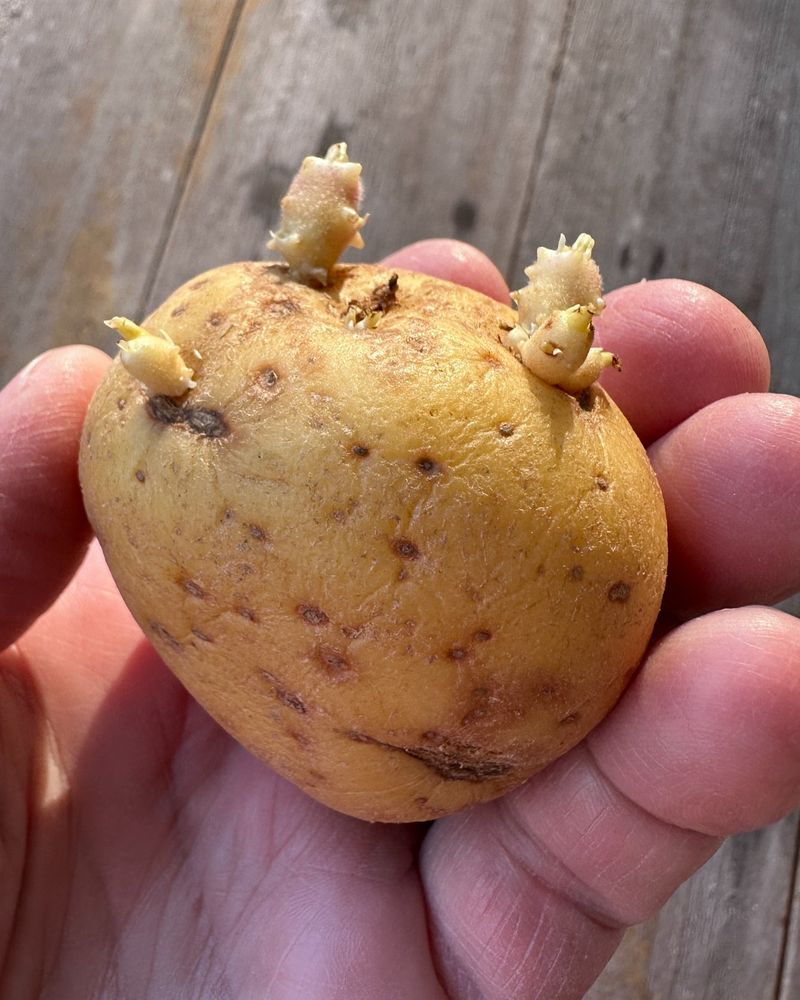
Preparing seed potatoes correctly before planting sets the stage for vigorous plant development. Larger seed potatoes measuring more than two inches in diameter benefit from cutting into smaller pieces.
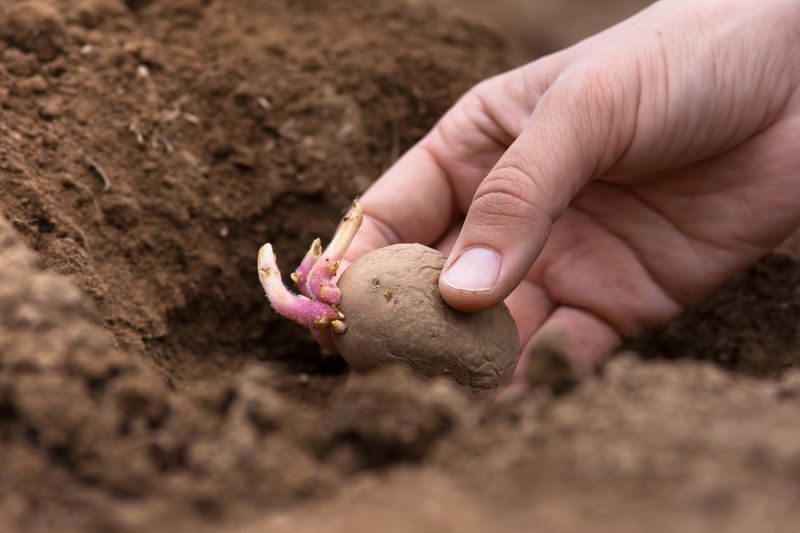
Each piece should weigh approximately two ounces and contain at least one healthy eye or growth bud.
Clean, sharp knives prevent tissue damage and reduce infection risk during the cutting process. Make smooth cuts rather than jagged tears that heal slowly.
Sterilizing your knife blade between cuts with rubbing alcohol stops potential disease spread from one potato to another.
After cutting, allow the pieces to cure in a cool, humid environment for one to three days. This curing period lets cut surfaces form a protective corky layer that resists rot when planted.
Temperatures between 50 and 60 degrees Fahrenheit with moderate humidity create ideal curing conditions.
Small seed potatoes under two inches can be planted whole without cutting. These smaller tubers already contain multiple eyes and produce excellent plants.
Whole seed potatoes often emerge faster than cut pieces because they have more stored energy reserves.
Avoid cutting seed potatoes more than two days before planting if curing conditions are less than ideal. Extended exposure in warm, dry air can dehydrate the pieces excessively.
Proper moisture balance ensures your seed potatoes have enough vitality to sprout strongly once planted in Michigan soil.
Plant At The Correct Depth For Strong Root Development
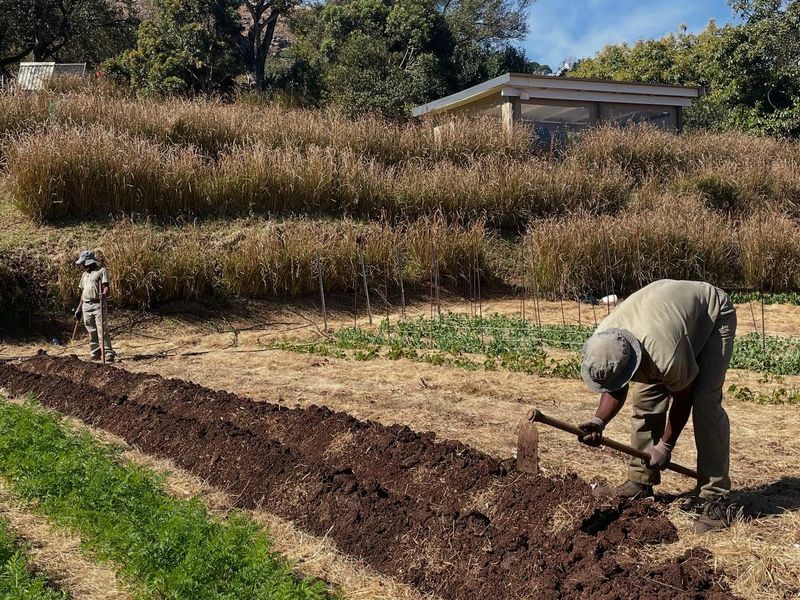
Planting depth influences how well your potato plants establish roots and produce tubers. Most gardeners achieve excellent results by planting seed potatoes four to six inches deep.
This depth protects developing plants from temperature fluctuations while providing adequate soil coverage for tuber formation.
Shallow planting causes potatoes to form too close to the surface where sunlight exposure turns them green. Green potatoes contain solanine, a compound that tastes bitter and can cause digestive discomfort.
Proper depth prevents this greening problem entirely.
Michigan’s spring weather can be unpredictable with occasional late cold snaps. Deeper planting insulates seed potatoes from sudden temperature drops that might slow sprouting.
The soil acts as a buffer, maintaining more stable conditions around your planted pieces.
Root systems develop more extensively when seed potatoes are planted at appropriate depths. Strong roots anchor plants securely and efficiently absorb water and nutrients from surrounding soil.
This robust foundation supports vigorous top growth and abundant tuber production.
Measuring planting depth accurately ensures consistency across your entire potato patch. A simple ruler or marked planting tool helps maintain uniform depth.
Consistent planting creates even emergence timing, which makes subsequent care tasks like hilling much easier to manage throughout the growing season.
Space Plants Properly To Support Bigger Tubers
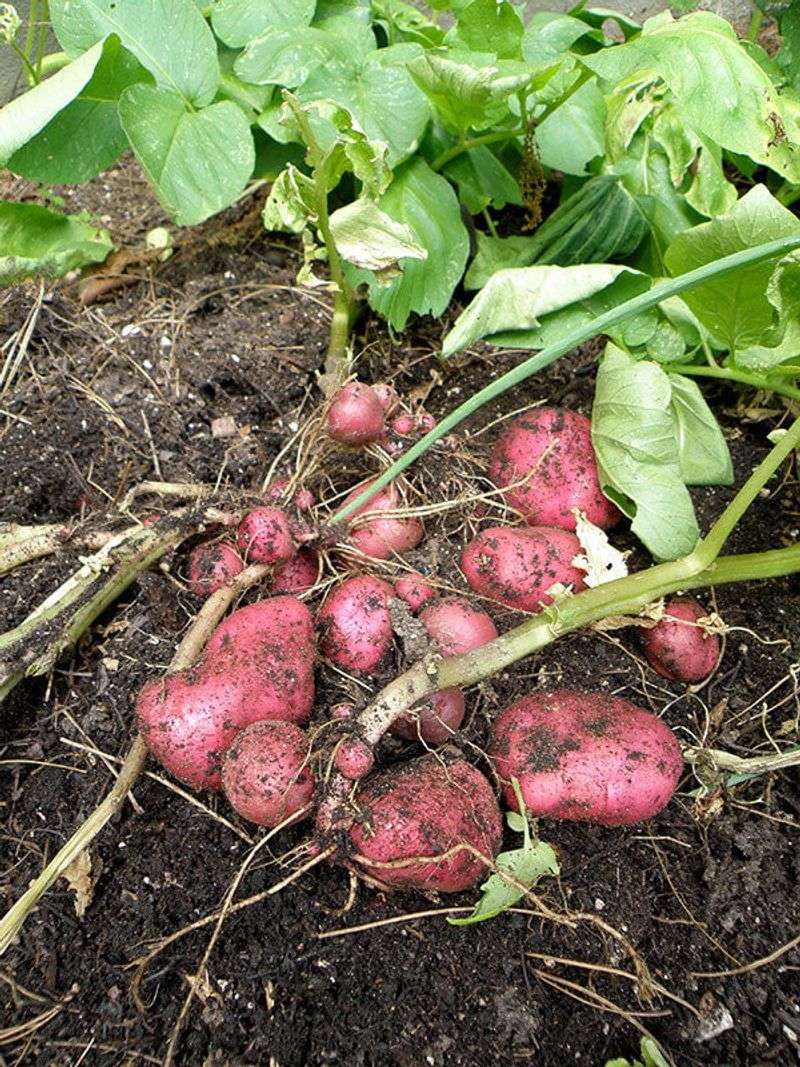
Giving potato plants adequate room to grow directly affects tuber size and overall yield. Standard spacing recommendations suggest placing seed potatoes twelve inches apart within rows.
Rows themselves should be spaced thirty to thirty-six inches apart for comfortable access and optimal plant development.
Crowded plants compete for sunlight, water, and soil nutrients throughout the growing season. This competition results in smaller potatoes and reduced total harvest weight.
Proper spacing eliminates this struggle and allows each plant to reach its full productive potential.
Air circulation improves dramatically when plants have sufficient space between them. Good airflow reduces humidity around foliage, which helps prevent fungal diseases like early blight and late blight.
Michigan’s sometimes humid summers make this disease prevention especially valuable.
Wider spacing also simplifies maintenance tasks throughout the growing season. You can walk between rows easily for weeding, hilling, and inspection without damaging plants.
This accessibility encourages regular garden care that keeps plants healthy and productive.
Some gardeners experiment with closer spacing in raised beds where soil quality is exceptional. However, traditional in-ground gardens benefit most from standard spacing guidelines.
Your Michigan potato patch will reward proper spacing with larger, more uniform tubers that store well and taste delicious in countless recipes.
Hill Soil Around Plants To Increase Potato Production
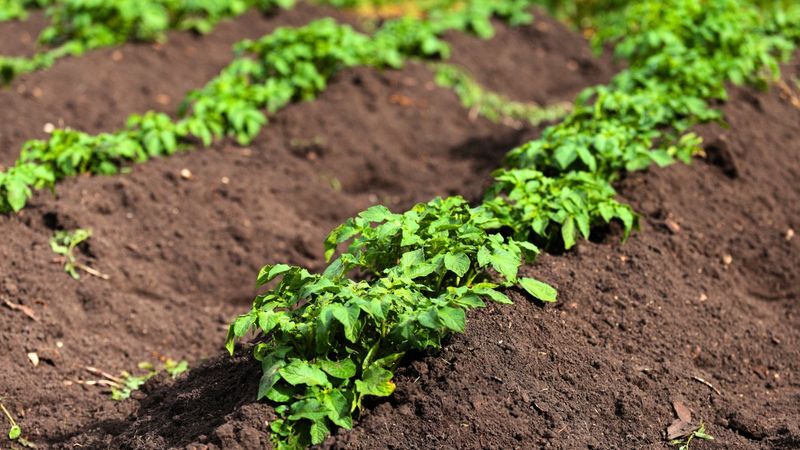
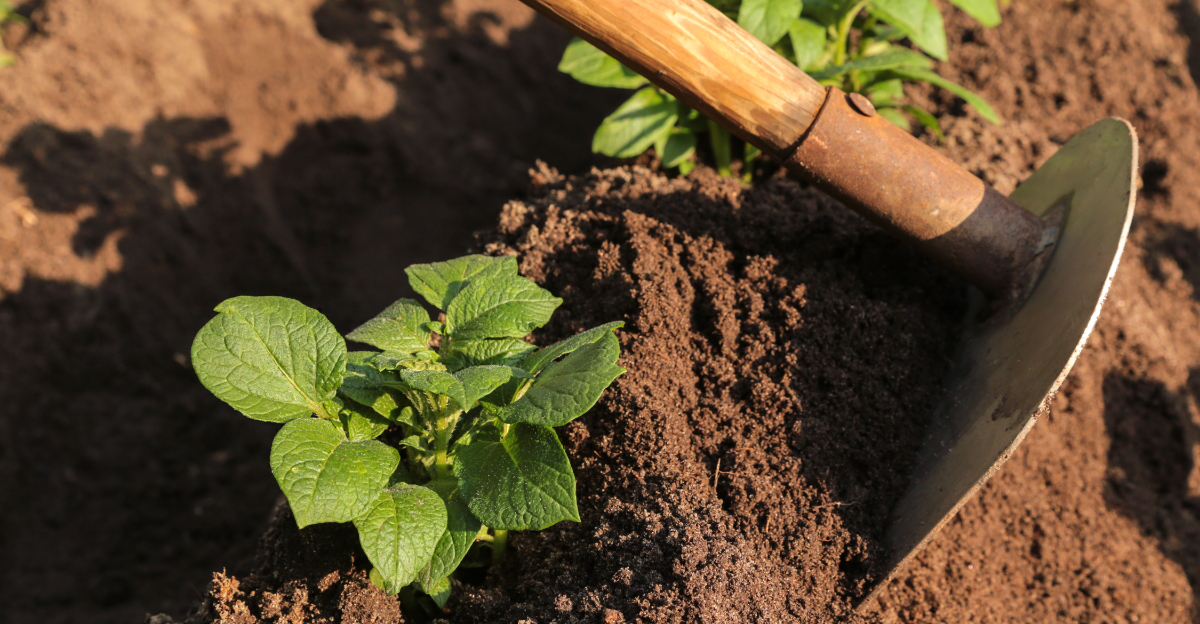
Hilling transforms ordinary potato plants into prolific producers by encouraging additional tuber formation. This technique involves mounding soil around the base of growing stems as plants reach eight to twelve inches tall.
The buried stem portions develop new roots and additional potato-bearing stolons.
Michigan gardeners typically hill potatoes two or three times during the growing season. The first hilling happens when plants emerge six to eight inches above the soil surface.
Subsequent hillings occur at two to three week intervals as plants continue growing taller.
Each hilling session adds four to six inches of soil around plant stems. This progressive mounding protects developing tubers from sunlight exposure while creating more underground space for potato formation.
The technique effectively increases your growing area vertically without requiring additional garden space.
Loose, weed-free soil works best for hilling because it’s easy to mound and doesn’t compact around stems. Pull soil from between rows toward plant bases using a hoe or rake.
Avoid disturbing roots near the plant center where most tubers form.
Proper hilling can increase your harvest by thirty to fifty percent compared to unhilled plants. The extra effort pays off handsomely when you unearth pounds of additional potatoes at harvest time.
This simple technique ranks among the most effective ways to boost potato yields in Michigan gardens.
Keep Soil Consistently Moist But Never Waterlogged
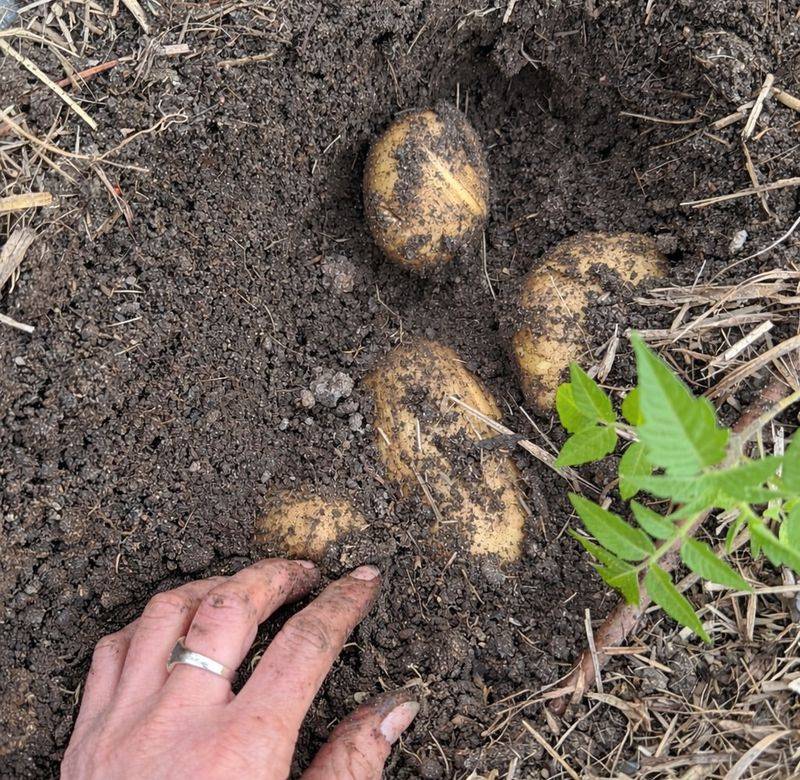
Water management makes or breaks potato crops because these plants need steady moisture for tuber development. Potatoes require approximately one to two inches of water weekly from rainfall or irrigation.
Consistent moisture prevents common problems like hollow heart and knobby tubers that result from uneven watering.
Michigan’s rainfall patterns vary considerably throughout the growing season. Spring often brings adequate natural moisture, but summer dry spells require supplemental watering.
Monitoring soil moisture helps you determine when irrigation becomes necessary for optimal plant health.
Checking soil moisture at root depth provides accurate information about watering needs. Insert your finger three to four inches into the soil near plant bases.
If the soil feels dry at this depth, your potatoes need water soon.
Overwatering creates serious problems that can ruin your entire crop. Waterlogged soil deprives roots of oxygen and promotes root rot diseases.
Excess moisture also encourages bacterial and fungal infections that spread rapidly through potato patches during warm weather.
Mulching around potato plants helps maintain even soil moisture between waterings. A two to three inch layer of straw or shredded leaves reduces evaporation and moderates soil temperature.
Mulch also suppresses weeds that compete with potatoes for available water. Proper moisture management throughout the season ensures your Michigan potato plants produce abundant, high-quality tubers.
Harvest At The Right Time For The Best Yield And Quality
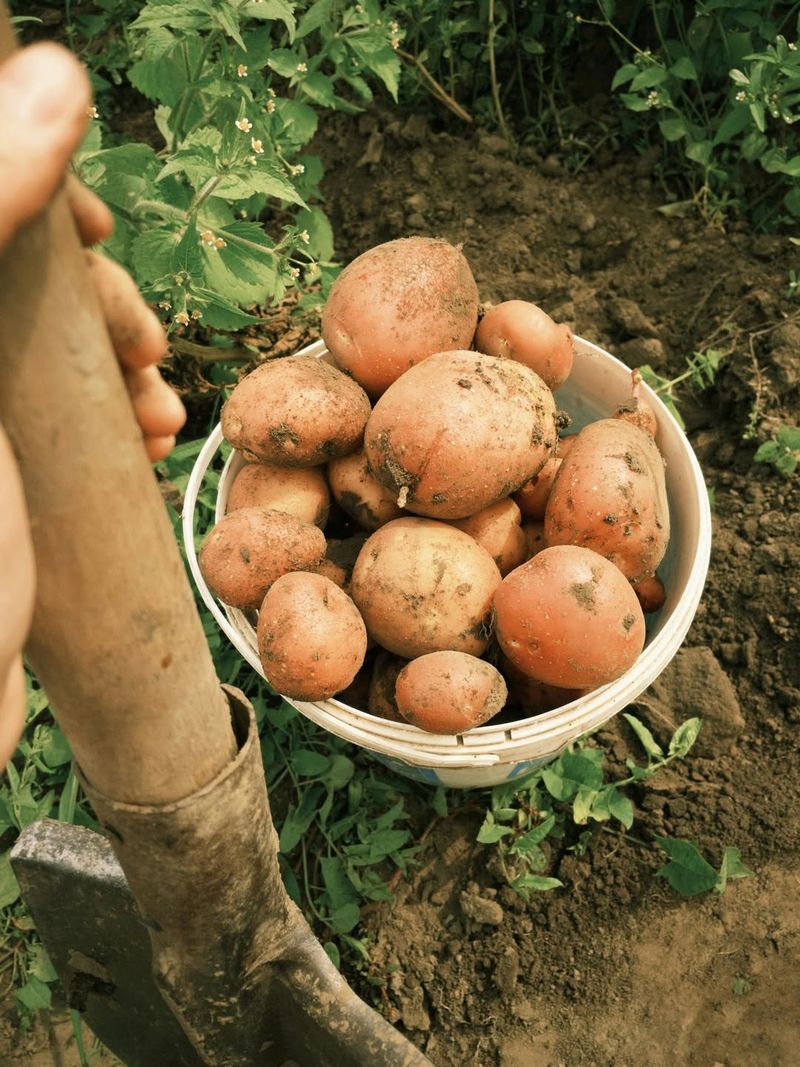
Harvest timing significantly impacts both the quantity and storage quality of your potato crop. Most varieties mature between 90 and 120 days after planting depending on whether they’re early, mid, or late-season types.
Observing plant condition helps you determine the perfect harvest moment.
Foliage naturally begins yellowing and withering as potatoes reach maturity. This visual signal indicates tubers have stopped growing and skins are toughening for storage.
Waiting for this natural senescence ensures maximum yield and best keeping quality for your Michigan harvest.
Early or new potatoes can be harvested sooner for immediate fresh eating. These young tubers have thin, delicate skins that don’t store well but taste incredibly sweet.
Harvest small quantities as needed starting about 60 days after planting for this seasonal treat.
Weather conditions influence optimal harvest timing in Michigan’s variable climate. Aim to dig potatoes during dry weather when soil isn’t muddy or waterlogged.
Dry conditions make harvesting easier and reduce the chance of damaging tubers during the digging process.
After digging, allow potatoes to cure in a dark, well-ventilated area for one to two weeks. This curing period toughens skins further and heals minor cuts sustained during harvest.
Properly cured potatoes from your Michigan garden will store for months in cool, dark conditions, providing delicious homegrown food well into winter.