Plant These Blue Perennials In Pennsylvania Once And Enjoy Them Forever
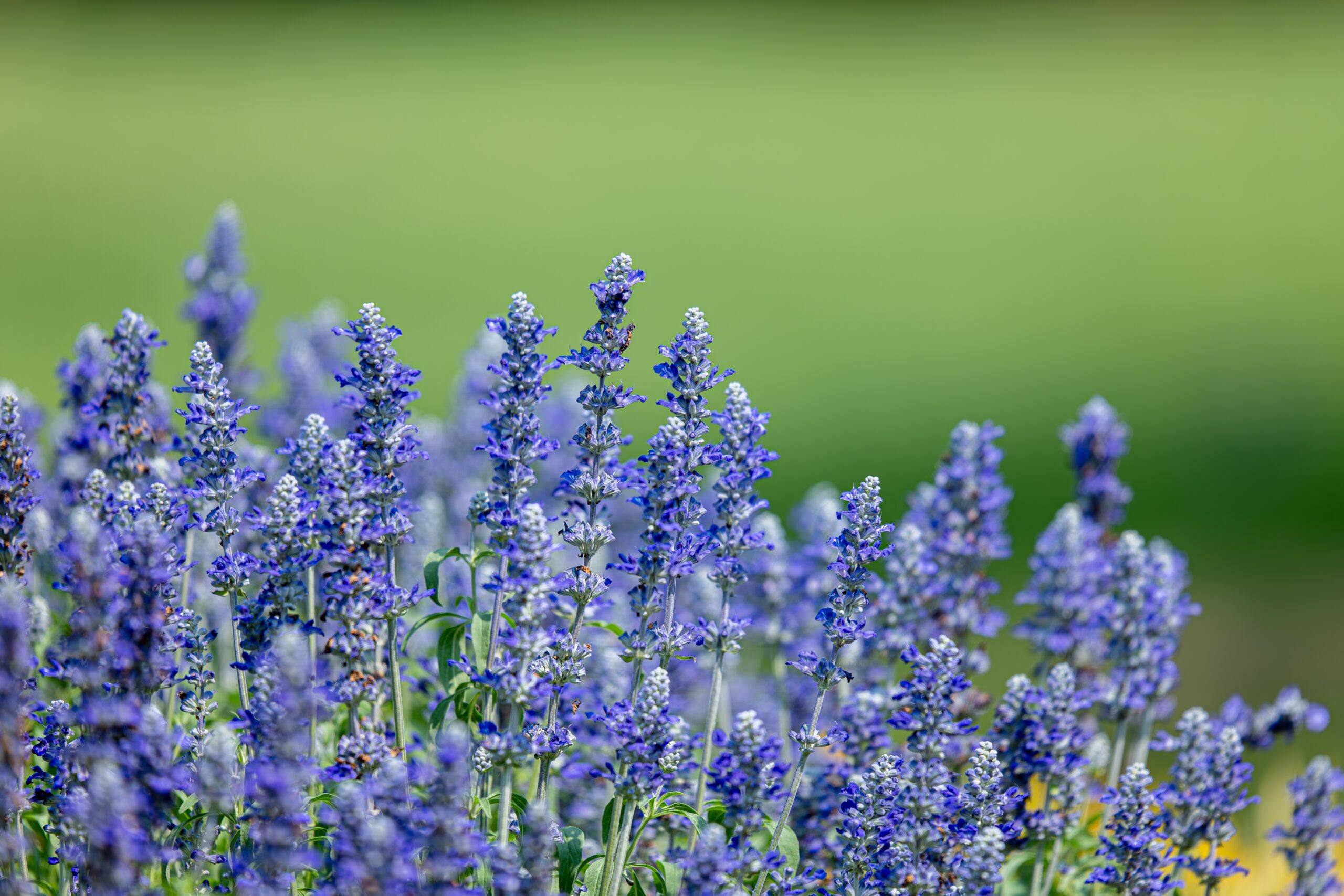
Some plants make a strong first impression, but the ones people really fall in love with are the ones that keep coming back year after year. That is exactly why blue perennials are such a great fit for Pennsylvania gardens.
They bring color that feels a little different from the usual pinks, reds, and yellows, and they do it without asking to be replanted every spring.
In a place where gardeners deal with changing seasons, cold winters, and warm summers, a reliable perennial always feels like a smart choice.
Blue flowers also have a way of standing out while still feeling calm and easy on the eyes. They can make a flower bed look cooler, softer, and more polished, whether you want a cottage garden feel or something a little more neat and classic.
Some shades lean pale and airy, while others are rich enough to catch your eye from across the yard. Either way, they add something special.
If you want a Pennsylvania garden that feels colorful, dependable, and easier to maintain over time, blue perennials are the kind of plants that keep rewarding you long after the first planting day is over.
1. Blue False Indigo
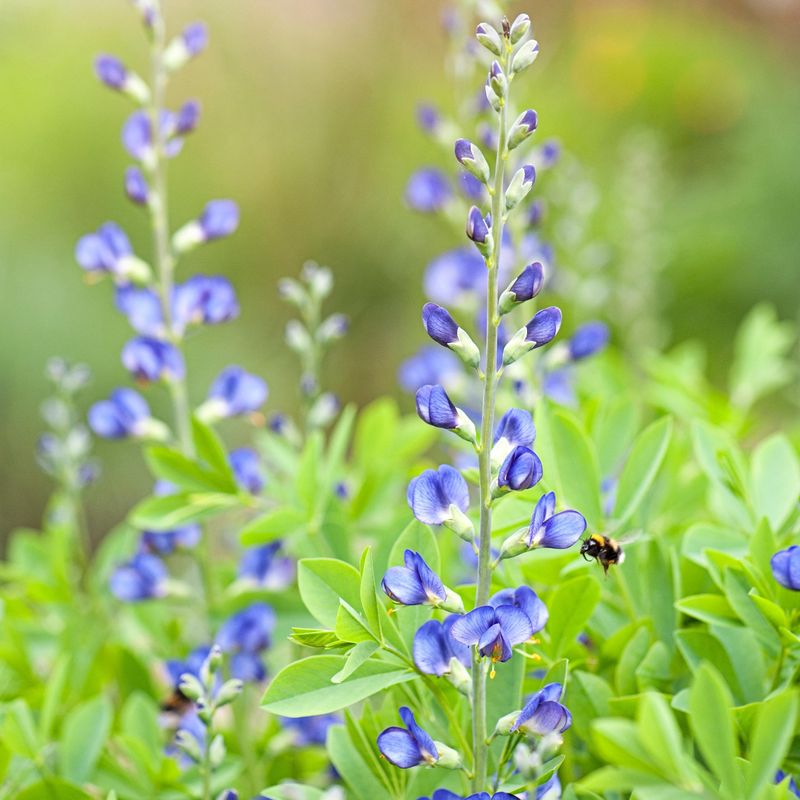
Few plants earn their place in a Pennsylvania garden quite like Blue False Indigo. This native perennial has been growing wild across the eastern United States for centuries, and gardeners have been falling in love with it ever since.
It produces tall, dramatic spikes of deep blue flowers every spring, usually reaching three to four feet in height. The blooms look bold and beautiful, almost like a smaller version of lupine.
Once established, Blue False Indigo is incredibly tough. It handles drought without complaint, shrugs off summer heat, and bounces back from cold Pennsylvania winters without any extra protection.
The roots go very deep into the soil, which is exactly why this plant is so long-lived and self-sufficient. You may not see much action in the first year while it settles in, but by year two or three, it really takes off.
After the flowers fade, interesting dark seed pods form on the stems. Many gardeners leave them in place because they add texture and visual interest through fall and even into winter.
Birds sometimes visit the pods as well, which is a nice bonus. Plant Blue False Indigo in full sun with well-drained soil, and give it plenty of room to spread.
Over time, it grows into a large, shrub-like clump that becomes a true centerpiece of any Pennsylvania garden. It requires almost no fertilizing, rarely needs dividing, and gets more impressive with every passing season.
2. Salvia
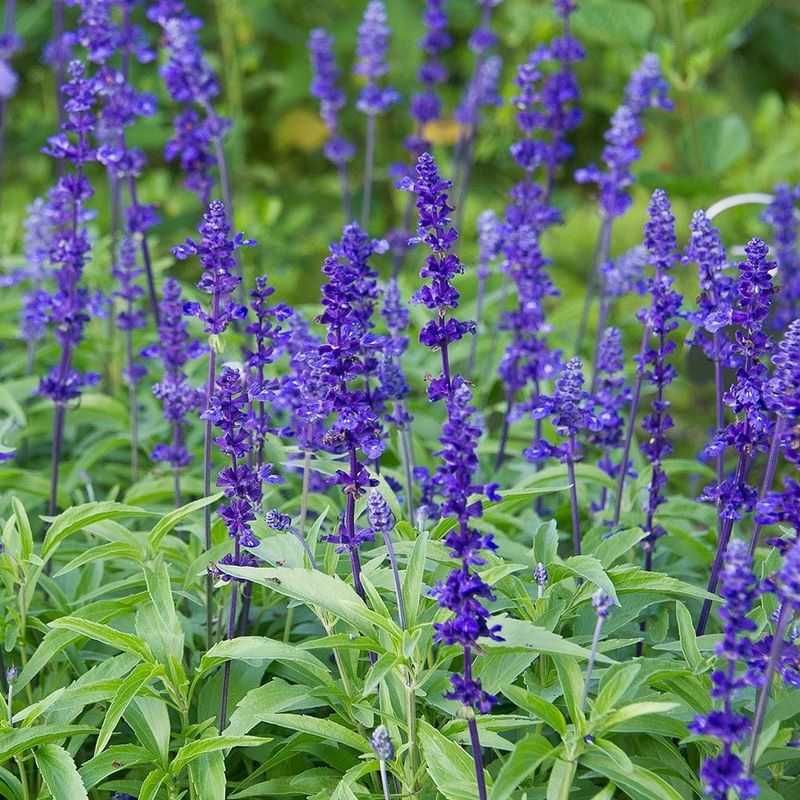
Walk past a patch of blooming Salvia on a warm Pennsylvania afternoon, and you will likely stop in your tracks. The rich blue-purple flower spikes are vivid and eye-catching, rising up from neat, compact foliage like little torches of color.
Salvia nemorosa, sometimes called woodland sage, is one of the most reliable perennials you can grow in Pennsylvania. It starts blooming in late spring and keeps going well into summer.
Here is something that makes Salvia even more exciting: if you trim the spent flower spikes back after the first flush of blooms, the plant will often rebloom. That means you could enjoy two or even three rounds of color in a single growing season.
Pollinators absolutely love it. Bees, butterflies, and hummingbirds flock to the flowers from morning to evening, making your garden feel alive and buzzing with activity.
Salvia is easy to grow, which makes it a great choice for beginners and experienced gardeners alike. It thrives in full sun and prefers well-drained soil.
Once it gets established in your Pennsylvania garden, it handles dry spells well and rarely needs extra watering. Space plants about 18 inches apart so air can circulate around them, which helps keep the foliage healthy.
Dividing clumps every few years keeps the plants vigorous and encourages even better blooming. With its bold color, pollinator appeal, and easygoing personality, Salvia is one blue perennial that truly delivers season after season without asking for much in return.
3. Balloon Flower
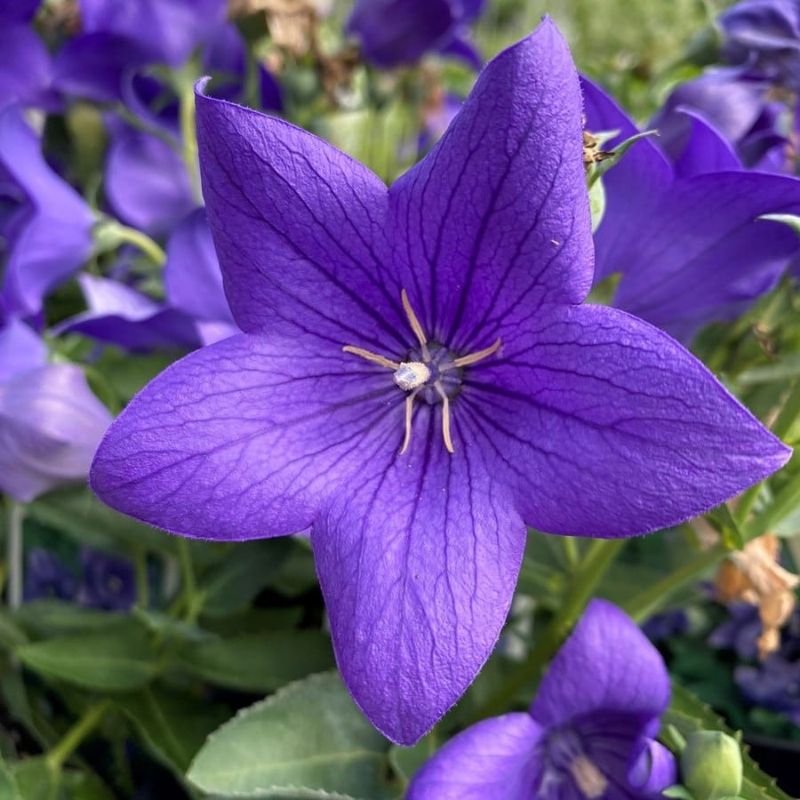
There is something almost magical about watching a Balloon Flower bud open up. Before the petals unfurl, the bud puffs up into a perfect little balloon shape, which is exactly how this plant got its charming name.
Then it slowly opens into a wide, star-shaped blue flower with delicate veining across each petal. Kids and adults alike find this plant absolutely delightful, and it never fails to spark conversation in the garden.
Balloon Flower is a long-lived perennial that thrives across Pennsylvania. It is cold-hardy enough to handle the state’s chilly winters without any fuss.
The plants grow one to two feet tall, making them a great mid-border choice. They bloom from midsummer into early fall, which is helpful because many other spring bloomers have already finished by then.
The color ranges from soft lavender-blue to a deeper, more saturated blue depending on the variety you choose.
One thing to keep in mind is that Balloon Flower is a slow riser in spring. Do not panic if it seems late to emerge from the ground, because it will show up once the soil warms.
Mark the spot where you planted it so you do not accidentally dig it up while waiting. Plant it in full sun to partial shade in well-drained soil.
Once established, it needs very little care. It does not spread aggressively, which makes it ideal for cottage-style gardens and tidy borders where you want a reliable pop of blue without the plant taking over. It truly earns its keep year after year in Pennsylvania landscapes.
4. Siberian Iris
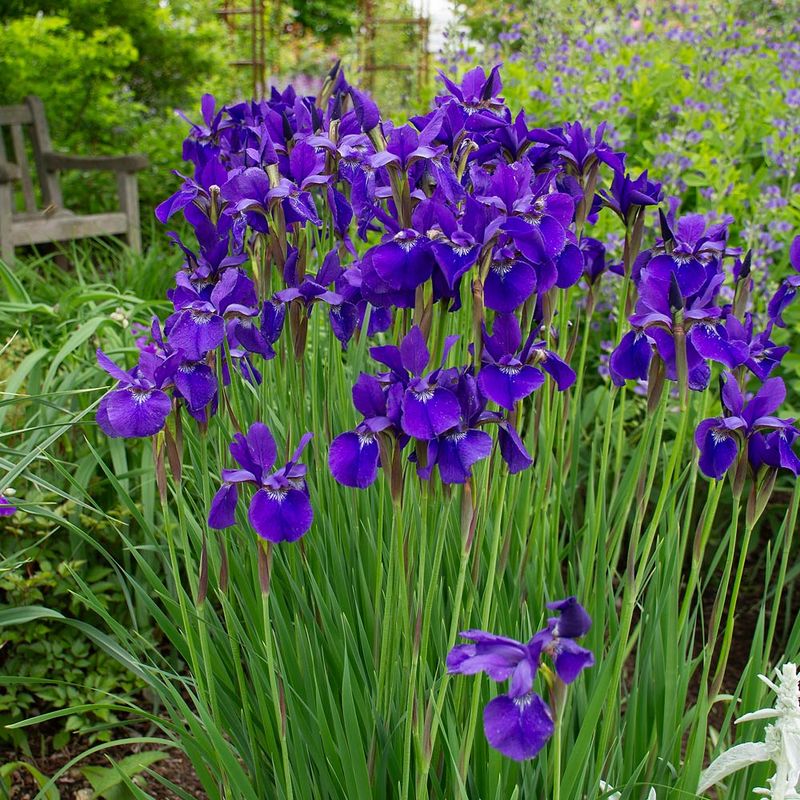
Elegant is the word that comes to mind when you see Siberian Iris in full bloom. The flowers are delicate and graceful, with rich blue to violet-blue petals that seem to float above the slender, upright foliage.
Unlike some other iris types, Siberian Iris is incredibly adaptable and tough. It thrives in Pennsylvania’s climate, handling cold winters and humid summers with ease.
Gardeners across the state rely on it as one of the most dependable blue perennials available.
One of the biggest advantages of Siberian Iris is its tolerance for wet soil. If you have a low-lying area in your yard that stays damp after rain, this is the plant for that spot.
It also grows well along pond edges and rain gardens. That said, it is not picky and will grow just fine in average garden soil too, as long as it gets plenty of moisture during dry spells. Full sun to light shade works well for this beauty.
After the blooms fade in late spring, the grass-like foliage stays attractive all summer long, adding texture and structure to the garden. The clumps grow larger and more impressive each year, and dividing them every four to five years keeps them blooming at their best.
Pennsylvania gardeners will find that Siberian Iris pairs beautifully with yellow or white companions like coreopsis or shasta daisy.
It is a plant that rewards patience, because as the clumps mature and fill in, the late-spring display becomes more breathtaking with every single year that passes.
5. Catmint
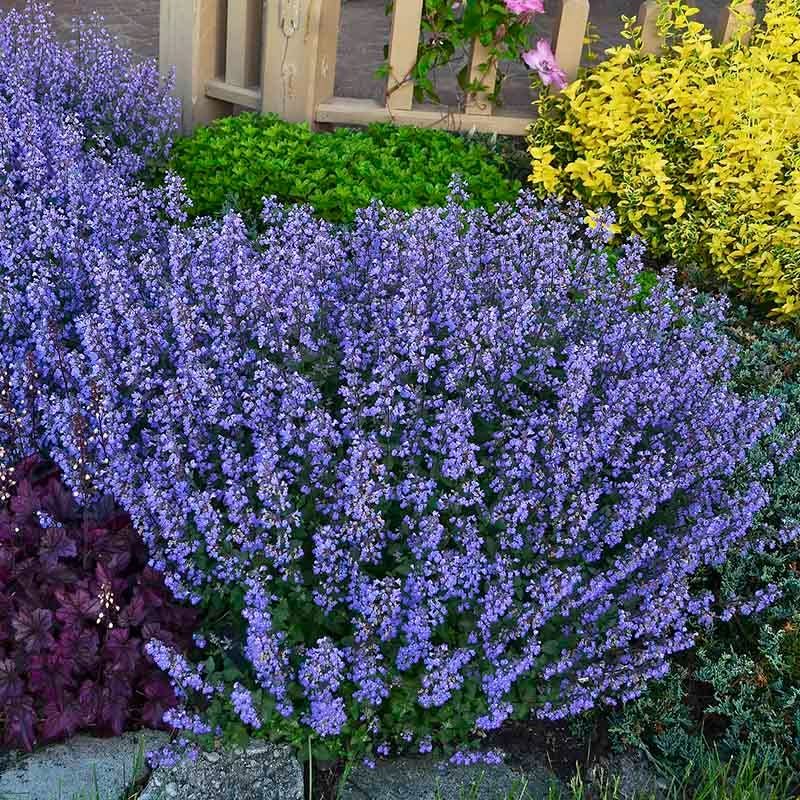
Catmint might just be the most underrated blue perennial in Pennsylvania gardens. It forms soft, billowing mounds of silver-green foliage covered in tiny blue-lavender flower spikes for months at a time.
The blooming season is impressively long, often stretching from late spring all the way through summer when the plant is properly cared for.
Shear it back by about one-third after the first flush of flowers, and it will rebound with a fresh wave of blooms that carries you right into fall.
Pollinators cannot get enough of Catmint. Bees treat it like an all-you-can-eat buffet from morning to evening on sunny days.
Butterflies visit regularly too, making it an excellent addition to any pollinator-friendly garden in Pennsylvania. The aromatic foliage also helps deter deer, which is a real bonus for gardeners in more rural parts of the state where deer pressure can be a constant challenge.
Catmint is one of the most drought-tolerant perennials on this list. Once it settles into well-drained soil in a sunny spot, it rarely needs supplemental watering.
It handles the hot and dry stretches of Pennsylvania summers without skipping a beat. The plant stays relatively compact, usually reaching one to two feet tall and spreading two to three feet wide, which makes it ideal for garden edging, walkway borders, and cascading over low walls.
There is no complicated pruning schedule or feeding routine required. Catmint simply grows, blooms, and makes your Pennsylvania garden look effortlessly beautiful all season long.
6. Speedwell
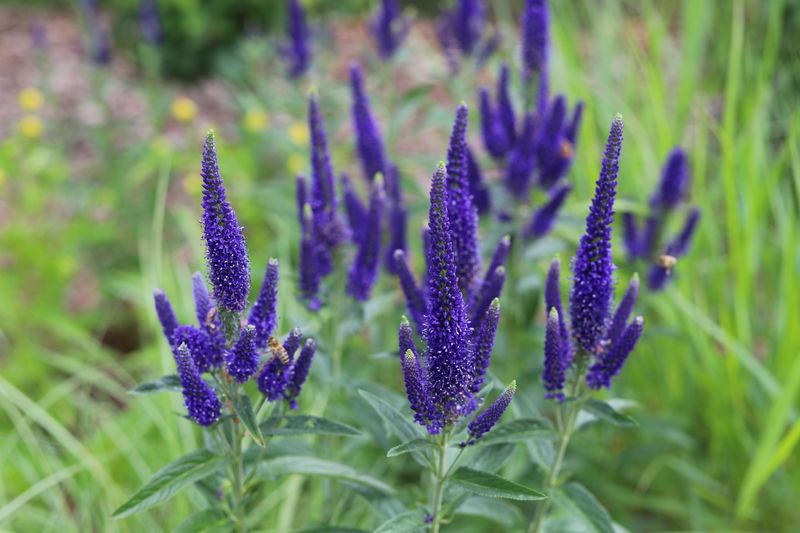
Bright, cheerful, and absolutely packed with color, Speedwell is a blue perennial that punches well above its weight. The flower spikes are a vivid, saturated blue that stands out sharply against green foliage and lighter-colored garden companions.
Veronica spicata blooms in early to midsummer, bridging the gap between spring bloomers and late-summer perennials. For Pennsylvania gardeners looking to keep color flowing through the whole season, Speedwell is a very smart addition to the mix.
Did you know that Speedwell gets its common name from an old English phrase meaning good luck or safe travels? It has a long history as a garden favorite across Europe and North America.
Today it is prized for its compact, tidy growth habit that makes it perfect for smaller garden spaces, front-of-border placement, and container gardening. Most varieties stay under two feet tall, which means they will not flop over or crowd out neighboring plants.
Growing Speedwell in Pennsylvania is straightforward. Give it full sun and well-drained soil, and it will reward you with weeks of color.
It is cold-hardy and comes back reliably each spring without any special preparation in fall. Bees and butterflies are drawn to the flower spikes, adding life and movement to the garden during the summer months.
Deadheading spent spikes encourages additional blooming, though the plant looks tidy even without it. Dividing clumps every three to four years keeps the center of the plant from thinning out.
Speedwell is a dependable, low-fuss perennial that earns its permanent spot in any Pennsylvania garden with ease.
7. Creeping Phlox
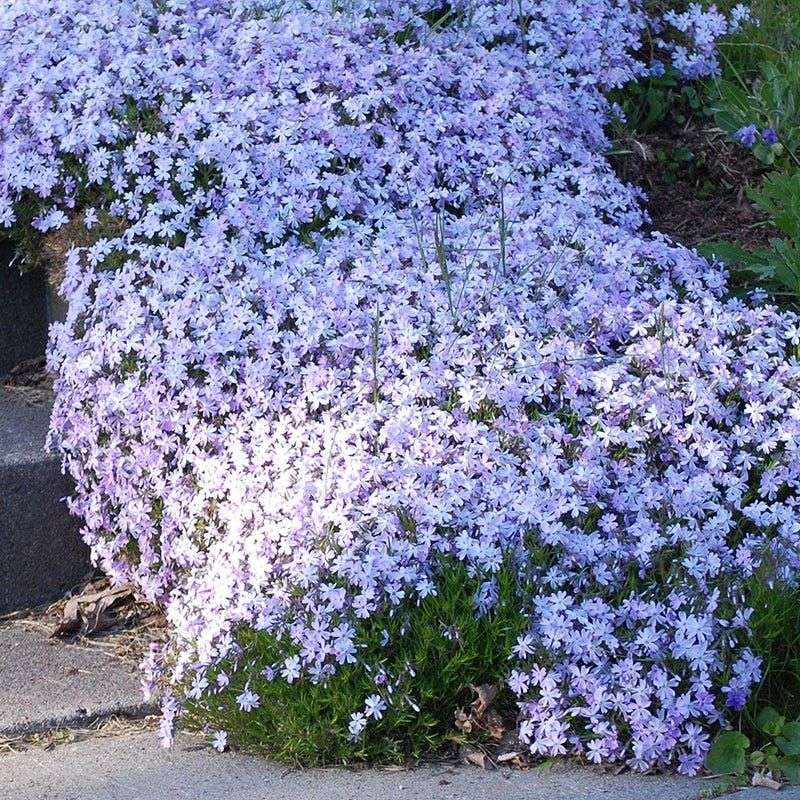
Every spring in Pennsylvania, Creeping Phlox puts on one of the most spectacular shows in the garden world. The plant forms a low, dense mat of evergreen foliage that gets completely buried under a carpet of flowers for several weeks.
In blue and lavender varieties, the effect is stunning, especially when the plant cascades down a slope or spills over a stone wall. It looks like someone poured a wave of color right over the ground.
Creeping Phlox is a natural fit for tricky spots that other plants struggle with. Rocky slopes, dry embankments, and the edges of raised beds are all perfect homes for this tough little ground cover.
It handles Pennsylvania winters extremely well, staying green and low to the ground even through heavy snow. Once spring arrives, the flowers pop open almost overnight, transforming bare spots into something truly beautiful.
The plant spreads gradually over time, slowly filling in gaps without becoming invasive or out of control.
Planting Creeping Phlox is simple. Choose a sunny location with decent drainage, and space plants about 18 inches apart to give them room to spread naturally.
Water regularly during the first season while the roots establish themselves, and after that, the plant is largely self-sufficient. A light trim after flowering keeps the mats tidy and encourages denser growth the following spring.
Pollinators love the early blooms, which arrive just when bees and butterflies are waking up and looking for food. For Pennsylvania gardeners who want reliable, low-growing blue color that returns every year, Creeping Phlox is an absolute must-have.