Plant These 9 California Flowers Now For Color That Lasts Through The Heat
California gardens don’t ease into summer, they jump straight into heat. That means if you want color that actually lasts, spring is your moment to plant smart.
The right flowers won’t just bloom, they’ll power through rising temperatures and keep your garden looking vibrant when everything else starts to fade.
Some varieties are built for this kind of weather. They soak up the sun, handle dry conditions, and keep pushing out color long after more delicate blooms have called it quits.
Plant them now and you’ll set yourself up for weeks of bright, reliable color without constant fuss.
It’s all about getting ahead of the heat. Choose flowers that can take it and your garden won’t just survive summer, it’ll look like it was made for it.
1. Verbena
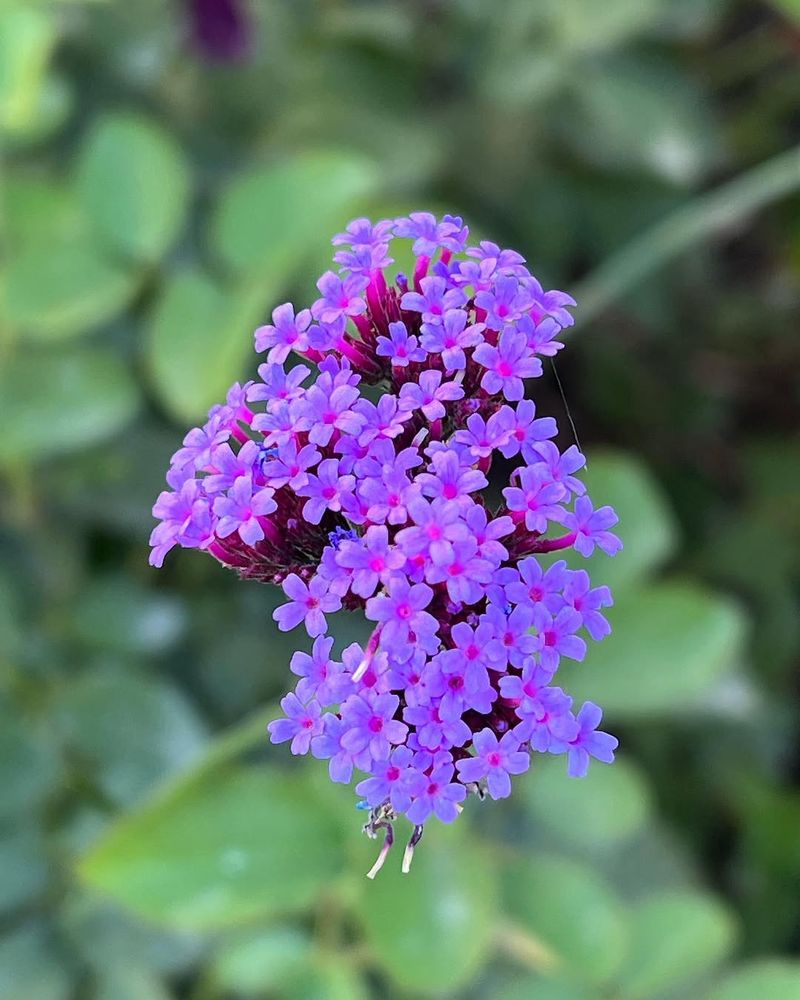
Few flowers put on a show quite like verbena. This cheerful, low-growing plant is practically built for California gardens, offering clusters of tiny blooms in shades of pink, purple, red, and white from spring all the way through fall.
Verbena thrives in full sun and handles dry conditions without much complaint. Once it is established, it needs very little water, making it a smart choice for gardeners who want color without a huge water bill.
Plant it along borders, in containers, or let it spill over raised beds for a cascading effect.
Spacing plants about 12 inches apart gives them room to spread and fill in nicely. A light trim midseason encourages fresh blooms to keep coming.
In warmer parts of California like the Inland Empire or San Diego, verbena can even behave like a short-lived perennial, returning year after year. Butterflies and bees are huge fans, so expect some friendly visitors to your garden all summer long.
2. Alyssum
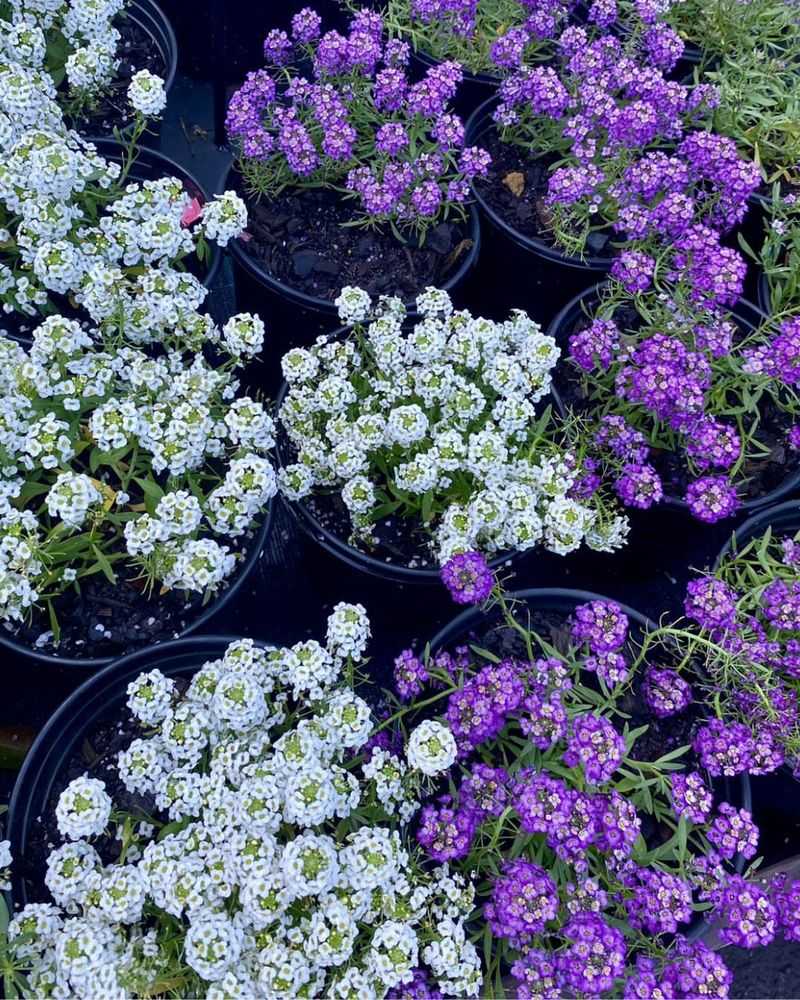
If you have ever walked past a garden and caught a soft, honey-like scent drifting through the air, there is a good chance alyssum was nearby. This low-growing annual produces masses of tiny flowers that look like a soft carpet of white, pink, or purple blooms.
Alyssum is incredibly easy to grow from seed, and in California, you can scatter seeds directly in your garden bed and expect results fast. It grows best in full sun but can handle a little afternoon shade in hotter inland areas.
The plant stays compact, usually only reaching about four to six inches tall, making it ideal for edging pathways or filling gaps between larger plants.
One thing that makes alyssum stand out is how well it attracts beneficial insects. Lacewings and parasitic wasps love the tiny flowers, and those insects help protect your garden from pests naturally.
Water regularly when plants are young, then ease back once they are established. In coastal California, alyssum can bloom nearly all year with very little effort on your part.
It is one of the most rewarding flowers you can plant.
3. Nasturtium
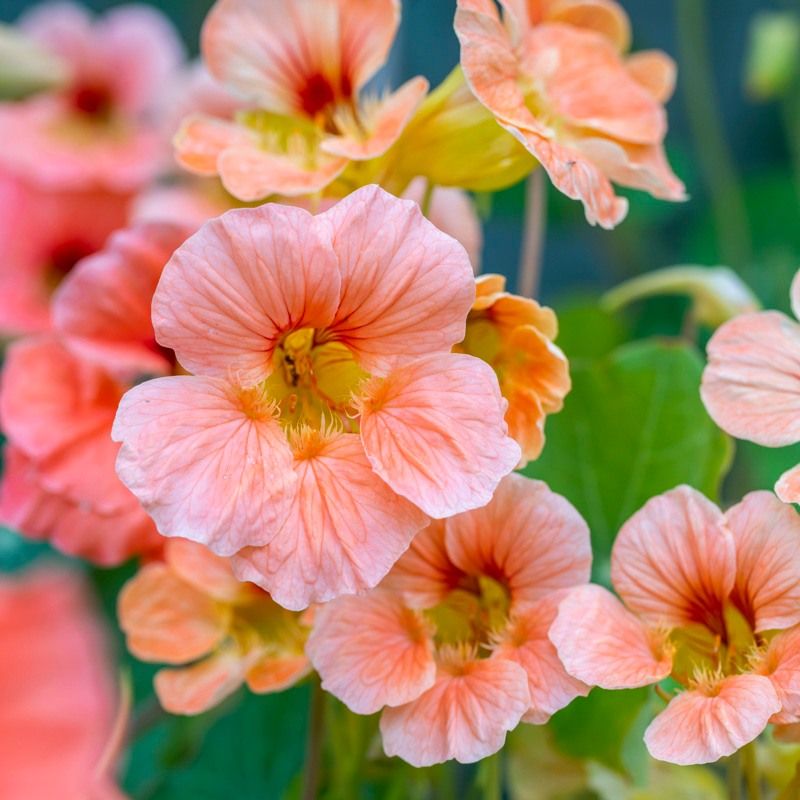
Nasturtiums are one of those plants that almost seem too good to be true. They are fast-growing, strikingly beautiful, and both the flowers and leaves are completely edible.
Toss them in a salad for a peppery kick or use them as a colorful garnish on any dish.
Plant nasturtium seeds directly in the ground after the last frost, which in most of California means you can get started early in the season. They prefer well-drained soil and actually do better in soil that is not too rich.
Overly fertile soil tends to produce lots of leaves and fewer blooms, so skip the heavy fertilizing with this one.
Nasturtiums love full sun and grow quickly, often blooming within just a few weeks of planting. They come in shades of orange, yellow, and red, adding a bold pop of color to any garden space.
In Southern California, they can spread generously and self-seed, meaning new plants may pop up on their own next season. They also act as a natural trap crop, drawing aphids away from your other garden plants.
That kind of built-in helpfulness is hard to beat.
4. Petunias
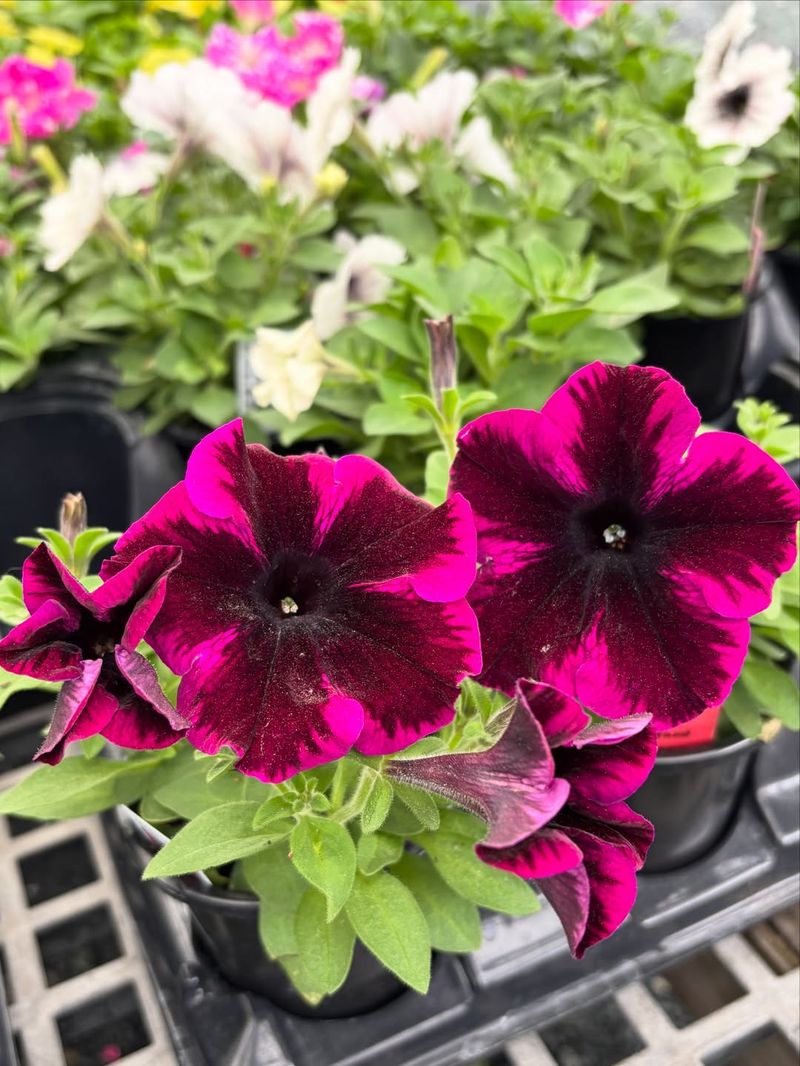
Walk through any garden center in California right now and you will find petunias front and center, and for very good reason. These classic annuals produce trumpet-shaped flowers in almost every color imaginable, from deep purple and hot pink to soft white and striped bicolors.
Petunias love full sun and warm temperatures, which makes them perfectly suited for California summers. They work beautifully in containers, hanging baskets, and garden beds alike.
Wave petunias, in particular, spread wide and low, creating a colorful ground cover effect that fills in spaces quickly. Regular watering keeps them happy, but make sure pots and beds drain well since soggy roots cause problems fast.
Deadheading spent blooms, which means pinching off flowers that have faded, encourages the plant to keep producing new ones. If your petunias start looking leggy around midsummer, cut them back by about a third and give them a light feeding.
They will bounce back with a fresh flush of blooms in no time. From San Francisco to the Coachella Valley, petunias are a reliable go-to for gardeners who want reliable, long-lasting color through the hottest months of the year.
5. Salvia (Annual Types)
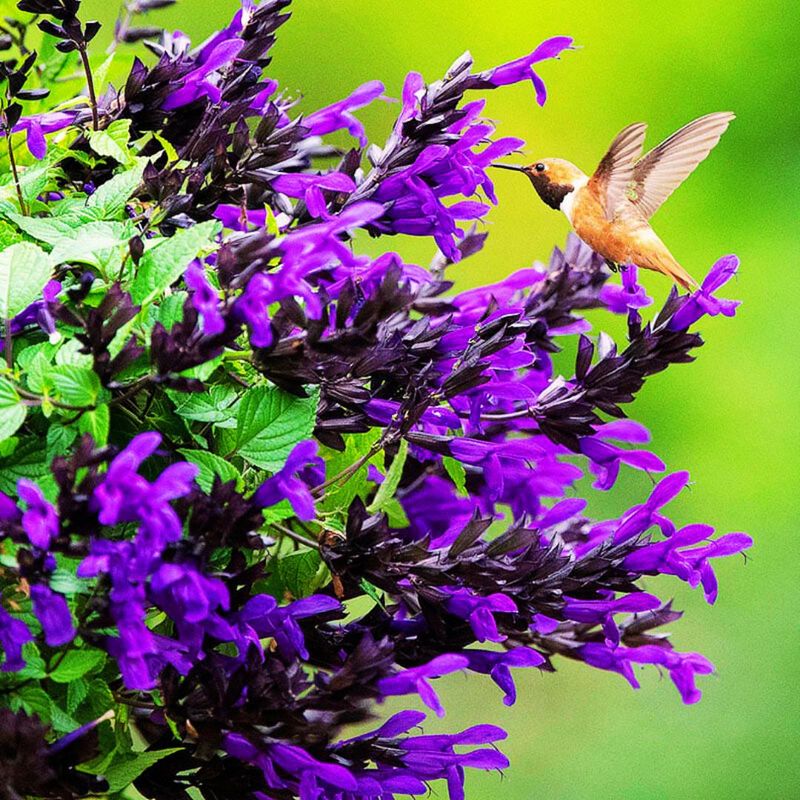
Hummingbirds in California practically lose their minds over annual salvia. The tall, spiky blooms in red, purple, coral, and white act like a beacon for these tiny birds, and watching them hover around your garden is one of summer’s best free shows.
Annual salvias are tough plants that handle heat with ease. Varieties like Salvia splendens and the newer Sizzler series stay compact and bloom nonstop from planting time through the first cool nights of fall.
They do best in full sun but can tolerate a bit of partial shade in hotter inland California areas like Fresno or Riverside.
Plant salvias about 12 to 18 inches apart and water them consistently until they are established. After that, they are fairly drought-tolerant and low-maintenance.
A light application of balanced fertilizer every few weeks keeps the blooms coming strong. Deadheading is helpful but not always necessary, as many newer varieties are self-cleaning.
Annual salvias look especially striking when planted in groups or mixed with yellow marigolds or white alyssum. They bring structure, height, and non-stop color to any California garden bed throughout the entire summer season.
6. Tithonia (Mexican Sunflower)
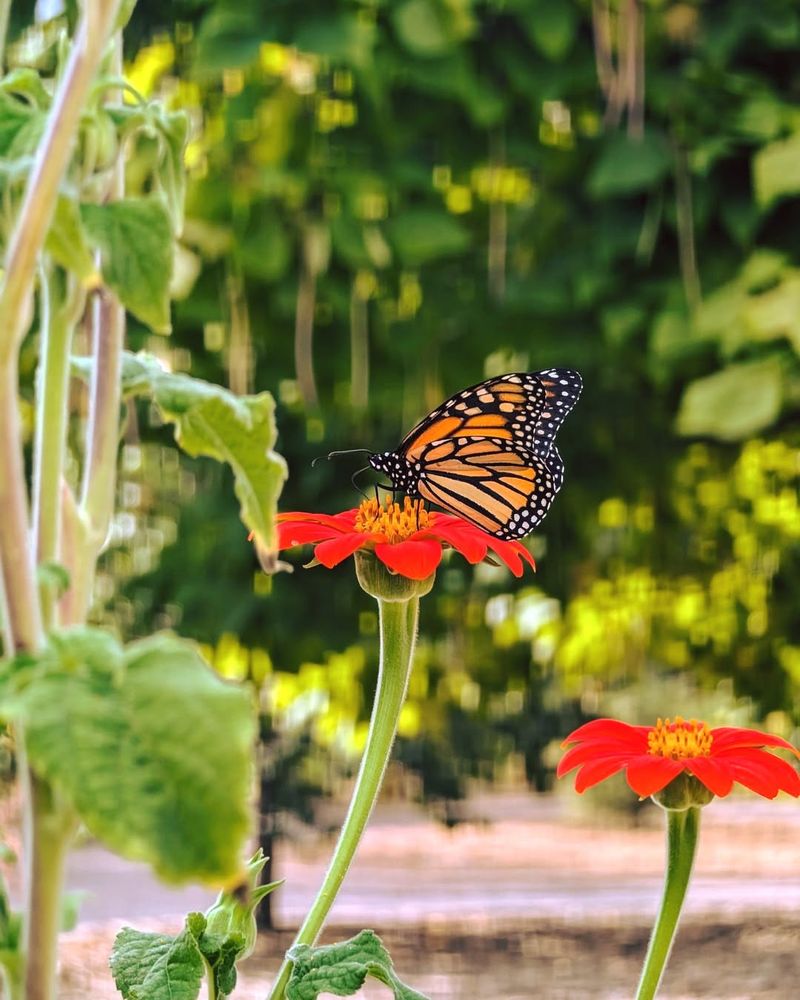
Bold, towering, and almost impossibly orange, tithonia is the kind of plant that stops people in their tracks. Also called Mexican sunflower, this fast-growing annual can reach four to six feet tall and produces vivid blooms that attract butterflies, bees, and even hummingbirds all summer long.
Tithonia thrives in the heat and actually performs better the hotter it gets, which makes it a standout choice for California gardens in the Central Valley, Inland Empire, or anywhere summers are long and intense. Plant seeds or transplants in a spot with full sun and well-drained soil.
Give each plant plenty of room, about two to three feet of spacing, because they spread out as they grow.
Watering deeply but infrequently encourages strong, deep root growth. Tithonia is not a heavy feeder, so a modest amount of compost at planting time is usually all it needs.
The stems are hollow, so handle transplants gently to avoid snapping them. Cut flowers regularly to enjoy indoors and to keep the plant producing more buds.
Fun fact: tithonia is native to Mexico and Central America, which explains why it handles California heat so effortlessly and thrives where other plants struggle.
7. Cleome
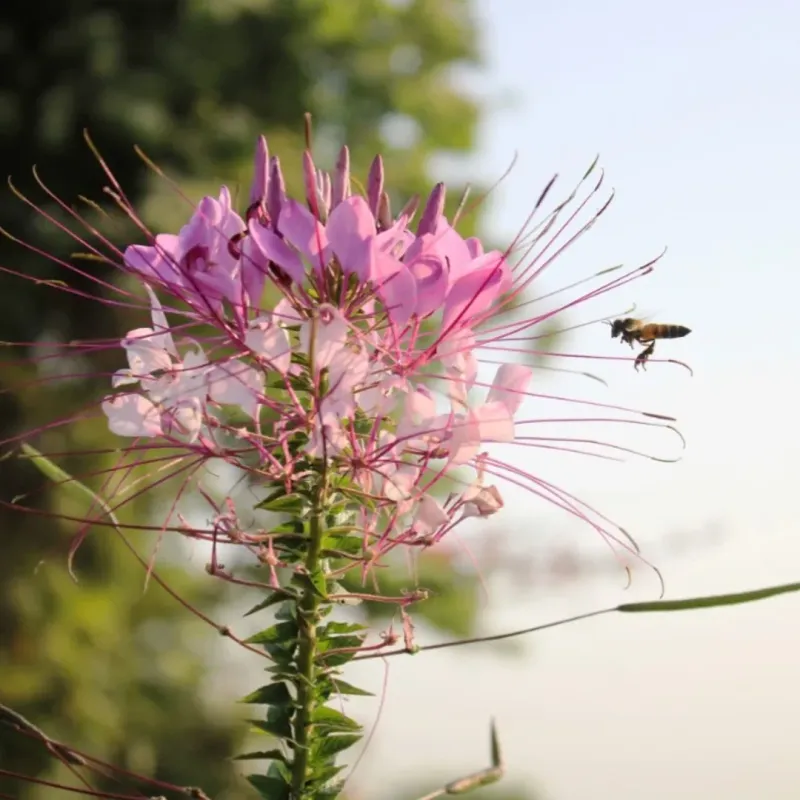
There is something almost magical about cleome in a summer garden. Sometimes called spider flower, this tall, airy annual produces clusters of pink, white, or purple blooms on stems that can reach three to five feet high.
Up close, the flowers have long, delicate stamens that give them a spidery, whimsical look unlike anything else in the garden.
Cleome is surprisingly easy to grow and thrives in the heat, making it a natural fit for California summers. Direct sow seeds in early spring after the last frost, or start transplants indoors a few weeks earlier.
Full sun is ideal, though plants can handle a touch of afternoon shade in extremely hot locations like the Sacramento Valley or Palm Springs area.
Once established, cleome is drought-tolerant and self-seeds generously, meaning you may find new plants popping up on their own the following year. The plant does have small thorns along its stems, so wear gloves when handling it.
Despite that minor quirk, cleome is well worth growing. It adds dramatic vertical interest to garden beds, attracts butterflies and sphinx moths, and blooms reliably from midsummer through early fall.
It is a true conversation starter in any California garden.
8. Portulaca (Moss Rose)
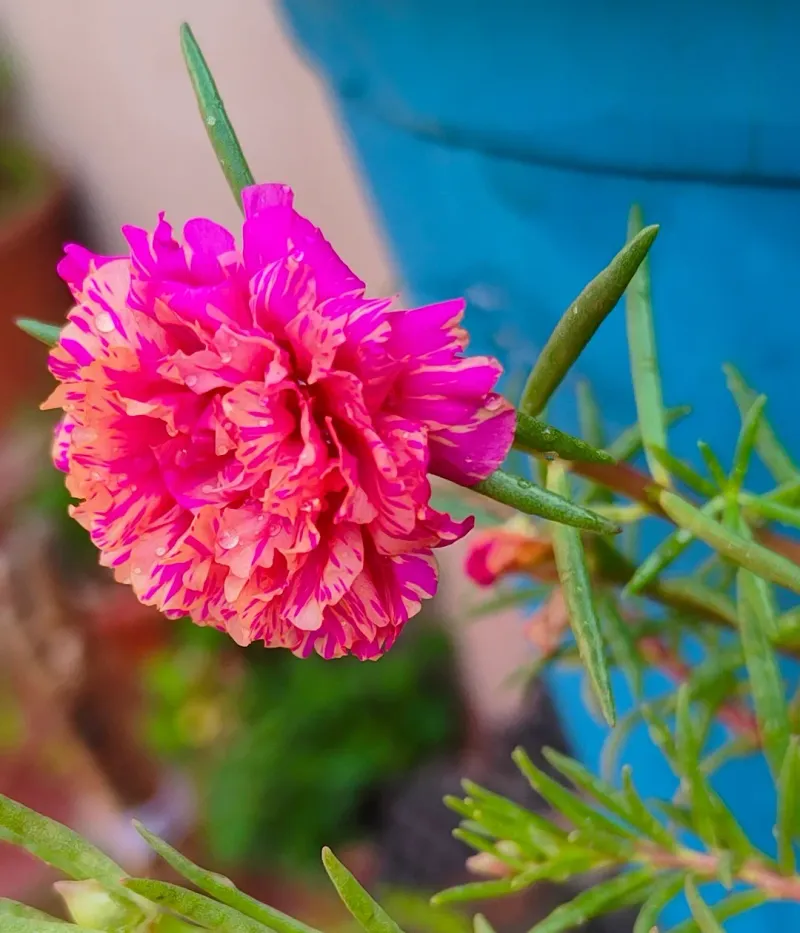
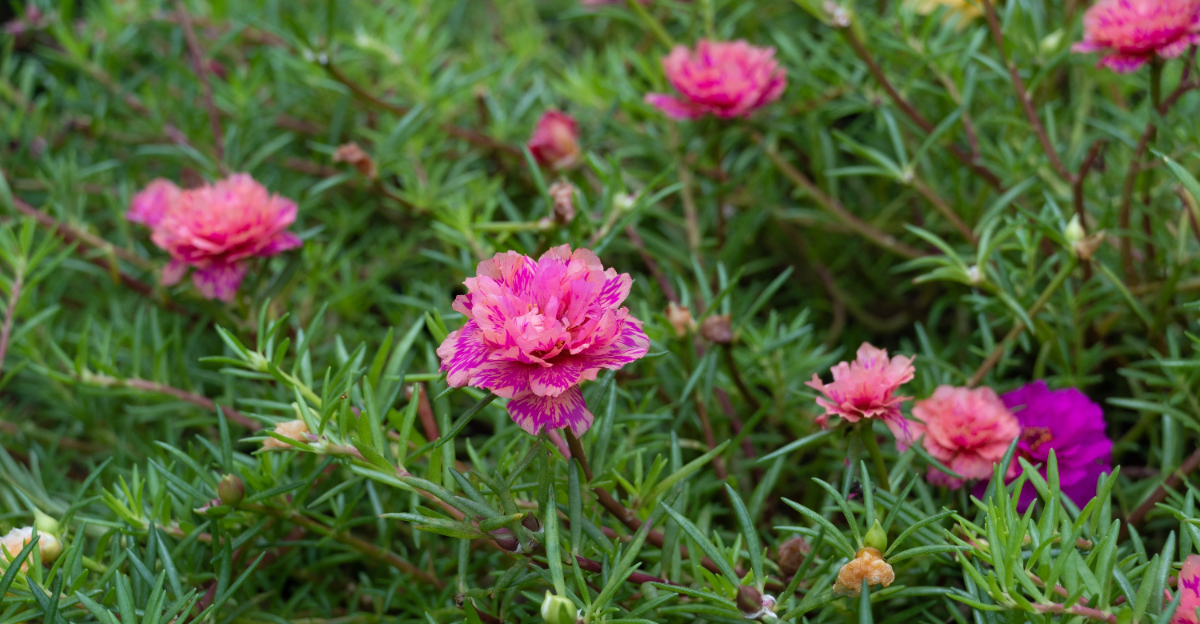
If your garden has a hot, dry spot where nothing seems to grow, portulaca is your answer. Also known as moss rose, this ground-hugging succulent annual produces silky, jewel-toned flowers in red, orange, yellow, pink, and white that open up fully in bright sunlight and close at night.
Portulaca is one of the most drought-tolerant flowering plants you can grow in California. It stores water in its thick, fleshy leaves, allowing it to handle days of dry heat without skipping a beat.
Sandy or rocky soil is perfectly fine, and it actually struggles in soil that stays too wet. Plant it in full sun and largely forget about it, which is exactly the kind of low-effort gardening most people dream about.
It works wonderfully as a ground cover, in rock gardens, along sunny pathways, or spilling out of containers on a hot patio. Seeds can be scattered directly on the soil surface since they need light to sprout.
In Southern California especially, portulaca is a go-to for filling in dry, sun-baked areas with reliable summer color. Bloom time stretches from late spring all the way through early fall, giving you months of cheerful, low-maintenance beauty.
9. Marigolds
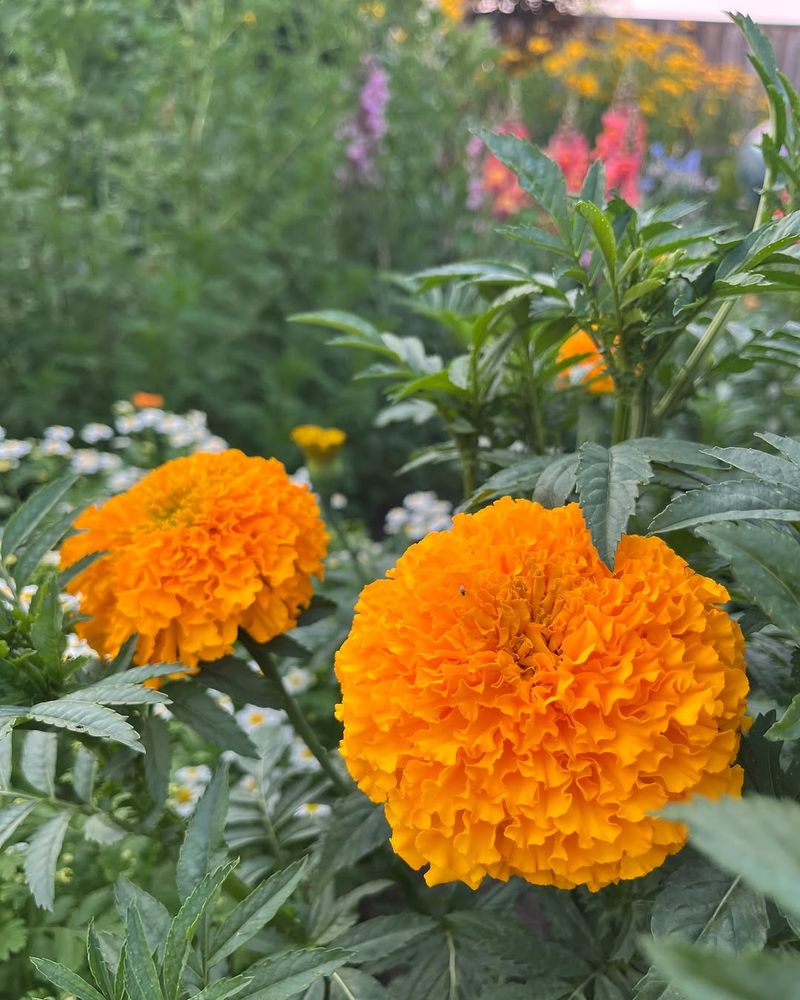
Few flowers are as hardworking and dependable as the marigold. Gardeners across California have been planting these sunny annuals for generations, and it is easy to see why.
The bold orange and yellow blooms brighten up any space, and the plants keep producing flowers with very little fuss from spring all the way through fall.
Marigolds thrive in full sun and handle California heat remarkably well. French marigolds stay compact and bushy, while African marigolds grow taller and produce larger blooms.
Both types are excellent choices depending on how much space you are working with. They grow easily from seed or transplant and are widely available at garden centers throughout the state.
One of the biggest bonuses of planting marigolds is their natural pest-repelling ability. The strong scent deters aphids, whiteflies, and even some nematodes in the soil, making them a smart companion plant for vegetables and herbs.
Plant them along the edges of tomato beds or herb gardens for built-in protection. Water marigolds at the base rather than overhead to keep foliage dry and healthy.
With minimal care and maximum payoff, marigolds are one of the best investments you can make in your California summer garden.