Plant These 10 Carefree Shrubs For A Beautiful Oregon Front Yard This Season
A front yard should feel welcoming, colorful, and easy to care for, not like a constant weekend project.
The right shrubs can do most of the work for you, bringing structure, seasonal color, and year round interest with minimal upkeep.
In Oregon’s mild, often rainy climate, choosing dependable, low fuss varieties makes all the difference. Once established, these shrubs handle the weather, need little pruning, and keep your entry looking polished through changing seasons.
Some offer bright blooms, others shine with evergreen foliage, and a few deliver both. The result is a balanced, attractive landscape that stays neat without demanding constant attention.
If you want a front yard that looks beautiful but stays simple to manage, these easygoing shrubs are ready to make your space feel finished, lively, and effortlessly inviting all season long.
1. Rhododendron – Signature Showstopper
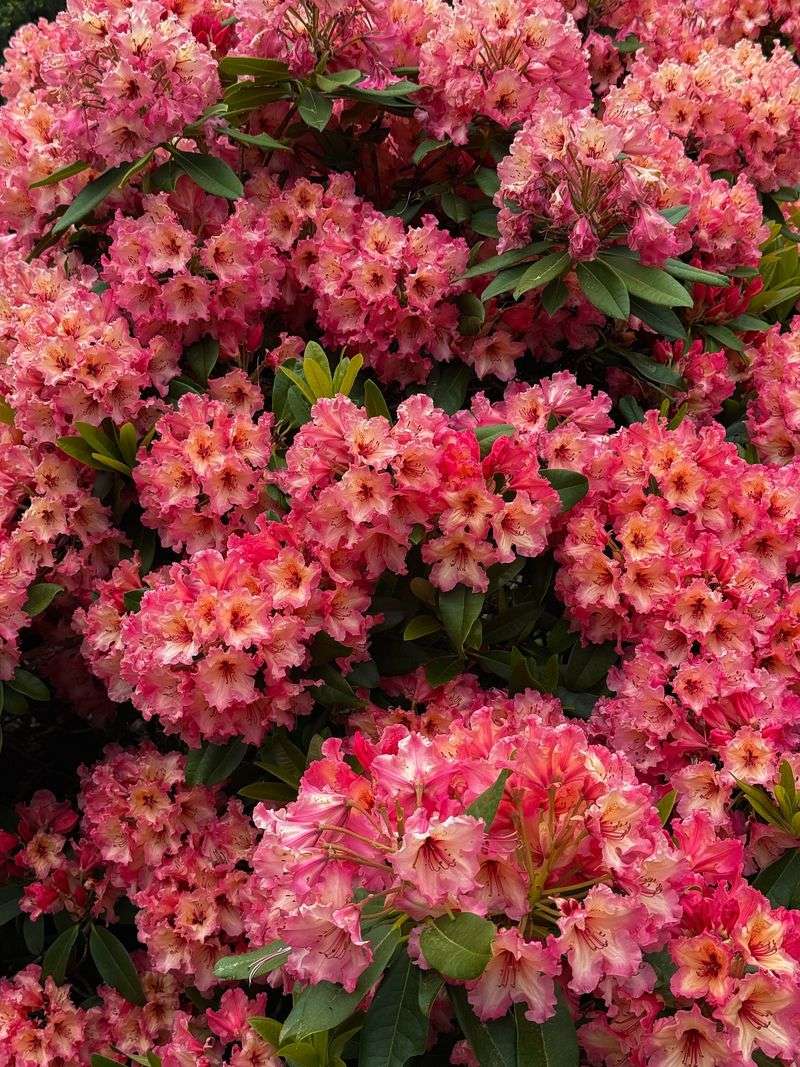
Walk through any established Oregon neighborhood in spring and you’ll notice them everywhere, those glorious bursts of color that seem to bloom effortlessly year after year. Rhododendrons have earned their place as Oregon’s state flower for good reason.
They absolutely love our acidic soil and consistent moisture, which means they’re already halfway to success before you even dig the hole.
What makes these shrubs genuinely carefree is their ability to thrive in partial shade, which is perfect for those tricky north-facing front yards where many plants struggle.
Once established, they need very little from you beyond occasional watering during our rare summer dry spells.
The evergreen foliage provides structure all winter, then explodes into spectacular blooms from March through June, depending on the variety.
Many gardeners overthink rhododendron care, but the secret is surprisingly simple. Plant them in well-draining soil enriched with compost, mulch around the base to keep roots cool and moist, and resist the urge to prune heavily.
They naturally develop attractive shapes without much intervention. Choose varieties suited to your space, compact types like ‘PJM’ for smaller yards, or larger cultivars like ‘Catawbiense’ if you have room to let them spread.
Avoid planting too deep, as rhododendrons prefer their root ball slightly above ground level to prevent root rot in our wet winters.
2. Camellia – Glossy Leaves, Winter Flowers
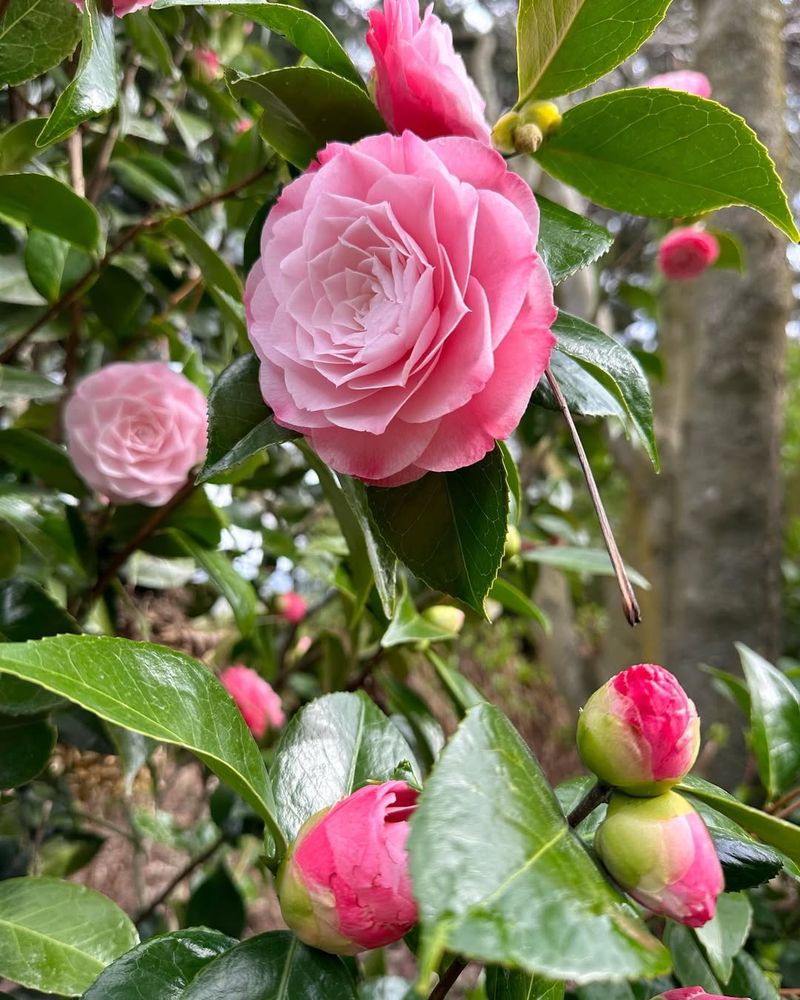
Right when most gardens look dormant and dreary, camellias decide to put on their show. From November through March, these elegant shrubs produce stunning blooms in shades of pink, red, white, and even variegated combinations.
The timing alone makes them invaluable for Oregon front yards that need winter interest beyond evergreen needles and bare branches.
Camellias share rhododendrons’ love for acidic soil and shade, making them natural companions in Pacific Northwest landscapes.
Their glossy, dark green leaves look polished year-round, providing a formal elegance that works beautifully near entryways or alongside pathways.
What surprises many gardeners is how tough these seemingly delicate flowers actually are, they handle our winter rain and occasional freezes better than you’d expect.
The key to carefree camellia growing is choosing the right varieties for your microclimate. Sasanqua camellias bloom earlier and tolerate more sun, while japonica types prefer shadier spots and flower later in winter.
Plant them where they’re sheltered from harsh east winds, which can damage flower buds during cold snaps. A layer of mulch helps maintain even soil moisture and protects shallow roots.
Unlike some finicky bloomers, camellias don’t demand deadheading or constant pruning, they’ll drop spent flowers naturally and maintain attractive shapes with just occasional light trimming to control size.
3. Oregon Grape – Tough, Native, Evergreen
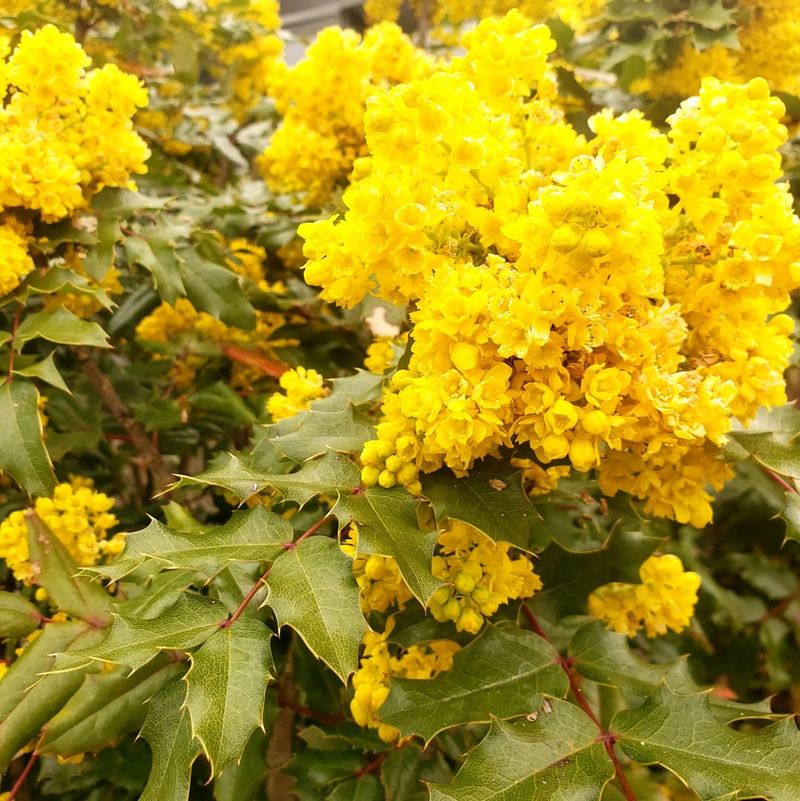
If you’re looking for a shrub that genuinely belongs here, Oregon grape checks every box. This native plant has been thriving in our forests and hillsides for thousands of years, which means it already knows how to handle everything our climate throws at it.
The holly-like evergreen leaves add texture and structure, turning bronzy-purple in winter for added seasonal interest.
Bright yellow flower clusters appear in early spring, followed by dusty blue berries that birds absolutely love.
Oregon grape tolerates dry shade better than almost any other shrub, making it perfect for those difficult spots under eaves or beneath established trees where nothing else seems to work.
It spreads slowly through underground runners, eventually forming attractive colonies without becoming aggressively invasive.
The true beauty of Oregon grape lies in its complete independence once established. It doesn’t need fertilizer, rarely suffers from pests or diseases, and handles our summer droughts without complaint.
Tall Oregon grape (Mahonia aquifolium) grows four to six feet tall and works well as a foundation plant or informal hedge. Low Oregon grape (Mahonia nervosa) stays under two feet and makes excellent groundcover for slopes.
Both types thrive in full shade to part sun. Just plant, mulch, and walk away, this native will take care of itself while providing year-round beauty and wildlife habitat.
4. Spirea – Colorful And Almost Carefree
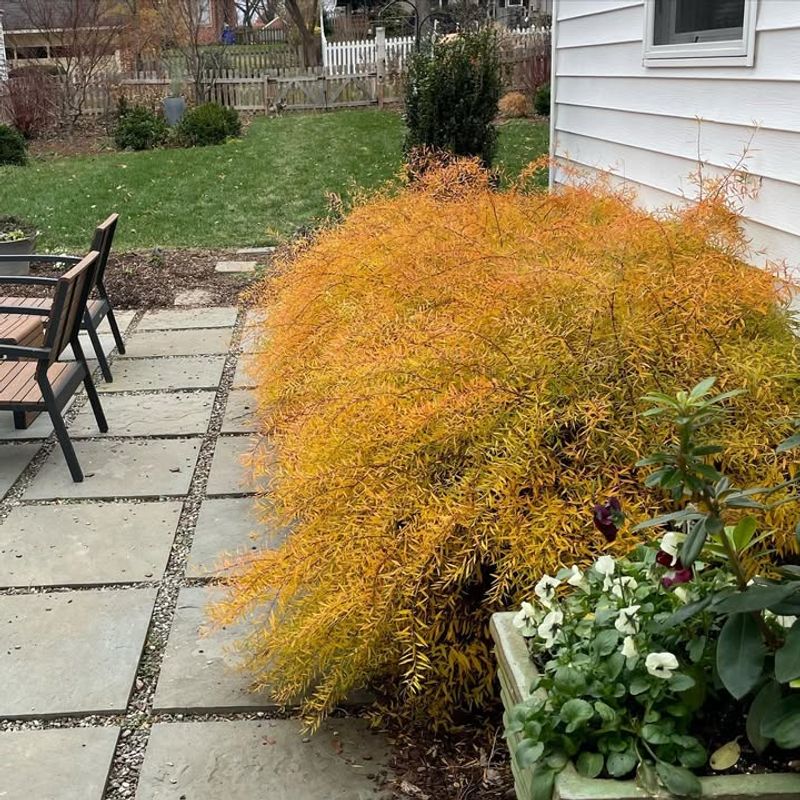
Few shrubs deliver as much visual impact with as little effort as spirea. These adaptable plants burst into clouds of tiny flowers in spring or summer, depending on variety, then often provide bonus fall color when their foliage turns shades of orange, red, or burgundy.
They grow quickly, fill space beautifully, and ask for almost nothing in return.
Spirea tolerates a wider range of conditions than most flowering shrubs, handling full sun to partial shade and adapting to various soil types as long as drainage is decent.
This flexibility makes them perfect for Oregon’s diverse microclimates, they work equally well along the coast or in the Willamette Valley.
Spring-blooming varieties like bridal wreath spirea create cascading mounds of white flowers, while summer bloomers such as ‘Goldflame’ offer pink flowers above chartreuse foliage that brightens shady corners.
Maintenance couldn’t be simpler. Spirea naturally develops attractive, rounded shapes without constant pruning, though you can trim them after flowering if you want to control size.
They rarely suffer from serious pest or disease problems in Oregon’s climate. Established plants handle dry spells well, though they look their best with occasional summer watering.
Compact varieties like ‘Little Princess’ stay under three feet and work perfectly for smaller front yards, while larger types can reach five feet for more dramatic impact.
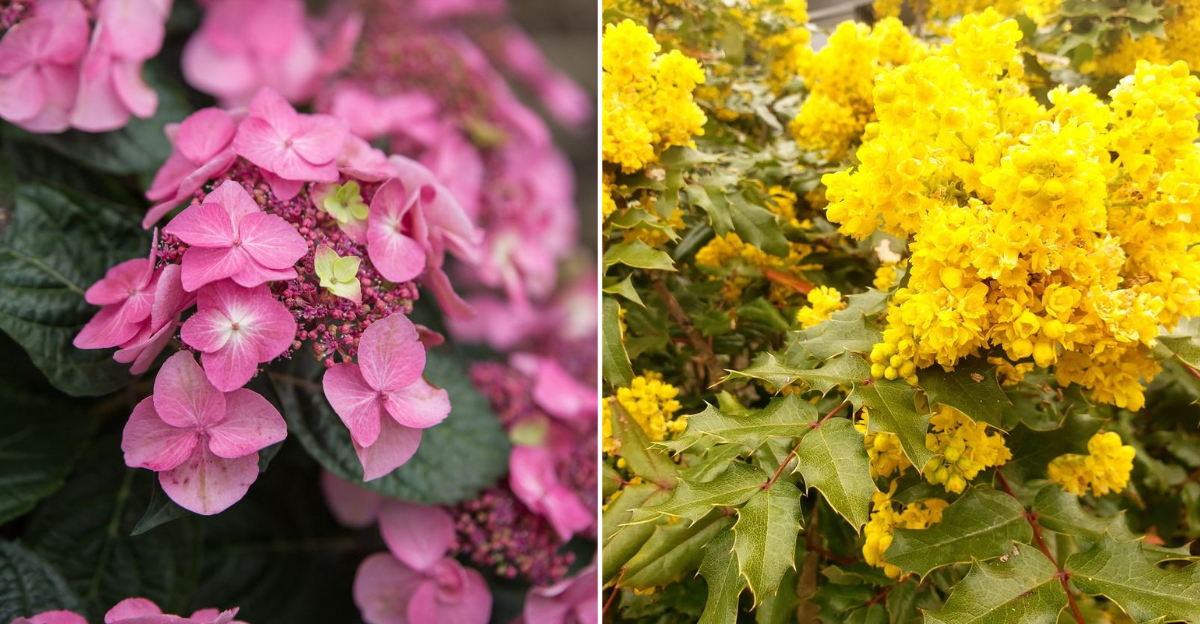
5. Hydrangea – Big Blooms, Little Effort
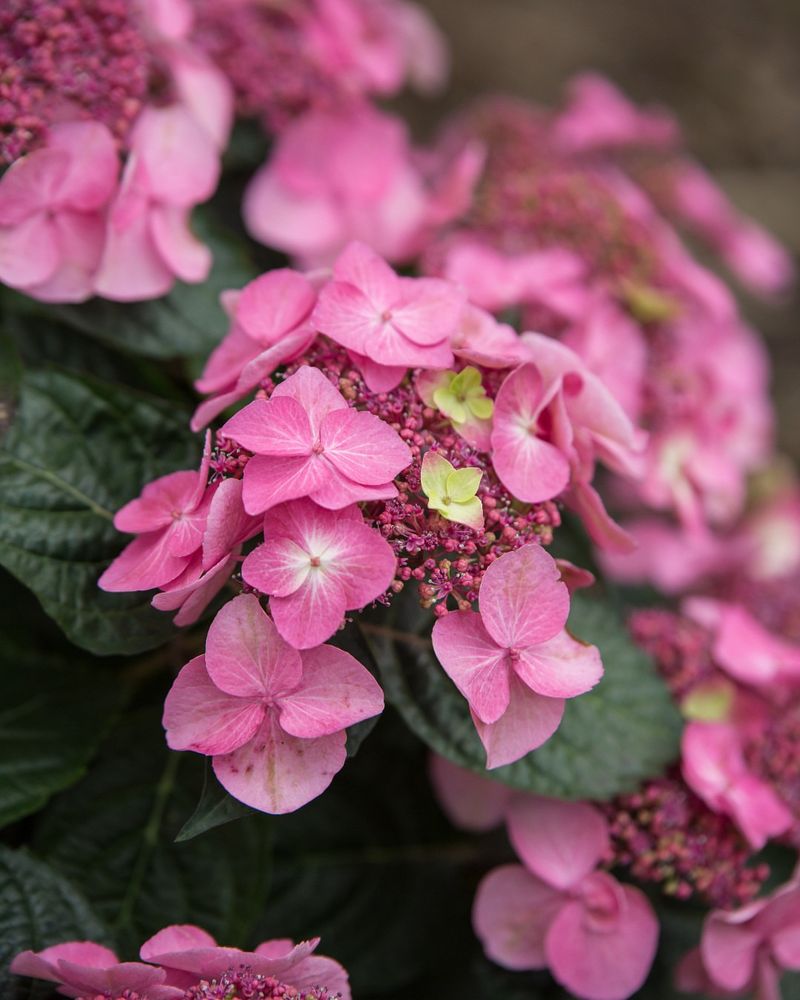
Those massive flower heads that seem to define cottage gardens and established neighborhoods don’t require nearly as much fussing as you might think.
Hydrangeas absolutely thrive in Oregon’s climate, where our natural rainfall and mild temperatures create nearly perfect growing conditions.
The trick is choosing varieties suited to your light conditions and then letting them do their thing.
Mophead and lacecap hydrangeas (Hydrangea macrophylla) produce those classic big blooms in shades of blue, pink, or purple, depending on soil pH. They prefer morning sun with afternoon shade, which protects flowers from fading.
Oakleaf hydrangeas offer cone-shaped white blooms and stunning fall foliage, plus they handle more sun. Smooth hydrangeas like ‘Annabelle’ produce huge white snowball flowers and tolerate shadier spots.
The biggest mistake gardeners make is over-pruning. Most hydrangeas bloom on old wood, so aggressive spring cutting eliminates flowers.
Instead, just remove withered stems and spent blooms when you notice them. Our moist climate means established hydrangeas rarely need supplemental water except during unusually dry summers.
A spring application of compost around the base provides sufficient nutrition, no special fertilizers required.
These shrubs naturally develop attractive shapes and bloom reliably year after year with minimal intervention, making them ideal for busy homeowners who want maximum impact without weekend-consuming maintenance routines.
6. Barberry – Bright Foliage, No Fuss
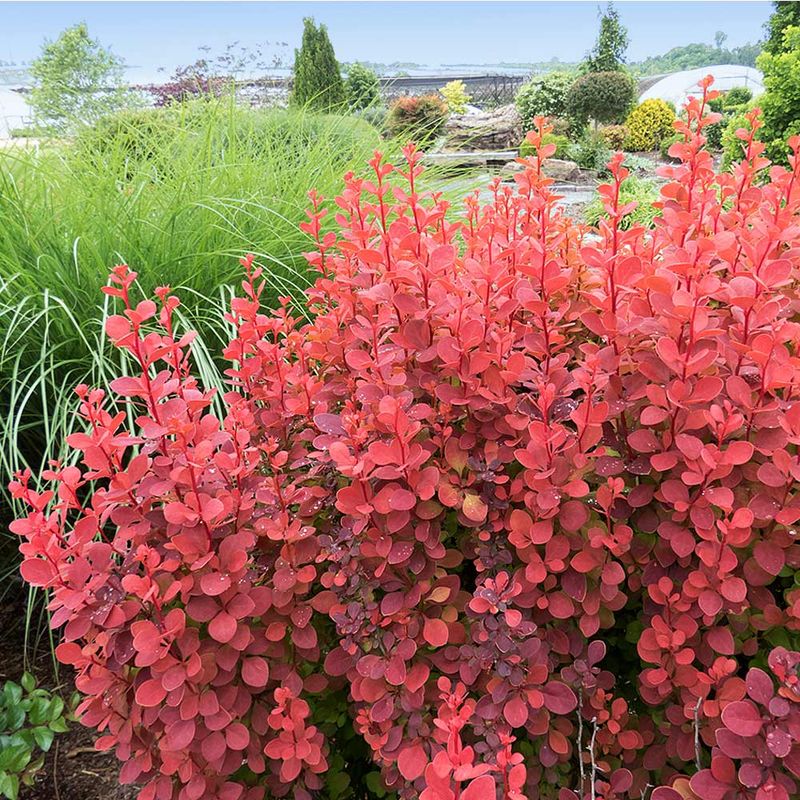
When you need reliable color that doesn’t depend on flowers, barberry delivers month after month.
These tough shrubs come in varieties with foliage ranging from chartreuse to burgundy to variegated combinations, providing constant visual interest without the brief bloom-and-fade cycle of flowering plants.
Their dense, compact growth habit makes them perfect for defining spaces or creating low hedges along walkways.
Barberry handles Oregon’s climate with remarkable ease, tolerating both our wet winters and occasional summer drought once established. They prefer full sun for the most vibrant foliage color but adapt to partial shade reasonably well.
The thorny branches deter deer and provide nesting sites for small birds, adding practical benefits beyond aesthetics. Small yellow flowers appear in spring, followed by red berries that persist into winter.
What makes barberry genuinely carefree is its resistance to pests, diseases, and environmental stress. These shrubs don’t demand rich soil or regular fertilizing, they actually perform better in average conditions.
Pruning is optional and mainly for shaping or size control. Compact varieties like ‘Crimson Pygmy’ stay under two feet and work beautifully as edging plants, while larger types can reach four to five feet for more substantial presence.
Just avoid Japanese barberry (Berberis thunbergii) in areas where it’s considered invasive, and choose sterile cultivars or native Oregon grape as alternatives if local regulations restrict planting.
7. Pieris – Year-Round Beauty, Spring Drama
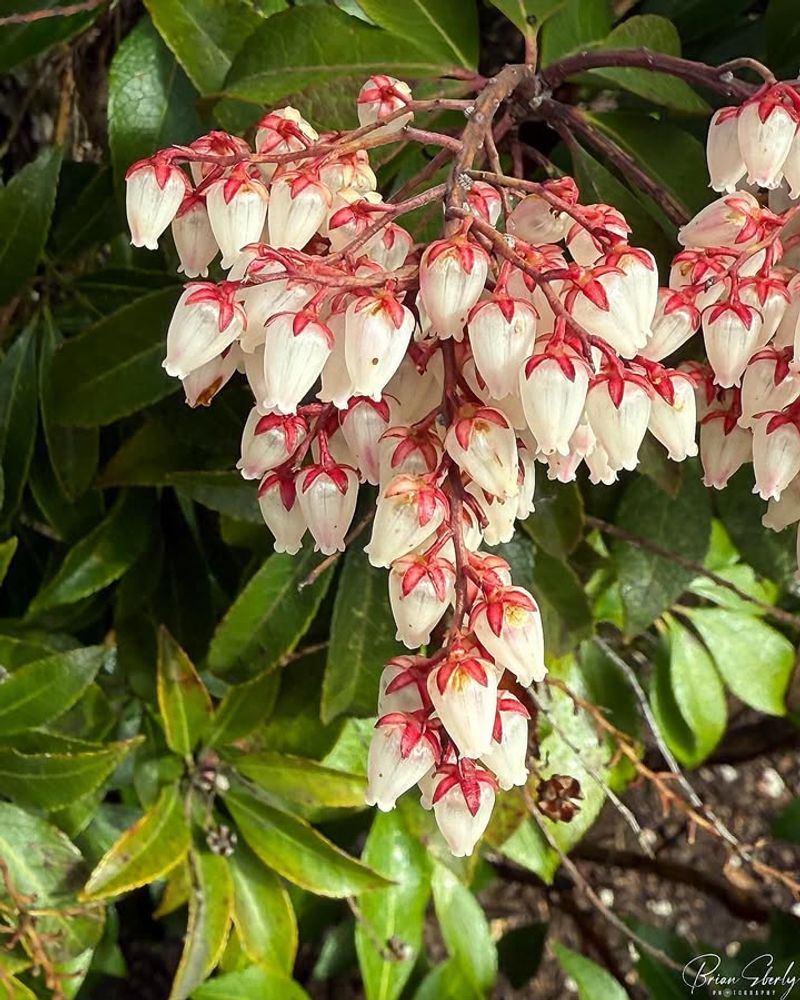
Watch pieris in early spring and you’ll understand why it’s become a Pacific Northwest favorite. Cascading clusters of small, bell-shaped flowers hang like delicate chandeliers, usually in white or pale pink, creating an elegant display that lasts for weeks.
But the real show begins with the new growth that follows, bright red or bronze young leaves that gradually mature to glossy green, adding another layer of color interest.
Pieris shares the same growing preferences as rhododendrons and camellias, making it a natural companion in acid-loving plant groupings. It thrives in partial shade with consistent moisture, which describes most Oregon front yards perfectly.
The evergreen foliage provides year-round structure, while the spring flowers and colorful new growth create seasonal drama without requiring any effort on your part beyond basic establishment care.
These shrubs practically take care of themselves once settled into your landscape. They naturally develop attractive, rounded shapes without pruning, though you can trim lightly after flowering if needed.
Pieris rarely suffers from serious pest problems in our climate, and the thick, leathery leaves resist damage from wind and rain.
Varieties range from compact types like ‘Little Heath’ that stay under three feet to larger cultivars reaching six feet or more.
Plant them near entryways where you’ll appreciate the detailed flowers up close, and mulch around the base to maintain the cool, moist root conditions they prefer.
8. Potentilla – Long Bloom, Zero Drama
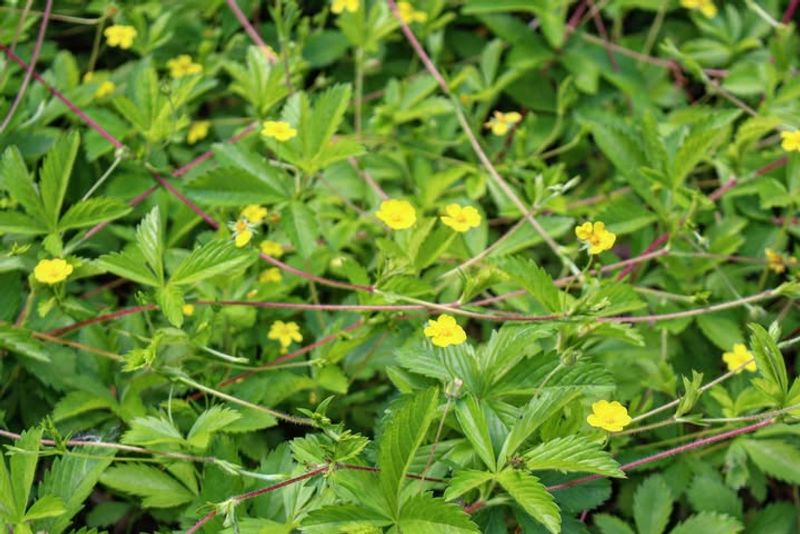
Sometimes the most reliable performers are the ones that never demand attention. Potentilla blooms continuously from late spring through fall, producing cheerful flowers in shades of yellow, white, pink, or red, depending on variety.
While individual flowers are small, they appear in such abundance that the overall effect is remarkably colorful and long-lasting.
These tough little shrubs handle full sun and average soil without complaint, making them perfect for those hot, dry spots where many other flowering shrubs struggle. They’re particularly valuable in eastern Oregon or sunny, south-facing exposures in the Willamette Valley.
Potentilla tolerates a wide pH range, doesn’t mind clay soil, and once established, survives summer dry spells that would stress more demanding plants.
The complete lack of maintenance requirements makes potentilla ideal for truly carefree landscapes. They don’t need deadheading to continue blooming, rarely suffer from pest or disease issues, and naturally maintain neat, rounded shapes without pruning.
You can trim them in early spring if you want to control size or rejuvenate older plants, but it’s completely optional.
Compact varieties like ‘Gold Drop’ stay under two feet and work well as edging or in mixed borders, while larger types can reach four feet for more substantial plantings.
These shrubs just keep blooming and looking good month after month, asking for absolutely nothing beyond what nature provides in our Oregon climate.
9. Viburnum – Four-Season Interest, Minimal Care
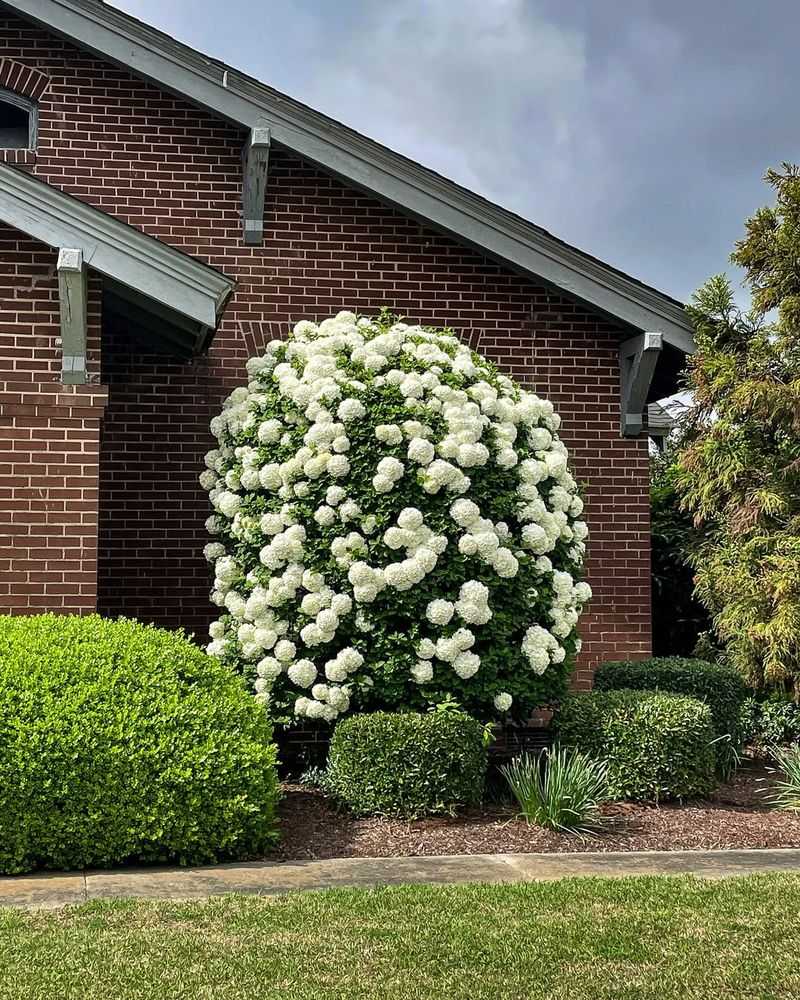
If you could only plant one shrub that delivers something interesting every season, viburnum would be a strong contender. Spring brings fragrant white or pink flower clusters that attract pollinators.
Summer offers glossy green foliage and developing berries. Fall provides brilliant foliage color in shades of red, orange, or purple.
Winter showcases attractive branch structure and persistent berries that feed birds when other food sources are scarce.
Viburnums adapt to Oregon’s climate beautifully, handling our wet winters and mild summers with ease. They tolerate partial shade but bloom most prolifically with at least four hours of direct sun.
These shrubs aren’t fussy about soil as long as drainage is reasonable, and they establish quickly without demanding constant attention. Many varieties offer bonus features like exceptional fragrance or evergreen foliage for year-round screening.
The diversity within the viburnum family means you can find options for almost any landscape need.
Compact types like ‘Dwarf European Cranberrybush’ stay under five feet, while larger varieties can reach eight to ten feet for privacy screening or specimen planting.
Once established, viburnums need virtually no care beyond occasional watering during extended dry periods. They naturally develop attractive shapes, resist serious pest and disease problems, and bloom reliably year after year.
Just plant them with adequate space to reach mature size, mulch around the base, and let them become the dependable backbone of your front yard landscape.
10. Dwarf Conifers – Structure Without The Work
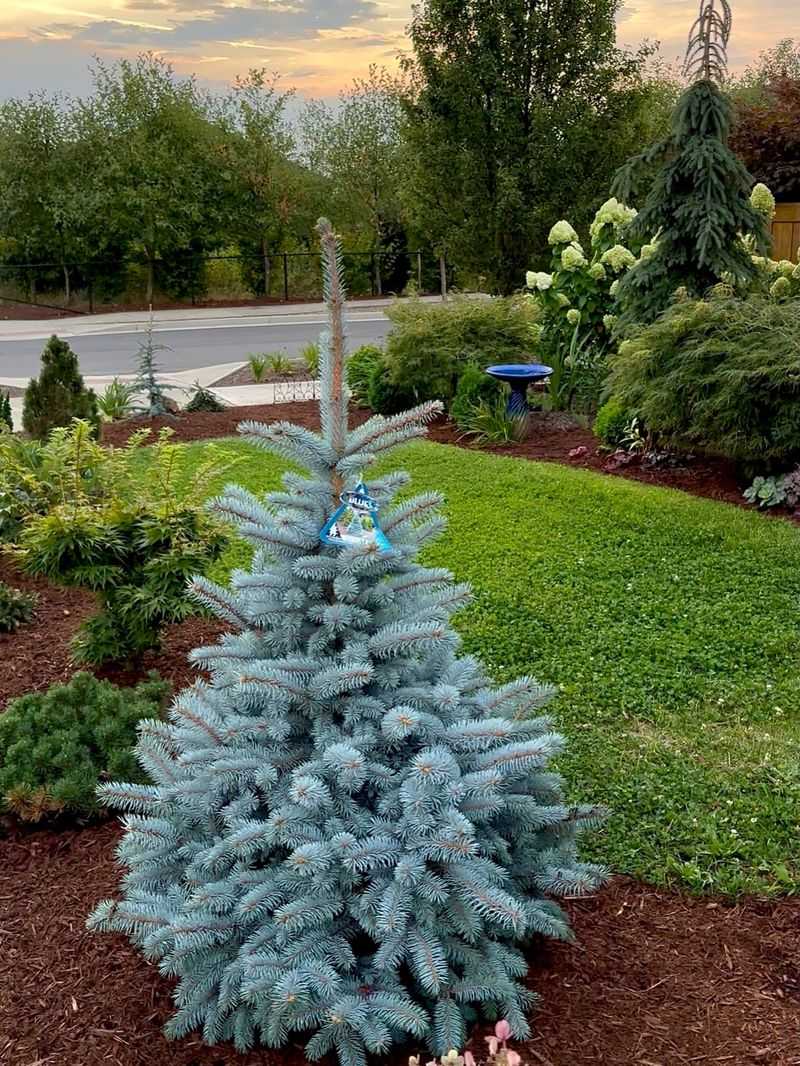
While technically not a single species, dwarf conifers deserve recognition for providing permanent structure and year-round color with essentially zero maintenance.
These slow-growing evergreens come in countless forms, rounded mounds, upright columns, spreading mats, and textures ranging from soft, feathery needles to dense, almost sculptural foliage.
They anchor landscapes through all seasons without changing, dropping leaves, or demanding attention.
Dwarf conifers adapt well to Oregon’s climate, handling our wet winters without developing the root rot problems that plague some evergreens.
They work beautifully as focal points near entryways, anchors for mixed borders, or structural elements that provide consistency while surrounding perennials and shrubs change with the seasons.
Options include dwarf Alberta spruce, compact mugo pine, miniature false cypress, and slow-growing yews, each offering different colors and textures.
The appeal lies in their complete self-sufficiency. Dwarf conifers need no pruning to maintain their shapes, they grow slowly and naturally develop the forms they’re bred for.
They don’t require fertilizing, rarely suffer from pest issues in our climate, and once established, tolerate dry periods remarkably well. Just ensure adequate drainage when planting, as most conifers dislike constantly soggy soil.
Beyond that, they simply exist beautifully year after year, providing the kind of reliable, low-maintenance presence that makes front yard landscaping genuinely carefree while still looking thoughtfully designed and attractive in every season.