Plant These 10 Fast-Blooming Flowers In Oregon Right Now
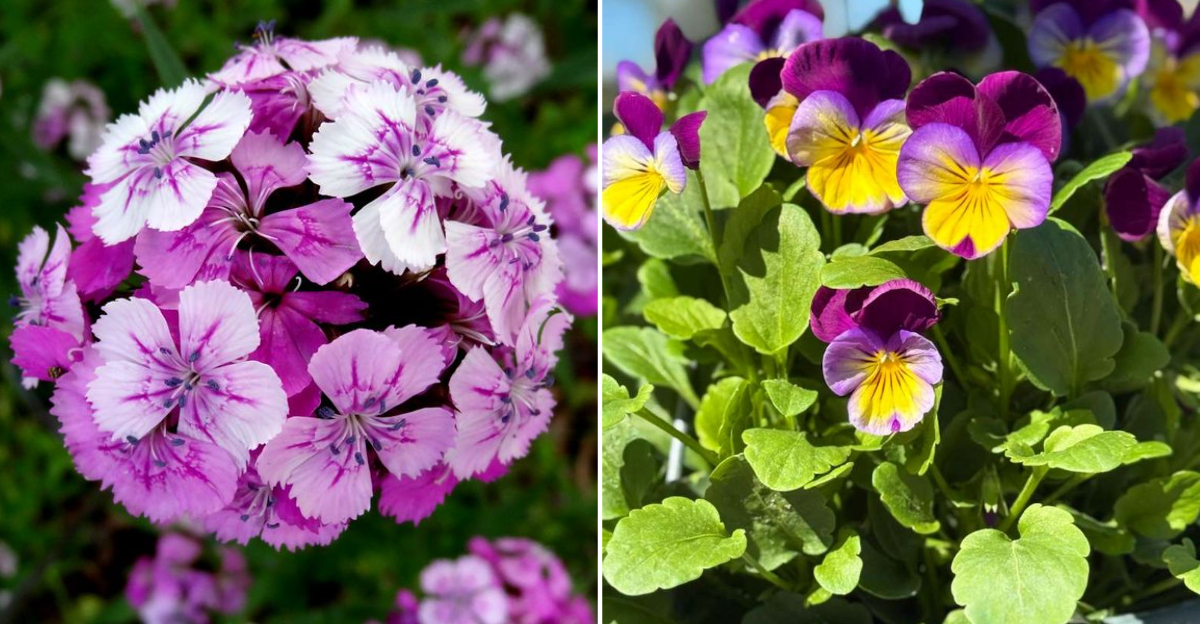
A splash of fresh color can wake up a garden in the nicest way. When flowers bloom quickly, the space starts to feel lively, cheerful, and full of charm.
Oregon’s growing season makes it easy for many fast bloomers to settle in and show their colors sooner than expected, adding brightness to beds, borders, and cozy garden corners.
There’s something fun about stepping outside and spotting new petals opening, little by little, bringing energy and warmth to the space around you. Even a small patch of soil can turn into a happy, colorful scene with the right flowers.
1. Calendula (Calendula officinalis)
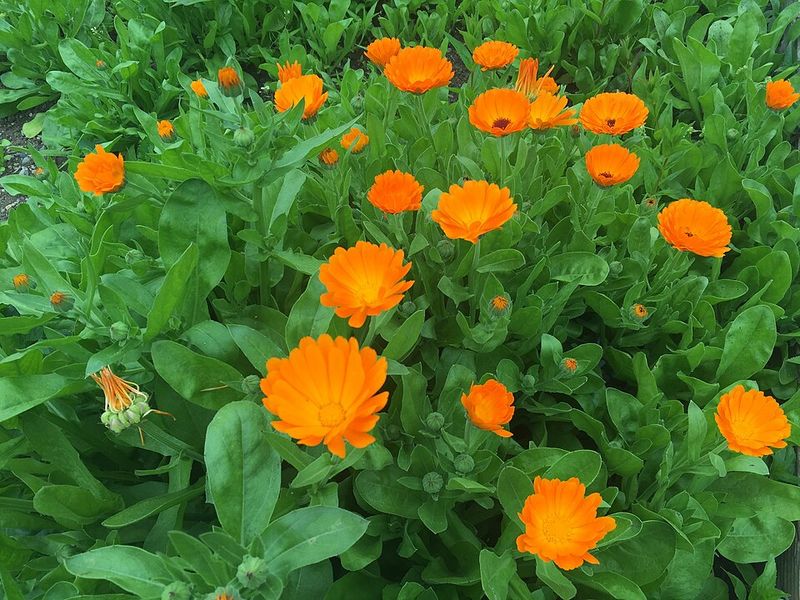
When the soil warms just enough to work comfortably, calendula seeds are one of the first things worth tucking into the ground.
These cheerful blooms show up fast, often flowering within six weeks of sowing, and they handle Oregon’s unpredictable spring weather without complaint.
Calendula thrives in our cool, damp conditions better than most annuals. While other flowers sulk in the drizzle, calendula keeps pushing out bright orange and yellow blooms that practically glow on overcast days.
You can direct sow them as soon as the soil isn’t muddy, and they’ll germinate quickly in temperatures that still feel chilly to your fingers.
One mistake gardeners make is planting calendula in overly rich soil. They actually prefer lean conditions and can get leggy if overfed.
A sunny spot with decent drainage works best, though they tolerate part shade surprisingly well, especially along the coast where afternoon sun can be intense.
Deadhead spent blooms regularly to keep new flowers coming, and don’t be surprised if they self-sow for next year. Calendula petals are also edible, adding a peppery note to salads and a pop of color that feels especially welcome after a long, gray winter.
2. Sweet Alyssum (Lobularia maritima)
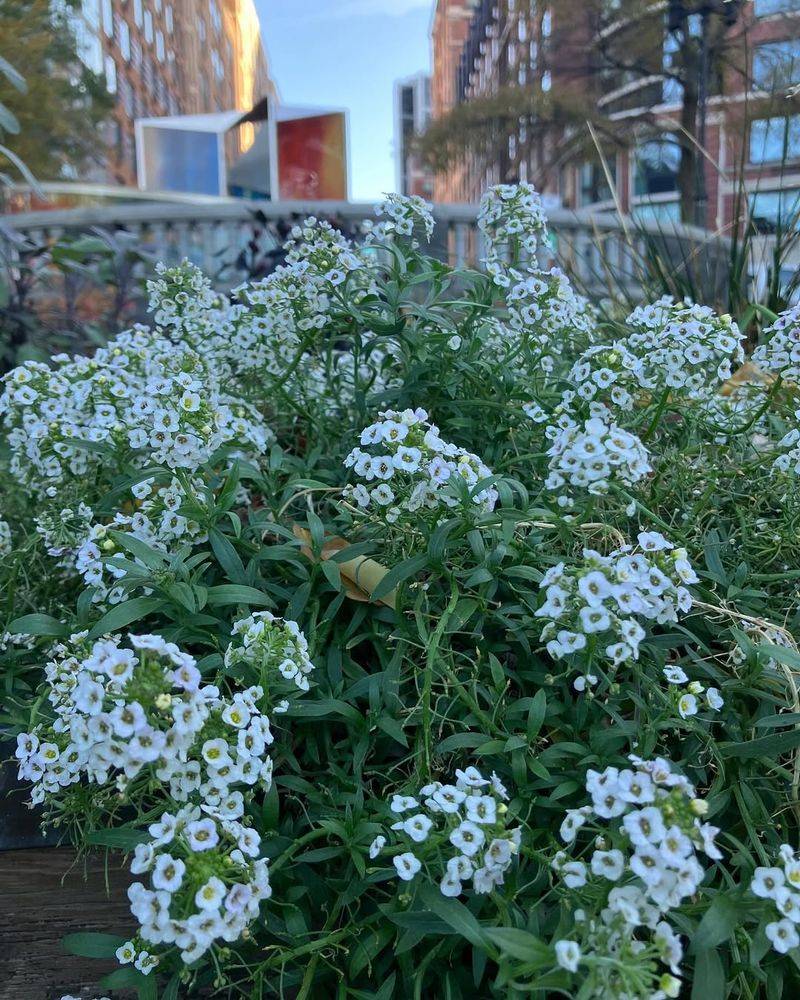
Few flowers deliver so much charm with so little fuss. Sweet alyssum forms a low, spreading carpet of tiny blooms that smell faintly of honey, especially on warm afternoons.
Scatter the seeds directly in the garden, and you’ll see seedlings emerge within a week if conditions are right.
Alyssum loves Oregon’s cool springs and will bloom steadily until summer heat arrives. Even then, if you give it a light trim and some water, it often rebounds when temperatures drop again in fall.
This makes it incredibly useful for edging beds, filling cracks between pavers, or softening the edges of containers.
Many gardeners underestimate how much sun alyssum actually needs. While it tolerates light shade, blooming is heavier in full sun.
In coastal areas, it can handle more exposure, but inland gardeners should watch for stress during hot spells and provide afternoon shade if possible.
The fragrance is a real bonus, attracting beneficial insects like hoverflies and tiny parasitic wasps that help control aphids. Alyssum also reseeds generously, so you might find pleasant surprises popping up in unexpected spots next season.
Just thin seedlings if they get too crowded, and they’ll reward you with months of delicate blooms.
3. Johnny Jump-Up / Violas (Viola tricolor)
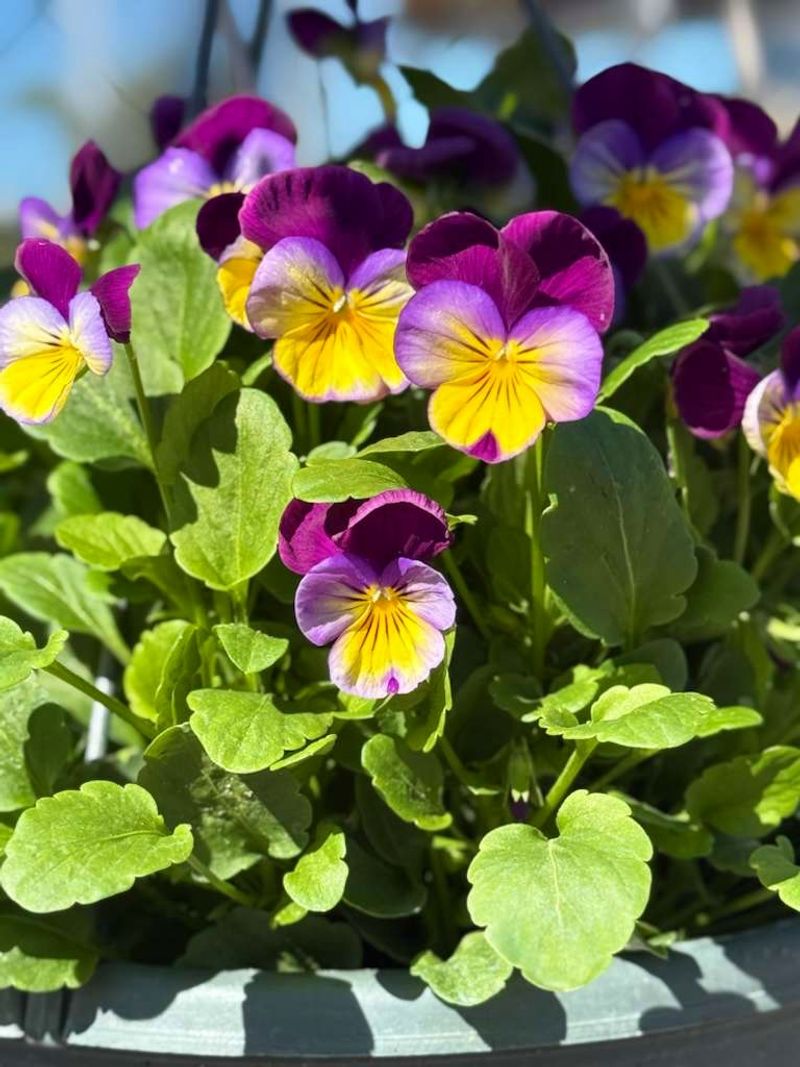
If you’ve ever noticed cheerful little faces popping up in unexpected corners of your garden, you’ve probably met Johnny Jump-Ups already.
These small violas have a delightful habit of self-sowing wherever they find a comfortable spot, and they bloom remarkably fast from seed, often within eight weeks.
Johnny Jump-Ups are tougher than they look. They handle Oregon’s spring rains without rotting and actually prefer the cool, moist conditions that make other flowers struggle.
You can plant them in fall for early spring blooms, or sow them now for color that arrives quickly and lasts well into summer.
One thing people often miss is how much shade these violas tolerate. While they bloom most prolifically in sun, they’ll flower happily in part shade, making them perfect for those tricky spots under deciduous trees or along north-facing walls.
They’re also low enough that they won’t compete with taller perennials.
The flowers are edible, with a mild, slightly grassy flavor that works well as a garnish. Kids especially love their whimsical appearance.
Deadheading isn’t necessary, but if you want to prevent enthusiastic self-sowing, trim them back after the first flush of blooms. Otherwise, let them wander and surprise you next year.
4. Pansies (Viola × wittrockiana)
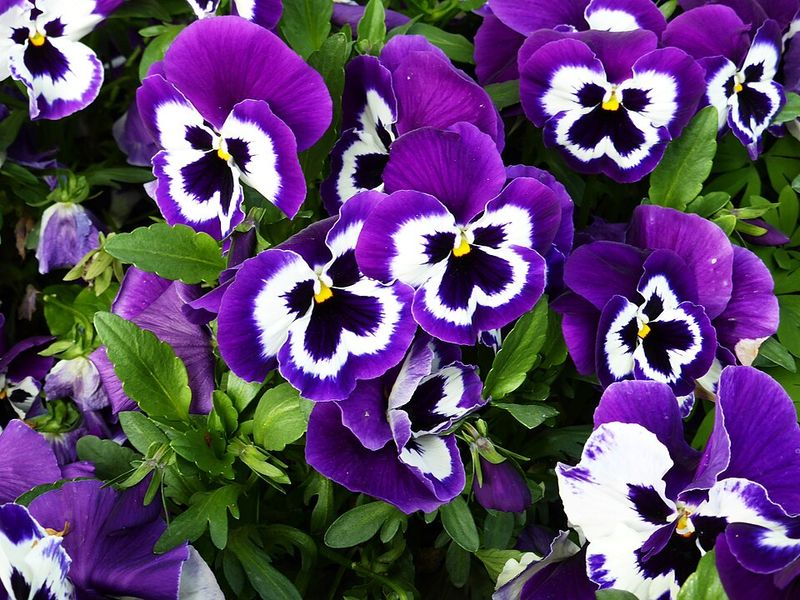
Walk through any garden center in early spring, and you’ll find flats of pansies already in bloom, their oversized faces impossible to resist.
While many people treat them as bedding plants to buy and transplant, starting pansies from seed is surprisingly straightforward, and they’ll flower within ten weeks if you start them indoors or in a cold frame.
Pansies thrive in Oregon’s cool spring weather, putting on their best show before summer heat arrives. They’re remarkably cold-tolerant and can handle light frosts without damage, making them perfect for filling beds and containers early in the season.
The color range is enormous, from nearly black to bright yellow, often with intricate patterns that look hand-painted.
A common mistake is planting pansies too late. They really shine in cool weather, so getting them in the ground early means more blooms before they start to fade in July heat.
Coastal gardeners can often keep pansies blooming all summer, but inland, they may need replacing with heat-lovers once temperatures climb.
Deadhead regularly to encourage continuous flowering, and don’t be shy about pinching them back if they get leggy. Pansies also appreciate consistent moisture but need good drainage.
In heavy Oregon clay, amending the soil with compost makes a noticeable difference in their performance and longevity.
5. Baby Blue Eyes (Nemophila menziesii)
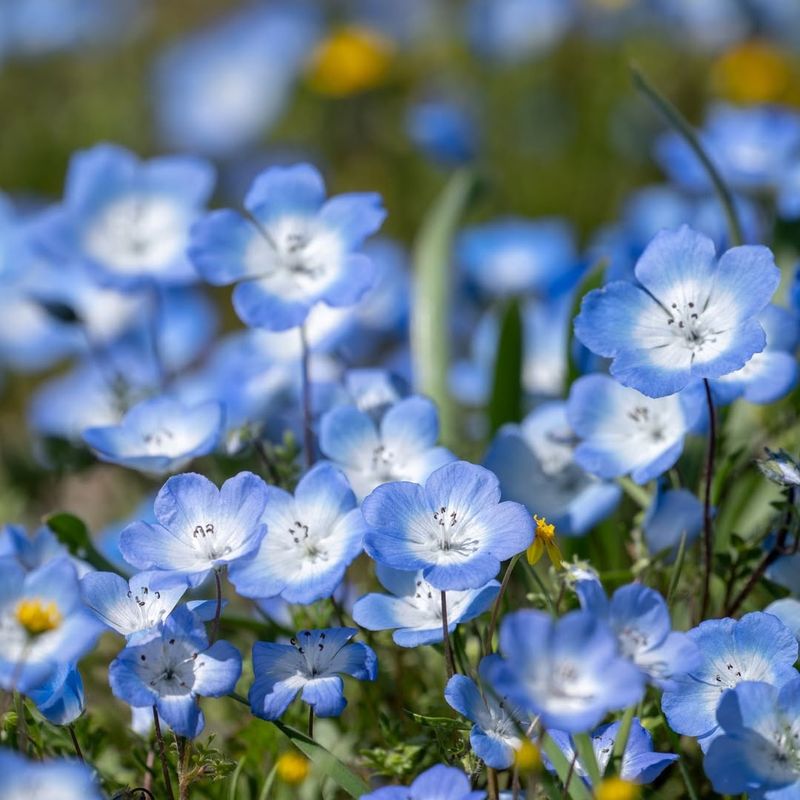
Oregon’s native wildflowers have a special quality, and Baby Blue Eyes captures that gentle, understated beauty perfectly.
These low-growing annuals produce sky-blue flowers with white centers that look like they belong in a woodland clearing, which makes sense since they’re native to the West Coast.
Baby Blue Eyes bloom incredibly fast from seed, sometimes within six weeks, and they prefer the exact conditions Oregon springs naturally provide: cool temperatures, consistent moisture, and filtered light.
Direct sow them in early spring, and they’ll carpet the ground with delicate blooms that attract native bees and other pollinators.
Many gardeners assume these flowers need full sun, but they actually perform best in part shade, especially in warmer inland areas. Along the coast, they can handle more sun, but everywhere else, think of them as a woodland edge plant.
They’re perfect for naturalizing under deciduous shrubs or along shaded pathways.
Baby Blue Eyes don’t like transplanting much, so direct sowing works best. Scatter seeds where you want them to grow, press them lightly into the soil, and keep the area moist until germination.
They’ll self-sow if conditions suit them, creating drifts of blue that return each spring with minimal effort from you.
6. California Poppy (Eschscholzia californica)
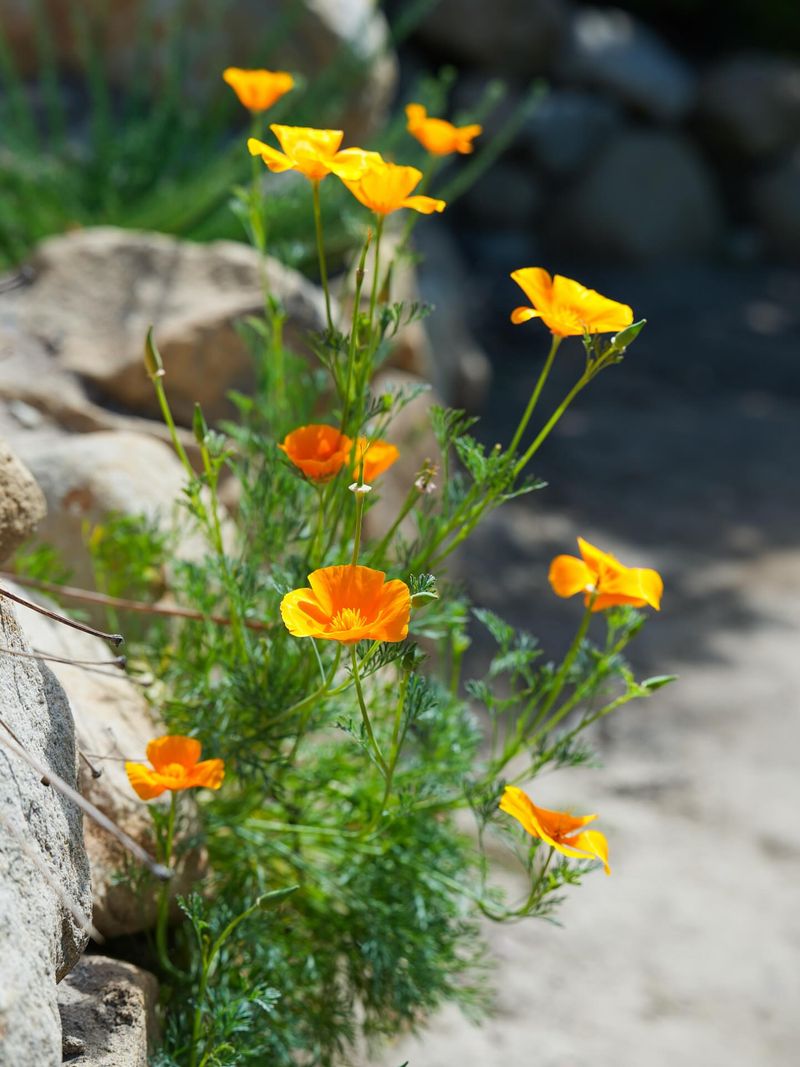
Sunny days in Oregon feel especially precious, and California poppies seem designed to celebrate them. Their silky, orange blooms open wide in sunshine and close up on cloudy days, creating a living barometer in your garden.
From seed to flower takes roughly eight weeks, and they’re nearly foolproof if you give them what they need.
California poppies prefer lean, well-drained soil and full sun, which makes them perfect for dry spots where other flowers struggle. They’re drought-tolerant once established, though they’ll bloom longer with occasional watering during dry spells.
In Oregon’s clay-heavy soils, they do best in raised beds or areas with added sand and compost.
One thing people get wrong is trying to transplant California poppies. They have long taproots and really dislike being moved, so direct sowing is essential.
Scatter seeds in fall or early spring, rake them in lightly, and then leave them alone. They’ll germinate when conditions are right and reward you with months of color.
Deadheading isn’t necessary unless you want to prevent self-sowing, which can be enthusiastic. The silvery, fern-like foliage is attractive even when flowers aren’t open, and the blooms attract bees and butterflies.
California poppies also make surprisingly good cut flowers if you pick them just as buds are opening.
7. Clarkia / Farewell-to-Spring (Clarkia amoena)
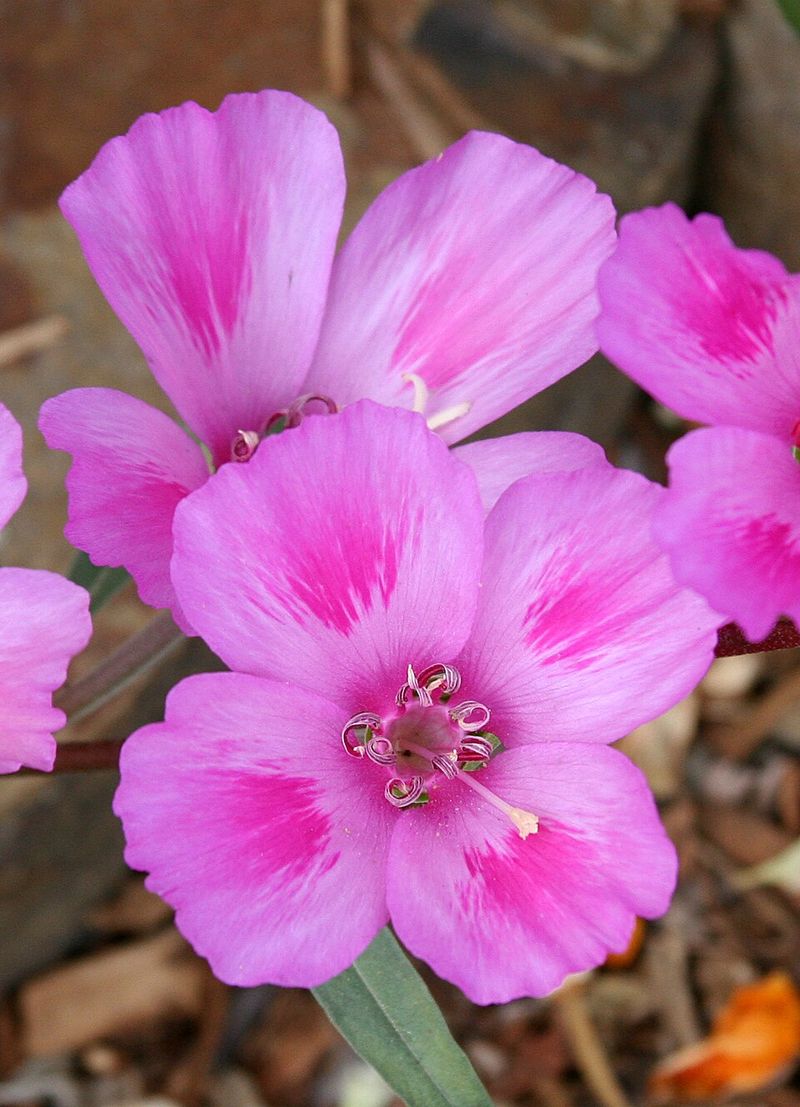
Clarkia has a romantic name and an equally lovely appearance, with ruffled blooms in shades of pink, salmon, and white that look almost too delicate to be so easy to grow.
This Pacific Northwest native blooms quickly from seed and thrives in the cool, moist conditions Oregon provides naturally in spring.
Sow Clarkia seeds directly in the garden in early spring, and they’ll bloom within eight to ten weeks. They prefer full sun but tolerate light shade, especially in hotter inland areas where afternoon shade helps prolong blooming.
The flowers grow on upright stems that don’t usually need staking, making them perfect for cutting gardens or informal borders.
Many gardeners miss the fact that Clarkia doesn’t like rich soil. Overly fertile conditions produce lots of foliage but fewer flowers, so skip the heavy fertilizing.
They do appreciate consistent moisture during their blooming period, though, so mulching helps retain soil moisture without creating soggy conditions they dislike.
Clarkia self-sows readily, often creating better displays in subsequent years as it settles into your garden. The blooms attract hummingbirds and native bees, and they make excellent cut flowers that last surprisingly well in a vase.
Let some plants go to seed if you want them to return, or deadhead to keep the current display going longer.
8. Cornflower / Bachelor’s Button (Centaurea cyanus)
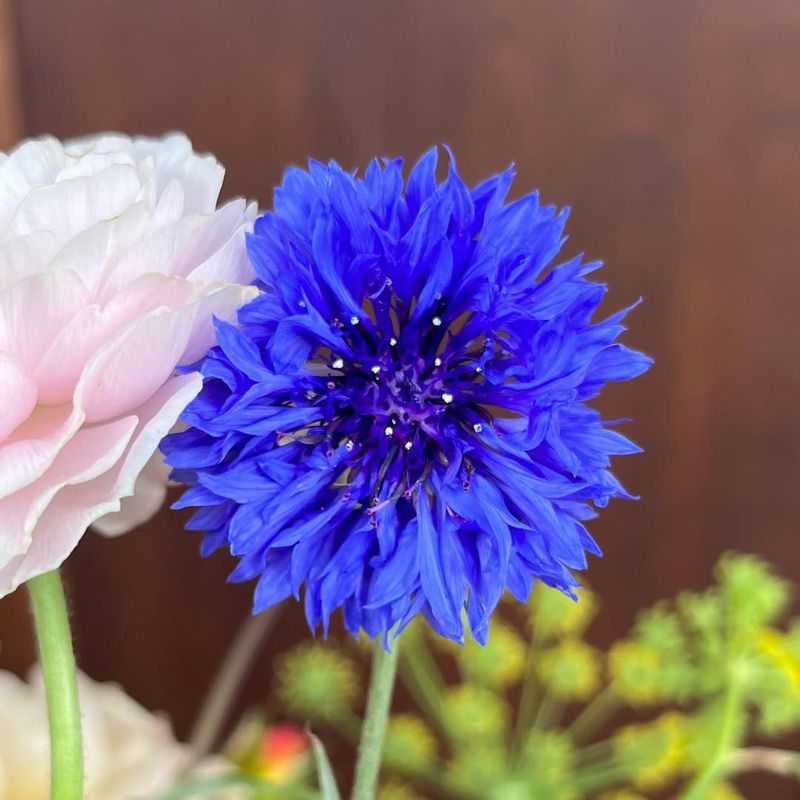
There’s something timelessly cheerful about cornflowers, with their brilliant blue petals and shaggy centers that seem to belong in a cottage garden or wildflower meadow.
They’re remarkably fast from seed, often blooming within eight weeks, and they handle Oregon’s spring weather beautifully.
Cornflowers prefer full sun and well-drained soil, but they’re not fussy about fertility. In fact, they often bloom better in average soil than in heavily amended beds.
Direct sow them in early spring, and they’ll quickly develop into upright plants covered in blooms that attract bees, butterflies, and beneficial insects.
One advantage cornflowers have in Oregon is their tolerance for cool, wet springs. While they don’t like sitting in soggy soil, they handle spring rains better than many annuals and won’t rot at the first sign of prolonged drizzle.
Good drainage is still important, especially in clay soils, so raised beds or amended soil helps.
The classic blue is most popular, but cornflowers also come in pink, white, and deep maroon. They’re excellent cut flowers, lasting well over a week in water, and they dry beautifully for arrangements.
Deadheading encourages more blooms, but if you let some go to seed, they’ll self-sow and return next year in unexpected, delightful places throughout your garden.
9. Phacelia (Phacelia tanacetifolia)
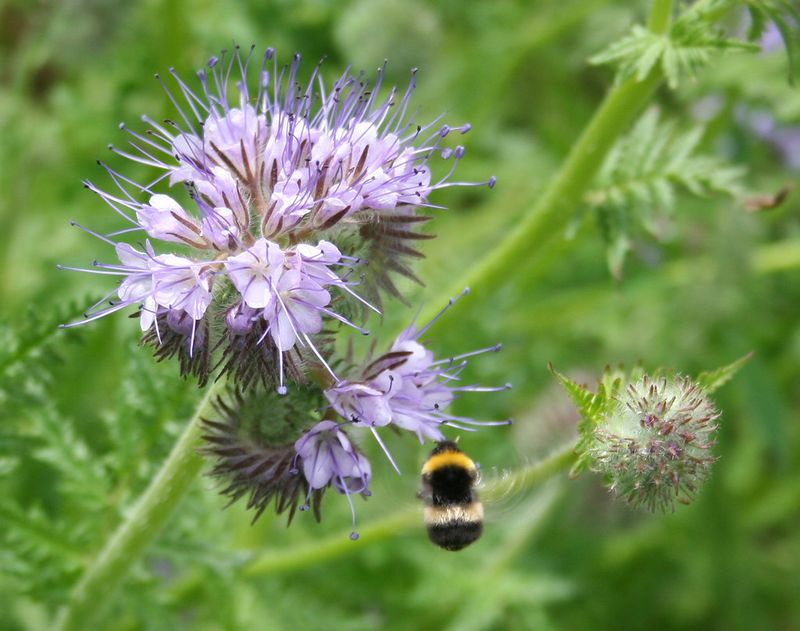
Gardeners who care about pollinators should know about Phacelia. This fast-blooming annual produces curled spikes of purple-blue flowers that bees find absolutely irresistible.
It’s often grown as a cover crop, but it deserves a spot in ornamental gardens too, especially since it blooms within six weeks of sowing.
Phacelia thrives in Oregon’s cool spring conditions and tolerates a wide range of soils, from sandy to clay, as long as drainage is reasonable. It prefers full sun but manages in part shade, making it versatile for different garden situations.
The foliage is ferny and attractive, and the flowers have an unusual, almost otherworldly appearance with their coiled form.
One thing people often overlook is how beneficial Phacelia is beyond its beauty. It attracts native bees, honeybees, and hoverflies in impressive numbers, and those hoverflies help control aphids.
It also suppresses weeds and adds organic matter when you turn it under, making it a hardworking addition to any garden.
Direct sow Phacelia where you want it to grow, as it doesn’t transplant well. It’s not fussy about care and doesn’t need deadheading unless you want to prevent self-sowing.
Let it bloom fully to support pollinators, then cut it back before it sets too much seed if you’re concerned about it spreading. Otherwise, enjoy the volunteers that appear next spring.
10. Dianthus (Dianthus barbatus / Sweet William)
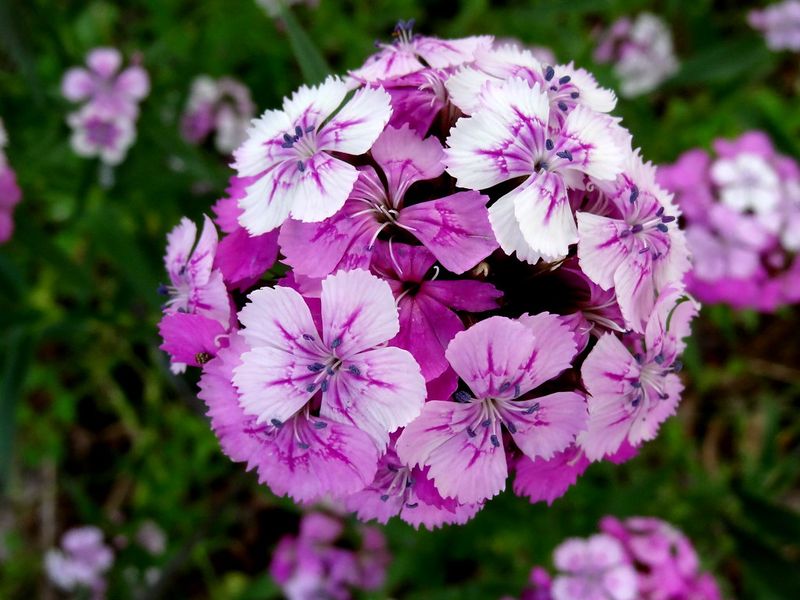
Sweet William brings old-fashioned charm and a spicy, clove-like fragrance that drifts through the garden on warm afternoons.
While technically a biennial, many varieties bloom the first year from seed if started early, and they’re perfect for Oregon’s climate with its cool springs and mild summers.
Dianthus prefers full sun and well-drained soil with a slightly alkaline pH, which can be challenging in naturally acidic Oregon soils. Adding lime helps, especially in western parts of the state where rainfall keeps soil pH low.
Good drainage is essential since Dianthus dislikes wet feet, so raised beds or amended soil makes a real difference.
Many gardeners don’t realize how cold-hardy Sweet William is. You can sow seeds in late summer or early fall for blooms the following spring, or start them indoors in late winter for flowers by early summer.
Either way, they handle frost well and often overwinter successfully, especially in milder areas near the coast.
The flowers come in striking combinations of pink, red, white, and burgundy, often with contrasting eyes or edges that create intricate patterns. They’re excellent cut flowers with good vase life, and the fragrance is a bonus.
Deadhead spent blooms to encourage more flowering, and don’t be surprised if they self-sow and return in unexpected spots next year.