Plant These 9 Flowers In March For Nonstop Blooms In California
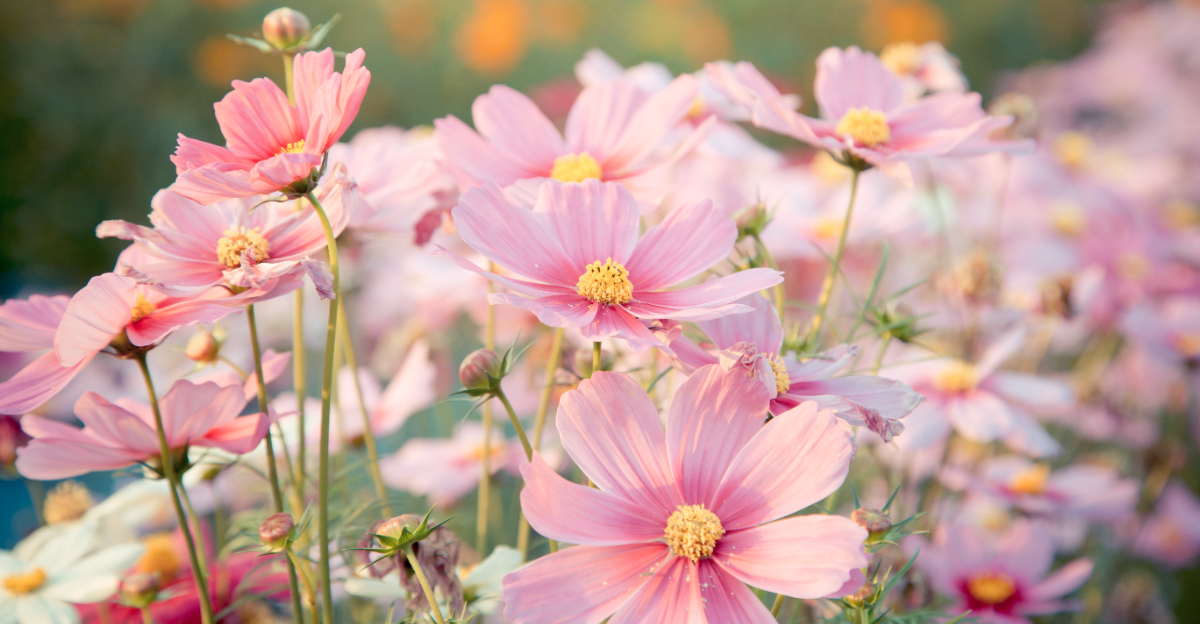
March is the perfect time to start planting flowers in California if you want a garden that stays in bloom all spring and summer long.
The weather is warming up, and with a little planning, your yard can burst with color from the moment the first buds appear.
March planting gives your flowers a head start, so you can enjoy nonstop blooms throughout the season without too much fuss.
Whether you’re aiming for vibrant pops of color, a mix of textures, or low-maintenance options that handle California’s heat, there’s a flower for every type of garden.
The key is to select varieties that thrive in the Golden State’s Mediterranean climate, which means choosing drought-tolerant and sun-loving plants that perform well throughout the warmer months.
If you’re ready to fill your garden with lasting beauty and energy, these nine flowers are perfect for getting those blooms rolling and keeping them going all season.
1. Zinnia
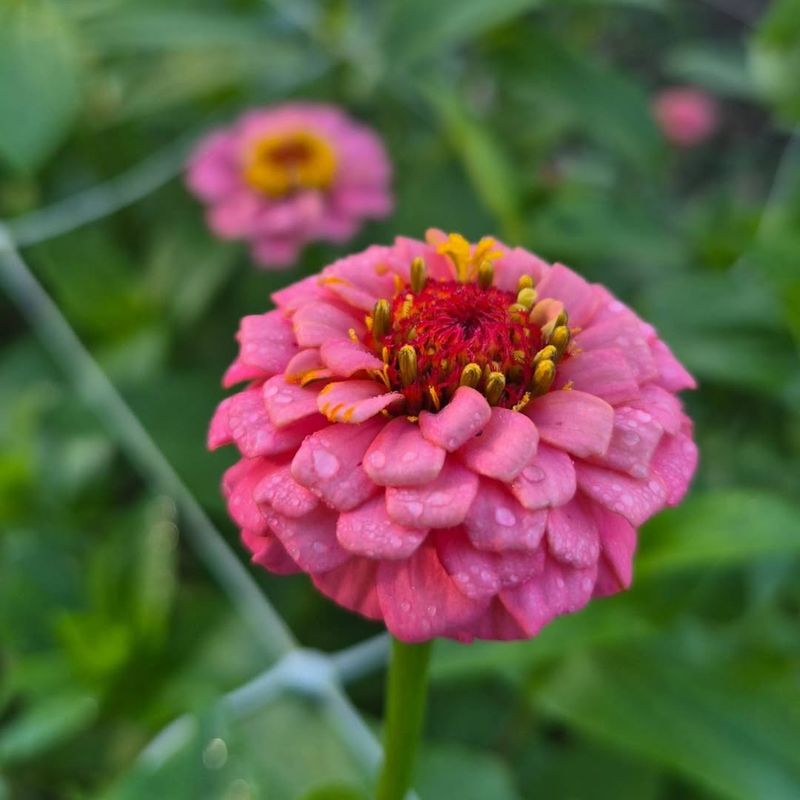
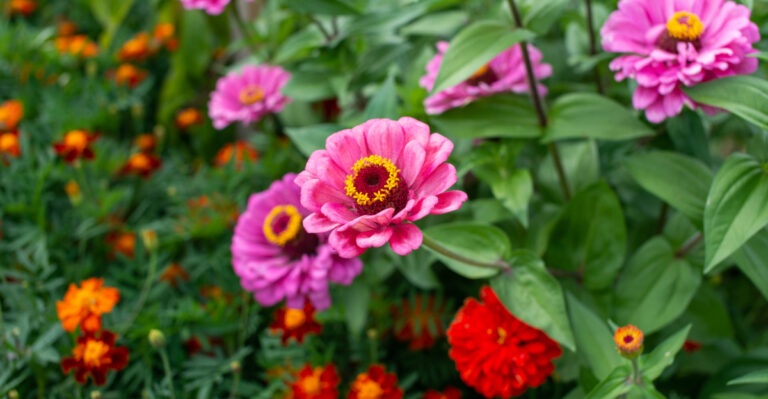
Few flowers put on a show quite like zinnias. These bold, cheerful blooms come in almost every color you can imagine, from deep red to soft lavender, and they keep flowering all season long.
Planting them in March gives California gardeners a serious head start on a summer full of color.
Zinnias love full sun and warm weather, which makes them a natural fit for most parts of California. They grow fast, often blooming within eight weeks of planting from seed.
Direct sow them into well-draining soil after the last frost, and water them at the base to keep leaves dry and healthy.
One of the best things about zinnias is how low-maintenance they are. Once they get going, they pretty much take care of themselves.
Deadheading spent blooms encourages even more flowers to form, so you get nonstop color from spring through fall. Butterflies and bees absolutely love them, making your garden a buzzing, beautiful ecosystem.
If you want big impact with little effort, zinnias are your answer this March in California.
2. Cosmos
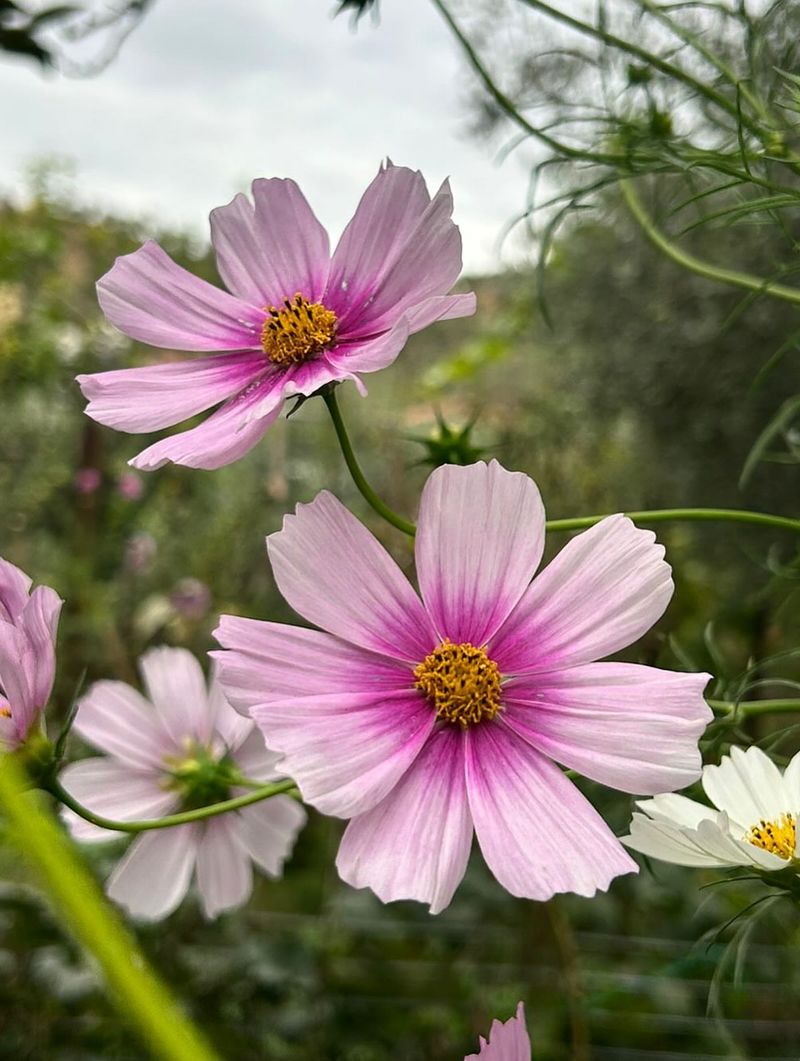
Cosmos have a kind of effortless beauty that makes every garden look like a painting. Their feathery leaves and daisy-like blooms sway gently in the breeze, giving any space a soft, romantic feel.
Planting them in March in California means you will have flowers nodding in the sunshine by late spring.
These flowers are incredibly easy to grow from seed directly in the garden. They actually prefer poor to average soil, so you do not need to over-fertilize.
Rich soil can cause lots of leafy growth but fewer blooms, so keep it simple and let cosmos do their thing.
Cosmos thrive in full sun and handle dry conditions well, which is great news for California gardeners dealing with water restrictions. They grow tall, sometimes reaching four to six feet, so plant them toward the back of a garden bed for a stunning backdrop.
Regular deadheading keeps the blooms coming nonstop. Pollinators like butterflies and native bees flock to cosmos all season long.
Fun fact: cosmos are native to Mexico and were introduced to Europe in the 1800s, quickly becoming a garden favorite worldwide.
3. Angelonia
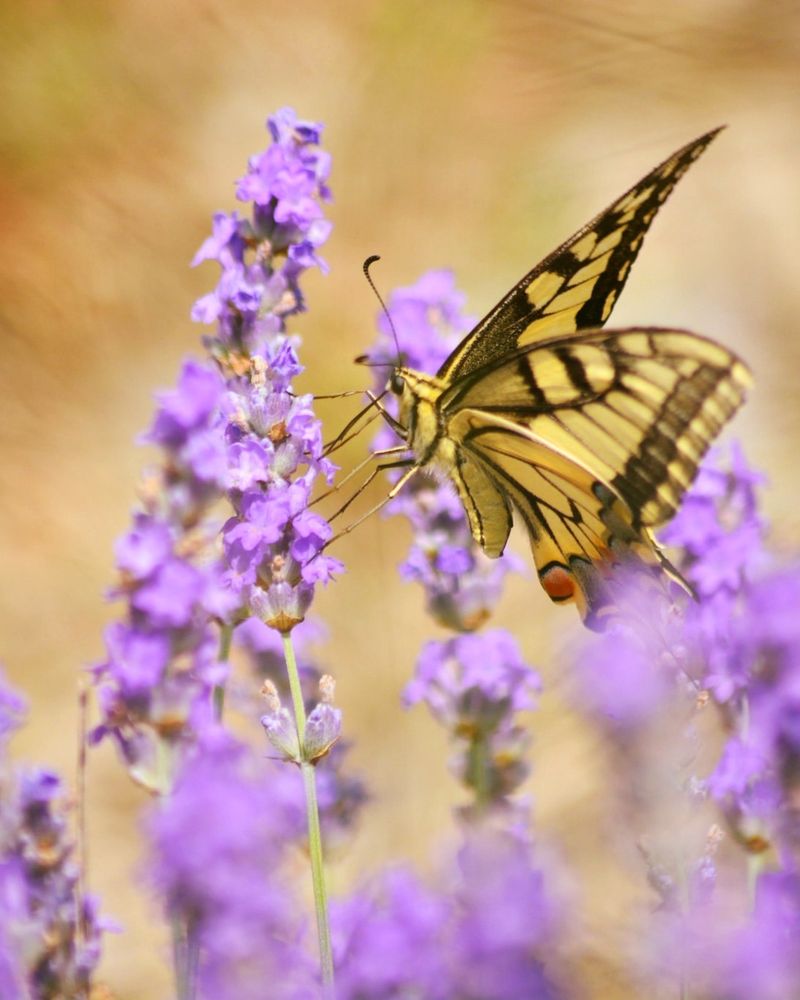
If you want a flower that looks delicate but acts tough, angelonia is your match. Sometimes called the summer snapdragon, this plant produces tall spikes covered in small, orchid-like blooms in shades of purple, pink, and white.
It brings elegance to any California garden without asking for much in return.
Angelonia loves the heat, making it a superstar in Southern California and the Central Valley where temperatures climb fast.
Plant it in full sun in March, and it will reward you with continuous blooms straight through the hottest months of summer.
Unlike many flowers, it does not need deadheading to keep producing new flowers.
Water it moderately and make sure the soil drains well. Angelonia is also surprisingly drought-tolerant once established, which fits perfectly with California water-saving habits.
It grows about one to two feet tall, making it a great choice for borders, containers, or mixed garden beds. The light fragrance it gives off is a bonus that attracts butterflies and hummingbirds.
Planting angelonia in March means you will have a reliable, beautiful bloomer carrying your garden through the long California summer with ease.
4. Lantana
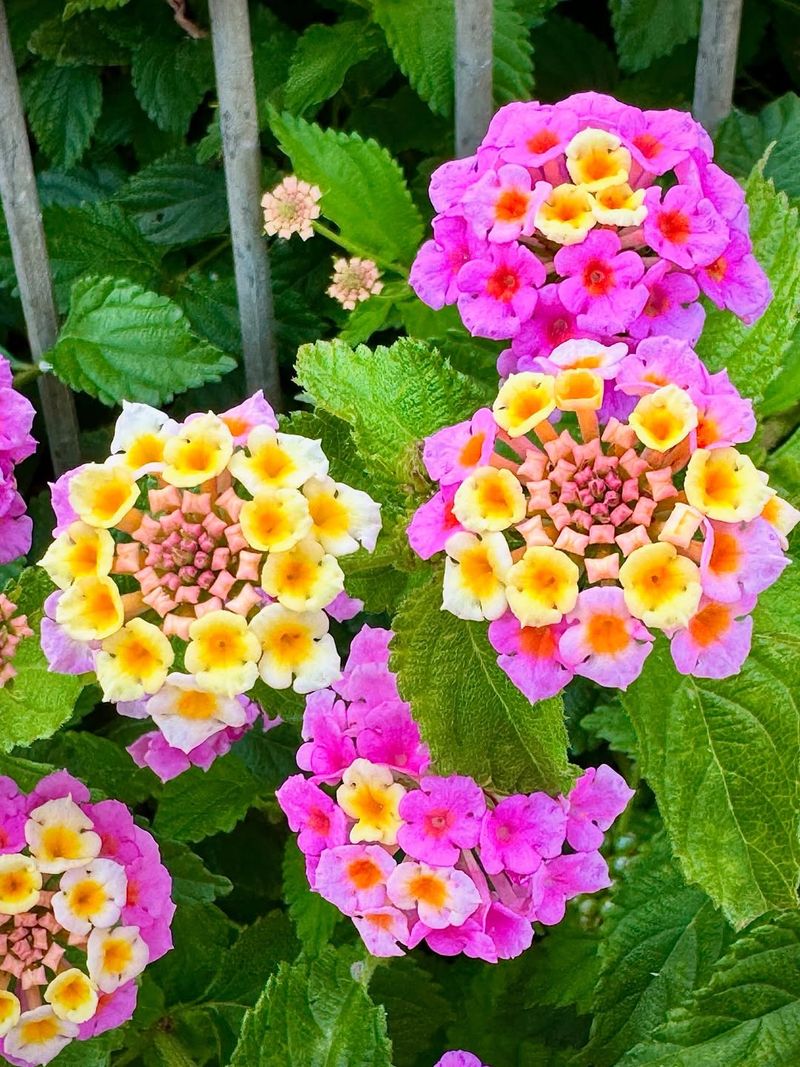
Lantana is one of those plants that looks like it belongs in a tropical paradise, and lucky for California gardeners, it thrives right here at home. Its clusters of tiny flowers shift colors as they age, creating a multicolored effect on a single plant.
Orange, yellow, pink, and red can all appear on one stem at the same time.
March is a great time to plant lantana across most of California, especially in warmer zones like Los Angeles, San Diego, and the Inland Empire. It loves full sun and is incredibly heat-tolerant.
Once established, lantana is one of the most drought-resistant flowering plants you can grow, making it a smart and responsible choice in water-conscious California.
Butterflies absolutely swarm to lantana blooms, and hummingbirds visit regularly too. The plant can grow into a sprawling shrub, so give it room to spread or trim it back to keep a tidy shape.
It blooms almost nonstop from spring through fall with very little care. Just make sure to plant it in well-draining soil and avoid overwatering.
Lantana is bold, beautiful, and built for California summers.
5. Marigold
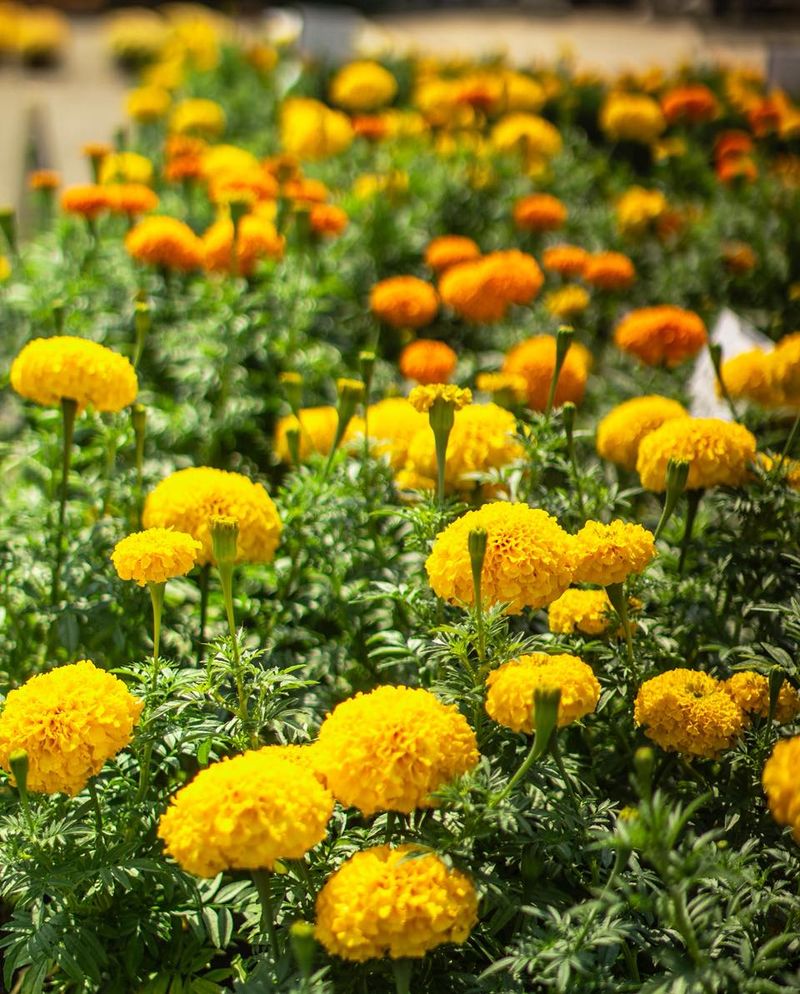
Marigolds have been a garden staple for centuries, and there is a very good reason for that. These sunny, round blooms in shades of gold, orange, and yellow bring instant warmth to any garden bed.
Planting them in March across California gives them plenty of time to establish and bloom all season long.
Beyond their good looks, marigolds are workhorses in the garden. They are well-known for naturally repelling aphids, whiteflies, and other pests, making them excellent companion plants near vegetables and herbs.
Many California gardeners plant them around tomatoes and peppers to keep problem insects away without chemicals.
Marigolds grow best in full sun and are not picky about soil as long as it drains well. Water them regularly but avoid wetting the foliage to prevent mildew.
Deadhead old blooms often to keep the plant producing fresh flowers nonstop. They come in compact varieties perfect for containers and taller types great for garden borders.
Did you know marigolds have been used in festivals and ceremonies across cultures for thousands of years? From California patios to ancient temples, these flowers have always known how to make an impression.
6. Verbena
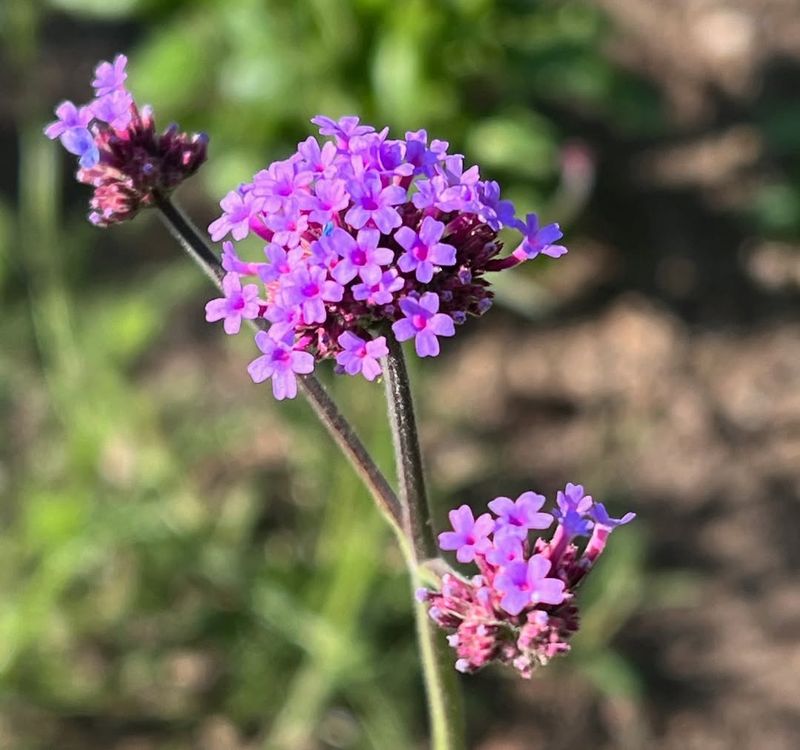
Verbena is the kind of flower that looks great everywhere. Whether it is spilling out of a hanging basket, trailing over a garden wall, or filling in the front of a flower bed, verbena delivers a burst of color that lasts for months.
Its tiny clustered blooms come in shades of purple, red, pink, and white.
March is an ideal time to plant verbena in California because the warming temperatures help it establish quickly. It thrives in full sun and is quite drought-tolerant once rooted in well-draining soil.
This makes it a practical and pretty choice for California gardeners who want beauty without heavy water use.
Verbena is a magnet for butterflies, and it blooms continuously from spring all the way through fall with minimal fuss. Trim it back lightly mid-season to encourage a fresh flush of flowers if it starts looking tired.
It pairs beautifully with other low-water plants like lavender and salvia in a California-friendly garden design. Verbena also works wonderfully in containers on patios and decks, where its trailing habit creates a lush, cascading effect.
Simple to grow, stunning to look at, and built to last the California season.
7. Petunia
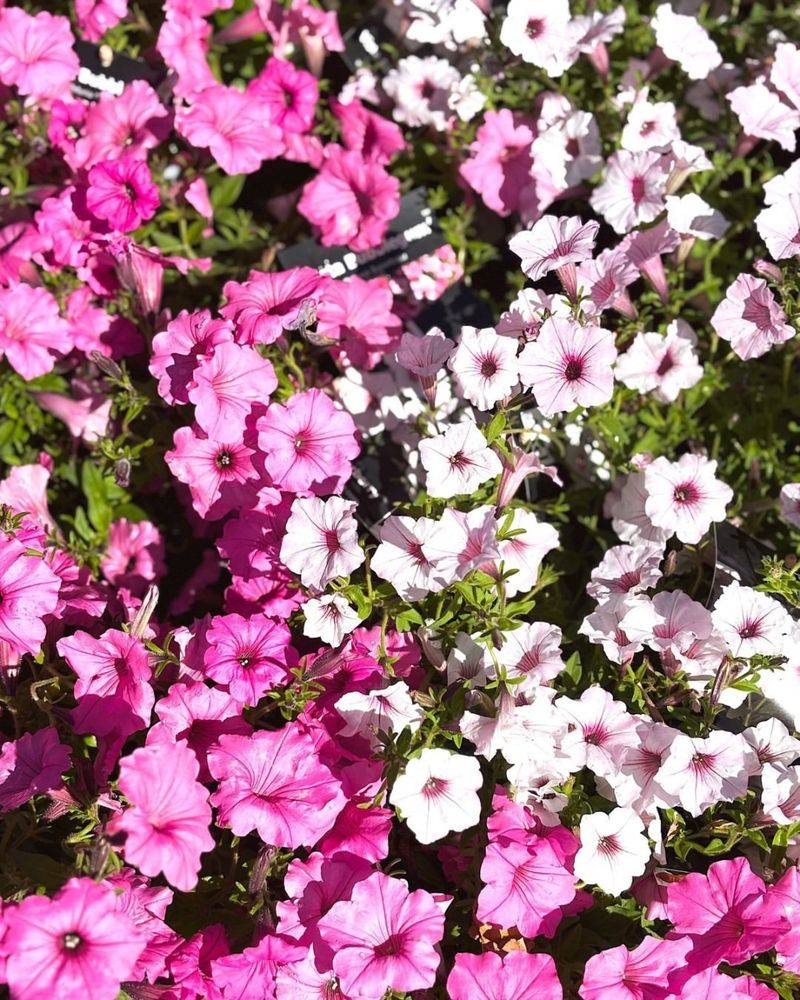
Walk through any California neighborhood in spring and you will almost certainly spot petunias. These classic, trumpet-shaped blooms come in hundreds of colors and patterns, from deep burgundy to soft lavender to bright striped varieties.
They are cheerful, reliable, and surprisingly easy to care for.
Planting petunias in March gives them a perfect start in California’s warming spring weather. They prefer full sun and well-draining soil.
Water them consistently but not excessively, as soggy roots can cause problems. A light fertilizer every two weeks keeps them looking full and lush throughout the season.
Petunias work beautifully in hanging baskets, window boxes, and garden borders. Trailing varieties like Wave petunias are especially popular in California for filling large spaces with cascading color quickly.
Pinch back leggy stems regularly to encourage bushy, full growth and more blooms. Petunias can handle light shade but truly shine in full sun.
They bloom nonstop from spring through the first cool snaps of fall, giving California gardens months of reliable color. If you are new to gardening or just want something easy and rewarding to grow, petunias are one of the best choices you can make this March.
8. Coreopsis
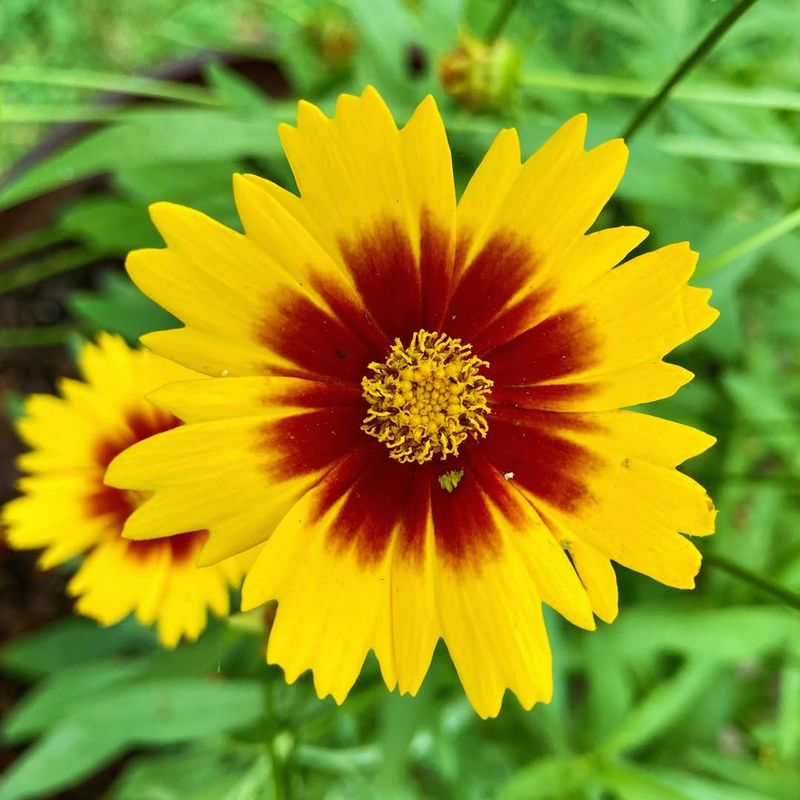
Golden, daisy-like, and wildly cheerful, coreopsis is one of the most rewarding flowers you can plant in a California garden. Sometimes called tickseed, this sunny perennial or annual produces a sea of yellow blooms that light up garden beds from spring through fall.
Planting it in March means you get the full show from the very beginning of the season.
Coreopsis is incredibly tough. It handles heat, drought, and poor soil with ease, which makes it a fantastic fit for California’s dry summers.
Full sun is where it performs best. The more sunlight it gets, the more flowers it produces.
It also reseeds itself naturally, so you may find happy little volunteers popping up around your garden year after year.
This flower is a pollinator magnet, drawing in bees and butterflies throughout the blooming season. Deadhead regularly to keep the flowers coming nonstop, or let some seed heads form at the end of the season to encourage natural spreading.
Coreopsis pairs beautifully with salvias, lavender, and black-eyed Susans in a low-water California landscape. It is the kind of dependable, easygoing flower that makes every gardener look like a pro without much effort at all.
9. Geranium
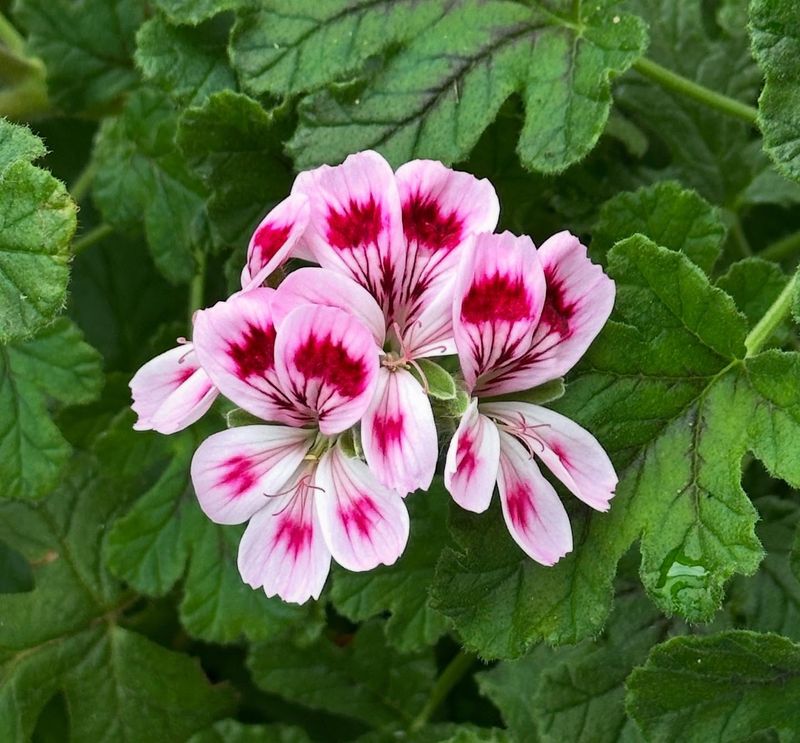
There is something timeless about a pot of bright red geraniums sitting in the California sunshine. Technically called pelargoniums, these classic beauties have been brightening up gardens, patios, and windowsills for generations.
Their round clusters of blooms and lush green leaves make them one of the most recognizable flowers in the world.
March is a wonderful time to plant pelargoniums across California. They love warmth and sun, and the mild spring weather helps them root in comfortably before the summer heat arrives.
Plant them in well-draining soil or containers with good drainage, and water them when the top inch of soil feels dry.
One of the best things about pelargoniums is how long they bloom. With regular deadheading and a light fertilizer every few weeks, they produce flowers nonstop from spring through fall and sometimes even into winter in warmer parts of California like San Diego and Los Angeles.
They also come in a huge range of colors including salmon, white, coral, and deep magenta. Scented-leaf varieties add an extra bonus with fragrances like lemon, rose, and mint.
Easy to grow, endlessly colorful, and perfect for California’s sunny climate, pelargoniums belong in every garden this March.