Plant These Herbs In Michigan Gardens To Help With Pest Control
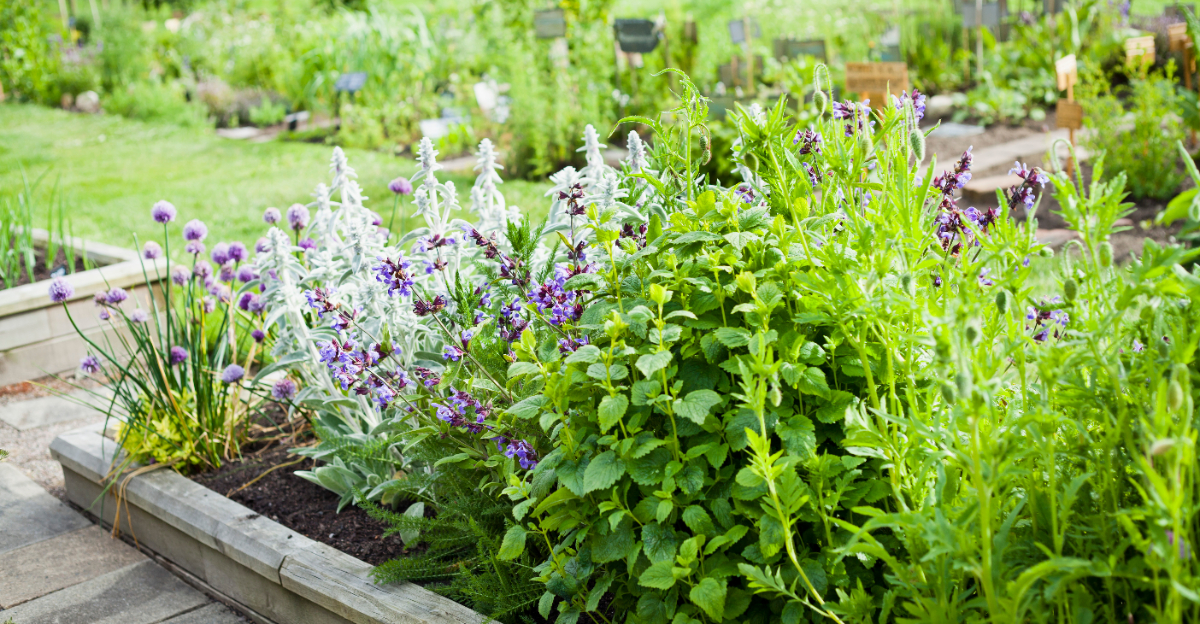
A garden filled with fragrant herbs does far more than enhance your cooking. In Michigan, these humble yet powerful plants can transform your outdoor space into a lively, balanced environment buzzing with helpful insect activity.
Many popular herbs naturally attract beneficial insects that assist with common garden challenges, helping keep plants strong and thriving without extra effort.
Michigan’s seasonal climate provides excellent growing conditions for a wide range of hardy herbs, allowing gardeners to enjoy both fresh flavors and a healthier landscape at the same time.
As these plants grow, they create a natural harmony that supports pollinators, improves plant vitality, and encourages steady productivity throughout the season.
Whether you are new to gardening or expanding an established space, adding the right herbs can make a noticeable difference.
Discover how these easy to grow herbs can help your Michigan garden flourish with energy, balance, and lasting seasonal abundance.
1. Basil Helps Support A Healthier Garden Environment
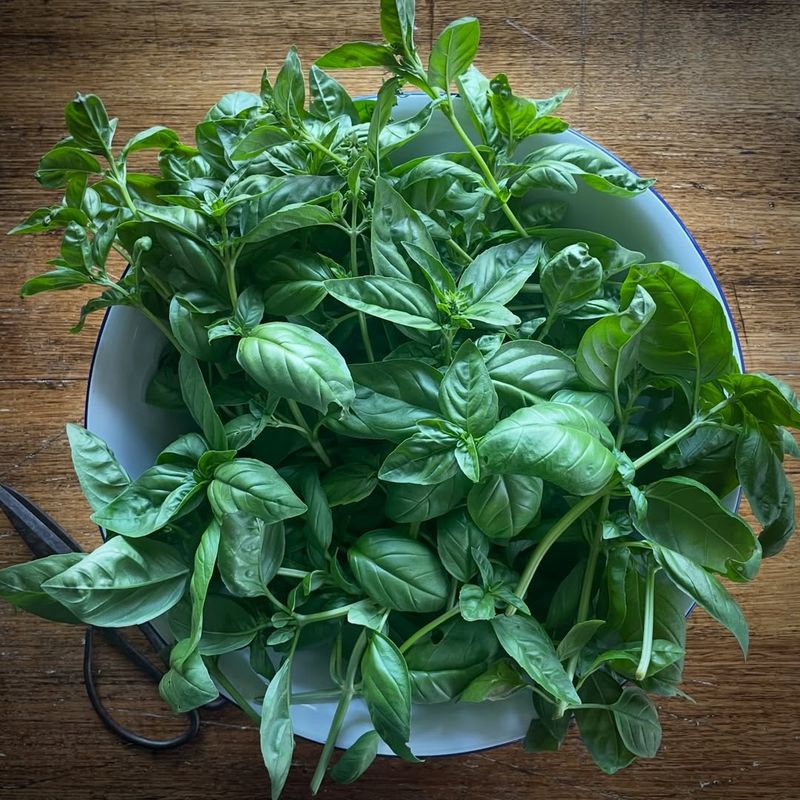
Garden enthusiasts across Michigan have discovered that basil offers more than culinary benefits. This aromatic herb thrives in warm weather and creates a welcoming environment for beneficial insects.
Planting basil near tomatoes and peppers has become a popular practice in home gardens. Basil grows best in full sun with well-drained soil and regular watering. Michigan gardeners typically start seeds indoors six weeks before the last frost date.
The plant reaches maturity within 60 to 90 days and produces abundant leaves throughout summer.
Several beneficial insects visit basil flowers when the plant bolts. Pollinators including bees and butterflies frequent these small white or purple blooms.
Ground beetles and parasitic wasps also appear in gardens where basil grows alongside vegetables.
The herb works well in companion planting arrangements with many common vegetables. Tomatoes and basil share similar growing requirements and often occupy adjacent garden spaces.
Peppers also benefit from having basil nearby as both plants enjoy warm conditions. Regular harvesting encourages bushier growth and extends the productive season. Pinching off flower buds keeps the plant focused on leaf production.
Michigan gardeners can harvest basil continuously from June through September when temperatures remain favorable for growth.
2. Mint Adds Strong Aroma And Garden Diversity
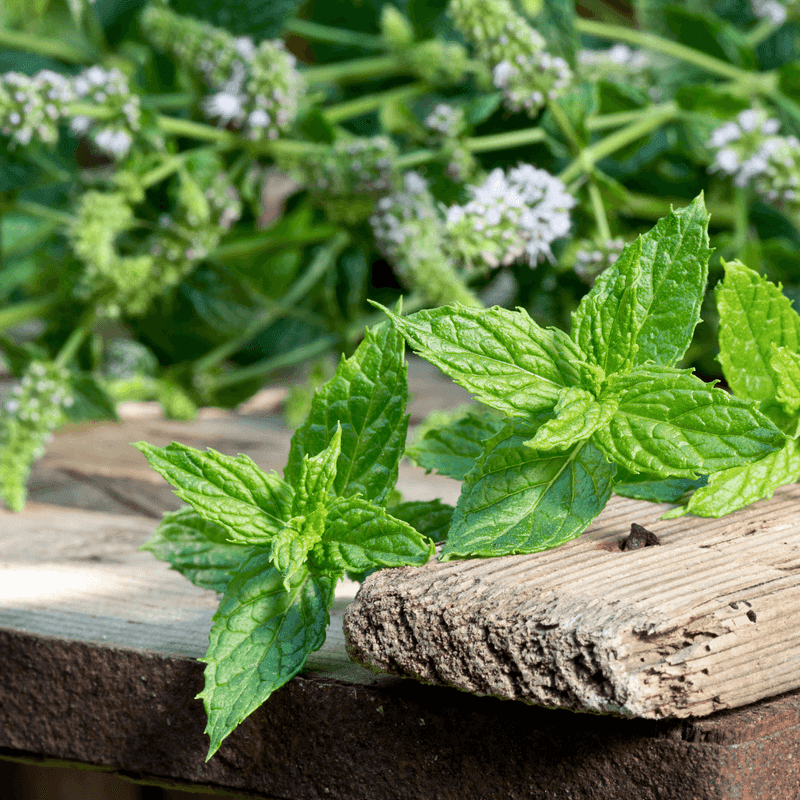
Mint stands out as one of the easiest herbs to cultivate in Michigan gardens. Its vigorous growth habit and strong scent make it recognizable to gardeners of all experience levels.
The plant adapts well to various conditions and tolerates partial shade better than many other herbs.
Most gardeners choose to grow mint in containers rather than directly in garden beds. This approach prevents the plant from spreading aggressively through underground runners.
Pots measuring at least 12 inches in diameter provide adequate space for root development.
The herb thrives in Michigan’s climate and survives winter in many regions. Peppermint and spearmint varieties perform particularly well in zones 4 through 6.
Both types produce fresh leaves from spring through fall with minimal care requirements. Mint requires consistent moisture and benefits from regular watering during dry periods. The soil should drain well to prevent root problems.
Adding compost or organic matter improves soil structure and supports healthy growth throughout the season.
Various insects visit mint plants when they produce small flowers in summer. The blooms attract beneficial species including hoverflies and small wasps.
These visitors contribute to overall garden biodiversity and support natural ecosystem balance in home gardens.
3. Chives Grow Easily And Support Beneficial Insects
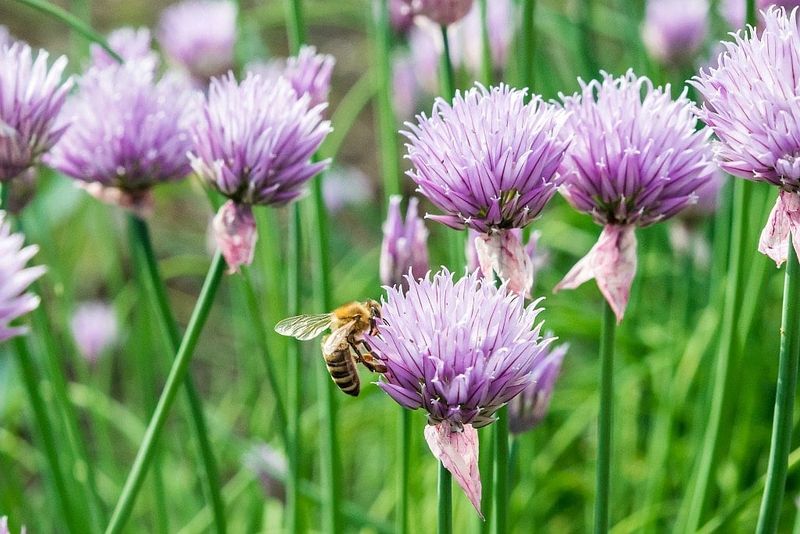
Chives bring both beauty and function to Michigan herb gardens with minimal effort. The grass-like foliage emerges early in spring and continues growing until hard frost arrives.
Purple globe-shaped flowers appear in late spring and attract numerous pollinating insects to the garden.
This hardy perennial survives Michigan winters without protection in most areas. Plants remain in the ground year after year and multiply through division.
Gardeners can separate clumps every three to four years to maintain vigor and create new plantings.
The flowering period typically extends from May through June depending on location. Bees and other pollinators visit the nectar-rich blooms regularly during this time.
Butterflies also frequent chive flowers along with various beneficial insects that support garden health.
Chives prefer full sun but tolerate partial shade in warmer locations. The plants grow well in average garden soil with moderate drainage.
Regular watering during establishment helps roots develop but mature plants handle dry conditions reasonably well.
Harvesting leaves throughout the growing season encourages fresh growth and maintains plant appearance. Cutting leaves close to the base promotes new shoots from the bulb cluster.
The mild onion flavor makes chives useful in many recipes while the flowers serve as attractive edible garnishes.
4. Dill Attracts Helpful Predatory Insects
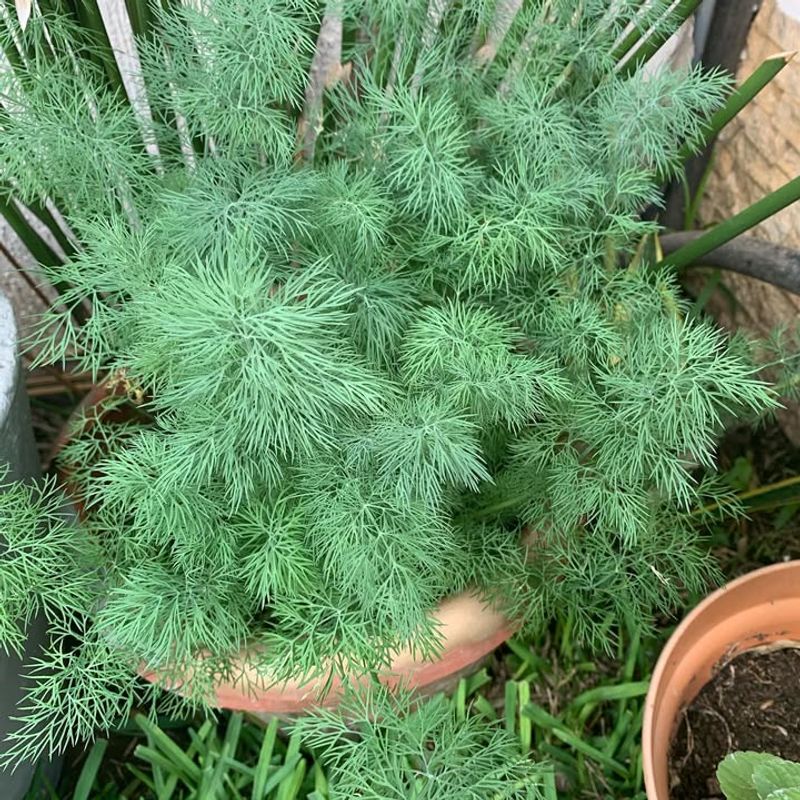
Dill produces distinctive feathery foliage and flat-topped yellow flower clusters that stand out in garden spaces. The plant grows quickly from seed and reaches heights of three to four feet under favorable conditions.
Michigan gardeners often include dill in vegetable gardens where it serves multiple purposes beyond culinary use.
Direct seeding works best for dill since the plant develops a taproot that dislikes transplanting. Sowing seeds after the last spring frost date ensures good germination.
The herb prefers full sun and tolerates various soil types as long as drainage remains adequate.
When dill flowers open in midsummer they provide nectar for numerous beneficial insects. Ladybugs, lacewings, and parasitic wasps frequently visit these blooms.
These insects help manage common garden challenges by consuming aphids and other small plant feeders naturally.
The umbrella-shaped flower heads also host adult stages of beneficial species. Hoverflies and tiny wasps feed on the accessible nectar and pollen.
Their presence in the garden contributes to a balanced ecosystem that supports plant health throughout the growing season.
Succession planting every two to three weeks extends the availability of fresh dill leaves. The plant completes its life cycle quickly and goes to seed within 70 days.
Allowing some plants to flower ensures continuous beneficial insect activity while providing seeds for future plantings.
5. Parsley Supports A Balanced Garden Ecosystem
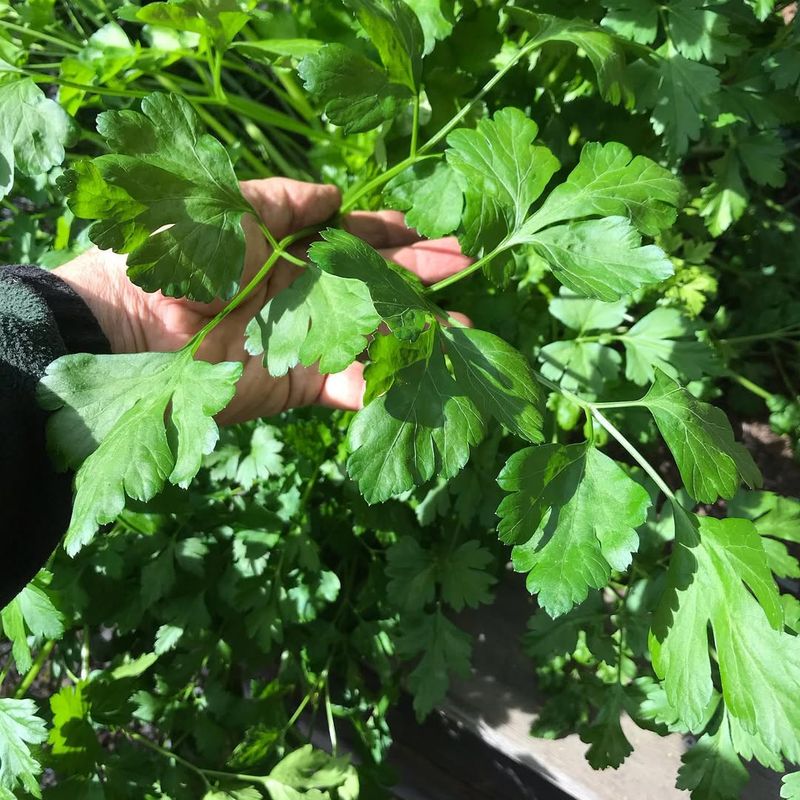
Parsley grows reliably in Michigan gardens and provides value beyond its role as a culinary herb. Both curly and flat-leaf varieties thrive in the state’s climate and tolerate cool temperatures.
The biennial plant produces abundant foliage during its first growing season before flowering in the second year.
Seeds germinate slowly and may take three weeks to emerge from the soil. Soaking seeds overnight before planting can speed up this process.
Starting seeds indoors six to eight weeks before the last frost gives plants a head start for spring transplanting.
The herb prefers rich, moist soil with good drainage and performs well in full sun to partial shade. Regular watering keeps foliage tender and promotes continuous growth.
Adding compost to the planting area improves soil fertility and supports vigorous plant development.
Parsley serves as a host plant for certain beneficial insects including swallowtail butterfly larvae. Adult butterflies lay eggs on the foliage and caterpillars feed on the leaves.
While this causes some leaf damage, it contributes to pollinator populations in the garden ecosystem.
The plant overwinters in many Michigan locations when provided with mulch protection. Second-year plants produce flowers that attract various beneficial insects.
These umbrella-shaped blooms provide nectar for small wasps and other species that support natural garden balance.
6. Thyme Makes A Low Growing Herb With Garden Benefits
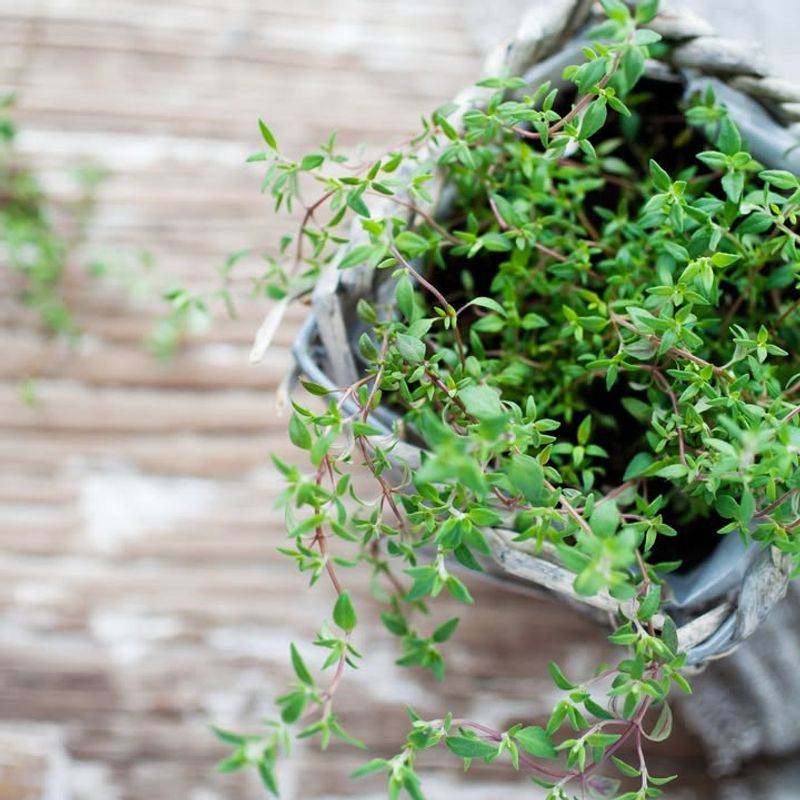
Thyme forms attractive low mats of small aromatic leaves that release fragrance when brushed. The herb adapts well to sunny locations with well-drained soil conditions.
Michigan gardeners appreciate thyme for its drought tolerance once established and its ability to thrive in challenging spots.
Common thyme and creeping thyme varieties both perform well in Michigan gardens. The plants typically reach heights of six to twelve inches depending on the variety.
Both types produce small flowers in late spring that add visual interest to herb plantings. Well-drained soil is essential for thyme success as the plant originates from Mediterranean regions. Sandy or gravelly soil works well and raised beds provide ideal conditions.
Avoiding overwatering prevents root problems and keeps plants healthy throughout the growing season.
The tiny flowers attract various pollinators including bees when they bloom. Beneficial insects also visit thyme plantings and use the low foliage for shelter.
The dense growth habit creates microhabitats that support diverse insect populations in garden spaces.
Thyme survives Michigan winters in protected locations and returns reliably each spring. The evergreen foliage remains visible under light snow cover.
Dividing plants every three to four years maintains vigor and provides opportunities to expand thyme plantings in the garden.
7. Rosemary Adds Strong Fragrance And Garden Structure
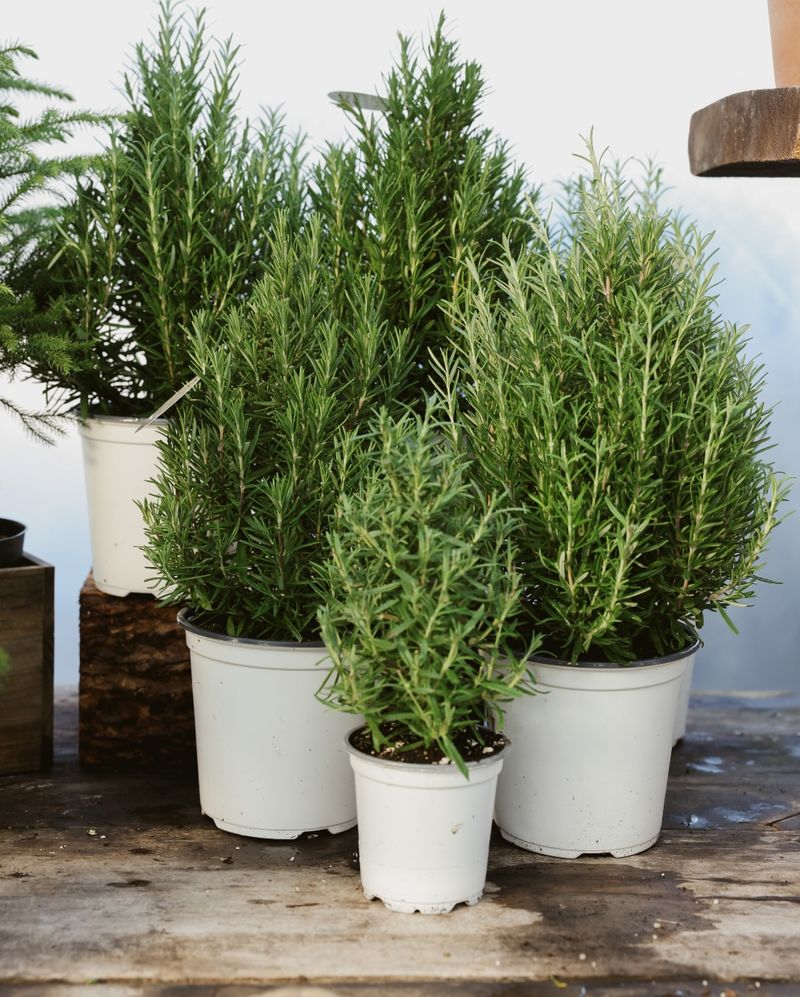
Rosemary brings Mediterranean character to Michigan gardens with its upright growth and needle-like foliage. The woody herb produces intensely aromatic leaves that release scent when touched.
While not winter hardy in most Michigan locations, rosemary thrives during warm months when grown in containers or garden beds.
Container cultivation allows gardeners to move rosemary indoors before frost arrives. Plants require at least six hours of direct sunlight daily for best growth.
Well-drained potting mix prevents waterlogged roots that can damage this drought-tolerant herb.
The plant develops blue or purple flowers in spring under ideal conditions. These blooms attract bees and other pollinators to the garden.
The strong scent of rosemary foliage may also influence insect behavior in surrounding garden areas.
Upright varieties can reach three feet in height during a single growing season. The vertical structure adds architectural interest to herb gardens and container arrangements.
Regular harvesting encourages bushier growth and prevents plants from becoming leggy or sparse.
Michigan gardeners typically treat rosemary as an annual or overwinter it indoors. Providing bright light and cool temperatures between 40 and 50 degrees helps plants survive winter months.
Reducing water during indoor periods prevents root problems while maintaining plant health until spring replanting.
8. Sage Is A Hardy Herb With Traditional Garden Uses
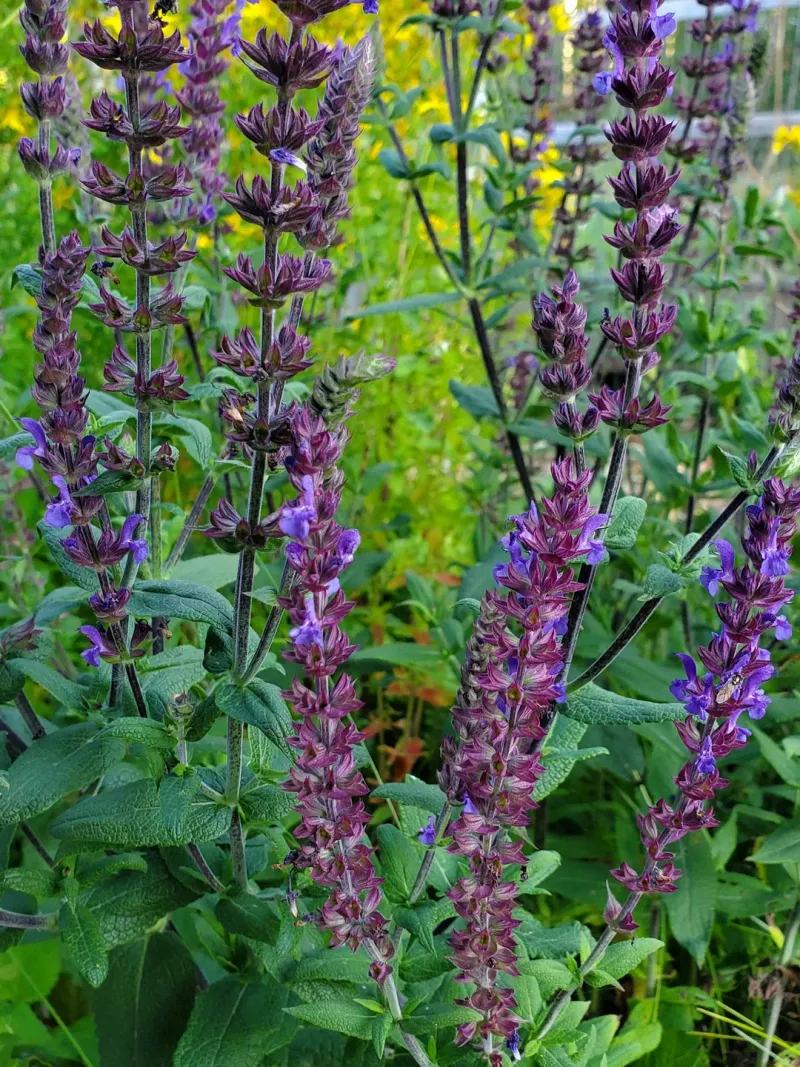
Sage produces distinctive gray-green foliage with a soft texture that stands out in herb plantings. The perennial herb survives Michigan winters in many areas and returns reliably each spring.
Gardeners value sage for its attractive appearance and minimal maintenance requirements once established in appropriate locations.
Full sun and well-drained soil provide ideal growing conditions for sage plants. The herb tolerates dry periods better than wet conditions and performs well in raised beds.
Spacing plants 18 to 24 inches apart allows adequate air circulation and prevents moisture-related problems.
Purple or blue flower spikes emerge in early summer and attract various pollinators. Bees visit sage blooms regularly for nectar and pollen.
The flowering period typically lasts several weeks and adds vertical interest to garden spaces during this time.
Common sage and purple sage varieties both thrive in Michigan gardens. Plants typically reach heights of 18 to 24 inches with similar spread.
The woody stems become more substantial with age and benefit from light pruning in spring to encourage fresh growth.
Harvesting leaves throughout the growing season maintains plant shape and provides fresh herbs. Avoiding excessive cutting in fall allows plants to harden off before winter.
Mulching around the base provides some protection during cold months in northern Michigan locations where temperatures drop significantly.
9. Lavender Brings Aroma And Pollinator Activity
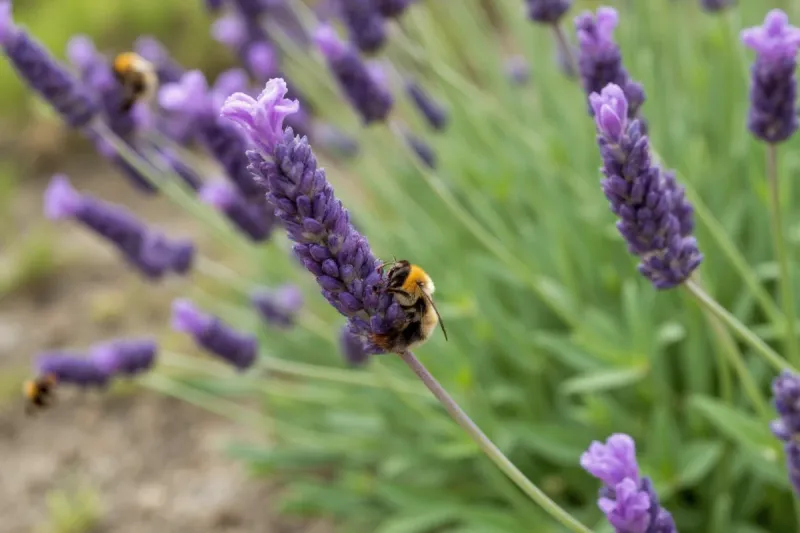
Lavender creates stunning displays of purple flower spikes that fill gardens with fragrance. The herb attracts numerous pollinators including bees and butterflies when blooms open in summer.
Michigan gardeners can successfully grow lavender by selecting hardy varieties and providing appropriate growing conditions.
English lavender varieties offer the best winter hardiness for Michigan gardens. Plants require excellent drainage and full sun exposure for at least six hours daily.
Sandy or gravelly soil amended with gravel improves drainage in heavier clay soils common in many Michigan locations.
The flowering period typically occurs from June through August depending on variety and location. Bees visit lavender blooms constantly during peak flowering times.
The abundant nectar and pollen support pollinator populations and contribute to overall garden biodiversity.
Proper site selection proves critical for lavender success in Michigan’s climate. Raised beds or sloped areas provide natural drainage that prevents winter root damage.
Avoiding wet locations and ensuring good air circulation reduces disease pressure and supports plant health.
Pruning lavender in early spring removes winter-damaged stems and encourages compact growth. Cutting back one-third of the plant promotes bushier form and more abundant flowering.
Harvesting flower stems just as blooms open preserves the strongest fragrance for dried arrangements while encouraging additional flower production.