Plant These 9 Longest Blooming Perennials In California
Every California gardener dreams of flowers that just keep going. Long blooming perennials can deliver color for months rather than weeks, turning ordinary beds into extended displays of petals and pollinator activity.
Picture bright blossoms glowing under warm sunshine, borders staying lively deep into the season, and your yard looking fresh with minimal replanting.
These hardworking plants often thrive in the state’s mild winters and warm days, rewarding you with repeat waves of color and texture.
Some bring bold drama, others offer soft cottage charm, but all share one standout trait, they bloom generously over a long season.
Ready to fill your garden with flowers that outlast many others and keep butterflies returning throughout the season?
Your garden can feel vibrant, joyful, and alive for much of the year.
1. Gaura (Oenothera lindheimeri)
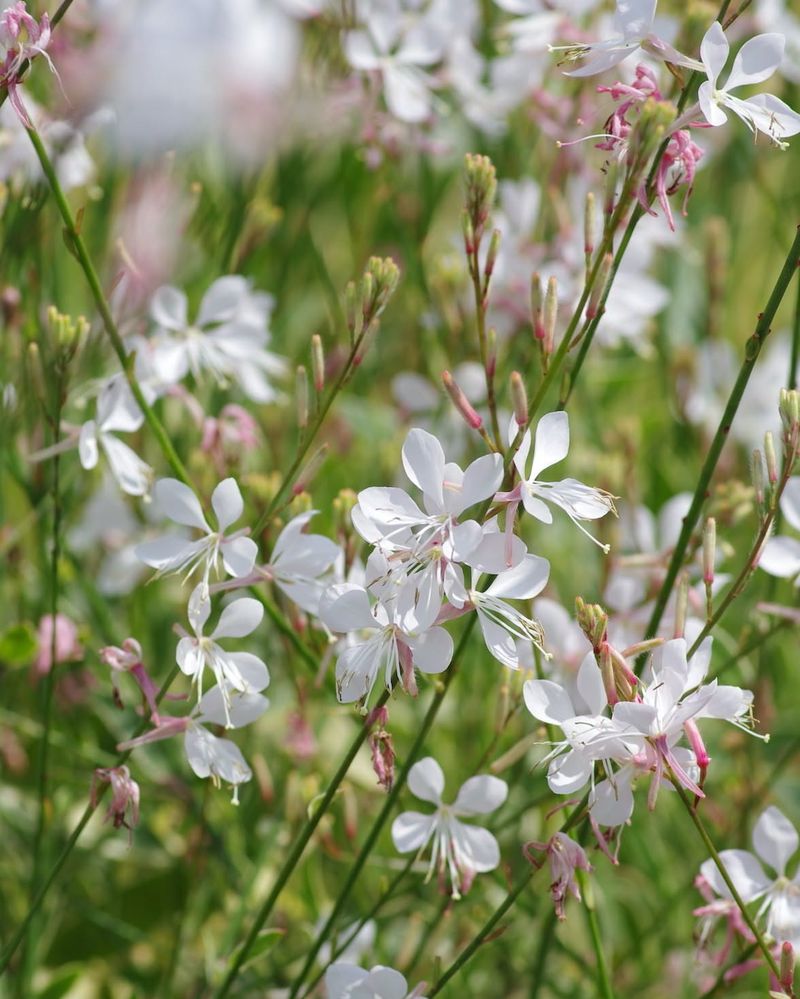
Few perennials offer the airy grace and long bloom season that this plant brings to many California landscapes.
Gaura produces delicate, butterfly-like flowers on slender stems from late spring through fall, sometimes continuing into October or November in mild coastal areas.
The blooms open white and often age to soft pink, creating a gentle two-toned effect that adds depth to garden beds.
Many gardeners assume gaura needs rich soil and frequent watering, but it generally performs best in lean, well-draining soil and becomes fairly drought-tolerant once established.
Overwatering or poorly draining clay soil can lead to root problems and reduced blooming. Plant in full sun for strongest flowering, though it can tolerate light afternoon shade in very hot inland areas.
Deadheading is not required for repeat blooming, though trimming stems lightly in midsummer may encourage fresh growth and fuller flowering into fall. Gaura may self-sow in suitable conditions, so remove spent stalks if you want to limit spread.
This perennial works well as a filler among bolder flowers, softening edges and adding movement. Pollinators visit the blooms regularly, and deer often ignore the plant.
Space plants about eighteen inches apart and water deeply but infrequently to encourage strong roots and a long season of color.
2. Salvia ‘Hot Lips’ (Salvia microphylla)
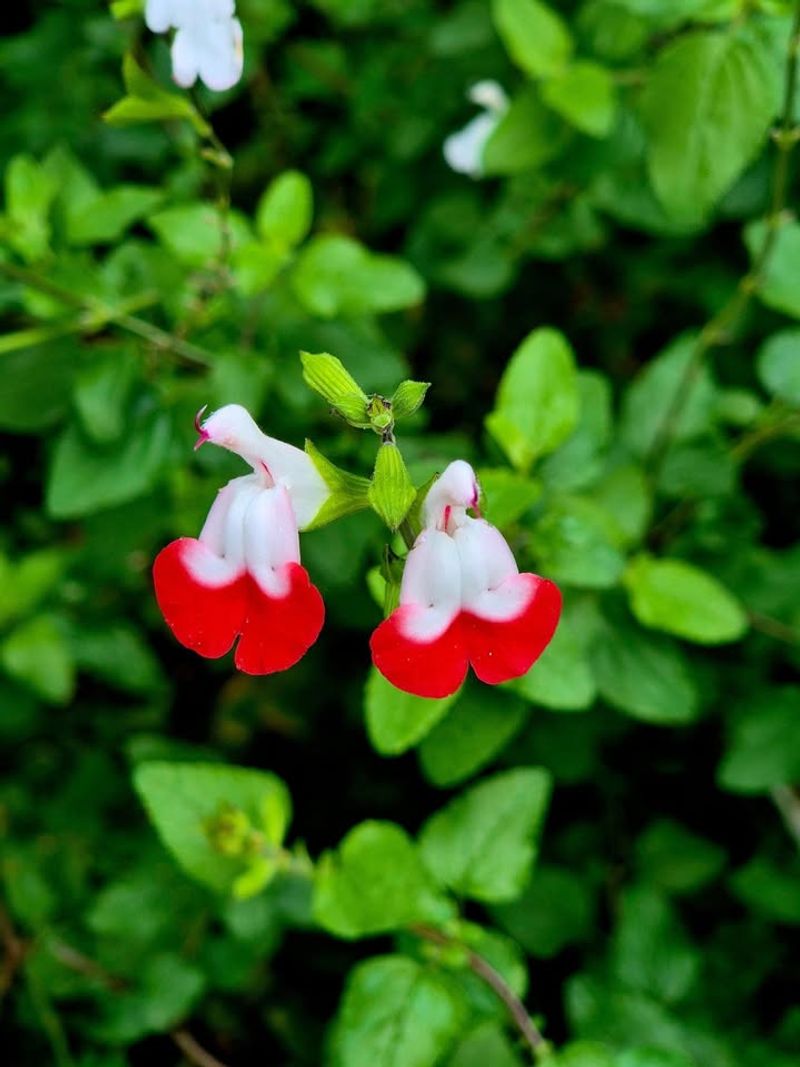
When temperatures shift between cool mornings and warm afternoons, this salvia can display a range of changing colors that keeps gardeners interested.
The flowers often appear in combinations of red and white, sometimes solid red, sometimes solid white, and often bicolored depending on growing conditions.
Blooming typically begins in spring and continues through fall, and may extend into early winter in frost-free areas. Regular deadheading and occasional trimming can help prolong flowering.
Some California gardeners skip this step and notice reduced blooming later in the season. Cutting back stems by about one-third after the first major flush often encourages renewed growth and helps keep plants from becoming leggy.
This salvia tolerates heat well, making it suitable for inland valleys where summers are warm. Plant in full sun with well-draining soil, and avoid excessive watering once established, as overly wet conditions can reduce flowering and encourage fungal problems.
Hummingbirds frequently visit the blooms, making it a nice choice near patios or seating areas. The aromatic foliage can help discourage deer and rabbits.
Space plants about two feet apart for airflow. In mild coastal climates, this salvia may bloom for much of the year with occasional pauses during cooler periods.
3. Coreopsis ‘Moonbeam’ (Coreopsis verticillata)
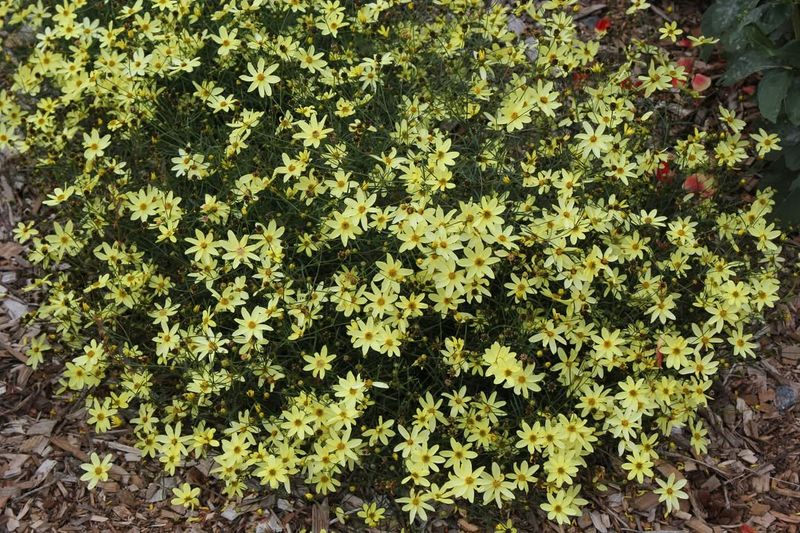
Soft buttery-yellow flowers cover this compact perennial from late spring through early fall, creating gentle clouds of color that remain light and balanced.
Unlike some brighter yellow flowers that can stand out strongly in a garden bed, these softer blooms pair easily with plants like purple salvias and pink roses.
The fine, threadlike foliage adds texture even when the plant is not in bloom. California gardeners sometimes plant coreopsis in too much shade or overwater, which can lead to fewer blooms and looser growth.
This perennial generally performs best in full sun with well-draining soil. Once established, it tolerates moderate drought, though occasional deep watering during extended dry periods can help maintain steady flowering.
Deadheading is not required, but shearing back by about half in midsummer often refreshes the plant and encourages another wave of blooms.
In coastal regions, ‘Moonbeam’ may flower for a long season from late spring into fall, while inland gardens often see strongest bloom in spring and again in cooler fall weather.
The plant forms a low, mounding shape, typically reaching around twelve to fifteen inches tall, making it well suited for front borders or edging paths. Butterflies and native bees visit the flowers regularly.
Avoid heavy fertilization, as overly rich soil can promote foliage growth at the expense of blooms. Space plants about fifteen inches apart for a soft, flowing groundcover effect.
4. Geranium ‘Rozanne’ (Geranium hybrid)
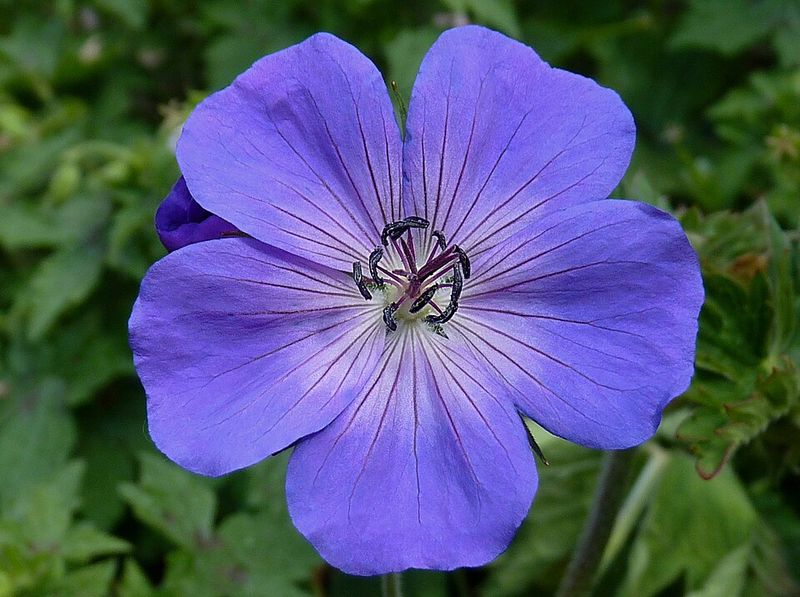
Widely praised for its performance, this hardy geranium offers a notably long bloom season that can run from spring into fall in many California gardens.
The violet-blue flowers with pale centers often appear in such abundance that they partly cover the attractive foliage beneath.
Unlike annual geraniums, this perennial spreads gradually to form a dense, groundcover-like mat that can help reduce weed growth while maintaining a lush appearance.
Many gardeners assume all geraniums require constant deadheading, but ‘Rozanne’ is largely self-cleaning, with spent blooms dropping naturally as new flowers continue to form.
This makes it relatively low-maintenance for busy homeowners. A common mistake is placing it in intense afternoon sun in hot inland areas, where foliage may scorch and flowering can decline.
Morning sun with some afternoon shade often supports the longest bloom period and healthiest growth. Water regularly during establishment, then reduce frequency once roots are well developed.
This geranium tolerates more moisture than many California perennials and can grow in clay soil if drainage is improved.
If growth becomes untidy, cutting back lightly in late summer can encourage fresh foliage and renewed flowering. ‘Rozanne’ works nicely under roses, along partially shaded paths, or spilling gently over retaining walls.
Space plants about two feet apart to allow room for spreading.
5. Blackfoot Daisy (Melampodium leucanthum)
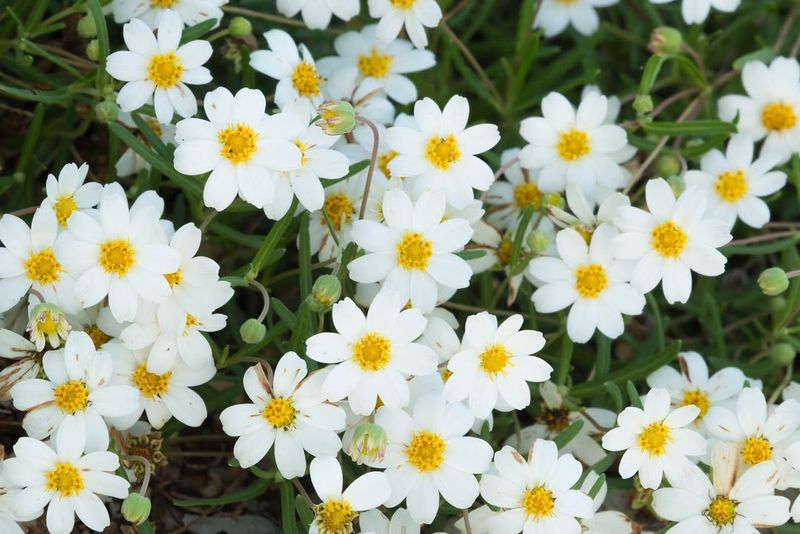
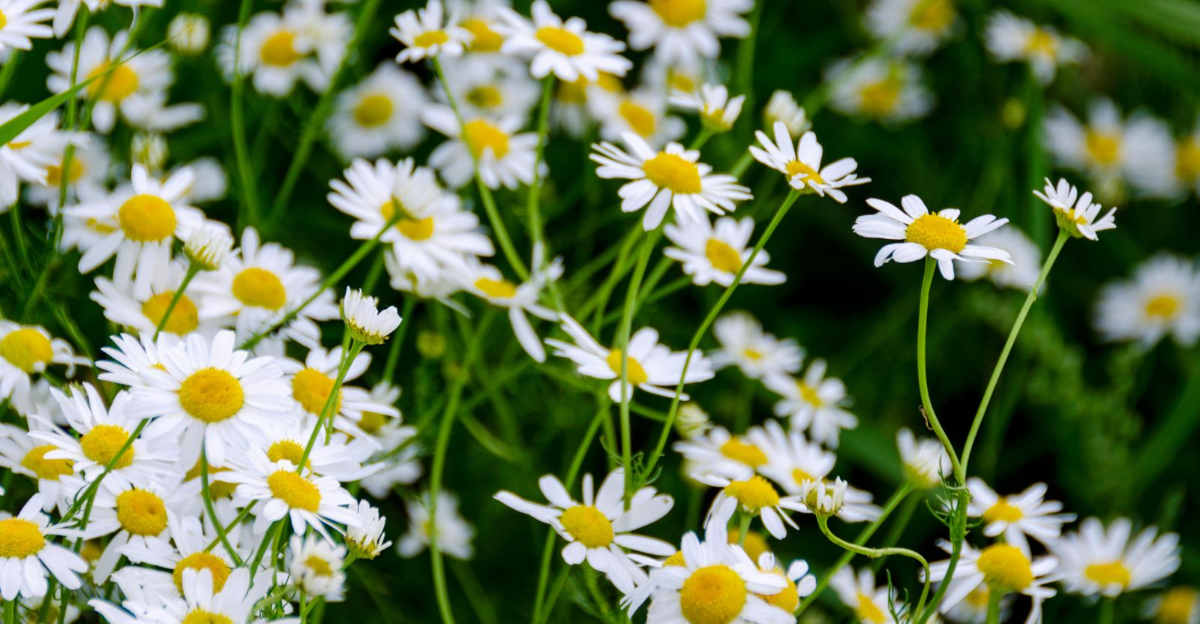
Compact and cheerful, this southwestern native produces white daisy flowers with sunny yellow centers from early spring into fall in many regions.
The blooms appear in waves rather than all at once, creating a long succession of color that often peaks in spring and again in autumn.
Between major flushes, scattered flowers may continue, helping the plant remain attractive through much of the growing season. The key to success with blackfoot daisy is recognizing its preference for lean, rocky, fast-draining soil.
California gardeners who plant it in rich, heavily amended beds or water it like a moisture-loving perennial may see reduced vigor over time. Excess moisture and poor drainage are common causes of decline.
Once established in suitable conditions, this daisy becomes highly drought-tolerant and performs well with minimal care. Plant in full sun and fertilize sparingly, if at all.
The plant naturally stays low and mounding, typically reaching about six to twelve inches tall and spreading up to eighteen inches wide. Deadheading is not required, though light trimming after heavy bloom periods can encourage denser growth and additional flowers.
This perennial suits rock gardens, gravel paths, and dry planting areas where drainage is sharp and water is limited. Native bees and butterflies often visit the blooms.
Space plants roughly twelve to fifteen inches apart for a soft, continuous spread of white flowers.
6. Kangaroo Paw (Anigozanthos hybrids)
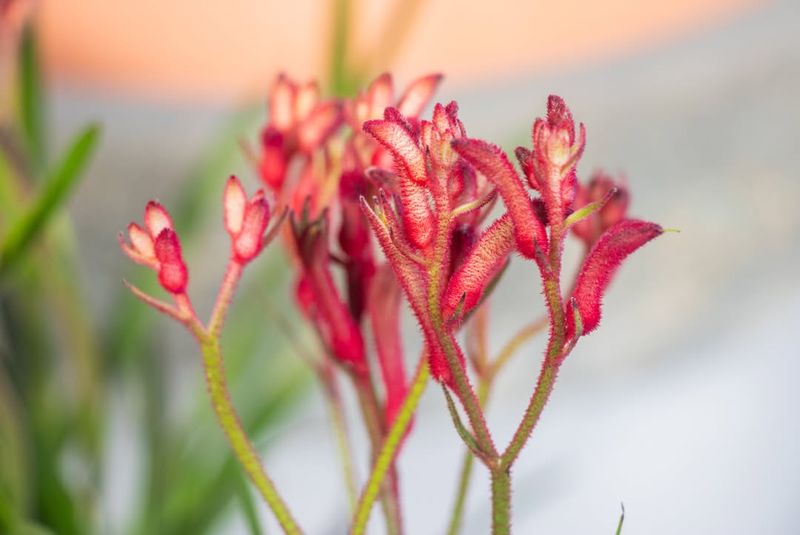
Architectural and exotic-looking, kangaroo paw adds striking texture to California gardens with its fuzzy, tubular flowers rising on tall stems above strappy foliage.
Depending on the variety, blooms appear in vivid shades of red, orange, yellow, or burgundy from spring into fall.
The flowers strongly attract hummingbirds, and their unusual form creates a focal point that stands out in the garden. Many California gardeners struggle with kangaroo paw because they treat it like a typical perennial.
This Australian native prefers excellent drainage and is sensitive to wet winter soil, which can lead to crown rot. Plant on slopes, in raised beds, or in well-draining amended soil with materials such as pumice or decomposed granite.
Once established, it tolerates moderate summer drought but generally performs best with occasional deep watering during active bloom periods. Removing spent flower stalks can encourage repeat blooming and keep plants tidy.
Cut stems close to the base rather than partway to avoid leaving stubs. In mild coastal areas, kangaroo paw may flower for extended periods of the year, while inland flowering often slows during peak heat and resumes as temperatures moderate.
Divide clumps every few years to help maintain vigor. Avoid overhead watering, which can promote fungal issues on foliage.
Space plants roughly two to three feet apart depending on the mature size of the variety.
7. Penstemon ‘Margarita BOP’ (Penstemon heterophyllus hybrid)
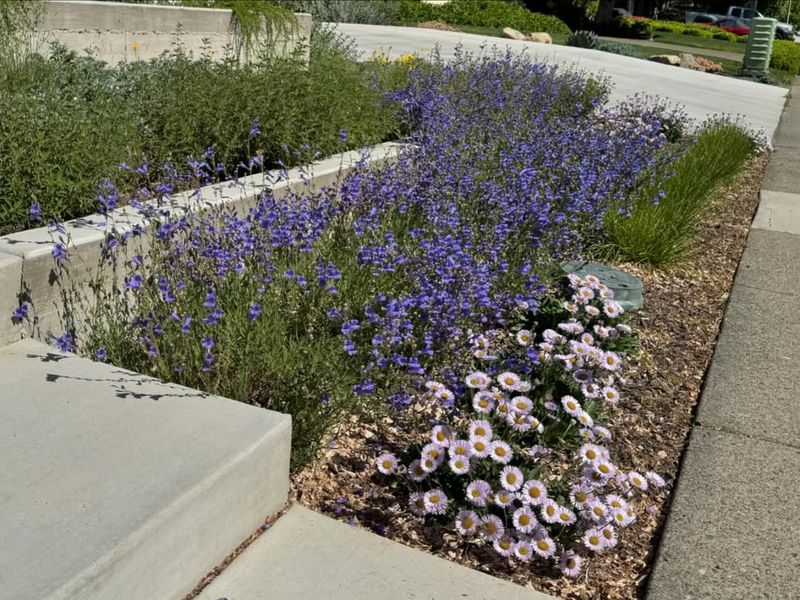
California native penstemons are well known for attracting hummingbirds, though many bloom for only a short period. This hybrid often flowers from spring into summer and may rebloom in fall when spent blooms are removed.
The deep blue-purple tubular flowers appear in dense clusters on upright stems, adding vertical interest that contrasts nicely with mounding perennials. A common issue with penstemons is overwatering or planting in heavy soil.
Many types prefer rocky, well-draining conditions and may decline if roots remain too wet. Plant in full sun with sandy or well-draining soil that dries reasonably quickly after irrigation.
Once established, water deeply but infrequently, allowing the soil to dry somewhat between waterings to support strong root growth and drought tolerance. Removing spent flower stalks can help encourage additional blooms rather than seed production.
In mild coastal gardens, flowering may continue intermittently during warmer winter periods, while inland areas typically see strongest bloom in late spring with possible rebloom in early fall.
Lightly trimming plants after the first bloom cycle can promote fuller growth and more flowering stems.
Fertilize sparingly, as overly rich soil can shorten plant longevity. Space plants about eighteen inches apart and enjoy frequent hummingbird visits during the bloom season.
8. Yarrow (Achillea millefolium)
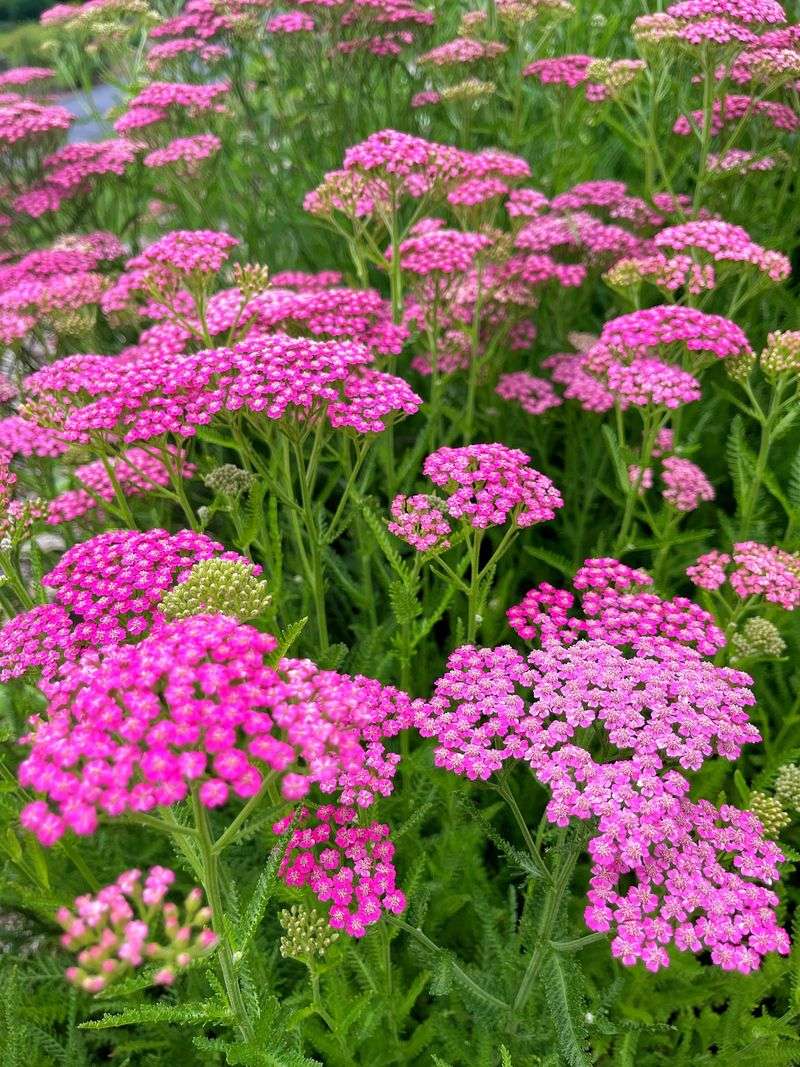
Tough and long blooming, yarrow flowers from late spring into fall, producing flat-topped clusters in a wide range of colors from soft pastels to brighter reds and yellows.
The ferny, aromatic foliage stays attractive between bloom cycles, and the plant spreads gradually to form a dense cover that can help suppress weeds.
Butterflies, beneficial insects, and native bees frequently visit the flowers, making yarrow a strong pollinator plant. Some California gardeners avoid yarrow because of concerns about spreading, but many modern cultivars are more controlled than wild types.
Choosing named varieties and removing spent blooms can help limit unwanted self-seeding. Yarrow grows best in full sun and lean soil and often performs well without added fertilizer or rich amendments.
Excess watering can lead to weaker growth and reduced flowering, so water sparingly once plants are established. Removing faded flower stems can extend the bloom season and encourage additional flowering.
In coastal areas, yarrow may bloom for long periods, while inland gardens often see strongest flowering in spring and fall with lighter bloom during peak summer heat. Divide clumps every few years to maintain vigor and reduce crowding.
Yarrow can tolerate clay soil better than many drought-adapted perennials if drainage is reasonably good. Space plants about eighteen to twenty-four inches apart depending on the variety.
9. Verbena ‘Homestead Purple’ (Verbena canadensis)
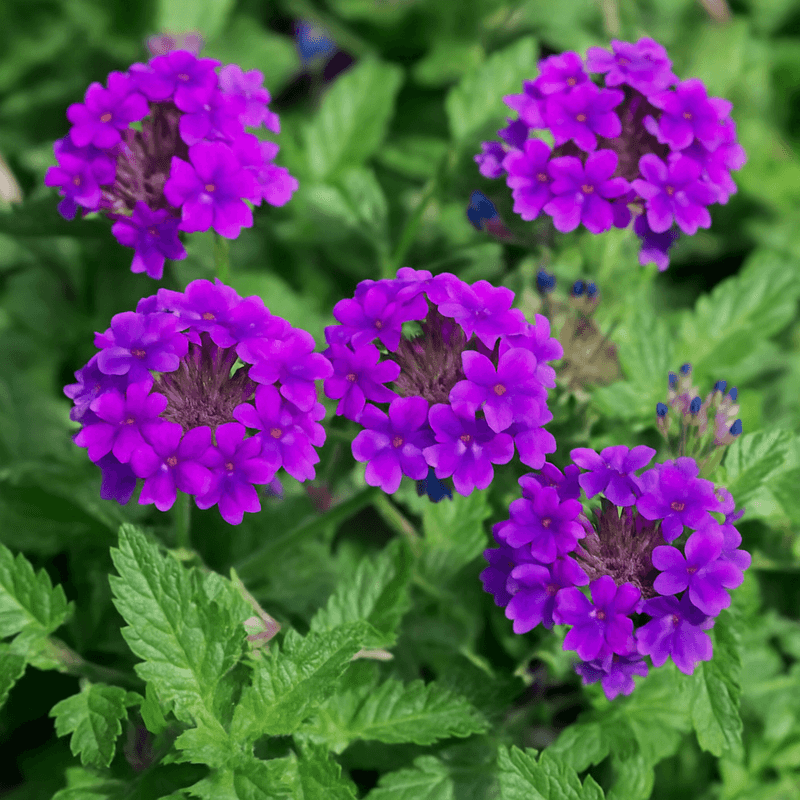
Groundhugging and floriferous, this verbena forms a spreading mat of deep purple flowers that begins blooming in spring and can continue until cooler weather slows it, which in many California gardens may be November or sometimes December.
The plant spreads outward rather than growing tall, making it well suited for spilling over walls, edging pathways, or filling spaces between larger perennials.
Butterflies frequently visit the blooms, and once established the plant usually requires minimal care. The main challenge with ‘Homestead Purple’ is providing enough sun and avoiding excess moisture.
This verbena generally needs about six hours of direct sun for best flowering, while too much shade can lead to reduced blooms and weaker growth. Plant in well-draining soil and water deeply but infrequently after establishment.
Excess moisture can encourage powdery mildew, which may reduce flowering and affect foliage. Good air circulation helps limit fungal problems, so avoid crowding plants.
Deadheading is not required for repeat bloom, though trimming back by about one-third in midsummer can refresh the plant and promote fuller growth with more flowers.
In mild coastal gardens, ‘Homestead Purple’ may bloom for extended periods during winter, while inland flowering often slows in peak heat and improves again in fall.
This verbena tolerates heat well once established. Space plants roughly eighteen to twenty-four inches apart and allow them to gradually fill in to form a dense carpet of purple blooms.