Plant These 11 Must-Have Pollinator Plants In Oregon Backyards
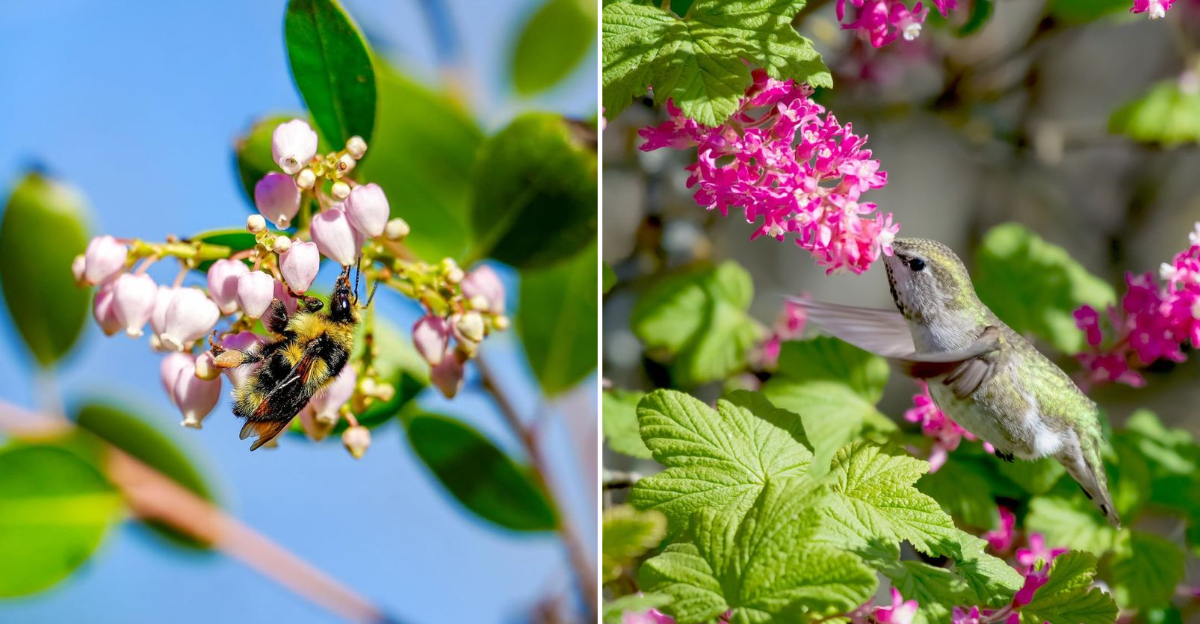
Oregon backyards are becoming pollinator hotspots, and it starts with what you plant. Bees, butterflies, and hummingbirds are searching for nectar, shelter, and safe places to land, and the right plants make all the difference.
Add a few pollinator favorites and your garden instantly feels more alive. Wings flutter.
Flowers buzz. Color and movement fill the space.
These plants don’t just support wildlife. They also boost blooms, improve garden health, and create a more vibrant outdoor space.
Many thrive in local conditions and need less water and maintenance once established. Even small yards and simple garden beds can make a powerful impact.
These must-have pollinator plants are changing ordinary Oregon backyards into busy, beautiful ecosystems, and they’re easier to grow than most people expect.
1. Bee Balm (Wild Bergamot)
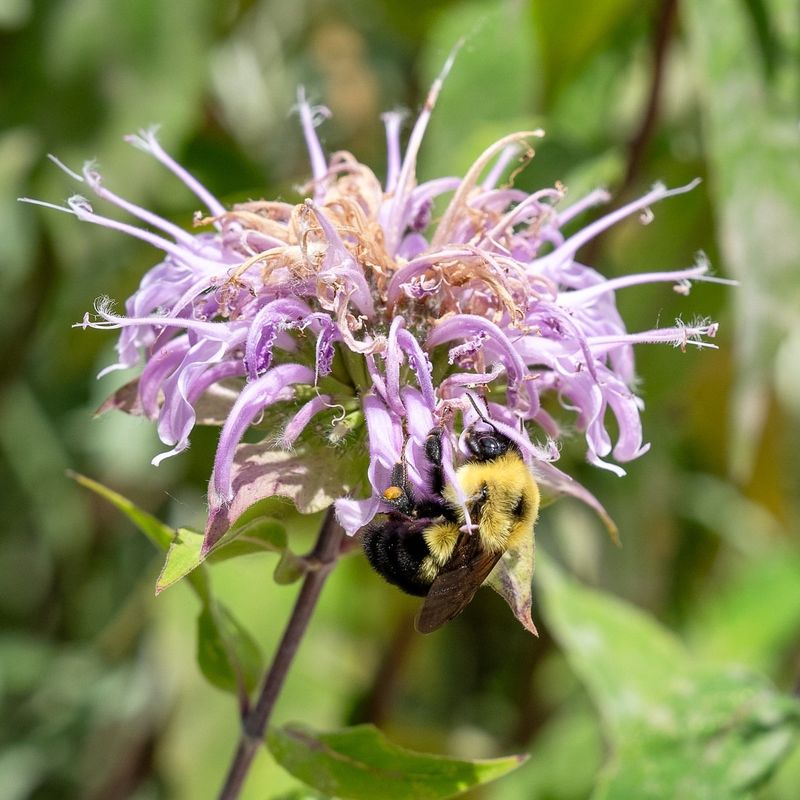
Monarda fistulosa produces shaggy, rounded flower heads packed with tubular blooms in shades of lavender, pink, or purple. The name tells the story—bees absolutely love this plant, visiting constantly throughout its summer bloom period.
Hummingbirds also frequent the flowers, along with numerous butterfly species attracted to Oregon gardens.
The aromatic foliage releases a minty fragrance when brushed or crushed, adding sensory appeal beyond the visual. Flowers typically appear from June through August, providing sustained pollinator support.
Plants grow two to four feet tall, forming upright clumps that spread moderately.
Wild bergamot thrives in full sun to partial shade across Oregon, adapting to various garden conditions. It tolerates both moist and moderately dry soil, though it performs best with consistent moisture.
The plant shows good resistance to powdery mildew compared to other monarda species.
Bee balm works beautifully in cottage gardens, perennial borders, or naturalized meadow plantings throughout the region. It combines well with coneflowers, black-eyed Susans, and other summer bloomers.
Deadheading spent flowers encourages additional blooms and prevents excessive self-seeding. The dried seed heads attract finches and other small birds in fall and winter.
2. Douglas Aster
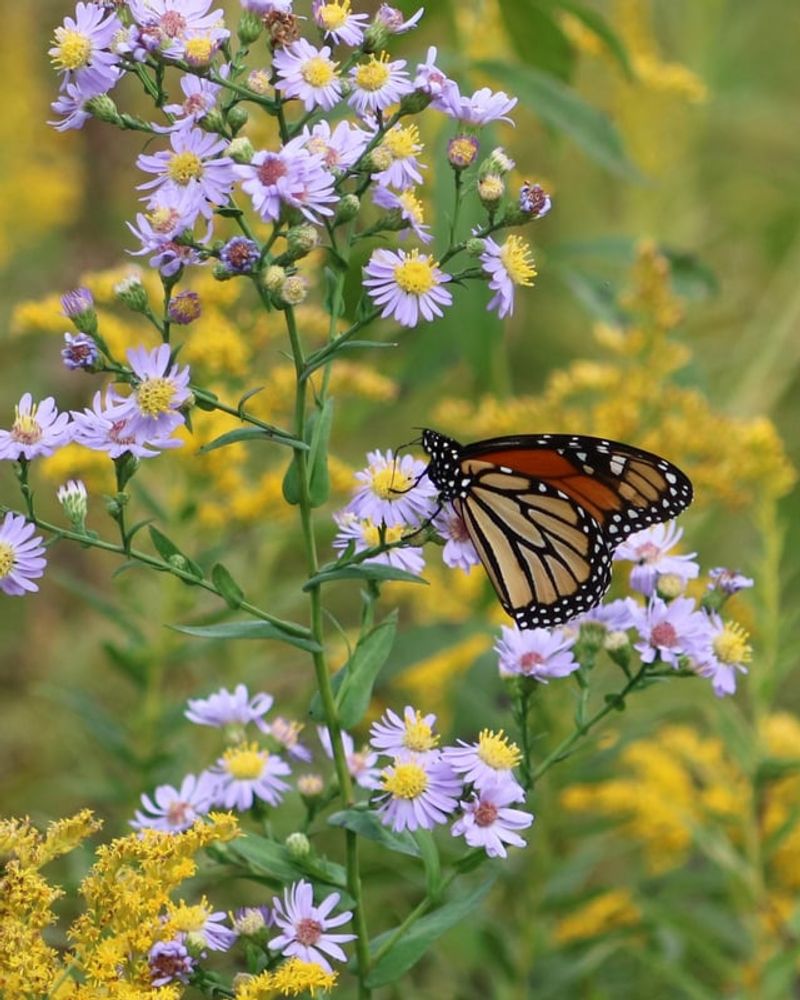
Symphyotrichum subspicatum brings vital late-season color when many other plants have finished blooming. Purple daisy-like flowers with yellow centers cover the plant from late summer through fall, providing essential nectar for pollinators preparing for winter.
Butterflies, especially monarchs passing through Oregon during migration, depend heavily on these autumn blooms.
Native bees also visit Douglas aster in large numbers, gathering pollen and nectar before cold weather arrives. The plant typically grows two to three feet tall, forming bushy clumps that spread gradually.
Its extended bloom period makes it invaluable in pollinator gardens across Oregon.
This perennial thrives in full sun to partial shade and adapts to various soil conditions throughout the region. It tolerates both moist and moderately dry sites, though it performs best with occasional summer water.
The foliage stays attractive throughout the growing season, even before flowers appear.
Douglas aster works wonderfully in mixed borders, meadow gardens, or naturalized areas. It pairs beautifully with goldenrod and other fall-blooming natives.
The plant self-seeds modestly, filling in gaps without becoming aggressive. Cutting back stems in late fall keeps the area tidy for winter.
3. Lupine
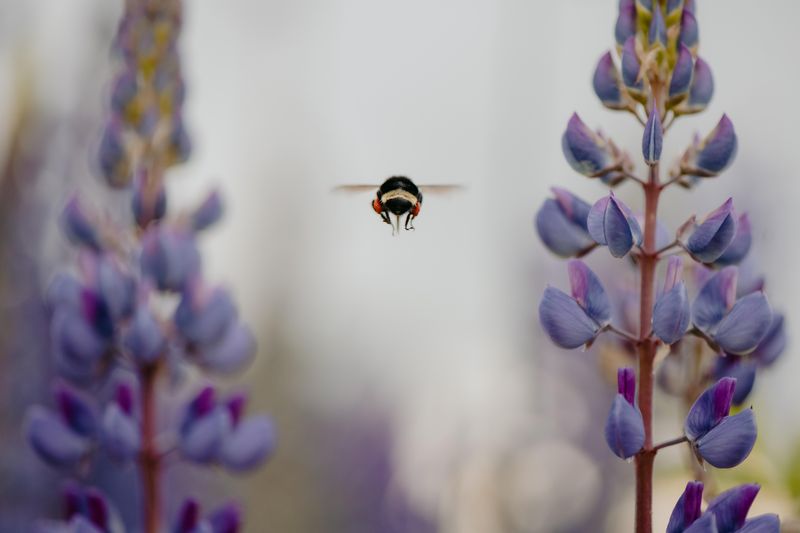
Lupinus species create dramatic vertical accents with their towering flower spikes in shades of blue, purple, pink, and white. Several native lupines grow wild throughout Oregon, from coastal dunes to mountain meadows.
The pea-like flowers attract bumblebees specifically, as these strong pollinators can force open the specialized blooms.
Watching bumblebees work lupine flowers provides endless entertainment as they climb the spikes methodically. The palm-shaped leaves add textural interest even when plants aren’t blooming.
Lupines typically flower from late spring through early summer, creating spectacular displays in Oregon gardens.
These plants prefer full sun and well-drained soil, thriving in the region’s native sandy or gravelly conditions. They fix nitrogen in the soil through root nodules, actually improving the ground where they grow.
Most lupines reach two to four feet tall, though some varieties grow taller.
Lupines reseed readily, naturalizing in favorable conditions to create drifts of color. They’re perfect for meadow gardens, sunny borders, or cottage-style plantings throughout Oregon.
The seeds provide food for birds and small mammals. Deadheading spent flowers sometimes encourages additional blooms, extending the show.
4. Yarrow
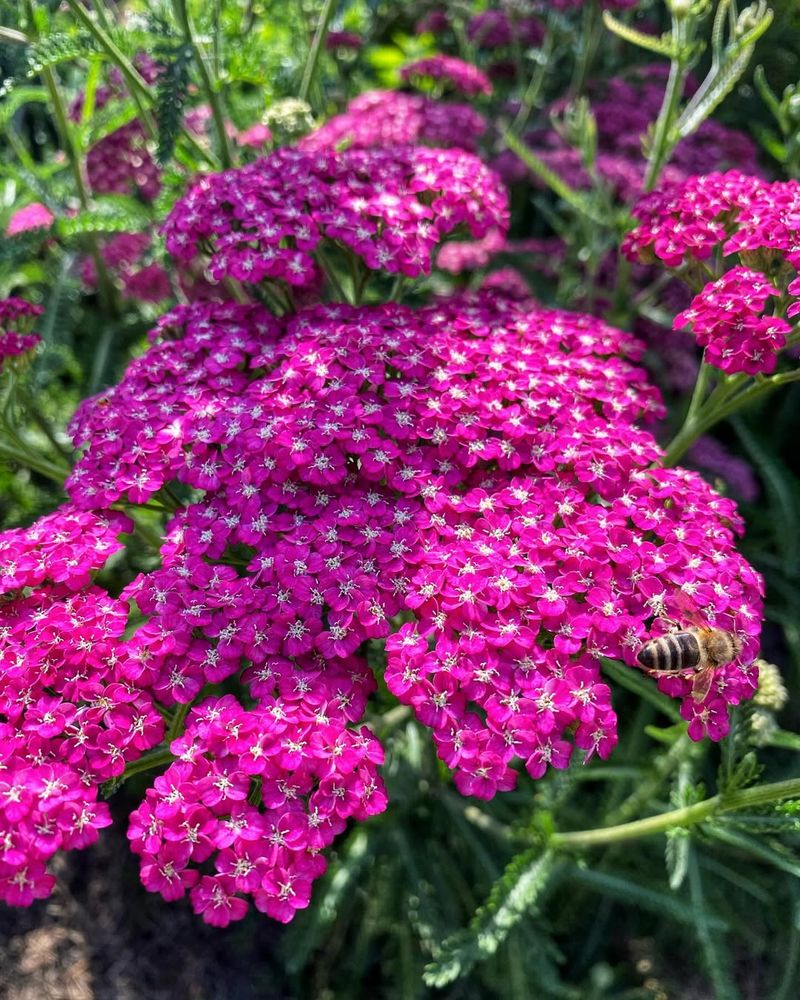
Achillea millefolium produces flat-topped flower clusters that serve as landing platforms for countless beneficial insects. The tiny flowers packed together in these heads attract small native bees, beetles, and butterflies throughout summer.
Yarrow’s long bloom period, often lasting from June through September, makes it a pollinator powerhouse in Oregon backyards.
The feathery, fern-like foliage releases a pleasant aroma when brushed, adding sensory appeal to your garden. Native yarrow typically blooms white, though cultivated varieties offer pink, yellow, and red options.
All colors attract pollinators equally well, so choose based on your design preferences.
This tough perennial tolerates drought, poor soil, and neglect once established in Oregon gardens. It actually performs better in lean soil, as rich conditions cause floppy growth.
Yarrow grows one to three feet tall, spreading gradually to form attractive clumps.
The plant works beautifully in meadow gardens, perennial borders, or as a groundcover on slopes. It pairs wonderfully with grasses and other wildflowers throughout the region.
Cutting flowers back after the first flush often encourages rebloom. Yarrow also makes excellent cut flowers, lasting well in arrangements.
5. Penstemon
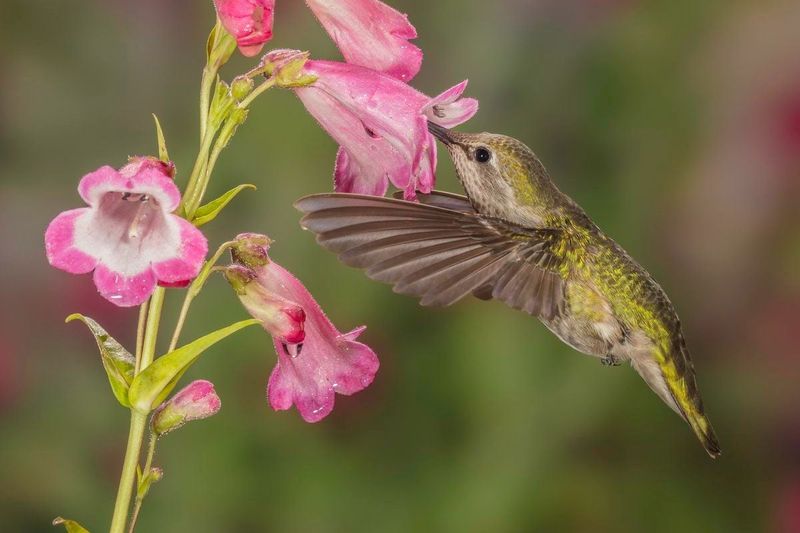
Penstemon species offer tubular flowers perfectly designed for hummingbirds and long-tongued bees. Several species native to Oregon bloom in shades of blue, purple, pink, and red from late spring through summer.
The flowers cluster along upright stems, creating vertical accents that draw the eye upward in garden beds.
Bumblebees often crawl completely inside the tubular blooms, emerging dusted with pollen. Hummingbirds zip from flower to flower, their long beaks reaching the nectar at the base.
Different penstemon species bloom at different times, so planting several varieties extends the pollinator buffet.
These perennials thrive in Oregon’s climate, especially in well-drained soil and full sun. They tolerate the region’s dry summers beautifully once established, requiring minimal supplemental water.
Most penstemons grow one to three feet tall, though some species reach higher.
The foliage often forms attractive evergreen or semi-evergreen rosettes at the base of plants. Penstemons work wonderfully in rock gardens, borders, or naturalized areas throughout Oregon.
They combine beautifully with other native plants and ornamental grasses. Removing spent flower stalks keeps plants looking tidy and sometimes encourages additional blooms.
6. California Poppy
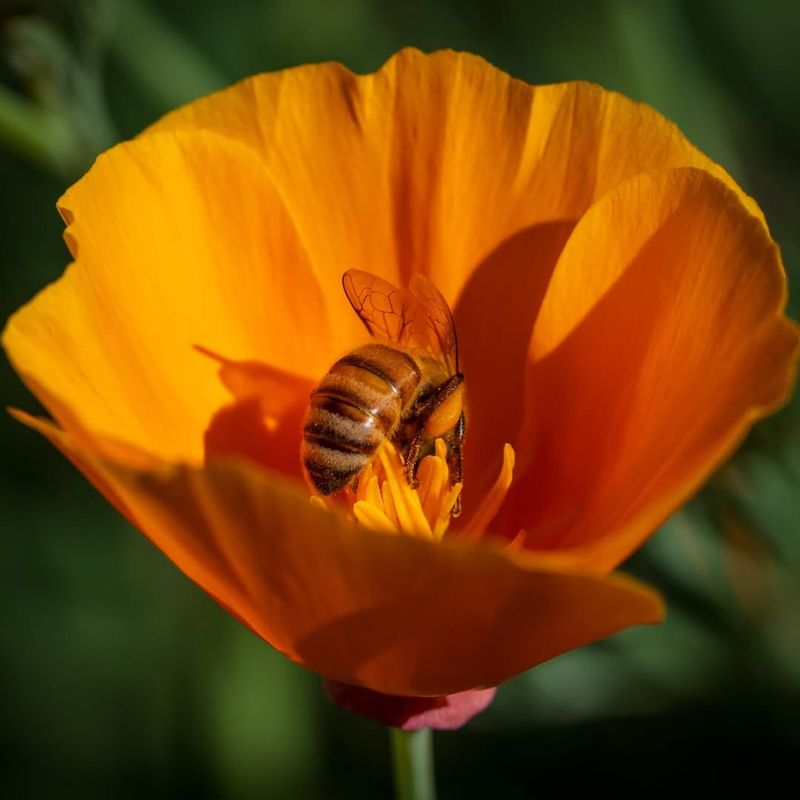
Eschscholzia californica brings cheerful orange, yellow, or cream blooms that open in sunshine and close at night. While named for California, these poppies naturalize beautifully throughout Oregon, especially in sunny, well-drained areas.
The silky petals attract native bees and small beetles that feed on pollen, as the flowers produce no nectar.
The blue-green feathery foliage creates a soft texture in garden beds even before blooms appear. Flowers emerge from late spring through summer, with peak bloom usually occurring in June.
Each flower lasts only a few days, but plants produce blooms continuously for months.
California poppies reseed enthusiastically in favorable conditions, creating drifts of color in Oregon gardens. They prefer lean, sandy soil and actually struggle in rich, heavily amended ground.
These annuals or short-lived perennials grow eight to twelve inches tall, spreading wider than their height.
The plants tolerate drought exceptionally well once established, making them perfect for low-water gardens across the region. They work beautifully in meadow plantings, rock gardens, or along sunny pathways.
Deadheading isn’t necessary, as the seed pods add their own ornamental interest. Let some seeds mature to ensure plants return next year.
7. Oregon Grape
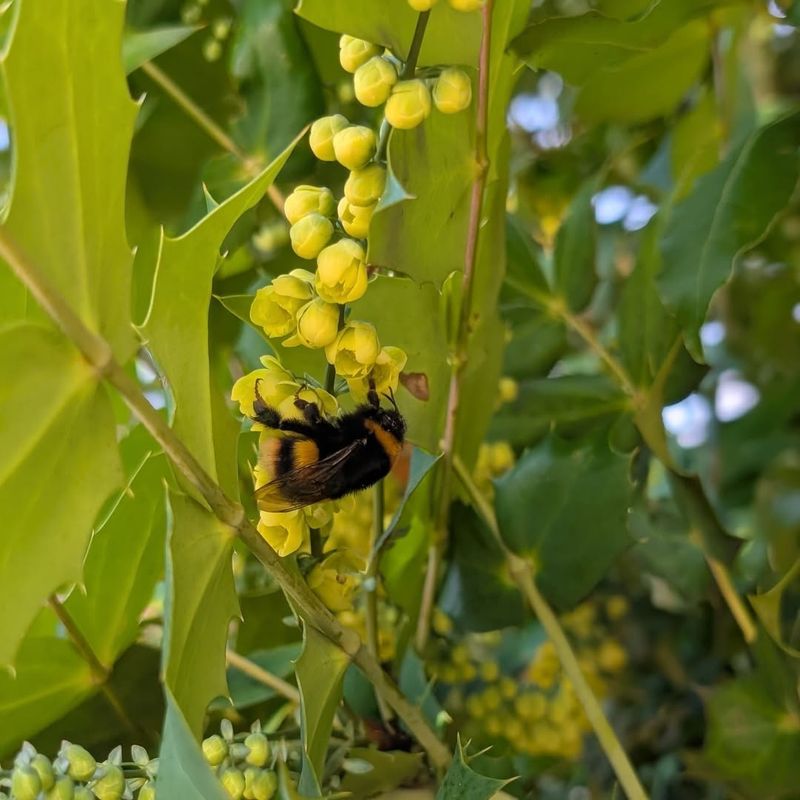
Mahonia aquifolium stands as Oregon’s official state flower, making it a natural choice for any backyard garden throughout the region. The glossy, spiny leaves resemble holly and stay green all year, providing visual interest even during winter months.
Bright yellow flower clusters emerge in early spring, often appearing as early as March in milder areas.
Pollinators absolutely adore these early blooms because they provide crucial nectar when few other plants are flowering. Native bees, honeybees, and early butterflies visit the flowers repeatedly throughout the day.
The berries that follow in summer attract birds, adding another layer of wildlife value to your Oregon garden.
This tough shrub grows well in shade or partial sun, making it perfect for those tricky spots under trees. It tolerates Oregon’s wet winters and dry summers without complaint once established.
The plant typically reaches three to six feet tall, creating excellent structure in your landscape.
Oregon grape works beautifully as a foundation plant, hedge, or woodland garden addition. Its adaptability to various soil types makes it forgiving for beginning gardeners.
The berries are edible but quite tart, though some people use them for jelly.
8. Native Milkweed (Showy Milkweed)
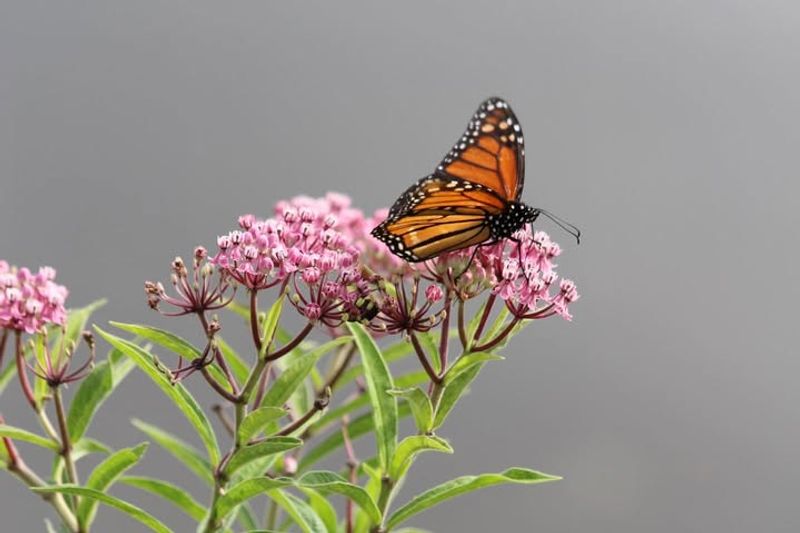
Asclepias speciosa serves as the essential host plant for monarch butterflies traveling through Oregon. Female monarchs lay eggs exclusively on milkweed species, and the caterpillars feed only on these plants.
The large pink-purple flower clusters also provide nectar for numerous other pollinators from late spring through summer.
Bumblebees, honeybees, and various butterflies visit the fragrant blooms constantly. The complex flower structure ensures pollinators get thoroughly dusted with pollen.
Showy milkweed typically grows two to four feet tall, with large gray-green leaves creating substantial foliage mass.
This perennial thrives in full sun and well-drained soil throughout Oregon, tolerating dry conditions once established. It spreads through underground rhizomes, gradually forming colonies.
The plant goes dormant in winter, returning reliably each spring in the region’s climate.
After flowering, interesting seed pods develop that eventually split to release silky-tailed seeds. These pods add ornamental value in late summer and fall.
Milkweed works well in butterfly gardens, meadow plantings, or dedicated pollinator areas. Leaving stems standing through winter provides overwintering habitat for beneficial insects.
The plant contains toxic compounds that protect monarch caterpillars from predators.
9. Goldenrod
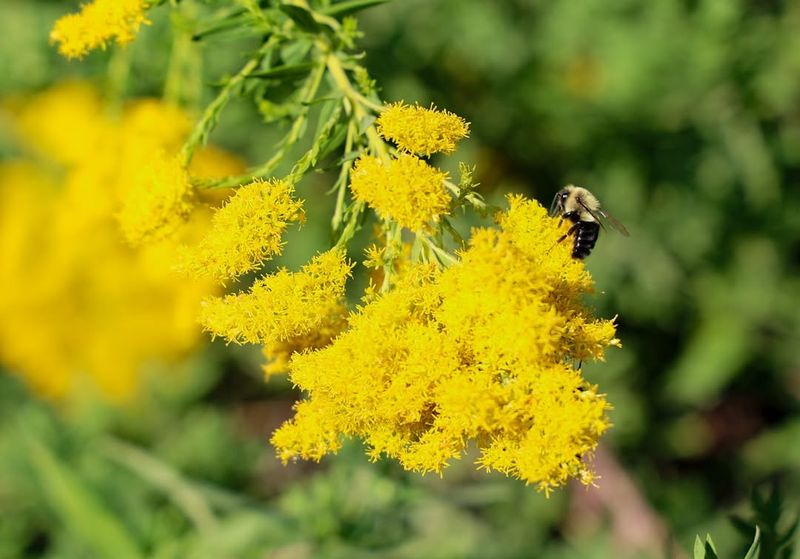
Solidago canadensis explodes with brilliant yellow plumes in late summer and fall when pollinators desperately need food sources. Contrary to popular belief, goldenrod doesn’t cause allergies—ragweed, which blooms simultaneously, takes that blame.
The tiny flowers packed into showy clusters attract an incredible diversity of insects to Oregon gardens.
Butterflies, including monarchs, swarm goldenrod blooms during fall migration. Native bees, honeybees, beetles, and beneficial wasps also visit constantly.
The plant typically grows three to five feet tall, creating substantial presence in garden beds.
Goldenrod thrives throughout Oregon in full sun to partial shade, adapting to various soil types. It tolerates both moist and dry conditions, though it spreads more aggressively in rich, moist soil.
The plant forms clumps that expand gradually through underground rhizomes.
This perennial works wonderfully in naturalized areas, meadow gardens, or the back of borders. It combines beautifully with asters, creating classic fall color combinations.
The dried flower heads provide winter interest and seeds for birds. Cutting plants back in spring controls height if needed.
Goldenrod also makes excellent cut flowers, lasting well in arrangements.
10. Manzanita
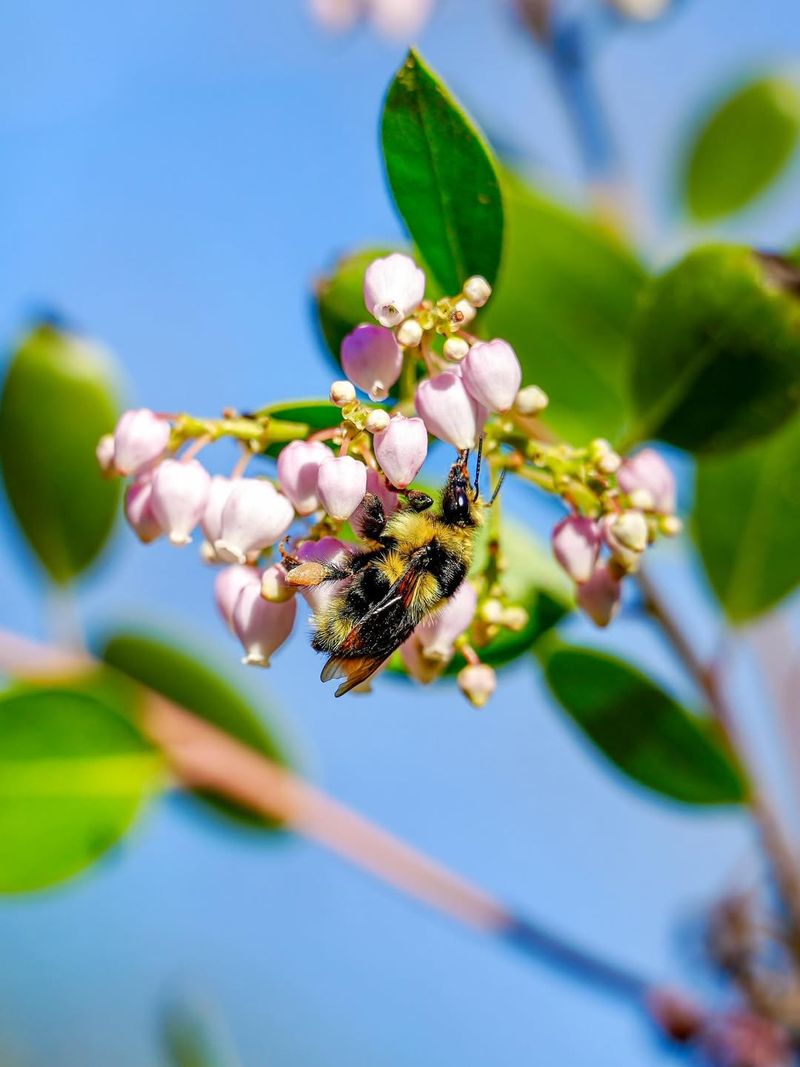
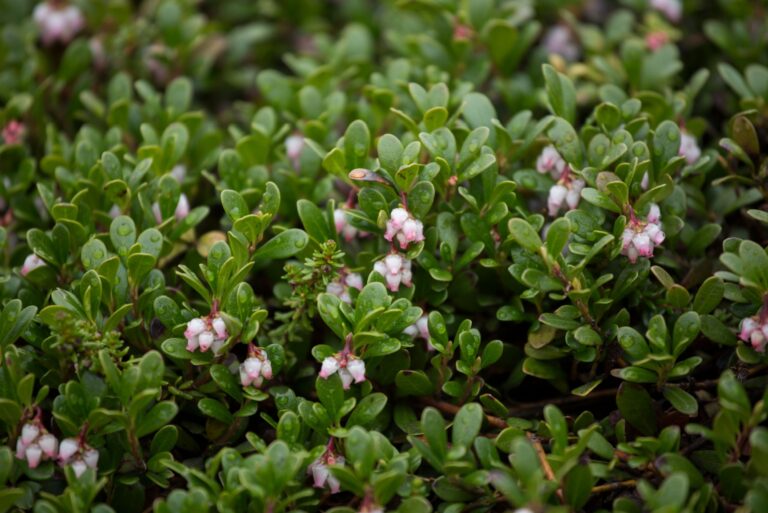
Arctostaphylos species offer year-round beauty with smooth, sculptural red bark that peels to reveal cinnamon-colored wood beneath. Small, urn-shaped flowers in white or pink clusters appear in late winter to early spring, providing crucial early nectar for emerging pollinators.
Native bees and hummingbirds visit these blooms when few other food sources exist in Oregon gardens.
The evergreen leaves create constant visual interest, often with a gray-green or blue-green hue. Manzanitas grow as low groundcovers or large shrubs depending on species, with heights ranging from one to fifteen feet.
The berries that follow flowering attract birds throughout summer and fall.
These plants thrive in well-drained soil and full sun, tolerating Oregon’s dry summers exceptionally well once established. They actually prefer lean soil and no summer water after the first year.
Manzanitas work beautifully in rock gardens, on slopes, or as specimen plants.
The distinctive branching structure creates living sculpture in the landscape, especially striking when backlit. Several species native to Oregon suit different garden situations and sizes.
Manzanitas require minimal maintenance beyond occasional shaping. They pair wonderfully with other drought-tolerant natives throughout the region.
11. Red Flowering Currant
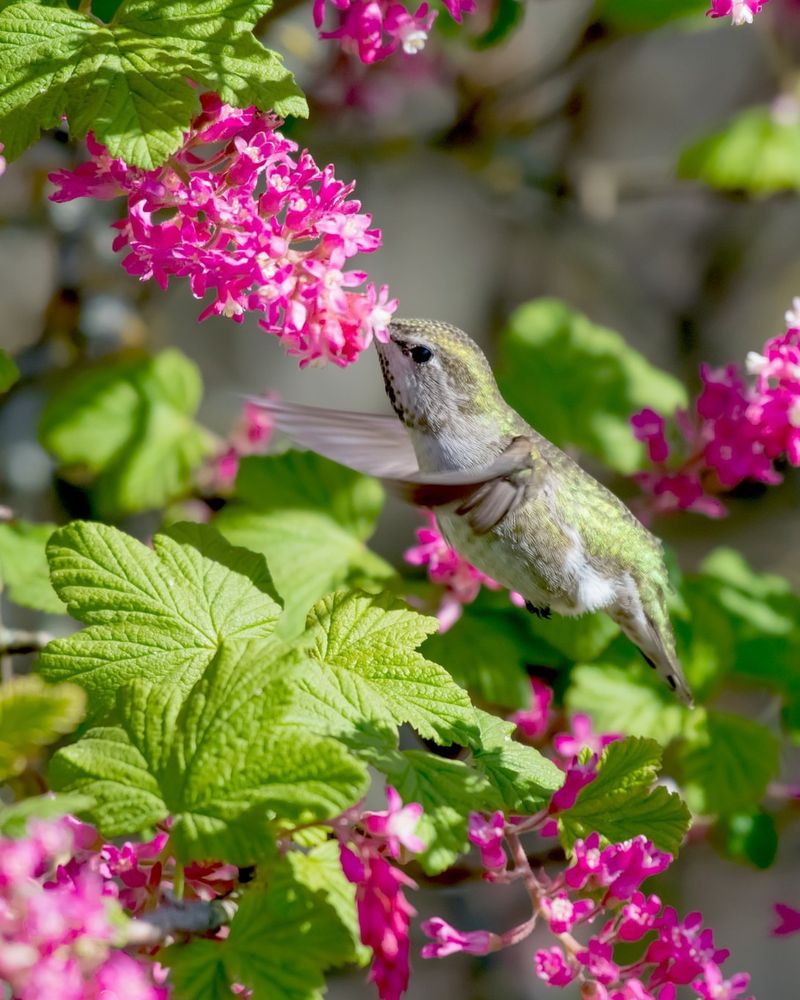
Ribes sanguineum bursts into bloom with spectacular hanging clusters of tubular pink to deep red flowers. Hummingbirds go absolutely wild for this Pacific Northwest native, visiting constantly from late winter through early spring.
The timing couldn’t be better, as migrating hummingbirds arrive just when these flowers open.
Growing six to twelve feet tall, this deciduous shrub creates a stunning focal point in any Oregon backyard. The flowers appear before the leaves fully emerge, creating clouds of color against bare branches.
Butterflies and native bees also visit the blooms, though hummingbirds dominate the scene.
After flowering, small blue-black berries develop that birds eagerly consume throughout summer. The maple-like leaves provide texture and turn lovely shades in fall before dropping.
This plant thrives in Oregon’s climate, handling both coastal conditions and inland valleys with ease.
Red flowering currant prefers well-drained soil and tolerates drought once established, making it perfect for water-wise gardens. It grows well in full sun to partial shade, adapting to various garden situations.
Minimal pruning keeps it looking tidy, though it naturally forms an attractive rounded shape.