Plant These 5 Oregon Native Trees In March
Some trees seem perfectly built for Oregon landscapes. They handle cool, wet winters, stay tough through dry summers, and support the wildlife that already calls the region home.
Native trees bring that natural advantage to a yard while adding shade, structure, and long-term beauty.
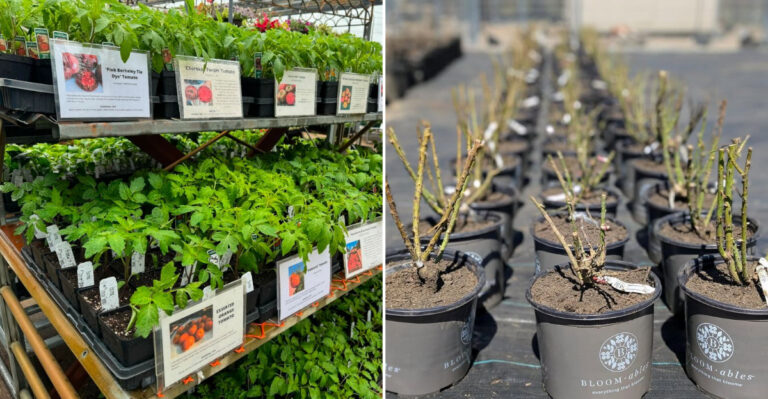
Early spring planting gives young trees a strong head start since the soil stays moist and mild while roots begin to spread.
With the right choices, a small sapling planted now can grow into a lasting centerpiece that benefits both your yard and the local ecosystem.
1. Pacific Dogwood
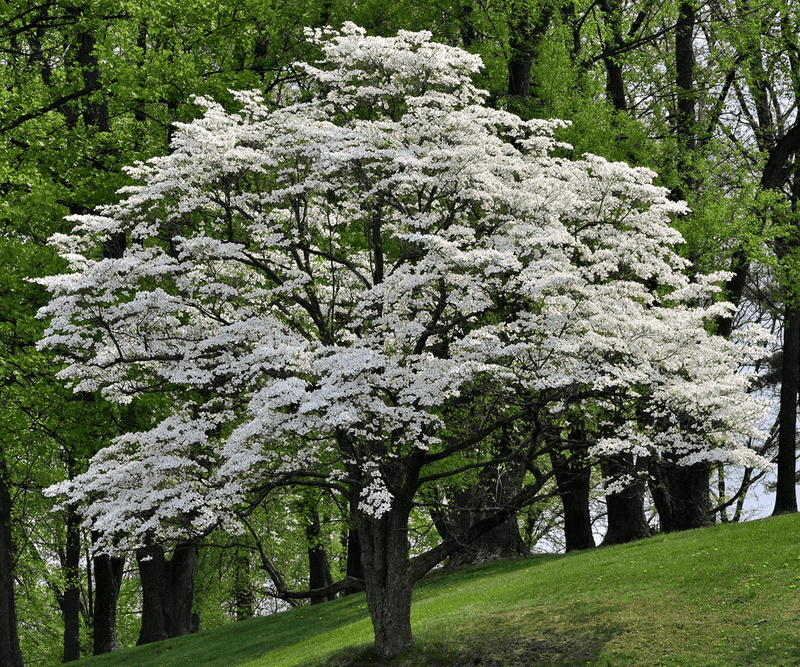
Few trees in Oregon put on a spring show quite like the Pacific Dogwood. When spring arrives, this tree starts waking up with bright white blooms that seem to glow against the green forest backdrop.
It is one of the most beloved native trees in the Pacific Northwest, and for good reason.
Pacific Dogwood, known scientifically as Cornus nuttallii, grows naturally in the forests of western Oregon. It loves partial shade and does really well when planted under taller trees or along woodland edges.
If you live near Portland, Salem, or Eugene, you have likely spotted this beauty growing wild in the hills.
When planting in March, choose a spot with well-drained soil and some protection from harsh afternoon sun. Dig a hole twice as wide as the root ball but no deeper than it.
Backfill with the original soil and water thoroughly after planting.
One thing to keep in mind is that Pacific Dogwood prefers slightly acidic soil. If your yard has heavy clay, mix in some compost before planting to improve drainage and soil quality.
A two-inch layer of mulch around the base helps hold moisture and keeps the roots comfortable during dry spells.
This tree grows to about 15 to 30 feet tall, making it a great mid-sized option for most Oregon yards. In fall, it offers another treat with clusters of bright red berries that birds absolutely love.
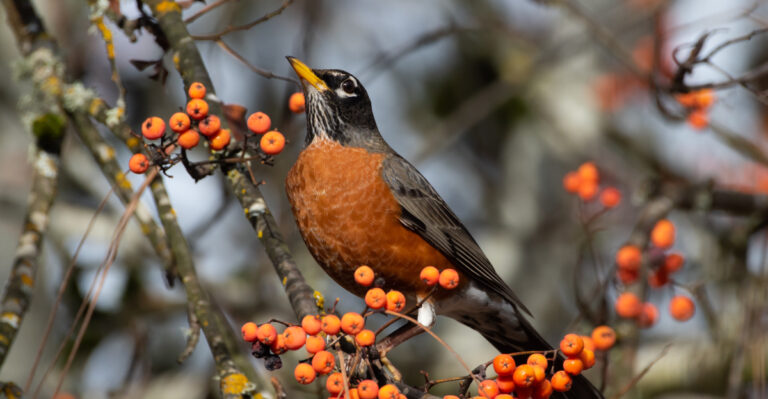
Robins, cedar waxwings, and band-tailed pigeons all flock to it for food.
Pacific Dogwood is also the official state flower of British Columbia and is protected by law in some areas. Planting one in your Oregon yard is both a nod to regional heritage and a gift to local wildlife.
2. Vine Maple
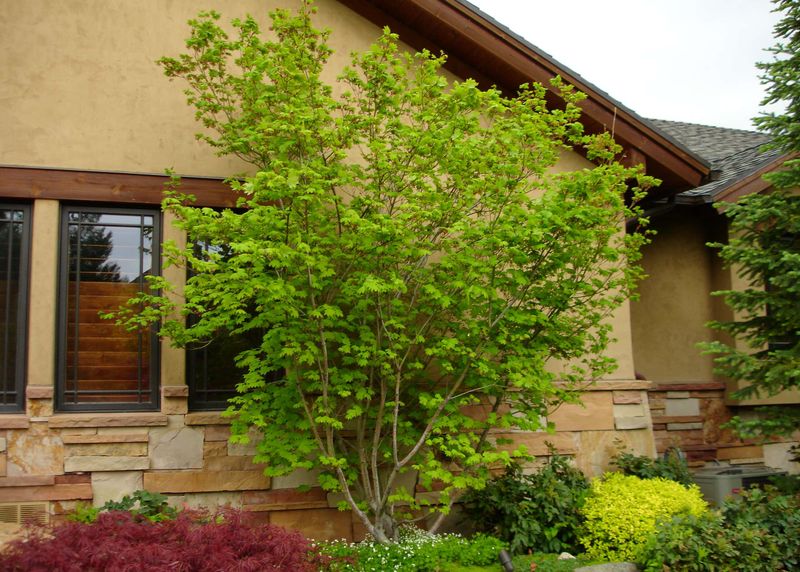
Oregon gardeners who want a tree that delivers color in every season should get to know the Vine Maple. This native tree bursts with red and white flowers in spring, offers lush green leaves through summer, and then explodes into fiery orange and red tones come fall.
It is truly a four-season showstopper.
Acer circinatum, its scientific name, grows naturally throughout western Oregon, often along streams and in the understory of Douglas fir forests. It can grow as a multi-stemmed shrub or a small tree reaching up to 25 feet.
Its flexible, arching branches give it a graceful, almost artistic look that works beautifully in home landscapes.
March is a great time to plant Vine Maple because the cool, wet Oregon weather helps roots establish before summer heat arrives. Pick a spot with partial shade and moist, well-drained soil.
It can handle full sun too, but it tends to look its best when it gets some afternoon shade, especially in the Willamette Valley where summers can get warm.
Planting is straightforward. Dig a wide, shallow hole, set the tree in at the same depth it was in the container, and water deeply.
Add a ring of bark mulch around the base to keep moisture in and weeds out. Water regularly during the first growing season.
Wildlife benefits are a big bonus with this tree. Its flowers attract native bees and hummingbirds in early spring.
The seeds, called samaras, feed small mammals and birds throughout the year. If you want to support Oregon’s local ecosystem while adding real beauty to your yard, Vine Maple checks every box.
Did you know? Vine Maple wood was used by Indigenous peoples of the Pacific Northwest to make baskets, snowshoe frames, and fishing tools.
3. Cascara
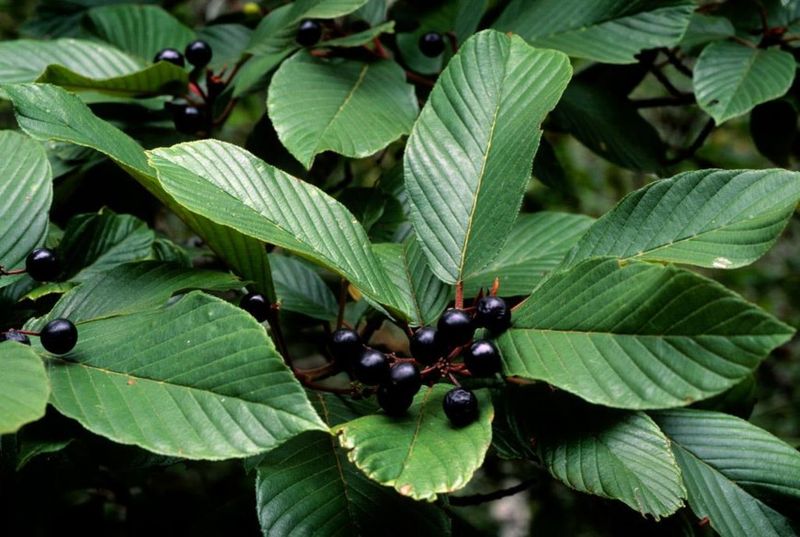
Not many trees in Oregon carry as much history as the Cascara. For centuries, Indigenous peoples used the bark of this tree as a natural remedy for digestive health.
Today, it is celebrated as a beautiful and useful native tree that thrives in Oregon’s wet, mild climate and deserves a spot in more home landscapes.
Rhamnus purshiana, or Cascara, is a small to medium-sized deciduous tree that typically grows between 15 and 30 feet tall. It is most commonly found in moist, shaded areas along stream banks and forest edges in western Oregon.
The leaves are large, glossy, and deeply veined, giving the tree an attractive, tropical-ish look that stands out in the garden.
Planting Cascara in March takes advantage of Oregon’s natural rainfall, reducing how much you need to water by hand. Choose a moist, partly shaded location with rich, well-drained soil.
It does well near rain gardens or in low spots in the yard where water tends to collect after winter storms.
When you plant, make sure the root ball sits level with the surrounding soil. Avoid planting too deep, as that can stress the roots.
Water thoroughly right after planting and keep the soil consistently moist for the first full growing season. Mulching around the base helps a lot with moisture retention.
Cascara produces small, dark purple berries in late summer that birds go absolutely wild for, but they are poisonous to humans. Robins, thrushes, and even black bears in more rural parts of Oregon depend on this fruit as a food source.
Adding Cascara to your yard creates a valuable wildlife habitat right outside your window.
Fun fact: Cascara bark was once commercially harvested in the Pacific Northwest and sold as a laxative ingredient in pharmacies across the United States.
4. Pacific Madrone
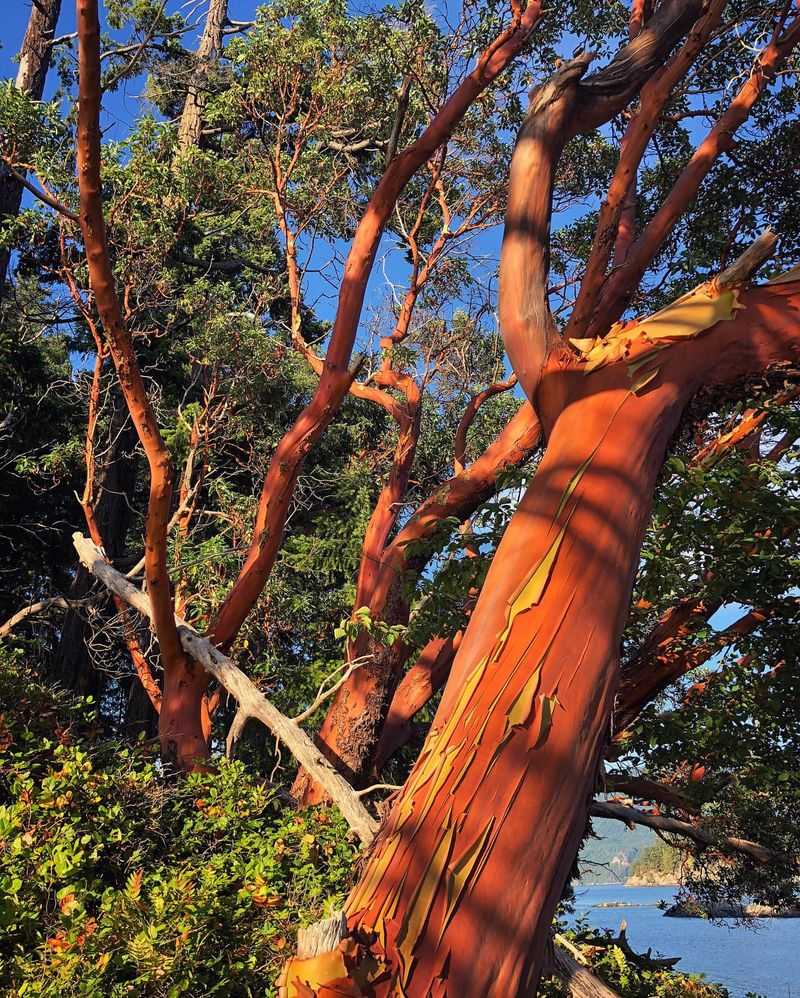
There is no tree quite as striking as the Pacific Madrone. Its smooth, peeling bark shifts from green to orange to deep reddish-brown as it matures, making it look almost like a living sculpture.
Walk through the coastal hills of Oregon and you will spot this evergreen beauty twisting its way toward the light in the most dramatic fashion.
Arbutus menziesii is one of the few broadleaf evergreen trees native to Oregon. It keeps its glossy, dark green leaves year-round, which makes it a fantastic option for homeowners who want color and structure in the garden during winter months.
In spring, clusters of small white flowers appear, filling the air with a light honey scent that pollinators love.
Planting Pacific Madrone in March works well in Oregon because the cool, damp conditions help reduce transplant stress. It thrives in well-drained, rocky, or sandy soils and actually struggles in heavy clay or overly wet ground.
Avoid planting it in low spots or areas where water pools after rain.
One important tip: Pacific Madrone does not like root disturbance. Once planted, try not to dig or till around its base.
Let it settle in and avoid overwatering, especially during summer. Too much water after establishment can cause root problems.
This tree is naturally drought-tolerant once it gets going.
It grows best in full sun to partial shade and reaches heights of 20 to 80 feet, depending on conditions. In Oregon, it is most common west of the Cascades, especially along the coast and in southern parts of the state near Medford and Ashland.
Berries ripen to a bright orange-red in fall and are a vital food source for band-tailed pigeons, varied thrushes, and other Oregon wildlife.
5. Pacific Crabapple
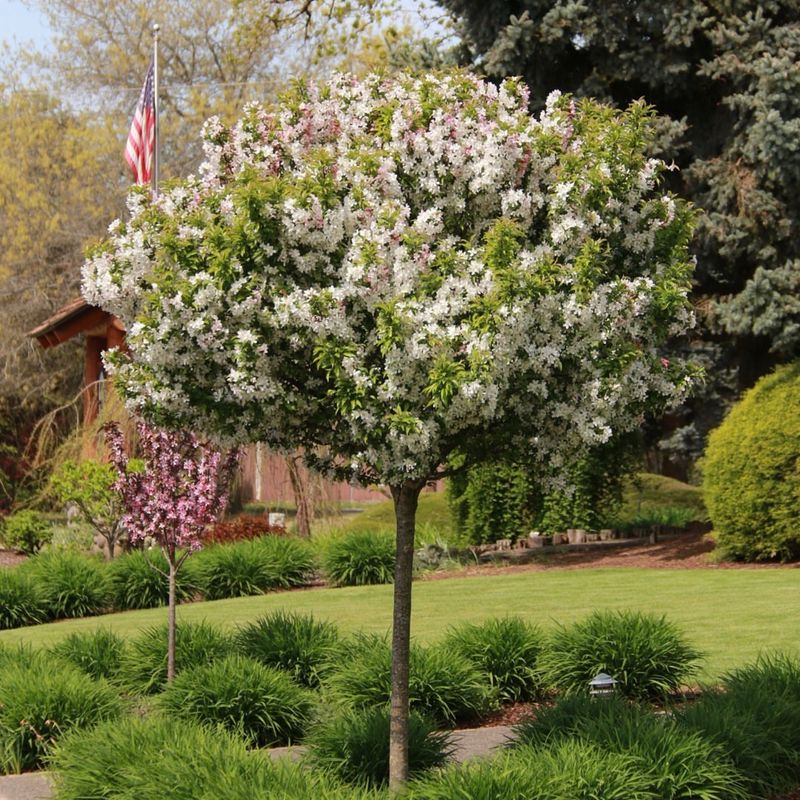
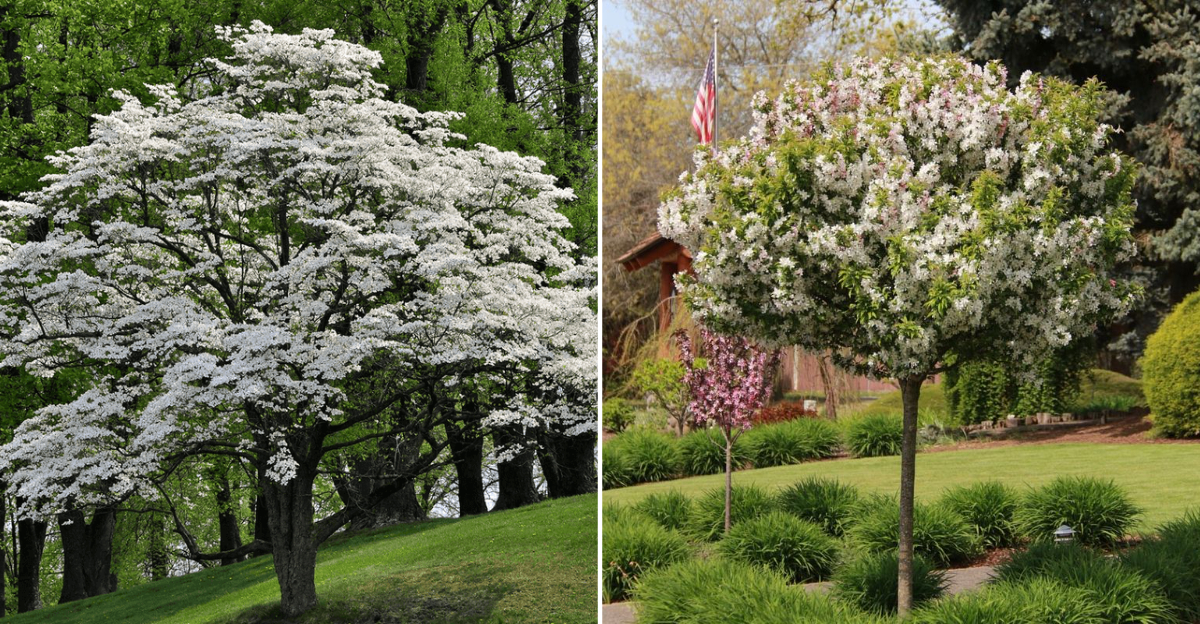
Imagine stepping outside in March and seeing a tree absolutely covered in pink and white blossoms with a sweet, fresh fragrance drifting through the cool Oregon air.
That is exactly what the Pacific Crabapple delivers every spring, and it is one of the most rewarding native trees you can plant in your yard this month.
Malus fusca, the Pacific Crabapple, is the only crabapple native to Oregon. It grows naturally along stream banks, wetland edges, and forest margins throughout western Oregon.
It is a tough, adaptable tree that handles wet feet better than most, making it a smart choice for yards with poor drainage or areas near water features.
March planting gives this tree a head start before the growing season kicks into full gear. Choose a sunny to partially shaded spot with moist soil.
It does especially well near rain gardens, ponds, or in low areas of the yard where other trees might struggle. Dig a wide planting hole, position the tree at the correct depth, and water thoroughly after planting.
The fruit that follows the blossoms is small, tart, and yellow to red in color. While humans can eat it, the real fans are Oregon’s wildlife.
Cedar waxwings, American robins, deer, and black bears all rely on Pacific Crabapple fruit as a seasonal food source. Planting one is like setting up a wildlife buffet right in your backyard.
Pacific Crabapple grows 10 to 30 feet tall and works well as a standalone specimen tree, a wildlife hedge, or part of a naturalistic planting along a property edge. It is low-maintenance once established and rarely needs pruning.
Indigenous communities throughout the Pacific Northwest gathered the fruit for food and used the hard wood for tools and implements for generations.