Plant These 7 Perennials In January And Watch Oregon Pollinators Swarm Your Garden
January might feel quiet in the garden, but it’s actually a perfect time to plant certain perennials in Oregon that will reward you later with buzzing pollinators.
Even in the middle of winter, thinking ahead and planting the right flowers can create a garden that comes alive in spring and summer.
Choosing perennials that thrive in Oregon’s climate not only adds color and texture to your garden beds, but it also provides essential food and habitat for bees, butterflies, and other pollinators.
These hardworking visitors are crucial for a healthy garden and can make your yard feel vibrant and lively.
Planting in January gives perennials a head start, allowing roots to establish before the growing season. With careful placement, proper soil preparation, and a little mulch to protect young plants from winter chill, it’s possible to set the stage for a pollinator-friendly oasis.
For gardeners looking to support local wildlife while enjoying beautiful blooms, these perennials are a win-win.
By planting now, you’ll be rewarded with flowers that attract a swarm of pollinators and bring energy, movement, and life to your garden as the season warms.
Your backyard can become a colorful, buzzing hub for nature, all thanks to a little planning during the quieter winter months.
1. Red-Flowering Currant (Ribes sanguineum)
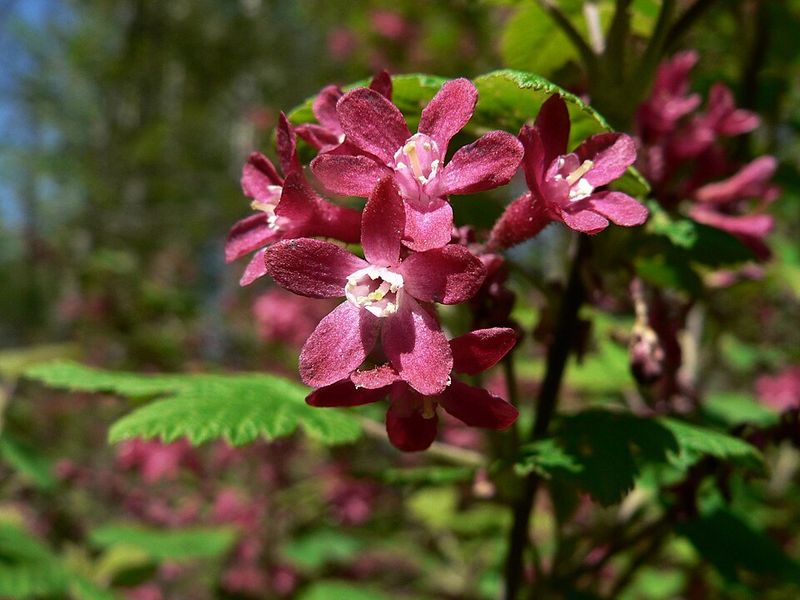
Oregon native shrubs deserve a spot in every pollinator garden, and red-flowering currant tops the list.
This beauty produces dangling clusters of pink to deep red tubular flowers as early as February, often while other plants still sleep under winter’s blanket.
Hummingbirds arrive from migration and immediately seek out these nectar-rich blooms, making your garden their first stop.
The plant grows four to ten feet tall and spreads almost as wide, so give it room to stretch. Partial shade works fine, though you get more flowers in sunnier spots.
Once established, it handles our dry summers without much fuss, which means less work for you and consistent food sources for pollinators. It also provides shelter for small birds and insects, creating a little ecosystem right in your yard.
Native bees also visit the flowers, gathering pollen while hummingbirds sip nectar. After blooming finishes, blue-black berries appear that birds gobble up enthusiastically.
Plant it now while dormant, and the roots establish quickly in cool, moist soil, giving the shrub a strong start. This shrub asks for very little maintenance once settled.
A light pruning after flowering keeps the shape tidy, but even neglected plants perform beautifully year after year.
January planting gives you a head start on creating habitat that supports wildlife through multiple seasons and ensures your garden will be full of color, movement, and life as soon as spring arrives.
2. Oregon Grape (Mahonia aquifolium)
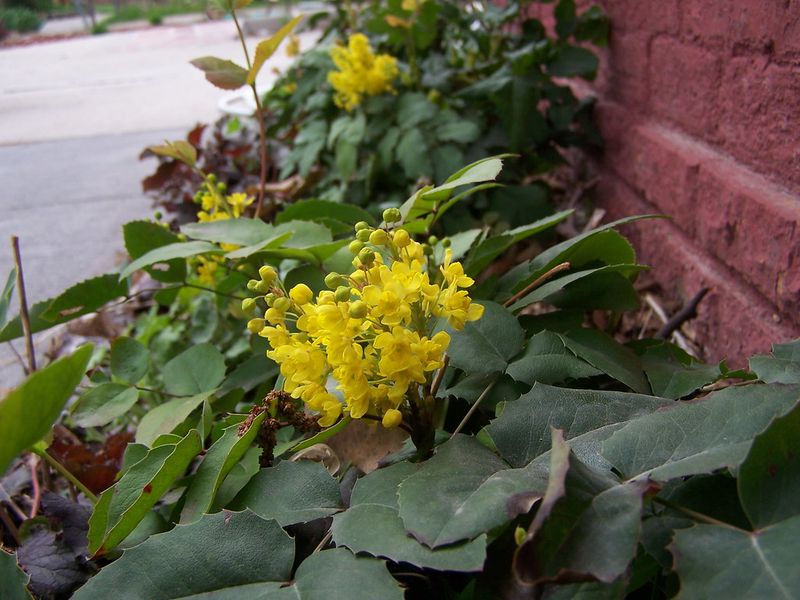
Bright yellow flower clusters emerge from Oregon grape in early spring, creating a stunning contrast against the glossy, holly-like evergreen leaves.
Bees emerge from their winter rest hungry and desperate for pollen, and these cheerful blooms provide exactly what they need.
The flowers smell sweet and appear in dense bunches that make pollen collection efficient for busy bees.
This makes Oregon grape an early-season superstar for supporting local pollinators, helping them gain energy to start the spring foraging season.
This evergreen shrub grows two to six feet tall depending on the variety and location. It tolerates shade better than most flowering plants, making it perfect for those tricky spots under trees or along north-facing walls.
The leathery leaves turn bronze or purple in winter, adding year-round visual interest to your landscape. The dense foliage also offers shelter for small birds and insects, creating a micro-habitat that benefits wildlife throughout the year.
After bees finish their work, clusters of blue-purple berries develop that birds adore. The berries also make excellent jelly if you harvest them before the birds find them all.
Deer tend to leave this plant alone thanks to those spiny leaf edges, which means your pollinator investment stays protected. Planting in January takes advantage of our rainy season.
The roots spread into moist soil easily, establishing a strong foundation before summer heat arrives.
Water regularly the first year, then step back and watch this tough native thrive with minimal care, adding color, wildlife activity, and texture to the garden for years to come.
3. Sedum (Sedum spectabile)
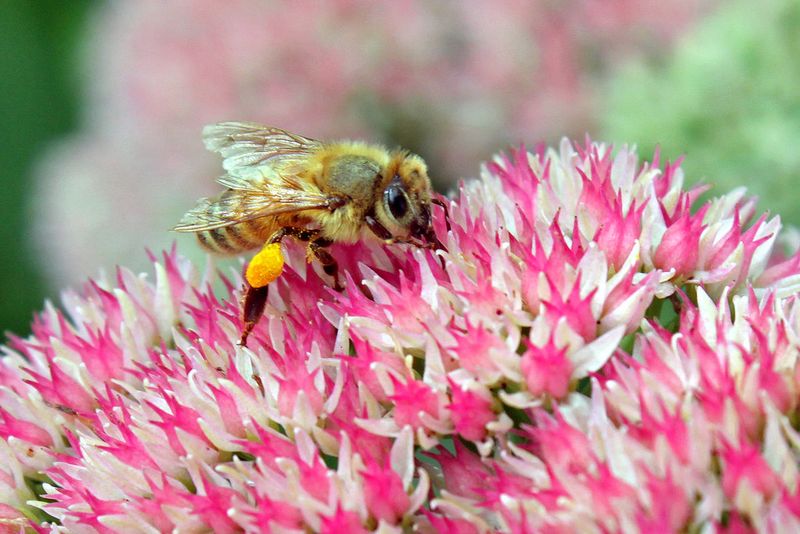
Late summer brings a pollinator crisis as many spring and early summer flowers fade. Sedum solves this problem with flat-topped flower clusters that open in August and September when other food sources dwindle.
Butterflies, especially monarchs preparing for migration, depend on these late-season nectar sources to fuel their long journeys.
Planting sedum ensures that pollinators have a reliable buffet late in the season, helping maintain healthy populations and supporting the ecosystem.
The thick, succulent leaves store water, making sedum incredibly drought-tolerant once roots establish. Plants grow twelve to twenty-four inches tall with sturdy stems that support the heavy flower heads without flopping.
The foliage looks attractive all season, with blue-green or burgundy tones depending on variety. Sedum’s low maintenance nature makes it ideal for busy gardeners who want both beauty and function in their landscapes.
Bees cover every flower cluster from morning until dusk during peak bloom. The tiny individual flowers pack tightly together, creating efficient feeding stations where bees can move from flower to flower without flying.
This efficiency means more pollination work gets done with less energy expenditure, benefiting the entire garden.
January planting works well for sedum because cool weather prevents stress while roots spread into surrounding soil. Choose a sunny spot with decent drainage, though sedum tolerates heavier soils better than most succulents.
Space plants fifteen to eighteen inches apart and water sparingly.
By fall, when monarchs pass through Oregon on their way south, your sedum will offer them crucial refueling stops for their incredible migration journey and provide a striking, long-lasting display in the garden.
4. Salvia (Salvia nemorosa)
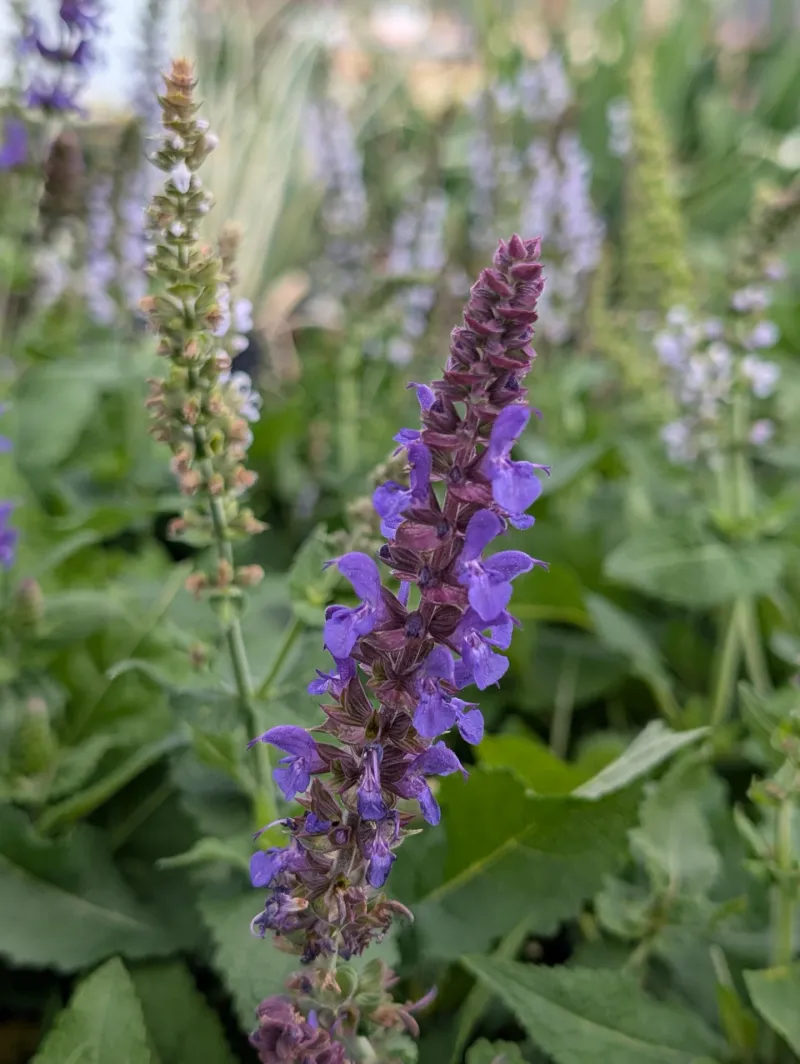
Few perennials match salvia’s ability to attract every type of pollinator. Bees, butterflies, and hummingbirds all visit the tall spikes of purple, pink, or blue flowers that appear from late spring through summer.
The tubular shape suits long-tongued bees perfectly, while hummingbirds hover expertly to reach the nectar hidden inside each blossom.
Salvia grows in neat clumps about one to three feet tall, with flower spikes rising above aromatic foliage. The leaves smell minty when brushed, and deer usually avoid them because of this strong scent.
Full sun and well-drained soil keep salvia happy, though it tolerates our clay soils better than many Mediterranean herbs.
Deadheading spent flower spikes encourages fresh blooms to form, extending the pollinator buffet well into fall. Even without deadheading, most varieties rebloom at least once.
The long flowering season means consistent food availability when other plants take breaks.
January planting works wonderfully for salvia because the roots establish during cool weather without stress. By the time hot weather arrives, your plants have strong root systems ready to support abundant flowering.
Space them about eighteen inches apart, and watch as pollinators discover your garden from blocks away. The purple varieties seem especially magnetic to bumblebees.
5. Lavender (Lavandula)
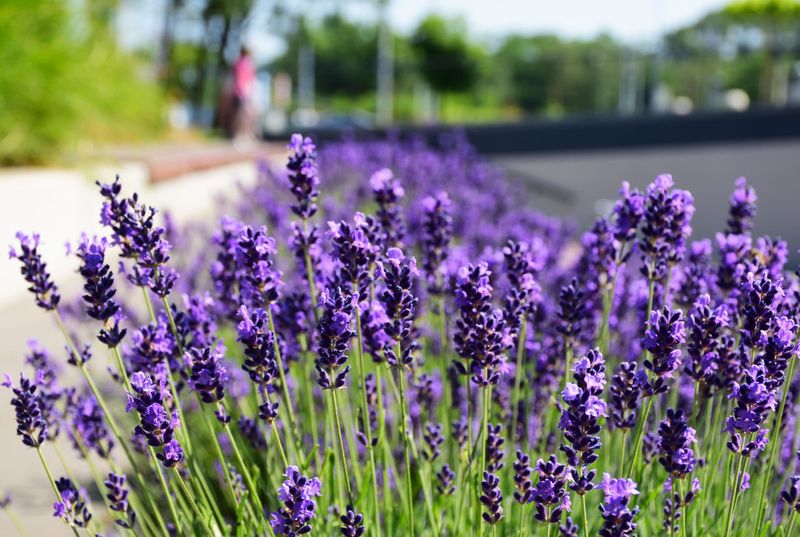
Walk past blooming lavender on a sunny day and the air buzzes with bee activity. Honeybees, bumblebees, and native bees all crowd onto the fragrant purple spikes, sometimes with several bees working a single flower stem.
The nectar and pollen quality must be exceptional because bees choose lavender over nearby plants consistently.
English lavender varieties handle Oregon’s wet winters better than Spanish or French types. Look for ‘Munstead’ or ‘Hidcote’ if you want reliable performers that come back year after year.
These compact varieties grow twelve to eighteen inches tall and spread about the same width, creating tidy mounds of gray-green foliage.
Excellent drainage matters more than anything else for lavender success. Amend heavy clay with compost and sand, or plant on a slight slope where water runs off naturally.
Once established, lavender thrives on neglect and actually flowers better with lean soil and infrequent watering.
January gives you perfect planting conditions because the soil stays cool and moist without becoming waterlogged. Lavender roots hate sitting in soggy ground, so winter planting requires careful site selection.
Space plants eighteen to twenty-four inches apart for good air circulation. Come June, when those purple spikes open, you will understand why bees travel miles to visit lavender patches.
6. Coneflower (Echinacea purpurea)
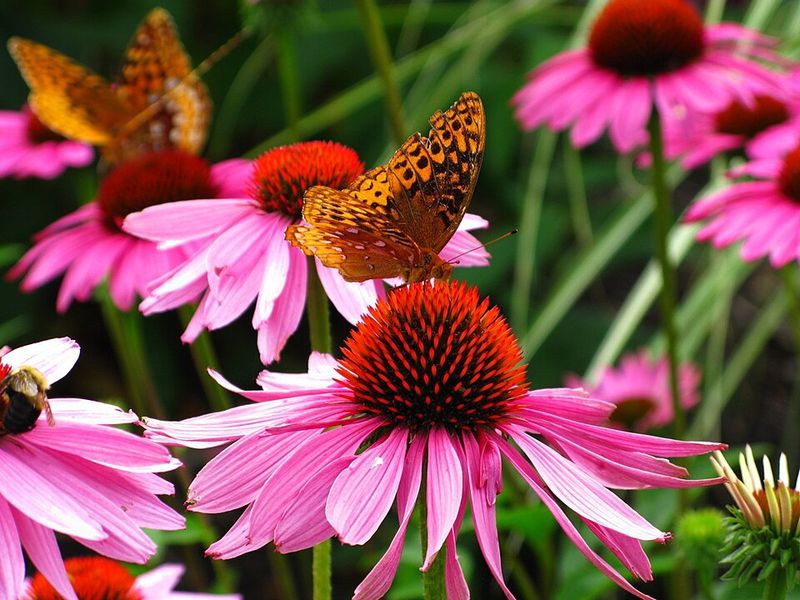
Butterflies land on the spiky orange center cone while bees work the surrounding purple petals.
Coneflowers create perfect landing platforms for pollinators of all sizes, and the flowers stay open for weeks, providing reliable food sources through summer’s heat.
Goldfinches arrive in late summer to feast on the ripening seeds, adding another layer of wildlife value.
Watching the constant activity around coneflowers is like having a miniature ecosystem right in the garden, full of buzzing, fluttering, and hopping visitors that rely on the blooms for nourishment.
These tough perennials grow two to four feet tall with sturdy stems that rarely need staking. The classic purple coneflower remains the best choice for pollinators, though plant breeders have created varieties in pink, white, orange, and red.
Native bees show strong preferences for the original purple form, so sticking with traditional varieties ensures maximum benefit for pollinators and supports the local ecosystem.
Coneflowers tolerate heat, drought, and poor soil once established, making them ideal for low-maintenance gardens. They spread slowly into nice clumps but never become aggressive or invasive.
Dividing clumps every three to four years keeps plants vigorous and gives extras to share with neighbors or fill in other garden beds.
Planting in January means your coneflowers develop deep roots before summer arrives. Water regularly through the first growing season, then reduce irrigation as plants mature.
Space them eighteen inches apart in full sun for best results. By July, a vibrant pollinator party will be happening right outside your window, attracting bees, butterflies, and birds while bringing continuous color and movement to the garden.
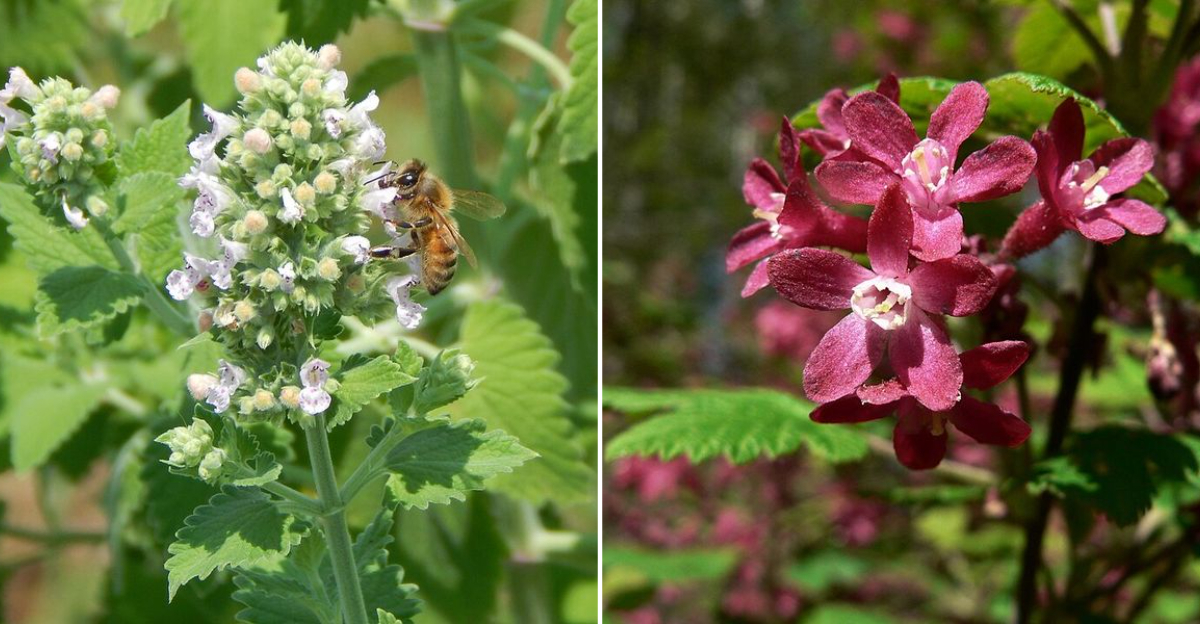
7. Catmint (Nepeta x faassenii)
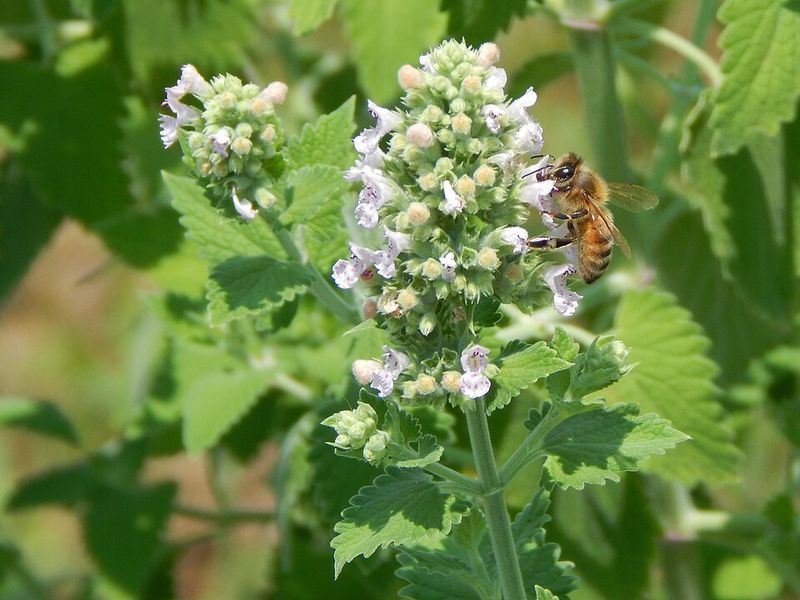
Clouds of lavender-blue flowers cover catmint from late spring through fall, creating one of the longest blooming periods of any perennial. Bumblebees especially love catmint, often choosing it over nearby plants even when multiple options exist.
The tubular flowers suit their long tongues perfectly, and the continuous bloom means reliable food all season.
This low-maintenance perennial grows twelve to eighteen inches tall and spreads into soft mounds of gray-green aromatic foliage. The leaves smell minty when touched, and deer avoid them completely, which protects your pollinator investment.
Catmint tolerates heat, drought, and poor soil without complaint once established.
Shearing plants back by one-third after the first flush of bloom encourages fresh growth and another round of flowers. Even without this trim, catmint blooms reliably through summer.
The soft texture and billowing form make it perfect for edging paths or softening hard landscape edges.
January planting gives catmint months to establish strong roots before flowering begins. Choose a sunny location with average to lean soil for best results.
Rich soil produces lots of foliage but fewer flowers, so avoid over-fertilizing. Space plants eighteen to twenty-four inches apart and water regularly the first season.
By June, you will have happy bumblebees working your catmint from sunrise to sunset, pollinating your vegetables and fruit trees between visits.