Plant These 11 Plants Now To Brighten Your Oregon Garden Before Spring
Spring may still be weeks away, but your Oregon garden doesn’t have to wait for color. Right now is the perfect moment to plant hardy favorites that wake up early and brighten dull winter landscapes.
Cool temperatures and moist soil give roots the ideal conditions to settle in fast and grow strong. These plants push out fresh foliage, early blooms, and vibrant texture long before most gardens come alive.
A few smart choices can turn bare beds into eye-catching displays that feel fresh and full of energy. Planting now also saves time later and spreads out your seasonal workload.
If you want a garden that looks lively before spring officially arrives, this is your chance to get ahead. With the right plants in the ground today, you’ll enjoy earlier beauty, stronger growth, and a head start on the season.
1. Daffodils (Narcissus)
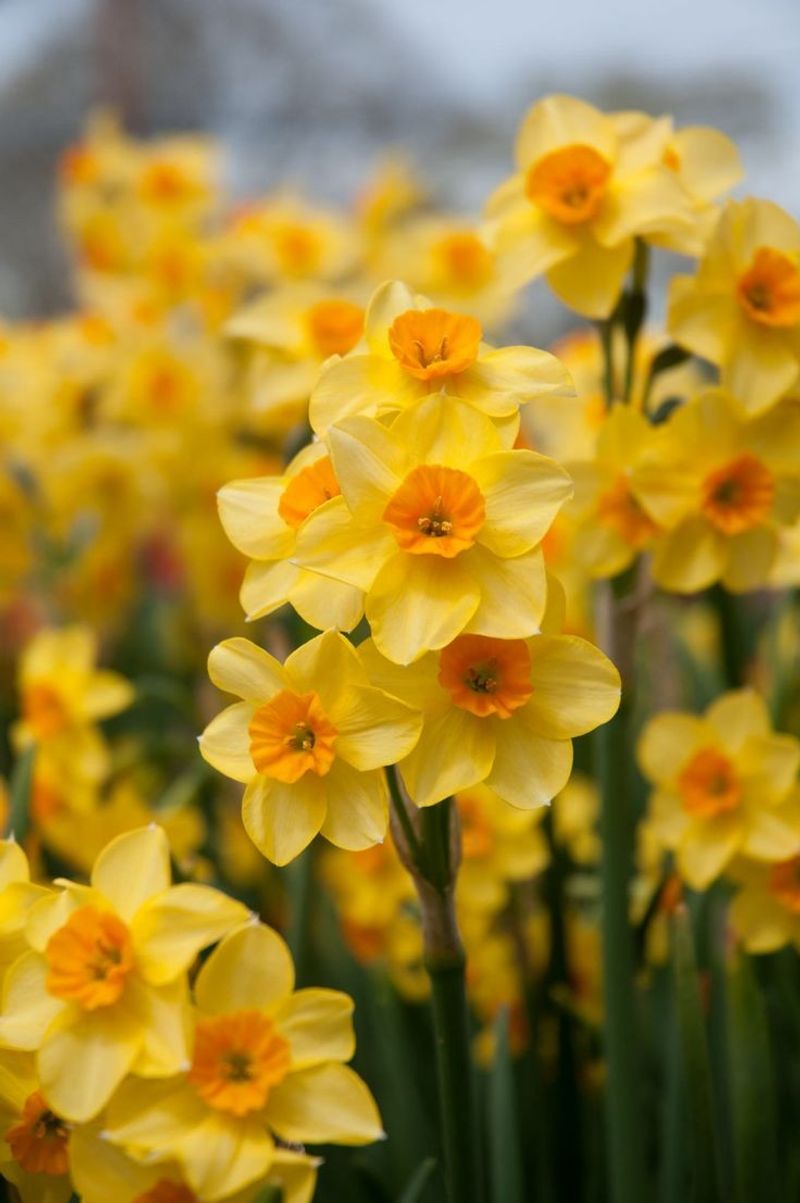
Few sights signal the end of winter quite like daffodils pushing through cold soil to unfurl their cheerful blooms. These bulbs go into the ground now, during Oregon’s dormant season, giving them time to develop roots before temperatures rise.
You’ll want to plant them about six inches deep in well-draining soil, spacing them four to six inches apart for a natural clustered look.
Oregon’s winter rains provide most of the moisture daffodils need, so you won’t spend much time watering once they’re established. They prefer full sun to partial shade and adapt well to various soil types, though they perform best when drainage is good.
Clay-heavy areas benefit from added compost to prevent bulbs from sitting in waterlogged conditions.
Expect blooms from late February through April, depending on your microclimate and the variety you choose. Early bloomers like ‘February Gold’ live up to their name in milder regions, while standard varieties peak in March.
Their yellow, white, and bicolor flowers bring brightness when gardens need it most, and deer typically leave them alone. Pair them with early-blooming crocus or grape hyacinths for layered color that extends through early spring.
2. Snowdrops (Galanthus)
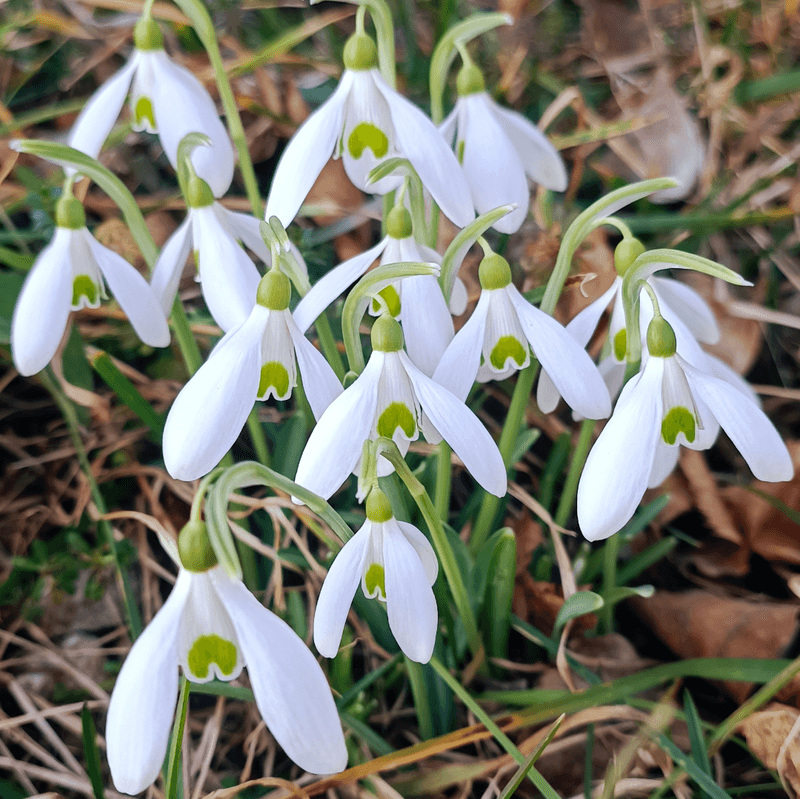
Snowdrops earn their reputation as one of the earliest bloomers you can grow in Oregon gardens. These petite bulbs create carpets of nodding white flowers that often appear while frost still touches the ground on cold mornings.
Plant them two to three inches deep in clusters of at least a dozen for visual impact, as their small size means they shine brightest in groups.
They thrive in partial shade to full sun and prefer soil that stays consistently moist during their growing season. Oregon’s natural winter rainfall suits them perfectly, making them low-maintenance once established.
If you have areas under deciduous trees that receive dappled light, snowdrops will naturalize there beautifully, spreading slowly over years to form larger colonies.
Blooms typically emerge in January or February, sometimes even earlier in protected microclimates near the coast or in urban heat islands. Their delicate appearance belies their toughness—they can push through light snow and handle temperature fluctuations with ease.
The flowers last several weeks, providing nectar for early pollinators when little else is blooming. Combine them with hellebores or winter aconite for a woodland garden feel that celebrates the transition from winter to spring.
3. Crocus
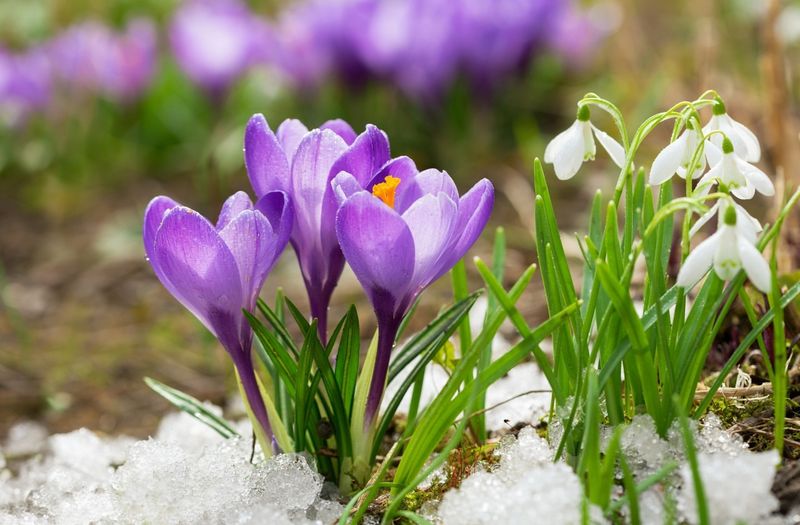
Crocus corms planted now will reward you with vibrant purple, yellow, white, and striped blooms that pop up through bare soil or even lawns. These compact flowers stand only three to four inches tall but pack tremendous color punch, especially when planted in drifts of fifty or more.
Set them about three inches deep and three inches apart, choosing spots that receive full sun to partial shade.
Oregon’s climate suits crocus perfectly, as they need a period of cold to trigger blooming. Winter rains keep them hydrated, and they tolerate a range of soil types as long as drainage is adequate.
Sandy loam works beautifully, but even heavier soils can support them if you mix in organic matter to improve structure.
Expect flowers from late February through March, with species crocus blooming earlier than larger Dutch varieties. Their cup-shaped blooms open wide on sunny days and close when clouds roll in, creating dynamic displays that respond to weather.
Bees and other early insects visit them eagerly, making them valuable for supporting pollinators when food sources are scarce.
Plant them near walkways or in lawn areas where you can appreciate their emergence up close, and consider pairing them with daffodils for extended color.
4. Hellebores (Lenten Rose)
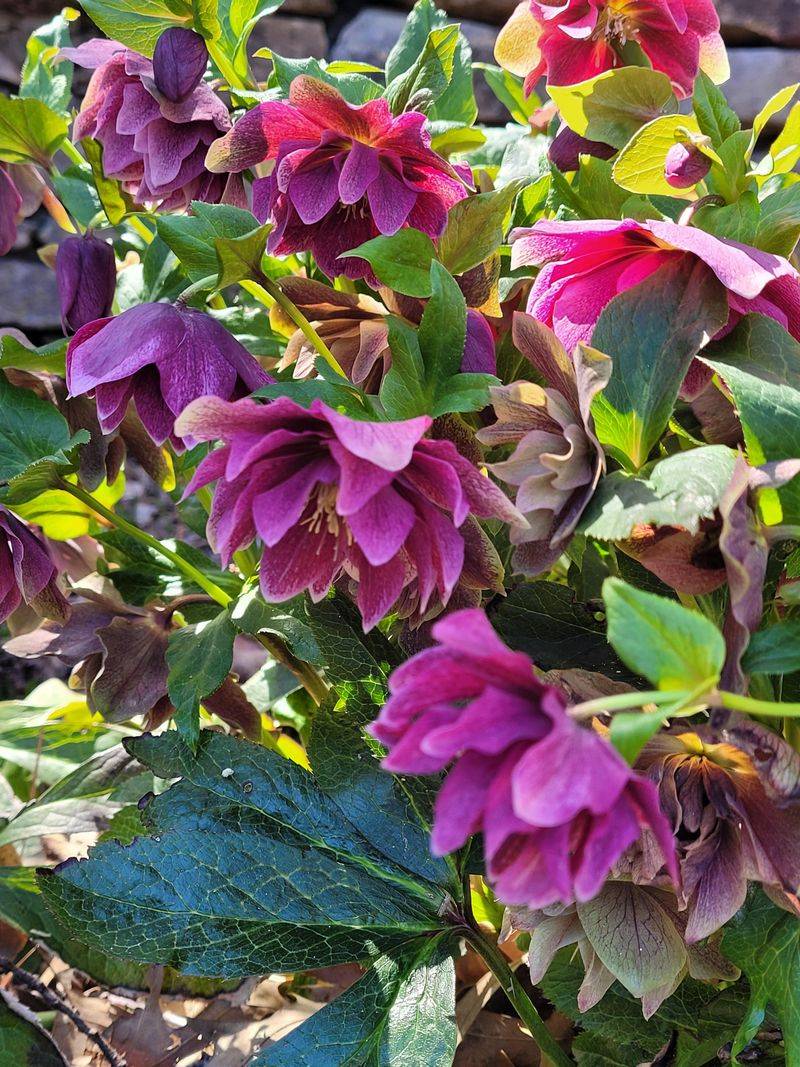
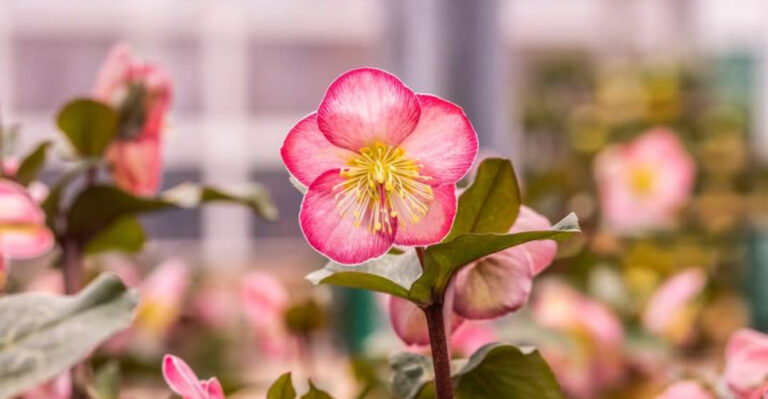
Hellebores bring sophistication to winter gardens with their nodding, cup-shaped flowers that bloom from January through April. Unlike bulbs, these are perennials that you plant from containers, and now is an ideal time to get them established before spring growth accelerates.
They prefer partial to full shade, making them perfect for those tricky spots under trees or along north-facing walls where other plants struggle.
Oregon’s moist winters suit hellebores beautifully, though they appreciate well-draining soil enriched with compost. They tolerate clay better than many perennials but perform best when the soil isn’t compacted.
Once established, they require minimal care and will bloom reliably for years, gradually forming larger clumps that you can divide if desired.
Flowers appear in shades of white, pink, purple, green, and near-black, often with speckled or picotee patterns that add intrigue.
The blooms last for months, not weeks, slowly transitioning from fresh flowers to attractive seed pods that extend their season of interest.
Their evergreen foliage provides year-round structure, and deer generally avoid them. Pair hellebores with ferns, hostas, and early bulbs for a shade garden that offers interest across multiple seasons without demanding constant attention.
5. Primroses (Primula)
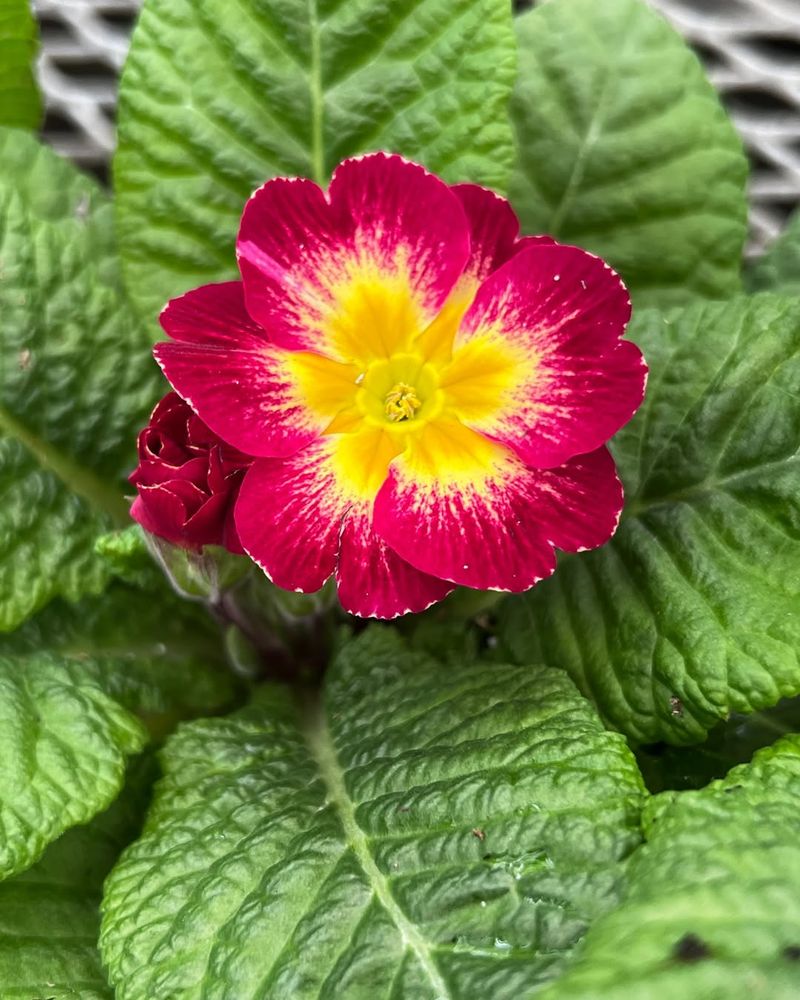
Primroses bring cottage garden charm to Oregon landscapes with their rosettes of colorful blooms in nearly every hue imaginable. You can plant them now from nursery containers, giving them time to settle in before their main show begins in late winter and early spring.
They prefer partial shade and consistently moist soil, conditions that Oregon’s climate naturally provides during the cooler months.
These perennials appreciate rich, organic soil that holds moisture without becoming waterlogged. Amending planting areas with compost helps them establish quickly and supports vigorous blooming.
They work beautifully along shaded borders, in woodland gardens, or even in containers near entryways where you’ll see them daily.
Blooms typically appear from February through May, depending on the variety and your specific location. English primroses offer classic pastel shades, while polyanthus types provide bold, jewel-toned clusters on taller stems.
Their flowers attract early butterflies and bees, adding movement and life to gardens just waking from winter dormancy. After blooming, their foliage remains attractive through summer if kept adequately watered.
Combine primroses with ferns, bleeding heart, and other shade-lovers for layered texture and color that evolves as the season progresses. They naturalize well in favorable conditions, slowly spreading to fill spaces with cheerful color year after year.
6. Camellias
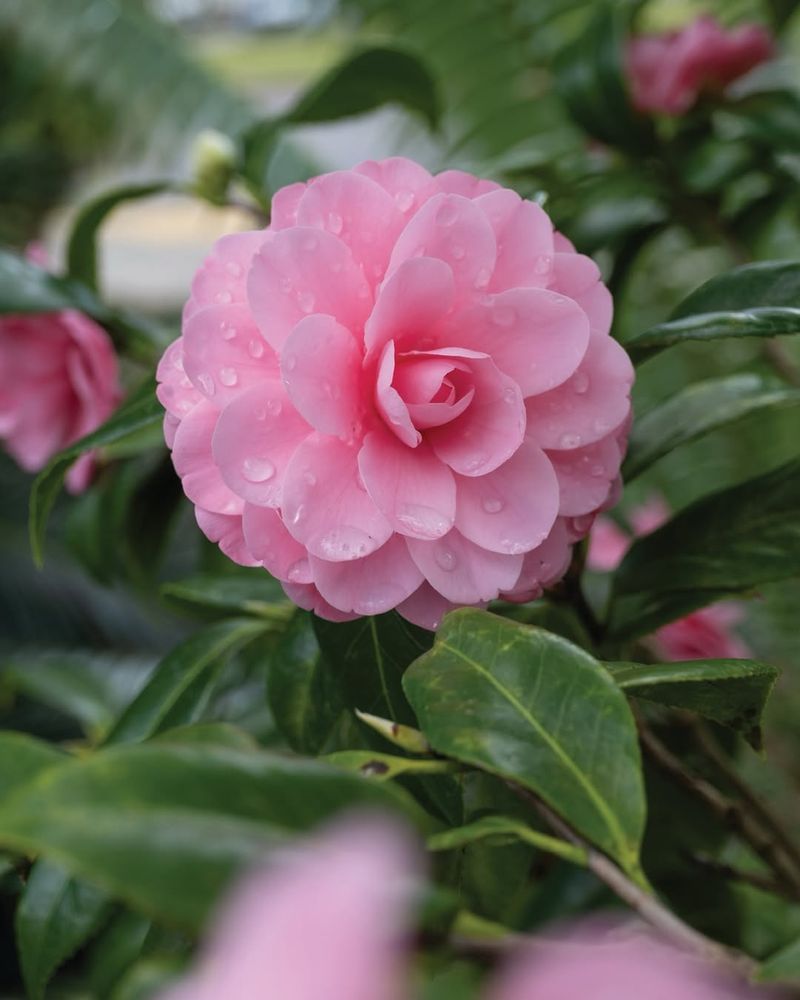
Camellias defy winter gloom with their spectacular blooms that can appear anytime from November through April, depending on the variety you choose.
Planting them now allows roots to establish during Oregon’s rainy season, positioning them for healthy growth when temperatures warm.
These evergreen shrubs prefer partial shade and acidic soil, conditions common in many Oregon gardens, especially in areas with natural rainfall and minimal soil amendments.
They perform best in well-draining soil enriched with organic matter like compost or aged bark. Oregon’s naturally acidic soils often suit them without adjustment, though testing your pH can help you determine if amendments are needed.
Avoid planting in full sun, as intense afternoon heat can scorch leaves and reduce flowering.
Blooms range from simple single forms to elaborate doubles in shades of white, pink, red, and variegated combinations. Early varieties like Camellia sasanqua bloom in fall and early winter, while Camellia japonica types peak in late winter and spring.
Their glossy evergreen foliage provides year-round structure, and the shrubs can grow quite large over time, making them excellent foundation plantings or privacy screens.
Pair them with rhododendrons, azaleas, and ferns for a classic Pacific Northwest landscape that celebrates the region’s ability to support lush, blooming plants even in the coldest months.
7. Winter Aconite (Eranthis hyemalis)
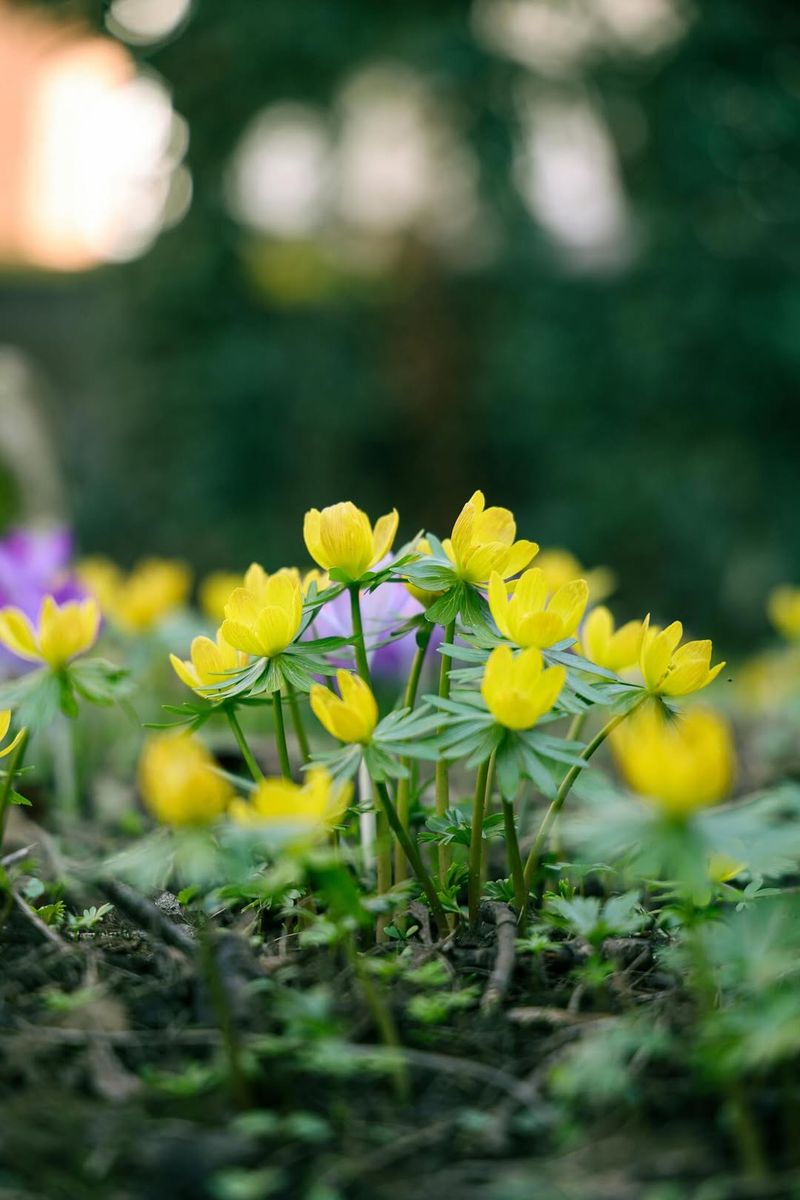
Winter aconite offers some of the earliest color possible in Oregon gardens, with cheerful yellow flowers that resemble tiny buttercups surrounded by a ruff of green bracts.
These tubers go into the ground now, planted about two to three inches deep in clusters for maximum impact.
Before planting, soak them overnight in water to rehydrate them, as they often arrive in a dried state that benefits from moisture before going into soil.
They prefer partial shade to full sun and adapt to various soil types, though they appreciate organic matter mixed into the planting area. Oregon’s winter moisture keeps them happy during their growing season, and they tolerate both clay and loamy soils reasonably well.
Once established, they naturalize readily, spreading to form golden carpets that expand year after year.
Blooms typically emerge in January or February, sometimes even earlier in mild winters or protected locations. The flowers open on sunny days and provide crucial early nectar for bees emerging from winter dormancy.
After blooming, the foliage persists for several weeks before dying back completely, leaving no trace above ground until the following winter.
This makes them perfect for planting under deciduous trees or among later-emerging perennials that will fill the space once winter aconite goes dormant.
Combine them with snowdrops and crocus for a succession of early blooms.
8. Pansies (Viola tricolor var. hortensis)
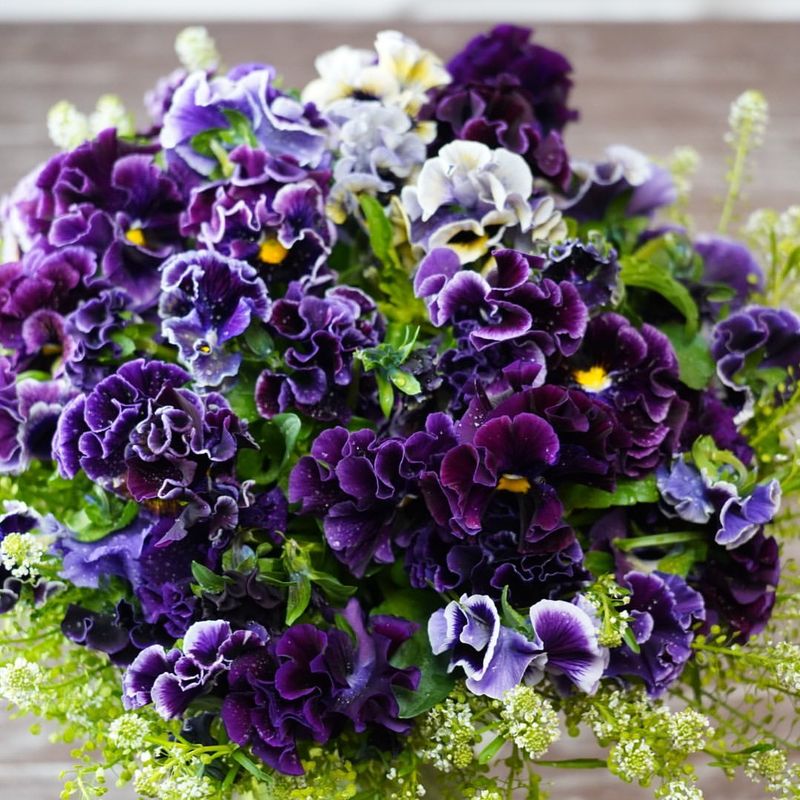
Pansies bring instant color to Oregon gardens with their distinctive face-like markings and tolerance for cool temperatures. Unlike most of the bulbs on this list, pansies are planted as bedding plants from nursery six-packs or larger containers, making them perfect for filling gaps or creating quick displays.
You can plant them now through early spring, and they’ll bloom continuously through the cool season, often lasting until summer heat arrives.
They prefer full sun to partial shade and well-draining soil enriched with compost. Regular watering helps them establish quickly, though Oregon’s winter rains typically provide adequate moisture.
In containers, they need more frequent attention to watering, especially during dry spells between rain events. Deadheading spent blooms encourages continuous flowering and keeps plants looking tidy.
Flowers appear in nearly every color combination imaginable, from solid yellows and purples to intricate blotched and whiskered patterns that give each bloom personality.
They tolerate light frosts and even brief snow, bouncing back when temperatures moderate.
Their compact growth habit makes them versatile for borders, containers, window boxes, and mass plantings. Pair pansies with spring bulbs for layered interest, using them to fill spaces between emerging daffodils and tulips.
They also combine beautifully with ornamental kale, dusty miller, and other cool-season annuals for containers that provide color throughout winter and early spring.
9. Hyacinths (Hyacinthus)
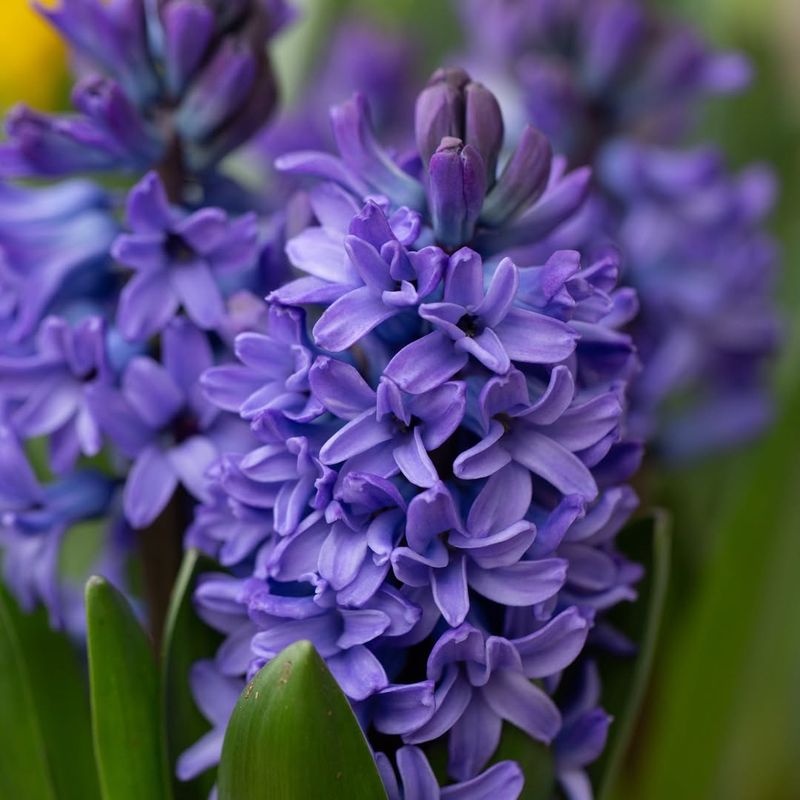
Hyacinths announce spring with intensely fragrant flower spikes that fill gardens with perfume weeks before most plants wake from dormancy.
Plant these bulbs now, setting them about six inches deep and six inches apart in well-draining soil that receives full sun to partial shade.
Their dense flower spikes stand eight to twelve inches tall, creating bold vertical accents that contrast beautifully with lower-growing bulbs and ground covers.
Oregon’s winter conditions suit hyacinths well, as they need cold temperatures to trigger blooming. Winter rains provide necessary moisture during root development, though you’ll want to ensure planting sites don’t become waterlogged.
Heavy clay soils benefit from added compost or sand to improve drainage and prevent bulb rot.
Blooms typically appear in March or early April, depending on your location and the severity of winter. Colors range from white and pale pink to deep purple, blue, and even yellow, with each spike containing dozens of individual florets that open progressively from bottom to top.
Their fragrance is legendary—just a few bulbs can perfume an entire garden area. After blooming, allow foliage to die back naturally to feed the bulbs for next year’s display.
Hyacinths work beautifully in formal plantings, borders, or containers near entryways where you’ll appreciate their scent. Combine them with daffodils, tulips, and grape hyacinths for a classic spring bulb display.
10. Pieris japonica (Andromeda)
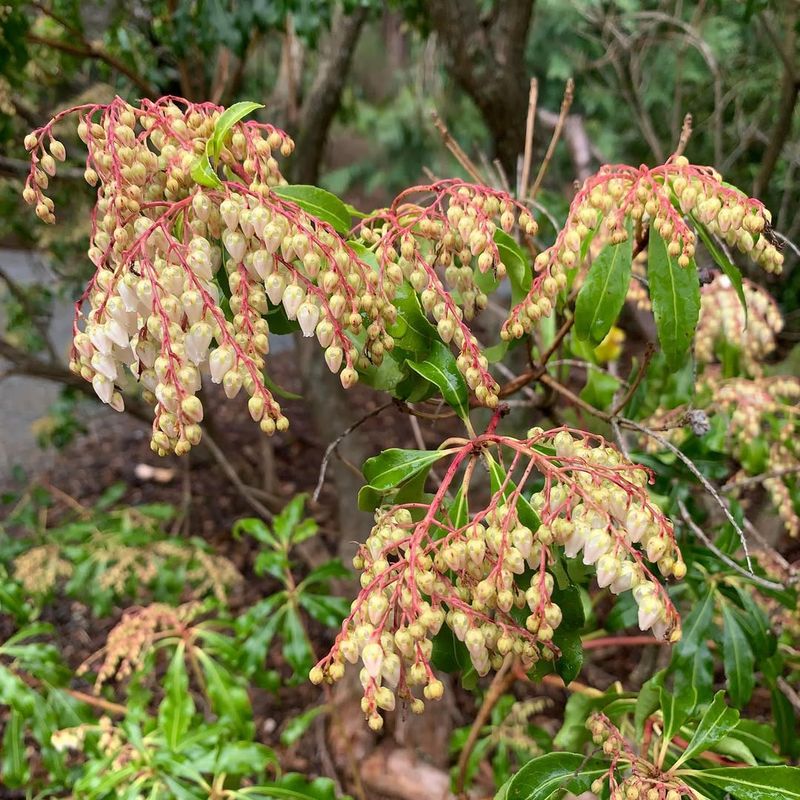
Pieris japonica offers year-round interest with evergreen foliage, early spring flowers, and colorful new growth that emerges in shades of bronze, pink, or red.
Planting this shrub now takes advantage of Oregon’s rainy season, allowing roots to establish before the growing season begins in earnest.
It prefers partial shade and acidic soil, conditions that occur naturally in many Oregon gardens, particularly in areas with Douglas fir or other conifers nearby.
The shrub appreciates consistent moisture and well-draining soil enriched with organic matter. Oregon’s winter rains typically provide adequate water, though mulching around the base helps retain moisture and moderate soil temperature.
Avoid planting in full sun, as intense light can scorch leaves and reduce the plant’s overall vigor.
Drooping clusters of bell-shaped flowers appear in late winter or early spring, usually in white or pale pink, creating cascades of blooms that last several weeks. The flowers attract early pollinators and provide visual interest when few other shrubs are blooming.
New foliage emerges after flowering, often in vibrant shades that contrast dramatically with mature leaves. Pieris grows slowly to moderately, eventually reaching four to eight feet tall depending on the variety.
Pair it with rhododendrons, azaleas, and camellias for a classic Pacific Northwest shrub border that celebrates the region’s affinity for acid-loving plants. Its evergreen nature provides structure year-round, while its seasonal changes keep the garden dynamic.
11. Cyclamen
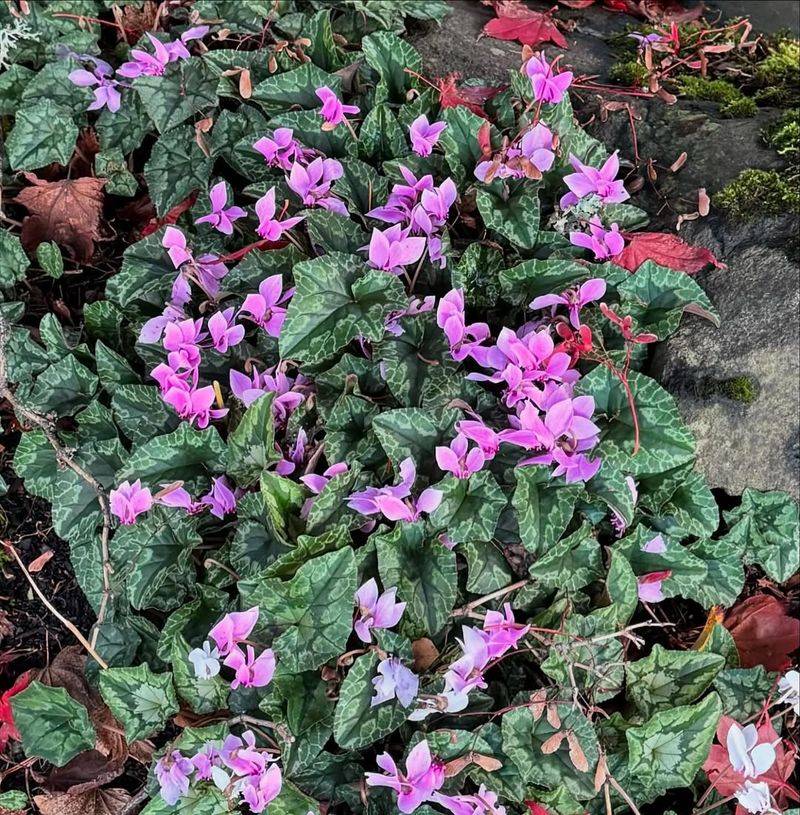
Hardy cyclamen brings unexpected elegance to Oregon gardens with swept-back flowers that appear to flutter above marbled foliage.
Unlike their tender florist cousins, hardy cyclamen varieties like Cyclamen coum and Cyclamen hederifolium tolerate outdoor conditions and can naturalize in favorable spots.
Plant them now from containers or tubers, setting them just below the soil surface in partial to full shade where they’ll receive protection from harsh afternoon sun.
They prefer well-draining soil enriched with leaf mold or compost, mimicking the woodland conditions of their native habitats. Oregon’s winter moisture suits them during their active growing season, though they appreciate good drainage to prevent tuber rot.
Once established, they require minimal care and will self-seed in areas they find favorable, gradually forming colonies that expand over years.
Blooms appear from late fall through early spring, depending on the species, with delicate flowers in shades of pink, white, or magenta hovering above patterned leaves that remain attractive even when plants aren’t flowering.
After blooming, the foliage persists for several months before going dormant in summer, making them perfect companions for shade-loving perennials that fill space during warmer months.
Their low-growing habit suits rock gardens, woodland settings, or the base of trees where their refined beauty can be appreciated up close. Combine cyclamen with hellebores, ferns, and early bulbs for a shade garden that offers continuous interest from fall through spring.